
Chemistry experiments are a great way to teach kids about science in the real world. You can mix everyday materials and observe the results to teach kids about chemical reactions, material properties, and scientific thinking. Here are 10 safe and engaging chemistry experiments for kids that make learning science both practical and exciting.
Key Takeaways
- Hands-on chemistry experiments help children understand scientific concepts by seeing reactions happen in real time.
- Simple household materials can be used to explore chemical reactions, density, acids and bases, and energy transfer safely.
- Experiments encourage curiosity, problem-solving, and observation skills rather than memorisation.
- Both quick reactions and slow experiments teach important lessons about how chemical processes work.
- With proper supervision, chemistry experiments can be safely enjoyed at home or in the classroom.


Baking Soda and Vinegar Volcano
This is a classic chemistry lesson for kids that showcases chemical reactions. Baking soda and vinegar mix to produce carbon dioxide gas and a fizzing "volcano" effect. Kids will learn that some reactions produce gases and substances that can change when they're combined.
- Place a small container or bottle on a tray or outside surface.
- Add two to three spoonfuls of baking soda into the container.
- Add a few drops of food colouring for a colourful eruption.
- Slowly pour vinegar into the container.
- Watch as the mixture bubbles and fizzes like a volcano.
Invisible Ink Using Chemical Reactions
Invisible ink is a simple way to show that chemical reactions can take some time. When the lemon juice reacts with heat, it causes the hidden message to darken and appear. A great lesson in showing how heat can trigger chemical reactions.
- Squeeze lemon juice into a small bowl.
- Dip a cotton bud or small paintbrush into the juice.
- Write a message on white paper and let it dry completely.
- Carefully warm the paper using a light bulb or adult-supervised heat source.
- Watch the hidden message appear.
Chemistry experiments can be safe and enjoyable for children when carefully planned and supervised. Most kid-friendly chemistry experiments rely on everyday household materials such as vinegar, baking soda, food colouring, milk, or lemons, rather than hazardous chemicals.
The key to safety is preparation. Experiments should always be carried out on easy-to-clean surfaces, with clear instructions explained before starting. Younger children should be closely supervised by an adult, while older children can be encouraged to take responsibility for following safety rules, such as avoiding splashes, washing hands after experiments, and wearing appropriate eye protection.
Importantly, safety doesn’t mean removing the fun. With sensible boundaries in place, chemistry experiments allow children to explore reactions, make predictions, and learn through hands-on discovery without unnecessary risk.
Slime Science and Polymer Reactions
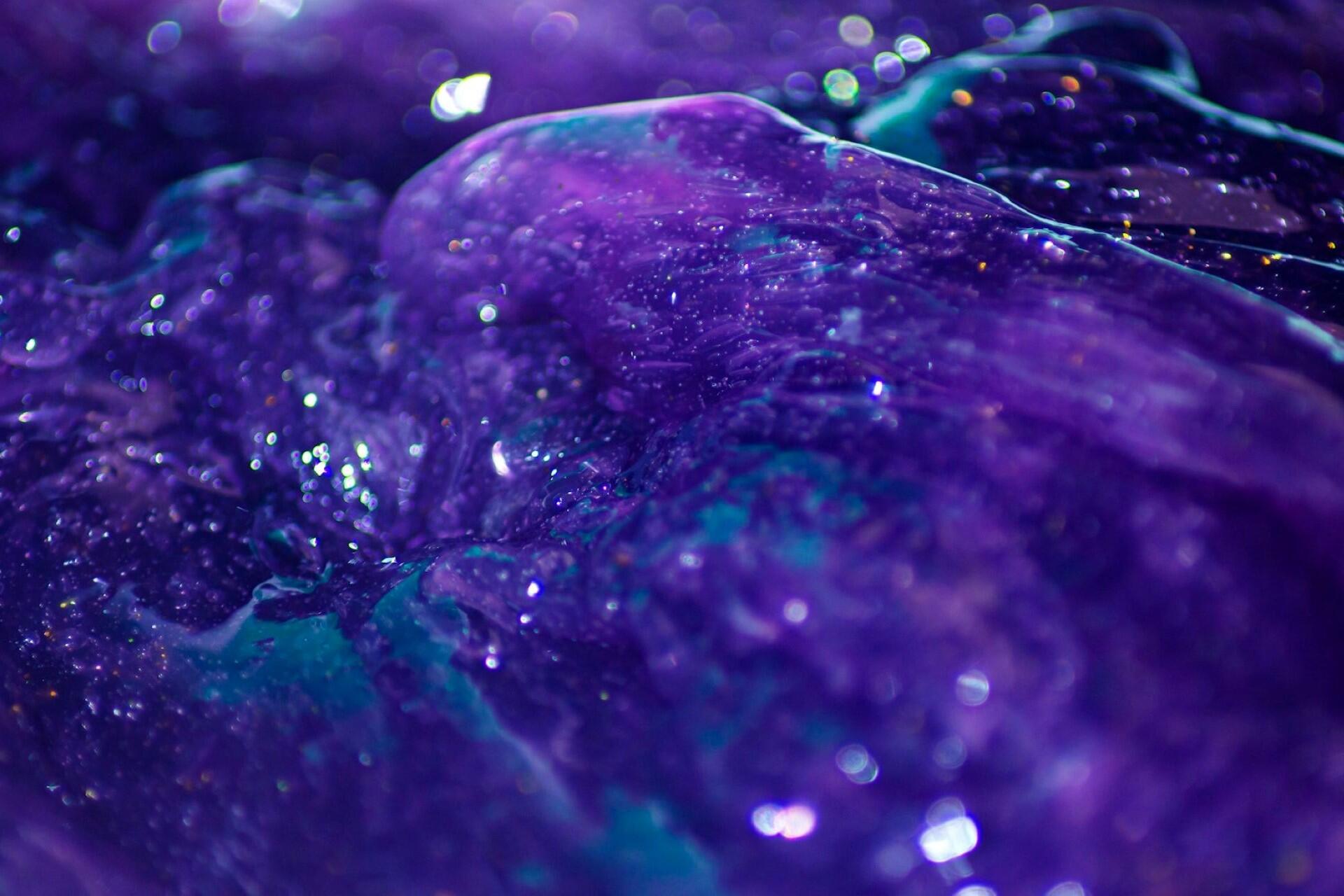
This is a hands-on way to see how material properties can change. Glue and contact lens solutions mix to form polymers that behave differently. Children can learn how new substances are created when chemicals combine in the right way, showing them how chemistry is used in everyday products like toys, fabrics, and household materials. Of course, if you want specific materials, you can always look to chemistry sets for kids.
- Pour glue into a mixing bowl.
- Add a small amount of baking soda and stir well.
- Add food colouring if desired.
- Slowly mix in contact lens solution until the slime forms.
- Knead the slime until it reaches the right texture.
improvement in understanding scientific concepts when using hands-on experiments compared with traditional instruction.
Magic Milk and Surface Tension Chemistry
The magic milk experiment can show kids how invisible forces affect liquids. The washing-up liquid breaks the milk's surface tension. Kids can see firsthand how liquids' properties affect their behaviour.
- Pour milk into a shallow dish.
- Add a few drops of food colouring in different spots.
- Dip a cotton bud into washing-up liquid.
- Touch the cotton bud to the surface of the milk.
- Watch the colours move and swirl.
While colourful reactions and surprising results capture children’s attention, chemistry experiments teach far more than just spectacle. Each experiment helps children develop core scientific thinking skills, even if they don’t realise it at the time.
By observing what happens when substances mix, children begin to understand cause and effect. They learn to ask questions, make predictions, and notice patterns, all of which are fundamental to scientific reasoning. Experiments also introduce essential chemistry vocabulary, such as reaction, solution, gas, acid, and density, in a natural, memorable way.
These activities reinforce that science is not about memorising facts, but about exploring how the world works. Over time, this approach builds confidence and curiosity, helping children feel more comfortable with science subjects in the classroom.
Growing Sugar Crystals from a Solution
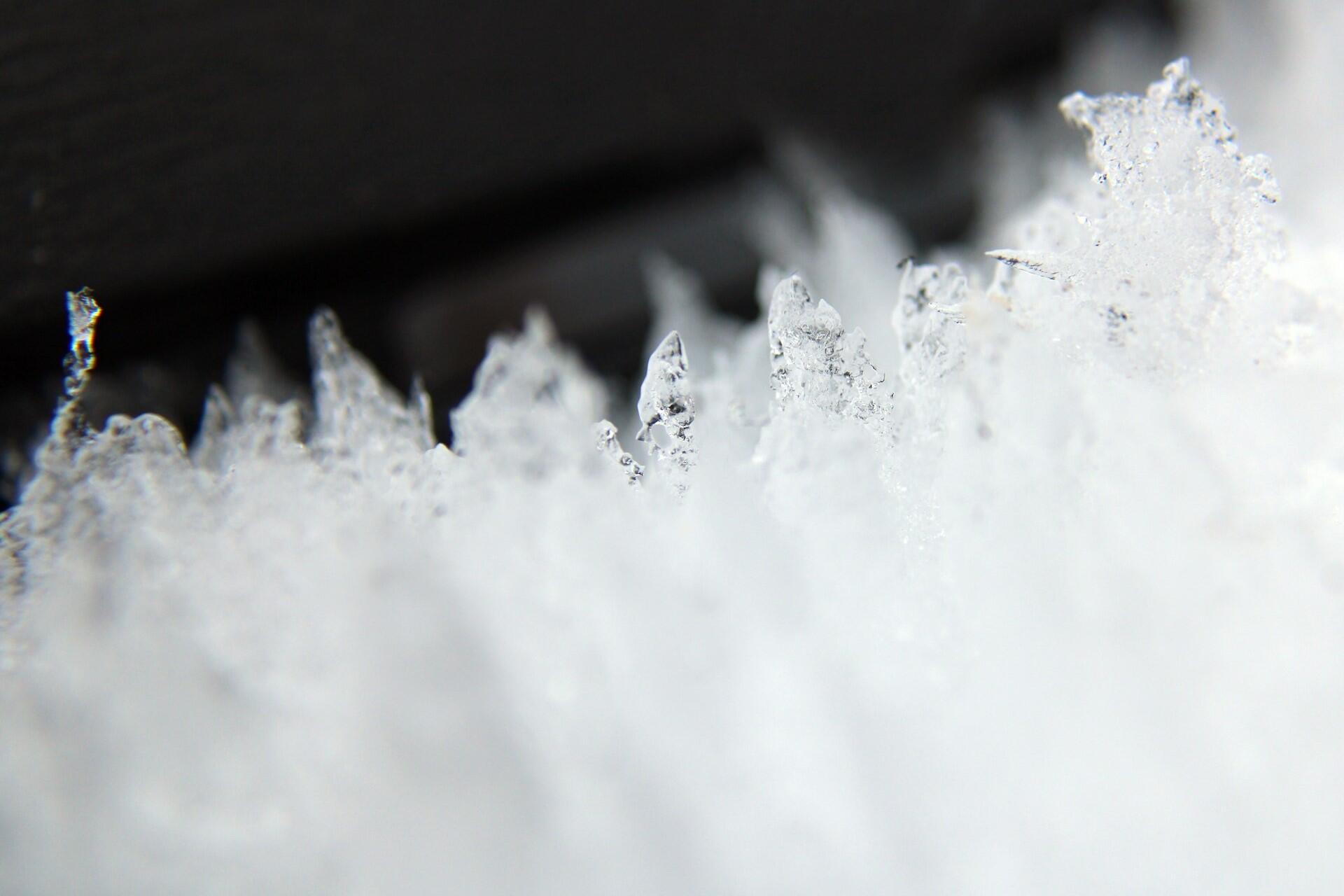
This is a slower experiment. As the sugar solution cools and becomes saturated, crystals will form on the string. It shows how solids form from liquids, and kids can learn about solutions and crystallisation. It's good to teach kids about chemistry and patience, as this one can take some time.
- Heat water until hot but not boiling (adult supervision required).
- Stir sugar into the water until no more dissolves.
- Pour the solution into a clean jar.
- Tie a string to a pencil and place it across the jar so the string hangs inside.
- Leave the jar undisturbed and observe crystal growth over several days.
What Kids See
- Bubbles forming and liquids fizzing
- Colours suddenly changing or mixing
- Foamy eruptions and rising liquids
- Solids slowly turning into crystals
- Objects floating or sinking unexpectedly
These visual moments are what make chemistry exciting for children. They spark curiosity and keep kids engaged, even before they fully understand what’s happening.
What’s Really Happening
- Gases being produced during chemical reactions
- Acids and bases reacting with each other
- Changes in density affecting buoyancy
- Solutions becoming saturated and forming crystals
- Chemical energy being converted into other forms
Behind every exciting result is a scientific explanation. These experiments introduce real chemistry concepts in a way that feels natural and memorable.
Red Cabbage pH Indicator Experiment
This experiment is a nice way to teach about acids and bases. Red cabbage juice changes colour depending on whether a liquid is acidic or alkaline. It's also a good way to teach about safety, by showing kids that substances can look the same but have different chemical properties.
- Chop red cabbage and soak it in hot water (adult help required).
- Strain the purple liquid into a clear container.
- Pour small amounts into separate cups.
- Add different liquids, such as vinegar, lemon juice, or a baking soda solution.
- Observe the colour changes.
Floating Egg Experiment and Chemical Density
This is a nice experiment to show kids how density affects buoyancy. Adding salt to the water changes its density, allowing the egg to float. Children can learn that liquids change their properties when substances are dissolved in them.
- Fill a glass with plain water.
- Gently place an egg into the water and observe what happens.
- Remove the egg, then stir the salt into the water until dissolved.
- Place the egg back into the glass.
- Observe how the egg now floats.
of students reported that hands-on lab activities were the factor that sparked or strengthened their interest in STEM subjects.
Rusting Iron Wool and Oxidation
Rusting iron wool is a way to show kids how chemical reactions can happen slowly. The iron reacts with oxygen and moisture in the air, forming rust. This can show kids why metals change and deteriorate, and even teach them about maintenance.

- Place steel wool on a plate or in a clear container.
- Sprinkle it lightly with water.
- Leave it exposed to air for several hours or overnight.
- Observe the colour change as rust forms.
- Discuss how air and moisture affect metals.
Chemistry experiments play slightly different roles at home and in the classroom, but both environments support learning in valuable ways. At home, experiments tend to be informal and curiosity-driven. Children are free to explore at their own pace, repeat experiments, and follow their interests, which helps foster enthusiasm and confidence.
In classrooms, chemistry experiments are often more structured and linked directly to curriculum topics. Teachers use demonstrations and group activities to illustrate key concepts, encourage collaboration, and reinforce scientific terminology. Classroom experiments also help students practise following procedures and working safely in a group.
Together, home and classroom experiments complement each other. Hands-on exploration outside school can make formal lessons more engaging. At the same time, classroom learning gives structure and depth to the curiosity sparked at home.
Homemade Lava Lamp and Liquid Properties
This is a good lesson about mixtures. Oil and water separate, and the fizzy tablet creates gas bubbles through the liquid. Kids can learn about density, immiscible liquids, and gas formation. It also looks really cool.
- Fill a clear bottle most of the way with vegetable oil.
- Add water until the bottle is nearly full.
- Add a few drops of food colouring.
- Drop in a fizzy tablet.
- Watch the bubbles rise and fall like a lava lamp.
Lemon Battery and Simple Electrochemistry
Let's finish with a classic electrochemistry lesson. The chemical reaction between the metals and the lemon juice generates a small amount of electrical current. Kids can learn about how chemical energy can be converted into electrical energy.
- Roll a lemon gently to release the juice inside.
- Insert a copper coin or wire into the lemon.
- Insert a zinc nail into the lemon, away from the copper.
- Connect wires to the metals.
- Attach the wires to a small LED or device and observe the result.
Summarise with AI:
Did you like this article? Leave a rating!

 Loading...