

Many people choose to enter teaching because it's an enriching career in which they can positively impact the lives of young people while contributing to Irish society in a broader sense.
Becoming a teacher is a structured process in Ireland with various pathways, entry requirements, and teaching opportunities, which means you need to carefully choose the right qualification.
Here, we'll examine the process of choosing a teaching degree in Ireland and what you should consider before making your decision.


Understanding Teaching Pathways in Ireland
Teaching degrees are more than simply "becoming a teacher." In Ireland, they are divided into primary, post-primary, or early childhood education.
These qualifications and pathways involve distinct age groups, curricula, and teaching methodologies. While there are transferrable skills across them, you need to have really considered which kind of teaching you're interested in before choosing your teaching degree.
Primary Education
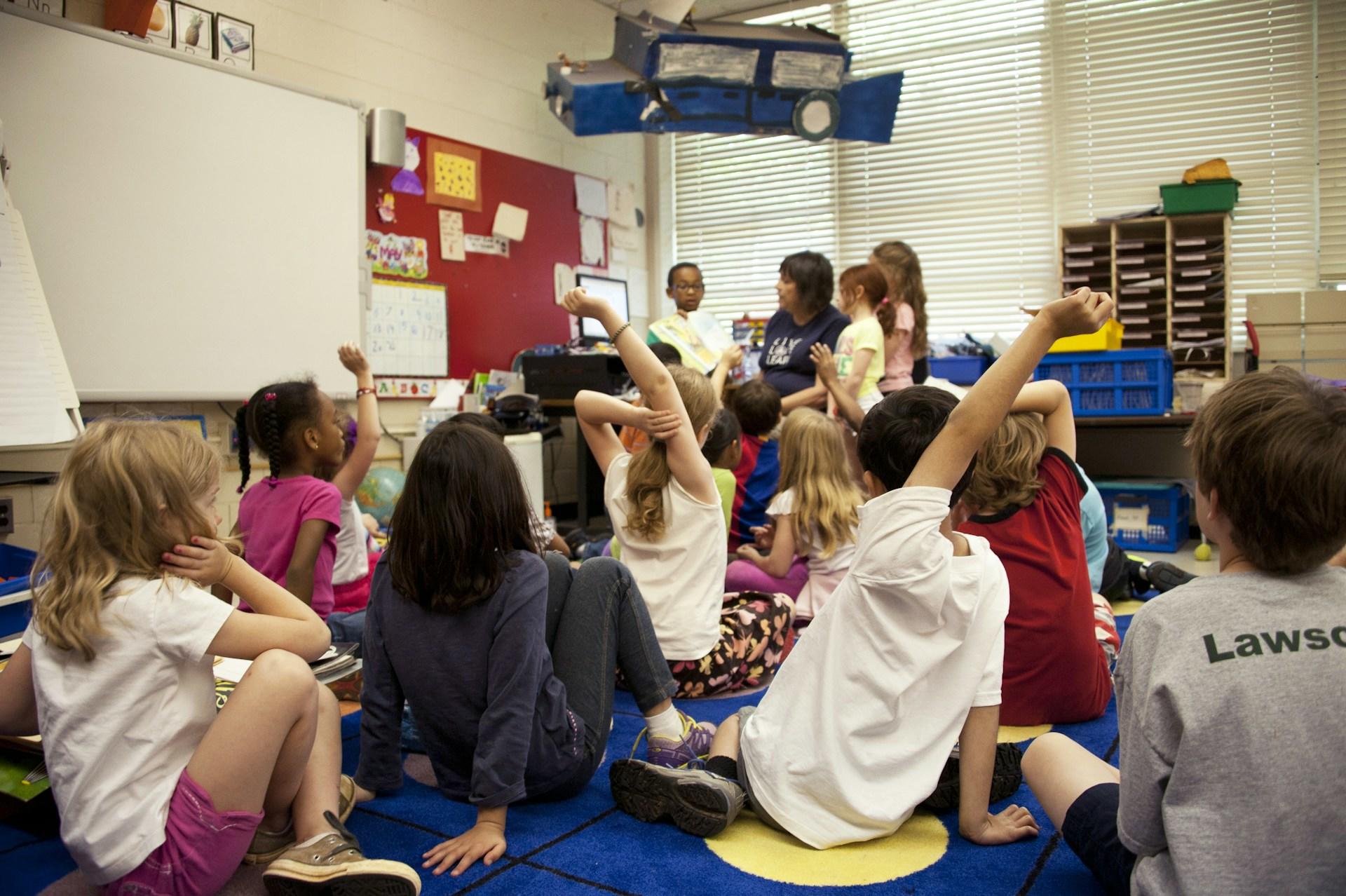
In Ireland, primary education refers to teaching in primary schools with children typically aged between 4 and 12. At these ages, students are taught a wide-ranging curriculum with literacy, numeracy, science, and the arts.
Additionally, primary school teachers need to be proficient in the Irish language, which is an essential part of the primary school curriculum.
The goal of primary education in Ireland is to nurture foundation skills while encouraging curiosity and confidence in students so that they become active and engaged learners for life.
Post-Primary Education
Post-primary education covers students aged between 12 and 18. Post-primary teachers will specialise in specific subjects like Mathematics, English, or Science and will likely play a key role in preparing students for the Junior Cycle and Leaving Certificate.
Unlike teachers working in primary education, Irish proficiency is less likely to be mandatory unless the teacher is teaching in an Irish-medium school or the Irish language.
Early Childhood Education
For teachers who want to work with much younger children, early childhood education focuses on teaching children under 6.
This educational pathway focuses on creativity, emotional well-being, early social skills, and building the foundations for students to become inquisitive, lifelong learners.
Pathways to a Teaching Degree
Once you've decided on an area of education to focus on, you should consider your current position in your educational career.
In Ireland, there are two main pathways for aspiring teachers: the Bachelor of Education (B.Ed.) and the Professional Master of Education (PME).
Both of these routes can make you a teacher, but the one you choose will likely depend on whether or not you've already completed an undergraduate degree and the level of education you'd like to teach.
Bachelor of Education (B.Ed.)
The B.Ed. is a four-year undergraduate programme for those wanting to teach primary education.
It includes a combination of academic coursework plus practical teaching placements so that aspiring teachers can enjoy a holistic approach to their teacher training and understand both the theoretical and practical aspects of teaching younger learners.
Your typical B.Ed. will include:
- Pedagogical Training: Students will take modules where they learn about child development, different teaching methodologies, and curriculum design.
- Irish Language Instruction: Since Irish language is mandatory for primary education in Ireland, some Irish will likely be taught as part of the programme.
- School Placements: As part of their practical teacher training, students can gain hands-on experience in real classrooms, applying theory to practice.
Several institutions across Ireland offer B.Ed. programmes. Be sure to carefully research each one before applying.
- Mary Immaculate College (Limerick)
- DCU Institute of Education (Dublin)
- Marino Institute of Education (Dublin)
- Froebel Department, Maynooth University (Kildare)
There are also specialised options like DCU's Bachelor of Education in Irish Sign Language (ISL). This programme, for example, replaces the Irish language requirement with Irish Sign Language so that deaf and hard-of-hearing students can pursue careers in teaching.

Professional Master of Education (PME)
The Professional Master of Education (PME) is a two-year postgraduate degree. This programme is specifically for those interested in teaching who already have a Level 8 undergraduate qualification.
This programme is suitable for both primary and post-primary education. It's useful for students who studied an undergraduate degree in a different subject and now would like to transition into primary education.
For post-primary education, it allows students to complete an undergraduate degree in the subject that they'd like to teach before learning more about transferring their specialist subject knowledge to older students in post-primary education.
PME programmes typically focus on advanced pedagogical techniques, curriculum planning, and extended teaching placements.
There are also blended learning PME options that allow students to complete parts of the programme online. This is great for mature students or those changing careers with other commitments that may prevent them from attending in-person modules.
Special Requirements for Teaching Degrees in Ireland
Like other degree programmes, teaching qualifications in Ireland have academic requirements. However, teaching in Ireland has several special requirements.
1. Irish Language Proficiency
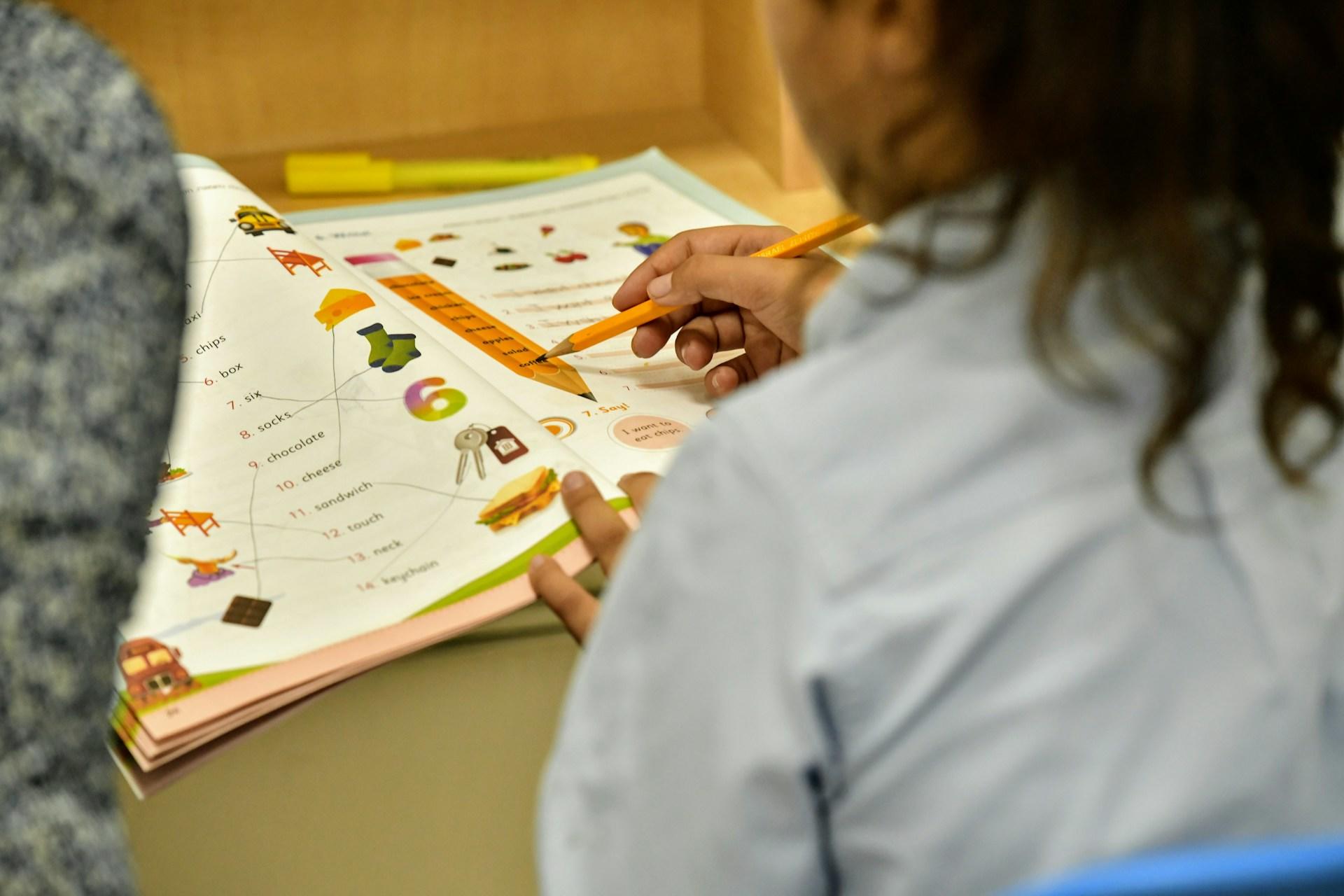
Irish language proficiency is required for primary education in Ireland. Candidates need to either pass the Teastas Eorpach na Gaeilge (TEG) at B1 level or demonstrate equivalent proficiency through the Leaving Cert or other academic results.
2. Gaeltacht Placements
Primary education programmes also require that students complete two Gaeltacht Placements. These are immersive experiences in Irish-speaking communities where students can improve their Irish language skills while fostering cultural appreciation.
3. Garda Vetting
Aspiring teachers need to undergo Garda vetting for the safety and well-being of students. The vetting process will require background checks conducted by the national police service.
Skills and Attributes Developed during Teaching Degrees
The teaching programmes available to aspiring teachers in Ireland aren't simply there to give out teaching qualifications. Students on these programmes focus on both theoretical and practical teaching skills to create well-rounded professional graduates.
Here are some skills you'll want to develop while on a teaching programme.
Classroom Management
Effective classroom management is essential to being a teacher and creating a positive learning environment for your students. Teacher training programmes and degrees will help students to handle diverse classroom dynamics, maintain order, and foster engagement.

Communication
A good teacher must be a strong communicator who can convey complex concepts in various ways.
Teacher training programmes and degrees will help students to develop verbal, non-verbal, and written communication skills with students, parents, and colleagues.
Creativity and Adaptability
Every classroom is different, and every single class you teach has the potential to be different. Teachers must adapt their lessons to different topics, students, and learning styles.
Teaching degrees will encourage teachers to be creative with their lesson planning and problem-solving to meet their students' diverse needs.
Collaboration
In addition to communicating effectively with others, teachers will often have to work with their colleagues, administrators, students, and their families.
Collaborative skills are a non-negotiable part of effective teaching, and most programmes will ensure that teachers can build strong professional relationships to get the most out of their students.
Career Opportunities for Teaching Degree Graduates
Upon completing a teaching degree (and the other requirements), graduates should have the skills and qualifications necessary to teach.
As mentioned above, these programmes lead to either primary school teaching, post-primary teaching, or early childhood education.
There are also other roles outside of these main areas that teachers could explore, including:
- Special Education: Teaching and supporting students with special educational needs, which also comes with a bonus for your teaching salary.
- Educational Leadership: Roles heading schools or administrative functions within schools or education.
- International Teaching: Teachers who gained their teaching qualification in Ireland also have the opportunity to teach internationally. Irish teachers are in demand in the UK, UAE, and Canada, for example.
Further Study
After completing a teaching degree, further academic options are available, including advanced degrees or Ph.D.
Typically, further study allows qualified teachers to choose options in academia or further the field of teaching itself.
Advice for Prospective Applicants
You'll need to consider a few things when choosing a teaching degree. Here are our tips to help you make your choice.
- Understand your goals: Consider your interests and strengths. Do you prefer working with younger children, preschoolers, or teenagers? What are you passionate about?
- Research institutions: Look into the colleges and universities offering teaching degrees. Consider not only the program but also the location and reputation of the institutions.
- Gain practical experience: You can volunteer or shadow teachers in local schools. This experience can help you better understand the kind of teaching you prefer and strengthen your application.
- Prepare your application: Your application is the key to getting onto any course. Ensure you meet the requirements and highlight and articulate why you deserve to be on the programme.
- Plan for financial support: There are various scholarship, grant, and funding options. Look into them before starting your applications.
Summarise with AI:
Did you like this article? Leave a rating!

 Loading...