Justice cannot be for one side alone, but must be for both.
Eleanor Roosevelt
If you want to work in law in Ireland, you need to qualify as either a solicitor or barrister. The role of a lawyer doesn't specifically exist in the country. The two distinct pathways have their own exams that are somewhat equivalent to a bar exam, but aren't exactly the same (and only one is called the "bar"). Here, we'll explore how the systems work, what the FE-1 and King's Inns exams involve, and how long you need to qualify.
Key Takeaways
Ireland does not use a single, unified bar exam, as solicitors and barristers each have their own route.
Solicitors must pass the FE-1 Entrance Examinations before training contracts and the PPC.
Barristers must pass the King’s Inns Entrance Exam, complete the BL Degree, and then do devilling.
Each pathway has different exams, skills requirements, training structures and costs.
Most candidates take around six years from starting university to full qualification.
FE-1s test eight core legal subjects and are held twice a year.
King's Inns Entrance Exams assess key legal foundations, including Contract, Tort, Criminal, Constitutional, and Evidence.
Choosing between solicitor and barrister pathways depends on whether you prefer client work or courtroom advocacy.
Professional training involves a mix of academic learning, practical legal skills, ethics, and supervised practice.
Both professions are regulated: solicitors by the Law Society of Ireland, barristers by the Honourable Society of King’s Inns and the Bar of Ireland.
Ireland doesn't use the "bar exam" system that many associate with the United States or the UK. There are two distinct professional pathways for solicitors and barristers. Each has its own exams, training stages, requirements, and costs. Understanding how FE-1s, King's Inns, the BL Degree, devilling, PPC, and training contracts fit together is essential.
beenhere
What Ireland Uses Instead of a Bar Exam
Ireland does not have a single unified “bar exam” like the United States. Instead, qualification depends on the pathway you choose.
Solicitors must pass the FE-1 Entrance Examinations run by the Law Society of Ireland.
Barristers must pass the King’s Inns Entrance Examination before beginning the Barrister-at-Law Degree.
These exams test core legal subjects and determine eligibility for professional training programmes.
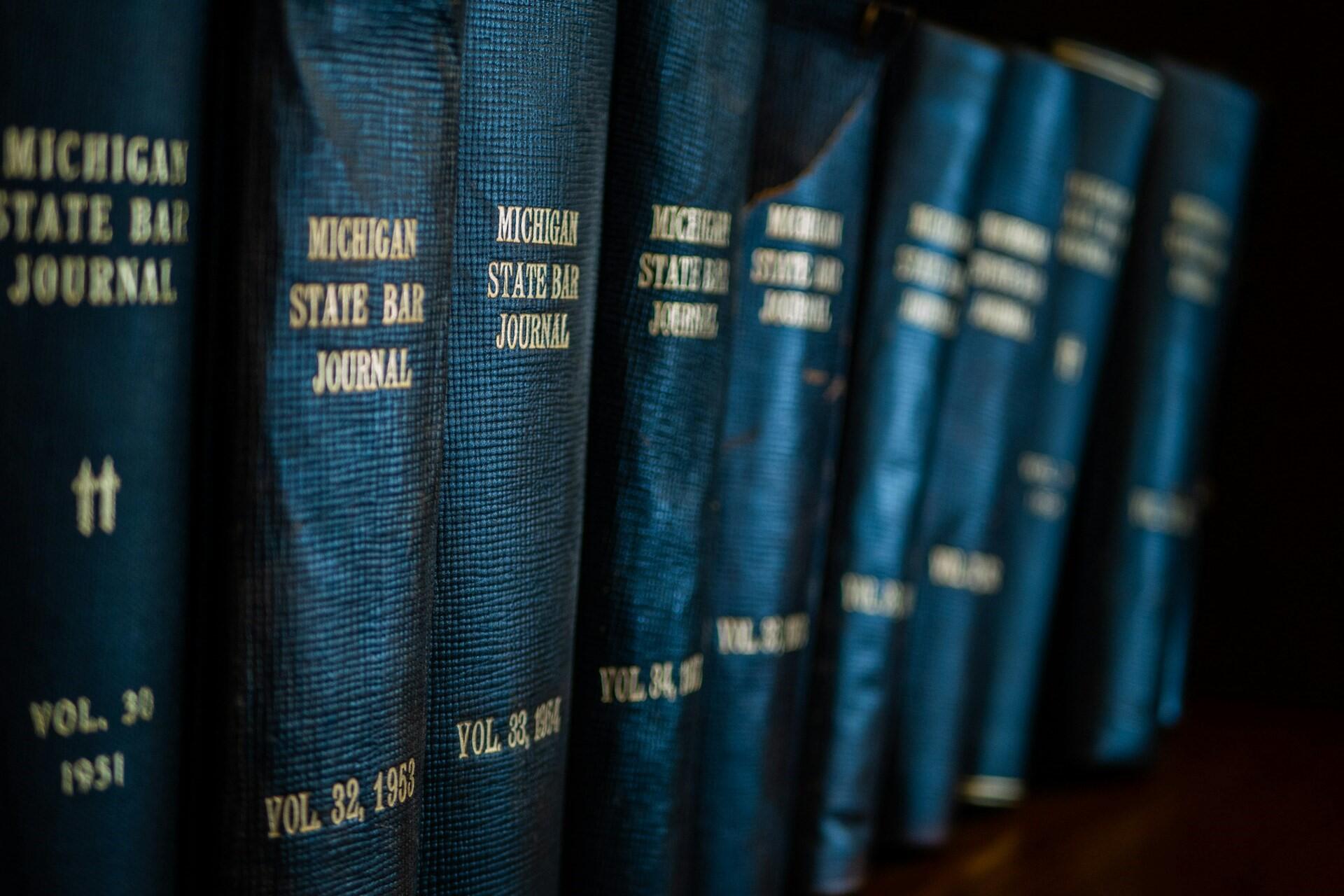
Ireland doesn't have a Bar Exam like they do in the US for different states. | Photo by Rob Girkin
Ireland’s Two Professional Routes
Your career path for law in Ireland will depend on whether you want to work with clients or in courtrooms and likely start with a law degree. Let's explore what each route involves. Once you know what they are, you can make a better decision.
Solicitor Route
Work directly with clients, businesses, and organisations on legal matters.
Handle drafting, negotiation, conveyancing, probate, litigation preparation, and regulatory advice.
Pass the FE-1 exams before beginning formal solicitor training.
Apply for and secure a training contract with an approved solicitor.
Complete the Professional Practice Course (PPC) at the Law Society of Ireland.
Barrister Route
Focus on courtroom advocacy, legal submissions, and complex legal arguments.
Generally receive work via solicitors rather than direct client contact.
Pass the King’s Inns Entrance Examination.
Enrol in the Barrister-at-Law (BL) Degree at King’s Inns.
Complete devilling, a form of apprenticeship with a senior barrister.
Barristers are more focused on courtroom representation. | Photo by Tingey Injury Law Firm
Both solicitors and barristers are "lawyers" in a sense; their professional remit, training requirements, and rights all differ (as well as their expected salaries). While both study law, they have different roles. Look at each to see what it does before choosing.
Whether you choose the solicitor or barrister route, you should expect to study a lot. | Photo by Giammarco Boscaro
Solicitors
First point of contact for clients seeking legal advice.
Manage legal files, transactions, property matters, and negotiations.
May represent clients in lower courts and, with qualifications, in higher courts.
Typically work within law firms, in-house legal teams, or public bodies.
Training emphasises client skills, drafting, negotiation, and regulatory knowledge.
Barristers
Specialists in courtroom advocacy and complex legal argumentation.
Usually work independently from the Law Library rather than in firms.
Receive briefs from solicitors rather than clients directly.
Present cases before judges, cross-examine witnesses, and draft formal submissions.
Training focuses on oral advocacy, ethics, evidence, and litigation technique.
Since there are these two distinct legal roles, there isn't really a "bar" exam in Ireland like there is in other countries. Each profession has its own entry examinations, and there's sometimes something called a "bar exam".
For Solicitors
The equivalent exam is the FE-1 Entrance Examination, run by the Law Society.
You must pass eight subjects before you can begin a training contract.
FE-1s assess knowledge of Irish legal foundations such as Contract, Tort, Criminal, Property, and Constitutional law.
For Barristers
The “bar exam” is the King’s Inns Entrance Examination.
Tests core legal subjects required to commence the Barrister-at-Law Degree.
Must be passed before enrolling in King’s Inns professional training.
What This Means for You
There is no single bar exam. Your required exam depends on your chosen path.
FE-1s = solicitor route.
King’s Inns Entrance Exam = barrister route.
Becoming a Solicitor in Ireland
There are three key parts to becoming a solicitor in Ireland. Firstly, you have to pass the FE01 examinations. Secondly, you have to secure a training contract. Thirdly, you have to complete the Professional Practice Course (PPC). Of course, we're oversimplifying here, but those's the main parts that focus specifically on becoming a solicitor.
There are
8
FE-1 exams required to become a solicitor in Ireland.
The FE-1 Examinations Explained
Confirm you meet the eligibility criteria: a recognised law degree or Level 8 non-law degree.
Register early since FE-1 sittings take place twice per year (spring and autumn).
Plan your exam sequence: you can sit any number of papers per sitting.
Prepare for eight required subjects: Company, Constitutional, Contract, Criminal, Equity, EU Law, Property, and Tort.
Use past papers and examiner reports as they're essential for working out exam patterns.
Consider prep courses only if needed. Self-study is sufficient for many candidates.
Track FE-1 deadlines carefully. Missing a window delays your entire qualification timeline.
playlist_add_check
What the FE-1s Cover
The FE-1 exam suite includes eight subjects required by the Law Society of Ireland: Company, Constitutional, Contract, Criminal, Equity, EU Law, Property, and Tort. Candidates may sit the papers individually, and the exams are held twice per year.
Training Contracts and In-Office Training
Begin applying for traineeships before finishing your FE-1s, since large firms recruit 1–2 years in advance.
Write a strong CV and cover letter highlighting research, writing, and analytical experience.
Expect structured training over 24 months under an approved practising solicitor.
Rotate through core areas: litigation, conveyancing, commercial, probate, etc.
Keep a skills log, as your training solicitor must certify completed competencies.
Budget realistically: trainee salaries vary widely between large, mid-size, and rural firms.
Maintain professionalism and reliability; the training contract is an extended job interview.
Whether you're a solicitor or a barrister, you'll be expected to be a consummate professional. | Photo by Marten Bjork
The Professional Practice Course (PPC)
Complete PPC I and PPC II at the Law Society of Ireland during or between traineeship periods.
Study key vocational modules including advocacy, drafting, business law, property, litigation, and ethics.
Expect practical workshops, group-based assessments, and real-world simulations.
Confirm whether your firm will cover your PPC fees, as many large firms fund trainee tuition.
Organise accommodation and transport early if studying in Dublin is required.
Make full use of networking opportunities as PPC cohorts form strong professional networks.
How Long Qualification Takes to Become a Solicitor
Allow 3–4 years for an undergraduate law degree.
Add 6–18 months for FE-1 preparation and exam sittings.
Expect 24 months of supervised in-office training.
Complete PPC modules before final qualification.
Most candidates qualify in around six years from starting university.
Qualification typically takes about
6
years from the start of your degree to becoming fully certified.
Becoming a Barrister in Ireland
The barrister pathway is different from the solicitor route and comes with different legal job prospects. This centres on courtroom advocacy, specialist legal opinion work, and independent practice at the Bar of Ireland. Training for this is overseen by The Honorable Society of King's Inn, which involves academic exams, professional training, and a year of supervised apprenticeship known as devilling. To qualify for admission to the King’s Inns Entrance Examination, you must:
Hold a qualifying law degree that covers the core subjects required by the King’s Inns (Contract, Tort, Criminal, Constitutional, Evidence, and more).
Or complete the Diploma in Legal Studies, a two-year evening programme designed for non-law graduates.
Meet English-language proficiency requirements if applying as an international student.
Submit a formal application through the King’s Inns portal, including transcripts, ID documents, and proof of eligibility.
Prepare for and sit the King’s Inns Entrance Examination, which is required for entry into the Barrister-at-Law (BL) Degree.
Check annual deadlines early, as exam and application dates vary and fill quickly.
school
What You Need to Apply to King’s Inns
To apply for King’s Inns, candidates must hold a qualifying law degree covering core subjects or complete the Diploma in Legal Studies. Applicants must also meet English-language requirements and pass the King’s Inns Entrance Examination, which tests Contract, Criminal, Tort, Constitutional, and Evidence.
Once admitted, you’ll progress to the Barrister-at-Law Degree, which focuses heavily on advocacy and professional skills:
Choose full-time (1 year) or modular/part-time (2 years) depending on your circumstances.
Train in courtroom advocacy, including examination-in-chief, cross-examination, submissions, and oral argument.
Learn specialist drafting skills, such as pleadings, opinions, and legal submissions.
Complete modules in civil procedure, criminal procedure, evidence, and professional ethics.
Participate in simulations, mock trials, and small-group workshops led by practising members of the Bar.
Engage in continuous assessment, including oral exams, written papers, and practical advocacy tests.
Devilling and Call to the Bar
Work under an experienced practising barrister, known as your “master”.
Assist with real legal work, such as drafting opinions, researching case law, preparing submissions, and attending court.
Observe a wide range of hearings, from district court motions to High Court and Court of Appeal proceedings.
Receive hands-on training in client communication, court etiquette, case strategy, and written advocacy.
Optional: complete a second year of devilling to gain additional experience or specialisation.
Be called to the Bar of Ireland, allowing you to practise as a fully qualified barrister once devilling is complete (note: first-year barristers cannot take direct briefs).
Summarise with AI:
Did you like this article?Leave a rating!
5.00 (2 rating(s))
Loading...
Dean
I enjoy exploring captivating stories in literature, engaging in thought-provoking conversations, and finding serenity in the beauty of nature through photography.
Not in the American sense. Ireland has two separate qualification exams, depending on your path: FE-1s for solicitors and the King's Inns Entrance Examination for barristers.
🤔 Are the FE-1 exams harder than the King’s Inns Entrance Exam?
They test different skills. FE-1s cover eight core legal subjects and require strong analytical writing and exam technique. King’s Inns exams focus on foundational legal knowledge needed for courtroom-based professional training.








 Loading...