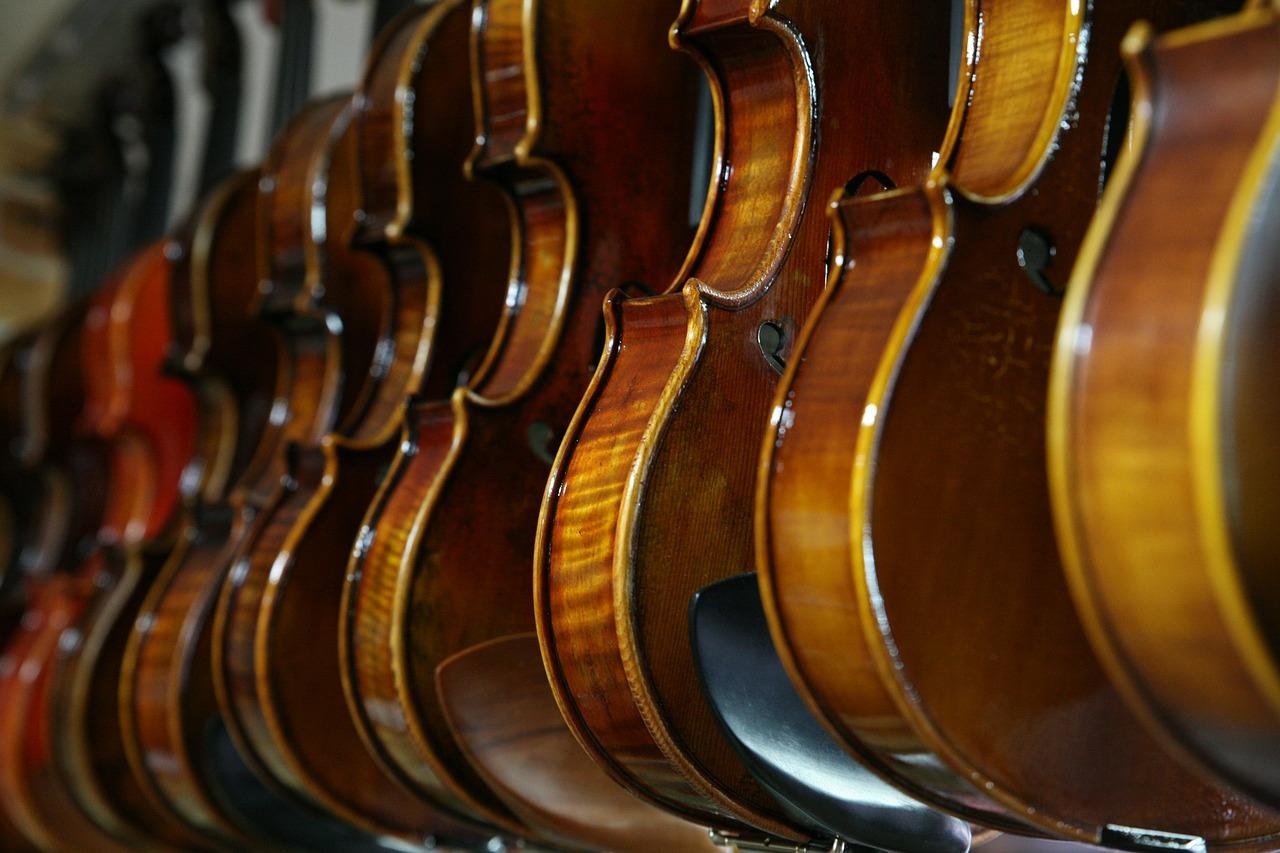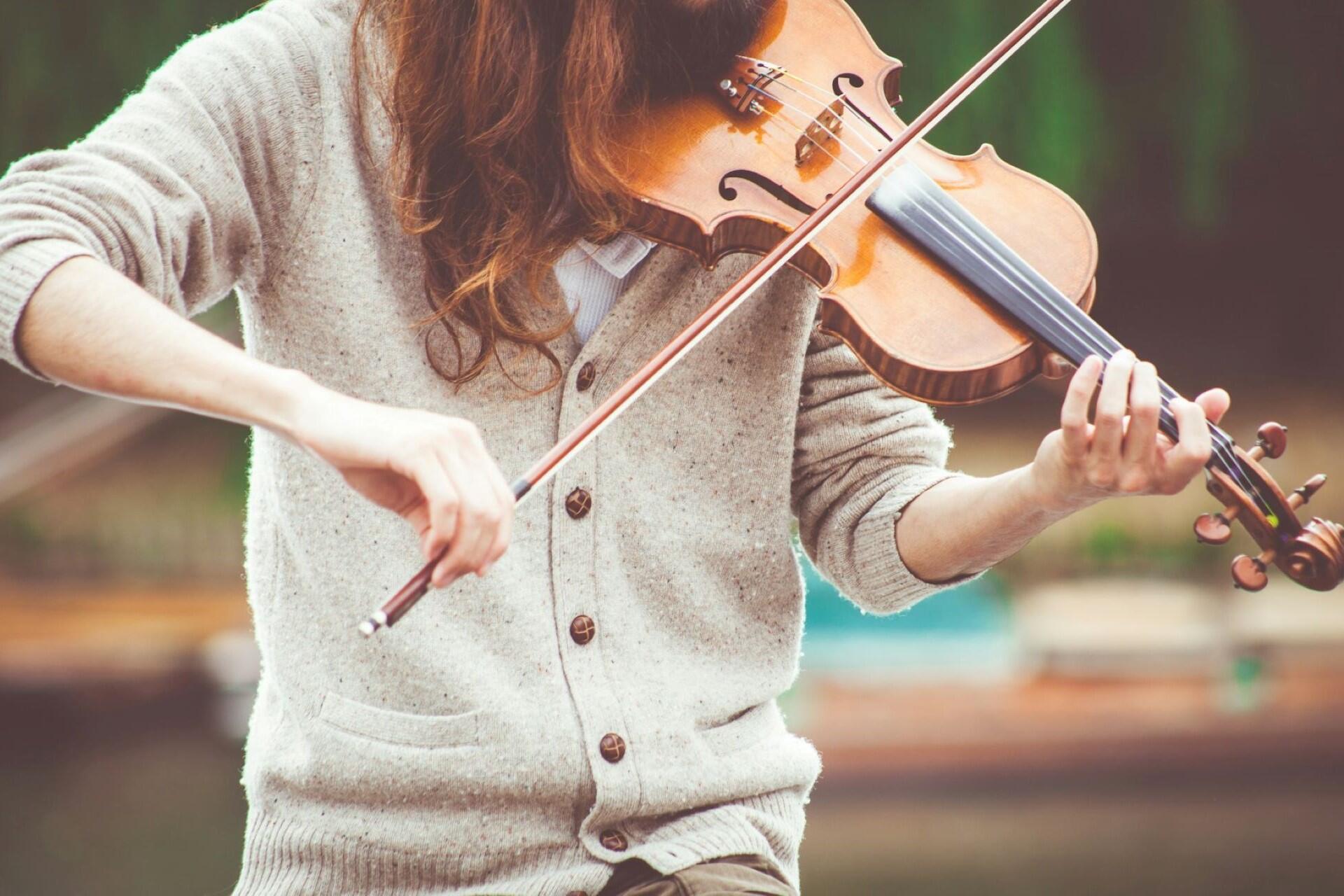

The violin is one of the most recognisable instruments in the world. You'll find it in so many different musical genres and styles. Let's explore what it is, how it came to be, and how it's used.
Key Takeaways
- The violin is a bowed string instrument used across classical, folk, and modern music, valued for its wide pitch range and expressive sound.
- The modern violin developed in 16th-century Italy and was refined by master luthiers such as Amati, Stradivari, and Guarneri, whose designs still influence violins today.
- “Violin” and “fiddle” refer to the same instrument, with the difference lying in musical context and playing style rather than construction.
- The violin family includes the viola, cello, and double bass, each differing in size, pitch range, and role within ensembles.
- Acoustic and electric violins are played using the same technique but differ in sound production, amplification, and typical use cases.
- Successful learning depends on correct violin size, proper setup, and consistent practice rather than speed or early technical complexity.


What Is a Violin?
The violin is a bowed string instrument. It has become one of the most recognisable and versatile instruments in Western music. You'll find it in orchestras, chamber ensembles, folk groups, and modern bands. It's used in genres from classical and traditional music to jazz, pop, and film scores.
If you take violin lessons in Dublin, you'll find that the violin is a popular instrument because it has a wide pitch range and is incredibly expressive. A violin produces soft, lyrical melodies and fast, rhythmic passages, depending on how you play it. Since tone and style are shaped by technique, you can use the same violin for many different musical traditions.
Key Violin Facts Every Beginner Should Know
Understanding how the instrument behaves can help you to practise effectively, especially when you get started with some songs for beginners. Violins are lightweight and responsive by design, but this means small changes in posture, bow pressure, or finger placement will affect the sound. It's sensitive to change, but that's what allows it to be so expressive, and so difficult for absolute beginners.
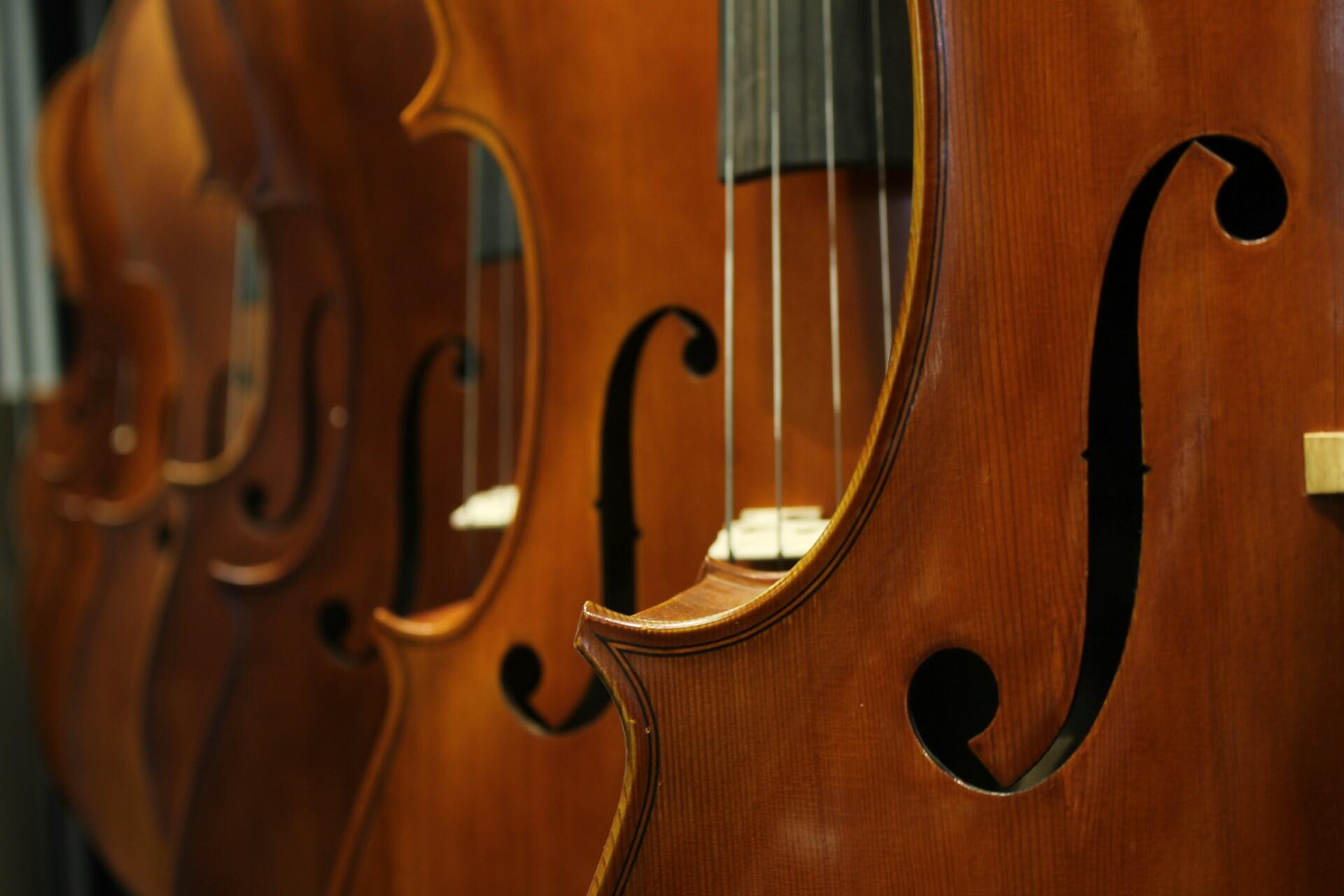
Violins need to be properly set up to be playable. Finding the right fit for your violin lets you focus on technique. Choose the correct size, too, by talking to the salesperson in your local music shop.
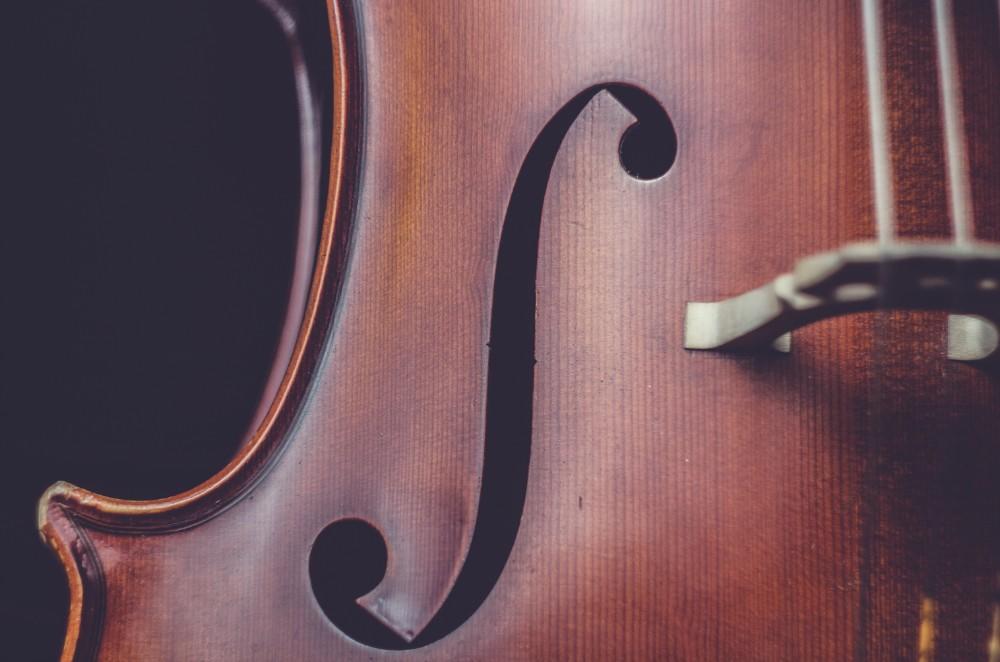
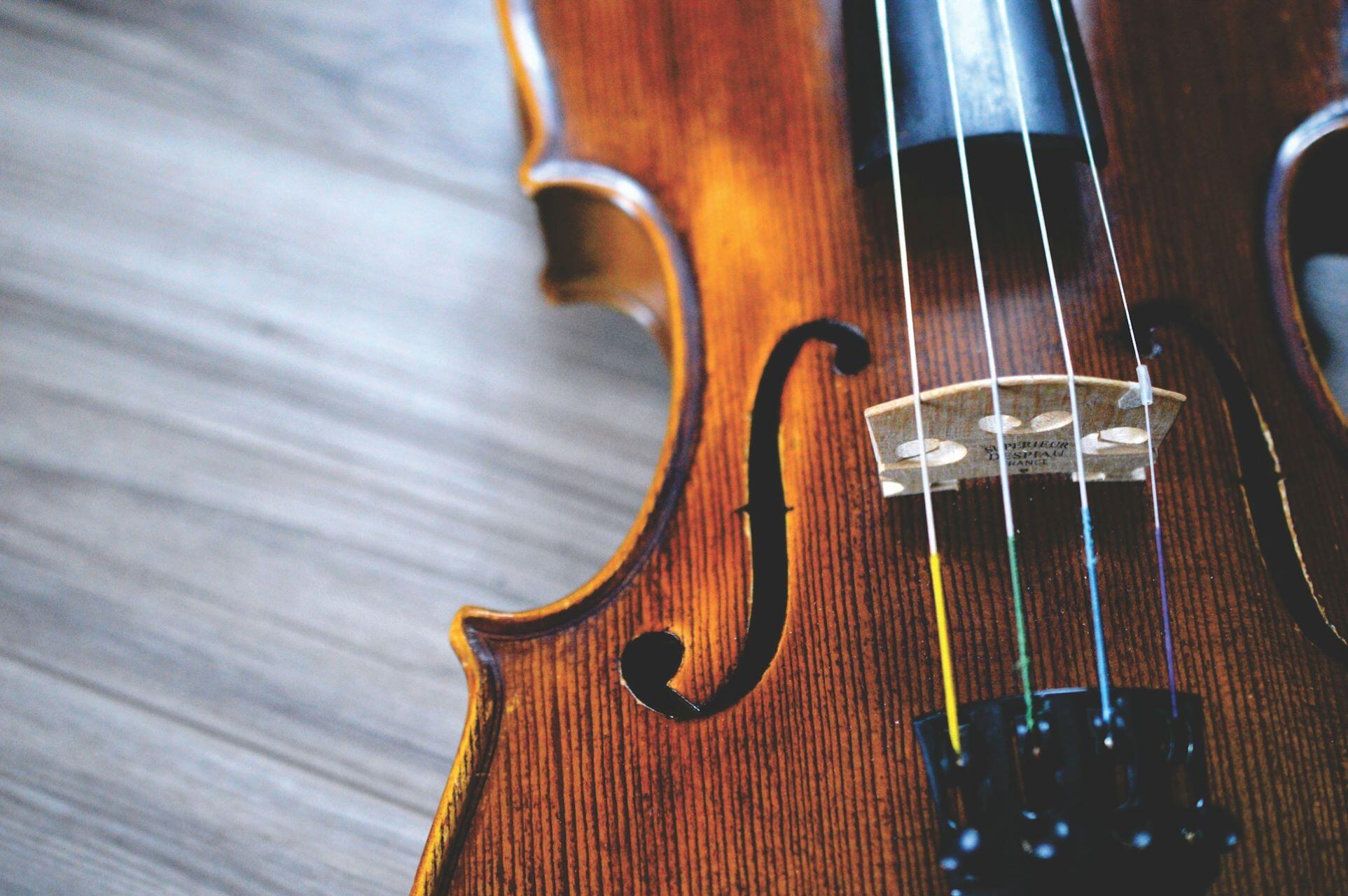
The violin is a four-stringed, bowed instrument tuned to G, D, A, and E. It is the highest-pitched member of the violin family. Standard full-size violins are known as 4/4, with smaller sizes available for students and children. Acoustic violins are typically made from spruce and maple, and sound is produced when the bow causes the strings to vibrate and resonate inside the body.
- Violins have four strings tuned in fifths: G, D, A, and E.
- They come in multiple sizes to suit children, students, and adults.
- Materials, setup, and bow technique all affect sound quality.
The History of the Violin
The history of the violin begins with the modern violin developed in northern Italy during the 16th Century. It's actually an evolution of earlier bowed string instruments, notably the rebec and the viol. Instrument makers refined their shapes, string lengths, and tunings, changing music forever. The violin spread across Europe and quickly became central to courtly and public music. Composers wrote specifically for it. By the 17th Century, the violin was established as a leading solo and ensemble instrument, a position it retains today.
Early 1500s
Origins of the Violin
Early bowed string instruments such as the rebec and the viol influenced the development of the violin in northern Italy.
c. 1520–1530
First Written References
The violin begins appearing in written records, marking its recognition as a distinct instrument.
Mid-16th Century
Cremona Becomes a Violin-Making Centre
Luthiers in Cremona, Italy, refine the violin's shape, proportions, and tuning.
1564
Andrea Amati’s Royal Commission
Andrea Amati builds violins for the French court, helping establish the instrument's prestige.
17th Century
The Violin Enters Classical Music
Composers such as Claudio Monteverdi feature the violin prominently in orchestral and operatic works.
Late 17th–Early 18th Century
The Golden Age of Violin Making
Luthiers, including Antonio Stradivari and Giuseppe Guarneri, perfected violin design and craftsmanship.
18th Century
The Violin as a Solo Instrument
The violin becomes central to concert music, with composers writing concertos and virtuosic works.
20th Century
The Electric Violin Emerges
Advances in amplification lead to the development of electric violins for modern music styles.
21st Century
Innovation and New Materials
Modern violins incorporate new materials and technologies while retaining traditional design principles.
The Makers Who Shaped the Modern Violin
The modern violin is linked to a small group of skilled luthiers who worked in Cremona, Italy. Makers like Andrea Amati standardised the violin's proportions. Others refined its balance, strength, and tonal clarity. Antonio Stradivari and the Guarneri family produced instruments famous for their projection, responsiveness, and craftsmanship. Even if you're taking violin lessons in Galway, you'll see that some of their design principles are still followed by violin makers today, even though some violins are now made in factories rather than workshops.
instruments in his lifetime, and about 650 of those survive today, including roughly 450–512 violins.
How a Violin Works
A violin produces sound through friction. Violinists create the friction between the bow hair and the string. As the bow moves across the string, it causes it to vibrate. The string's length, thickness, and tension affect its pitch. By pressing the string against the fretboard, the violinist alters the string's vibrating length and thus its pitch.
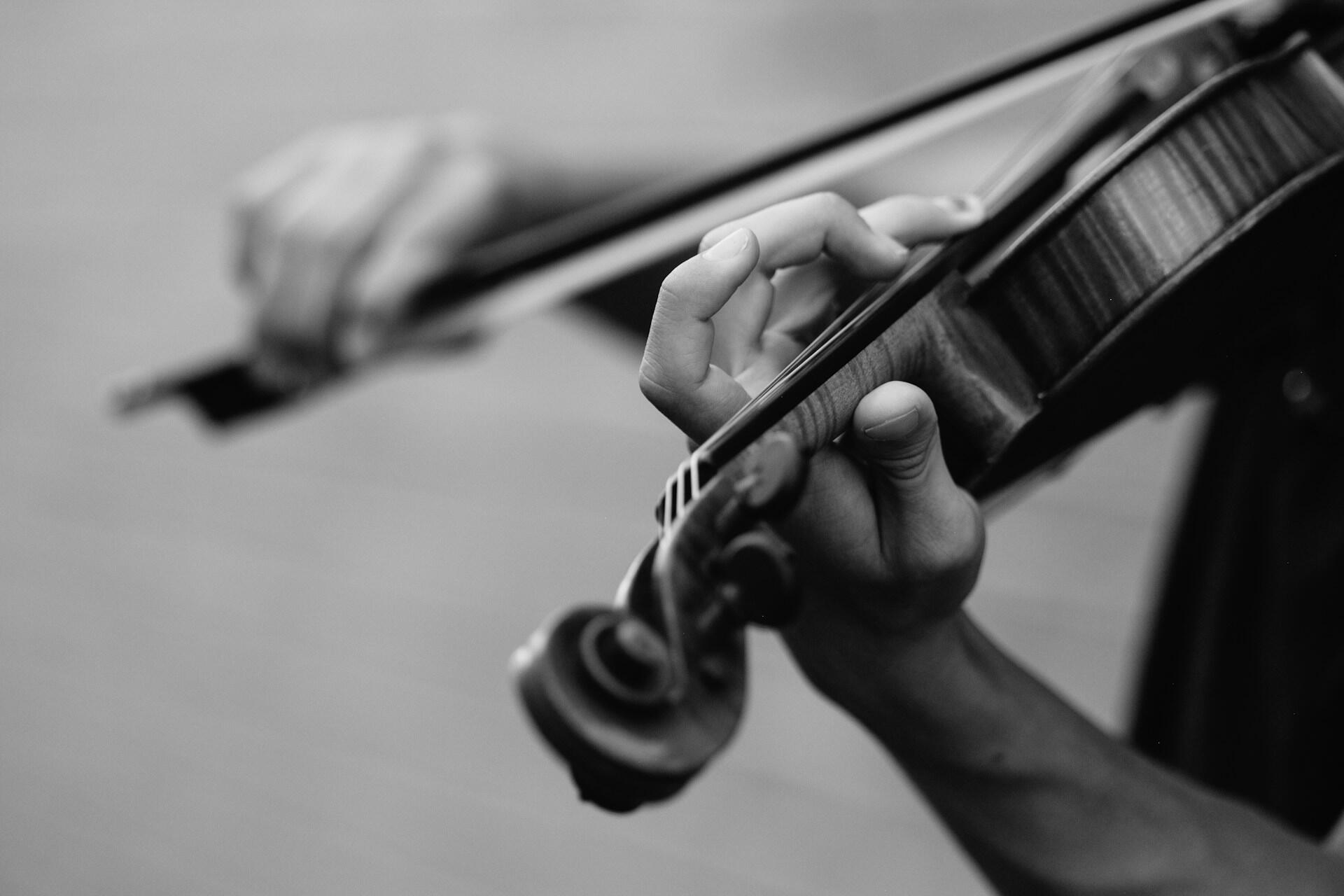
The vibrations from the strings are transferred through the bridge to the violin's body. The hollow wooden structure amplifies and shapes the sound. Small changes in bow speed, pressure, and contact point can change the tone, volume, and articulation, which is why violins are so expressive.
Fiddle vs Violin: What’s the Difference?
The terms "violin" and "fiddle" are used for the same instrument. The only difference is context. A violin is the preferred term for some types of music, while fiddle is the word commonly used for others. For example, if you're taking violin lessons in Limerick and decide to see some Irish folk music played, these musicians will likely refer to their violin as a "fiddle".
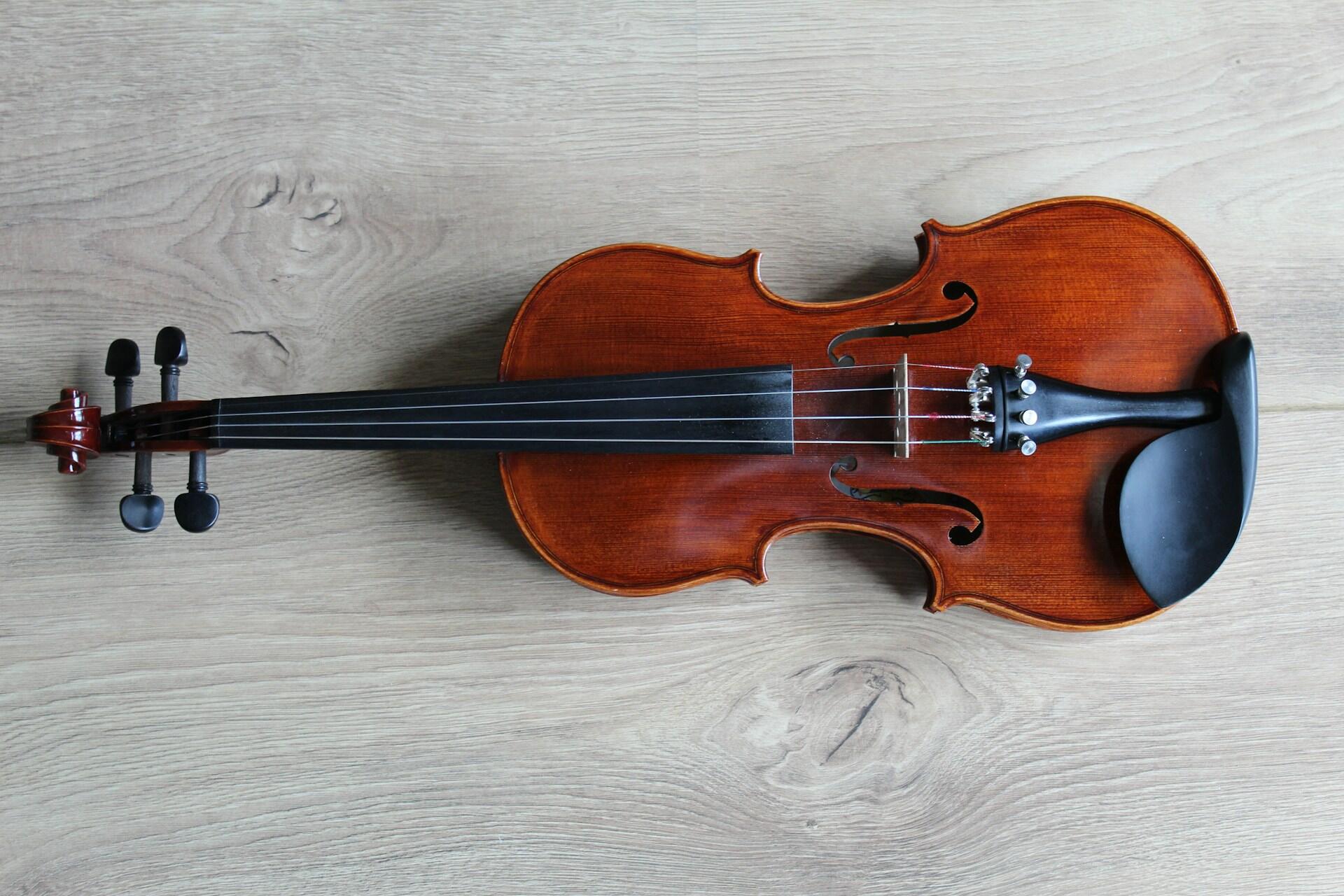
A fiddle and a violin are the same instrument. The difference is in terminology and playing style rather than construction. "Violin" is usually used in classical and orchestral contexts. At the same time, "fiddle" refers to the same instrument played in folk, traditional, or popular styles, often with different techniques and setup preferences.
The Violin Family of String Instruments
The violin is part of a family of instruments that look similar but differ in size and pitch range. The violin is the smallest and highest-pitched member of the family. The viola is slightly larger and produces a deeper, warmer sound. The cello is much larger and played while sitting down. These instruments are often played together in orchestral and chamber string sections.
Acoustic vs Electric Violin
You may consider an electric violin rather than an acoustic one. There are reasons for both. For example, acoustic violins project sound naturally. Electric violins rely on amplification and suit amplified performances, practice with headphones, and certain modern musical styles. You play both the same, but the listening experience differs.
Acoustic Violin
- Produces sound naturally through the vibration of the strings and the wooden body
- Commonly used in classical music, orchestras, and formal violin training
- Helps beginners develop tone control, bow technique, and dynamic range
- Does not require amplification or electronic equipment
- Louder during practice and more sensitive to temperature and humidity changes
Electric Violin
- Uses electronic pickups to convert string vibrations into an amplified signal
- Can be played quietly with headphones or amplified for performances
- Popular in modern genres such as rock, jazz, and pop
- Allows the use of effects pedals and sound processing
- The technique is the same as that of an acoustic violin, but tone production works differently
Choosing and Learning the Violin
If you want to start learning to play the violin and become a great violinist, don't just go out and buy a violin. You'll need to pick a violin that's correctly sized and set up. Where possible, speak to the staff in a music shop or your violin teacher. Consistent, regular practice is the best way to improve, but remember it takes time, so don't give up just because it sounds awful when you first play.
Common beginner mistakes include using the wrong violin size, playing with tension in the shoulders or bow hand, and rushing through pieces before developing accurate intonation and tone. A properly sized instrument, relaxed posture, and slow, consistent practice make early progress much easier and more enjoyable.
Summarise with AI:
Did you like this article? Leave a rating!

 Loading...