
Choosing the best digital camera in Ireland is about buying the right camera for you. Here, we'll look at what you should be considering when purchasing a camera. We don't know precisely how and when you'll be using your camera, but by the end of this article, you should know what to look for and have some ideas of models to start your search.
| Camera | Type | Sensor | Best for | Price range (Ireland) |
|---|---|---|---|---|
| Canon EOS R50 | Mirrorless | APS-C | Beginners, everyday photography | Under €800 |
| Sony ZV-1 | Compact | 1-inch | Travel, video, casual shooting | Under €800 |
| Canon PowerShot G7 X Mark III | Compact | 1-inch | Vlogging, everyday photos | Under €800 |
| Fujifilm X-A7 | Mirrorless | APS-C | Entry-level photography | Under €800 |
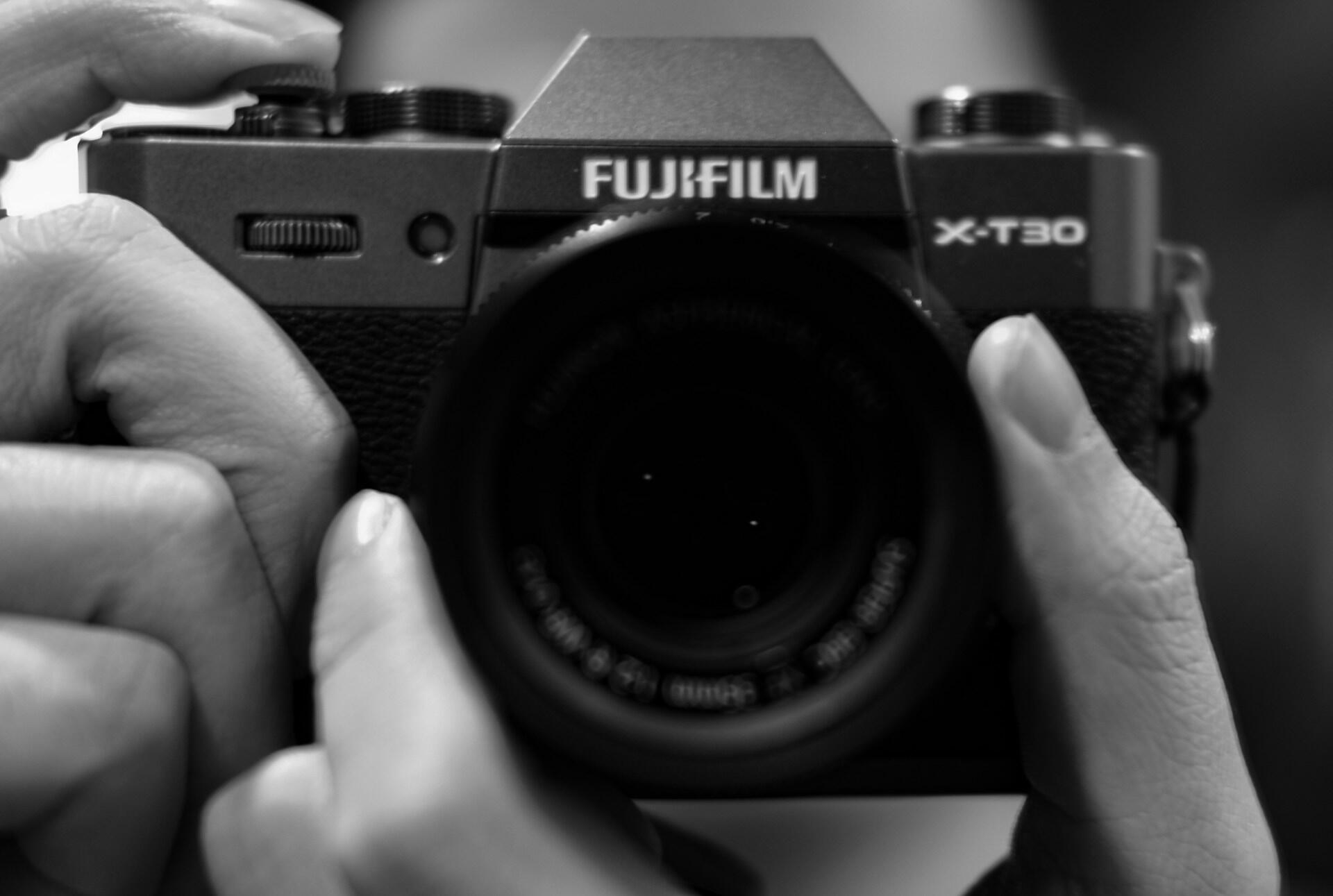
| Fujifilm X-T30 III | Mirrorless | APS-C | Enthusiasts, hybrid photo and video | €800–€1,500 |
| Sony ZV-E10 II | Mirrorless | APS-C | Content creation, video | €800–€1,500 |
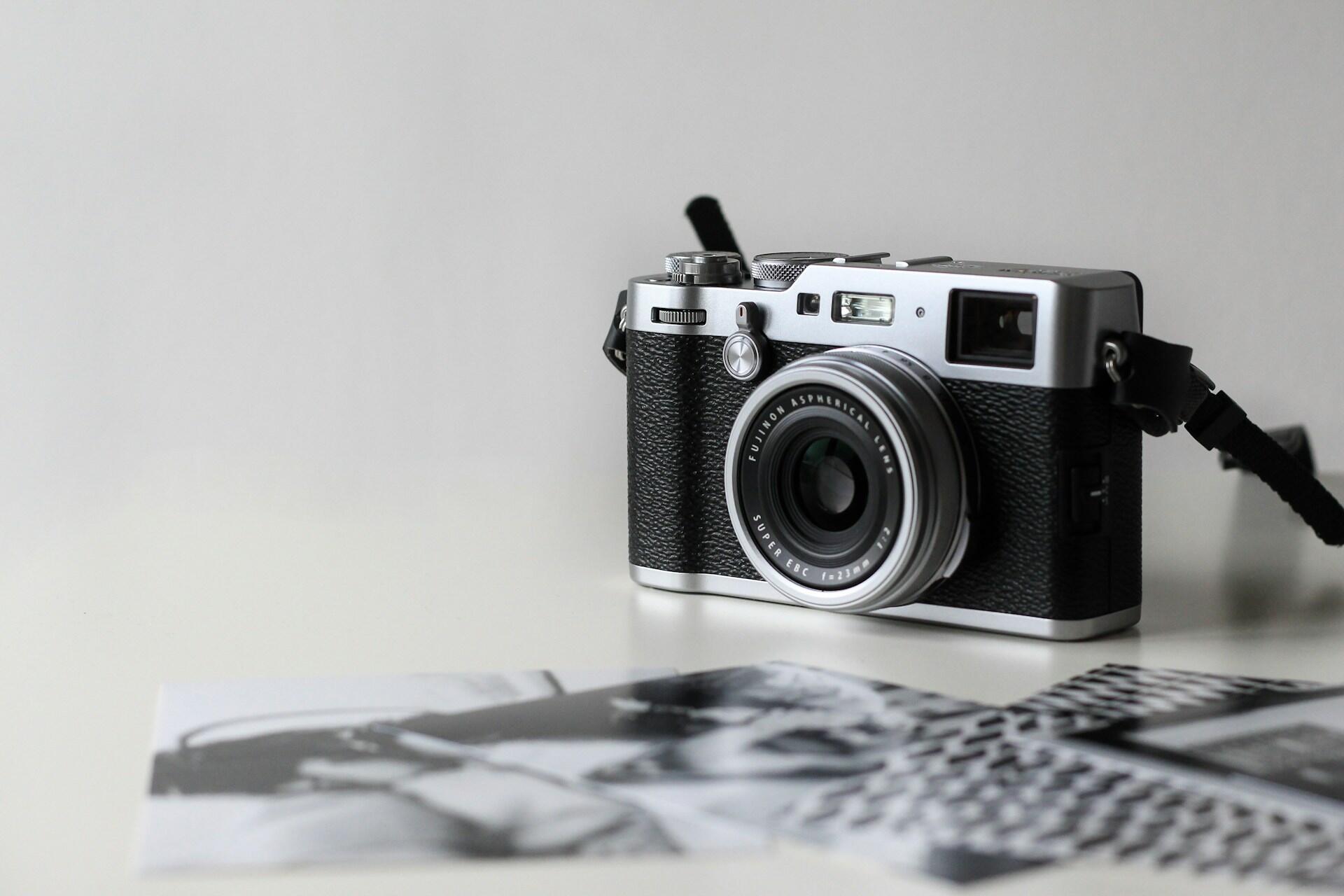
| Fujifilm X100VI | Compact | APS-C | Street and travel photography | €800–€1,500 |
| Panasonic Lumix GH7 | Mirrorless | Micro Four Thirds | Video and stabilised handheld shooting | €800–€1,500 |
| Canon EOS R7 | Mirrorless | APS-C | Action, wildlife, fast subjects | €1,500+ |
| Sony A7 III | Mirrorless | Full-frame | Low-light, portraits | €1,500+ |
| Panasonic Lumix S5 II | Mirrorless | Full-frame | Hybrid photo and video | €1,500+ |
Key Takeaways
- The best digital camera is the one that fits how you actually shoot, not the most expensive option.
- Compact digital cameras are ideal for travel, everyday photography, and simplicity.
- Mirrorless cameras offer the best balance of performance, size, and flexibility for most photographers in Ireland.
- Sensor size and autofocus matter more than megapixels for real-world image quality.
- Beginners should prioritise ease of use and comfort over advanced professional features.


Why “Best Digital Camera” Is Not the Same as “Best for You”
Instead of looking for the most expensive or talked-about digital camera, you should choose the one that fits your needs and habits, the kinds of photos you want to take, and how you'll use your camera. A camera that suits a professional photographer mightn't be right for a casual user.
The 3-Question Method for Choosing a Camera
Think carefully about which camera you choose. It'll make selecting a camera much easier. Ask yourself these three questions before you choose your camera.
Suits users who want strong results without needing to master complex settings.
Key Camera Terms Explained: Compact, Mirrorless, and DSLR
Make sure you understand the key terms when shopping. Understanding camera terminology will help you choose a suitable camera within your budget. Start by learning the differences in camera types.
Superprof Picks
Compact Digital Camera vs Mirrorless vs DSLR: What’s the Difference?
When you start your search for a camera, choosing between a compact digital camera, a mirrorless camera, and a DSLR will make your search much more straightforward. Different types are better suited for different kinds of photography. Learn the differences, and you can avoid paying for features that you'll never use.
Compact Digital Cameras: Simple, Portable, and Powerful
Compact digital cameras are convenient and easy to use. They have fixed lenses, lightweight bodies, and straightforward controls. They're great for travel, street photography, and everyday moments.
A lightweight mirrorless camera that works well for both photography and video.
Mirrorless Cameras: Flexibility Without the Bulk
Mirrorless cameras have interchangeable lenses. They have a smaller body than traditional DSLRs while retaining many advanced features. You can get good image quality without the weight of older camera systems.
DSLR Cameras: When Do They Still Make Sense?
DSLR cameras are still used by many photographers. They have excellent battery life, a traditional optical viewfinder, and plenty of lenses to choose from. However, they're typically bigger and heavier than the mirrorless options.
A solid DSLR choice for photographers who prefer an optical viewfinder and long battery life.
Which Camera Type Is Best for Everyday Use in Ireland?
For most photographers in Ireland, portability and versatility will be more important than technical performance. Compact digital cameras and lightweight mirrorless cameras are easier to carry around. DSLRs are still suitable for particular needs, but they're not as convenient for everyday photography.
Sensor size plays a significant role in image quality, especially in low light. Compact digital cameras usually use smaller sensors, which helps keep the camera lightweight and portable. APS-C sensors, found in many mirrorless cameras, offer a strong balance between image quality and size. Full-frame sensors are larger and perform best in low light, but they also make cameras heavier and more expensive. Choosing the right sensor is about how and where you shoot, not just technical superiority.
Step 1: Features to Prioritise When Buying a Digital Camera in Ireland
Focus on the features you'll use and the ones that will improve your photography in real-world conditions. How you plan to share your images will also determine which specs matter the most. Don't chase the longest spec list; focus on the features you'll use.
Sensor Size and Low-Light Performance
Sensor size will affect how your camera handles low light, detail, and background blur. Larger sensors perform better in dim conditions, which is excellent if you regularly shoot indoors or plan on shooting on one of Ireland's many overcast days. Just remember that larger sensors come at a price.
A full-frame camera known for excellent low-light image quality.
Autofocus and Tracking for People, Pets, and Action
Autofocus is a quality-of-life feature on modern cameras. Tracking helps keep objects sharp and is excellent for photographing kids, pets, or sports. Autofocus is excellent if you're likely to miss shots.
Fast, reliable autofocus with strong subject tracking.
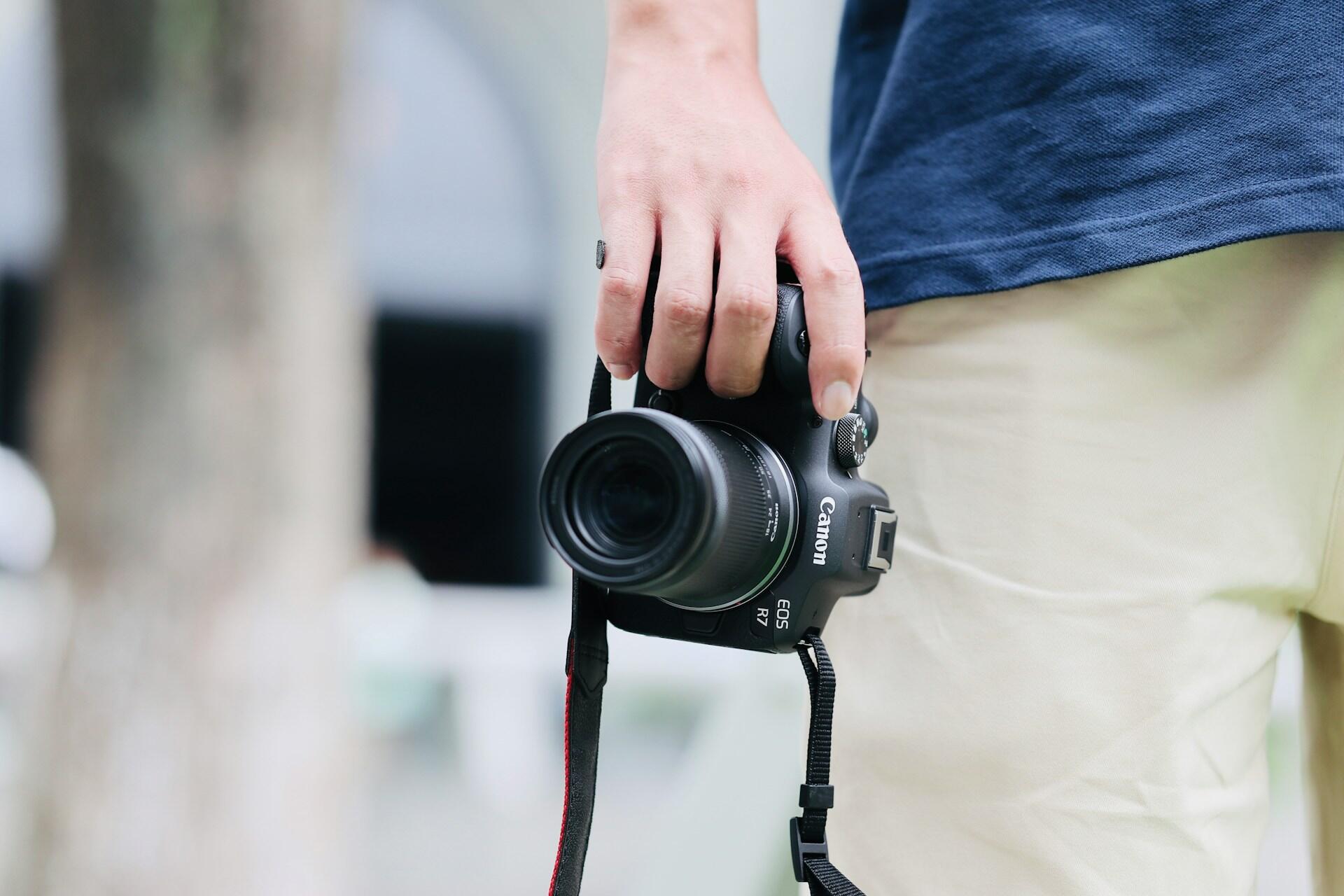
Image Stabilisation for Handheld Shooting
Image stabilisation is great if you're shooting handheld. It's handy in low light or when using longer focal lengths. If you won't be using a tripod, this feature can be helpful.
Excellent in-body stabilisation for handheld photos and video.
Video Features That Actually Matter
Many people use their cameras for photos and video. Basic video quality standards are higher than ever. Look for features like stabilisation and microphone support.
A camera with good 4K video can deliver sharp stills and easily handle modern content needs.
Connectivity and Sharing Your Photos Easily
Most modern cameras work with smartphones and computers. Look for built-in connectivity for transferring images and sharing them online. If you want to post photos shortly after taking them, you'll want to prioritise your camera's connectivity.
Reliable wireless connectivity and easy smartphone integration.
Step 2: Choose a Camera You’ll Actually Use
Most new photographers make the mistake of buying an impressive digital camera and ending up overwhelmed by all its features. The best camera is the one you can use often. Look for comfort and simplicity over image quality if you're new to photography.
Best Camera Options for Beginners
Novice photographers should look for cameras with good automatic modes. There's a steep learning curve to photography, and advanced cameras will take better photos, but only if you know how to use them. Find the balance between control and simplicity.
Beginner-friendly controls with room to grow.
Why Overbuying a Camera Often Leads to Frustration
You'll slow your progress as a photographer if you overbuy. Complex menus, heavy bodies, and a plethora of unused features mean you'll likely stick with the automatic settings. An expensive camera is a poor investment if you're only using a fraction of its features.
Budgeting Beyond the Camera Body
The camera body is only part of the cost of photography. You'll also need to shop for camera accessories and add-ons. Factor this into your budget, and don't just look at the camera's cost.
The camera body is only part of the total cost. Most photographers also need a fast memory card, at least one spare battery, and a protective bag. Interchangeable-lens cameras may require additional lenses over time, which can quickly exceed the cost of the body itself. Even compact digital cameras may need accessories such as external microphones or tripods. Planning for these costs helps avoid disappointment after purchase.
Best Digital Camera Picks by Budget in Ireland
While the perfect camera will depend on how you want to use it, most photographers' budgets are non-negotiable. With that in mind, we've picked a few of our favourites. Here are some good all-rounders organised by price.

Best Digital Cameras Under €800
Best Digital Cameras Between €800 and €1,500
Best Digital Cameras Over €1,500
Buying a used digital camera can offer excellent value if done carefully. Always check the body, buttons, and screen for physical condition. Confirm the shutter count and test autofocus and video recording. Make sure the battery, charger, and memory card slot are working correctly. When buying in Ireland, prioritise sellers that offer a short warranty or return period for peace of mind.
Summarise with AI:
Did you like this article? Leave a rating!

 Loading...