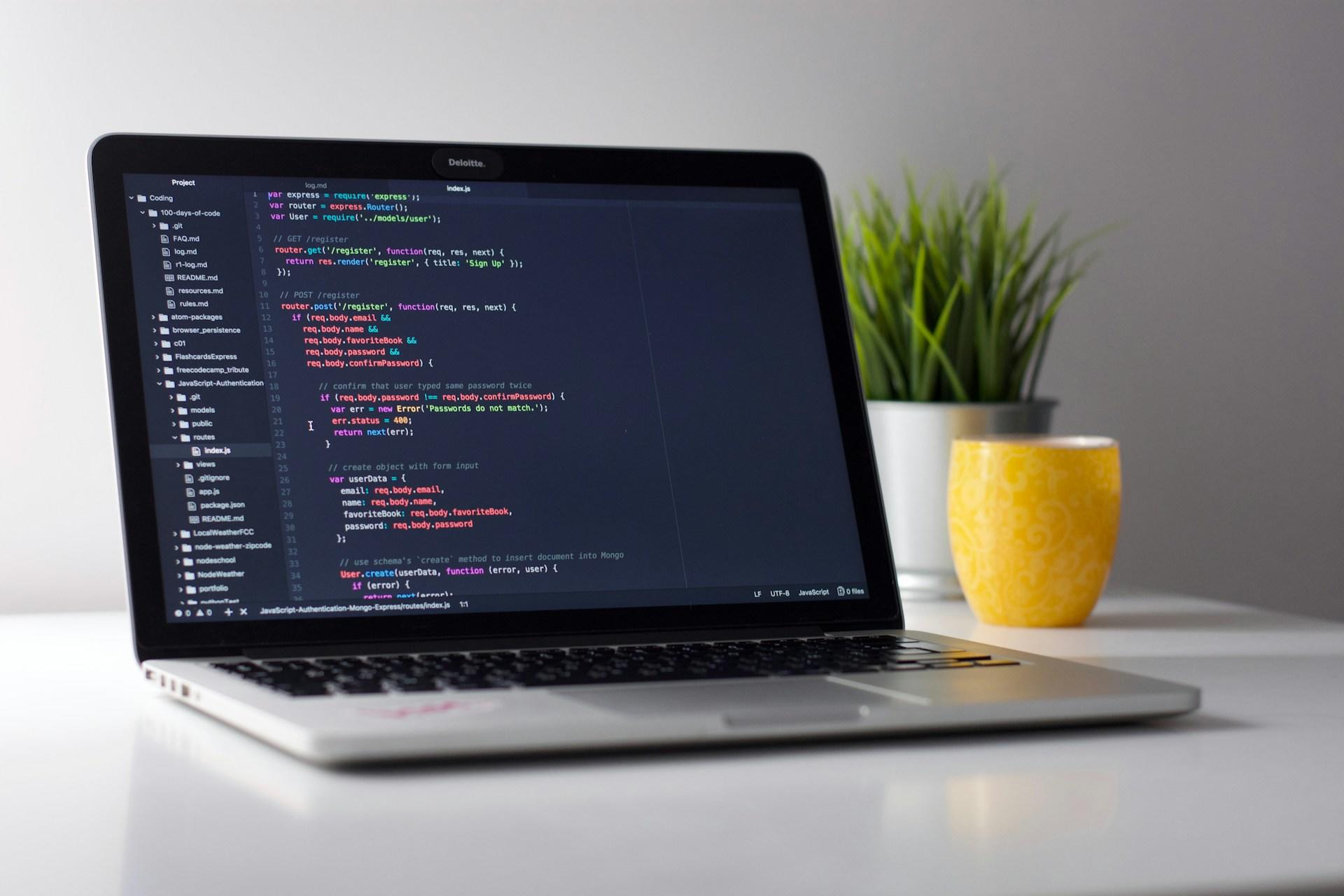

The more involved technology is in our everyday lives, the more important programming or coding will become.
The number of graduates with programming skills is increasing and the younger generation will need an even better understanding of coding than their older counterparts.
In addition to the traditionally important subjects like English, maths, and science, computer programming is essential in many different fields and can even teach some of the core concepts of subjects like maths and science.
Even very young children will likely be already familiar with the idea of coding, knowing that their favourite apps or video games are made possible by it.
This is great for parents since it'll be less of a struggle to show them how useful and important programming skills can be. Your child mightn't be interested in learning how to code for their future job prospects, but their eyes will likely light up at the idea of being able to create video games!
Since programming or coding can be quite difficult, it can help learners of all ages to follow a structured coding course. After all, there's foundational knowledge required for every aspect of coding and without it, advancing becomes impossible.





Why Kids Should Learn to Code on a Course
We've already mentioned that structure is one of the key advantages of teaching kids how to code. There are plenty of ways to learn how to code without a structured course, but kids will benefit greatly from structured learning since they're less likely to have the same motivations as adult learners.
Self-study can be frustrating and you need to be driven and resourceful to make it work. You don't want your children to give up coding because they're stuck and can't find the appropriate resources or answers to ensure that they keep advancing.
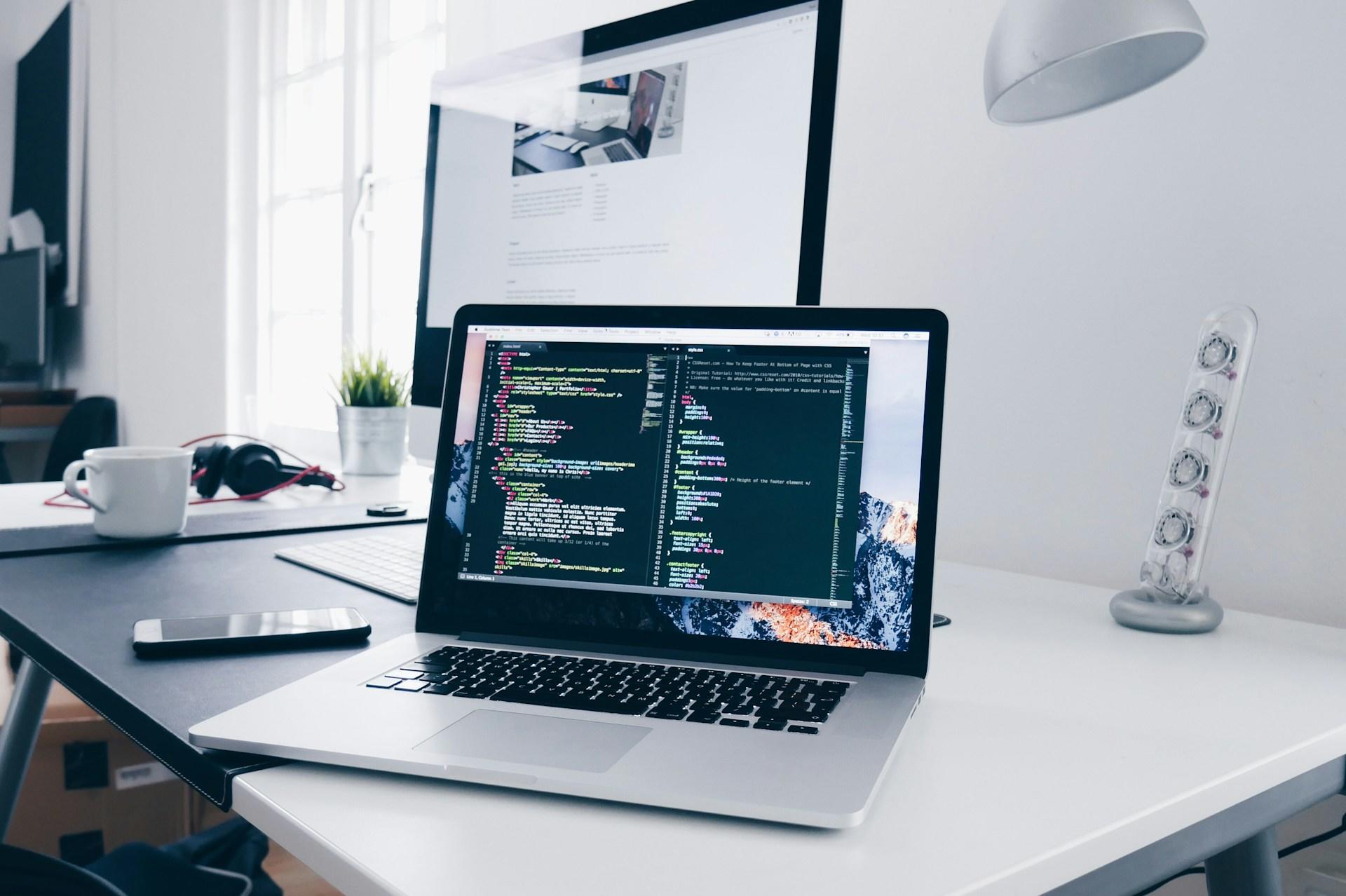
A structured course can help you to better manage their expectations and motivation. Children can become quickly discouraged by certain challenging aspects of programming, but a structured course should ensure that the topics covered are all of a similar level and more likely to offer consistent and rewarding progression.
Courses specifically designed to teach kids how to code will also feature materials that are better suited to them and that will keep them engaged.
Not that adults don't enjoy learning through games, but children have a much lower tolerance for activities that they find dry or boring so good programming courses for kids will be designed and structured with this in mind.
We've chosen a few of our favourite programming courses for kids that you may be interested in. Naturally, it makes sense to consider which of the courses are the best fit for your child since a course that's right for one kid won't necessarily be right for another.
Coding Courses for Kids
With so many different programming languages out there, it's impossible to create a comprehensive list of courses. However, these courses and resources should provide a good starting point for children of varying ages and levels.
Despite what many promise, none of these courses are comprehensive and learning to code takes a long time and a range of different learning resources and approaches.
You also need to consider your budget as not every course is free, either. While most free resources won't tend to be as good as the ones you have to pay for, we recommend starting with free resources since kids can be fickle and something that they were deadly serious about one day can become a fad the next.
Once it's clear that your child's interested in learning how to program, you can start looking for premium resources and budgeting for them.
Minecraft Mod Developer Courses
If you have a kid who's obsessed with the video game Minecraft, this could be a great way to introduce them to the world of programming. After all, the sandbox game has captured the imagination of kids and adults alike.
If you aren't familiar with Minecraft, it's a survival game with a famously blocky graphical style where players are free to do almost anything they like whether that involves fighting enemies, mining, or building shelters.
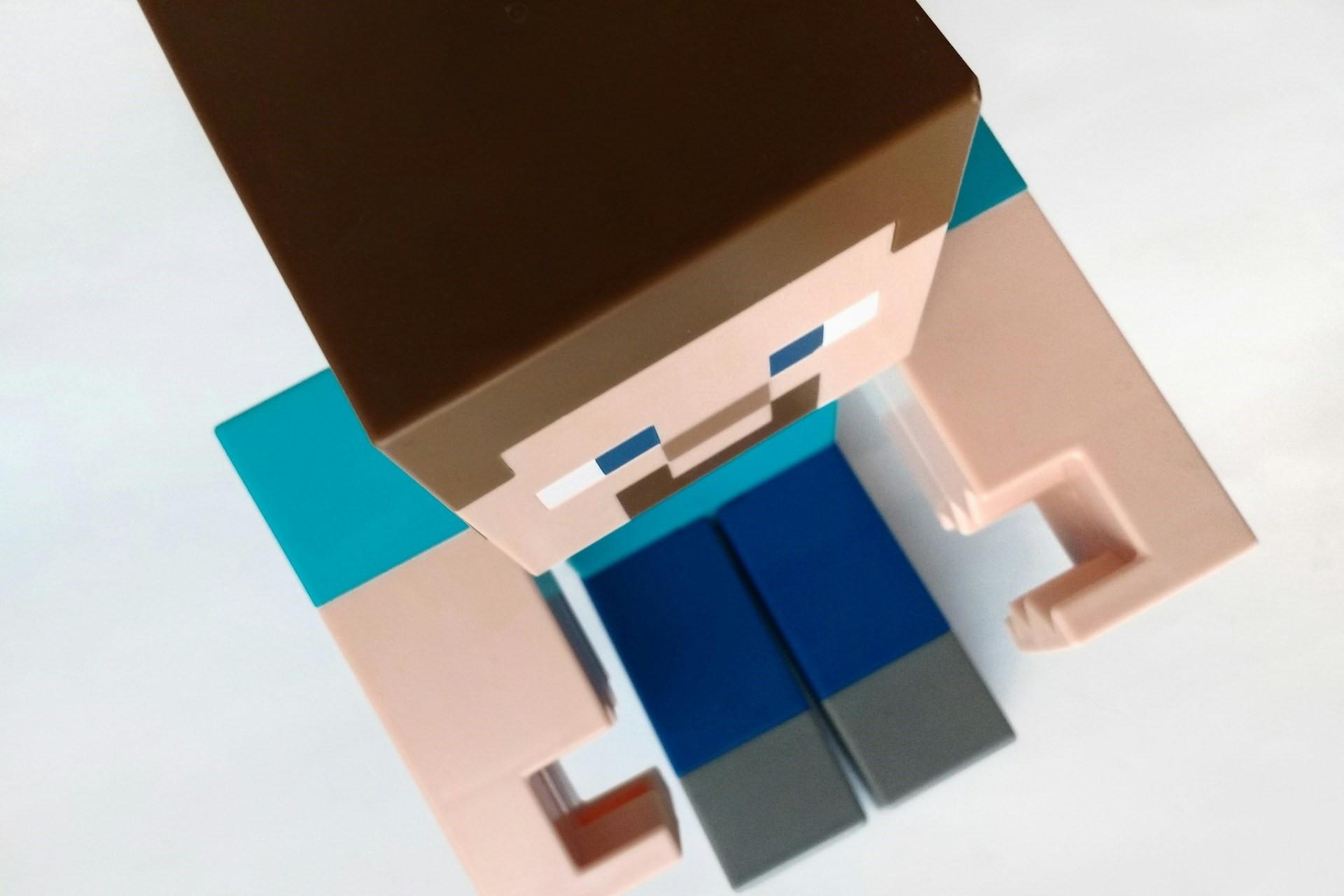
Modding is the process of using programming or coding to make alterations to existing software applications, including video games. There are plenty of programming courses that are built around modding, especially the hugely popular video game Minecraft.
Funtech has a Minecraft Mod Developer course for kids aged 7 to 10, but you can find Minecraft Mod courses on sites like Tynker, Outschool, CodaKid, CodeAdvantage, Simply Coding, etc.
Python Game Developer
In terms of programming languages, Python is one of the most popular and it's often recommended as a great language to start with.
The Funtech Python Game Coder course is recommended for older kids (ages 12 to 16), for example, but there are plenty of courses out there for learning how to code in Python for younger kids.
In this course, kids can learn about object-oriented programming, advanced coding, mathematical concepts, and reactive physics systems, which is great if they're interested in coding for video games.
Scratch Coding
Funtech's Scratch Coding Course is a more appropriate programme for younger children as it teaches the visual programming language Scratch.
With its drag-and-drop interface that uses blocks rather than lines of code, Scratch is a great way to introduce kids to programming in a more fun and engaging way while teaching them the fundamentals and giving them a head-start in the world of coding.
Other Coding Courses
Obviously, Funtech isn't the only course provider out there and there are plenty of useful sites and even massive open online course (MOOC) platforms like Coursera, edX, Udacity, etc. However, most MOOCs tend to focus on adult or older learners, with courses aimed at university-level students.
That isn't to say that they don't offer courses for younger students interested in coding, but younger learners are more likely to be interested in course content designed with them in mind.
Here are a few sites and platforms that can help kids learn how to code.
Code Combat
For any kids who like RPGs (role-playing games), Code Combat allows them to learn how to code while fighting monsters and making their own games.
Users create their own characters and guide them on a quest, solving puzzles by writing code. This is the kind of site that will keep younger programmers engaged and with lots of different levels to work through, it'll keep them busy for a while.

Much like other sites and platforms, there's a free version and a premium version. Once you've seen whether or not your child is interested in learning in this way, you can always upgrade and pay for the premium version.
Coder Kids
The Coder Kids site offers programming lessons and summer camps for primary school and secondary school kids. While most of their summer camps are in the US, there are online summer camps and private lessons available, too.
Check out their free Introduction to Scratch Coding course where kids can discover the visual programming language scratch.
Scratch isn't the only programming language taught by Coder Kids and kids can also learn about programming in Python or even building video games using Unity and C#.
Like with learning any skill, your child must use a variety of courses and resources to advance as much as they can. Variety is the spice of life so don't be afraid to mix resources and approaches until you find a combination that works.
CodeMonkey
Last but not least, we have CodeMonkey, an award-winning website that offers programming courses for kids.
Like a lot of resources and platforms for teaching kids how to code, CodeMonkey focuses on teaching through games and puzzles. Kids aged 6 to 14 can learn about JavaScript, Ruby, and CoffeeScript.
Kids can learn through the CodeMonkey app or via the website and subscriptions start for as little as €6 a month.
Don't forget that you can also help your child to learn how to code with the help of private tutors. There are plenty of programming tutors on the Superprof website across Ireland and around the world.
Just search for programming or coding and you can start browsing and comparing their profiles.
Even if you can't find any local private tutors, don't forget that your child can learn how to code just as effectively with online tutors. Online tutors also tend to charge less than face-to-face tutors since they don't have to travel to their students' homes and they can schedule more lessons every week.
If you're on a budget, you can always plan group tutoring. With several students in attendance, the cost of the tutor's time is shared amongst every student in attendance, making the hourly rates far more affordable for families.
Since most of the tutors on the Superprof website offer their first session for free, you can try a few out before choosing the one that's right for you and your child!
Summarise with AI:
Did you like this article? Leave a rating!

 Loading...