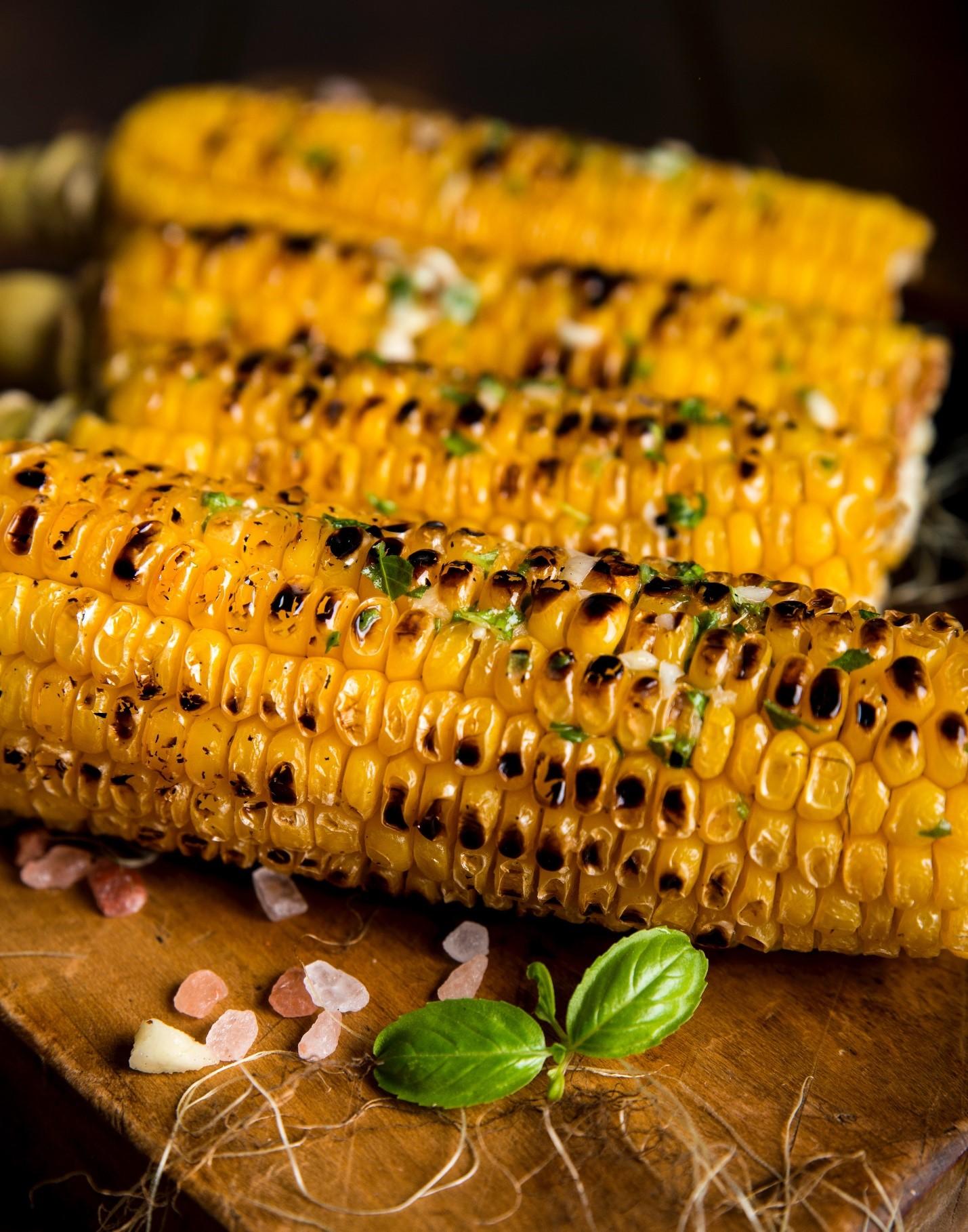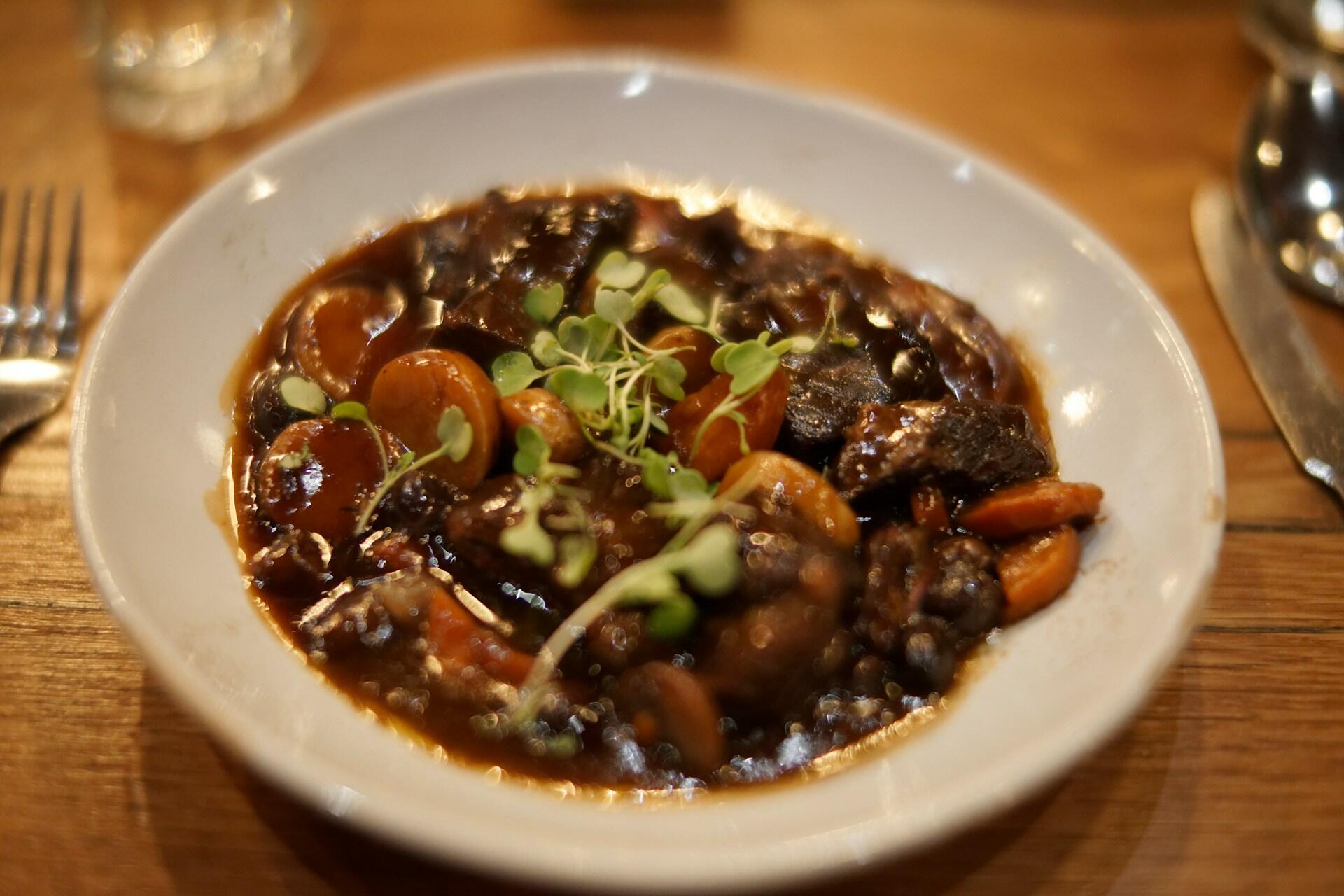

French food includes everything from rustic regional cooking to pastries, cheeses, wines and carefully developed sauces. You've likely heard of some of France's most famous foods, like coq au vin, ratatouille, crêpes, and pot-au-feu, which all began as everyday dishes rather than restaurant-worthy ones. Let's explore traditional and popular French foods, culinary techniques, and simple recipes to try at home.
Key Takeaways
- French cuisine combines regional ingredients and traditions with codified professional techniques.
- Coq au vin, ratatouille, crêpes and pot-au-feu reflect different styles of French cooking.
- France currently protects 46 cheeses under AOP status.⁷
- UNESCO recognised the culture and craftsmanship of baguette-making in 2022.⁹
- Classical French cooking recognises five mother sauces.²
- Crêpes, ratatouille and quiche provide accessible starting points for beginners.


The Foundations of French Cuisine
The history of French cuisine isn't from a single culinary tradition, but rather the amalgamation of regional customs. From changing trade and codified professional techniques, French cuisine was born. However, it still has local influences, ingredients, and traditions.
Historical Evolution
Regional Variations
Regional Ingredients Shape French Food
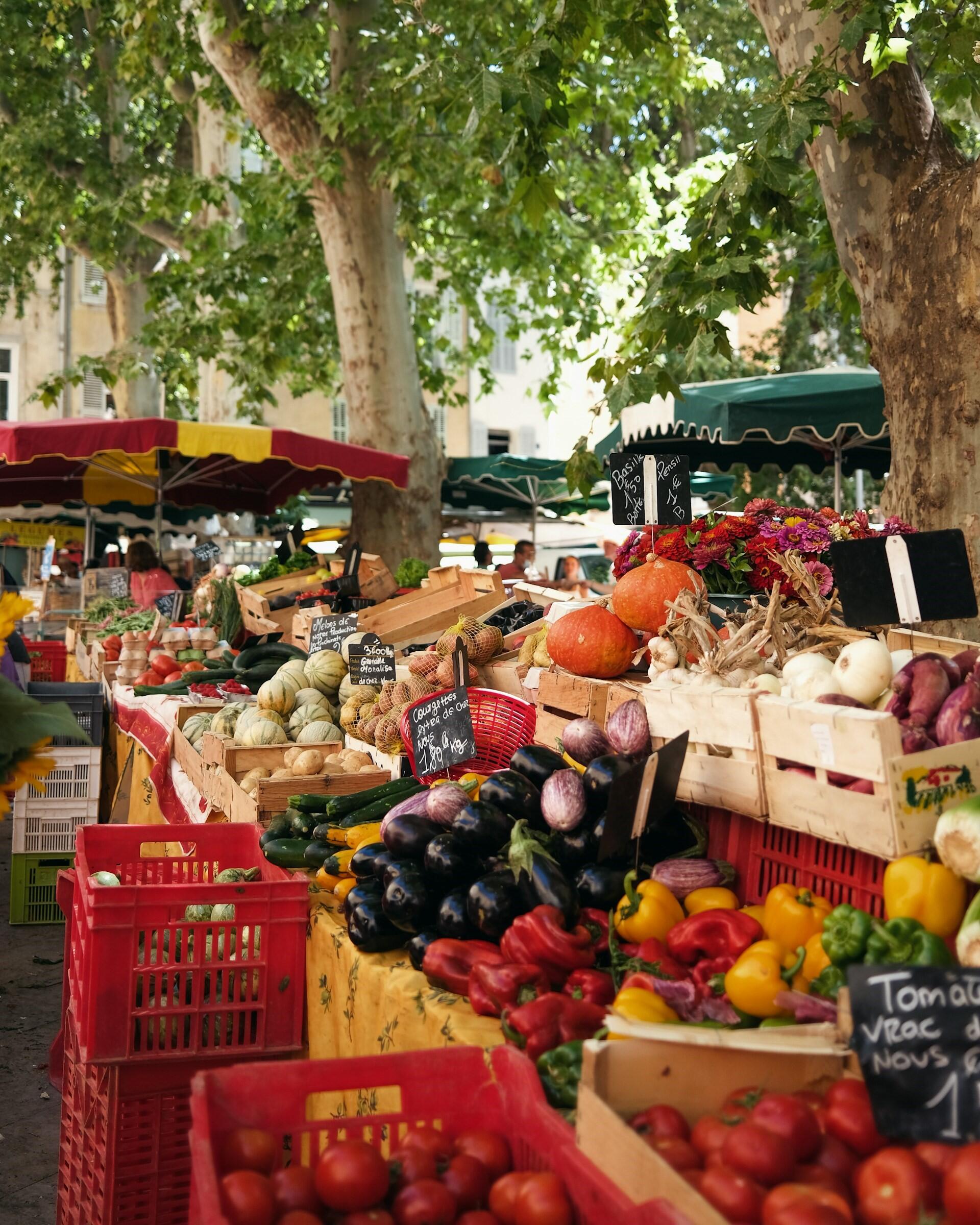
France’s varied landscapes have produced very different styles of cooking. Coastal communities rely on fish and shellfish, mountain regions use cheese, potatoes and preserved foods, and the Mediterranean south is known for olive oil, garlic, herbs and seasonal vegetables. These regional ingredients help explain why French cuisine cannot be reduced to one national cooking style.⁴
Terroir describes the relationship between a food or drink and the place where it is produced. Climate, soil, landscape and traditional knowledge can all influence the product’s character. France’s AOP system protects foods whose recognised qualities depend on a defined geographical area and established production methods.⁶
Iconic French Dishes
So many famous French dishes started out as regional or family recipes. Ingredients reflect local products, climate, and traditions. If you're new to French cooking, you should consider starting with these.
| Dish | Region or association | Main ingredients | Description |
|---|---|---|---|
| Coq au vin | Burgundy association | Chicken, red wine, mushrooms, onions and lardons | Chicken slowly braised in wine until tender |
| Ratatouille | Nice and Provence | Aubergine, courgette, tomato, pepper, onion and olive oil | A Mediterranean vegetable dish cooked slowly until tender |
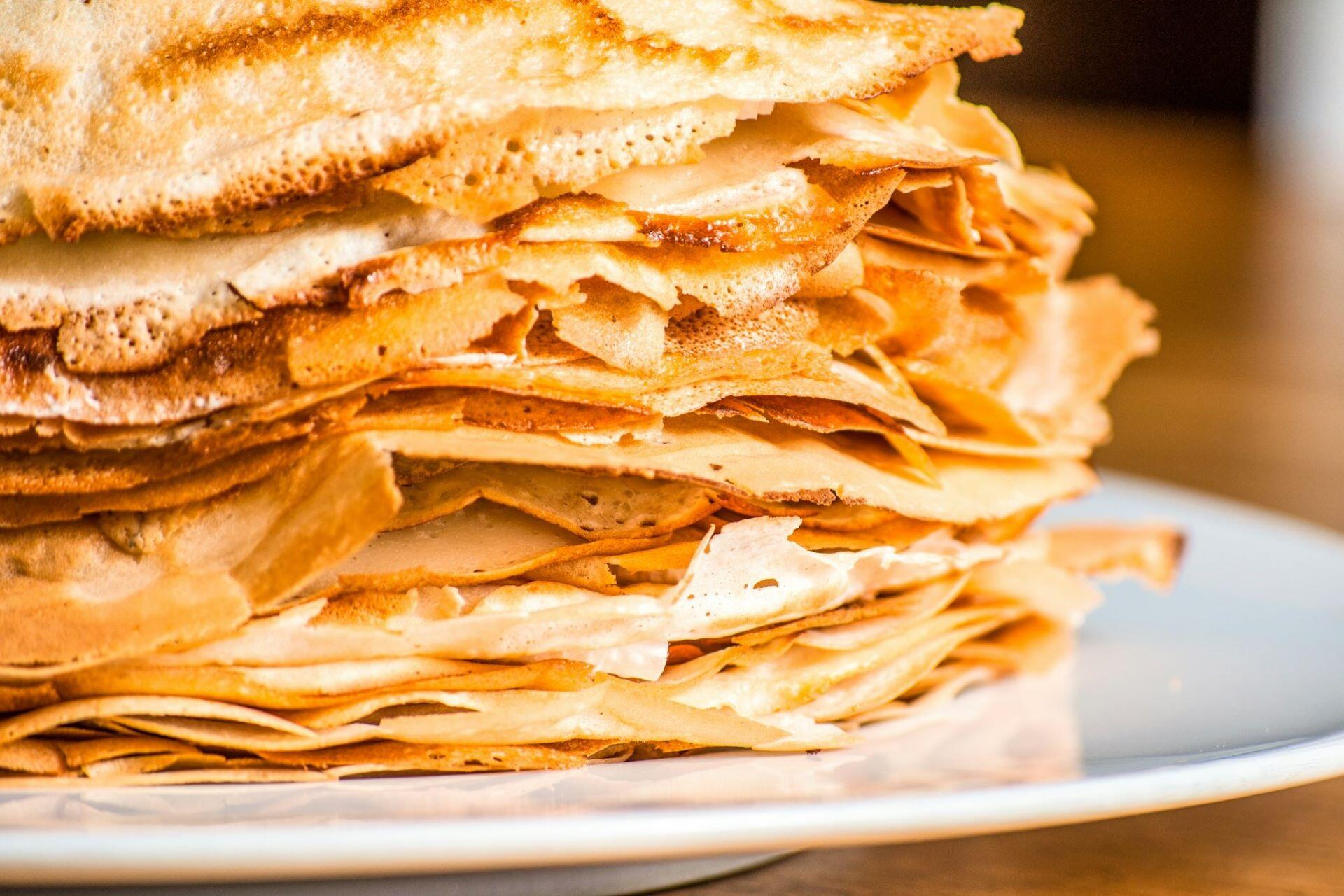
| Crêpes | Brittany | Flour, eggs and milk; buckwheat for savoury galettes | Thin pancakes served with sweet or savoury fillings |
| Pot-au-feu | Nationwide home cooking | Beef, marrow bones, leeks, carrots, turnips and stock | A gently simmered meal of beef, vegetables and broth |
| Canard à l’orange | Classical French cooking | Duck, bitter orange, stock and sugar | Roast or braised duck served with a sweet-sharp citrus sauce |
| Boeuf bourguignon | Burgundy | Beef, red wine, mushrooms, onions and lardons | A slow-cooked beef stew flavoured with red wine |
| Cassoulet | Occitanie and southwest France | White beans, sausage, pork and duck confit | A substantial baked casserole of beans and preserved meats |
| Bouillabaisse | Marseille | Mediterranean fish, shellfish, tomato, saffron and rouille | A Provençal fish stew traditionally served with bread |
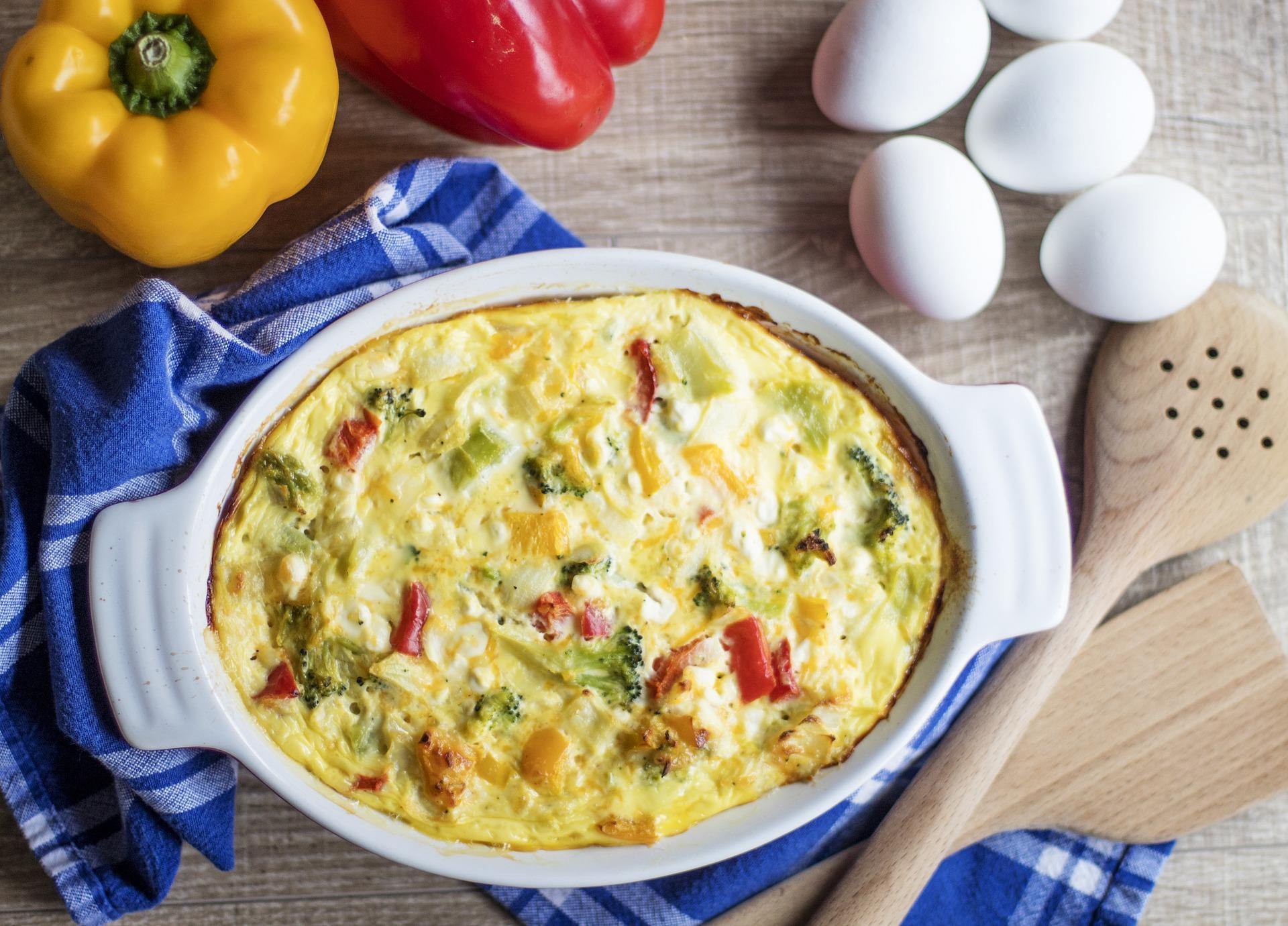
| Quiche Lorraine | Lorraine | Pastry, eggs, cream and lardons | An open savoury tart with a rich custard filling |
| Tarte Tatin | Sologne | Apples, caramel, butter and pastry | An upside-down caramelised apple tart |
Coq au Vin
Ratatouille
Crêpes
Pot-au-Feu
Duck à l’Orange
French cuisine is often associated with butter, cream and substantial sauces, but these represent only part of the country’s cooking. Mediterranean regions rely heavily on olive oil, tomatoes, garlic and seasonal vegetables, while coastal communities make extensive use of fish and shellfish. Everyday French food can also be as simple as soup, salad, an omelette or fresh bread with cheese.⁴
What is your favourite French dish?
French Pastries and Desserts
France is famous for its baked goods. From everyday bread to pastries and desserts, there's a wealth of different things for you to try. Each product relies on different techniques, from fermentation and lamination to custard-making.
Croissants and Baguettes
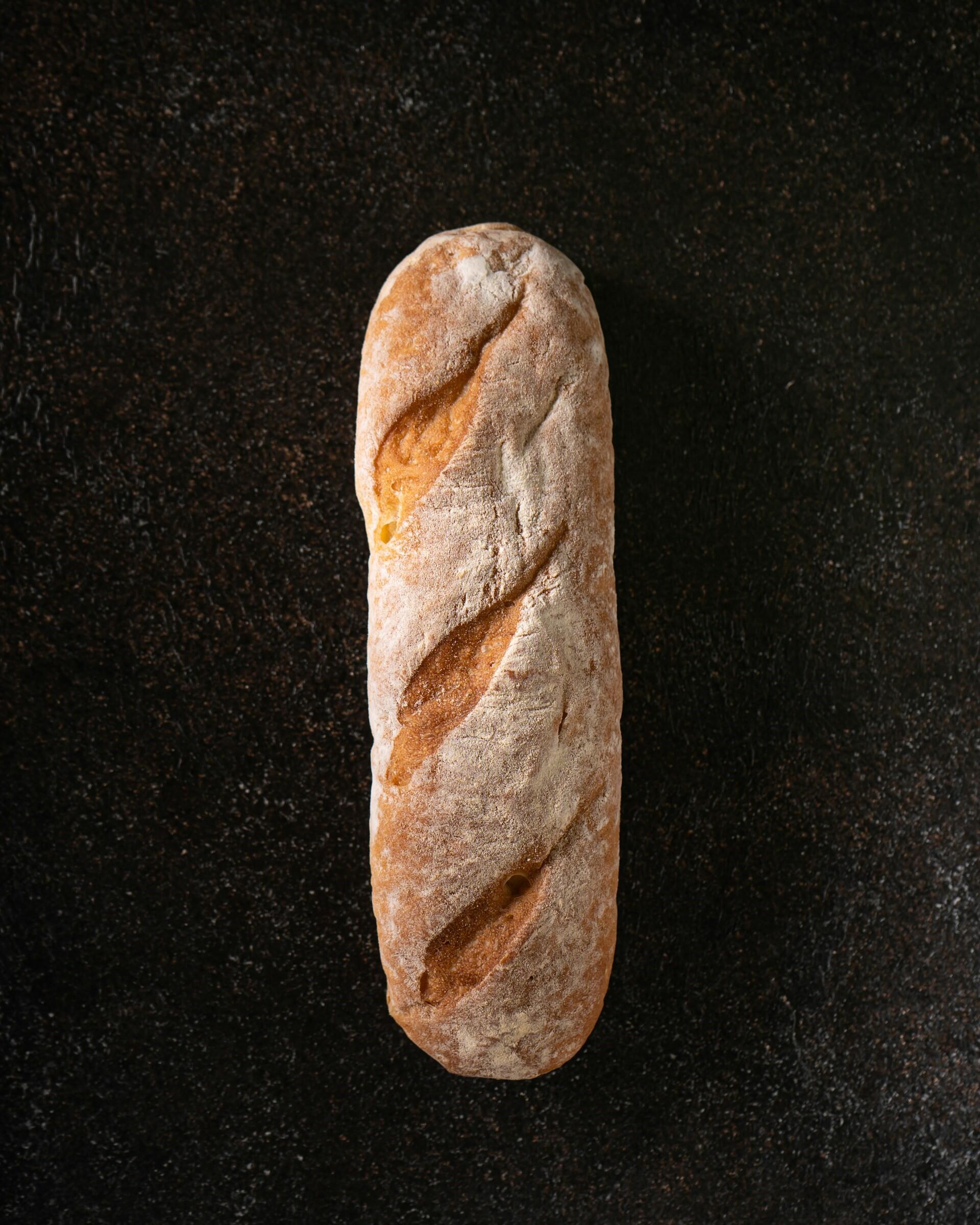
Boulangerie, Pâtisserie and Viennoiserie
These French terms describe related but distinct traditions. A boulangerie focuses mainly on bread, while a pâtisserie specialises in cakes, tarts and more elaborate desserts. Viennoiserie includes enriched baked goods such as croissants and pains au chocolat, which combine bread-making and pastry techniques.⁹
Macarons
Crème Brûlée
French Cheeses and Wines
Cheese and wine are some of the best examples of local variations in French cuisine. With climate, ageing methods and local knowledge all affecting flavour, where products come from matters. Additionally, protected designations help preserve these regional traditions.
Diverse Cheese Varieties
cheeses under AOP status, linking their recognised qualities to specific places and production traditions.⁷
Wine Regions and Pairings

Start Pairing with Weight and Intensity
Successful food and wine pairing does not require memorising rigid rules. Begin by matching the weight and intensity of the wine with the dish, then consider acidity, sweetness, salt and richness. Regional combinations can provide useful inspiration, but personal taste should ultimately determine what works best.
French Culinary Techniques and Traditions
There's a strong emphasis on preparation, temperature control, and carefully developed flavour in French cuisine. You'll find techniques such as reducing, thickening, and emulsifying appear in both classic and modern recipes. Dishes are a product of their place of origin, the ingredients, and ultimately, the techniques and traditions used.
The Art of Sauces
mother sauces that form the basis of many other sauces and preparations.²
The five classical mother sauces are béchamel, velouté, espagnole, hollandaise and tomato sauce. Each provides a foundation from which many smaller sauces can be prepared. Learning their basic techniques helps cooks understand thickening, reduction and emulsification across a wide range of French recipes.²
Dining Etiquette
Modern Influences and Global Impact
French cuisine continues to evolve. While traditions are almost untouchable and sacred, there's still room for experimentation. French food is informed by global trends as much as it influences cuisine around the world.
Fusion Cuisine
French Cuisine Abroad
| Food or format | Trend type | Description |
|---|---|---|
| Blanquette de veau | Bistro revival | Renewed interest in comforting white-meat stews and recognisable traditional recipes |
| Oeufs mayonnaise | Bistro revival | Boiled eggs with mustard mayonnaise presented as an affordable French classic |
| Île flottante | Traditional dessert revival | Meringue served over crème anglaise, often finished with caramel or praline |
| Matcha crêpes and pastries | French-Asian fusion | Familiar pastry and crêpe formats flavoured with Japanese green tea |
| French-Asian pastries | Fusion baking | French pastry techniques combined with East Asian flavours, fillings and presentation |
| Smoked flavours | Technique-led trend | Traditional sausages and other dishes paired with more pronounced smoked flavours |
| Brunch with viennoiseries | Changing meal occasion | Croissants, pastries, coffee, eggs and lighter dishes served as a social brunch |
| Fromage blanc protein dishes | Health and convenience | Fresh dairy used in breakfast bowls, desserts and higher-protein snacks |
Cooking French Dishes at Home
French food is often made by the best chefs, but amateurs can also make some of the top recipes. Careful control is often more important than complexity. This means that if you pay attention while you cook, you can make some great French dishes.
Essential Ingredients
- Butter and Olive Oil
Butter is central to many northern and classical French recipes, especially sauces, pastries and pan-cooked dishes. Olive oil is more common in Mediterranean cooking, where it is used with vegetables, fish, garlic and herbs. - Onions, Garlic and Herbs
Onions and garlic provide the flavour base for soups, stews, sauces and vegetable dishes. Thyme, bay leaves, parsley and tarragon are also widely used to build flavour without overwhelming the main ingredients. - Stock and Wine
A well-prepared stock adds depth to soups, sauces, braises and stews. Wine is often used for marinades, reductions and slow cooking. However, it should complement the other flavours rather than dominate them. - Eggs, Flour and Dairy
Eggs, flour, milk and cream form the foundation of crêpes, quiches, custards, pastries and many sauces. Keeping these versatile ingredients available makes it easier to prepare a wide range of French foods. - Seasonal Vegetables
Leeks, carrots, mushrooms, tomatoes, aubergines and courgettes appear throughout regional French cooking. Choosing vegetables in season usually improves both flavour and value.
Simple Recipes for Beginners
- Crêpes
Crêpes are a useful introduction to batter consistency, resting time and temperature control. The ingredients are inexpensive, and the finished pancakes can be served with either sweet or savoury fillings. - Ratatouille
Ratatouille helps beginners practise chopping, seasoning and slow cooking. It can be prepared in advance and served hot, warm or at room temperature, making it a flexible recipe for home cooks. - Quiche
Quiche introduces the basics of savoury custard and controlled oven cooking. Beginners can start with ready-made pastry before progressing to homemade shortcrust pastry.
References
- Degrange, Isabelle. “Improviser en cuisine.” Gallica, Bibliothèque nationale de France, 22 Sept. 2021. https://gallica.bnf.fr/accueil/fr/html/improviser-en-cuisine. Accessed 22 Jul. 2026.
- École Ducasse. “French Cooking Techniques.” École Ducasse, n.d. https://www.ecoleducasse.com/en/blog/french-cooking-techniques. Accessed 22 Jul. 2026.
- École Ducasse. “The History of French Cuisine.” École Ducasse, n.d. https://www.ecoleducasse.com/en/blog/history-french-cuisine. Accessed 22 Jul. 2026.
- Explore France. “Discover the Culinary Specialities of the Côte d’Azur.” France.fr, 6 Apr. 2025. https://www.france.fr/en/article/culinary-specialities-cote-azur/. Accessed 22 Jul. 2026.
- Goodman, Lanie. “7 Big Food Trends of 2026, According to Our MICHELIN Guide Inspectors.” The MICHELIN Guide, 8 Jan. 2026. https://guide.michelin.com/ie/en/article/travel/top-food-trends-2026-michelin-guide-inspectors. Accessed 22 Jul. 2026.
- Institut national de l’origine et de la qualité. “Appellation d’origine protégée / contrôlée (AOP / AOC).” INAO, n.d. https://www.inao.gouv.fr/aop-appellation-origine-protegee. Accessed 22 Jul. 2026.
- Institut national de l’origine et de la qualité. “Salon du fromage et des produits laitiers 2026 : La filière fromagère entre tradition, souveraineté alimentaire et défis sanitaires.” INAO, 8 Jul. 2026. https://www.inao.gouv.fr/salon-du-fromage-et-des-produits-laitiers-2026. Accessed 22 Jul. 2026.
- Losa Reinoso, Kelia. “Menu Trends in France 2026: Data-Driven Restaurant Insights.” Tastewise, 8 June 2026. https://tastewise.io/blog/menu-trends-in-france. Accessed 22 Jul. 2026.
- UNESCO. “Artisanal Know-How and Culture of Baguette Bread.” Intangible Cultural Heritage, n.d. https://ich.unesco.org/en/RL/artisanal-know-how-and-culture-of-baguette-bread-01883. Accessed 22 Jul. 2026.
- UNESCO. “Gastronomic Meal of the French.” Intangible Cultural Heritage, n.d. https://ich.unesco.org/en/RL/gastronomic-meal-of-the-french-00437. Accessed 22 Jul. 2026.
Summarise with AI:
Did you like this article? Leave a rating!

 Loading...