
Whether you want to play blues, rock, pop, flamenco, jazz, or gypsy jazz, you will first have to go through the process of purchasing a guitar. However, it’s sometimes difficult to know how much to spend on this stringed instrument when you’re just beginning to take music lessons.
Key Takeaways
- The guitar price in Ireland depends on materials, build quality, and brands, with solid woods like spruce, mahogany, and maple producing better tone and sound than cheaper laminate guitars.
- Classical guitars are often the best beginner instrument, with a comfortable neck, fingerboard, and nylon strings, while acoustic guitars offer a natural sound and versatile use across styles.
- The electric guitar price is typically higher due to added gear like amps, pickups, and effects, and models vary widely in body shape, finish, and control features.
- When you buy a guitar, expect entry-level instruments to cost €100 to €250, but premium brands like Fender, Faith, Takamine, or Rathbone offer higher-quality builds, including solid body designs and vintage finishes.
- Accessories such as a gig bag, strings, amp, and tuner are essential and can increase your total cost, especially for electric or electro-acoustic guitars.
- Shopping online or in a music store gives you access to more stock, delivery options, and bundle deals, while second-hand platforms can offer lower prices if you carefully check the neck, body, and string condition.


Before You Buy a Guitar in Ireland
Many factors need to be considered when pricing. These instruments can be more or less expensive depending on their manufacturing time, maker, and features. If they have a cutaway, they may be more expensive. If you want a musical instrument that is well-constructed, with a solid fretboard, headstock, and back and sides, you'll be paying more. If you want an axe that combines good playability with an attractive body shape, you can't expect to pay anything. Guitarists can pay thousands of euros for a new guitar. Yet, new guitar players in Ireland shouldn't pay more than around €300 for their first instrument. The advice of a professional music teacher or others will be a great help to you in making your choice. In the meantime, here’s an idea of what you can find on the market.
Classical Guitar Price: How Much Does It Cost to Buy a Classical Guitar?
Getting attention from people is good, but with a guitar it’s even better. But if you want to seduce your crush with a beautiful Stratocaster worthy of the biggest rock bands, good luck! Or even with another brand: Fender, Ibanez, Gibson, Dreadnought, Gibson Les Paul…
people worldwide play the guitar, making it one of the most popular instruments globally.
When we start music lessons, especially guitar lessons, teachers often recommend starting out with a classical guitar. Don’t worry, this doesn’t prevent you from moving on to something else afterwards, like an electric or folk guitar, but the classical guitar will give you the necessary knowledge to play this instrument.
Indeed, the classical guitar neck is easier to use. It will teach you where to ideally position your left hand. In addition, its nylon strings will be easier to strum for a beginner than the electric guitar’s steel strings. It will train you in important techniques, such as fingerstyle and fingerboard navigation - essential skills you will need to move on to acoustics or electrics. Honestly, people who start off playing the nylon string classical guitar make better guitarists in the long run.
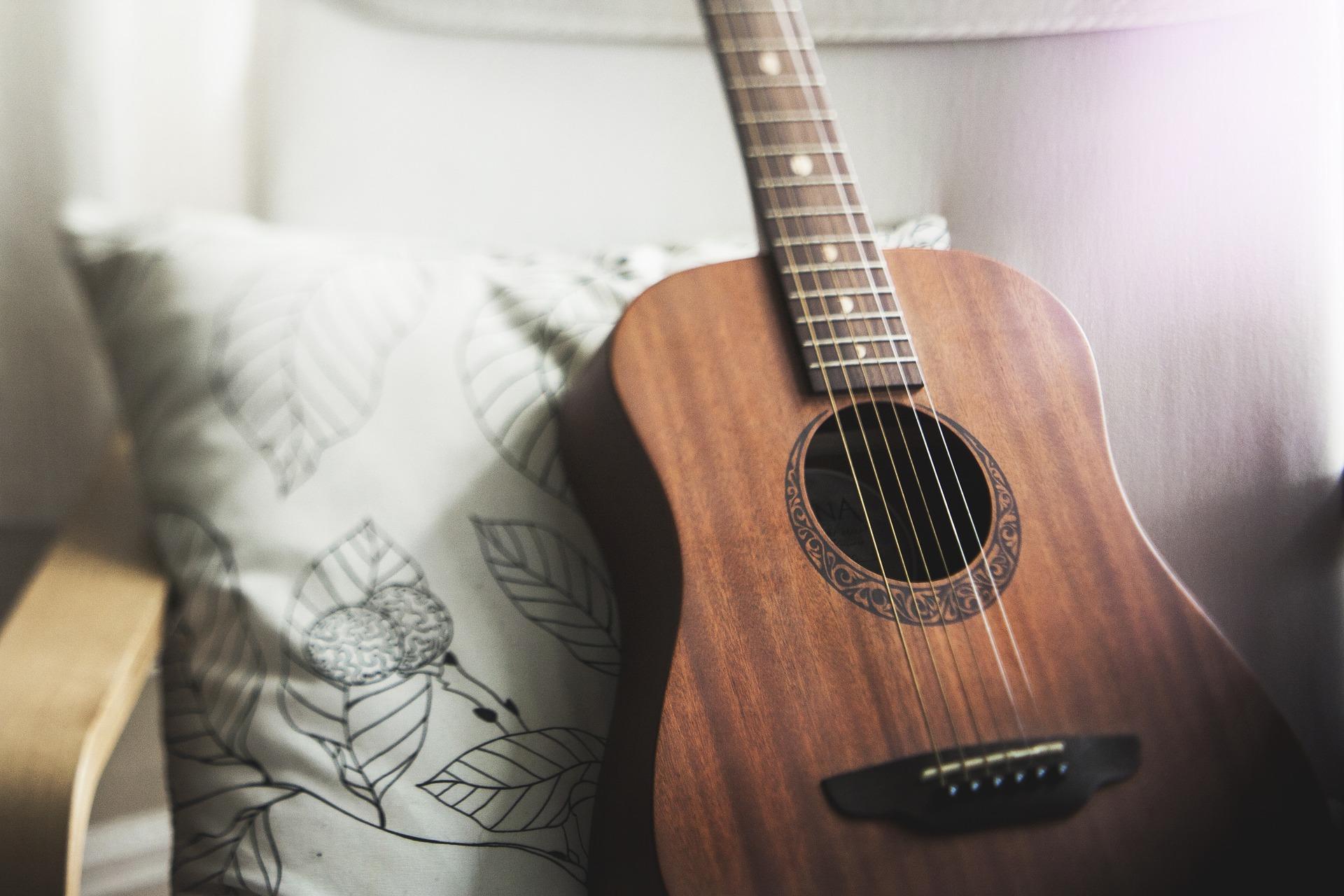
But how much should you pay for a good classical guitar? Classical guitars can cost between €90 and €600, or even more. So how do we make the right choice? Be aware that cheap guitars are more often children's toys than real guitars that will last. That being said, if you're not sure whether you're gonna continue to play the guitar or it's just for some lessons at the start, there's no harm in starting off cheap until you decide whether you're going to continue playing the guitar!
However, if it's something you've always wanted to do and feel like you want to invest in your first guitar, you should consider buying something from the €150 price range. In this price range, you will easily find a guitar that makes you happy without going broke. Look at models from Cordoba, Yamaha, and even Fender, which all make very good beginner nylon-string guitars.
The guitar price depends on several key factors, including materials, construction, and brand. Guitars made with solid woods like spruce or mahogany typically produce better tone and last longer than laminate models. Features like pickups, cutaway body shapes, and premium finishes also increase the price. Well-known brands such as Fender or Faith often cost more due to their build quality and consistency.
Electric Guitar Price: How Much Does an Electric Guitar Cost in Ireland?
After a few months or years of playing the classical guitar, do you want to switch to the electric guitar? But how much does an electric guitar cost? Like the classical guitar, different price ranges are available for the electric guitar, whether you buy it online or at the store.
all guitar sales.
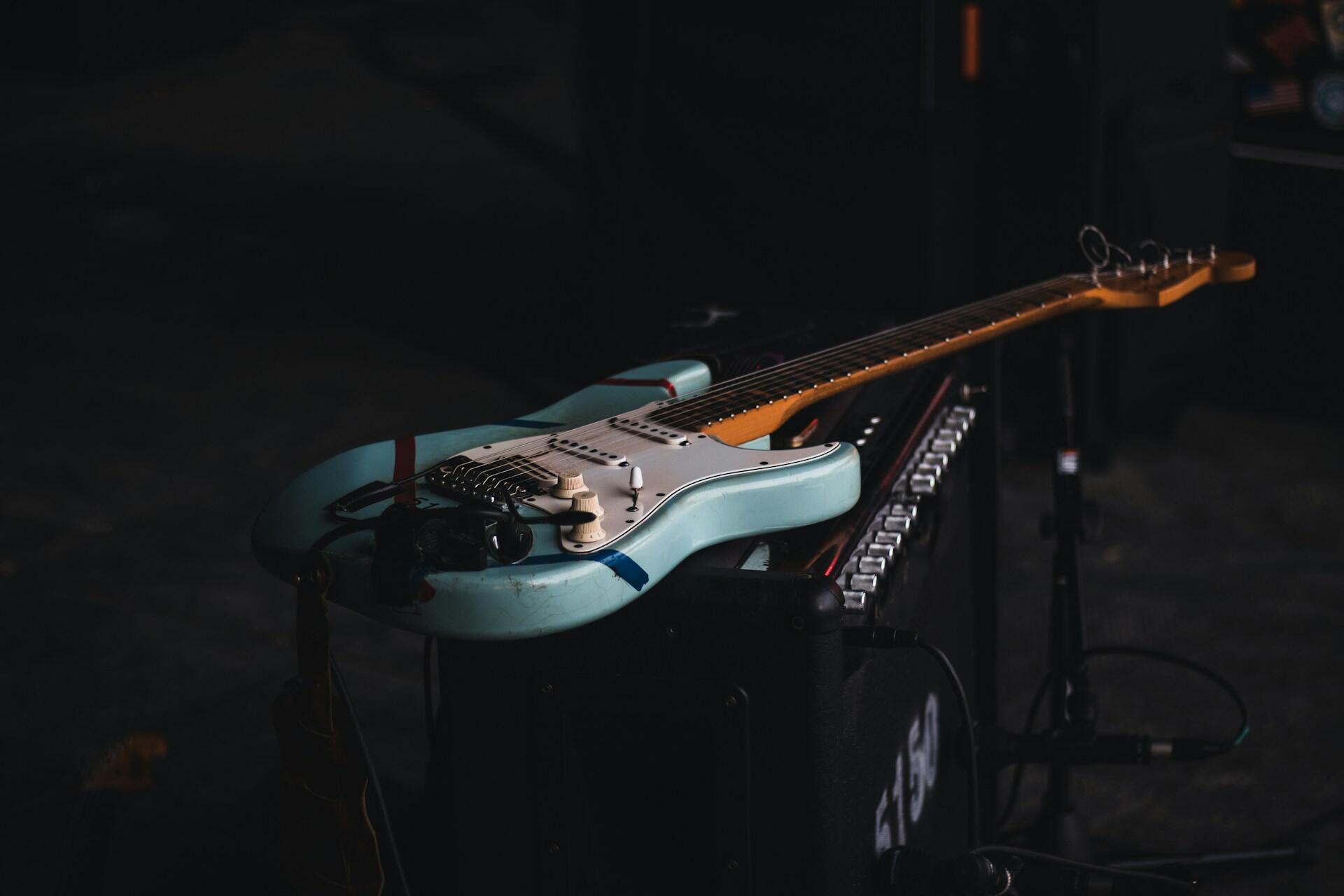
Good quality guitars cost around €200. Certainly, you won’t have the same guitar like Jimi Hendrix, but you’ll find one that will do the trick. As you progress, and if your budget allows, you will be able to upgrade and resell your first guitar. But with the electric guitar also comes the amplifier (or guitar amp). Indeed, we must not forget the cost of accessories that come with an electric guitar. And buying an electric guitar without an amp is useless, since the sound would be barely noticeable.
It’s entirely possible to find a beginner package deal at a good price (around €180 to €250). This can very well do the trick for a beginner guitar player. In addition, the set often includes a guitar case or gig bag (not a hardshell), a strap, tuners, and some spare electric guitar strings. The perfect tools to play the guitar.
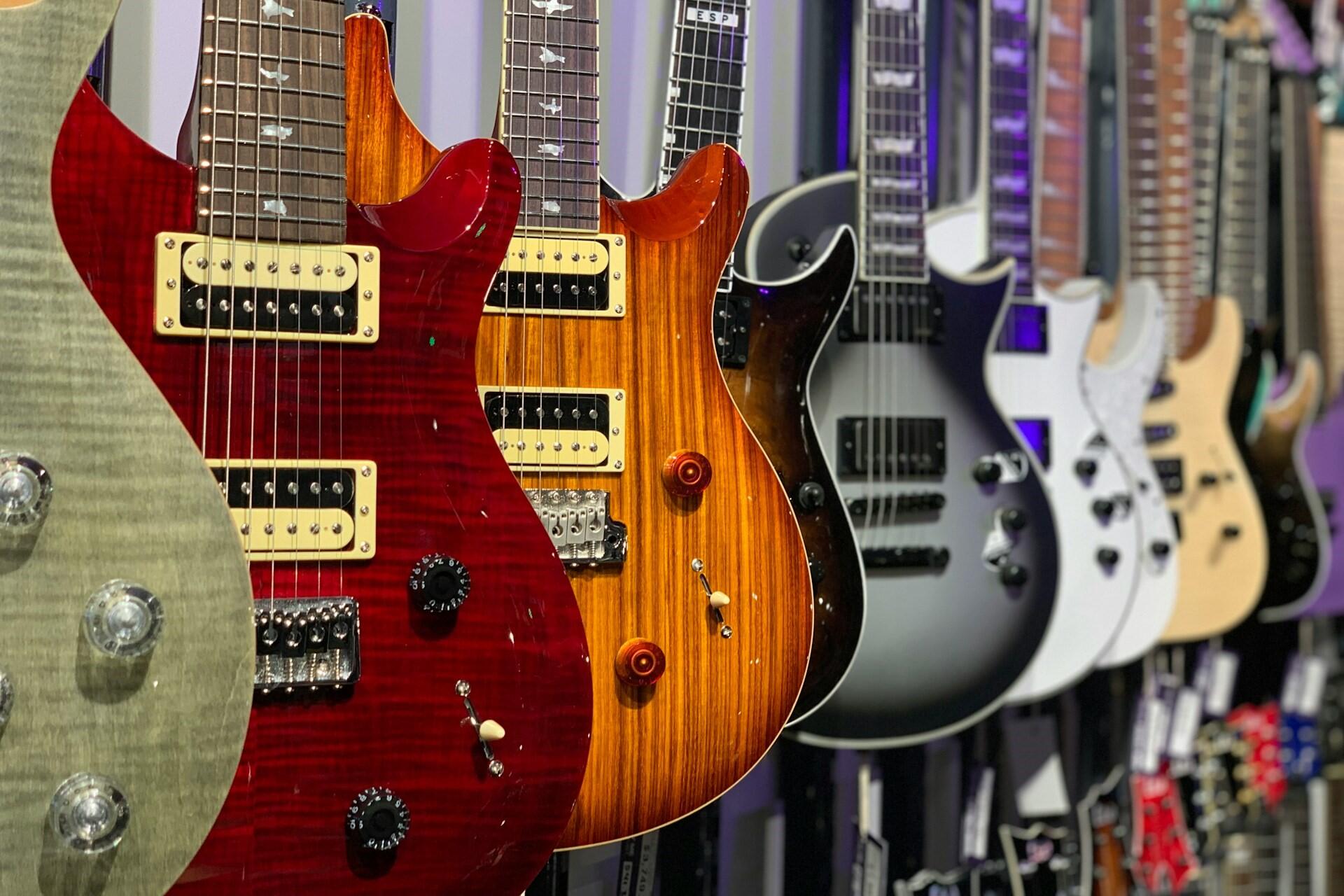
But if your level is a bit higher and you want to perform onstage, look for a slightly higher-priced amplifier, like one from the brand Marshall, for example. For electric guitars, reliable budget brands available in Ireland include Yamaha, Epiphone, and ESP Ltd, which are commonly stocked in Irish music shops.
Acoustic Guitar Price: How Much Does an Acoustic Guitar Cost?
The electric guitar is not for you? You could find a good compromise between the classical and electric guitars by buying an acoustic-electric guitar! This acoustic guitar is equipped with microphones to amplify its sound. A sound that will be closer to the classical guitar than the electric since it is part of the acoustic guitar family. Indeed, the sound can resonate alone in the body of the guitar, the soundbox.
But what is the acoustic guitar used for? This type of guitar is ideal for playing any kind of musical style, unlike the classical guitar, which is more for jazz music, gypsy style, or, as the name suggests, classical music. With an acoustic guitar, you can play rock, the French variety, and the blues. It’s enough to delight more than one aficionado.
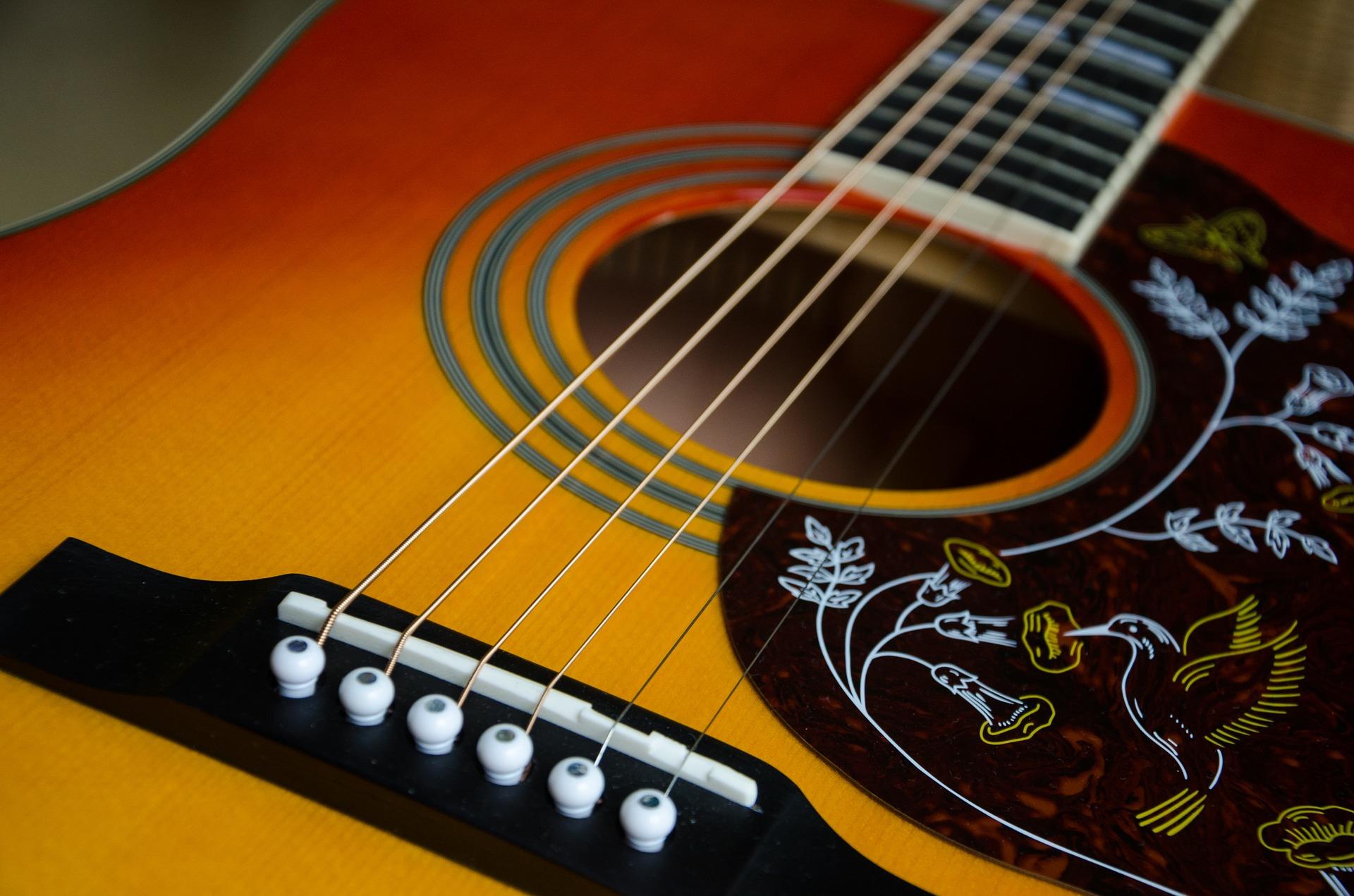
But how much does an acoustic guitar cost? As with other types of guitars, you can usually find entry-level acoustic guitars starting from around €100 to €120 in Ireland. However, an acoustic guitar is often an important investment that we want to keep for our whole life. So it may be wiser to look at guitars between €150 and €350 if your budget allows. These are generally of very good quality and will last for a long time. Some good brands available in Ireland include Seagull, Taylor Guitars, and Martin Guitars, which you can find in most major Irish music retailers. As for accessories, it's up to you whether you want an amp. Know that if you don’t want to play on stage, the amp could be useless.
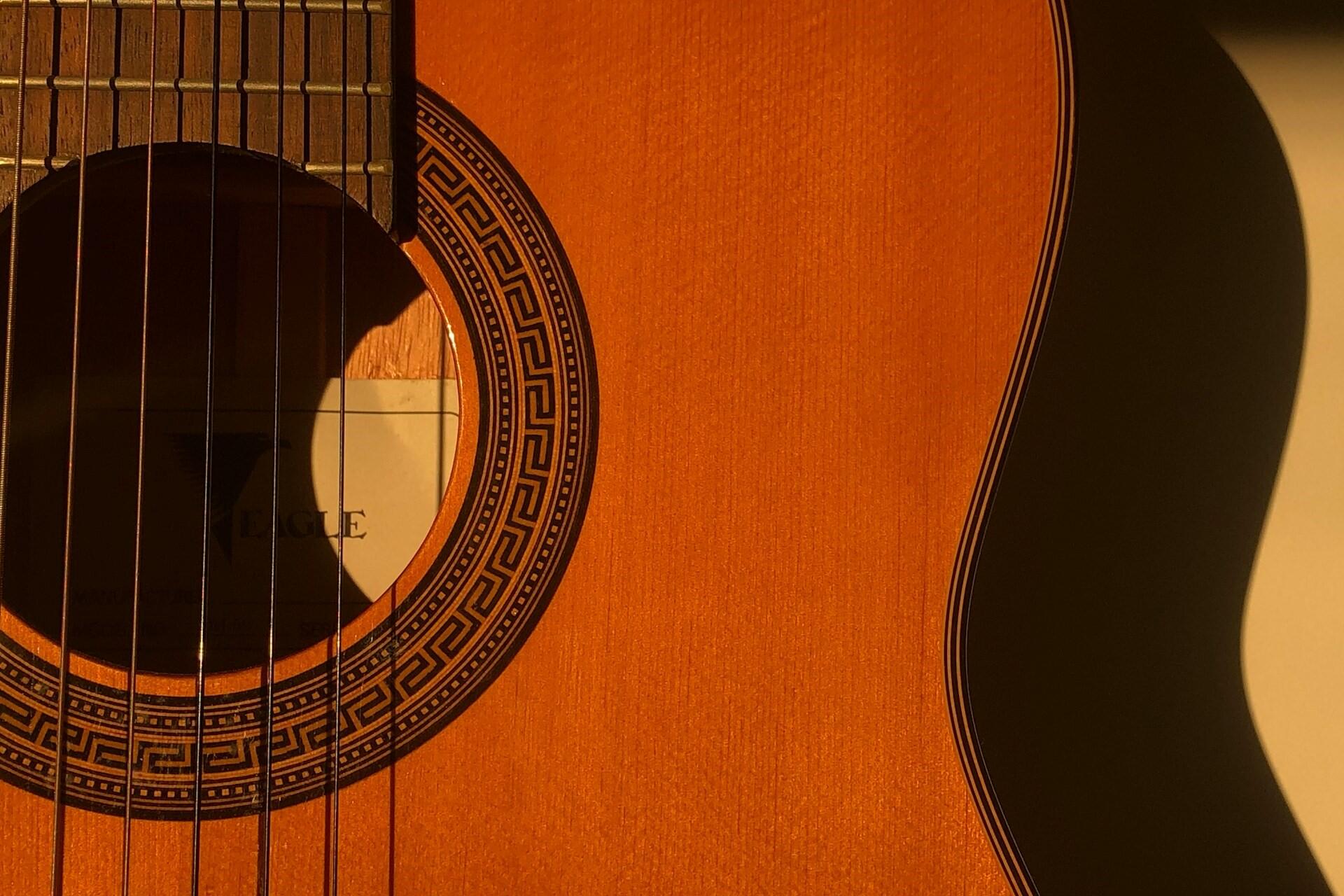
However, consider buying a guitar case, a tuning fork, a tuner, a metronome and a capo. The last one shortens the neck to change the tone. It’s a tool as useful as a pick for having fun playing the guitar!
How to Buy a Guitar on a Budget in Ireland
Does your budget not meet your desire for a guitar? You will then have to find an inexpensive guitar without decreasing the quality. This balance will be especially evident in the guitar's craftsmanship. Indeed, the more high-end the guitar finishes are, the more expensive the guitar will be.
When you buy a guitar for the first time, choosing between new and second-hand depends on your budget and confidence. A new instrument guarantees quality and often includes delivery, warranty, and accessories like a gig bag. A second-hand guitar can offer better value, especially for higher-end models, but always check the neck, strings, and overall condition before buying.
For example, you shouldn’t go to a luthier (a guitar maker) if you’re on a budget. Guitars are usually worked with great precision and patience. The prices then reflect the manufacturer's quality.
Several other elements can change the price of a guitar - for example, the wood choice (spruce, maple, rosewood, mahogany, ebony, etc.). Some woods are rarer than others. Varnish and the mechanics can also change the price. You can get a guitar that’s less expensive than others by foregoing the higher-end finishing details.
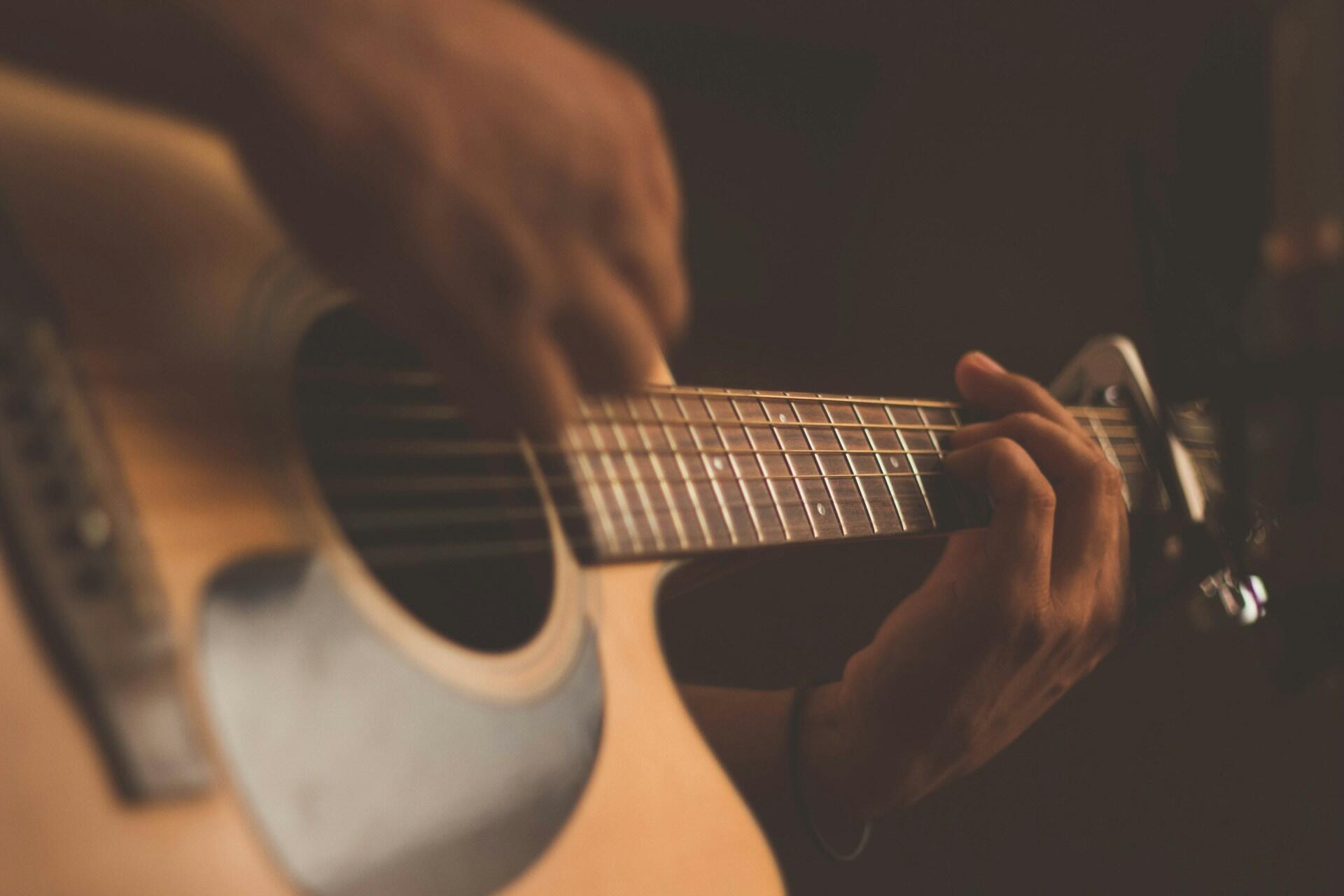
Also, take advantage of music stores’ discounts. Whether it's during a sale or not, some sellers sometimes give discounts for certain guitars. Go to the store and ask for advice. Otherwise, you can opt for a second-hand guitar. Online or at local markets and second-hand shops, you can find a good guitar that costs half of the regular price.
Guitar String Price: How Much Do Guitar Strings Cost?
Once you get your guitar, you will have to take good care of it. This includes maintaining the strings. Indeed, you shouldn’t wait until a string breaks to replace it. Be aware that your strings get damaged over time, and this can change the tone of your guitar.
months for regular players before needing replacement to maintain tone and sound quality.
That’s why it’s recommended to regularly change your string set, not just one of the six strings. Changing only one string could break the harmony of your guitar. It's up to you to decide how often you should change your strings. Some musicians change them before each concert. Others, every six months. It really depends on your personal practice and the care you give to your guitar.
However, a few minor factors can delay oxidation of the strings. For example, you can wash your hands before playing and wipe the strings after each use. This will extend the life of your strings. But that does not exempt you from changing them.

A string set typically costs between €10 and €15 in a music store or online in Ireland.The price of guitar strings may vary depending on the material (steel, nylon, or others) and the treatment of the strings. Some strings may be more resistant to oxidation than others.
If you’ve never changed your strings before, ask your guitar teacher for help or watch a tutorial online. You will quickly get the hang of it. If you're just starting out, why not find online guitar lessons for kids? You can also ask a music shop to do it for around €10.
The guitar itself is only part of the investment. Essential accessories include a tuner, a capo, spare strings, and a gig bag for transport. Electric guitar players will also need amps and, if desired, effects pedals to shape their sound. These extras can add €30 to €150 to your total guitar price, depending on the quality and brands you choose.
How to Buy a Second-Hand Guitar in Ireland
Although science has shown the benefit of music for our health, instruments are not yet reimbursed by our insurance. It is, therefore, necessary to look for other solutions to find the guitar of your dreams at a low price.
Buying a pre-owned guitar is a great way to save money. It’s usually half of the original price. This option should not be overlooked by those with a small budget. And for that, there are several solutions. For example, you can go to second-hand stores. This is the ideal place to negotiate directly with the seller. Moreover, you can test the guitar then and there, a key point when it comes to buying a guitar.
When choosing a guitar, pay attention to the body shape, scale length, and overall finish. A solid-body electric guitar with high-quality pickups will produce a more consistent tone, while acoustic and classical guitars benefit from woods like spruce or rosewood. Also consider the neck profile and fingerboard comfort, as these affect how easy the instrument is to play over time.
You can also use one of the most common ways to purchase an item: the Internet. You can check platforms like DoneDeal, Adverts.ie, or Facebook Marketplace, which are all popular in Ireland for buying and selling second-hand instruments. Make sure you're not getting ripped off.
| Guitar Type | Entry-Level Price | Recommended Budget | Notes |
|---|---|---|---|
| Classical Guitar | €90 – €150 | €150 – €300 | Ideal for beginners nylon strings comfortable neck great for fingerstyle and learning technique |
| Electric Guitar Price | €200 – €250 | €250 – €400 | Requires amps and cables versatile sound with pickups and effects popular for rock and pop |
| Acoustic Guitar Price | €100 – €120 | €150 – €350 | All-in-one instrument no amp needed strong natural sound great for singer-songwriters |
| Bass Guitar Price | €150 – €250 | €250 – €400 | Fewer strings but longer scale neck essential for bands requires amp like electric guitars |
First, check the original price of the guitar to make sure the used one is actually cheaper. Then ask the seller to see the instrument. Make an appointment to go to their home or meet in a public place to test the instrument.
Some things must be checked, such as the condition of the mechanics, the presence of cracks or shocks, the condition of the bridge and neck, and the condition of the soundbox. And do not hesitate to take your time and ask a friend who is knowledgeable about guitars to accompany you. Take time to think before you buy.
To get you started, why not consider taking private lessons? Searching for guitar lessons in Dublin produces the most results on Superprof, but there is a lot more choice if you're willing to learn online.
Summarise with AI:
Did you like this article? Leave a rating!

 Loading...