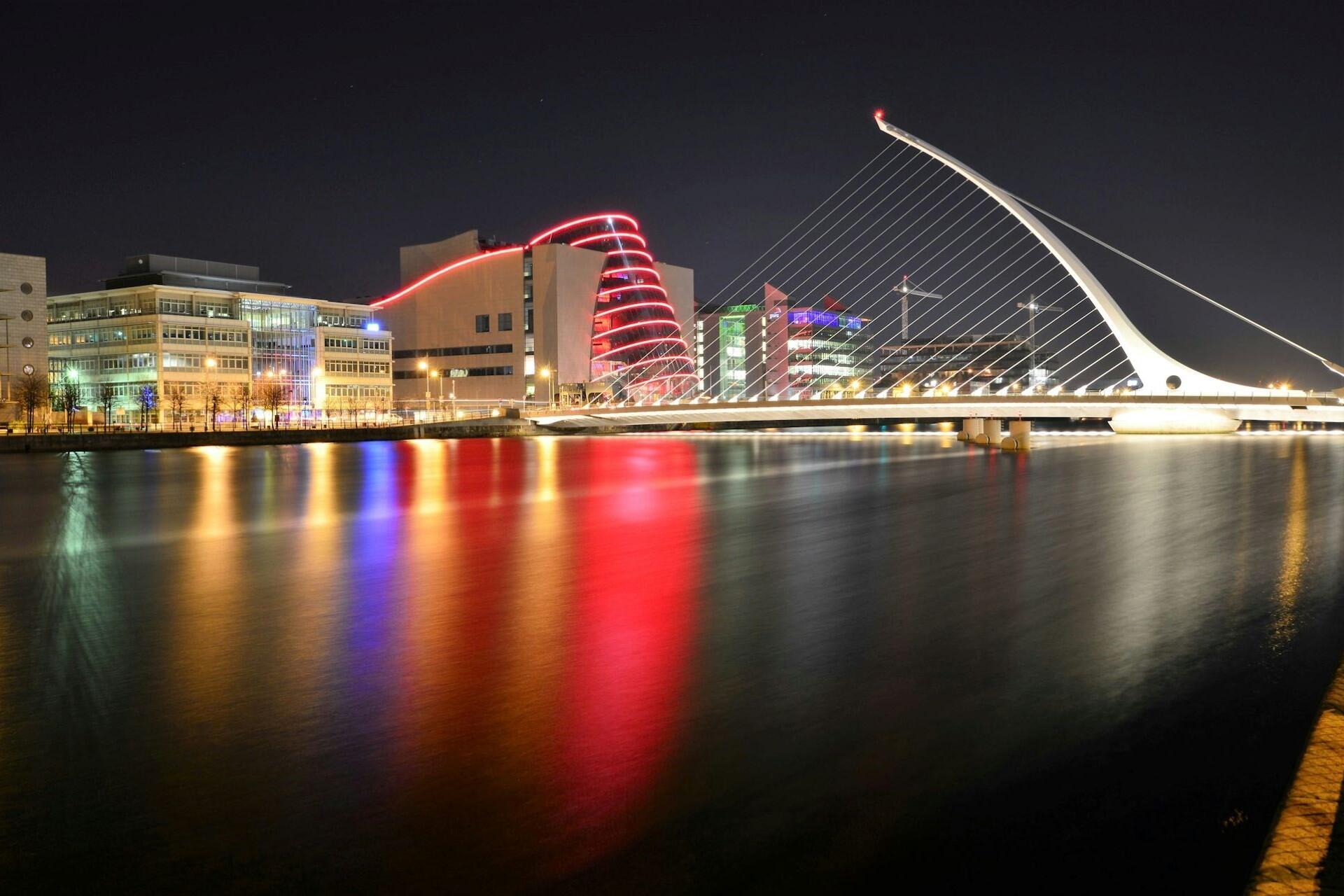

Imagine a race that doubles as a city break. The Dublin City Marathon, for example, is hard to beat. Dublin makes race weekend a festival with a lively expo and streets lined with supporters to cheer you on. Whether you're looking to beat your PB, running a world major, or doing your first marathon, here's how you can turn running a marathon into a short holiday, too!





Why Choose the Dublin City Marathon for Your Marathon Travel Adventure
The Dublin City marathon is a cultural experience. Every October, tens of thousands of runners fill the streets of the Irish capital for "the friendly marathon". This race features a flat, scenic route with lots of incredible local support, easy access, and a lively atmosphere. This running event becomes a weekend celebration, whether you're an experienced runner or just looking for somewhere cool to run your first marathon. The warmth, character, and convenience of Dublin make this marathon a great choice.
Course Highlights: Route and Landmarks
While a marathon isn't the best way to visit a city's landmarks, it is an excellent way to see many of them, especially the ones that are either out of the way or further down the list. During the Dublin marathon, you'll run through the city centre, cross the Liffey, and pass through Phoenix Park. You'll also pass iconic landmarks like St Stephen's Green, Leeson Street, and the National Concert Hall. The finish line is near Merrion Square, and you'll be cheered on by supporters every mile.
Timing and Entry Details: When and How to Register
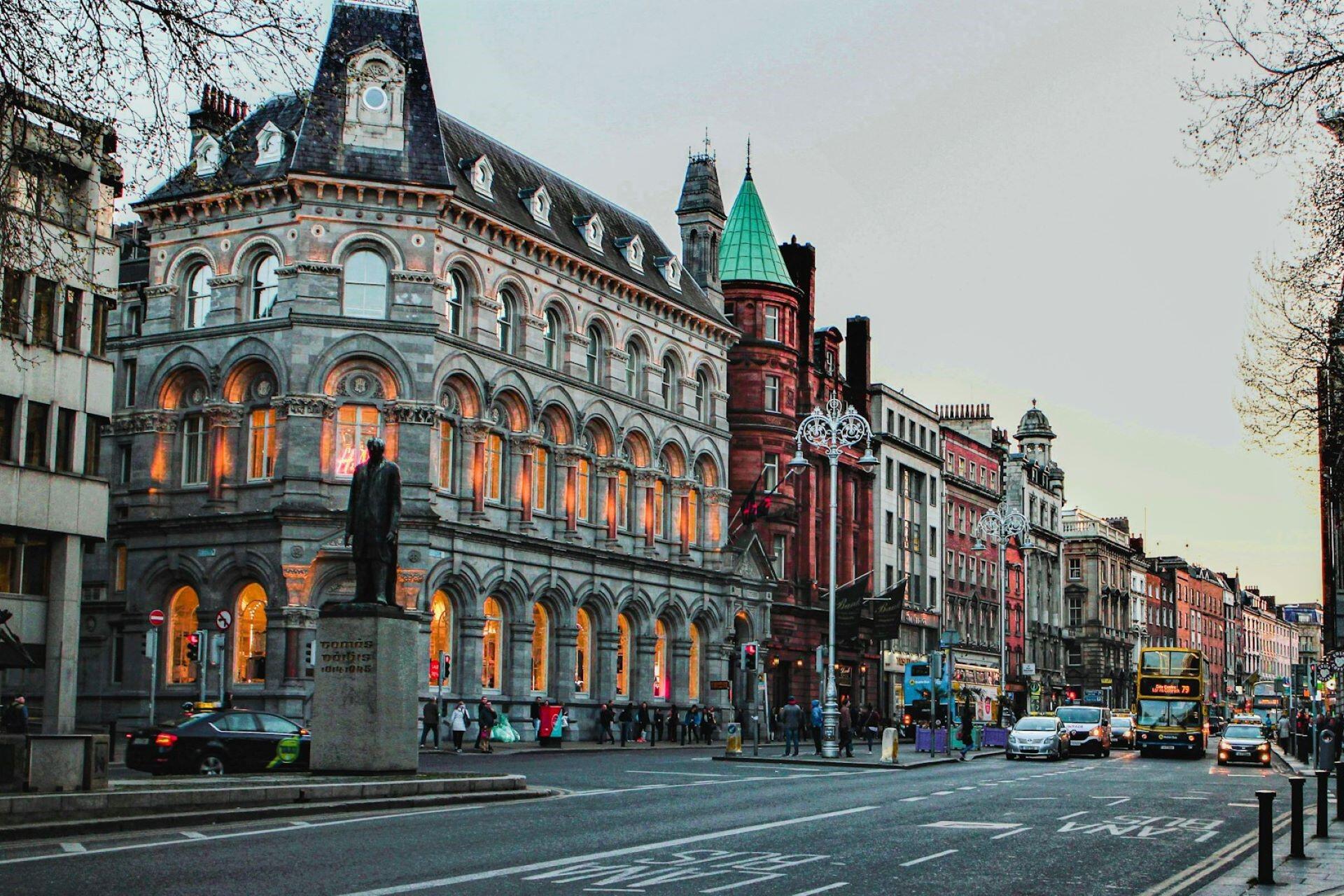
The Dublin City Marathon takes place on the Sunday of the October Bank Holiday weekend, so plan your marathon training appropriately. Registration opens months in advance, and like most popular races, it's recommended that you enter early. You collect your bib and timing chip at the expo, which is usually held on Friday and Saturday before the race at the RDS.
Off-Course Experience: Where to Stay, Eat and Explore
Since Dublin city centre is compact, you'll find that most attractions and hotels are within walking distance. Staying near St Stephen's Green or the Canal will give you quick access to the start and finish. After the race, cafés around Merrion Row or a proper meal in one of the city's family-run pubs are recommended. There are also many places recommended for a casual walk in the days after your 42km effort.
Plan to arrive in Dublin by Friday so you have plenty of time to check in, collect your race bib, and familiarise yourself with the route. Take the Luas tram to scout the start and finish line, then do a short 15-minute jog in Phoenix Park or near St Stephen’s Green to shake off travel stiffness. These small steps help you stay relaxed, avoid last-minute stress, and make the most of your marathon weekend.
The World’s Top Marathons: A Travel Runner’s Checklist
Running and travelling are often the reward for months of training. Major international events like the Boston Marathon, London Marathon, Berlin Marathon, and Tokyo Marathon attract competitors from all over the world. These races are challenging and each has its own character, traditions, and logistics. If you're looking to travel and run, the big four are the pinnacle of most runners' bucket lists.
| Marathon | Location | Typical Date | Notes |
|---|---|---|---|
| Boston Marathon | Boston, USA | April | Qualifying or charity entry required |
| London Marathon | London, UK | April | Ballot and charity entries available |
| Berlin Marathon | Berlin, Germany | September | Flat, fast, world-record course |
| Chicago Marathon | Chicago, USA | October | Lottery or charity entry |
| Tokyo Marathon | Tokyo, Japan | March | Lottery entry, excellent organisation |
| New York City Marathon | New York, USA | November | Huge crowds, five-borough course |
The Big Four (Boston, London, Berlin, Tokyo)
The Boston marathon is the oldest annual marathon, and for many serious and famous runners, it's a rite of passage. A historic course with unpredictable weather and legendary Newton Hills, this race is about strategy and speed.
The London Marathon runs along the Thames and includes landmarks like the Cutty Sark, Tower Bridge, and many other significant sights. This is also one of the most extensive charity runs, with many runners getting their bibs through charity allocation. If you want to run this one, consider raising money for a charity to secure your bib.
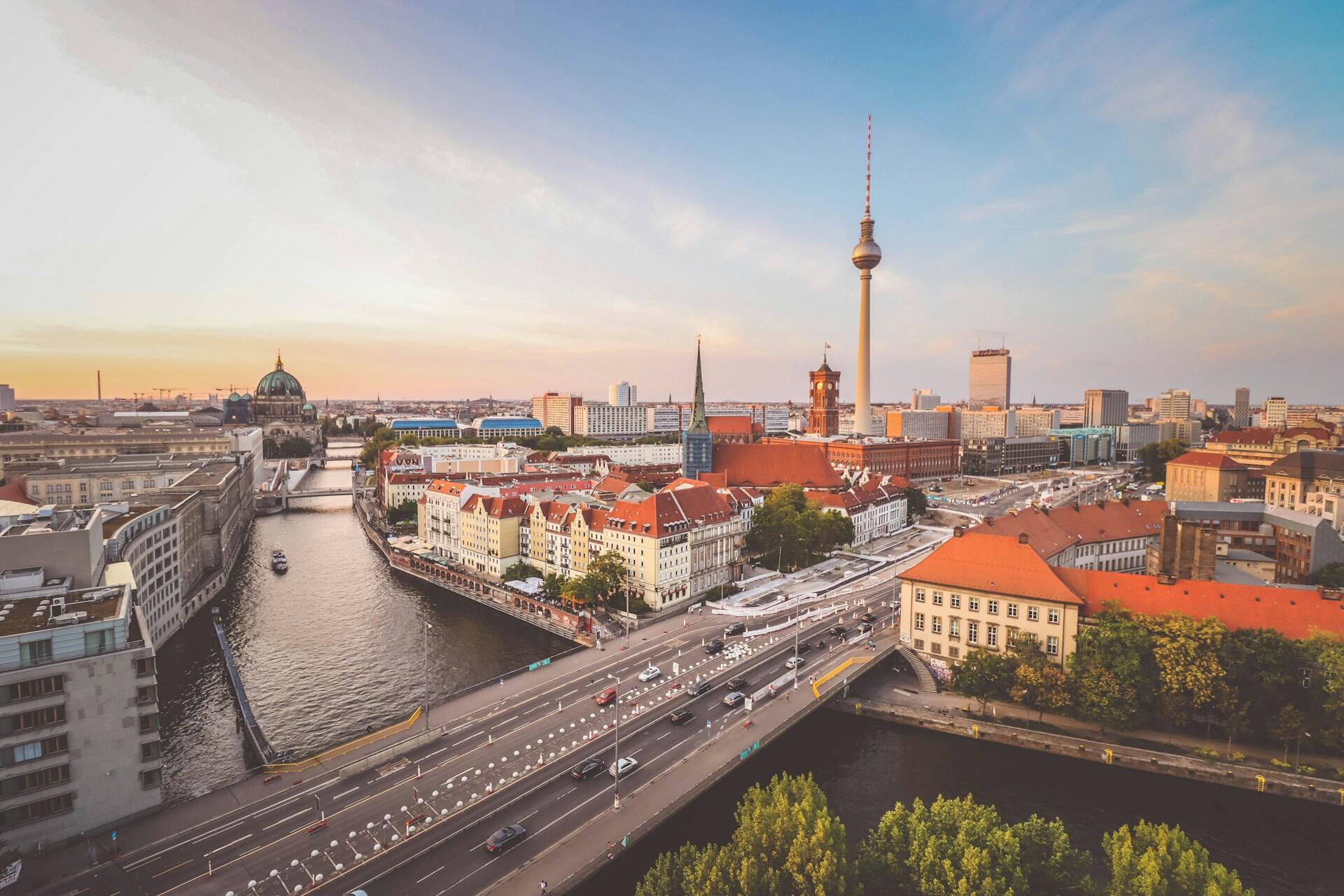
The Berlin Marathon is a flat, fast course that often includes record-setting times. It's also hugely popular, drawing people from all over the world. The crowds and atmosphere at this one are incredible.
The Tokyo Marathon is incredibly well organised, offering views of the modern skyline and an electric atmosphere. Remember that all of these races are incredibly popular and difficult to secure bibs for. Even if you look for a bib when registration opens, you mightn't be guaranteed one.
What to Look For: Date, Course Difficulty, Entry Method
Remember that 42km is difficult enough without a challenging course. Make sure you research the route and typical weather when looking for races. A marathon can become even more gruelling if the weather's hotter than you've ever trained for. Entry can be by ballot, qualifying time, charity place, or even with a travel agency.
Planning Logistics: Travel, Accommodation, Run-Festival Atmosphere
The race itself is often part of a bigger marathon weekend, with events like the runners' fair, expo, pasta parties, family fun runs, breakfast runs, and lots of other activities at your destination. Try to book accommodation close to the start or finish area as it'll save you time on race morning. However, avoid busier parts of towns and cities, especially noisy ones, as the last thing you want is to be kept awake by noisy tourists enjoying an evening, safe in the knowledge that they don't have to be up early to run 42km!
of the start/finish line.
If you're going to travel somewhere for a marathon, you may also enjoy the destination. However, remember that if you're visiting the city the day before, you won't want to spend all day walking around. If you're planning some visits the day after, you should avoid anywhere with too many hills or steps. Trust us on that one!
annual marathon finishers worldwide.
Marathons in Ireland and How to Combine Travel with Running
Ireland has become a popular destination for runners looking to combine races with travelling. In addition to the Dublin City Marathon, there are plenty of regional events that combine beautiful scenery and easy travel connections. Looking to smash your PB or explore a lovely area on foot, the journey can be just as crucial as finishing the races.
Irish Races to Know: Dublin City Half, Other Marathons in Ireland
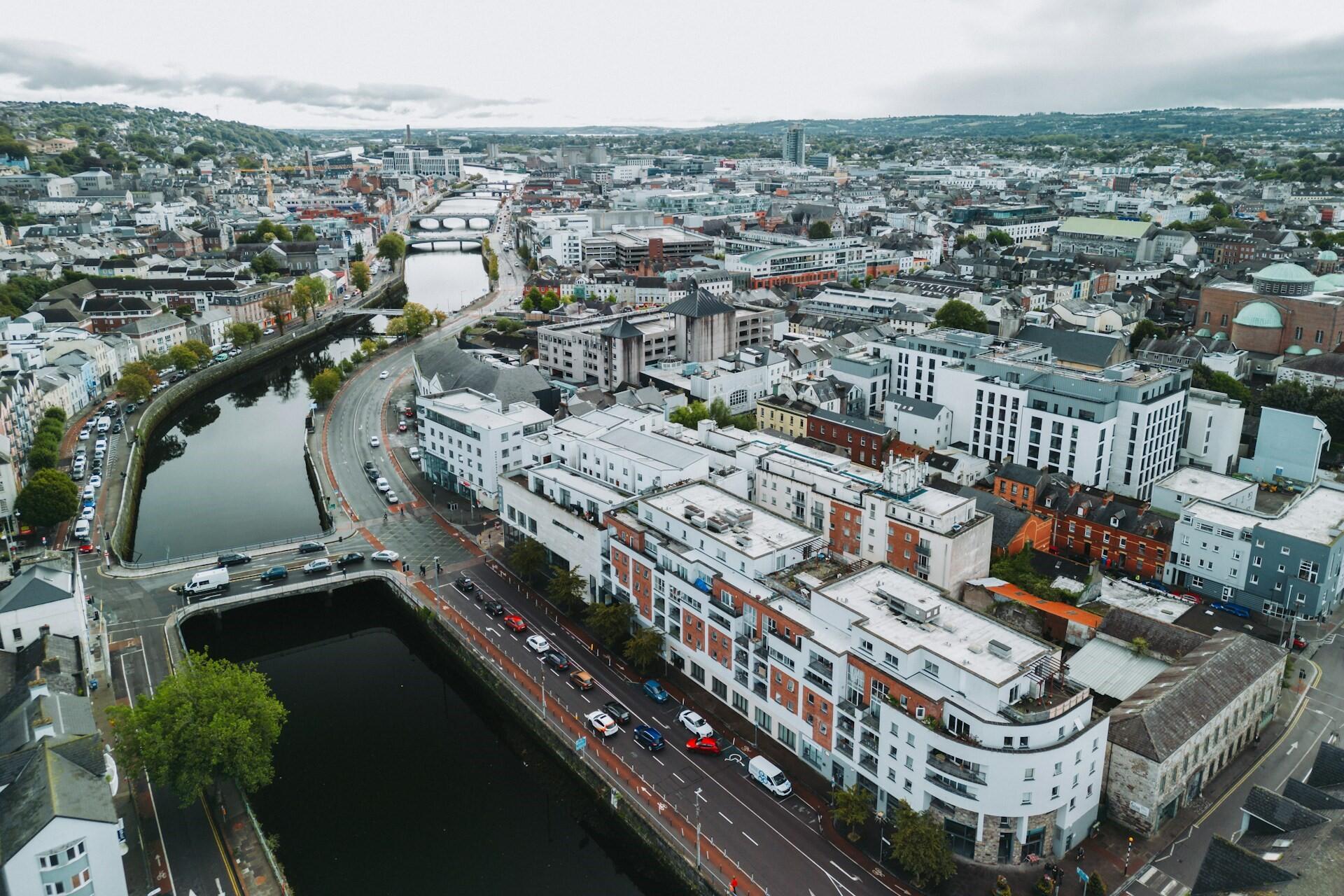
The Dublin City Marathon might be the most famous. Still, you should check out the other Marathons Ireland has to offer. The Cork City Marathon, the Galway Bay Marathon, and the Belfast Marathon are all special in their own way, with routes that cover everything from coastal roads to historic town centres. The smaller half marathons in places like Limerick or Waterford also mean that you can visit towns and your legs will only be half as sore the next day!
| Event | Location | Typical Date | Distance |
|---|---|---|---|
| Dublin City Marathon | Dublin | October Bank Holiday Weekend | Marathon (42.195 km) |
| Dublin City Half Marathon | Dublin (Phoenix Park) | September | Half Marathon |
| Cork City Marathon | Cork | June | Marathon & Relay |
| Galway Bay Marathon | Galway | October | Marathon, Half, 10k |
| Belfast City Marathon | Belfast | May | Marathon |
| Limerick Half Marathon | Limerick | May | Half Marathon |
| Waterford Viking Half Marathon | Waterford | June | Half Marathon |
Planning Your Trip: When, Where, How to Get There
Autumn is the best time for combining runs and trips. In Ireland, you'll find cool, stable weather that's perfect for long runs around this time. You'll find that with Dublin Airport and transport across the country, you can get to almost any run in the country by public transport. Remember that every race attracts thousands of visitors, so book as early as you can.
Irish weather can change in minutes, so smart packing keeps you prepared for any race weekend. Bring a light waterproof jacket, breathable layers, and a cap to handle rain or wind. Don’t forget your preferred running shoes, tested nutrition gels, and an emergency pair of dry socks for after the finish line. Pack blister plasters, electrolyte tablets, and a Luas or bus card if you plan to explore the city after the marathon. Preparation is key and having the right gear means you can focus entirely on enjoying your run.
How to Prepare for Your Marathon Travel Experience
Running a marathon is exciting, but if you're combining it with travel, especially travel abroad, there are extra layers to your planning in addition to doing the training and even maybe working with a personal marathon trainer. You'll need to book flights, understand the route, and prepare for race day. You may need to understand different weather, food, and transport systems and limit any potential surprises or upsets, especially on race day.
Travel Checklist: Flights, Accommodation, Transport to Start
Check flights and accommodation before booking anything. You don't want to secure a bib and then be unable to get there or find somewhere to stay or book your stay and find out you can't even do the race. Arrive at your destination two or three days before the race so you can enjoy the area and recover. Please don't ruin your race by rushing around the city as a tourist, or by being unable to visit anything because you're preparing for it or recovering from it.
Race Day Logistics: Bag Drop, Warm-Up, Course Diversions
The day of the race will be hectic, especially if you've travelled to a new, busy city. Lay out your gear the night before so you can put it on or grab it right away. Most major marathons have bag drops, but you should arrive early to give yourself time. You may even want to do a light warm-up jog and some easy stretches.
A calm, organised start sets the tone for your entire race. Eat your usual breakfast two to three hours before the start, sip water steadily, and avoid anything new on the day. Enter your corral earlier than expected to beat the crowds and give yourself time to focus. Pin gels or chews where you can easily reach them mid-run, and set your watch to show split times per mile or kilometre to keep your pace consistent. These simple habits can shave minutes off your finish time and make your marathon far more enjoyable.
Crossing the finish line at the Dublin City Marathon is so much more than just running a route around the city; it'll be an unforgettable Irish experience. From the first mile through the city centre, past Stephen's Green, and along the winding streets and roads of the South and lower sections of Dublin, every turn is filled with history. As you cross the Liffey, run past Connolly Station, and make your way through Phoenix Park, the supporters will spur you on, and while you're doing the running, remember that they've given up a Sunday in October to support you or somebody they know!
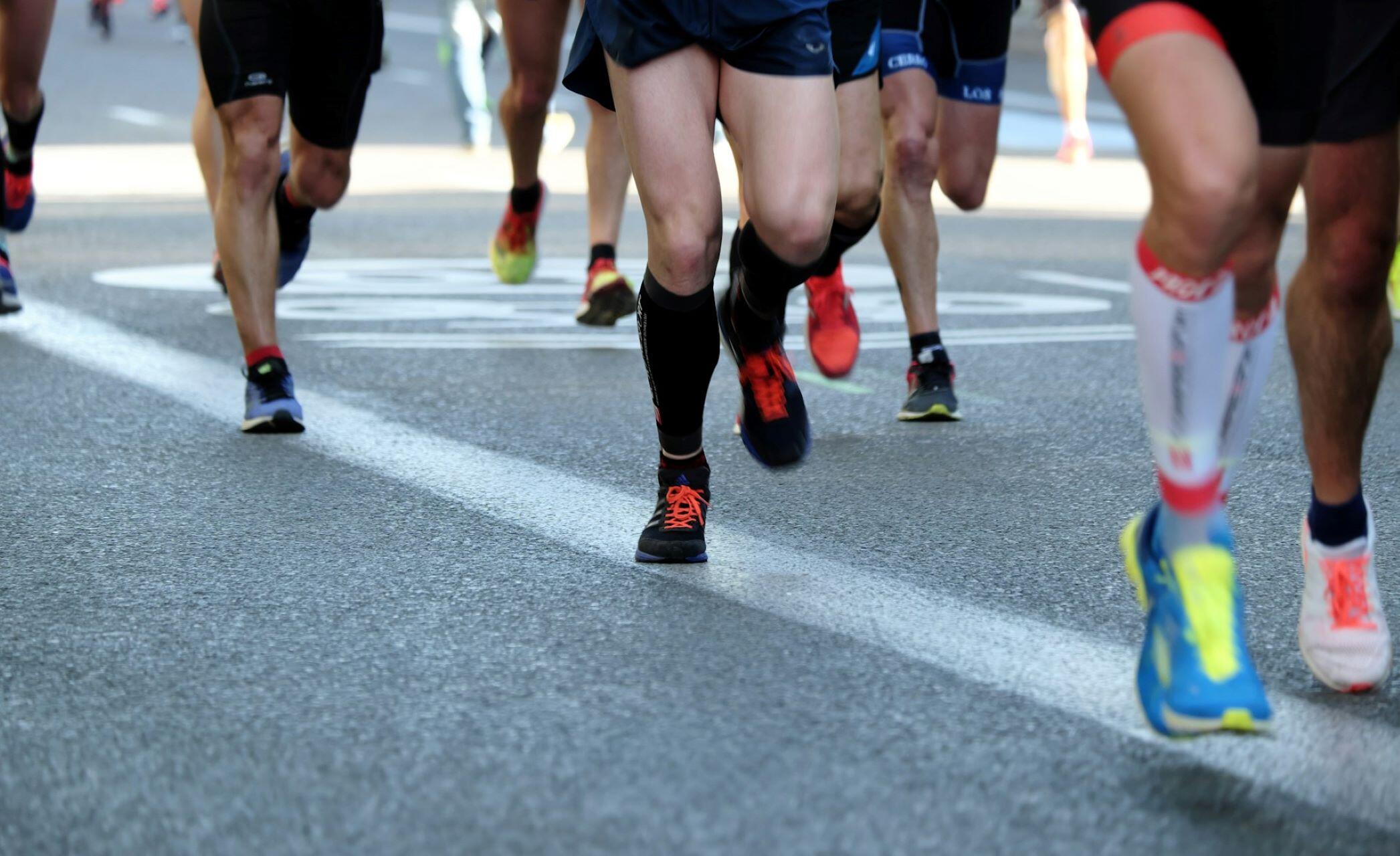
Once you've finished, recover and make sure you have some time to hop on the Luas to explore more of the city, giving you time to think about the long journey you completed, the lessons you've learned, and what it all meant to you.
Summarise with AI:
Did you like this article? Leave a rating!

 Loading...