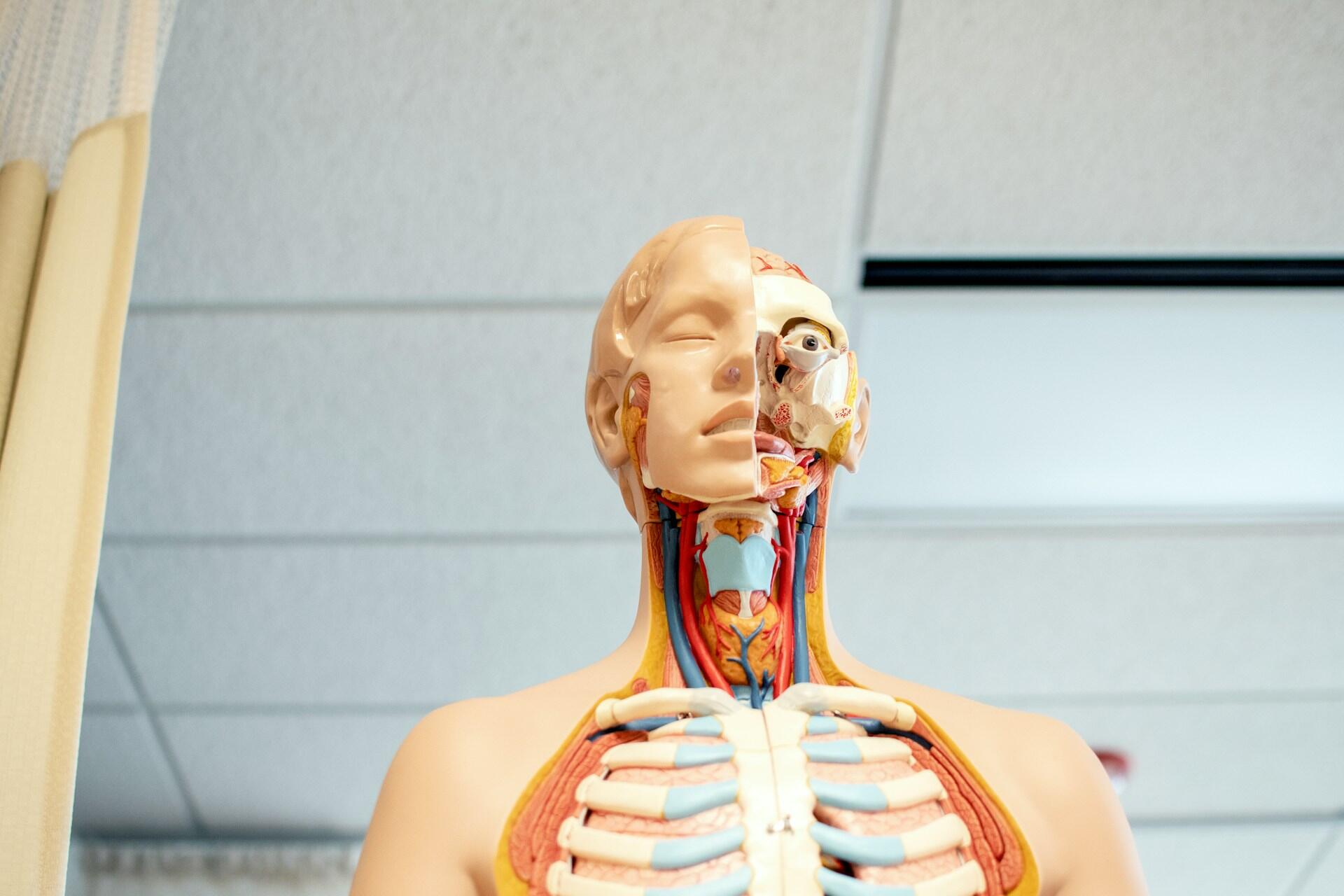

The words for body parts are key in any language, especially if you're learning French and want to engage in everyday communication. Describing people, talking about your health, asking for help, or using key vocabulary in emergencies. We're not going to talk you through a medical degree for this one, but by the end of this article, you should be able to talk about everyday anatomy.
Key Takeaways
- Learning French body parts helps you handle everyday situations like describing people, visiting the doctor, shopping, travelling, and understanding common expressions.
- Many French body words follow predictable patterns, including gender rules (le/la/les) and frequently used structures such as j’ai mal à… for describing pain.
- Pronunciation matters: nasal vowels, silent final consonants, and the French u and r are essential sounds to master for accurate communication.
- Knowing essential body vocabulary helps you understand instructions, ask for help, and communicate clearly in health-related or emergencies.
- Body-related idioms (garder la tête froide, ouvrir les yeux) appear frequently in spoken French and help learners sound more natural and fluent.




Why Learning Body Parts in French Is Important
This vocabulary is key in a wide range of situations. When talking about people's appearances (politely), explaining an injury, visiting the doctor, or in unusual everyday situations, these words pop up more often than you might think, just like question words. They're also in plenty of French idioms, children's stories, physical activities, and common expressions. You'll hear them a lot.
How Body Vocabulary Appears in Daily Life
The Most Important French Body Parts
Let's see some of the key vocabulary you'll need to talk about people, follow instructions, and use in typical everyday conversations. These words can be used in casual conversation, at school, and in health contexts. Combine them with the months of the year in French and you can talk about things that happened to you.
We've grouped them by body area to help you remember them. Since French uses grammatical gender, we've given you [m] (masculine) and [f] (feminine) after each word. While French body parts use the definite article (le, la, les) more often than the indefinite article (un, une), you'll have to learn which is used with each body part according to its gender (not the person's).
The pronunciation of the French terms is provided after the English translation in square brackets. These guides are approximate because they don't take your accent into account. We recommend listening to native speakers for pronunciation.
Head and Face Vocabulary
- tête [f] – head [tet]
- visage [m] – face [vee-zazh]
- cheveux [m/pl] – hair [shuh-vuh]
- front [m] – forehead [fron]
- oreille [f] – ear [o-ray]
- oreilles [f/pl] – ears [o-ray]
- œil [m] – eye [uh-yuh]
- yeux [m/pl] – eyes [yuh]
- nez [m] – nose [nay]
- bouche [f] – mouth [boosh]
- langue [f] – tongue [long]
- dent [f] – tooth [don]
- dents [f/pl] – teeth [don]
- joue [f] – cheek [zhoo]
- menton [m] – chin [mon-ton]
Upper Body Vocabulary
- cou [m] – neck [koo]
- épaule [f] – shoulder [ay-pol]
- poitrine [f] – chest [pwah-treen]
- dos [m] – back [doh]
- ventre [m] – stomach/belly [von-tr]
- abdomen [m] – abdomen [ab-do-men]
- cœur [m] – heart [kur]
- poumon [m] – lung [poo-mon]
- estomac [m] – stomach (organ) [es-toh-mahk]
Arm and Hand Vocabulary
- bras [m] – arm [brah]
- avant-bras [m] – forearm [a-van-brah]
- coude [m] – elbow [kood]
- poignet [m] – wrist [pwa-nyay]
- main [f] – hand [man]
- doigt [m] – finger [dwah]
- doigts [m/pl] – fingers [dwah]
- pouce [m] – thumb [poos]
- ongle [m] – nail [ongl]
new vocabulary words.
Leg and Foot Vocabulary
- jambe [f] – leg [zhom]
- cuisse [f] – thigh [kwees]
- genou [m] – knee [zhuh-noo]
- genoux [m/pl] – knees [zhuh-noo]
- cheville [f] – ankle [shuh-vee]
- pied [m] – foot [pyay]
- pieds [m/pl] – feet [pyay]
- orteil [m] – toe [or-tay]
- orteils [m/pl] – toes [or-tay]
- talon [m] – heel [ta-lon]
Most French body parts are masculine (le bras, le pied, le nez), but several are feminine (la main, la jambe, la tête). Internal organs tend to be masculine, and plural body parts take les. Learning gender from the start helps you choose the right articles and adjective forms when describing people or talking about aches and pains.
Describing People Using French Body Parts
You can use your new body vocabulary when talking about people in French. You can use them to describe appearance, how you feel, or give simple instructions. Combine them with basic French numbers to help you practise. After all, we mostly have 10 or fewer of most body parts.

Talking About Appearance
Talking About Health and Pain
The vocabulary for body parts is handy if you need to go to the doctor's. We'd also recommend learning the days of the week in French so you can arrange appointments. Try practising roleplay conversations for booking appointments at the doctor's with your new vocab.

To express pain in French, use J’ai mal à followed by the correct article: à la tête, au dos, aux yeux. This structure works for headaches, injuries, and general discomfort. Mastering it early helps you explain symptoms clearly in real situations, especially when travelling.
Difficult Sounds to Practise
bones in the human body, but for your average French conversation, you won't have to learn them all.
Many everyday expressions use body words: avoir le bras long (to be influential), garder la tête froide (to stay calm), avoir les pieds froids (to have cold feet), ouvrir les yeux (to understand). These idioms help you sound natural and more fluent in spoken French.
Common Pronunciation Mistakes
Adults and kids can learn these with this. You already know the song!
Full Reference Table of French Body Parts
| French | English | Pronunciation | Gender |
|---|---|---|---|
| tête | head | tet | f |
| visage | face | vee-zazh | m |
| cheveux | hair | shuh-vuh | m/pl |
| front | forehead | fron | m |
| oreille | ear | o-ray | f |
| oreilles | ears | o-ray | f/pl |
| œil | eye | uh-yuh | m |
| yeux | eyes | yuh | m/pl |
| nez | nose | nay | m |
| bouche | mouth | boosh | f |
| langue | tongue | long | f |
| dent | tooth | don | f |
| dents | teeth | don | f/pl |
| joue | cheek | zhoo | f |
| menton | chin | mon-ton | m |
| cou | neck | koo | m |
| épaule | shoulder | ay-pol | f |
| poitrine | chest | pwah-treen | f |
| dos | back | doh | m |
| ventre | belly/stomach | von-tr | m |
| abdomen | abdomen | ab-do-men | m |
| cœur | heart | kur | m |
| poumon | lung | poo-mon | m |
| estomac | stomach (organ) | es-toh-mahk | m |
| bras | arm | brah | m |
| avant-bras | forearm | a-van-brah | m |
| coude | elbow | kood | m |
| poignet | wrist | pwa-nyay | m |
| main | hand | man | f |
| doigt | finger | dwah | m |
| doigts | fingers | dwah | m/pl |
| pouce | thumb | poos | m |
| ongle | nail | ongl | m |
| jambe | leg | zhom | f |
| cuisse | thigh | kwees | f |
| genou | knee | zhuh-noo | m |
| genoux | knees | zhuh-noo | m/pl |
| cheville | ankle | shuh-vee | f |
| pied | foot | pyay | m |
| pieds | feet | pyay | m/pl |
| orteil | toe | or-tay | m |
| orteils | toes | or-tay | m/pl |
| talon | heel | ta-lon | m |

If you'd like to learn more French, it's much easier if you work with a private tutor. Private tutoring is particularly useful for learning foreign languages since you can spend every minute of every session working with your tutor on what you want or need to learn in the ways that work best for you.
On Superprof, you'll find qualified and experienced French tutors all over Ireland and around the world. With most offering the first session for free, you can even try a few before choosing the one that's right for you. After all, you'll be spending a lot of time talking to them so it's important that you get along.
Summarise with AI:
Enjoyed this article? Leave a rating!

 Loading...