All seven days of the week in French with clear examples, pronunciation tips, common phrases, and practical guides for everyday use.
Joseph11 December 20257 minutes to read
BlogLanguagesFrenchDays of the Week in French: Learn All 7 French Weekday Names
Learning the days of the week in any language is a good way to participate in everyday conversations about schedules or just reading written information about when things are taking place. Whether you're planning a trip, organising a weekly routine, or reading a calendar, the days of the week are essential vocabulary for you to learn.
The reason the weekdays are so important is that they're used so often. You'll see them in emails, school timetables, store opening hours, and public transport schedules. You'll hear these words when people are talking about appointments, meetings, family activities, and weekly habits. The good thing is that they're used often, and there aren't that many of them to learn. Of course, if you're making appointments at the doctor's or the hairdresser's, it's helpful to brush up on your anatomical French vocabulary.
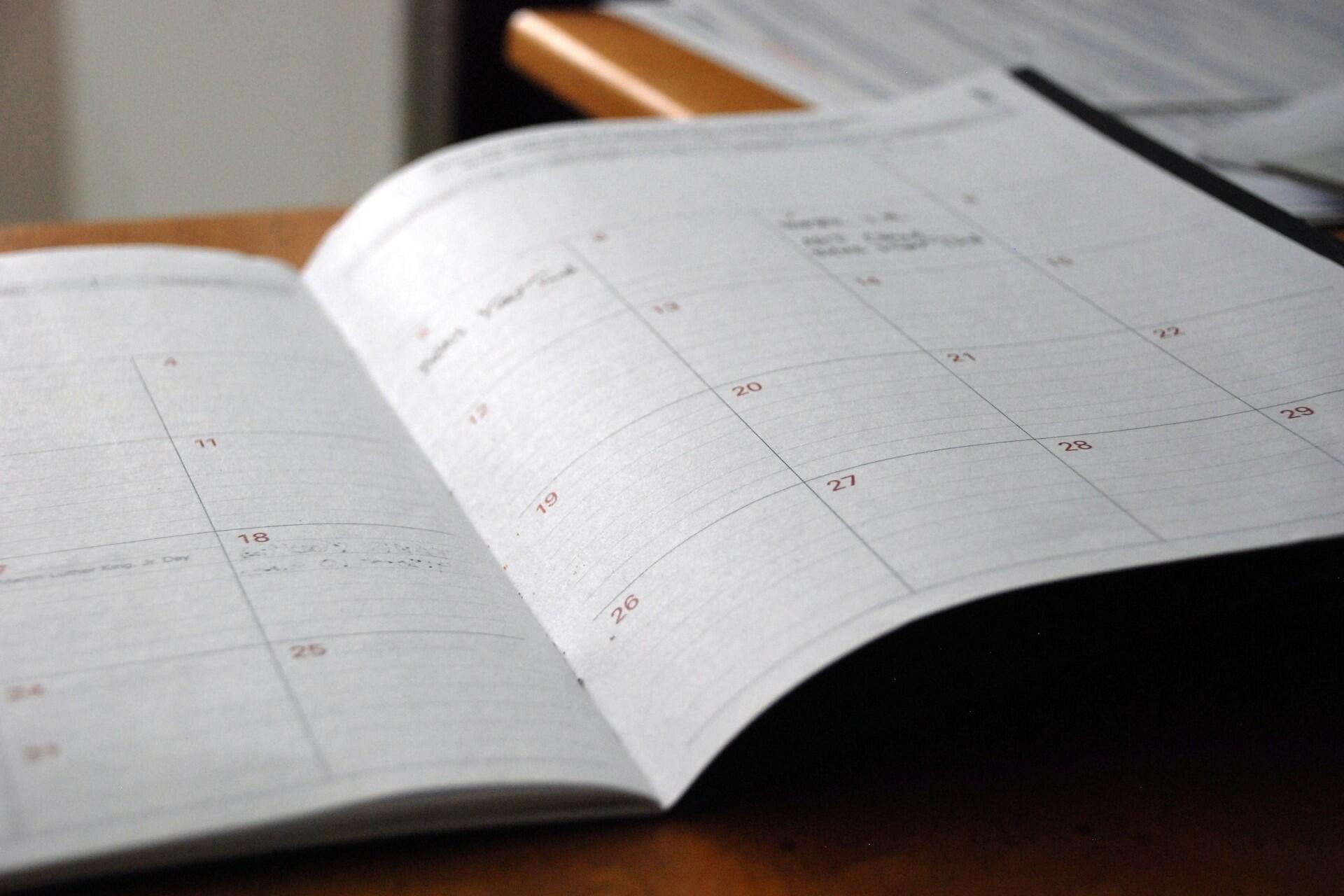
With just 7 new words, you can open a whole new world of conversations in French. | Photo by Gaining Visuals
How French Weekdays Are Used in Everyday Life
French speakers use the weekday names to talk about what they did, what they're doing today, and what they plan to do next week. You'll often hear phrases like mardi matin (Tuesday morning), vendredi soir (Friday evening), and le dimanche (every Sunday) in casual conversation. More practically, you'll also hear these in instructions, announcements, business hours, and public notices. Once you master French question words, you can start asking about when events are happening and talk about your own week.
Just as in English, there are
7
days of the week in French.
The 7 Days of the Week in French
Lundi — Monday
Pronunciation:lun-dee
Common Phrases:ce lundi, lundi prochain, le lundi
Example Sentence:Le lundi, je fais du sport. — I work out every Monday.
Cultural Notes: Monday marks the start of the French work and school week.
Mini Practice Prompt: Write one sentence about something you do on Monday.
Mardi — Tuesday
Pronunciation:mar-dee
Common Phrases:mardi matin, mardi dernier, mardi soir
Example Sentence:Nous avons une réunion mardi. — We have a meeting on Tuesday.
Cultural Notes: A typical workday in France is often full of scheduled tasks.
Mini Practice Prompt: Write a short sentence about your plans for Tuesday.
Mercredi — Wednesday
Pronunciation:mehr-kruh-dee
Common Phrases:mercredi après-midi, mercredi prochain
Example Sentence:Mercredi, je vais au cinéma. — On Wednesday, I’m going to the cinema.
Cultural Notes: Many French schools have Wednesday afternoons free for activities.
Mini Practice Prompt: Ask someone about their Wednesday plans.
Jeudi — Thursday
Pronunciation:zhuh-dee
Common Phrases:jeudi matin, jeudi prochain, jeudi soir
Example Sentence:Le cours est jeudi. — The class is on Thursday.
Cultural Notes: Often seen as the “pre-weekend” day in France.
Mini Practice Prompt: Make a sentence using jeudi and a time of day.
Vendredi — Friday
Pronunciation:vahn-druh-dee
Common Phrases:vendredi soir, vendredi matin
Example Sentence:Vendredi, je dîne au restaurant. — On Friday, I dine out.
Cultural Notes: Friday evenings are a significant social moment in French cities.
Mini Practice Prompt: Describe something you usually do on Friday evening.
Samedi — Saturday
Pronunciation:sam-dee
Common Phrases:ce samedi, samedi prochain, samedi soir
Example Sentence:Samedi, nous sortons en ville. — On Saturday, we go out in town.
Cultural Notes: A popular day for shopping, markets, and family activities.
Mini Practice Prompt: Write one plan you have for a Saturday.
Dimanche — Sunday
Pronunciation:dee-mahnsh
Common Phrases:dimanche matin, dimanche soir, le dimanche
Example Sentence:Dimanche est un jour de repos. — Sunday is a day of rest.
Cultural Notes: Many shops are closed; the day is typically quiet and family-oriented.
Mini Practice Prompt: Describe your ideal Sunday in one sentence.
Don't expect to get much shopping done on Sundays in France. | Photo by Hakim Menikh
beenhere
Key Rules for Using French Weekdays
Info: French days of the week are always written in lowercase and are grammatically masculine. They're used without an article when referring to a specific day, but adding le shows an activity that repeats weekly.
Now you know what the words are, you can start using them in your everyday speech, timetables, schedules, or emails. By combining them with the months in French, you can start talking about your whole calendar. You should know that articles change the meaning of the days of the week and can be used to express recurring habits, talk about events in time, and form questions.
Learn the
4
key ways to use weekday vocabulary: routines, schedules, events, and appointments.
Using Articles With Days (Le, Un, Ce…)
No article: Used for a specific day (e.g., Je viens mardi.).
Le + weekday: Used for regular weekly habits (e.g., Le mardi, je cours.).
Ce + weekday: Used for “this” specific day (e.g., Ce mardi, j’ai un examen.).
Un/une + moment + weekday: Used for a particular moment (e.g., Un mercredi matin…).
Example Sentence:Le lundi, je me lève tôt. — Every Monday, I wake up early.
Mini Practice Prompt: Write a sentence using ce lundi and one using le lundi.
Talking About Recurring Weekly Activities
Recurring activities: Use le + weekday for weekly routines.
Habit examples:Le samedi, je fais les courses. / Le dimanche, nous déjeunons en famille.
Time-based habits: Combine days with times (e.g., Le vendredi soir, je regarde un film.).
Example Sentence:Le mercredi, elle fait du piano. — She plays piano every Wednesday.
Mini Practice Prompt: Describe a weekly routine using “le + day.”
The vocabulary for the days of the week can help you talk about your routines and your hobbies. | Photo by Sarah Brown
Talking About Dates and Events
Specific times: Use day + moment (e.g., mardi matin, samedi soir).
Future events: Use prochain for next week (e.g., jeudi prochain).
Past events: Use dernier for last week (e.g., mardi dernier).
Planning phrases: Useful for schedules, appointments, and travel plans.
Example Sentence:Nous partons en voyage jeudi prochain. — We leave on our trip next Thursday.
Mini Practice Prompt: Write one plan using prochain and another using dernier.
Asking and Answering Questions About Days
Direct questions: Use C’est quel jour ? for “What day is it?”
Activity questions: Use Tu viens quel jour ? to ask which day someone is coming.
Scheduling questions: Use Quel jour est ton cours ? for appointments or classes.
Time questions: Use Quand est-ce que tu arrives ? to talk about arrivals or events.
Example Sentence:Ton rendez-vous est quel jour ? — What day is your appointment?
Mini Practice Prompt: Write a question asking which day someone is free.
beenhere
Most Useful French Weekday Expressions
Expressions like ce lundi (this Monday), mardi prochain (next Tuesday), vendredi soir (Friday evening), and le dimanche (every Sunday) appear constantly in everyday French. These short phrases help you talk naturally about plans, routines, and schedules.
Pronouncing the Days of the Week in French
Pronunciation is key in any language. While the names of the days of the week are unique, it's unlikely you'll confuse one for another, unlike the numbers in French. However, correctly pronouncing them will make it easier for you to be understood. By mastering how these words are said, you'll have more authentic interactions with French speakers.
Key Pronunciation Patterns to Know
Nasal vowels: Days like lundi and vendredi use nasal sounds that come from the nose, not the mouth.
Silent endings: Many weekday names end with a silent vowel or consonant (e.g., the final “i” in lundi is very light).
Soft consonants: Letters like “d” in lundi and mardi are softer than in English.
Stress pattern: French places even stress across syllables, unlike English, which stresses one part heavily.
Mini Practice Prompt: Say lundi → mardi → mercredi slowly to feel the shift between nasal and non-nasal sounds.
There are a few tricks you can use to sound more French when talking about your week. | Photo by Rafael Garcin
Common Pronunciation Mistakes to Avoid
Over-pronouncing the “r”: French “r” is soft and throaty, not rolled or tapped.
Adding English stress: French days should sound smooth and even, not “FRI-day” or “MON-day.”
Forgetting nasal vowels: Words like vendredi must keep the nasal quality in the middle.
Misreading “mercredi”: Learners often add extra syllables. It should sound like mehr-kruh-dee, not “mer-seh-credi.”
Mini Practice Prompt: Record yourself saying vendredi and compare it to a native speaker.
French Days of the Week vs English Days
The main difference between the French and English days is that the French days are mainly inspired by Roman gods, while the English days are inspired by Norse gods. However, there are other cultural differences you should be aware of.
Similarities That Make Learning Easier
Same seven-day structure: Both languages share Monday–Sunday as the standard weekly cycle.
Similar meanings: Most French weekday names align with their English equivalents in use and function.
Parallel expressions: Many time phrases translate directly (e.g., vendredi soir → Friday evening).
Consistent order: French weeks start with Monday, but the sequence always stays the same.
Mini Practice Prompt: Match each French day with its English equivalent without looking.
Differences Learners Should Know
Capitalisation: French weekdays are lowercase, unlike English, which capitalises them.
Calendar layout: French calendars start on Monday (lundi) rather than Sunday.
Pronunciation: Several French sounds are unfamiliar to English speakers, such as nasal vowels.
Recurring habits: French uses le + weekday for routines, whereas English adds “every.”
Mini Practice Prompt: Write one sentence in English and translate it using “le + day” in French.
Cultural Notes About Calendars in France
Workweek rhythm: The French workweek typically runs Monday to Friday, with a strong weekend culture.
Sunday closures: Many shops, services, and businesses close on Sundays, unlike in many English-speaking countries.
Weekly activities: Schools often have Wednesday afternoons free for extracurriculars or childcare.
Planning habits: French people commonly organise schedules around lundi–vendredi rather than “the weekend” first.
Mini Practice Prompt: Write a sentence about how your weekly rhythm differs from the French one.
event
Why French Calendars Begin With Monday
Unlike English calendars, French calendars traditionally start on Monday (lundi). This reflects how the European workweek is structured and helps learners quickly understand why French people organise tasks and schedules differently.
Full Table: Days, English Translations, Pronunciation, Example Sentences
French
English
Pronunciation Guide
Example Sentence (French)
Example Sentence (English)
lundi
Monday
lun-dee
Je travaille lundi.
I work on Monday.
mardi
Tuesday
mar-dee
Nous partons mardi matin.
We leave Tuesday morning.
mercredi
Wednesday
mehr-kruh-dee
Il a sport mercredi.
He has sports on Wednesday.
jeudi
Thursday
zhuh-dee
Le cours est jeudi.
The class is on Thursday.
vendredi
Friday
vahn-druh-dee
Vendredi, je dîne au restaurant.
On Friday, I dine out.
samedi
Saturday
sam-dee
Samedi, nous sortons en ville.
On Saturday, we go out in town.
dimanche
Sunday
dee-mahnsh
Dimanche est un jour de repos.
Sunday is a day of rest.
Summarise with AI:
Enjoyed this article?Leave a rating!
5.00 (1 rating(s))
Loading...
Joseph P
Joseph is a French and Spanish to English translator, copywriter, and all-round language enthusiast.
French doesn't capitalise weekday names unless they begin a sentence. This follows standard French grammar, where days, months, and nationalities are lowercase.
⏭ How do I say “next” or “last” when talking about days in French?









 Loading...