

What you wear to an interview can vary. It's worth knowing the general culture plus the employer that you're interviewing for. Here, we'll explore what to wear for an interview, from business-professional and business-casual clothing to what to wear to interview for a practical or virtual role.
Key Takeaways
- Research the employer and role before deciding how formally to dress.
- Business-professional clothing is generally safest for conservative, senior and client-facing positions.³
- Fit, condition and comfort are more important than price or designer labels.
- Uniforms, workwear and personal protective equipment should only be worn when requested for a practical assessment.³
- Virtual interview clothing should match the formality of an equivalent in-person meeting.²
- Prepare the complete outfit in advance and aim to arrive 10 to 15 minutes early.⁶


Understanding Company Culture and Dress Codes
Interview dress codes can vary. It's always a good idea to do your research. If you're unsure, always err on the side of caution.
Check the interview invitation first, as it may already specify the expected clothing or mention a practical assessment. If the dress code remains unclear, ask the recruiter whether business professional, business casual or role-specific clothing would be most appropriate. A short practical question is more reliable than judging the workplace from photographs of awards ceremonies or promotional events.⁶
Researching the Employer’s Dress Code
Check the Interview Details
Review the job advertisement and interview invitation for any mention of clothing, site visits, practical assessments or safety requirements. These instructions take priority over general interview advice.
Review the Employer Online
Look at the company website, careers pages, LinkedIn profiles and recent workplace photographs.⁷ Focus on ordinary staff settings rather than awards ceremonies, launches or formal corporate events.
Ask When Necessary
If the expected dress code remains unclear, contact the recruiter and ask whether business professional, business casual or role-specific clothing would be most suitable. A concise practical question shows preparation rather than uncertainty.⁶

Industry-Specific Attire Guidelines
Do not assume that you should wear a uniform, scrubs, overalls or personal protective equipment simply because the job requires them. Attend in clean, professional interview clothing unless the employer has arranged a practical assessment and specifically asked you to bring workwear or safety equipment. Keep any requested equipment separate and ready to change into when needed.³
Formal and Client-Facing Sectors
Finance, law, consulting and other conservative industries generally favour business-professional clothing. A coordinated suit or tailored separates, a formal shirt or blouse and polished shoes are dependable choices, particularly for senior or client-facing roles.
Business-Casual and Creative Sectors
Technology, media and creative employers may accept polished business-casual clothing. Smart trousers or chinos, a shirt or blouse, knitwear and a blazer can appear professional without feeling excessively formal.
Practical and Uniformed Roles
For trades, logistics, healthcare and other practical positions, attend in clean smart-casual clothing unless the employer requests workwear or safety equipment. Uniforms, scrubs, overalls and PPE should usually be brought separately for an arranged practical assessment.³
| Industry or workplace | Recommended baseline | Suitable examples | When to adjust |
|---|---|---|---|
| Finance, law and consulting | Business professional | Coordinated suit or tailored separates, formal shirt or blouse, polished shoes | Increase the formality for senior, conservative or client-facing roles |
| Public service, education and healthcare administration | Formal business or polished business casual | Structured jacket or cardigan, tailored trousers or skirt, professional dress | Prioritise comfortable movement if a site, school or campus tour is planned |
| Technology, media and creative work | Polished business casual | Smart trousers or chinos, shirt or blouse, knitwear or blazer | Dress more formally for management, sales, presentations or client meetings |
| Retail, hospitality and customer service | Polished business casual | Shirt or blouse, tailored trousers or skirt, professional dress, clean shoes | Increase the formality for luxury brands, hotels, head-office or supervisory roles |
| Trades, logistics and practical work | Clean smart casual | Collared top, clean trousers and sturdy, presentable footwear | Bring workwear or PPE only when a practical task has been arranged |
General Interview Attire Recommendations
Most interview outfits will be somewhere between business professional and business casual. Focus more on fit, condition, and comfort over price. Choose something simple that helps you be confident without being distracting.
Business Professional vs Business Casual
Business Professional
Choose a coordinated suit or tailored separates with a formal shirt, blouse or structured top. Add a tie where it is customary, and complete the outfit with clean, polished professional shoes.
Business Casual
Wear tailored trousers, chinos, a professional skirt or a structured dress with a shirt, blouse, polo or fine-knit top. A blazer, cardigan or smart jumper can add structure without making the outfit overly formal.
Choosing Between Them
Use business-professional clothing for conservative industries, senior roles and formal panel interviews. Business casual is suitable when the employer’s culture clearly supports it, but moving slightly towards formality is usually safer when the dress code remains uncertain.³
Essential Clothing Items
Versatile Clothing
Build the outfit around dependable pieces such as tailored trousers, chinos, a professional skirt, a structured dress, a clean shirt, a blouse or a fine-knit top. A blazer, cardigan or smart jumper can help adjust the level of formality without requiring an entirely different outfit.
Professional Footwear
Choose clean, polished shoes that suit the employer and allow you to walk and stand comfortably. Loafers, flats, formal shoes and simple boots can all work, provided they are in good condition and have been worn before the interview.
Practical Finishing Pieces
Add only the items you are likely to need, such as a weather-appropriate coat, a simple bag, a folder or a portfolio. Keep documents organised and avoid carrying several loose accessories that may make arrival and check-in feel rushed.
Colour and Fabric Choices
Reliable Colours
Navy, charcoal, grey, brown, cream, white and subdued blue are dependable choices for most interviews. A controlled accent colour can add personality, provided it does not dominate the outfit.
Comfortable Fabrics
Choose breathable, opaque fabrics that remain comfortable while sitting, walking and travelling to the interview. Avoid materials that crease easily, make noticeable noise or require frequent adjustment.
Patterns and Details
Solid colours and restrained patterns are usually safer than slogans, novelty prints or very busy designs. Check the complete outfit in natural and indoor lighting, as some fabrics may become transparent or appear different under strong lights.³
Gender-Specific Attire Suggestions
Clothing should reflect your identity, comfort and workplace. There are useful options within traditional menswear and womenswear. However, the same standards of fit, cleanliness and professionalism should apply to everyone.
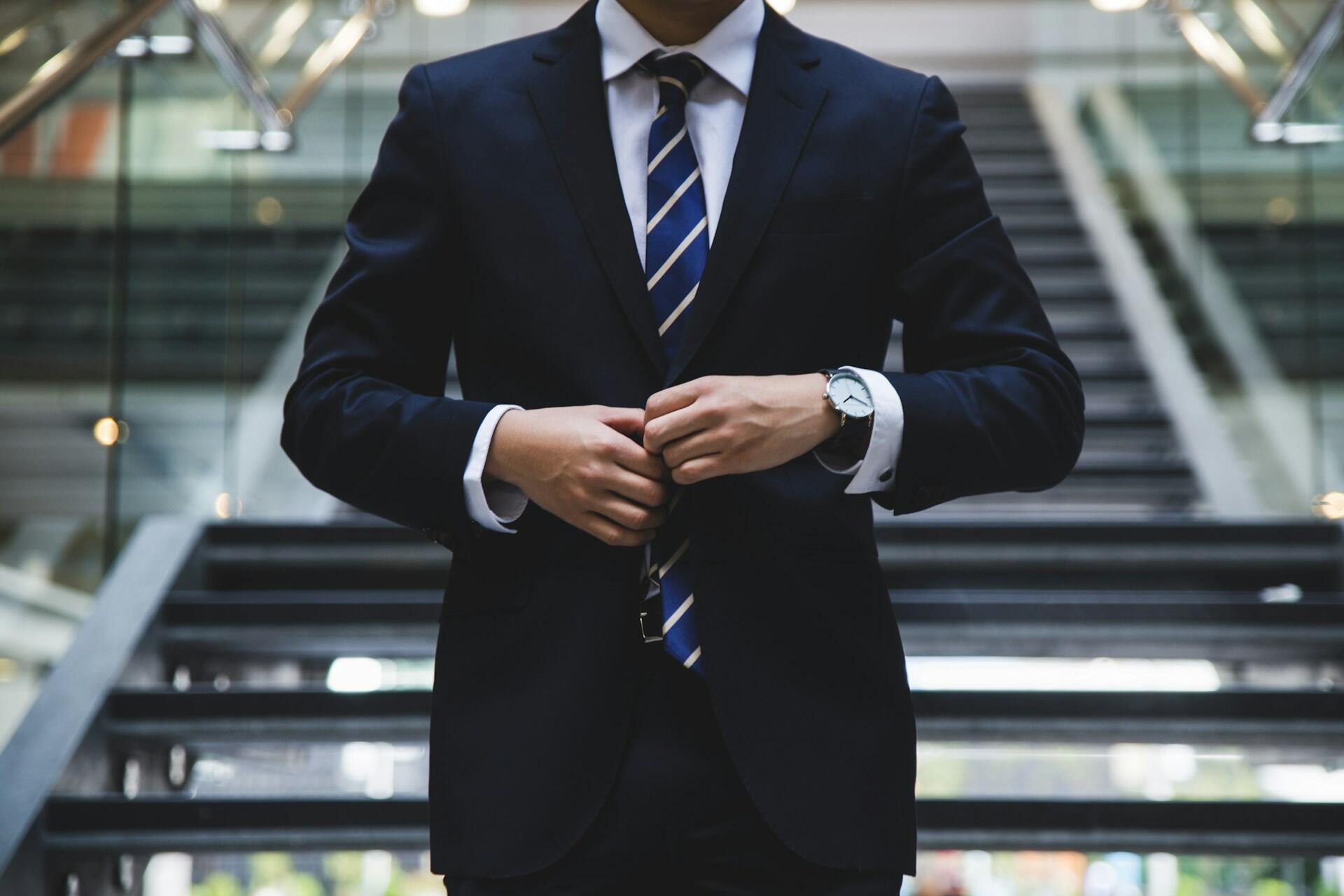
Men’s Interview Attire
Formal Interviews
For conservative industries, senior roles or formal panel interviews, choose a well-fitting suit in navy, charcoal or another restrained colour. Pair it with a clean, pressed shirt, polished shoes and a tie where the employer or sector expects one.
Business-Casual Interviews
For less formal workplaces, tailored trousers or chinos can be combined with a collared shirt, fine-knit jumper or blazer. The outfit should still look deliberate, even when a full suit is unnecessary.
Grooming and Finishing Details
Make sure facial hair is clean and deliberately groomed, footwear is in good condition, and the shirt collar and trouser length fit properly. Avoid novelty ties, overpowering fragrance and shoes that are visibly worn or uncomfortable.³
Women’s Interview Attire
Formal Interviews
For conservative industries, senior positions or formal panel interviews, consider a trouser suit, skirt suit, tailored dress or coordinated separates. Pair the outfit with a blouse, structured top or fine-knit layer and clean, professional footwear.
Business-Casual Interviews
Tailored trousers, a professional skirt or a simple dress can be combined with a blouse, cardigan, blazer or smart knitwear. The outfit should allow comfortable sitting and movement without needing frequent adjustment.
Footwear and Accessories
Flats, loafers, ankle boots or manageable heels can all be appropriate when they are clean and comfortable. Keep jewellery and other accessories practical, and treat makeup as optional rather than a professional requirement.³
Professionalism does not require every candidate to dress or present themselves in the same way. Religious clothing and disability-related adjustments can form part of an appropriate interview outfit, while mobility, comfort and sensory needs should also influence clothing and footwear choices.⁴ Candidates who require an accessibility accommodation during the interview should contact the employer in advance.⁶

grounds.⁸
Virtual Interview Considerations
Since not every interview is in-person, there are certain considerations for virtual interviews. If you can be seen, you need to consider your attire. Look professional, paying particular attention to how it looks on camera. Keep your background and lighting simple, and always test your setup before the interview.
Dressing for Video Interviews
Match the Expected Dress Code
Dress to the same standard you would use for an in-person interview with that employer. Wear the complete outfit rather than preparing only the clothing visible above the desk.
Choose Camera-Friendly Clothing
Solid colours and restrained patterns generally appear more clearly on camera than fine stripes, busy prints or highly reflective fabrics. Make sure the outfit contrasts with the background instead of blending into it.
Test the Outfit While Seated
Check the clothing through the same camera, lighting and framing that will be used during the interview. Confirm that collars, necklines, jewellery and jacket lapels remain comfortable and professional while you are seated.²
Background and Lighting
Position the Camera Correctly
Place the camera at approximately eye level on a stable surface. Frame your head and shoulders clearly, and avoid holding the device or balancing it on your lap.
Light Your Face from the Front
Use natural light or a lamp positioned in front of you or slightly to one side. Avoid sitting with a bright window behind you, as this can leave your face in shadow.
Simplify and Test the Background
Choose a quiet, uncluttered setting or use a restrained blur effect where necessary. Test the camera, microphone, background and notifications before the interview so that technical distractions do not interrupt the conversation.⁵
Common Mistakes to Avoid
The most common error is getting the formality wrong. Avoid distracting clothing or anything that restricts movement. Also, don't wear clothes that are heavily worn. Always do a dress rehearsal or ask for a second opinion from a friend.
Overdressing vs. Underdressing
Research Before Choosing
Use the interview invitation, job description and employer research to judge the expected level of formality. A suit may be appropriate for a legal or financial role but unnecessarily formal for some creative, technical or practical workplaces.
Dress Slightly Upwards When Unsure
When the evidence is mixed, choose clothing that is slightly more formal than the employer’s usual day-to-day dress. It is generally easier to soften a polished outfit than to correct an appearance that feels too casual.
Adapt for Practical Assessments
Do not wear a uniform, workwear or personal protective equipment unless the employer has requested it. Bring any required clothing or safety equipment separately and arrive in clean, presentable interview attire.³
Inappropriate Accessories
Avoid Distracting Jewellery
Choose jewellery and accessories that do not make noise, require frequent adjustment or interfere with writing and movement. Simple pieces are usually more practical than oversized or highly reflective items.
Limit Fragrance and Notifications
Use little or no perfume or aftershave, particularly in enclosed interview rooms. Silence phones, smartwatches and other devices so that alerts do not interrupt the conversation.
Keep Bags and Documents Organised
Carry one practical bag, folder or portfolio rather than several loose items. Check that bags, belts and other accessories are clean and undamaged, and arrange documents so that they can be reached without searching through clutter.³
Final Preparations Before the Interview
Always test your outfit as part of your interview preparation. Also think about grooming, footwear and weather protection in advance. Prioritise comfort and organisation so you'll have less to worry about on the day and can focus on giving good answers.
Grooming and Personal Hygiene
Complete Your Usual Grooming Routine
Arrive with clean hair, fresh breath and neatly groomed facial hair where applicable. Hands and nails should be clean, but makeup, nail polish and other cosmetic choices are optional rather than professional requirements.
Prepare the Clothing Properly
Iron or steam garments in advance and remove lint, pet hair, marks and loose threads. Clean footwear and check buttons, zips, hems and seams before laying out the complete outfit.
Protect the Outfit During the Journey
Check the weather and bring a suitable coat, umbrella or protective layer when necessary. Allow enough travel time to avoid arriving overheated, soaked or rushed.
Ensuring Comfort and Confidence
Complete a Dress Rehearsal
Wear the entire outfit before interview day and practise sitting, standing, walking and climbing stairs in it. Check that collars, waistbands, hems and shoes remain comfortable and do not require repeated adjustment.³
Prepare the Night Before
Lay out the clothing, footwear and accessories in advance, and pack any documents or practical equipment you need. Prepare a backup shirt, blouse, tights or other vulnerable item when this would reduce unnecessary stress.
Plan the Journey and Arrival
Check the route, weather and expected travel time before leaving. Aim to arrive around 10 to 15 minutes early so that you can settle before the interview without inconveniencing the employer.⁶

minutes before the scheduled interview begins.⁶
References
- Indeed. “Business Formal vs. Business Casual: What to Wear to an Interview.” YouTube, n.d., https://www.youtube.com/watch?v=muwkauOZjEI. Accessed 21 Jul. 2026.
- Indeed Editorial Team. “How to Succeed in a Virtual Interview.” Indeed Ireland, 5 Nov. 2025, https://ie.indeed.com/career-advice/interviewing/virtual-interview. Accessed 21 Jul. 2026.
- Indeed Editorial Team. “What to Wear to an Interview.” Indeed Ireland, 16 June 2026, https://ie.indeed.com/career-advice/interviewing/what-to-wear-to-an-interview. Accessed 21 Jul. 2026.
- Irish Human Rights and Equality Commission. “Disability and Work.” Irish Human Rights and Equality Commission, n.d., https://www.ihrec.ie/your-rights/disability/work. Accessed 21 Jul. 2026.
- Microsoft. “Use Video in Microsoft Teams.” Microsoft Support, n.d., https://support.microsoft.com/en-us/teams/meetings/use-video-in-microsoft-teams. Accessed 21 Jul. 2026.
- Trinity College Dublin Careers Service. Your Guide to Interviewing. Trinity College Dublin, n.d., https://www.tcd.ie/media/tcd/careers/pdfs/Your-Guide-To-Interviewing.pdf. Accessed 21 Jul. 2026.
- University College Dublin Careers Network. “Preparing for Interview.” University College Dublin, n.d., https://www.ucd.ie/careers/students/findajoborinternship/preparingforinterview/. Accessed 21 Jul. 2026.
- Workplace Relations Commission. “Employment Equality.” Workplace Relations Commission, n.d., https://www.workplacerelations.ie/en/what_you_should_know/equal-status-and-employment-equality/employment-equality/employment-equality/. Accessed 21 Jul. 2026.
- Zoom. “20 Zoom Interview Tips to Help You Land Your Dream Job.” Zoom, 6 Jan. 2026, https://www.zoom.com/en/blog/zoom-interview/. Accessed 21 Jul. 2026.
Summarise with AI:
Did you like this article? Leave a rating!

 Loading...