

As of now, Ireland proudly shares the title of the most successful country at Eurovision with Sweden, a testament to the nation's rich musical heritage and talent.
Both countries have won the Eurovision Song Contest seven times each. With Sweden winning in 2023 to host the competition on the 50th anniversary of ABBA's iconic win with 'Waterloo,' a song that catapulted the Swedish pop group to international fame, could they win as hosts and claim the top position for themselves?
Perhaps Ireland's Bambie Thug could upset the odds given by bookmakers and journalists and make it eight victories.
We'll find out on Saturday, 11th May, but until then, let's take a closer look at the other songs and acts that made Ireland Eurovision. From Dana's 'All Kinds of Everything' to Johnny Logan's 'Hold Me Now,' each victory has its own unique story and contribution to Ireland's Eurovision success.




Dana - "All Kinds of Everything" (1970)
Ireland's first Eurovision victory came at the start of the 1970s. This was Ireland's sixth contest appearance, debuting in 1965.
In 1970, in Amsterdam, Netherlands, Ireland came first. Dana, still in school then, won with "All Kinds of Everything".
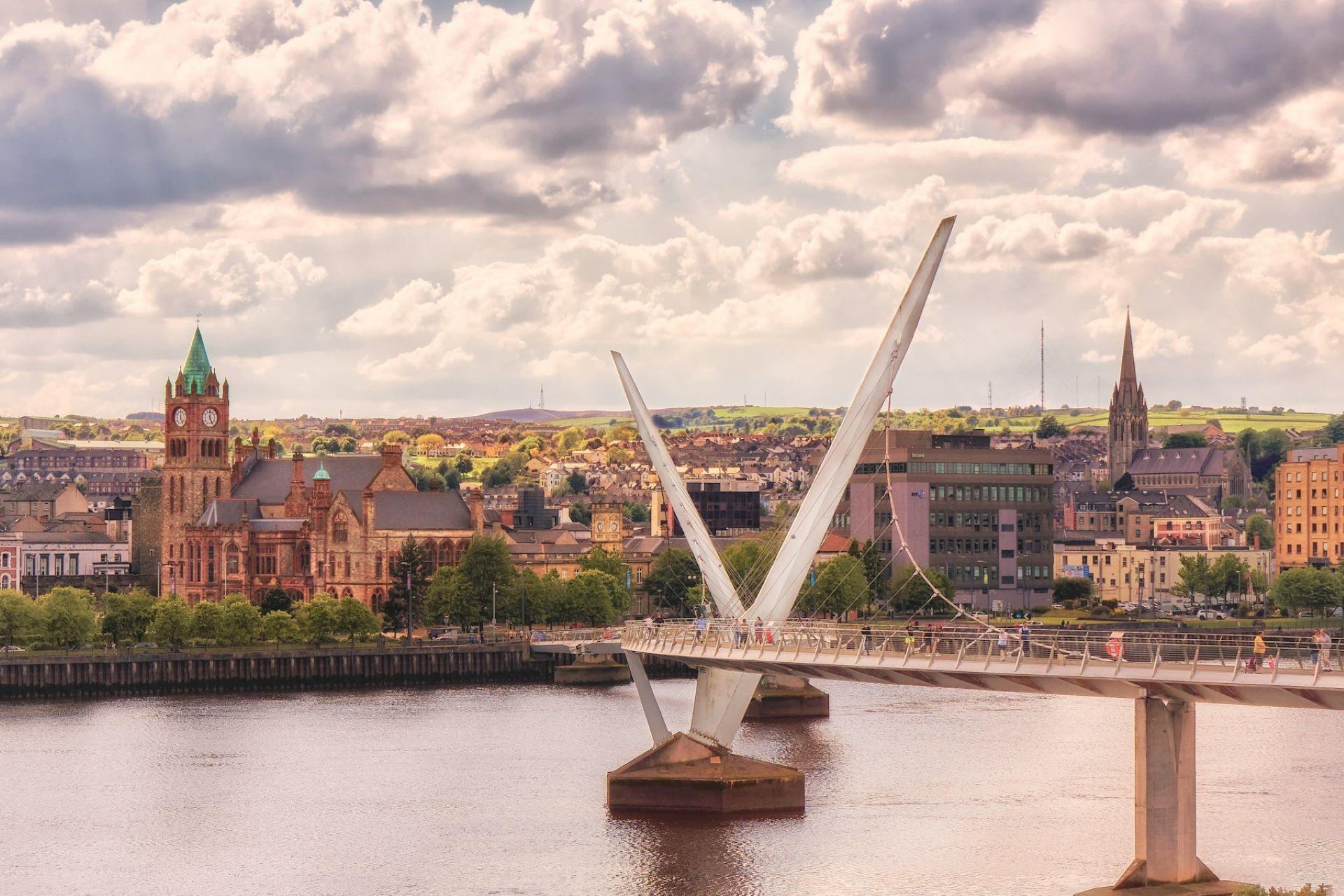
RTÉ ran the Irish National Song Contest in 1969 to choose the entrant. This contest, often a highlight of the Irish music calendar, invites songwriters and performers from across the country to submit their entries. Despite Dana residing in Northern Ireland and being a UK citizen, RTÉ sought an entrant for the entire island rather than the Republic of Ireland.
In that contest, Dana finished second but was invited back the following year and was chosen to represent Ireland at the 1970 contest.
Following the 1970 Eurovision Song Contest victory, the song went to #1 in Belgium, Ireland, and the UK. This win catapulted Dana to international fame, leading to a successful music career and even a run for the Irish presidency in 1997. It charted at #2 in the Netherlands and #3 in Austria and Switzerland.
In 1997, Dana ran in the Irish presidential election as an independent and received 13.8% of the vote for 1st preference.
Johnny Logan - "What's Another Year?" (1980)
Ireland would have to wait another decade to win Eurovision again. In 1980, again in the Netherlands (but this time in The Hague), Johnny Logan won it with 'What's Another Year?' Like many of Ireland's Eurovision wins, this victory was not just a musical achievement but also a cultural milestone, showcasing Ireland's rich musical heritage to a global audience.
Johnny Logan is an Australian-born Irish singer and songwriter. Originally from Frankston, Victoria, Australia, he moved to Ireland at the age of 3.
Logan's winning song, "What's Another Year?", not only clinched the Eurovision victory but also topped the charts in several countries, leaving an indelible mark on the music scene of that era.
Johnny Logan - "Hold Me Now" (1987)
Ireland's third Eurovision victory would come from Johnny Logan again. This made Logan the first and only singer to have won the contest twice until Sweden's Loreen matched the feat at last year's competition.
Ireland nearly won the contest in 1984 with "Terminal 3," a song performed by Linda Martin but written by Johnny Logan. Ultimately, "Terminal 3" came second, and Logan's return to the stage in 1987 helped Ireland complete the hat trick of Eurovision wins.
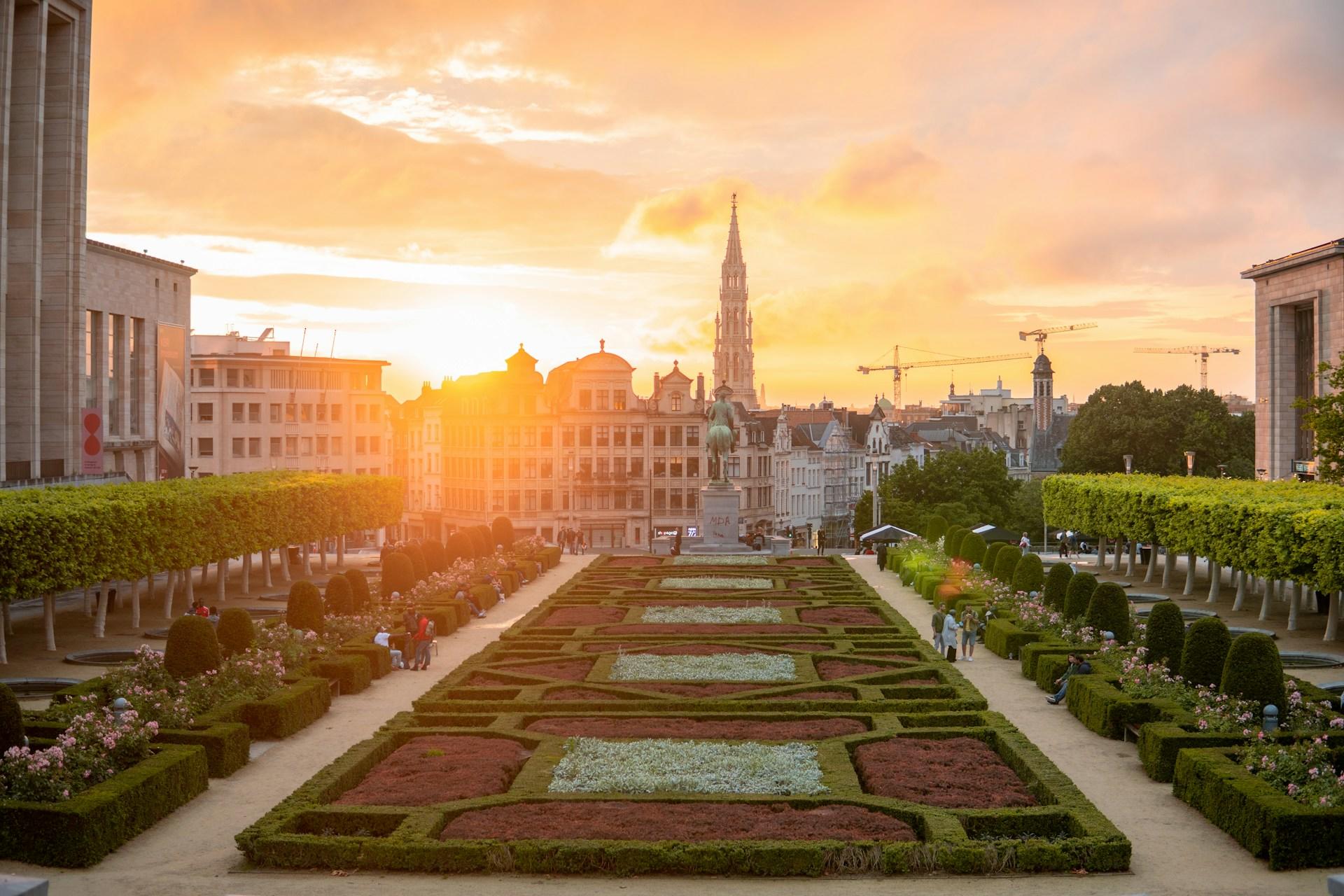
"Hold Me Now" is a pop ballad. That night in Brussels, it beat Germany's Wind with "Laß die Sonne in dein Herz" by 172 points to 141. Wind had also competed in the 1985 contest in Gothenburg, Sweden.
The win with “Hold Me Now” would be Logan's last as a performer but not as a songwriter.
Linda Martin - "Why Me?" (1992)
Johnny Logan again teamed up with Linda Martin for Ireland's 1992 entry "Why Me?".
As mentioned, Linda Martin had already represented Ireland in 1984 with “Terminal 3”.
Martin's victory at the 1992 Eurovision Song Contest in Malmö, Sweden, wasn't as comprehensive as Logan's five years earlier.
'Why Me?' received 155 points ahead of the UK entry 'One Step Out of Time' performed by Michael Ball, which received 139 points. Malta's entry, 'Little Child', finished third with 123 points. The voting process in Eurovision is a unique blend of professional jury votes and public televoting, making it a true reflection of popular opinion across Europe.
The song was particularly popular with Turkey, Greece, and Malta, which all gave it the maximum twelve points. Austria, Belgium, Denmark, and Germany each gave the UK entry 12 points.
The difference was that six countries had Linda Martin's song as their second favourite, with Sweden, Finland, Luxembourg, Austria, Denmark, Germany, and the Netherlands all awarding the song 10 points!
The song went straight to #1 in Ireland. Still, it didn't have the global success of some of Ireland's other winners. It only charted #59 in the UK, perhaps indicating the bitterness from finishing second place.
Niamh Kavanagh - "In Your Eyes" (1993)
Following Linda Martin's victory in 1992 in Sweden, the Eurovision Song Contest was back in Ireland. Little did viewers that year know that the contest was about to set up an almost-permanent home in Ireland.
Once all the points had been counted, "In Your Eyes" won with 187. The United Kingdom, again in second, with 164 points for Sonia and "Better the Devil You Know".
This time round, Ireland achieved more 12 points than any other nation, with Italy, Malta, Norway, Slovenia, Sweden, Switzerland, and even the United Kingdom giving Niamh Kavanagh and Ireland the highest number of points possible.
With another victory, the Eurovision Song Contest stayed in Ireland for another year. Rather than staying in Millstreet, County Cork, the following year's contest would move to the Point Theatre in Dublin.
Paul Harrington and Charlie McGettigan - "Rock 'n' Roll Kids" (1994)
With two consecutive victories and the second time hosting, who would have thought that Ireland could go on to win the Eurovision Song Contest again? Paul Harrington and Charlie McGettigan, apparently.
Their entry, "Rock 'n' Roll Kids", won convincingly.
With 226 points over Poland's 2nd-place entry with 166, eight countries awarded Ireland the maximum 12 points.
By this time, it seemed that Eurovision winners wouldn't go on to automatically achieve chart success and “Rock 'n' Roll Kids” was also released around the same time as the music from “Riverdance”, which likely hampered its success in the charts.
For the 1995 Eurovision Song Contest, the Point Theatre hosted the contest again. While the venue was the same, the result wasn't. Ireland's Eddie Frield with "Dreamin'" could only manage to get a disappointing 14th place after so many years of success.
Eimear Quinn - "The Voice" (1996)
1995 wasn't the end of Ireland's success at Eurovision. The 1996 Eurovision Song Contest in Oslo, Norway, set things right.
Eimear Quinn with “The Voice” beat local favourite Elisabeth Andreassen with "I evighet" to bring the contest back to Ireland and the Point Theatre.
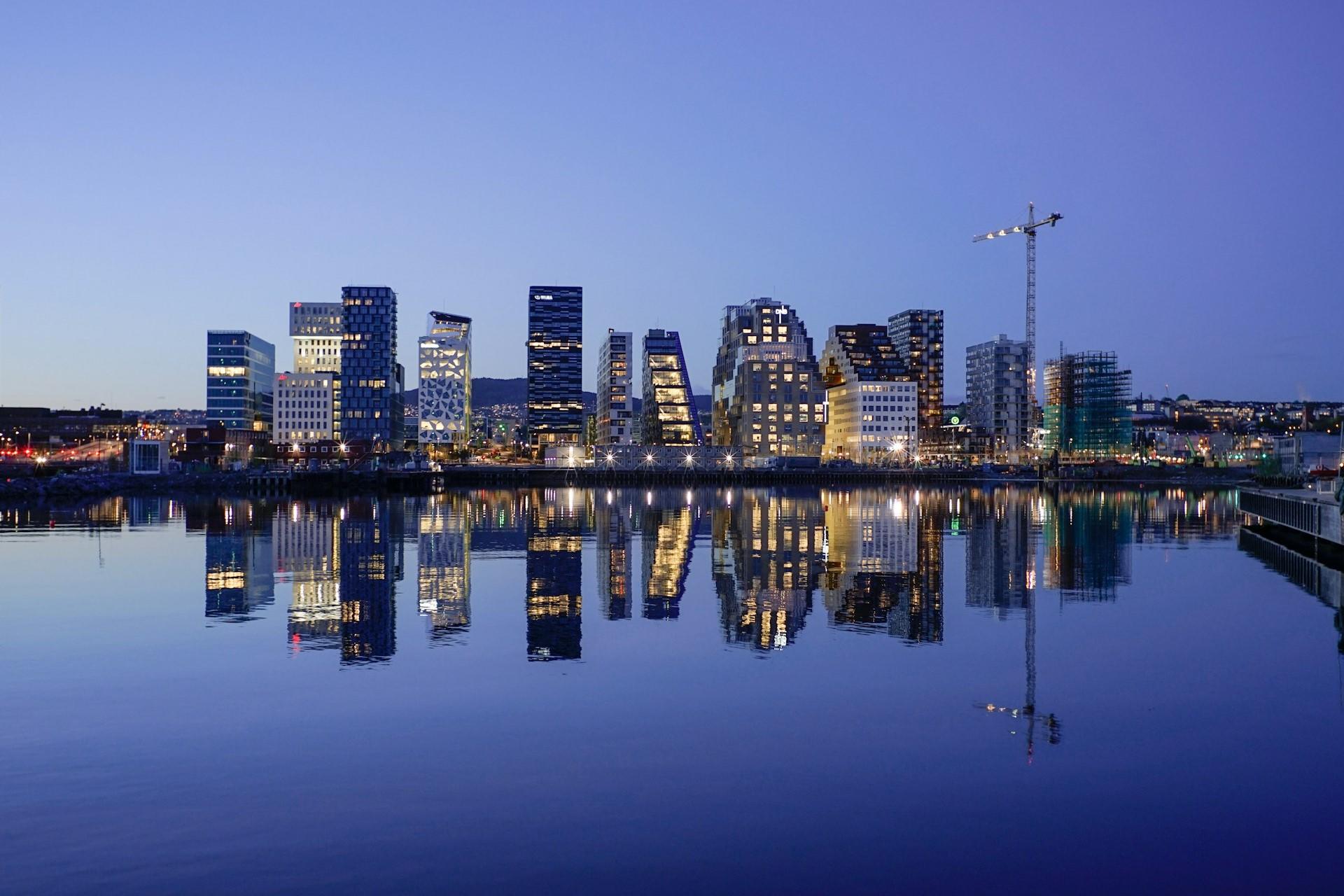
7 different countries awarded Ireland the maximum points. "The Voice" never reached #1; its highest chart position was only #3.
Ireland's Runners-Up at Eurovision
Though Ireland has won Eurovision seven times, it has also placed second several times.
In 1967, Sean Dunphy's "If I Could Choose" finished second. As did the aforementioned "Terminal 3" performed by Linda Martin.
In 1990, Liam Reilly, with "Somewhere in Europe", finished second in Zagreb.
Marc Roberts with “Mysterious Woman” nearly kept the contest in Ireland when he came second in 1997 in Dublin.
However, the end of the 90s signalled the end of Ireland's successes at Eurovision.
Ireland's Lack of Eurovision Success in the 2000s
2005 marked the first time Ireland had failed to appear at Eurovision since its first appearance in 1965. Donna and Joe with "Love?" came 14th in the semifinals, so they never got to perform at the final in Kyiv.
In 2007, Dervish with “They Can't Stop the Spring” gave Ireland the first last place in the country's history at Eurovision.
Sadly, this wouldn't be the last time. After failing to qualify in 2008 and 2009, Ryan Dolan's "Only Love Survives" resulted in another wooden spoon for Ireland.
Then things went from bad to worse, with four consecutive years of failing to qualify. Ryan O'Shaughnessy, with "Together", broke Ireland's unwanted streak but only finished 16th in Lisbon in 2018.
After that, Ireland went back to failing to qualify. Sarah McTernan and Lesley Roy both came last in the semifinals in 2019 and 2021 (the 2020 contest was cancelled due to COVID-19), and neither Brooke nor Wild Youth qualified in 2022 and 2023.
Ireland Back in Eurovision for 2024
However, in 2024, Bambie Thug with “Doomsday Blue” qualified.
The song has been praised for breaking Ireland's Eurovision "curse", with Bambie Thug described as an Irish "goth gremlin".
The song is quite different from Ireland's other winning songs, but this is what Ireland needs to stand out and stand a chance of winning the competition and becoming the most successful country at Eurovision outright.
Bookmakers need to be more hopeful, though and don't rate Ireland's chance of winning. However, this is Eurovision, and there's always room for weird and wonderful acts to do well.
We'll find out on Saturday, 11th May, once all the votes and points have been counted.
Summarise with AI:
Did you like this article? Leave a rating!

 Loading...