If you're learning French, learning the months is a key part of building your vocabulary. The names of the months are everywhere, from calendars and appointment reminders to weather forecasts, school schedules, travel tickets, and official documents. Whether you're planning a hotel booking, planning a holiday, scheduling meetings, or talking about birthdays, you'll need to know the words for the months. You can't just learn them verbatim, though; you also have to learn how they're pronounced and how they're used.
The months of the year are more common than you think, especially when you don't know them; you'll see how much they're used and how many questions in French ask about them. Plans, seasons, timetables, and essential events all use them. You'll understand schedules, make reservations, and have conversations about time. You'll see months in holidays, festivals, and academic calendars.
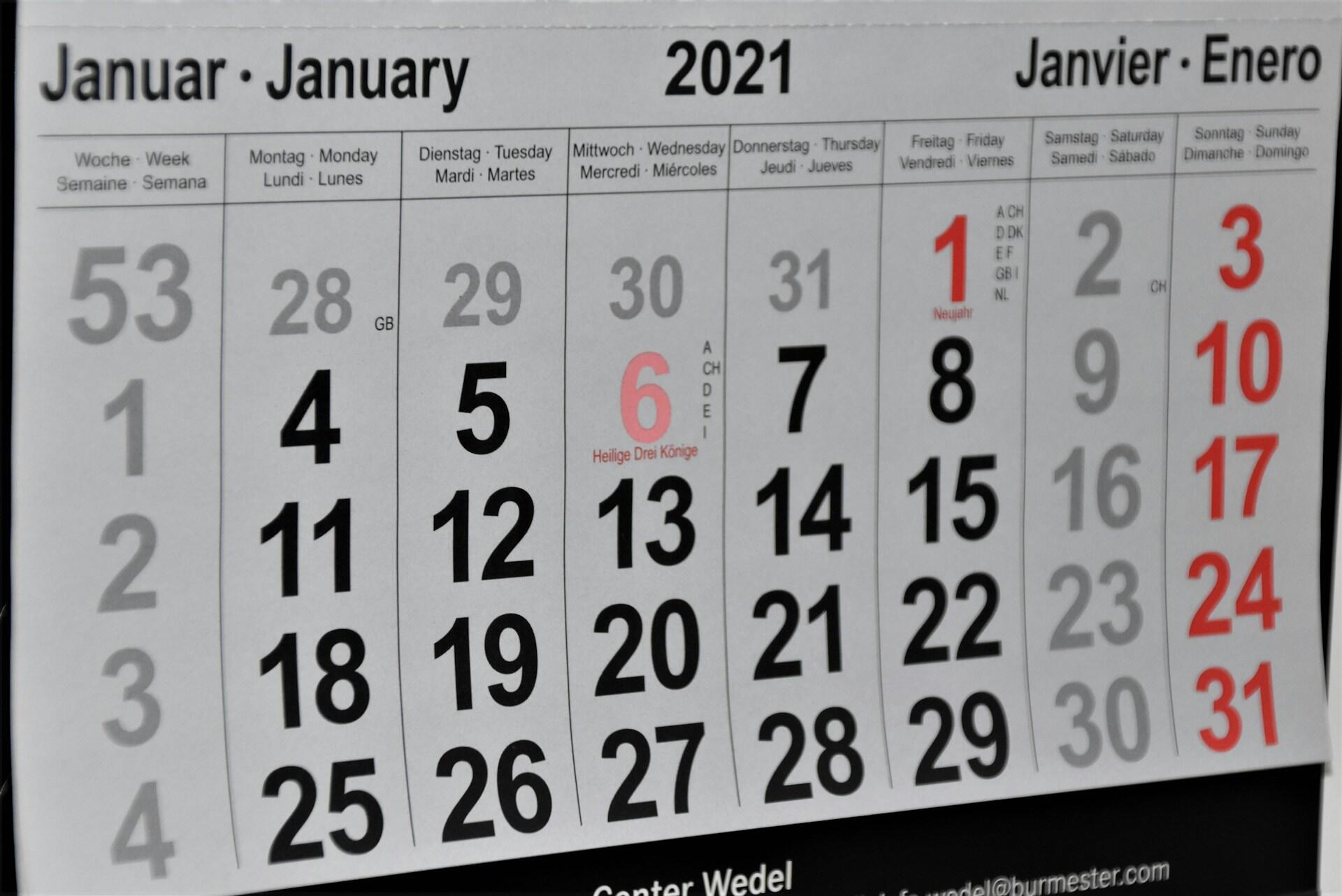
The vocabulary for the months of the year in French will enable you to talk about different periods across the year. | Photo by Barry Talley
How Months Are Used in Everyday French Life
Months are used in predictable patterns across daily and professional life in France and other French-speaking countries and regions and should be learned in conjunction with the vocabulary for the days of the week in French. Discussing weather, deadlines, travel, or personal milestones can all use phrases like en juin, au mois de novembre, or depuis mars. Learn these patterns early in your language-learning journey, and you'll gain confidence navigating both written and spoken French.
The 12 Months of the Year in French
France uses the same calendar as most of the world. You'll see it everywhere in calendars, schedules, weather forecasts, and everyday conversations. Some of the months are trickier than others, but some are very similar to their English equivalents.
Like in English, you have to learn
12
months for the French calendar
Janvier — January
Pronunciation:zhahn-vyay
Common Phrases:en janvier, depuis janvier, janvier prochain
Example Sentence:Je commence un nouveau travail en janvier. — I start a new job in January.
Cultural Notes: Marks the start of the year; associated with la galette des rois and winter weather.
Mini Practice Prompt: Write a sentence using en janvier.
Février — February
Pronunciation:fay-vree-yay
Common Phrases:en février, février dernier, vacances de février
Example Sentence:Il fait froid en février. — It’s cold in February.
Cultural Notes: Known for the winter holidays and La Chandeleur (crêpe day).
Mini Practice Prompt: Describe something that usually happens in February.
Mars — March
Pronunciation:mahrs
Common Phrases:en mars, mars prochain, depuis mars
Example Sentence:Le printemps commence en mars. — Spring begins in March.
Cultural Notes: Symbolic month of early spring across France and Europe.
Mini Practice Prompt: Write one spring-themed sentence using mars.
Avril — April
Pronunciation:ah-vreel
Common Phrases:en avril, avril prochain, poisson d’avril
Example Sentence:Nous voyageons en avril. — We travel in April.
Cultural Notes: Famous for poisson d’avril (April Fool’s Day).
Mini Practice Prompt: Write a sentence about plans or events in April.
Mai — May
Pronunciation:meh
Common Phrases:en mai, mai dernier, le mois de mai
Example Sentence:Mai est un mois agréable. — May is a pleasant month.1
Cultural Notes: Known for public holidays, spring weather, and cultural festivals.
Mini Practice Prompt: Write a sentence using en mai.
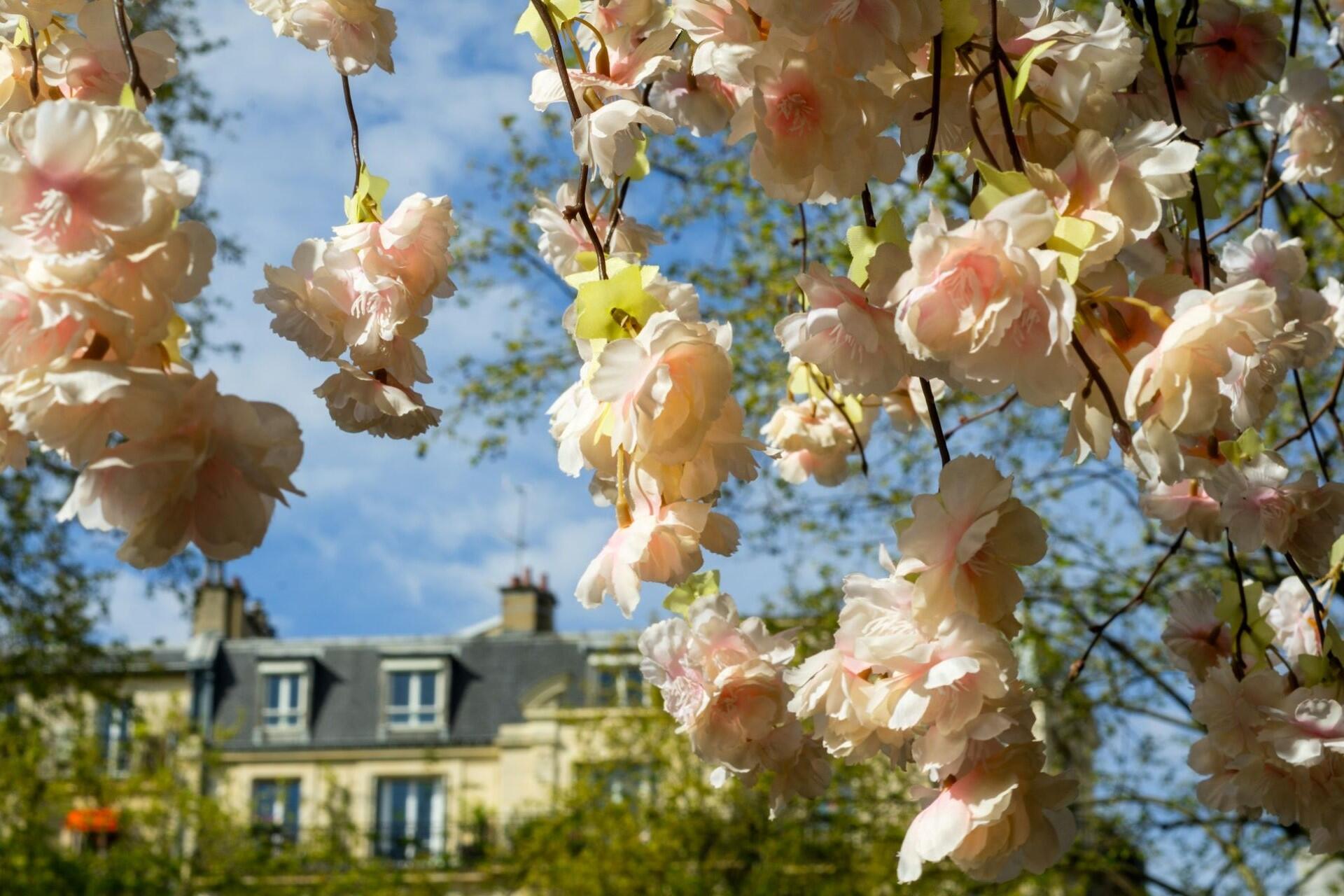
France is a popular destination at any time of the year, but you can see why people like to go during the summer. | Photo by Thea Hdc
Juin — June
Pronunciation:zhwan
Common Phrases:en juin, juin prochain, fin juin
Example Sentence:L’école se termine en juin. — School ends in June.
Cultural Notes: Marks the start of summer holiday planning in France.
Mini Practice Prompt: Write one sentence about something that happens in June.
Juillet — July
Pronunciation:zhwee-yay
Common Phrases:en juillet, juillet prochain, début juillet
Example Sentence:Je pars en vacances en juillet. — I go on holiday in July.
Cultural Notes: France celebrates Bastille Day (14 juillet) this month.
Mini Practice Prompt: Write a sentence using en juillet.
Août — August
Pronunciation:oot
Common Phrases:en août, mi-août, août prochain
Example Sentence:Août est le mois le plus chaud. — August is the hottest month.
Cultural Notes: Many French businesses close during les vacances d’août.
Mini Practice Prompt: Write something that typically happens in August.
playlist_add_check
Key Rules for French Month Names
French months are always written in lowercase and are grammatically masculine. Unlike English, months do not take capital letters unless they start a sentence. Spelling can be tricky in words like février, août, and décembre, so it helps to review them carefully.
Septembre — September
Pronunciation:sep-tahm-br
Common Phrases:en septembre, septembre dernier, la rentrée de septembre
Example Sentence:Les cours reprennent en septembre. — Classes resume in September.1
Cultural Notes: Known for la rentrée, the major back-to-school period.
Mini Practice Prompt: Write a sentence about la rentrée using septembre.
Octobre — October
Pronunciation:ok-toh-br
Common Phrases:en octobre, octobre prochain, fin octobre
Example Sentence:Nous fêtons Halloween en octobre. — We celebrate Halloween in October.
Cultural Notes: Autumn landscapes, cooler weather, and school autumn break.
Mini Practice Prompt: Write an autumn sentence using octobre.
Novembre — November
Pronunciation:noh-vahm-br
Common Phrases:en novembre, novembre dernier, début novembre
Example Sentence:Il pleut souvent en novembre. — It often rains in November.
Cultural Notes: Known for sombre weather and La Toussaint (All Saints’ Day).
Mini Practice Prompt: Describe the weather in November.
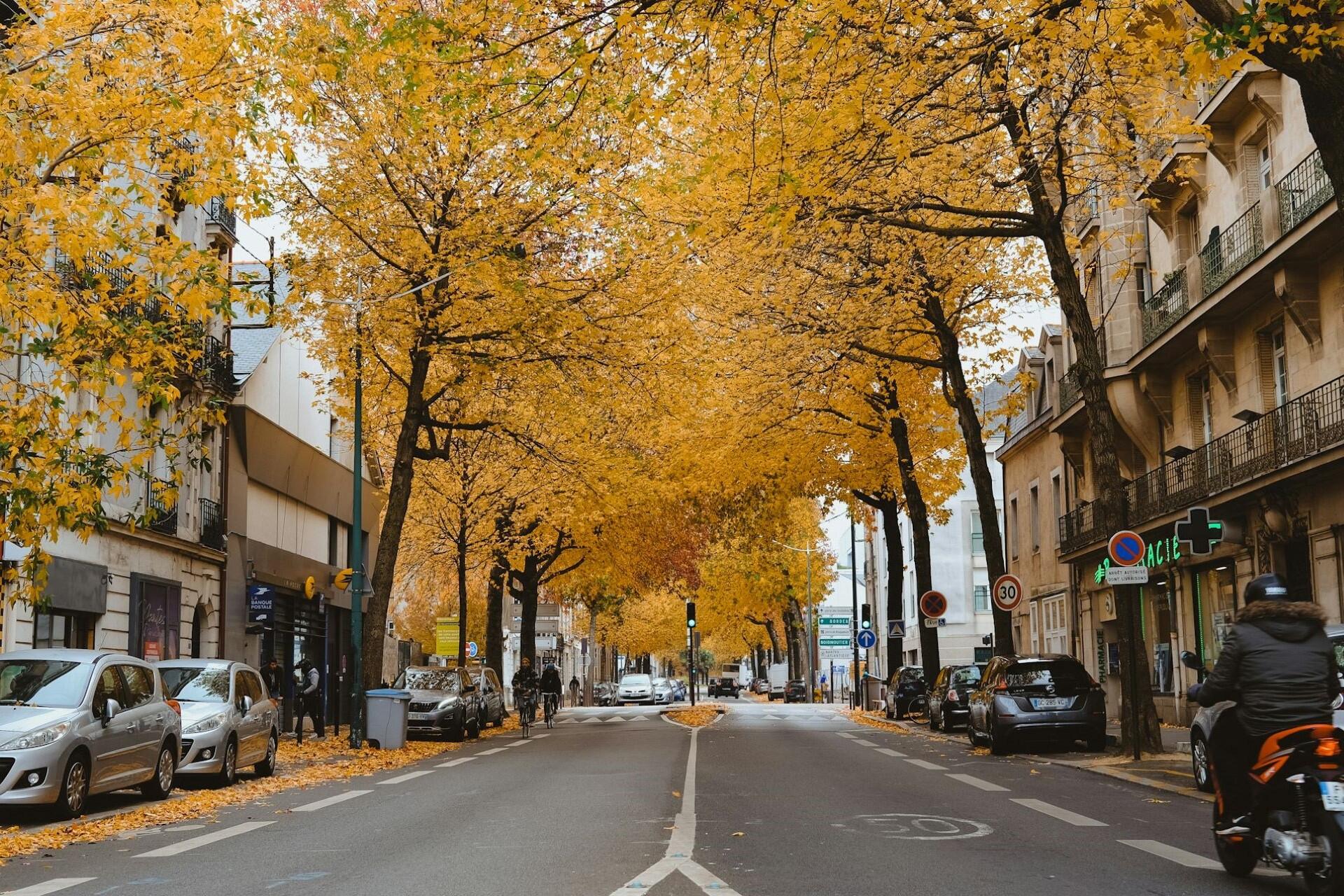
France is beautiful in autumn. | Photo by DAT VO
Décembre — December
Pronunciation:day-sahm-br
Common Phrases:en décembre, décembre prochain, les fêtes de décembre
Example Sentence:Nous décorons la maison en décembre. — We decorate the house in December.
Cultural Notes: Christmas markets, winter holidays, and festive celebrations.
Mini Practice Prompt: Write a festive sentence using décembre.
There are
4
key ways you'll use months in everyday French conversation: birthdays, seasons, holidays, and planning.
Pronouncing the Months in French
Silent letters, nasal vowels, and letter combinations that don't exist in English can make French vocabulary difficult. Words like février, juin, and août often require extra practice to pronounce smoothly, especially in everyday speech. Pronunciation tips and regular listening practice can help. We also recommend learning numbers in French at least up to 31 to talk about dates.
chat_bubble
Useful French Expressions With Months
Expressions like en avril (in April), au mois de juillet (in the month of July), en décembre (in December), and depuis janvier (since January) appear often in conversation. These patterns help you naturally talk about dates, seasons, travel plans, and personal events.
Key Pronunciation Patterns to Know
Nasal vowels: Months like janvier, mars, and novembre use nasal sounds that come from the nose rather than the mouth.
Silent letters: Many month names end with silent consonants or soft vowels, such as the silent “s” in mars and août.
Accent marks: Accents in février, décembre, and août change both the sound and the stress, so they must be pronounced clearly.
Vowel combinations: Words like juin and juillet contain blended vowel sounds that need slow practice.
Mini Practice Prompt: Try saying janvier → février → mars slowly while focusing on nasal vowels.
Common Pronunciation Mistakes to Avoid
Over-pronouncing final consonants: Avoid adding extra sounds at the end of mars, avril, or décembre.
Confusing “juin” and “juillet”:Juin has a nasal ending, while juillet has two clear syllables.
Skipping accent sounds: The accents in février and décembre affect the vowel quality and cannot be ignored.
Mispronouncing “août”: Learners often add a second syllable; it should sound like “oot.”
Mini Practice Prompt: Record yourself saying juin and juillet and compare the differences.
Pronounce All 12 Months Correctly
This video walks you through the pronunciation of all 12 French months with clear, slow audio. It covers difficult words like août, février, and décembre, helping you master both individual sounds and natural speech patterns. Songs and rhymes for kids work for adults, and you can even learn the parts of the body in French with "Head, shoulders, knees, and toes"!
beenhere
Why French Uses the Day–Month–Year Format
French dates follow the order day–month–year, which is standard across most European countries. This means 14/07/2024 refers to 14 July 2024. Understanding this format helps avoid confusion when reading calendars, official documents, and event posters in France.
French
English
Pronunciation Guide
Example Sentence (French)
Example Sentence (English)
janvier
January
zhahn-vyay
Je commence un nouveau travail en janvier.
I start a new job in January.
février
February
fay-vree-yay
Il fait froid en février.
It’s cold in February.
mars
March
mahrs
Le printemps commence en mars.
Spring begins in March.
avril
April
ah-vreel
Nous voyageons en avril.
We travel in April.
mai
May
meh
Mai est un mois agréable.
May is a pleasant month.
juin
June
zhwan
L'école se termine en juin.
School ends in June.
juillet
July
zhwee-yay
Je pars en vacances en juillet.
I go on holiday in July.
août
August
oot
Août est le mois le plus chaud.
August is the hottest month.
septembre
September
sep-tahm-br
Les cours reprennent en septembre.
Classes resume in September.
octobre
October
ok-toh-br
Nous fêtons Halloween en octobre.
We celebrate Halloween in October.
novembre
November
noh-vahm-br
Il pleut souvent en novembre.
It often rains in November.
décembre
December
day-sahm-br
Nous décorons la maison en décembre.
We decorate the house in December.
Practice: Using French Months in Real Sentences
Practise the months using natural, everyday phrases. Here are some examples to help you. Use the prompts below to start building your confidence.
Everyday Conversation Examples
Simple daily use:Mon anniversaire est en juillet. — My birthday is in July.
Talking about events:Nous partons en voyage en octobre. — We’re going on a trip in October.
Weather discussions:Il neige souvent en janvier. — It often snows in January.
School or work:Les examens commencent en juin. — Exams begin in June.
Mini Practice Prompt: Write three short sentences about events that happen in different months.
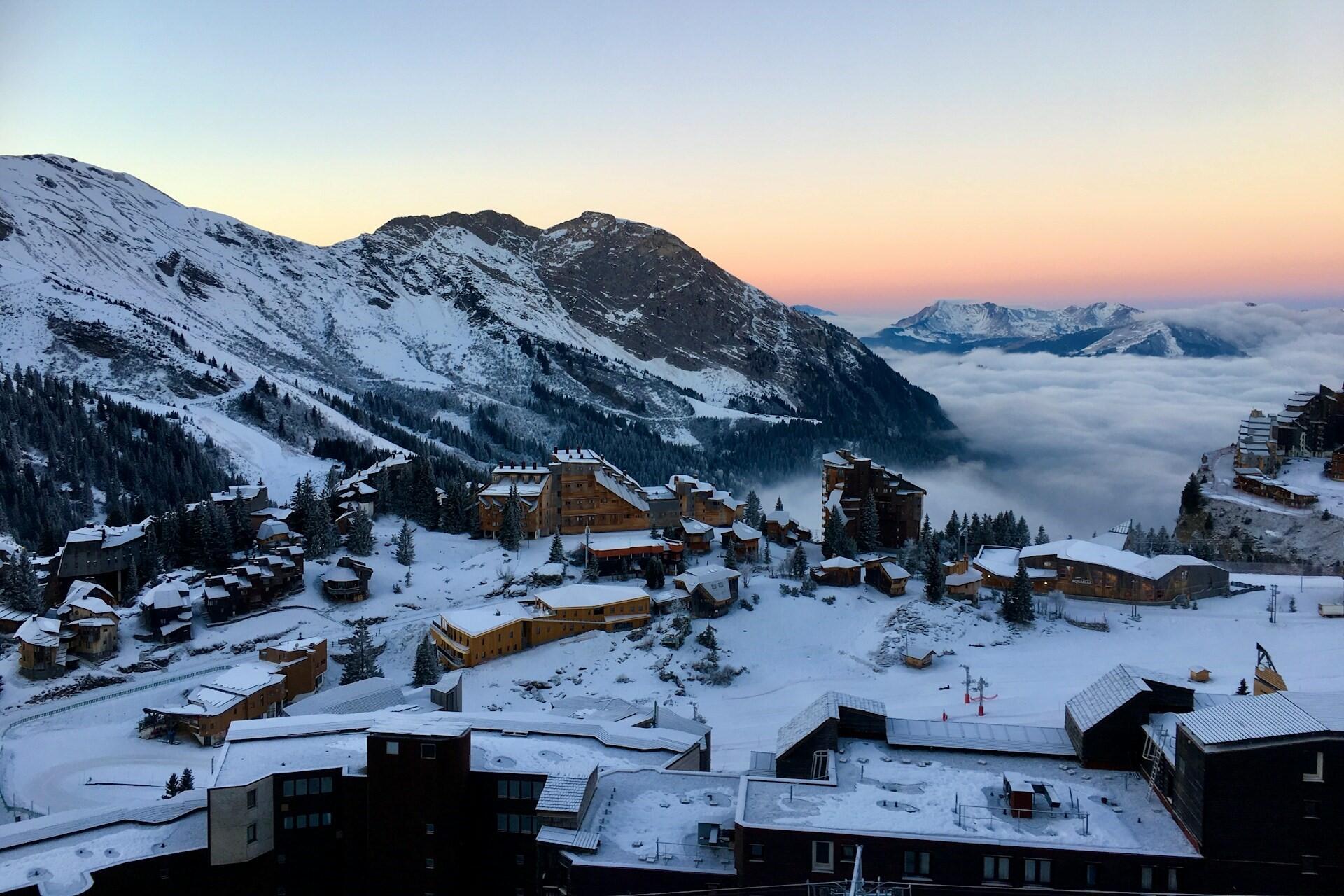
French pronunciation can be a little tricky, especially when it's really cold! | Photo by Jo Barnes
Questions and Answers for Practice
Asking about dates:C’est quand, ton anniversaire ? — When is your birthday?
Asking for confirmation:Tu pars en août ? — You’re leaving in August?
Giving answers:Je reviens en décembre. — I come back in December.
Checking availability:Tu es libre en mars ? — Are you free in March?
Mini Practice Prompt: Write one question and one answer using two different months.
Mini Exercises to Test Yourself
Translation practice: Translate “I start a new course in September” into French.
Fill-in-the-blank:Je vais en France en ______.
Month ordering: Write the four spring months in French (hint: France uses meteorological seasons).
Real-life scenario: Write a short message about holiday plans using at least two months.
Mini Practice Prompt: Choose any three months and write a short story of 3–4 sentences using all of them.
Summarise with AI:
Did you like this article?Leave a rating!
5.00 (1 rating(s))
Loading...
Joseph P
Joseph is a French and Spanish to English translator, copywriter, and all-round language enthusiast.
French months are always written in lowercase unless at the start of a sentence.
⏮ How do I talk about next month or last month in French?
Use le mois prochain for “next month” and le mois dernier for “last month.” For example: Je déménage le mois prochain (I’m moving next month) and J’ai voyagé le mois dernier (I travelled last month).








 Loading...