

Training for a marathon is a challenge. Whether it's your first or you're looking to improve, a personal marathon trainer can make the difference. Balance effort and recovery, work on your weak areas, and stay motivated right until the finish line!





Why a Personal Marathon Trainer Can Transform Your Running
When it comes to marathon training, strategy is key. Self-guided plans can get you to the finish line, but a personal marathon trainer can give you structure, accountability, and expert feedback to make your training safer and more efficient. A personal trainer can provide the motivation you need when energy dips, help you recover properly, and even make data-driven adjustments to your plan. Every runner is different, so while online running plans are a good start, those who struggle to maintain consistency could do better with a marathon trainer.

people complete a marathon.
Understanding Marathon Training Basics
Marathon training is about gradually adapting your body and mind to be ready for 42km of running. Your routine needs to include consistent, structured progression combined with recovery. Most marathon plans last 16 to 20 weeks and mix long runs, easy recovery runs, and workouts to build your speed and endurance. Some even include strength work, mobility sessions, and cross-training.
and include a range of long runs, recovery runs, and other workouts.
Essential Marathon Training Components
Customising Your Plan to Your Body and Schedule
A personal trainer can understand that your goals, available time, age, and injury history all affect how you train. No two runners train the same way, so your training plan mustn't just copy somebody else's mileage. The number of runs, the intensity of the workouts, and the timing of your rest days should all be tailored to you.
How to Personalise Your Marathon Training Plan
The Role of Strength, Rest, and Recovery in Marathon Training
Rest and recovery are as important in marathon training as all the running that you'll do. Your body adapts, repairs, and becomes stronger after every run, provided you let it rest. Muscles and joints need time to heal, and if you don't give them this, you could end up with fatigue, plateaus, or even injury.
Strength training can also play a key role in performing better. Target the core, hips, and legs to stabilise your stride, reduce impact, and run better and more effectively. Two or three short sessions each week can improve your running, and with a personal trainer, you won't have to worry about choosing the right workouts; leave it to them!

Don't forget about sleep, hydration, and nutrition; they'll also help your gains. Marathon trainers suggest active recovery days that include gentle cycling, swimming, or yoga to improve your circulation and flexibility. Combine these with regular strength workouts and rest to reduce your risk of injury.
Progress happens when training and rest work together. Marathon trainers design programs that include rest days, stretching, and light cross-training to prevent burnout. This balance keeps you strong, healthy, and ready for each new phase of training.
How Half Marathon Training Prepares You for the Full Distance
Before you run a marathon, it might be worthwhile to target a half-marathon. After all, your typical marathon training will likely include long runs that are over half-marathon distance. Half-marathon training schedules can be completed in less time and are useful for learning about pacing, fuelling, and mental stamina, especially if you've never done any of this before.
Key Differences Between Half and Full Marathon Training
Marathon Training Programs and Apps for Every Level
Marathon training programmes are available in almost every format, from traditional printed guides to apps. Whether you're getting started or aiming for a new personal best, stay consistent with the right programme. Which one you choose, however, will depend on you, your experience, your available time, and the level of structure or flexibility you prefer.

Your personal marathon trainer can help you find the right balance between online resources and professional feedback. Some runners prefer apps while others work better with a coach. We can't stress this enough; every runner is different, and it's unlikely that you'll train like famous elite runners. Find what works for you and gets you the best results.
Popular Marathon Training Apps and Programs
The Benefits of Working with a Professional Running Coach
So why should you work with a professional running coach? Firstly, having the proper training plan is key to any runner's success. Your coach can manage your physical workload based on your fitness level and motivation. Coaching can steer you away from common mistakes like overtraining, poor pacing, or skipping recovery. Proper coaching can be the difference between finishing a race and finishing within your goal time (if you have one).
Generic plans work for many runners, but personal coaching adapts to your strengths, weaknesses, and goals. Trainers spot patterns in your performance and fine-tune your schedule for better results. It’s a more human, responsive approach to marathon training.
Advanced Training Strategies: Data, Nutrition, and Pacing
Once you have a solid foundation, you can move on to advanced marathon training. For your first marathon or two, focus on training well to finish as comfortably as you can. Once you begin to understand what a marathon feels like, you can start tweaking the finer details to get the most out of your training.
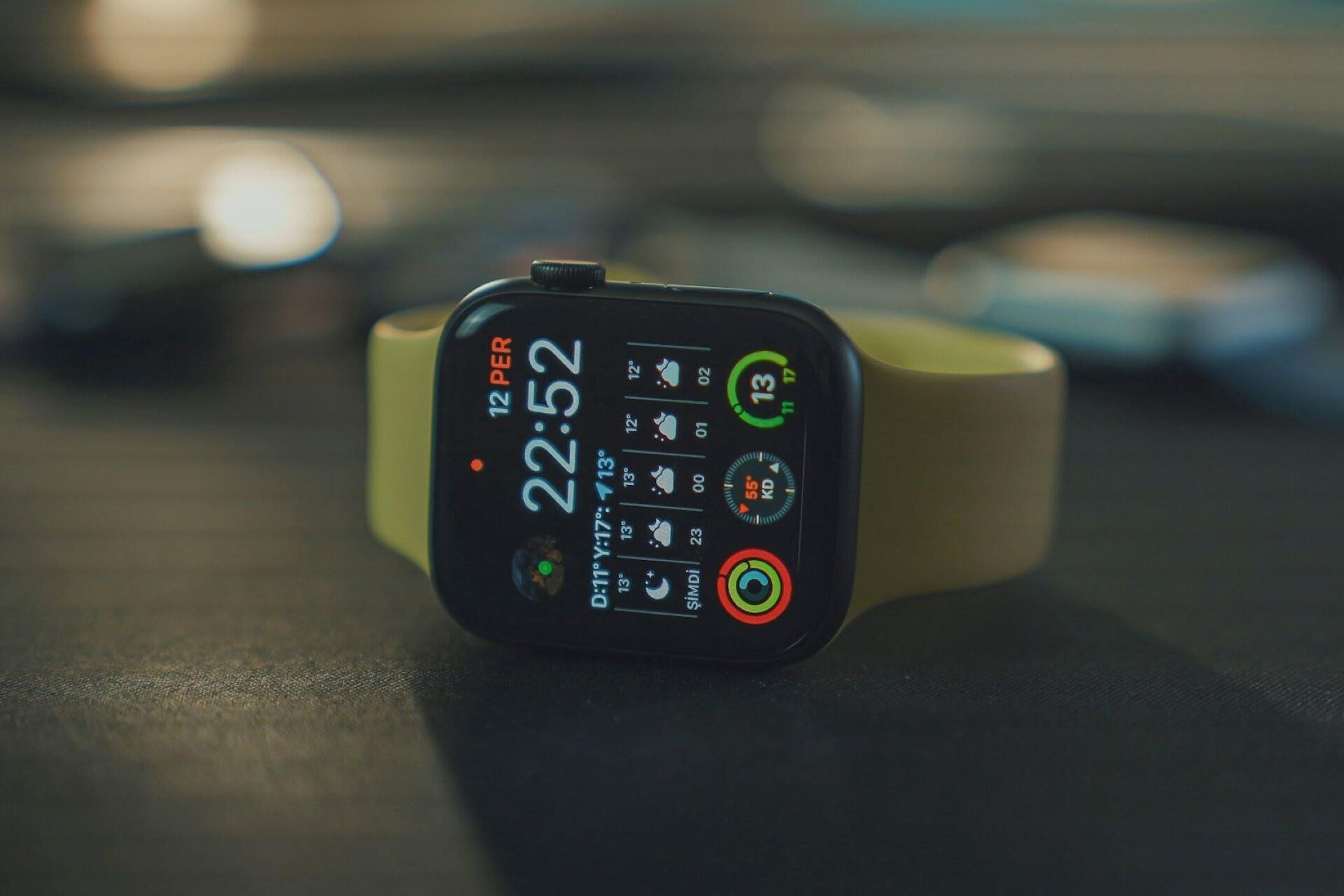
With tools like GPS watches, heart-rate monitors, and training apps, you can track your pace, mileage, and overall performance. We wouldn't recognise all this for beginners or those doing their first marathon, as it can overcomplicate your training, harm your motivation if you miss any goals or fail, and ultimately be detrimental to your progress. However, seasoned runners can extract more performance out of their runs with these.
Pro-Level Marathon Training Tips
Staying Motivated and Tracking Your Progress
Tracking your progress is a great way to stay motivated. Just remember that you won't automatically “progress” with every single run. Look to the overall averages of your performance rather than trying to be quicker with every single run. Set up achievable milestones and celebrate the small wins along the way. Training with others by joining a running club is a good way to get accountability and encouragement, making it easier to get out for longer runs. If you're training solo, reward yourself after strong performances and set short and long-term goals.
A personal trainer doesn’t just push you harder; they help you train smarter. By tracking weekly mileage, sleep, and recovery, they adjust workouts to maximise results and minimise fatigue. This precision-based approach builds confidence and ensures your progress is sustainable.
Turning Your Training into Race-Day Success
Race day is the moment that all your training pays off. During your marathon, you'll appreciate every kilometre you did during training and feel every kilometre you didn't, so make sure you properly prepare and arrive rested, confident, and familiar with the plan. A personal marathon trainer can help you with everything from training to your race-day strategy and choosing a destination marathon can help keep you motivated.
Your Marathon Race-Week Checklist
Summarise with AI:
Did you like this article? Leave a rating!

 Loading...