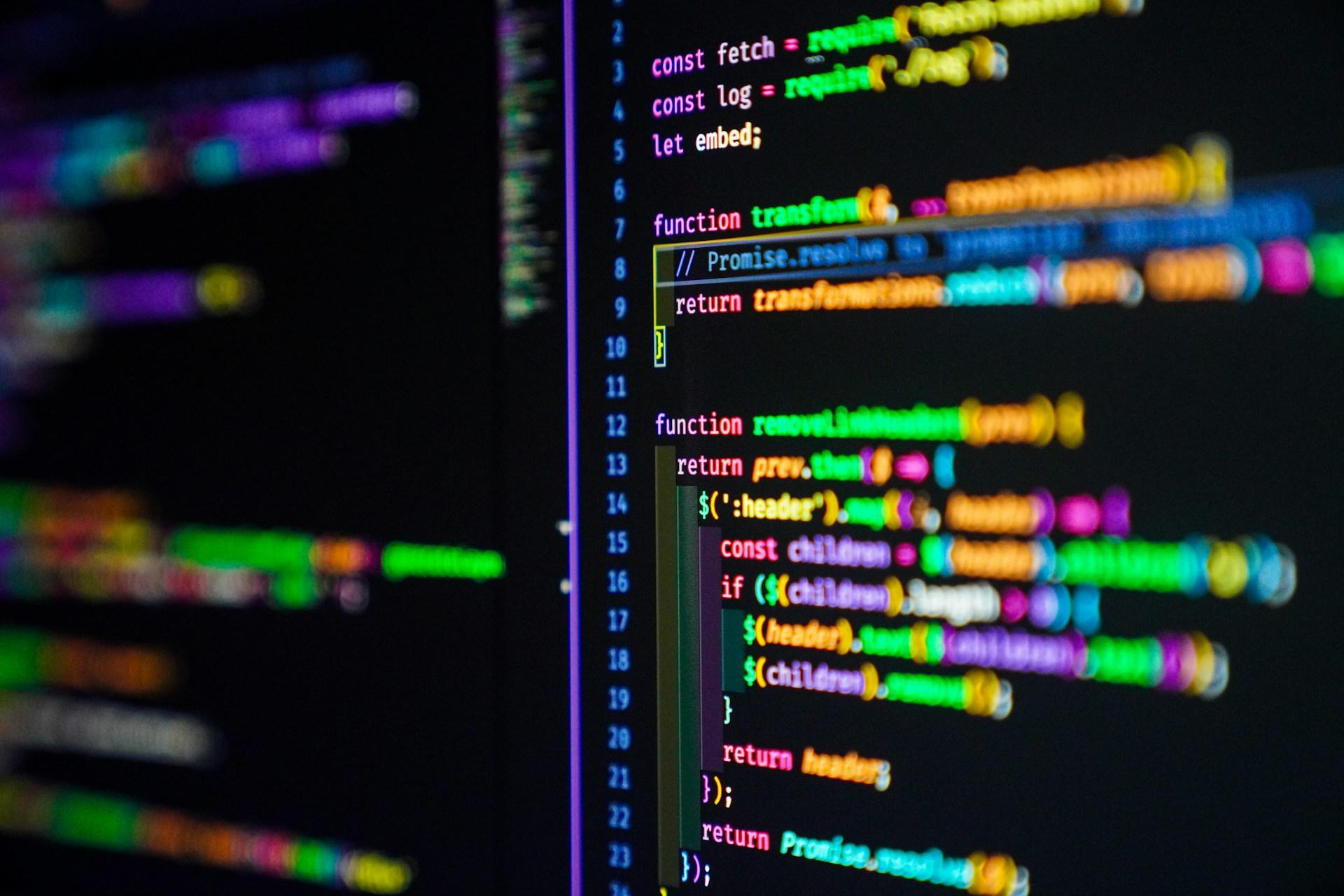

In the modern world, programming and coding skills are becoming increasingly essential. Coding is so important that even children are being encouraged to learn how to do it.
However, there are several programming languages to choose from and choosing the right one can be particularly difficult. Much like choosing a natural language to learn, you have to choose which is the best for what you want to do.
With human languages, widely spoken languages are usually the most popular for students to learn, but there are also factors to consider such as where they're spoken and the career opportunities that they could present.
Choosing a programming language follows a similar logic. The more commonplace a programming language is, the more opportunities there may be for professionals familiar with the language, but this logic only goes so far when a child chooses a programming language.
Your child is unlikely to have thought a lot about their future career prospects, especially if they're very young. They're even less likely to be looking at the job market or even the specific applications of certain programming languages.
Instead, we've selected four different programming languages that we believe are suitable for children to learn, but before we get to them, let's see exactly why kids should be learning to code.





Why Should Kids Learn Programming Skills
In a world where so many everyday things use information technology, code is everywhere. Whether you can see them or not, computers and digital devices are increasingly involved and we need people who know how to write the programs and software that they use.
That's what code is, after all. Code is simply the instructions that tell our digital devices what to do and how to behave. It's how operating systems, software solutions, apps, and video games are created.
For us, these are the most important reasons for children to consider learning programming skills.
Coding Can Teach Problem-solving Skills
Coding is problem-solving. To create any program or write any code, you're essentially solving a problem and telling devices how to do it.
It can be difficult to encourage some kids to learn a programming language simply because coding and software development can involve more maths and data than other subjects and we know how averse to mathematics some children can be. However, most coding courses for kids will likely focus on problem-solving skills and introduce maths further down the line.
The problem-solving skills that your child could learn through software development, coding, or a programming course are also transferrable. They can use these skills in other aspects of their lives both during childhood and well into adulthood.
Coding Provides a Creative Outlet for Kids
Cinema would have you believe that programmers sit at computers writing lines of code in their programming languages of choice. While there is some truth to that the best developers are very creative.
Not only do they need incredible problem-solving skills, but they need to regularly think creatively to come up with applications and solutions for problems for digital devices. Kids can use programming projects to express their creativity or develop creative problem-solving skills.
If you feel your children are using apps and digital devices, too much, this could also be a great outlet for them to spend their time more productively on these devices.
Employers Are Looking for Programmers and Software Developers
In an ideal world, every child could just pursue their passions and study the subjects they enjoy the most, but we all know that won't necessarily provide them with an easy route to work. Instead, you need to find subjects they might interested in learning more about that also provide them with career prospects.
Fortunately, programming, coding, and software development are in demand and even jobs that didn't traditionally have anything to do with computers or coding are now looking for employees with an understanding of programming logic or even hard software development skills!
Programming Can Be Fun
Most kids, especially very young children, won't be sold on the benefits of programming. They won't be thinking about their career prospects and you can't use most of our aforementioned reasons to build a case for them developing their coding skills or learning a programming language.
You know your child better than us, but you probably know that you're far more likely to get them on board with the idea of learning how to code by selling the fact that it's fun.
There are even toys and programming courses that highlight how fun it can be and teach kids how to code through games, puzzles, and other enjoyable activities.
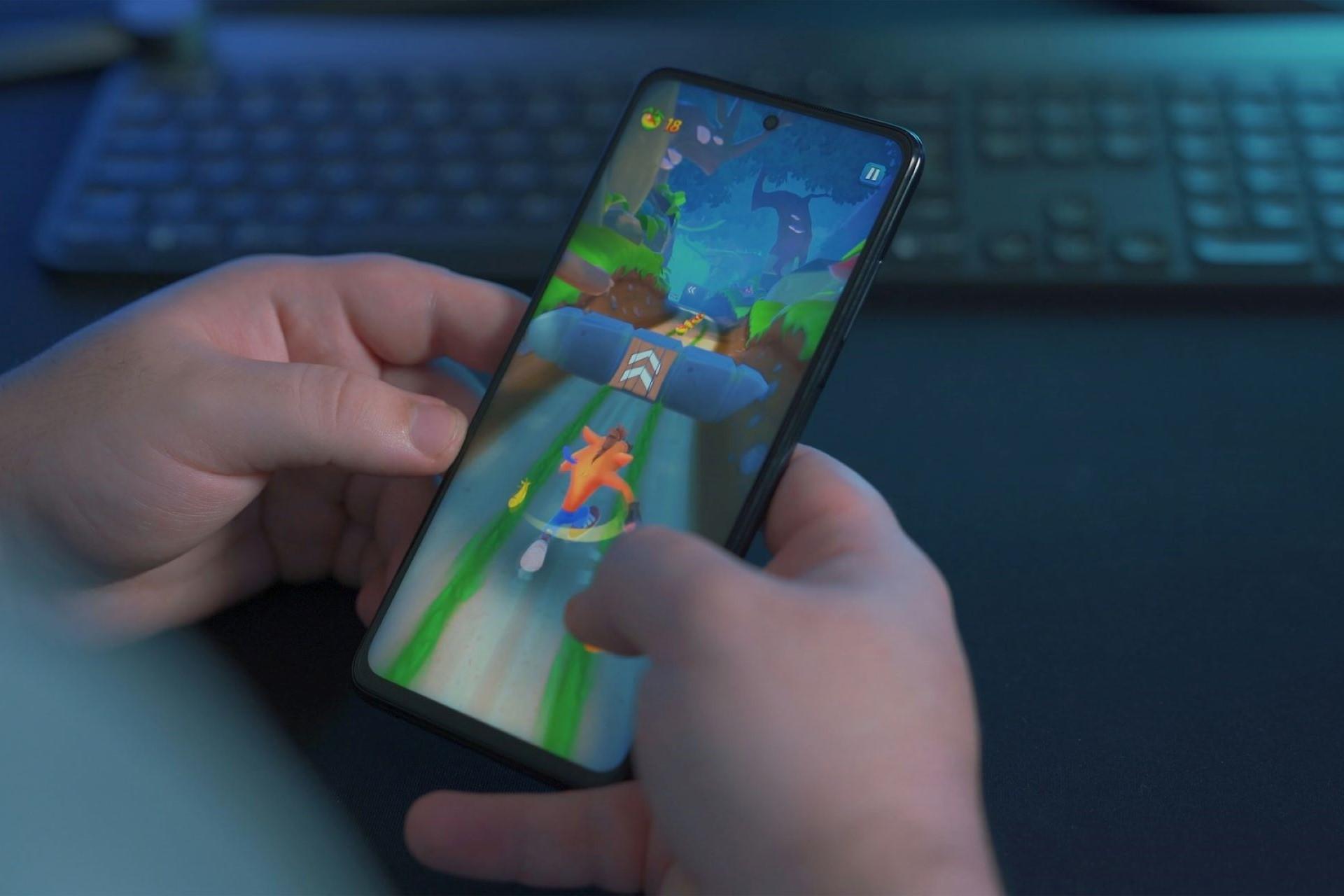
Aside from the fact that they get to spend more time on their favourite devices like a computer, tablet, or even smartphone, coding involves time on devices they associate with fun anyway.
Beyond that, the kinds of problem-solving and creativity involved in coding are similar to what makes Lego so appealing to children and adults alike.
While a Lego set starts as a series of bricks and can be turned into racecars, houses, spaceships, etc., coding starts as a blank screen and turns into video games, apps, or software solutions.
Think of coding as digital building blocks and you can then show your children how enjoyable it can be to play around with it, especially when it comes to visual programming, which involves writing a lot less code than you'd otherwise think.
The Programming Languages that Kids Should Learn
To start learning programming languages and developing applications, you need to learn programming languages. There are thousands of them with different applications, but these are the programming languages that we think are best for introducing children to coding.
Python
The Python scripting language is regularly touted as one of the easiest programming languages to learn because, particularly due to how easy the syntax can be to pick up.
Syntax, in case you didn't know, is the set of rules that dictate how you have to write code so that computers and devices can understand it. In spoken human languages, syntax is a similar thing and it's the reason that words have to go in a certain order for a sentence to make sense.
Every student is different, of course, and what one will find easy, might be challenging for another, but Python's syntax is generally more welcoming than other programming languages, making it very suitable for beginners and young aspiring software developers.
It might be easier to convince your kids that Python is right for them to learn, too, since it's the programming language that's used for various aspects of social media and platforms like YouTube and Instagram, which they'll likely be familiar with.
Python is a popular programming language, too, which means it's much easier to find good online resources for it. With less popular programming languages, it can be difficult to find ways to learn that are also suitable for beginners or young learners. You won't have this problem with Python.
Scratch
Scratch is a wonderful programming language for beginners and kids, especially for children aged between 8 and 16. It uses a block-based drag-and-drop interface that makes programming even more like Lego.
There are plenty of great games and activities for learning how to use Scratch and it provides a great alternative to text-based programming languages that might put kids off coding altogether, especially children with dyslexia.
It's also a great solution for visual learners and to simply teach younger children about the core concepts of programming without them getting bogged down in lines of code.
JavaScript
JavaScipt is a programming language that you've likely heard of. Don't confuse it with Java, which is a different programming language.
JavaScript is a very popular programming language and your kids may be familiar with some of the applications and video games built using it. Popular examples of JavaScript in action include things like Gmail and Twitter (now X).
JavaScript is usually referred to as the programming language for the web simply due to how many web applications and solutions are developed using it.
For older kids, simply mentioning the things that JavaScript can be used for might be enough to convince them that it's a programming language worth learning.
Lua
Last but certainly not least, we have the programming language Lua. This language isn't as popular as some of the others that we've mentioned so far, but it does have the advantage of being very friendly to beginners.
It mightn't be as easy to learn as some of the out-and-out "kids" programming languages, but once your child has a foundational understanding of programming logic and the core concepts, you might find that Lua is worth learning.
As a programming language, Lua is famous for being used for Roblox and Angry Birds, more examples that might get your kids interested in learning it.
Summarise with AI:
Did you like this article? Leave a rating!

 Loading...