


The limits of my language mean the limits of my world.
Ludwig Wittgenstein
It's normal for the Spanish Leaving Cert to feel overwhelming at first. With all the different language skills you have to learn and all the other subjects you're studying, nerves are normal. However, with the right tools, consistent effort, and a focused approach, you can achieve high marks in your Leaving Cert Spanish exam. Here, we'll go through how to succeed, including innovative revision strategies and the essential grammar you need to pass.


Plan Your Spanish Study with Purpose
Leaving Cert year is all about juggling many subjects at once. When it comes to Leaving Cert Spanish, you can't just memorise vocabulary; you have to balance the core language skills: listening, speaking, reading, and writing, while building on what you learned at Junior Cert.
Listening (aural) – 20%
Oral exam – 25%
Reading comprehension – 30%
Written expression – 25%
Each of these skills is assessed in different exams. While they'll all be useful for your Spanish in general, you may have to prioritise some over others.
- If the aural exam is your biggest struggle, dedicate more time to listening exercises and past recordings.
- If writing is where you lose marks, focus on mastering tenses and practising exam-style questions.
- If the oral exam makes you nervous, start speaking early and often—even 10 minutes a day can build real fluency.
In your revision timetable, rotate between topics, tenses, and exam formats. Breaking it into 20- or 30-minute sessions can also keep learning activities varied and more engaging.
Alternate between vocabulary drills, grammar exercises, and reading Spanish text aloud. You can see exactly what you should be covering by reviewing past Spanish exam papers, which are available for free on the official exam website.
Set yourself realistic goals for each week. Since progress in any language is gradual, it's about daily practice and a clear structure to help you steadily improve.
sat the Spanish Leaving Cert exam.
Build Your Vocabulary for the Spanish Leaving Cert
Since vocabulary is the backbone of any language, success in Leaving Cert Spanish will depend partly on your Spanish vocabulary. Whether it's understanding questions, writing, or doing an oral exam, a strong vocabulary will help you express yourself better and get higher marks.
You can use digital tools like Quizlet, an online flashcard app. This can help you:
- Organise vocabulary by theme (e.g., school, family, holidays, work, the environment)
- Test yourself with matching games and multiple-choice quizzes
- Add your own audio or images for visual learners
- Track progress over time
Of course, Quizlet is just one example, and our Spanish revision guide provides helpful resources and insights for studying.
Beyond apps, there's nothing that beats a traditional vocab notebook. A tried and tested approach where you write down new words in part or complete sentences (context can aid memorisation). This will help you learn the spelling of new words as well as Spanish sentence structure and areas where marks can be easily lost.

Commit just a few minutes to your daily vocabulary practice, and it'll be much easier to understand written texts, respond to exam prompts, and speak more naturally in your oral exams.
Practice Speaking Spanish for the Oral Exam
Speaking is another key part of the Spanish Leaving Cert. The Oral exam is worth 25% of your final grade, and for most students, it's the part they dread the most.
Luckily, this part features a lot of low-hanging fruit, where small changes and improvements can quickly gain you a lot of marks.
Like anything related to languages, practice is key. Build your confidence by actually using the language. Beyond reading and writing Spanish, speak Spanish regularly. Even if your first forays into speaking the Spanish language are on your own, it can still help.

Give yourself simple tasks, such as describing your day or your plans for the year. You can also talk about your thoughts on current topics like social media, education, or even climate change.
Apps like Tandem allow you to connect with native speakers across the world through text, audio, or video. Here are a few tips for preparing for your Spanish Leaving Cert oral exam:
- Record yourself answering sample questions from past Spanish exam papers
- Practice describing images or responding to unseen prompts (a frequent exam feature)
- Learn sentence starters and opinion phrases (e.g., en mi opinión, creo que, es importante que)
- Don't fear mistakes. They're part of the learning process.
If you have time to access a teacher, tutor, or fluent friend, you can even arrange weekly mock interviews to practice for the exam. Feedback is a great way to catch simple errors and improve your speaking skills, especially under exam pressure.
Use Apps to Revise on the Go
With plenty of other subjects filling your study schedule, it can be challenging to get regular Spanish practice. Here, you can use apps like Duolingo, for example. We're not saying that this app (or any other language-learning app) can teach you Spanish on its own. Instead, use apps like Duolingo to complement your other revision strategies.
Quizlet – Digital flashcards for themes, verbs, and grammar
Duolingo – Grammar drills, listening practice, and sentence building
Tandem – Speak with native speakers through text, audio, or video
Superprof – Connect with private tutors for 1:1 help
Past exam papers – Practise timing and structure under exam conditions
Using Duolingo instead of scrolling social media is already a more beneficial use of your time. It can be done on breaks, journeys, or just before bed. With bite-sized lessons, you can brush up on basic grammar, verb conjugation, vocabulary, sentence structure, and listening skills.
Remember that Duolingo is for learning languages, not necessarily sitting Leaving Cert Spanish exams. It won't prepare for the exams themselves, and it doesn't feature complex exam-style questions.
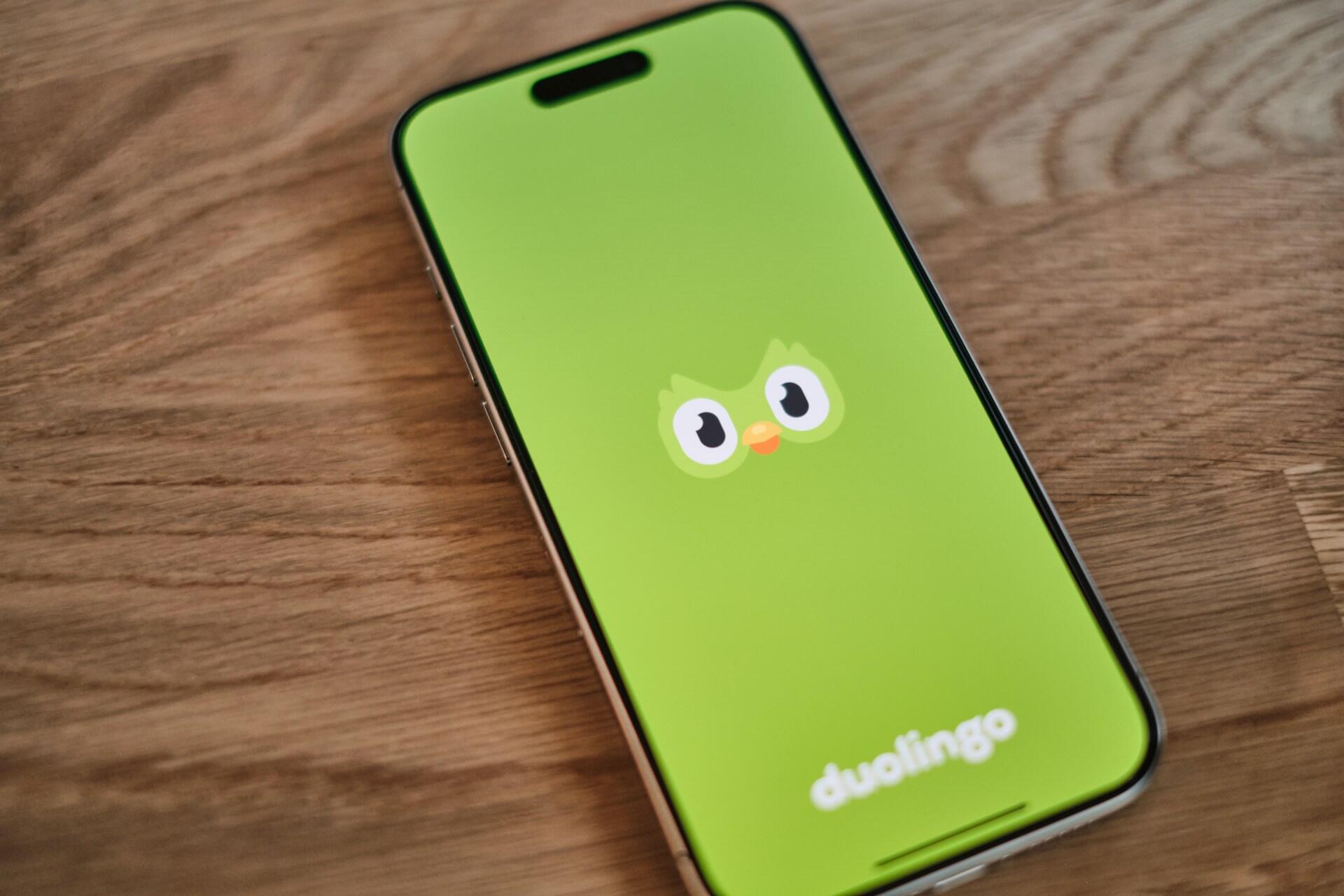
Key features that make it helpful in Leaving Cert Spanish students include:
- Daily challenges to keep you motivated
- A "mistake review" function to strengthen weak areas
- Pronunciation practice using the app’s audio and mic tools
- The Stories feature, which helps develop comprehension through narrative-based tasks
Just don't fall into the trap of doing Duolingo Spanish for a few minutes and calling it a day. It has to be used in conjunction with a structured and effective revision plan.
Practice with Spanish Exam Papers
Duolingo won't prepare you for your Leaving Cert Spanish exams, but past Spanish Leaving Cert exam papers will. Working through real past papers that previous students took helps you understand how the exam is structured, the types of questions to expect, and how to manage your time across all sections.
The Spanish Leaving Cert exam papers test the four major skills: aural (listening), reading comprehension, written expression, and oral fluency. Reviewing older papers is a way to find the patterns and topics that are often found in these exams.
Key benefits of using past papers:
- Familiarity with how questions are phrased
- Practice answering under timed conditions (e.g., 90 minutes for the written paper)
- Understanding how marks are awarded using official marking schemes
- Identifying frequent themes like college, education, work, travel, and social issues
When working through these papers:
- Start by doing one section at a time (e.g., only listening or only reading)
- Then, progress to doing a full paper in one sitting to mimic real exam conditions
- Always review the marking scheme afterwards to check where your answers scored well or didn't
You can find past papers on the State Examinations Commission website. Remember to check the mark schemes and the current curriculum so that you know which parts of previous exams are relevant.
- Written and oral exams reward a range of vocabulary, grammar accuracy, and sentence structure.
- Reading and listening sections are about comprehension, but also precise responses.
- The oral exam awards marks for communication and fluency, not perfection.
Master the Grammar: Tense Table
Grammar is a key part of any language exam, and Leaving Cert Spanish is no exception. Your grammar will be tested most in the written paper and oral exam. Understanding the main tenses, how to use them, and how to form accurate sentences with them will enable you to answer questions clearly and not lose marks for inaccuracies.

At a minimum, you should feel confident using the following:
- Present tense (hablo, estudio)
- Preterite tense (fui, comí)
- Imperfect tense (iba, tenía)
- Future tense (viajaré, estudiaré)
- Conditional tense (me gustaría, podría)
| Tense | Spanish Example | English Meaning | When to Use It |
|---|---|---|---|
| Present | Estudio español cada día | I study Spanish every day | Habits, facts, current actions |
| Preterite | Fui a Cádiz el verano pasado | I went to Cádiz last summer | Completed actions in the past |
| Imperfect | Cuando era joven, vivía en Madrid | When I was young, I lived in Madrid | Ongoing past actions, background info |
| Future | Estudiaré medicina en la universidad | I will study medicine in university | Plans, predictions |
| Conditional | Me gustaría trabajar en España | I would like to work in Spain | Desires, hypothetical situations |
Students don't need to master every complex text, but they are expected to use a mix of present, past, and future tenses. Try writing short paragraphs in different tenses, focusing on the model answers from past papers.
of Leaving Cert candidates achieved a pass grade.
Consider Getting a Private Tutor
Whether you're aiming for H1 in your Leaving Cert Spanish, trying to catch up after falling behind or struggling with some tricky sections, a tutor can offer you tailored one-on-one support.
Here's some advice on Leaving Cert Spanish oral tips.
Superprof makes finding qualified and experienced Spanish tutors easy. Search for 'Spanish', and you can start browsing the profiles of local and online tutors.
- Browse tutors by price, experience, and availability
- Choose in-person or online sessions (perfect for flexible scheduling)
- Take advantage of a free first lesson to see if it’s the right fit
- Read genuine student reviews before making a decision
Tutors can help you with:
- Breaking down complex grammar or question formats
- Role-playing typical oral exam situations
- Giving you structured study plans based on your level
- Explaining common mistakes in past Spanish exam papers
- Reviewing your written answers and offering detailed feedback
Summarise with AI:
Did you like this article? Leave a rating!


 Loading...
