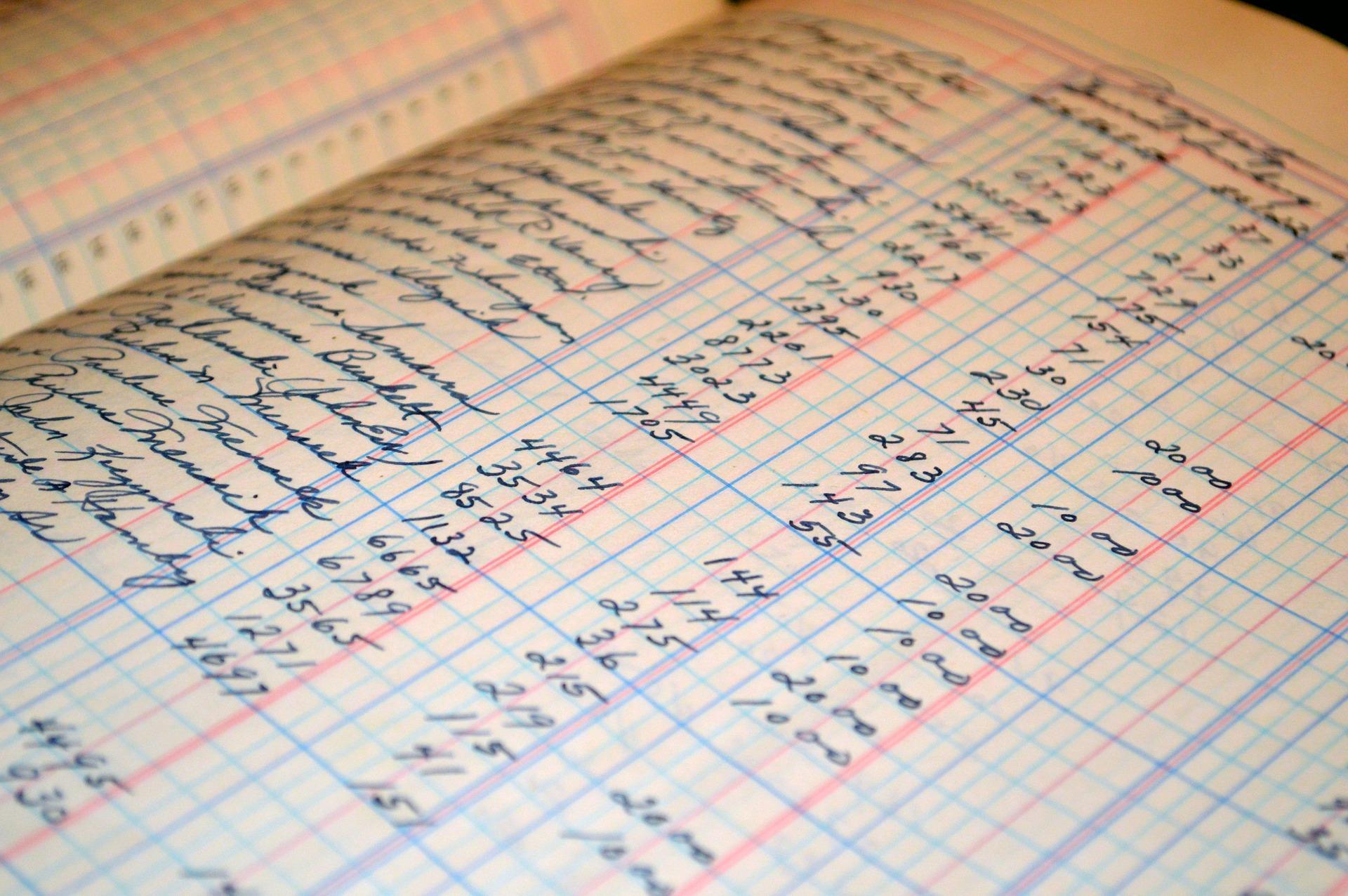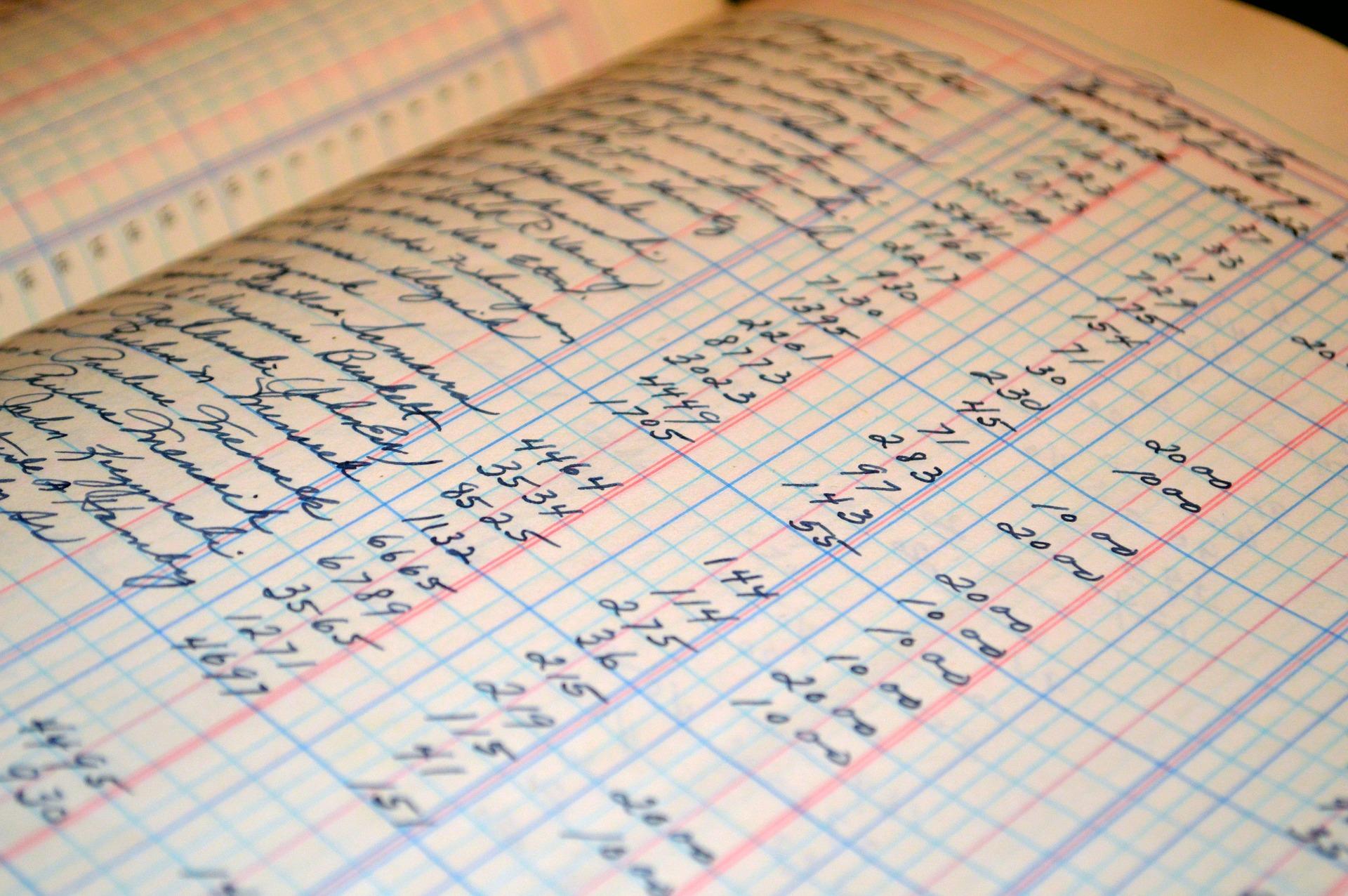

The outdated perception of accountants as “number crunchers” is no more. Today, we are valued business advisors and anchors for seamless integration with other areas of business.
Lynda Deane, Chair, Chartered Accountants Ireland Western Society
Accounting is a global profession that blends business strategy, finance, and technology. Whether you're a student, a graduate, or looking to change careers, you need to know how to become an accountant in Ireland before you can actually do it. In this guide, we'll go through the qualifications you need, what your career options are, and the answers to the questions that you'll likely have.


Why Choose a Career in Accountancy?
Accounting is one of the most stable and future-proof careers in Ireland. With clear career progression, good salaries, and a range of industries to choose from, it's pretty obvious why accounting is such a popular choice. It's a great industry if you're:
- Analytical and detail-orientated
- Interested in finance and business strategy
- Eager for a career that offers long-term growth
You don't need to be an expert at maths to become an accountant. Obviously, you need to be relatively proficient at it, but modern accounting incorporates numerous digital tools for number crunching. In fact, the key skills for modern accountants include problem-solving, communication, and financial insight. If you want extra support while you’re building these foundations, you can also look into accounting grinds.

Automation handles most routine tasks, allowing accountants to play more strategic roles. They'll work with leadership to guide budgeting, forecasting, and compliance.
Training and Qualifications: The Routes to Accountancy
If you want to train to become an accountant in Ireland, there are several recognised routes and accounting qualifications available. Most of them don't even require a university degree. Whether you're starting after secondary school, retraining as an adult, or moving up in your finance career, there are different qualifications and paths.
accounting students and trainees in Ireland.
Accounting Technicians Ireland (ATI)
ATI offers a two-year part-time or full-time course for the Accounting Technician qualification. This is an excellent option for school-leavers, career changers, and anyone who wants to earn while they learn. It's common for these graduates to progress to further studies with bodies like ACCA, CPA Ireland, or Chartered Accountants Ireland.
ACCA (Association of Chartered Certified Accountants)
ACCA Ireland is a globally recognised qualification that doesn't require a degree. You need a Leaving Cert with passes in English and Maths. There are two main levels, and you can study part-time, full-time, or online.
Chartered Accountants Ireland (CAI)
CAI offers the ACA qualification, which is a prestigious and highly valued option. Entry usually requires a relevant degree, though non-accounting graduates can apply through a Foundation route. The ACA programme requires:
CPA (Institute of Certified Public Accountants)
CPA Ireland offers practical training and adaptability for mature learners. The CPA pathway is a suitable option for multiple levels (school leaver, graduate, or through ATI).
CIMA (Chartered Institute of Management Accountants)
CIMA is a good choice for accountants who are interested in business strategy and internal finance. CIMA qualifications can be completed online and are great for those already in business or management roles.
These paths are structured yet flexible, allowing you to gain practical experience as you study. There are even opportunities for your training to be sponsored by employers, particularly with larger firms and multinationals operating in Ireland.

How Long Does It Take to Become an Accountant?
Training as an accountant isn't something that happens overnight. Even the shortest pathways take a year or two, while becoming a fully-fledged accountant will take 3 to 4 years.
Common in universities and private colleges
Suitable for working professionals or parents
Flexible, widely offered by Irish training providers
If you're starting with Accounting Technicians Ireland (ATI), the programme takes about two years. This is a popular option with school leavers.
The ACCA (Association of Chartered Certified Accountants) route takes between three and four years to complete. Students are actually given up to ten years to complete all their exams, but most complete the process in under five years. You can study ACCA full-time, part-time, or online. This is one of the most flexible accounting qualifications available in Ireland.
Those who choose to become a Chartered Accountant through Chartered Accountants Ireland (CAI) will have to follow a three to three-and-a-half-year structured programme. This includes signing a training contract with an approved employer, passing 13 exam modules, and logging practical experience. This is a rigorous pathway, but it's highly regarded in Ireland and internationally.
The CPA Ireland qualification typically takes three to four years to complete. There are flexible entry points depending on your academic background. For example, if you hold a relevant degree or an ATI qualification, you may be eligible for exemptions on some exams, shortening your study time.
The CIMA (Chartered Institute of Management Accountants) offers a qualification path that takes three to four years for professionals already working in finance who are looking to progress into management-level roles. Many learners also use targeted support, such as leaving cert accounting grinds online, to strengthen core concepts alongside their studies.
Where Can Accountants Work in Ireland?
There are plenty of places where an accountant can work in Ireland. Across every major industry, from multinational tech giants to local councils, non-profits, and healthcare providers, accountants are in demand. It's challenging to find sectors that don't require skilled financial professionals.
Whether you're in Dublin, Cork, Limerick, or Galway, you'll find opportunities for accountants in both the private and public sectors. Since most Irish accounting qualifications are globally recognised, many Irish accountants are working remotely or taking short-term contracts abroad.

Top Employers in Ireland for Accountants
Accountants working in Ireland today are involved in:
- Setting budgets for public infrastructure projects
- Managing payroll for nationwide retailers
- Auditing non-profit grant allocations
- Forecasting future revenues for tech startups
- Supporting M&A activity for international corporations
Career Specialisations in Accounting
Once you qualify as an accountant, you can start thinking about specialised career paths. Each has a unique focus and requires specific skills or professional certifications. In Ireland, like elsewhere in the world, you can make choices to further your career and work in an area you're passionate about.
Taxation
Tax accountants focus on individuals, corporations, and even government bodies to ensure tax compliance and develop tax-efficient strategies. Ireland's complex corporate tax structure and globalised business environment mean that tax professionals are in demand.
Audit and Assurance
External and internal auditors review financial statements, assess risk, and ensure compliance across national and international standards. Auditors must maintain trust and transparency across both private enterprises and the public sector. Many get into audit and assurance through graduate roles with the Big Four.
Forensic Accounting
Forensic accountants examine financial records for indications of fraud, embezzlement, or regulatory violations. They're often involved in legal cases and work closely with law enforcement or public oversight bodies, including the Revenue Commissioners or the Comptroller and Auditor General.
Management Accounting
Management accountants work with budgeting, financial planning, and strategic decision-making. This is an excellent option for those interested in day-to-day business operations. As you saw earlier, there are specific qualifications for these roles.
Public Sector Accounting
Public sector accountants are responsible for managing taxpayer-funded budgets, reporting spending, and ensuring financial transparency. With the emphasis on accountability in public services higher than it's ever been, there are stable and meaningful career options for public sector accountants.
Choosing the Right Accounting Specialisation for You
Each accounting specialisation attracts a different type of professional, so it’s worth considering your strengths and long-term goals before deciding where to focus.
If you enjoy working with complex regulations and staying current with tax codes, taxation may be your best fit. Prefer structured, systems-based work? Audit and assurance roles may be a good fit for you. If you have an investigative mindset and an interest in law, forensic accounting might be your calling. Those who thrive in strategic planning and internal business decision-making often find success in management accounting. At the same time, individuals driven by a desire for public service and accountability are often drawn to public sector finance.
Your personality, preferences, and ideal work environment should all guide your choice. Fortunately, the Irish accounting landscape supports all of these specialisations with training options, career development paths, and growing demand. If you're based in the capital, you can also explore accounting grinds to build confidence in key areas.
What Salary Can You Expect as an Accountant in Ireland?
The competitive salary is one of the main reasons people choose to become accountants. The starting salaries are quite moderate, with entry-level positions, such as graduate trainee roles or accounting technician jobs, paying between €28,000 and €35,000. Once fully qualified through ACCA, CAI, CPA, or CIMA, salaries can range between €45,000 and €70,000.

Senior accountant salaries for roles such as financial controller, finance director, or senior tax advisor can exceed €90,000, especially for those working for multinational organisations and regulated sectors like finance and pharmaceuticals. If you’re studying or upskilling in Munster, accounting grinds cork can help you prepare for exams and strengthen practical skills.
which is around 2.3x the national average income.
Summarise with AI:
Did you like this article? Leave a rating!

 Loading...