
Are you looking for drawing ideas that will take your skills to the next level? Drawing is one way of expressing creativity and honing skills, but this process can be best made perfect by exploring some new, unique subjects to express their creativity, especially to all those beginners out there as well as professional artists.
Have you ever experienced the 'lost' feeling, sitting with your sketchpad (or drawing app) open but not knowing what you feel like drawing? For writers, that feeling of dread when facing a blank page and flashing cursor must be on par with that.
In this article, we'll explore seven amazing drawing ideas that will challenge your skills and ignite your imagination. From abstract animals to futuristic cityscapes, these concepts will inspire your next artistic creations. So grab your sketchbook and get ready to embark on a journey of artistic exploration!





Abstract Geometric Animals
Drawing animals is a very joyful and creative way to enhance one's graphic talents. Animals can be broken down into geometric shapes such as triangles, circles, and squares. Start with an inspiring animal.
Draw an outline; concentrate on the whole shape and poise. Now consider how you might depict those curvatures and contours using a series of geometric forms - maybe triangles, circles, or squares. Fill out this outline using those shapes and play with size and distribution to define a stylised version of the animal.
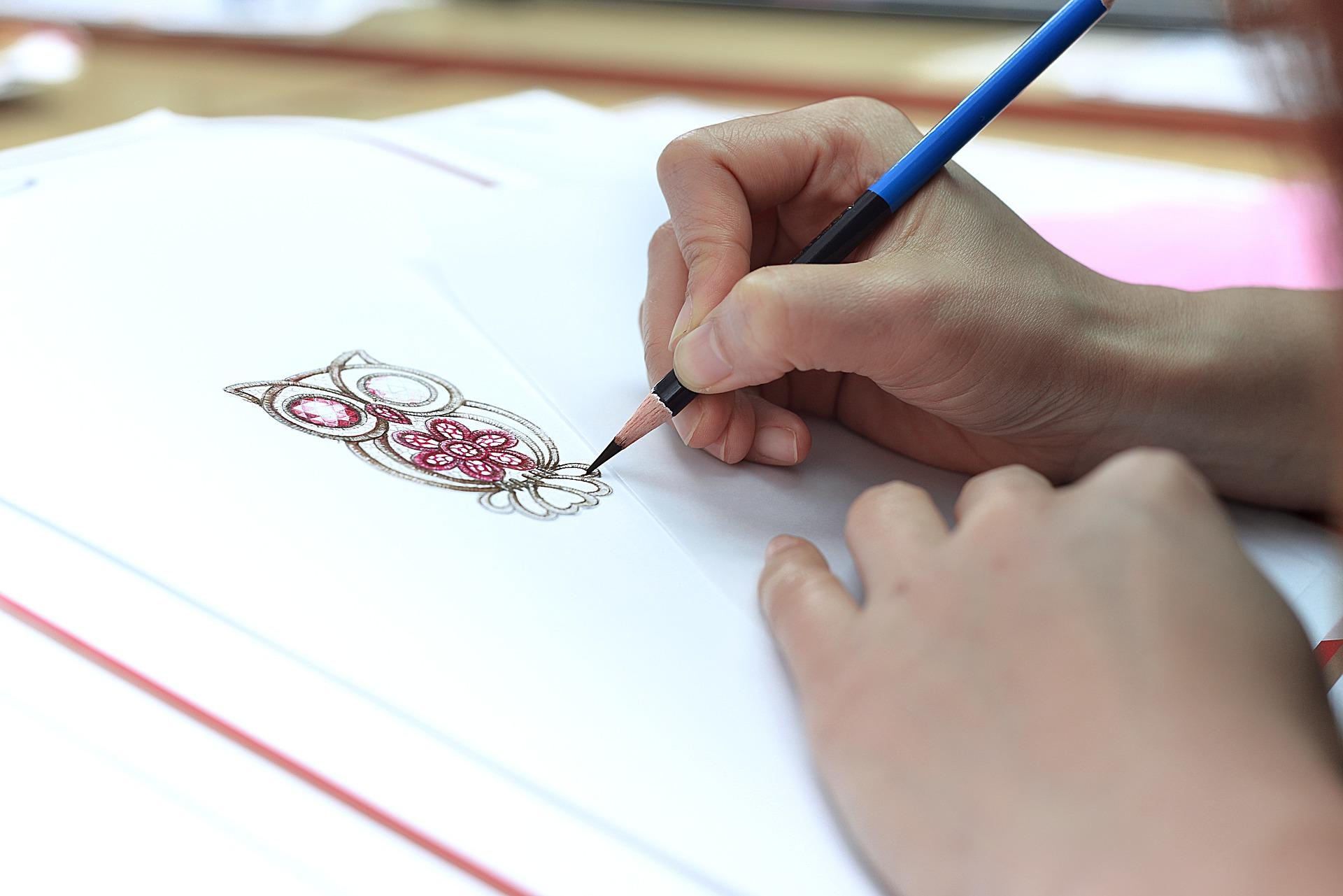
Instead of paying too much attention to the minute details, you can get the spirit of the animal to shine out through the shapes and patterns. One might envision an owl with huge, round eyes and a triangular beak or a deer with beautiful antlers that look like polygons. Even pets such as cats and dogs can be made to become stunning geometric models.
This is quite a great way to hone your sketching skills while encouraging thought in terms of creative potential and developing artistic vision.
Playing with shape and proportion can actually improve hand-eye coordination when solving certain problems. Plus, you're going to have a lot of super fun times loosening up your innermost imagination and bringing your mind to life with the most creative forms of expression, art!
However, If you're still looking for some inspiration to practice your drawing with, you can try drawing Groot, who only recently found his place in the Marvel Cinematic Universe.
How to Draw a Baby
Whether you're drawn to babies and love everything about them, or you're looking for new and challenging subject material to sketch, new humans are worthy of your skill. The essence of drawing babies is capturing their fragility and innocence and conveying it with every pencil or stylus stroke.
The fat little cheeks and the roundness of their belly, an impotent fist waving around as the child wails, the look of dazed confusion in their unfocused eyes... These are all aspects of drawing an infant that, if you can capture and convey them, will grab your drawings' viewers and hold them in thrall.
An evolutionary step up for babies, toddlerhood, can be equally challenging to render. For this type of baby drawing, you have to be able to capture the gleeful energy that propels toddlers through their day. The look of discovery as they realise they too can run, jump and climb.
And then, in total contrast to the energy machine they are when awake, you might consider drawing a sleeping toddler.
The pencil strokes that result in the likeness of a baby are not that hard to master. The challenge lies in capturing and rendering the awe and wonder of babies' first few years. What a great subject to hone your interpretive drawing skills on!
You'd be surprised at just how many of the skills you develop from drawing babies are transferable to other forms of drawing!
Intricate Mandalas
If you haven’t found a style or object that has captured your interest just yet, fear not, as there are plenty of ideas you can try your hand at.
One idea that gets plenty of attention through art pages on social media is Mandalas, a style that is actually quite meditative to create. So, if you use drawing as a medium to relax your mind and retreat to a meditative state, then this is sure to get your interest.
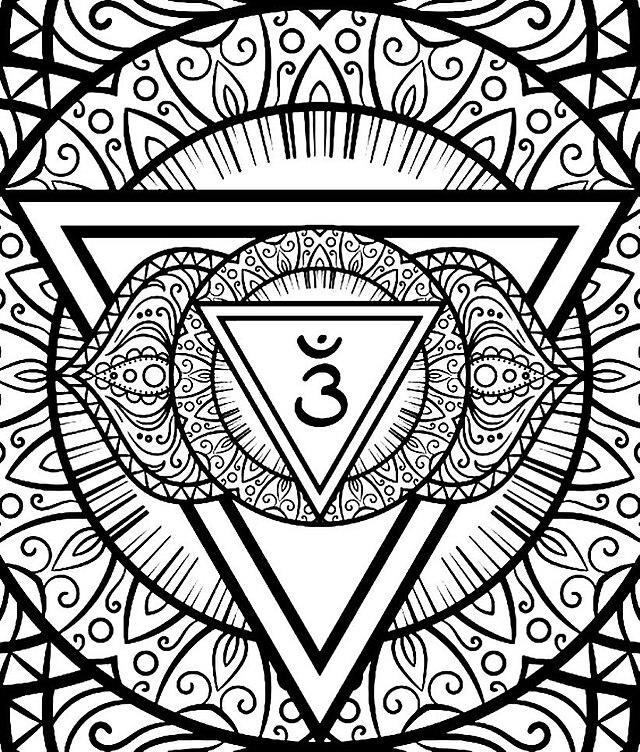
You also don’t need all that much to get your ideas down on paper. To construct your own intricate mandala, you’ll just need your pencil sharpened and a ruler and compass by your side.
These tools do a lot of the heavy lifting in this style of drawing, so if you’re not all that confident in your free-hand drawing just yet, Mandalas will certainly appeal to you!
Start with a centre point and incrementally build outward to create a series of concentric circles and divide them into different segments.
Within those segments you can experiment with all kinds of shapes and patterns, building up layer upon layer of complexity and visual interest. Mandalas are strongly rooted in the religious cultures of Hinduism and Buddhism.
In Hinduism, it first appeared in the oldest writings, known as the Rig Veda, symbolising the cosmos and interconnectedness within that cosmos. In Buddhism, they are also cosmograms that serve as meditation objects and spiritual realisations.
As you continue making your mandala, continue to fill up all of these segments with repetitive designs of triangles and circles, teardrops, whatever the case, to shape this design into a magnificent theme that tells of its individual artistry.
Drawing Kissing
From a quick peck on the cheek to the steamy, passionate lip-lock, the act of kissing is a source of perpetual artistic inspiration. Some of the greatest artists of all time have given us epic kisses to gaze upon.
When art enthusiasts gaze upon The Kiss, any of a series of tableaux painted by the likes of Klimt and Munch - all of which have the same name, their minds fill in the passion that must have resulted from that embrace.
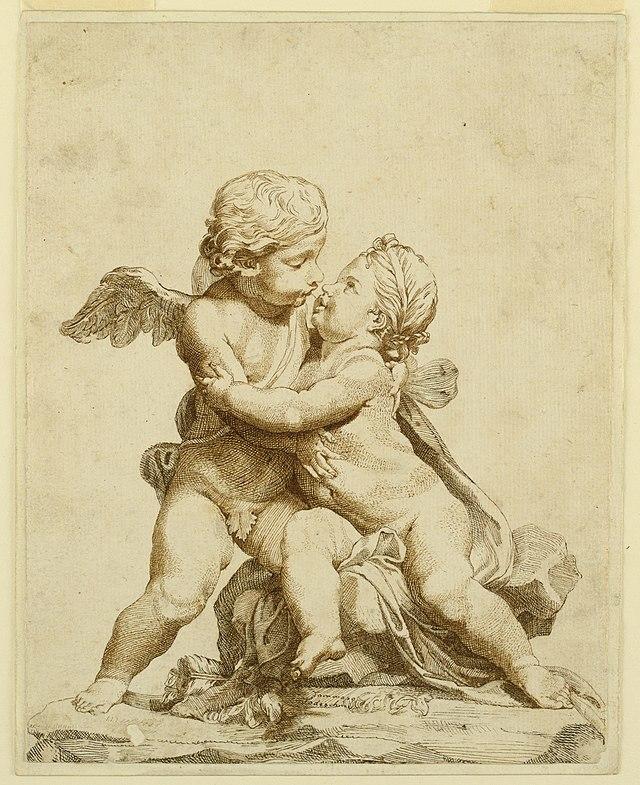
By the way, the English word 'embrace' means to take into one's arms, and that's a fairly good start to one of your kiss-party invitees.
Next, with sweeping strokes, you'll draw the other subject - but, remember: that face will be more suggested than complete because their nose will be tucked behind the main subjects.
How will you finish your kiss drawing? Find out how we finished ours...
Steampunk Inventions
Steampunk is a rather sublime combination of Victorian aesthetics and futuristic technology, so it is an excellent topic on which to let your creative juices flow or take a break from practising the same old designs.
Many artists turn to steampunk for the creative capacity it affords through its vibrant earth tones and machine-inspired aesthetic.
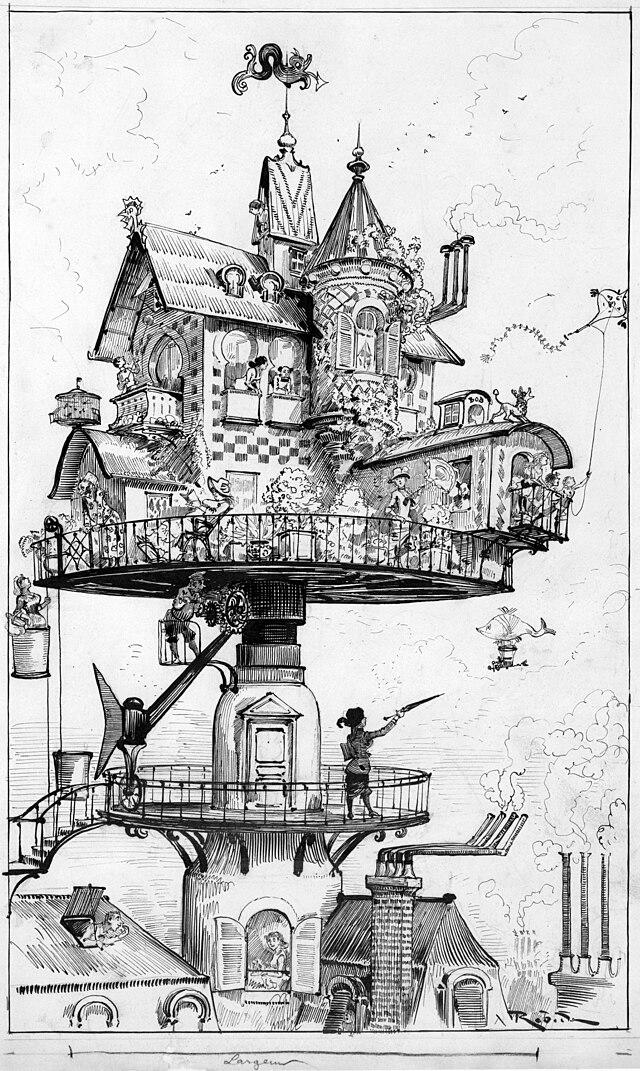
It’s definitely a make-or-break pursuit, as the intricate patterns associated with the style can prove challenging to capture on your canvas.
That’s where we come in! Hopefully, armed with this inspiration and best-practice techniques, you’ll find yourself bringing that steampunk aesthetic to life.
When it comes to practicing Steampunk-inspired drawings, the skills you develop can help you draw many different things and make you a more well-rounded artist.
This unique subject offers great ideas to sketch and add to your repertoire.
Try to draw gears, worn metal, and polished brass - these are favorite elements that look great in this style. You can also add simple lines to create intricate designs or choose to sketch cute steampunk characters.
As you draw, think about how you can make your drawings look different and unique. It's easy to start with simple sketches and gradually add more complex elements over time. Don't be afraid to doodle and experiment with various ideas. People often find that steampunk drawings offer a great view into a different world, full of interesting things to sketch.
So, make sure to add this style to your sketchbook! It's a great subject to choose when you want to try something new. The more you practice, the easier it will become to draw these intricate designs.
Optical Illusions
Want to improve your drawing skills and have some mind-bending fun in the process? Then, let’s get into the fascinating world of optical illusions!
These captivating designs play tricks on our perception, changing how we see and make sense of the world.
There are several types you can explore:
- Literal Illusions: These incredible designs take two separate pictures and merge them together in one so that the viewer will see two completely different images depending on where he stands or whether he focuses his attention with one eye or another.
- Physiological Illusions: Physiological Illusions use to play with form and colour to create visual perceptions beyond the capacity of the brain. Here are some examples: pulsing patterns of swirling; and lines which bend and twist.
Despite being a great way of learning how to draw, optical illusions are incredibly enjoyable to create and are all the more impressive to flaunt to friends and family.
Try your hand at experimenting with different techniques to achieve effects such as depth, movement, and impossible geometries. You could discover that this is just another way to improve your observation skills, even to the smallest details.
Kawaii Drawing
If you're an anime fan or swept away on the Hallyu Wave, you are familiar with kawaii. Kawaii, originally an aspect of Japanese culture, is now a worldwide phenomenon.
Hallyu or, more familiarly, the Korean Wave is the appreciation (fandom?) of all cultural elements from South Korea: the boy bands and girl bands, the films and K-pop - South Korean music... even that thumb-and-index-finger heart gesture is Hallyu.
For its part, kawaii is the Japanese culture of cuteness that has given the world enduring mascots like Totoro and Pikachu.
It extends to include borderline outrageous fashion statements that incorporate long, wildly-coloured hair and super-short skirts and food that looks too adorable to eat.
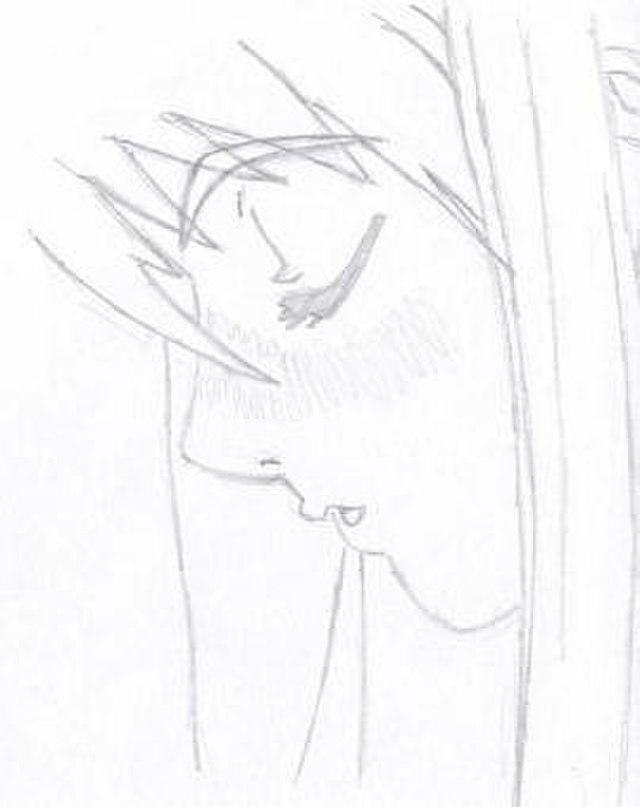
The secret to drawing kawaii is not so much a matter of artistic prowess as it is remembering to incorporate kawaii elements into your sketches.
Those elements include innocence, weakness/helplessness, fragility and a need for protection. How are you supposed to translate the concept of innocence into a sketch?
To draw kawaii effectively, you have to know which physical attributes provoke those feelings or convey those qualities. Big, shiny eyes and waiflike figures, for instance. Or fat bellies and plush fur if you want to draw kawaii animals. Kawaii figures tend to be simple.
You might wonder how a culture so focused on technology and innovation could embroil itself in so much cuteness, to the point that kawaii touches practically every part of Japanese life. To be a kawaii artist, you have to know about the origins of kawaii.
Get Started on Your Drawing Journey
These drawing themes provide perfect ideas to stretch your skills and unlock new creative possibilities. From cute, imaginative creatures to bustling urban scenes with people, each subject will bring its own set of challenges. They offer great opportunities to sharpen your observation skills, deepen your artistic awareness, and make your drawings look different and unique.
So, grab your sketchpad, and let's dive into some fresh inspiration! These themes will be the sparks that ignite creativity as you draw and sketch. They'll help you step outside your comfort zone, whether you're just starting to doodle or you've been drawing for a long time. Try to add simple lines or complex subjects - the choice is yours!
Remember, improvement in art comes with practice, experimentation, and, of course, enjoyment if you plan on staying consistent with it. Every line you draw, every sketch you make, adds to your experience. Think of each drawing as a chance to learn something new and view your progress over time.
Enjoy your lines and strokes as part of the process and, most importantly, learn to appreciate your mistakes. It's all about feeling free to draw things you like. Don't be afraid to sketch your favorite subjects or try easy ideas that make you happy.
Let's start sketching and enjoy this creative journey! Whether you prefer to draw cute animals, doodle abstract patterns, or sketch landscapes, the important thing is to keep practicing and exploring different ideas. With time and effort, you'll find your drawings improving and your creative view expanding.
Summarise with AI:
Did you like this article? Leave a rating!


 Loading...