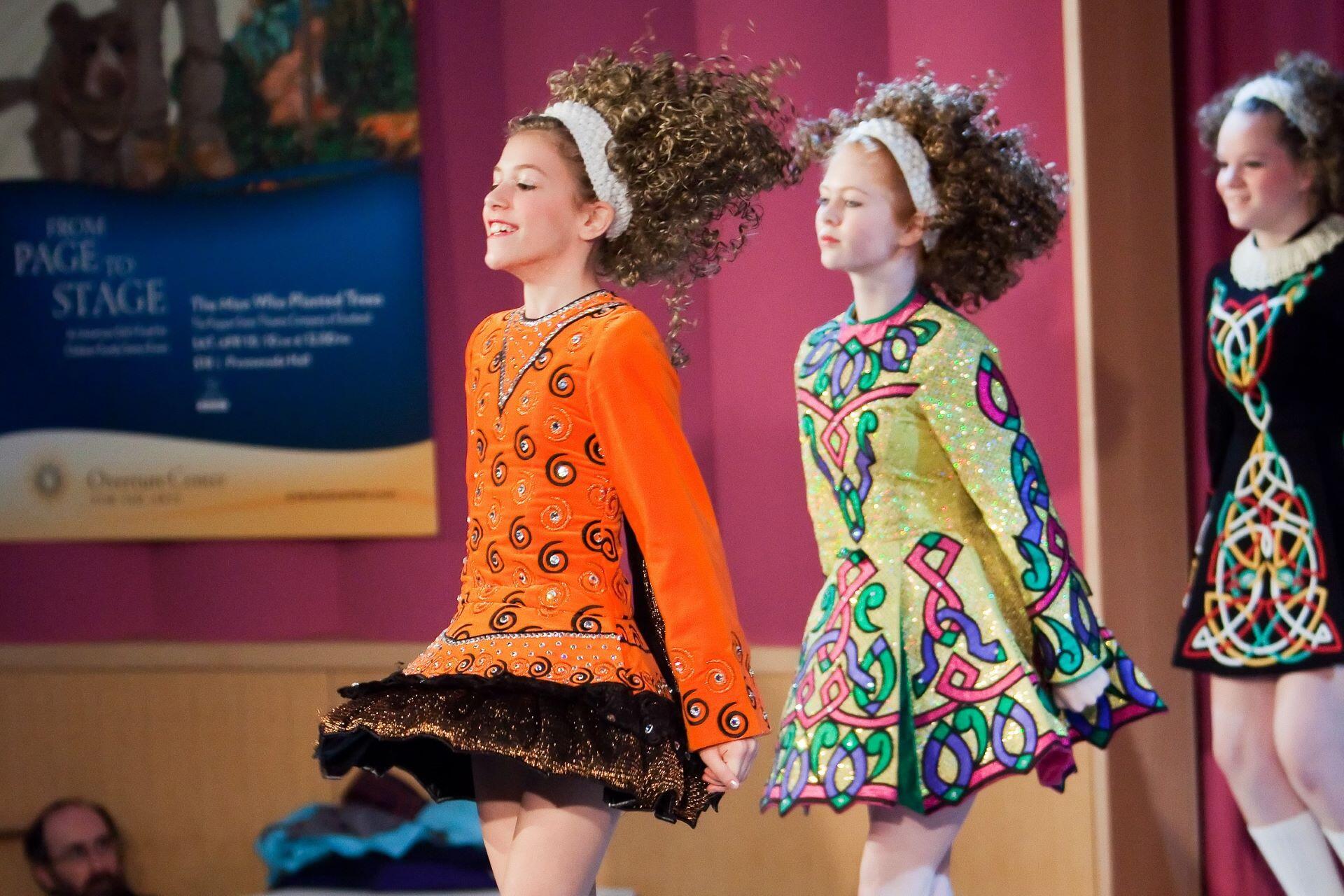

Irish dancing is a combination of movement, music, and community. It isn't a single thing, though. From precise stepdance and expressive sean-nós to social céilí and set dancing, traditional Irish dance contains multitudes. It can be enjoyed recreationally, competitively or on stage.
Key Takeaways
- Irish dancing includes solo, group, social and competitive forms.
- Dance masters helped spread reels, jigs and hornpipes across Ireland.²
- Sean-nós allows more improvisation than modern competitive stepdance.³
- Set dancing normally uses four couples arranged in a square.⁴
- Beginners can learn recreationally without entering competitions.


A Brief History of Irish Dancing
Irish dancing traces its roots back to various local customs. It wasn't a national style. Reels, jigs, and hornpipes spread through the eighteenth and nineteenth centuries as travelling dance masters taught them, while regions retained distinctive steps and postures.² Later on, cultural organisations introduced formal classes, competitions and teaching standards.¹
Eighteenth century
Dance masters travelled between communities teaching and creating steps.
Nineteenth century
Irish dancers adapted European quadrilles into regional set-dancing traditions.²
1897
Dublin hosted the first Oireachtas devoted to organised Irish dancing.
Twentieth century
Schools, examinations and championships helped Irish dance reach international audiences.¹
Main Styles of Irish Dance
Within Irish dance, there are several styles and forms. There are solo and group traditions, shaped by regions, settings and performance goals.² There are forms focusing on precision and fixed choreography, while others emphasise improvisation, social participation or local style.³ Traditional Irish dance is more than just competitive stepdance.⁴ There are options for adults interested in it.
Solo Dance Forms
In solo Irish dancing, the focus is often on technique, rhythm, and control. Some forms include carefully structured choreography, while others allow more improvisation and personal expression. Irish stepdance, sean-nós and Festival Irish Dance are all good examples of how there are different approaches to solo performances.
Modern competitive stepdance generally uses choreographed movements, crossed feet and controlled upper-body posture.² Sean-nós dancing is usually more individual and grounded, with relaxed posture and greater scope for improvisation.³ Although both belong to Irish dance culture, they follow different technical and performance traditions.³
Irish Stepdance
Irish stepdance combines precise footwork with a controlled upper body and may be performed in either soft or hard shoes.² Modern competitive routines can be highly athletic, while theatrical productions such as Riverdance have introduced the style to international audiences.¹⁰
Sean-Nós Dance
Sean-nós is a relaxed and individual form of solo dancing associated particularly with Conamara.³ Dancers remain close to the floor, respond closely to the music and have greater freedom to improvise than in modern competitive stepdance.³
Festival Irish Dance
Festival Irish Dance developed through the musical-festival tradition of Northern Ireland and follows its own approach to technique and presentation.⁵ The Nine Glens Association was established in 1971 and later became the Festival Dance Teachers Association.⁵
Group Dance Forms
Group dance forms place the emphasis on shared timing, coordinated movement and awareness of the other dancers. Some feature prescribed figures and formations, while others developed through regional social traditions. The two main forms of group dance are Céilí dancing and set dancing.
Céilí Dance
Céilí dances are performed socially or competitively using prescribed steps, formations and figures.⁴ Depending on the dance, participants may form couples, lines, circles or coordinated teams.
Set Dancing
Set dancing normally places four couples in a square and takes dancers through several figures.⁴ The form developed partly from European quadrilles, which Irish communities adapted to local music, rhythms and stepping traditions.²
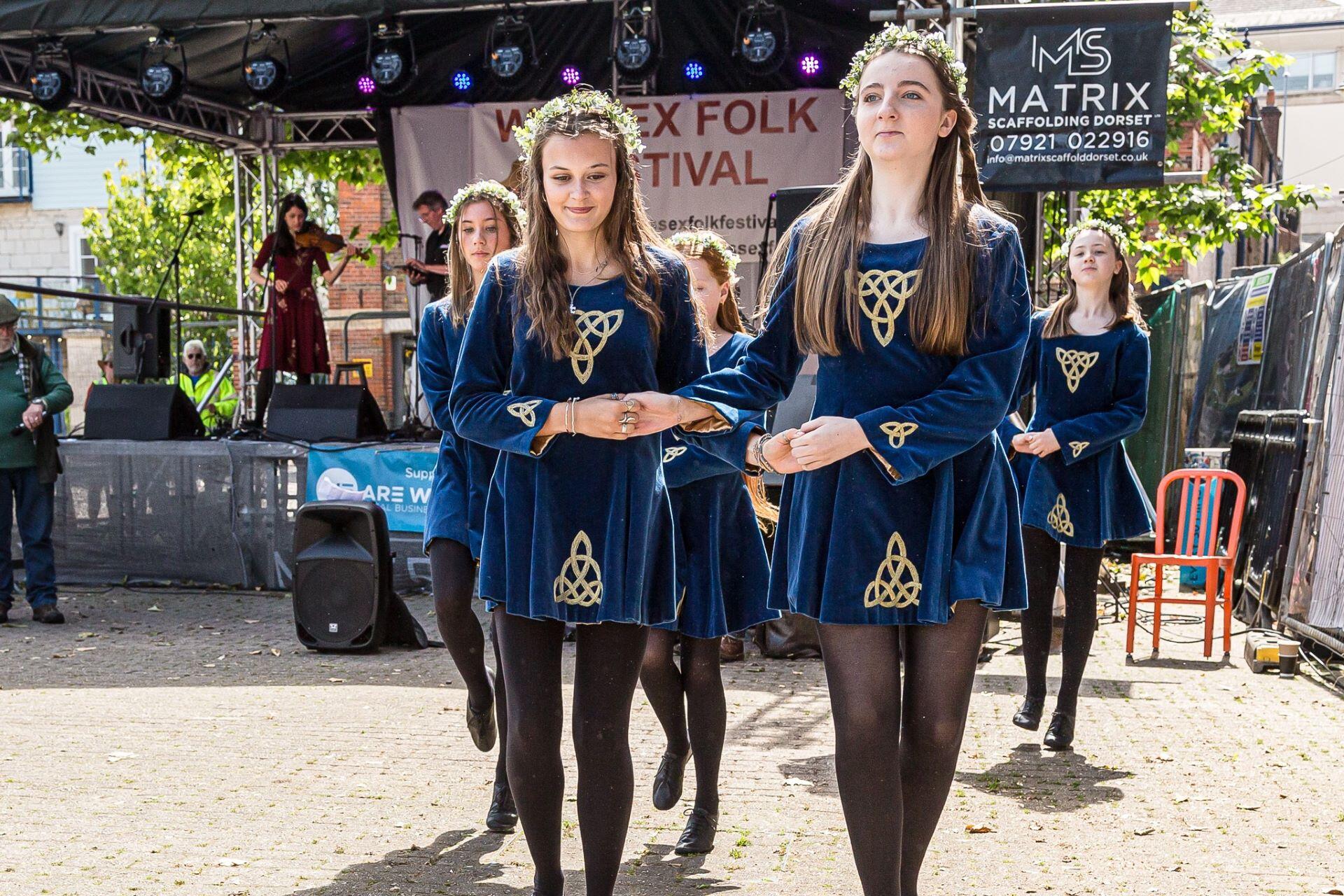
couples together in a square formation.⁴
A solo set dance is an individual stepdance performed to a particular tune, such as St Patrick’s Day or The Blackbird.⁴ Set dancing is a social form in which 4 couples usually perform a sequence of figures in a square.² The similar names describe two distinct branches of Irish dancing.⁴
Music and Instruments in Irish Dancing
The music determines the rhythm, pace, and character of every Irish dance.⁴ There are instruments carrying the melody, reinforcing the beat, and helping give dancers structure with repeated phrases.⁷ You'll hear that the tunes shape the steps as reels, jigs and hornpipes each demand a different sense of timing.⁴
Melody Instruments
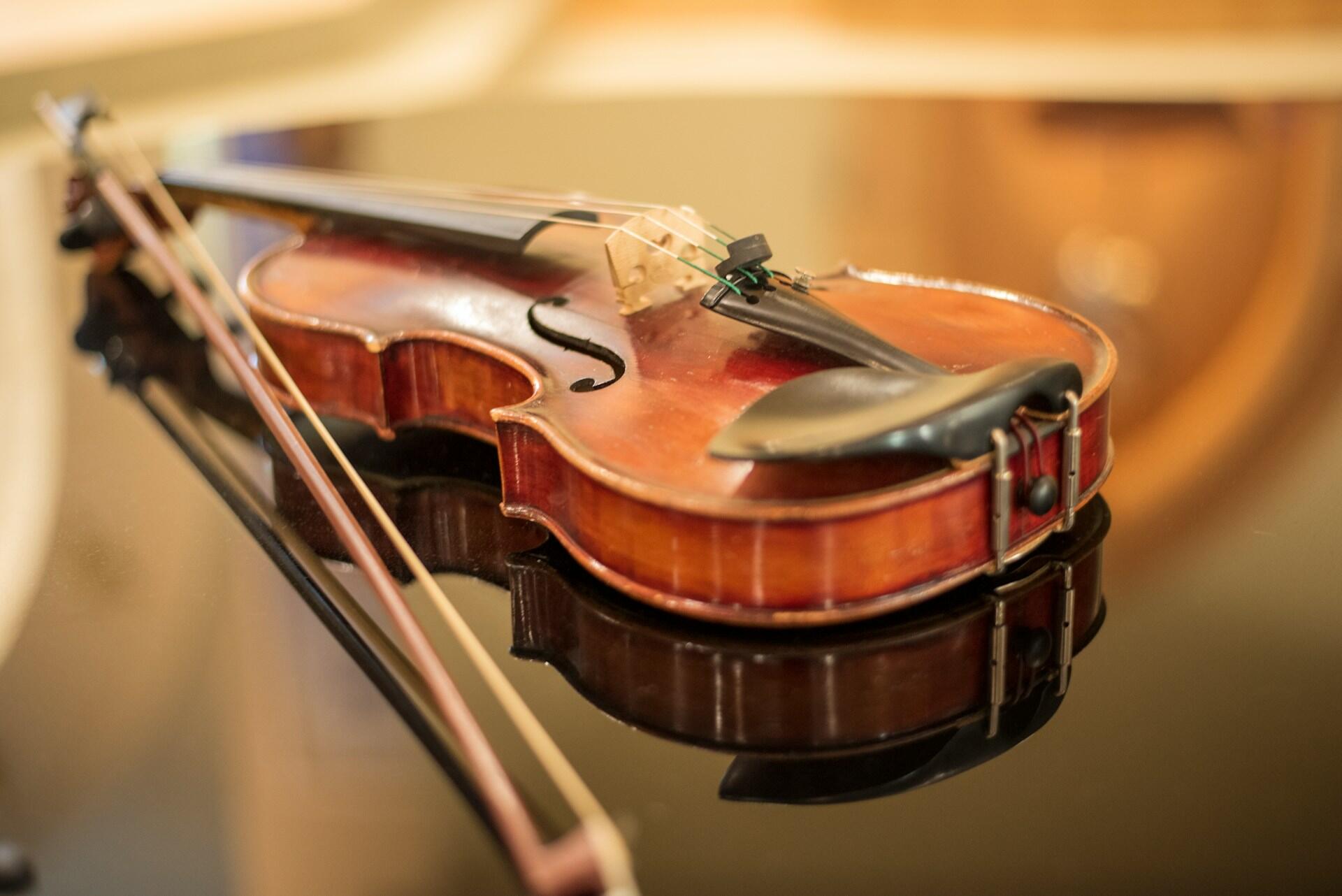
Irish dance music commonly draws its melody from instruments such as the fiddle, concertina, accordion, flute, tin whistle and uilleann pipes.⁷ These may be played individually or combined in ensembles, depending on the dance setting and local tradition.
Rhythm and Accompaniment
The bodhrán, piano, guitar or bouzouki may reinforce the pulse and support the main melody. However, not every performance uses the same accompaniment.⁷ In hard-shoe dancing, the dancer's tips and heels also become part of the rhythm.
Principal Dance-Tune Types
Reels, jigs, slip jigs and hornpipes provide the music for many well-known Irish dances.⁴ Polkas and slides are also important in some social and regional dancing traditions.
Attire and Footwear
Irish dance clothing and footwear can be beautiful, but the underlying objective is to support movement, technique and stage presentation. Soft shoes are for flexibility and lightness, while hard shoes add percussion through reinforced tips and heels.⁶ Over time, the costumes evolved from simple garments into distinctive school and competition designs.²
Soft Shoes
Soft shoes are lightweight and flexible, allowing dancers to point their feet, jump and move quietly across the floor. They are commonly worn for reels, light jigs and slip jigs, although male dancers usually wear a different type of soft reel shoe.
Hard Shoes
Hard shoes have reinforced tips and heels that create rhythmic sounds against the floor.⁶ They are used for heavy jigs, hornpipes and solo set dances, with modern versions incorporating materials such as fibreglass or dense synthetic resin.⁶
Costumes
Early Irish dancers generally performed in relatively simple clothing, but dance schools later developed recognisable class costumes.² Modern competition dresses may feature elaborate embroidery, crystals and strong stage designs, while theatrical costumes follow different requirements.
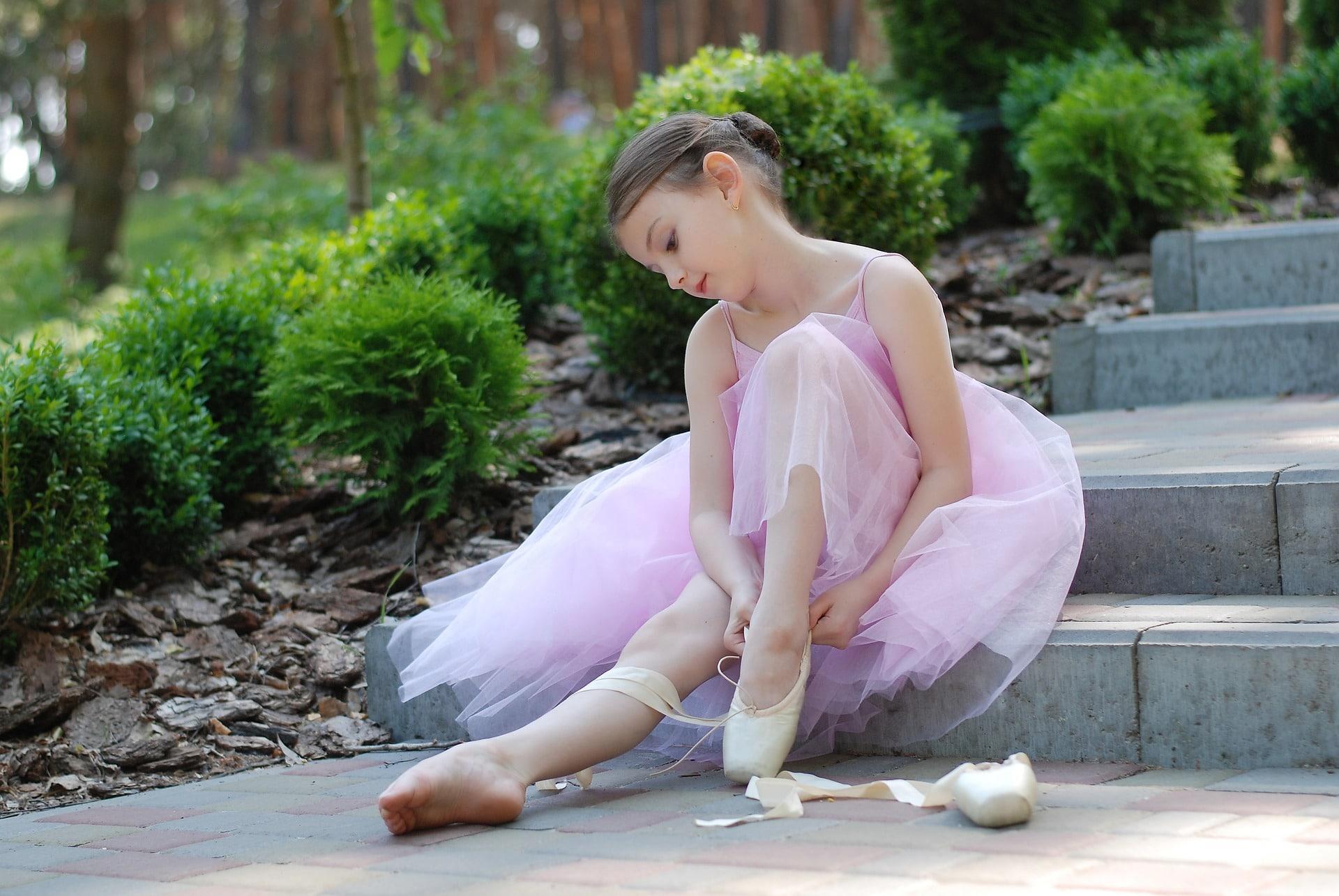
Beginners should ask their teacher which shoes they need before buying specialist footwear. Soft shoes and hard shoes serve different purposes, while approved designs and terminology can vary between schools and organisations.⁶ Correct fit and support matter more than choosing the most advanced or expensive model.
Learning and Competing in Irish Dance
You can learn Irish dance for fun, performance, or competitions. You'll typically start by learning about rhythm, posture and coordination before moving on to complete steps and more advanced routines. If you're competing, you can go from local feiseanna to major regional and international championships.¹
Learn
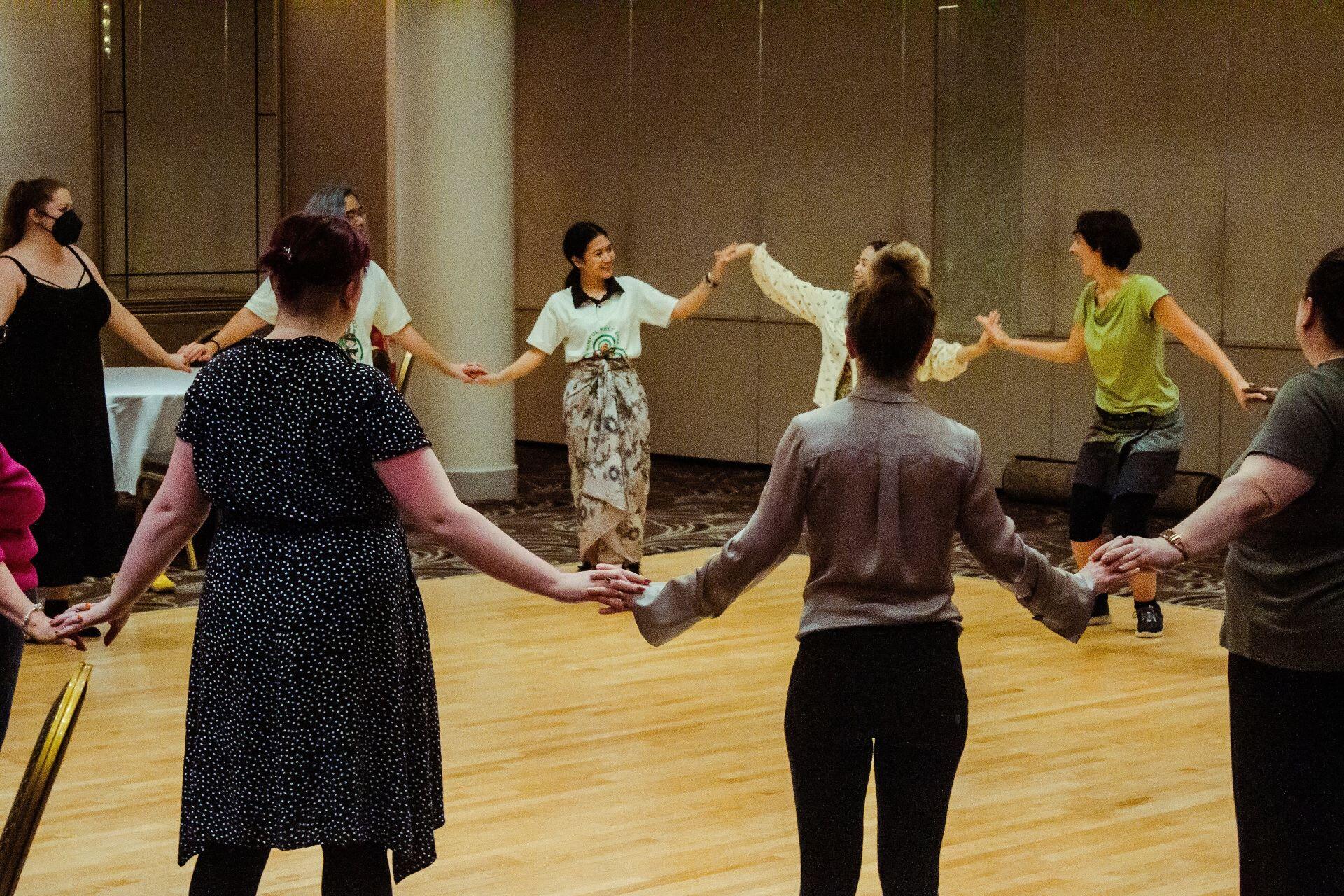
Beginners first develop rhythm, balance, posture and a small number of basic movements. These foundations allow dancers to build complete steps gradually rather than attempting advanced routines immediately.
Perform
Class demonstrations, school shows and céilithe give dancers opportunities to use their skills in front of others. Performing can build confidence without requiring a dancer to enter formal competition.
Compete
Dancers who wish to compete can progress from local feiseanna towards regional, national and international championships.¹ Competition remains optional, and recreational dancers can continue learning without following the competitive pathway.
Irish Dance in Popular Culture
The biggest moment for Irish dance in popular culture likely came through Riverdance at the 1994 Eurovision Song Contest in Dublin.¹⁰ The combination of music, precision and theatrical staging helped introduce stepdance to many audiences outside of Ireland for the first time.⁹ While the fervour surrounding Riverdance may have reduced to a simmer since then, Irish dance is still more popular now than it would have been without it.
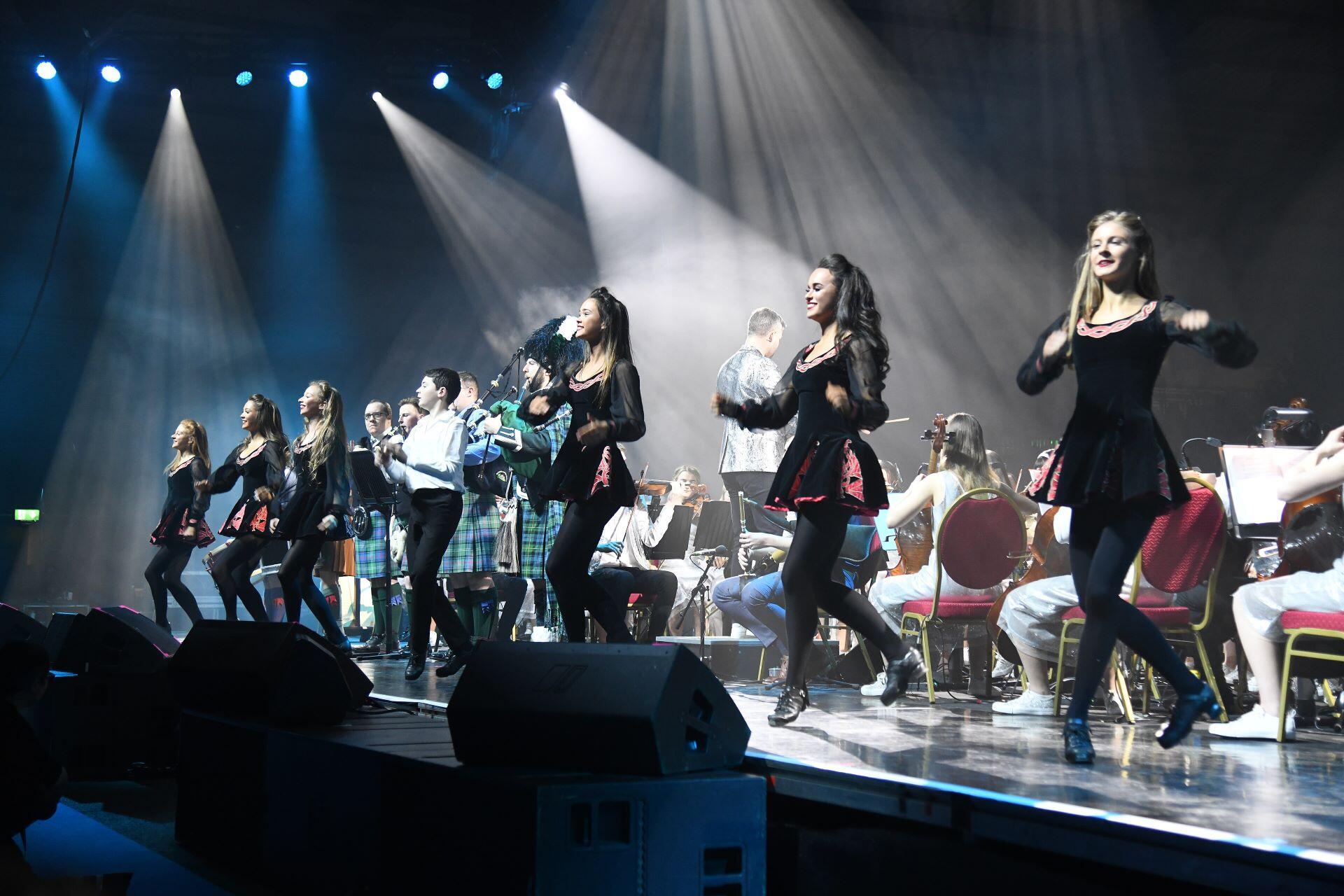
minutes before inspiring a full stage production.¹⁰
Getting Started with Irish Dancing
You don't need previous experience to get started. Find a suitable style and classes in your budget. Look for a supportive teacher to help you learn at a manageable pace.
1.
Choose a Style
Consider whether you are most interested in competitive stepdance, relaxed sean-nós dancing, social céilí dancing or traditional set dancing. Watching demonstrations or attending beginner sessions can help you understand how the styles differ.
2.
Find an Appropriate Class
Look for a teacher or dance school that welcomes beginners and offers the style you want to learn. Parents should also check the teacher’s qualifications, organisational affiliation and safeguarding procedures.
3.
Attend a Trial Lesson
A trial lesson lets you experience the teaching style, pace and atmosphere before committing to a course. It also allows the teacher to recommend the most suitable class and footwear.
4.
Wear Simple Practice Clothing
Comfortable clothing that allows free movement is usually sufficient for a first lesson. Ask the teacher before purchasing specialist soft shoes, hard shoes or competition clothing.
5.
Learn Rhythm Before Speed
Practise each movement slowly enough to maintain balance, timing and correct technique. Speed should increase gradually once the steps can be performed accurately with the music.
6.
Set an Achievable Goal
Your first goal might be to complete one reel step, learn a short routine or take part in a class céilí. Small and measurable goals make progress easier to recognise. Beginner workshops can also break sean-nós movements into manageable stages for new dancers.⁸
References
- An Coimisiún Le Rincí Gaelacha. “History of CLRG.” An Coimisiún Le Rincí Gaelacha, https://www.clrg.ie/history-of-clrg/. Accessed 18 Jul. 2026.
- Brennan, Helen. “Reinventing Tradition: The Boundaries of Irish Dance.” History Ireland, vol. 2, no. 2, Summer 1994, https://historyireland.com/reinventing-tradition-the-boundaries-of-irish-dance-by-helen-brennan/. Accessed 18 Jul. 2026.
- Carolan, Nicholas, and Treasa Harkin, curators. “Sean-Nós Dancers at the Frankie Kennedy Winter School, 2006.” Irish Traditional Music Archive, 1 June 2013, https://www.itma.ie/playlists/dancers-fkws-06-07/. Accessed 18 Jul. 2026.
- Comhaltas Ceoltóirí Éireann. “Irish Traditional Dancing.” Comhaltas Ceoltóirí Éireann, https://comhaltas.ie/irish-traditional-dancing/. Accessed 18 Jul. 2026.
- Festival Dance Teachers Association. “About Us.” Festival Dance Teachers Association, https://fdta.net/about-us/. Accessed 18 Jul. 2026.
- Irish Dancing Magazine. “Dance Shoe History.” Irish Dancing Magazine, 28 June 2020, https://www.irishdancing.com/resources/irish-dance-news/the-history-of-modern-irish-dance-shoes. Accessed 18 Jul. 2026.
- Irish Traditional Music Archive. “Instruments.” Irish Traditional Music Archive, https://www.itma.ie/explore/instruments/. Accessed 18 Jul. 2026.
- Linenhall Arts Centre. “Online Beginner Sean Nos Dance Workshop for Young People.” YouTube, https://www.youtube.com/watch?v=Avie6qeVZbc. Accessed 18 Jul. 2026.
- Riverdance. “Riverdance at the Eurovision Song Contest, 30 April 1994, Dublin.” YouTube, 29 Apr. 2014, https://www.youtube.com/watch?v=w0v_pu6miJ8. Accessed 18 Jul. 2026.
- Riverdance. “The Story Behind the 1994 Eurovision Interval Act.” Riverdance, 29 Apr. 2019, https://riverdance.com/blog/2019/04/29/the-story-behind-the-1994-eurovision-interval-act/. Accessed 18 Jul. 2026.
Summarise with AI:
Did you like this article? Leave a rating!

 Loading...