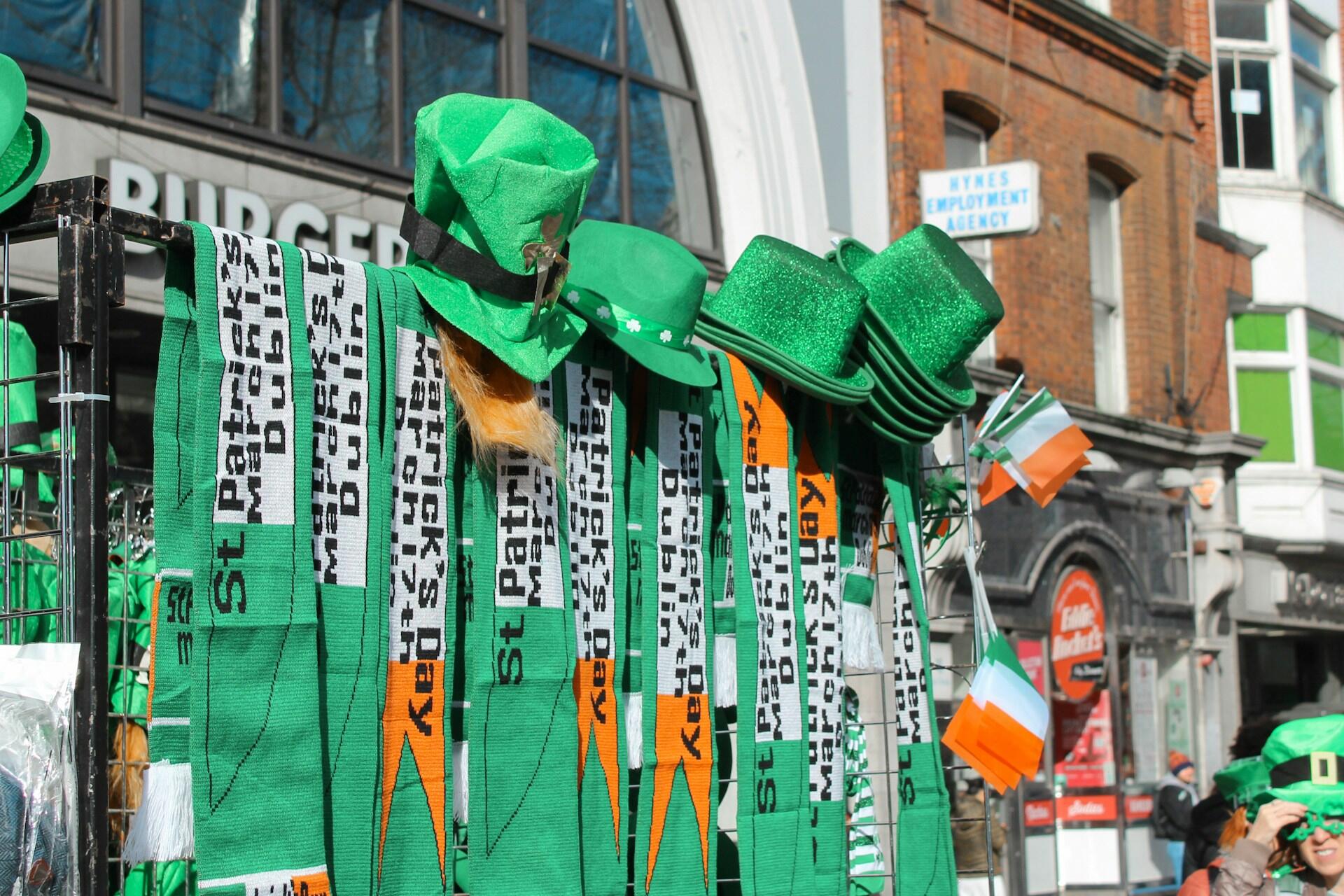

Go n-éirí an bóthar leat. / May the road rise to meet you.
Traditional Irish blessing
Irish holiday greetings are some of the language's most recognised expressions. Global celebrations like St. Patrick's Day make them more popular. Whether you're visiting Ireland, celebrating abroad, or learning the language, here are the expressions you can use to say things like Happy St. Patrick's Day.


How Do You Say Happy St Patrick’s Day in Irish?
So how exactly do you wish someone a happy St. Patrick's Day on March 17? The Irish version is the best way to do it, though you can also do it in English. The phrase may sound complicated at first, but you'll see that it follows the patterns of other Irish expressions if you've been studying other parts of the language.
The most common way to say happy St Patrick’s Day in Irishis Lá Fhéile Pádraig sona duit. You can change duit(to you, singular) to daoibh when speaking to a group. This phrase is widely used in Ireland during celebrations on March 17.
How to Pronounce “Lá Fhéile Pádraig” Correctly
countries worldwide.
Irish pronunciation can be tricky if you're new to the language and aren't familiar with any Irish words. Don't approach this from English. After all, Irish is its own language, with its own rules and pronunciation. The best way to do it is to listen and repeat.
Phonetic Breakdown

Common Pronunciation Mistakes
What Does “Lá Fhéile Pádraig” Mean?
Now you know how to say it, it's important you know what it means. Not only will this give you a better understanding of the expression, but it can also help you remember it more easily. As with pronunciation, break down the expression and learn the parts individually if it helps, especially for longer words like "congratulations" in Irish.
Word-by-Word Breakdown
Cultural Meaning Behind the Phrase
Essential Irish Holiday Greetings You Should Know
Don't just use the Irish language around St. Patrick's Day. There are plenty of other celebrations you can use Irish expressions for, such as wishing somebody a happy birthday. Let's start with some other ways to wish people well on St. Patrick's Day, and then we'll see some other holidays.
Happy St Patrick’s Day Variations
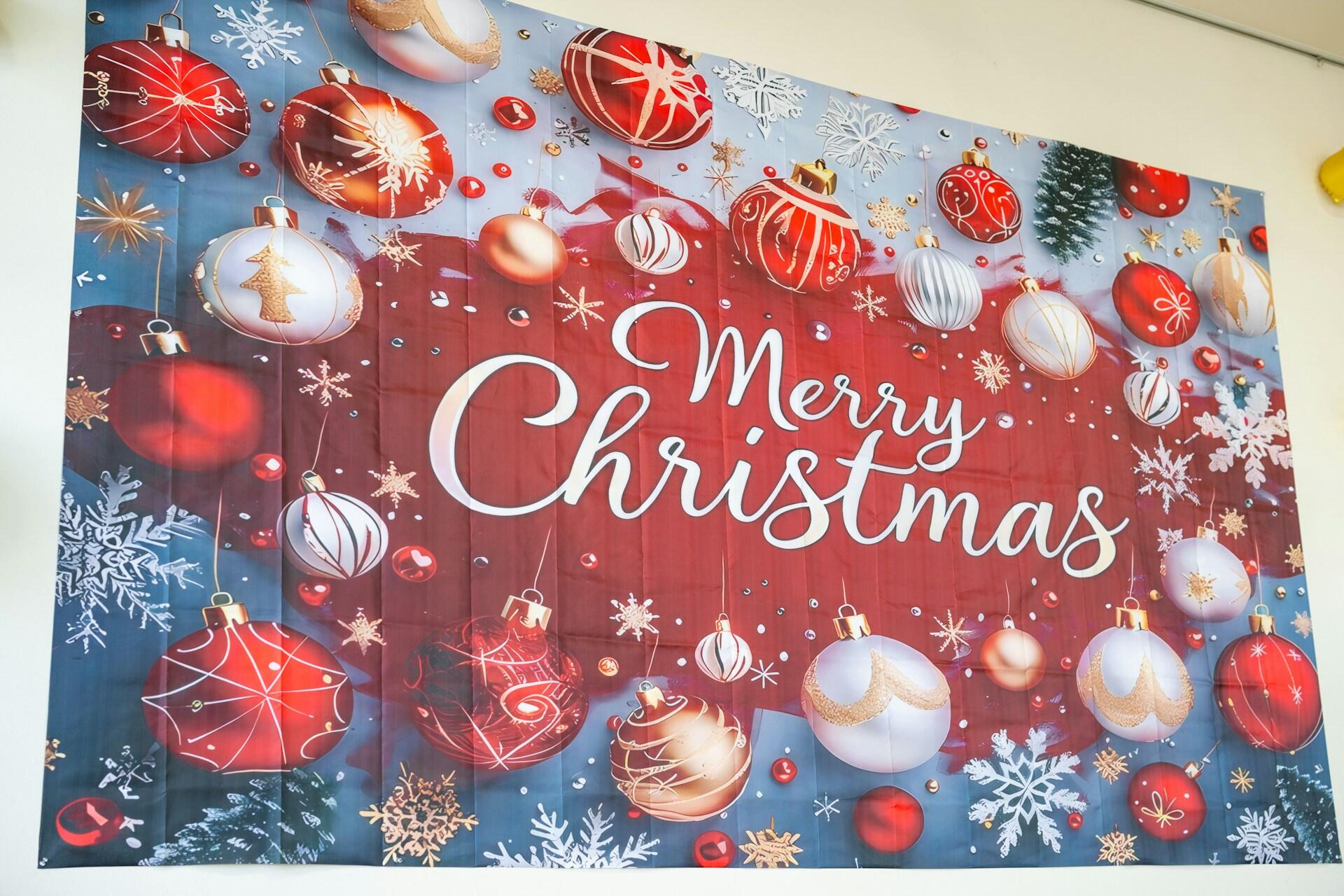
Merry Christmas in Irish (Nollaig Shona)
The word sonameans “happy” in Irish and appears in many holiday greetings. You’ll see it in phrases like Nollaig Shona (Merry Christmas) and Lá breithe sona duit (Happy Birthday). Learning this word helps you recognise and build many Irish celebration phrases.
Other Common Irish Holiday Wishes
Useful Irish Phrases for St Patrick’s Day Celebrations
If you feel confident expressing yourself appropriately across the various holidays of the calendar year, you can add some variation to your St. Patrick's Day expressions. Learning variants of common expressions stops your language skills from becoming stale and parrot-like while also helping you gain a deeper understanding of the language's structure. Here are a few more ways to make people happy on St. Patrick's Day.
Greetings for Friends and Family
Phrases for Cards, Messages, and Social Media

Traditional Irish Blessings (Beannachtaí)
Beannachtaí means “blessings” in Irish and is often used in traditional messages and greetings. Irish blessings are commonly shared during holidays, celebrations, and family gatherings. They often combine wishes for health, luck, and happiness.
When and How to Use Irish Holiday Phrases
As with any language, you should choose the right time to use your expressions in Irish, especially if you're telling somebody you love them in Irish. Not only do you have to use these expressions on the right day, but it's also important that you understand what context you're using them in. Formality can make a difference in Irish, and while most people will just be happy to hear you using the language, they'll appreciate it even more if you're accurately using it.
Formal vs Informal Situations
Public Celebrations and Events
Cultural Sensitivity and Authentic Use
Examples of St Patrick’s Day Phrases in Sentences
For any language, recognition and production are important. Even if you can't always produce the exact sentence or expression you want, it's good to study them so that they're in your passive memory. Here are some of the expressions you may hear or see around St. Patrick's Day.
Common Mistakes When Saying Happy St Patrick’s Day in Irish
It's unlikely you won't make mistakes learning Irish or wishing people a happy St. Patrick's Day. Don't worry too much about it. Instead, focus on practising regularly and avoiding some of these common mistakes.
The Cultural Importance of St Patrick’s Day in Ireland
Remember that St. Patrick's Day isn't just a holiday, it's a key part of Irish identity and heritage. The language, symbols, and traditions are all part of how it's celebrated and should be understood and respected. Remember what St. Patrick's Day is about and always use your phrases appropriately in the right context with cultural respect.
visitors each year.
Learn More Irish Phrases for Everyday Use
If you've enjoyed studying these expressions for St. Patrick's Day and other holidays, take your Irish a bit further. You can work with an Irish private tutor on Superprof to study the language. In the meantime, here are some useful expressions you can use every day!
Summarise with AI:
Did you like this article? Leave a rating!

 Loading...