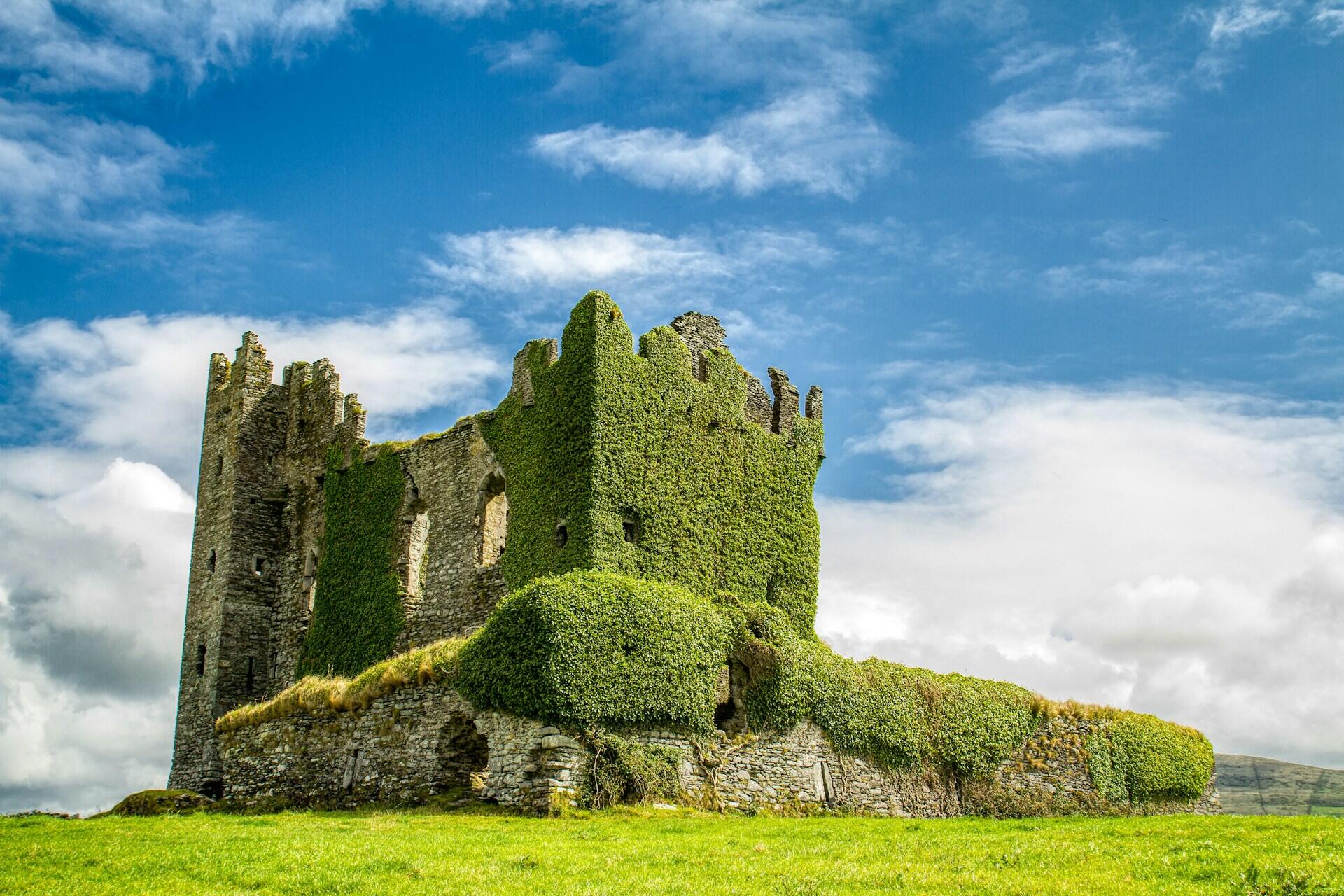

Being Irish, he had an abiding sense of tragedy, which sustained him through temporary periods of joy.
W.B. Yeats
Ireland has a history that stretches back thousands of years. Each century leaves behind its own story, people, and culture. History isn't just a list of bullet points; it's a narrative, and Ireland's history is an ongoing timeline, punctuated by significant events.
| Event | Date/Period | Key Figures | Significance |
|---|---|---|---|
| Celtic Arrival | ~6th century BC | Queen Maeve, Cúchulainn (legendary) | Brought Celtic culture, language, art, and Ogham writing system. |
| Arrival of Christianity | 5th century | St. Patrick, St. Brigid | Converted Ireland, founded monasteries, shaped Irish culture and religion. |
| Norman Invasion | 1169–1171 | Strongbow, Henry II | Introduced castles, English rule, and reshaped Irish society. |
| Tudor Conquest & Plantations | 16th–17th centuries | Grace O’Malley, Hugh O’Neill | English consolidation, Ulster Plantation, major wars and rebellions. |
| Easter Rising | 1916 | Patrick Pearse, James Connolly | Failed rebellion but sparked momentum for independence. |
| War of Independence | 1919–1921 | Michael Collins | Led to Anglo-Irish Treaty and creation of the Irish Free State. |
| The Troubles | 1969–1998 | Bobby Sands, various IRA & political leaders | Violent conflict in Northern Ireland, 3,600+ deaths, ended with Good Friday Agreement. |
| Good Friday Agreement | 1998 | John Hume, David Trimble, British & Irish governments | Established peace and power-sharing in Northern Ireland. |


The Irish History Timeline
The Island of Ireland is one place that is known for its rich history. For such a small nation, Ireland has undoubtedly left its mark on world history. Whether it's Irish food, drink, or music, Ireland's influence is evident in many places around the world. Irish history dates as early as 8000 BC when Mesolithic hunter-gatherers are said to have migrated to the island. The country has witnessed several significant events that have shaped its culture and traditions. From the arrival of Christianity to the Easter Rising of 1916, Ireland's history is marked by numerous famous Irish individuals who have made their mark on the world.
If you are interested in delving into Irish history, then you have come to the right place. You don’t have to be a history student taking the subject as part of your junior or leaving certificate course to want to learn more about Ireland. Although it should certainly motivate you to hear that you can, of course, rely on a high mark if you have an in-depth understanding of some of the events we will cover later.
- The coming of the gospel to Ireland.
- The arrival of Henry Plantagenet in Ireland.
- The Plantation of Ulster.
- The sack of Drogheda.
- The Battle of Aughrim.
- An Argument on Behalf of the Catholics of Ireland.
We'll see the most notable and influential periods in Irish history and their impact on the country's heritage. Your reading should serve as a great starting point if you want to learn more about the beautiful island. To explore further, consider visiting the numerous historical landmarks on this small island.
Early Irish History
Ireland's early history was marked by a period of significant migration. This brought with it new cultural traditions and distinctive local identities. These centuries laid the foundations of what would become Ireland's native culture, encompassing its language, religion, and society. What many consider quintessentially Irish primarily originates from this time period.
Looking at the Celtic Era in Ireland
The Celtic era in Ireland dates back to the 6th century BC. The Celts arrived in Ireland from central Europe, bringing with them their language, beliefs, and customs. The Celts were renowned for their art, music, and a deep-seated love of warfare. The Celts' influence on Ireland is still evident today in the country's traditions and culture.
Queen Maeve is one of the well-known Irish figures from the Celtic era. She was the warrior queen of the Irish province of Connacht. For her courage and her part in the famous epic Táin Bó Cailnge, Queen Maeve is renowned. (The Cattle Raid of Cooley). The narrative describes a conflict between Queen Maeve's army and Cuchulainn's Ulster army.
The Ogham writing system, used to write the Irish language, was also developed by the Celts. You may have seen this form of writing without even knowing. These decorative carvings even have their own alphabet. An ancient writing system called Ogham is made out of a pattern of lines and notches engraved into wood or stone. Ireland continues to use the Ogham script, which is regarded as one of the nation's most valuable cultural assets. Try writing your own name using the Ogham alphabet!
The Arrival of Christianity in Ireland
In the 5th century, Christianity arrived in Ireland, bringing with it the famous Irish saints St. Patrick and St. Brigid. St. Patrick is best known for his role in converting the Irish people to Christianity. He used the shamrock to explain the concept of the Holy Trinity to the Irish people. St. Patrick's Day, a national holiday in Ireland, is celebrated every year on March 17th in honour of St. Patrick.
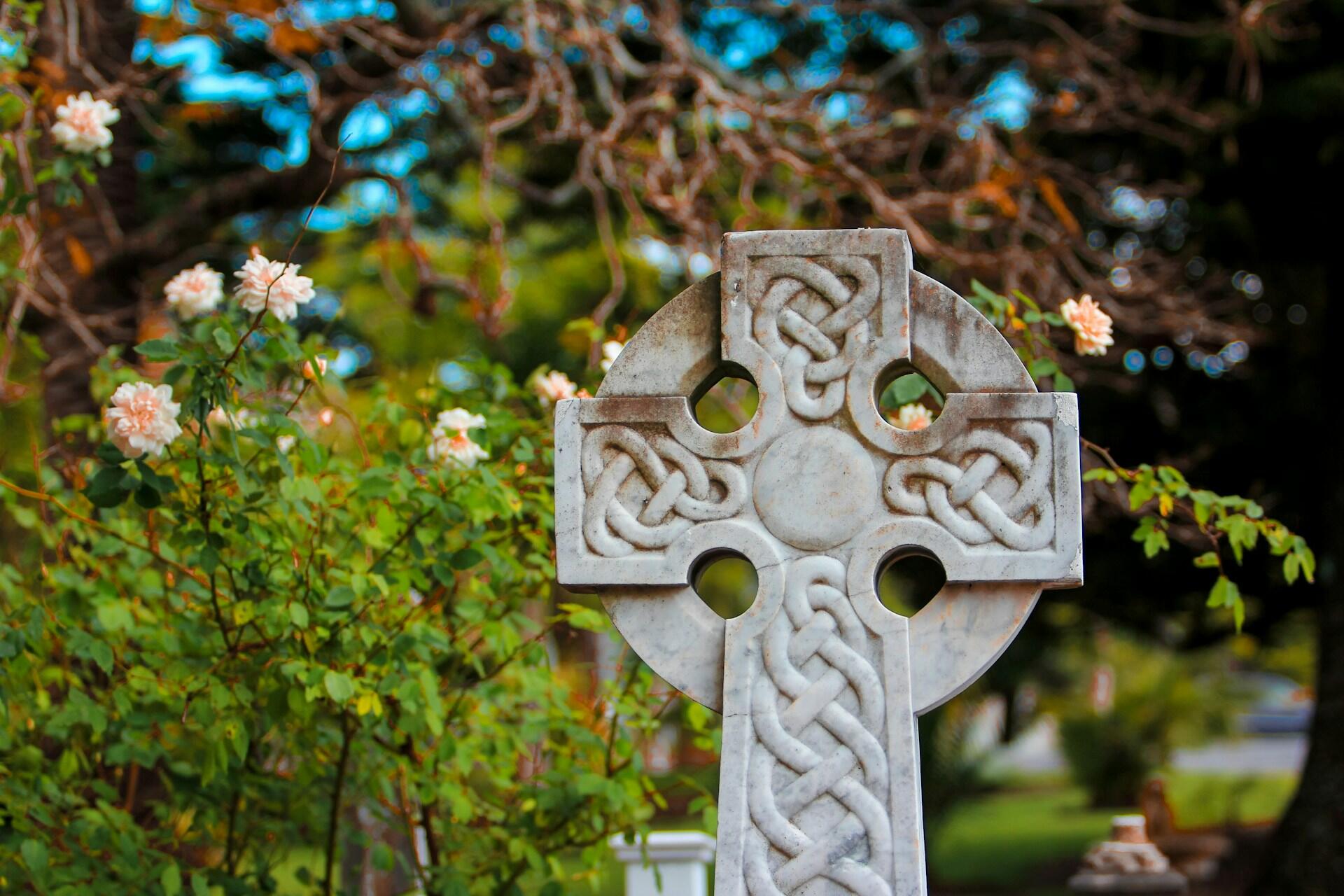
St. Brigid, on the other hand, is renowned for her dedication to serving the poor and the sick. She founded several monasteries in Ireland, and her legacy remains visible today in the country's art and literature. St. Brigid's Day is celebrated on February 1, marking the beginning of spring in Ireland.
The arrival of Christianity in Ireland also led to the construction of several churches and monasteries, including the famous monastery at Clonmacnoise. The monastery was founded in the 6th century and was a centre of learning and scholarship for several centuries. There are a handful of pivotal moments that have significantly changed Irish history.
Medieval Ireland and the Norman Invasion
Medieval Ireland was a period where power shifted. Local kings, Viking settlers, and Norman invaders all left their marks on the island. These conquests would also set the stage for English influence, which would lead to centuries of political tension.
The Norman Invasion of Ireland
In the 12th century, the Normans invaded Ireland, marking the beginning of a new era in Irish history. The Normans, led by Strongbow, an English nobleman, quickly established themselves in Ireland. The Normans introduced new technologies and customs, including the construction of castles and the use of the English language.
One of the famous Irish people from the Norman era is Brian Boru. He was a High King of Ireland who led the Irish army to victory against the Vikings at the Battle of Clontarf in 1014. Brian Boru is regarded as a national hero in Ireland, and his legacy remains evident today in the country's art and literature.
The Norman invasion of Ireland also led to the establishment of English rule in the country, which lasted for several centuries. The English language and culture had a profound impact on Ireland, leading to several conflicts between the Irish and the English.
The Tudor Conquest of Ireland
In the 16th century, the Tudors conquered Ireland. The Tudors introduced new laws and customs, including the establishment of the Church of Ireland and the introduction of the English language.
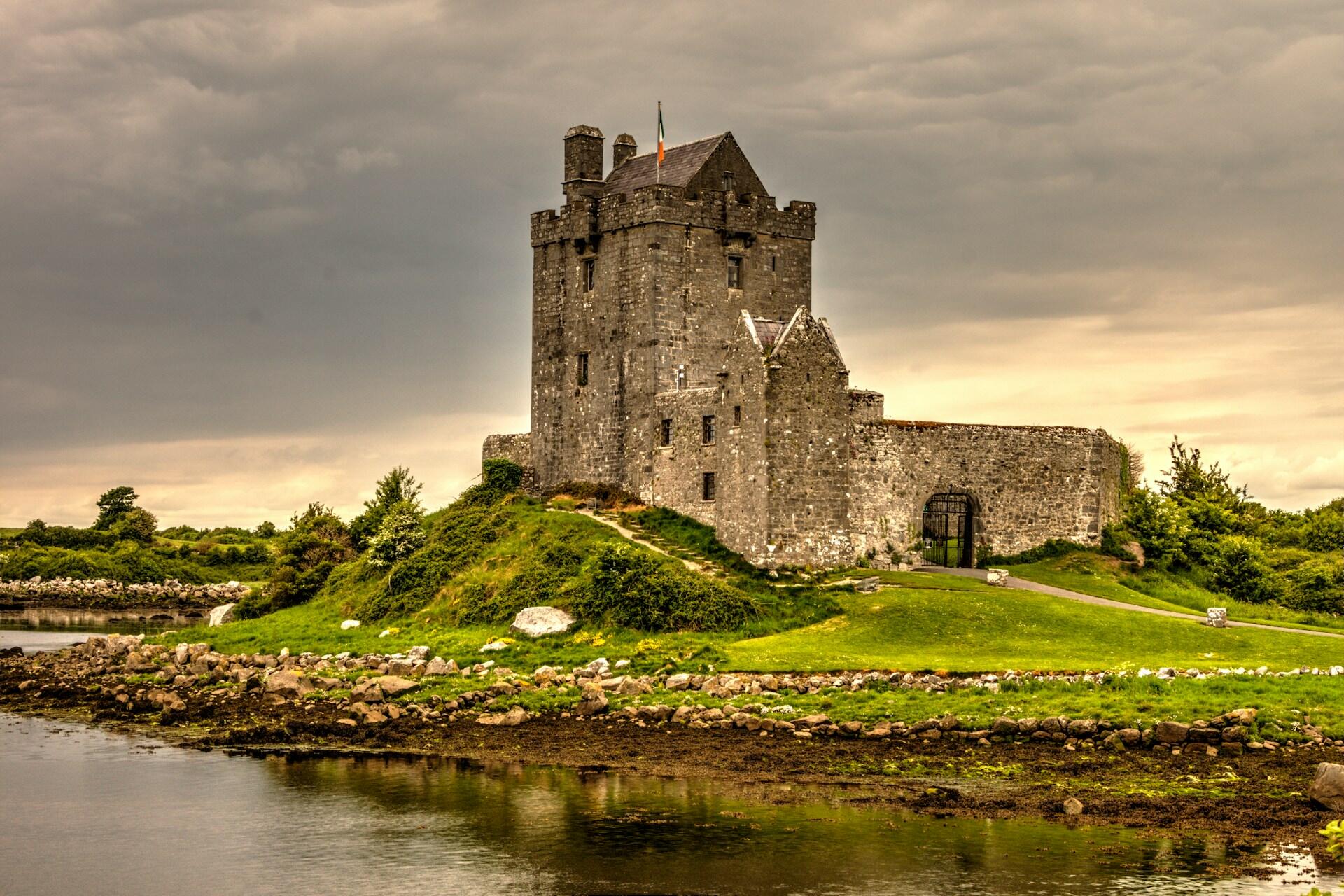
One of the famous Irish people from the Tudor era is Grace O'Malley, also known as the Pirate Queen of Ireland. She was an influential leader who controlled several ships and used them to trade with other countries. Grace O'Malley is regarded as a national hero in Ireland, and her legacy remains evident today in the country's art and literature. The Tudor conquest of Ireland also led to several conflicts between the Irish and the English, including the Nine Years' War. The war, which lasted from 1593 to 1603, was a significant event in Irish history.
One of the most defining historical events of the 17th century was the Plantation of Ulster, in which English and Scottish settlers were granted confiscated Irish land. This changed the population, culture, and politics of Northern Ireland, laying the foundations for centuries of conflict between Protestant colonists and the native Catholic population.
Revolutionary Movements and Rebellions
From the 16th century onwards, Ireland was regularly the site of resistance and rebellion against English control. The push for independence lasted many centuries, and although there would be hundreds of years of largely unsuccessful uprisings and the Great Famine, the 20th century would see some of Ireland's most significant and final steps towards independence.
What Happened in the Easter Rising of 1916
In 1916, a group of Irish nationalists staged a rebellion against the British government. The uprising, known as the Easter Rising, lasted for six days and was a significant event in Irish history. The rebels declared an Irish Republic and took control of several buildings in Dublin. One of the most famous Irish people associated with the Easter Rising is Patrick Pearse. Pearse was one of the rebellion's leaders and was put to death by the British authorities. Ireland reveres Patrick Pearse as a national hero, and the country's literary and visual arts continue to honour him. The Easter Rising sparked several wars, notably the Irish War of Independence, between the Irish and the British.
The Easter Rising of 1916 is one of the most significant events in Irish history. It was a week-long rebellion in Dublin, led by Irish republicans who declared an independent Irish Republic. Although suppressed by the British, the Rising ignited public support that eventually fueled the Irish War of Independence.
Learning about The War of Independence
From 1919 to 1921, the Irish War of Independence occurred, marking a pivotal moment in Irish history. The Irish Republican Army (IRA) and the British government engaged in a war that would determine the freedom of the island from British rule. Michael Collins, an illustrious Irishman from the conflict, served as the leader of the IRA. This is a name that you will have heard of if you have ever spent some time in Ireland. He is perhaps one of the most celebrated figures in Irish history.
Michael Collins, a key combatant in the Irish War of Independence, played a pivotal role in negotiating the Anglo-Irish Treaty, which ultimately led to the establishment of the Irish Free State in 1922. The treaty, however, was also responsible for the partition of Ireland, the creation of Northern Ireland, and several disagreements between the British and the Irish.
Conflict and Resolution in Northern Ireland
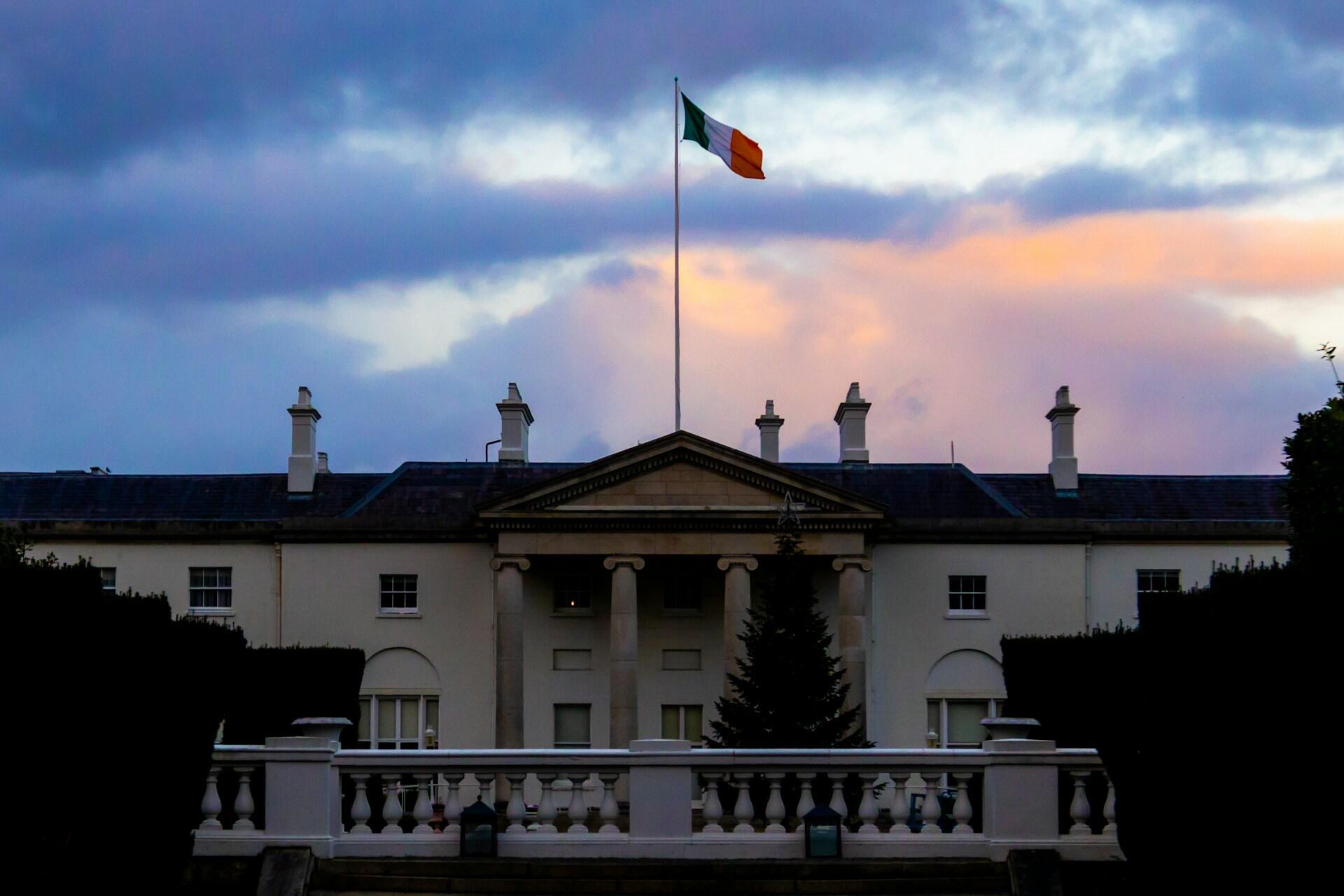
The political divisions in 20th-century Ireland culminated in conflict in the north. A period of Irish history that can't be ignored, The Troubles and the Good Friday Agreement are key to understanding contemporary Ireland.
Taking a look at The Troubles
A pivotal episode in Irish history, the Troubles in Northern Ireland spanned from the late 1960s to 1998. The Irish Republican Army (IRA) and the British government were at odds throughout the Troubles. The conflict led to several bombings and shootings, and it caused the deaths of over 3,600 people.
lives.
One of the famous Irish people from the Troubles is Bobby Sands. He was a member of the IRA and was imprisoned for his involvement in the conflict. Bobby Sands went on a hunger strike in prison, and his death in 1981 led to several protests and demonstrations in Ireland and around the world.
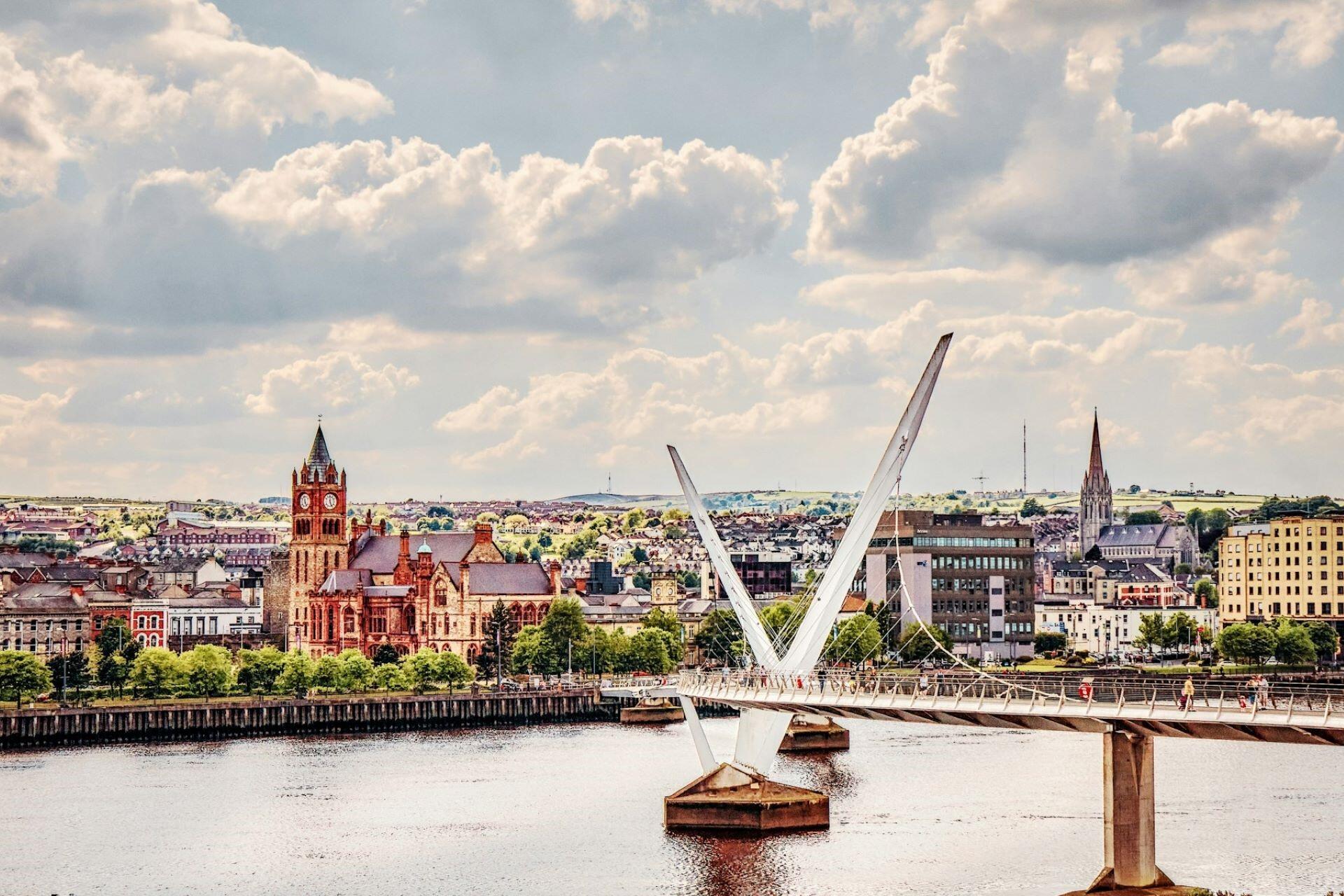
The Good Friday Agreement
The Good Friday Agreement, which established a power-sharing administration in Northern Ireland and is extensively covered in Irish history books, put an end to the Troubles in Northern Ireland.
The Good Friday Agreement ended three decades of violence known as the Troubles. Signed in April 1998, it created a power-sharing government in Northern Ireland and marked a turning point in Irish history. Today, it remains one of the most crucial peace accords in modern Europe.
The Importance of Irish History and Leaving Cert Textbooks
Irish history is a vital component of the country's heritage and culture. It is taught in schools and universities, and it is an essential component of the Leaving Certificate exam. Leaving Cert textbooks cover several topics from Irish history, including the Easter Rising, the Irish War of Independence, and the Troubles in Northern Ireland.
Students may grasp the historical events that moulded Ireland into the nation it is now, as well as the culture and customs of the island nation, by studying Irish history. It is essential to understand history, as it provides an explanation for our current relations with other countries and the trade agreements we have in place today.
The number of famous Irish personalities who have left their imprint on the world is indeed plentiful. Ireland's history is extensive and diverse, spanning the Celtic period and the Troubles in Northern Ireland.
Understanding Irish culture and customs, as well as appreciating the events that shaped Ireland into the nation it is today, can be accomplished by studying the country's history. Start learning about some of the most famous people in Irish history, and learn as you explore the island and its past.
Another great way to learn about Irish history from the War of Independence to contemporary Ireland is to delve into its literature! Ireland has a rich and proud literary heritage. Search 'history of Ireland timeline' on YouTube and find an introductory video on the island like this.
Summarise with AI:
Did you like this article? Leave a rating!


 Loading...