
Crochet is a great craft if you're looking for something new. With just a few tools and basic projects, you can get started very quickly. From there, you can start making scarves, dishcloths, blankets, bags, decorations and gifts. Here's how you can make crochet your new favourite hobby.
Key Takeaways
- Crochet beginners only need a hook, yarn, scissors, stitch markers and a yarn needle to start.
- Smooth, light-coloured yarn makes it easier to see loops, count rows and fix mistakes.
- The first techniques to learn are the slip knot, foundation chain, basic stitches and turning at the end of a row.
- UK and US crochet terms can describe different stitches, so beginners should always check the pattern key.
- Simple projects like scarves and dishcloths are ideal because they help beginners practise tension, counting and neat edges.


Understanding Crochet
Crochet is a yarn craft. It's a great new hobby for beginners because you need a hook, yarn, and some basic movements. In some ways, it's simpler than knitting as you usually work one stitch at a time.
Crochet is not just a modern online craft trend. Irish crochet lace became strongly associated with Ireland in the nineteenth century, especially through fine cotton motifs joined with a lace background. This gives the article a local angle while keeping the main focus on how to crochet for beginners.⁹
What Is Crochet?
- Crochet uses one hook to pull loops of yarn through other loops.
- It can create flat fabric, textured patterns, lace effects, toys, blankets, clothes and accessories.
- It differs from knitting in that most crochet stitches are worked one at a time rather than held together on a needle.
Benefits of Learning Crochet
- Crochet can be calming because the repeated stitch movements create a steady rhythm.
- A study on crochet and wellbeing found that many respondents associated crochet with calmness, creativity and a sense of accomplishment.²
- It gives beginners a creative way to make scarves, dishcloths, bags, blankets and gifts.
- It's portable, so you can practise at home, while travelling or during quiet moments in the day.
- It can become social through classes, local groups, online communities or one-to-one crochet lessons.
tonnes of textile waste each year.⁷
Essential Tools and Materials
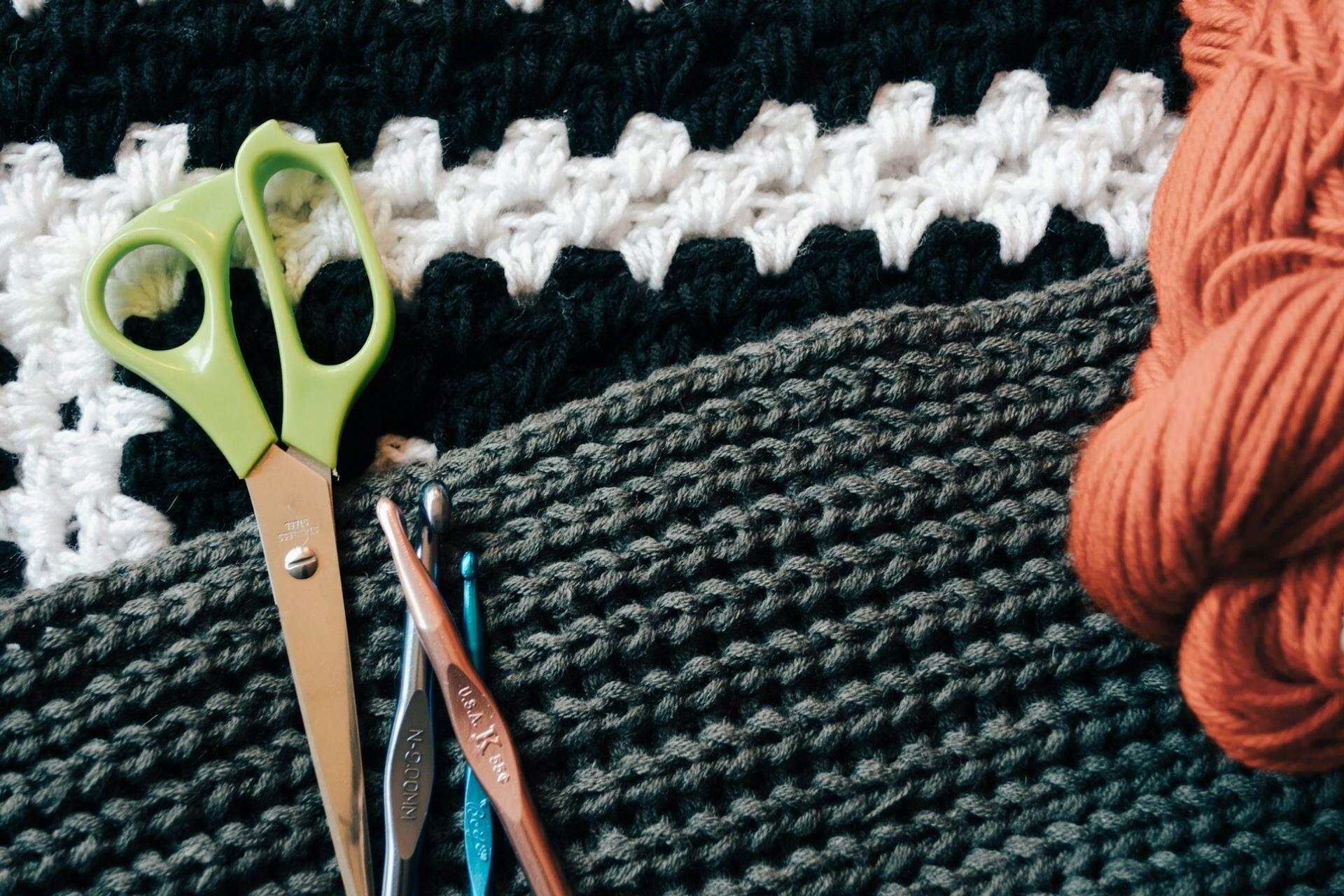
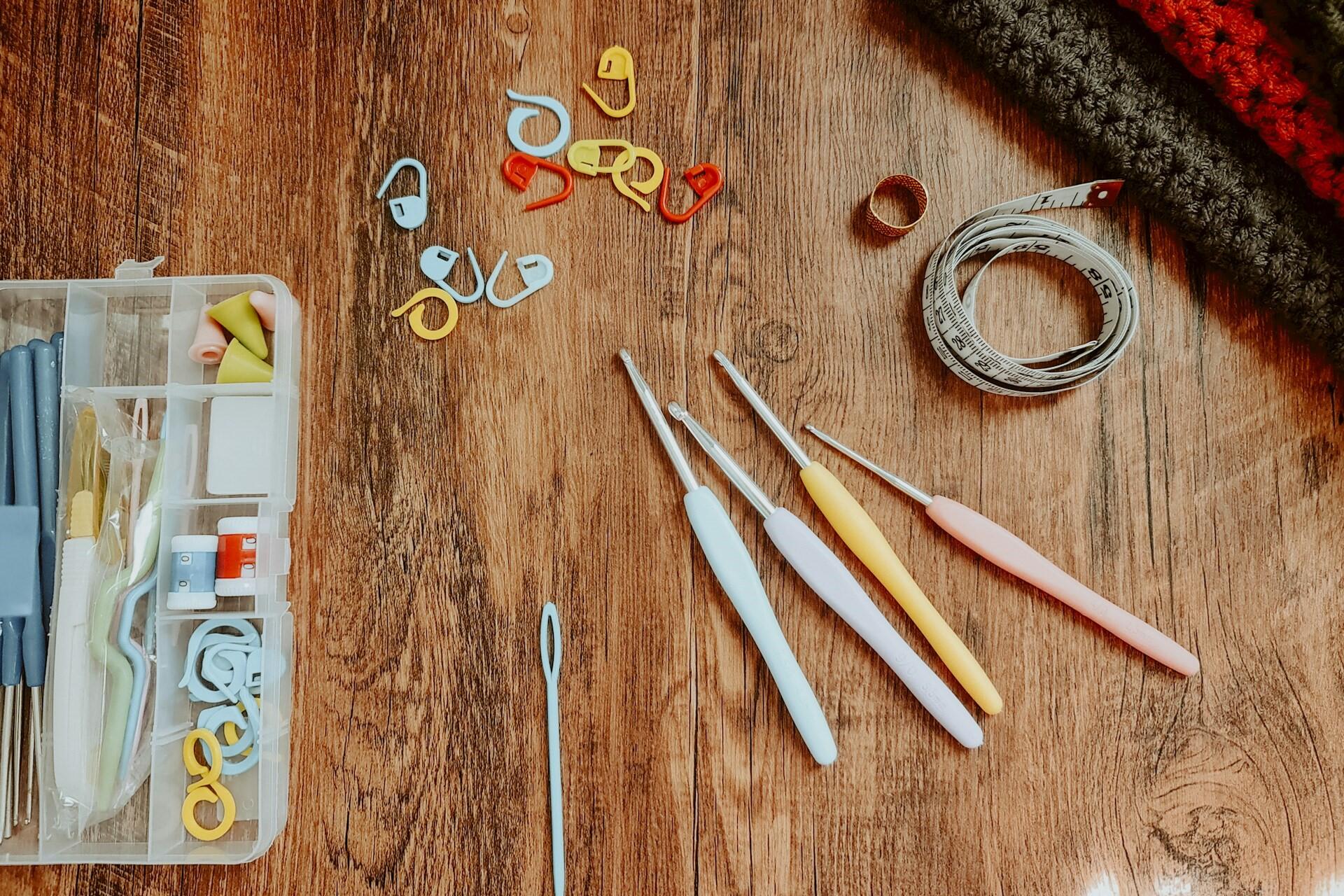
Crochet doesn't require a lot. The crochet matierals you'll need are a hook, beginner-friendly yarn, scissors, and a needle. Start by choosing materials that make stitches easy to see, count, and undo.
categories, from very fine lace yarn to jumbo yarn.⁶
Choosing the Right Yarn
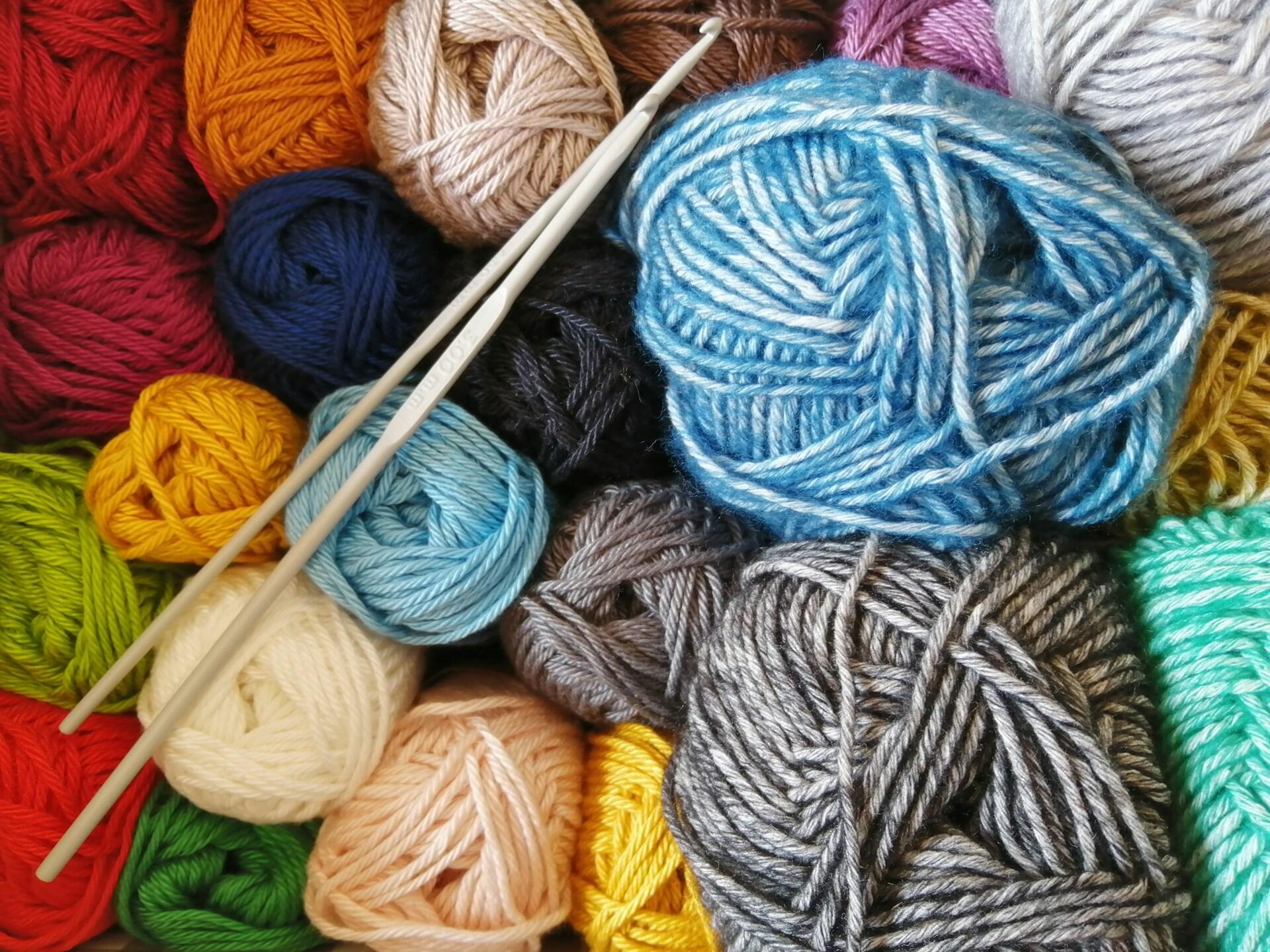
- Choose a smooth yarn so the hook can pass through the loops easily.
- Start with a light or medium colour so each stitch is visible.
- Avoid fluffy novelty yarn until you can confidently recognise basic stitches.
- Check the yarn label for the recommended hook size before buying.
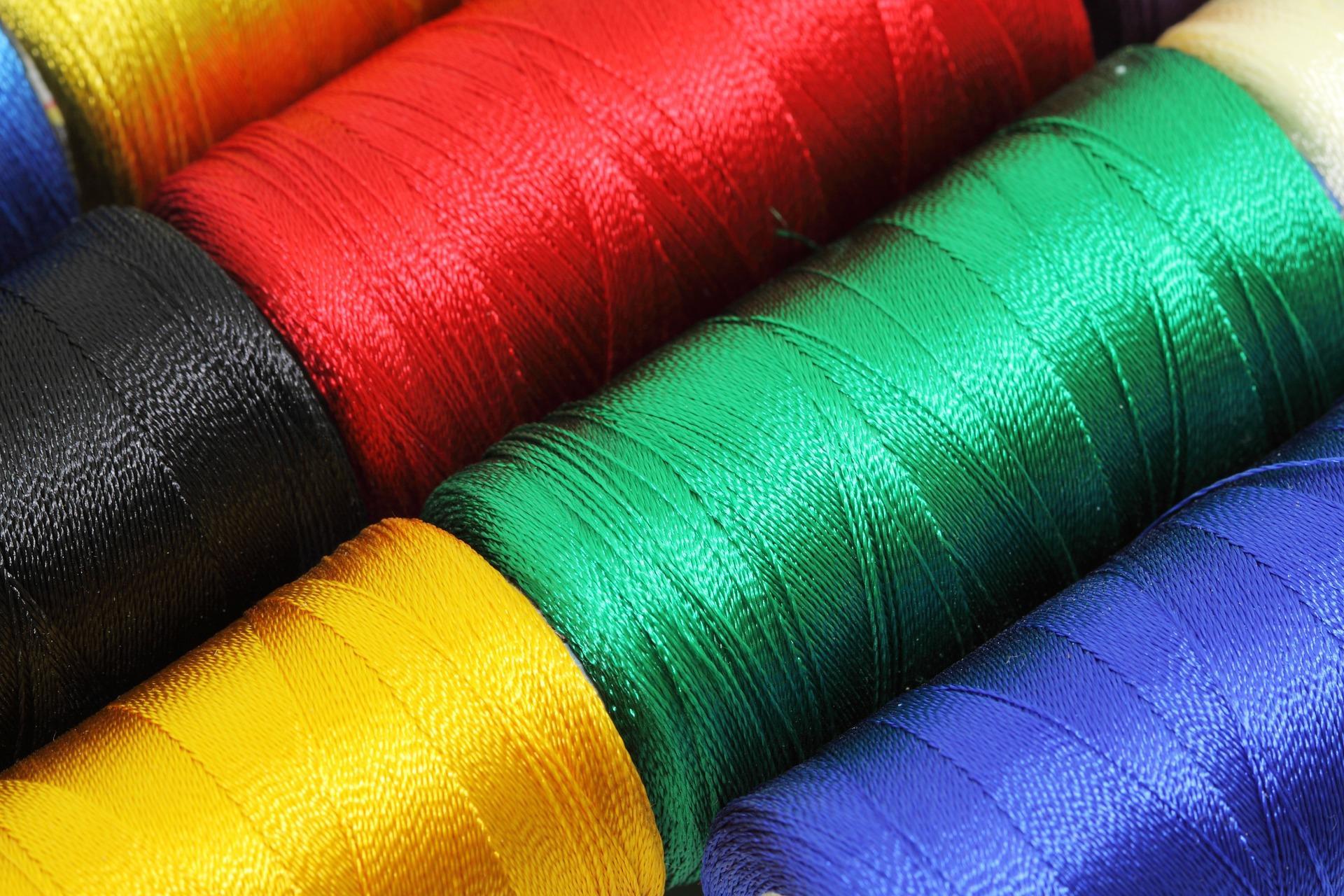
Beginners should avoid very fluffy, dark or slippery yarn for their first crochet project. A smooth, light-coloured DK or aran yarn makes it easier to see each loop, count each row and spot mistakes before they become frustrating. The Craft Yarn Council’s yarn weight system can help learners understand why medium-weight yarns are often easier for beginners than very fine or very bulky options.⁶
Selecting the Appropriate Crochet Hook
- Match the hook size to the yarn label so the stitches are not too tight or too loose.⁴
- Start with a mid-sized hook if you are practising basic crochet stitches for the first time.
- Try an ergonomic handle if your hand gets tired quickly.
- Avoid very small hooks at first because they are harder to control with beginner yarn.
Additional Accessories
- Scissors for cutting yarn cleanly at the end of a row or project.
- Stitch markers for marking the first or last stitch in a row.
- A yarn needle for weaving in ends neatly.
- A tape measure for checking scarf length, dishcloth size or gauge.
- A small bag or pouch for keeping hooks, yarn and accessories together.
Fundamental Crochet Techniques
Start your foray into crochet with basic techniques by following tutorials. Basic techniques can be built upon. For example, a slip knot can start the work and a foundation chain is used for basic stitches.
Making a Slip Knot
- Make a loop with the yarn, leaving a short tail end.
- Pull the working yarn through the loop to create a knot that can tighten and loosen.
- Place the loop on the hook and adjust it so it moves smoothly.
- Keep the knot secure, but not so tight that the hook cannot move.
Creating a Foundation Chain
- Hold the hook in your dominant hand and the yarn in the other hand.
- Yarn over by wrapping the yarn around the hook.
- Pull the yarn through the loop already on the hook.
- Repeat slowly and count each chain so the foundation does not become too short or too long.
Basic Crochet Stitches
- Slip stitch is useful for joining, edging and moving across stitches without adding height.
- UK double crochet is a short, firm stitch that works well for dishcloths and practice squares.
- UK treble crochet is taller and creates a looser fabric for scarves, blankets and granny squares.
- Always check whether a tutorial uses UK or US crochet terms before copying the stitch names.⁸
Reading Crochet Patterns
Crochet patterns use abbreviations, row numbers, repeats, and stitch counts to explain how to crochet certain projects. Learn the common terms, and it's much easier. Don't memorise every abbreviation immediately; this isn't a test. However, you should learn how to check a pattern key before starting.³
Understanding Crochet Abbreviations
- Read the abbreviations key before you begin the project.
- Check whether the pattern is written in UK or US crochet terms.
- Keep a small note of the most common terms beside you while practising.
Crochet terms can change depending on whether a pattern uses UK or US terminology. A UK double crochet is the same basic stitch as a US single crochet, while a UK treble crochet is a US double crochet. Beginners should check the pattern key before starting so they do not accidentally make every stitch taller or shorter than intended.⁸
| Abbreviation | UK Term | US Equivalent | What It Means | Beginner Tip |
|---|---|---|---|---|
| ch | Chain | Chain | A row of loops that often starts a crochet project | Count chains slowly before starting the first row |
| sl st | Slip stitch | Slip stitch | A short stitch often used for joining or moving across stitches | Keep it loose so the edge does not tighten |
| dc | Double crochet | Single crochet | A compact basic stitch used in many beginner projects | Check whether your pattern uses UK or US terms |
| htr | Half treble crochet | Half double crochet | A medium-height stitch between double and treble crochet | Useful when you want a softer more flexible fabric |
| tr | Treble crochet | Double crochet | A taller stitch often used in scarves blankets and granny squares | Keep the yarn-over steps slow at first |
| inc | Increase | Increase | Making extra stitches to widen the work | Use a stitch marker if you are shaping a project |
| dec | Decrease | Decrease | Combining stitches to narrow the work | Work slowly so you do not skip the wrong stitch |
| rep | Repeat | Repeat | Follow the same instruction again | Read the whole repeat before starting it |
| RS | Right side | Right side | The front or public-facing side of the work | Mark it if both sides look similar |
| WS | Wrong side | Wrong side | The back or inside-facing side of the work | Useful when following garment or textured patterns |
Deciphering Pattern Instructions
- Read the whole pattern once before picking up your hook.⁵
- Look for the stitch count at the end of each row to check your work.
- Watch for brackets, asterisks or repeated instructions before starting a section.
- Mark completed rows with a pencil, a counter, or a phone note, so you don't lose your place.
Beginner-Friendly Crochet Projects
The worst way to start a new hobby is by running before you can walk. When it comes to crochet, look for beginner-friendly projects. Here are a couple of ideas.
Simple Scarf
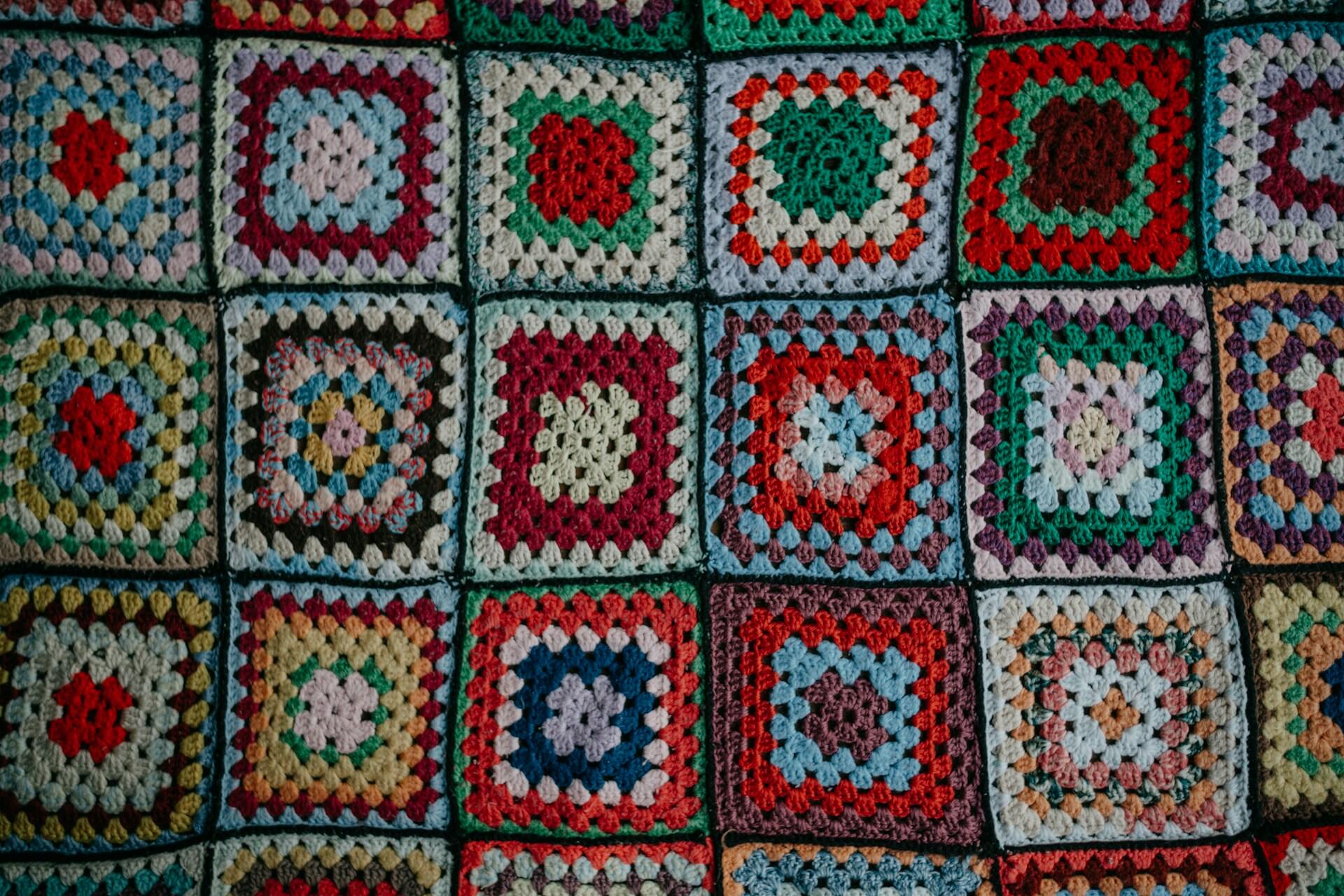
- Choose a soft, medium-weight yarn that feels comfortable against the skin.
- Use one basic stitch throughout so you can focus on even rows.
- Make the scarf narrow at first if you want a quicker beginner project.
Easy Dishcloth
- Use cotton yarn because it is absorbent and suitable for practical household items.
- Practise neat edges by counting the first and last stitch in every row.
- Keep the project small so you can finish it quickly and learn from the result.
Troubleshooting Common Crochet Mistakes
You'll make mistakes. Don't worry about it. Generally, tension, missed stitches, or tight chains are common beginner problems. Luckily, crochet makes undoing mistakes quite easy.
Uneven Tension
- Slow down and focus on keeping the yarn moving through your fingers at the same pace.
- Check whether your starting chain is much tighter than the rows above it.
- Practise a small square before starting a full project so your hands can settle into the movement.
Missed Stitches
- Count stitches at the end of each row until the pattern feels familiar.
- Place stitch markers in the first and last stitch to keep the edges straight.
- If the project starts narrowing suddenly, undo the row and check where the missing stitch happened.
Advancing Your Crochet Skills
Once you get comfortable with the basics, you can move on to more advanced skills. From simple rows, you can move on to new stitches, shaped projects, colour changes, granny squares and working in the round. If you're enjoying crochet, take it to the next level with support.
Exploring New Stitches
- Try half treble crochet when you want a stitch between double and treble height.
- Practise treble crochet if you want looser fabric for scarves, shawls or blankets.
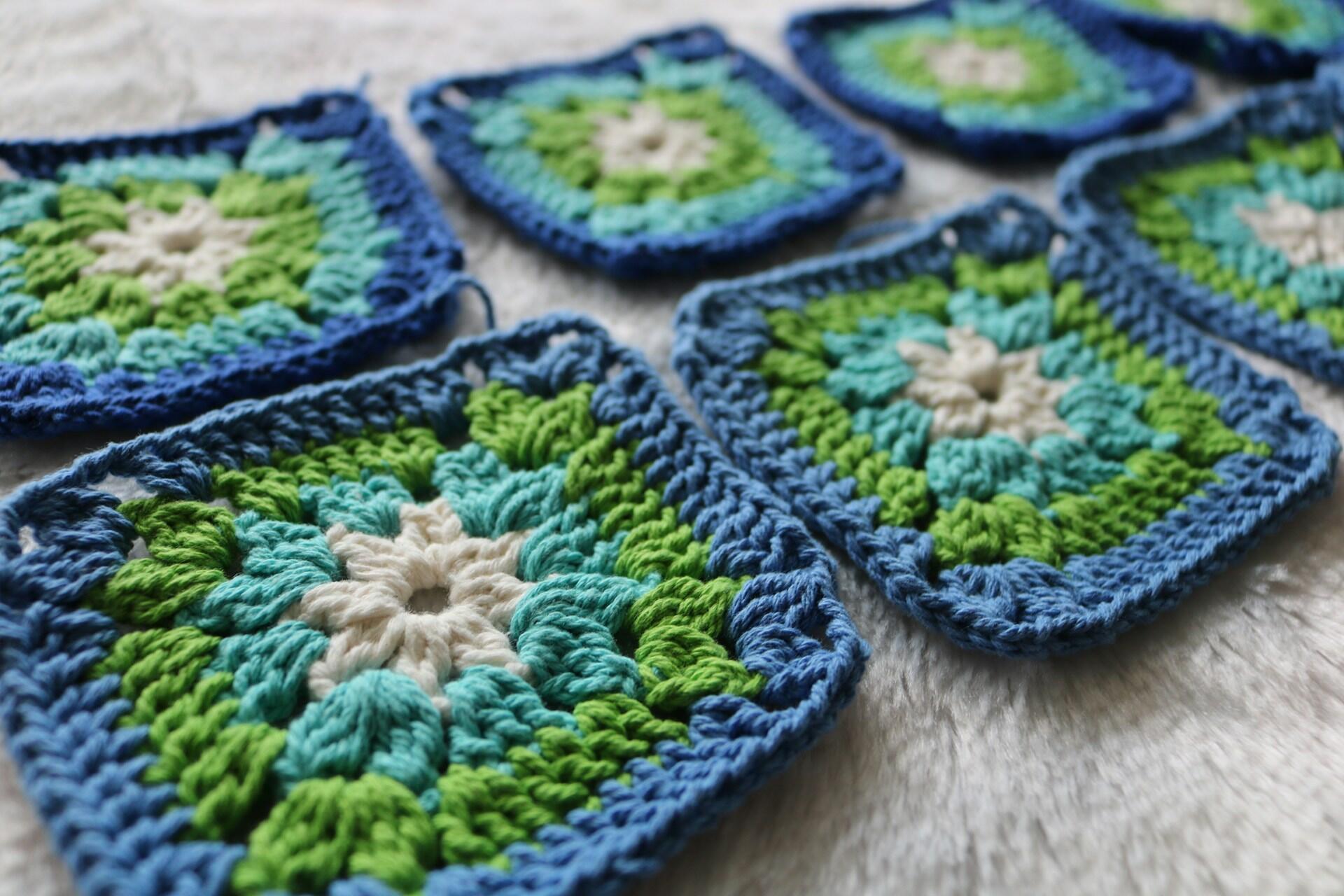
- Learn granny squares to practise corners, clusters and working in repeated rounds.
- Try simple increases and decreases when you are ready for shaped projects.
Learning Crochet with Support
- A tutor can correct hand position, tension and stitch placement before habits become fixed.
- One-to-one support can make pattern reading easier when abbreviations feel confusing.
- A crochet tutor can help you choose a realistic first project and adapt it to your level.
References
- Bella Coco. “How to Crochet for Absolute Beginners | UK Double/US Single Crochet.” YouTube, uploaded by Bella Coco, https://youtu.be/80YEYnyw11w. Accessed 25 Jun. 2026.
- Burns, Pippa, and Rosemary A. Van Der Meer. “Happy Hookers: Findings from an International Study Exploring the Effects of Crochet on Wellbeing.” Perspectives in Public Health, vol. 141, no. 3, May 2021, pp. 149-157. SAGE Journals, https://doi.org/10.1177/1757913920911961. Accessed 25 Jun. 2026.
- Craft Yarn Council. “Crochet Abbreviations Master List.” Craft Yarn Council, https://www.craftyarncouncil.com/standards/crochet-abbreviations. Accessed 25 Jun. 2026.
- Craft Yarn Council. “Hooks and Needles.” Craft Yarn Council, https://www.craftyarncouncil.com/standards/hooks-and-needles. Accessed 25 Jun. 2026.
- Craft Yarn Council. “How to Read a Crochet Pattern.” Craft Yarn Council, https://www.craftyarncouncil.com/standards/how-to-read-crochet-pattern. Accessed 25 Jun. 2026.
- Craft Yarn Council. “Standard Yarn Weight System.” Craft Yarn Council, https://www.craftyarncouncil.com/standards/yarn-weight-system. Accessed 25 Jun. 2026.
- Environmental Protection Agency. “Textiles: National Attitudes and Behaviours Surveys.” EPA Ireland, https://www.epa.ie/our-services/monitoring--assessment/circular-economy/textiles-national-attitudes--behaviours-surveys/. Accessed 25 Jun. 2026.
- Spiers, Matt. “Crochet Abbreviations and UK to US Crochet Terms.” Gathered, 10 Nov. 2025, https://www.gathered.how/knitting-and-crochet/crochet/simply-crochet-abbreviations-and-conversions. Accessed 25 Jun. 2026.
- Ulster Folk Museum. “Lacemaking.” Ulster Folk Museum, https://www.ulsterfolkmuseum.org/stories/lacemaking. Accessed 25 Jun. 2026.
Summarise with AI:
Did you like this article? Leave a rating!

 Loading...