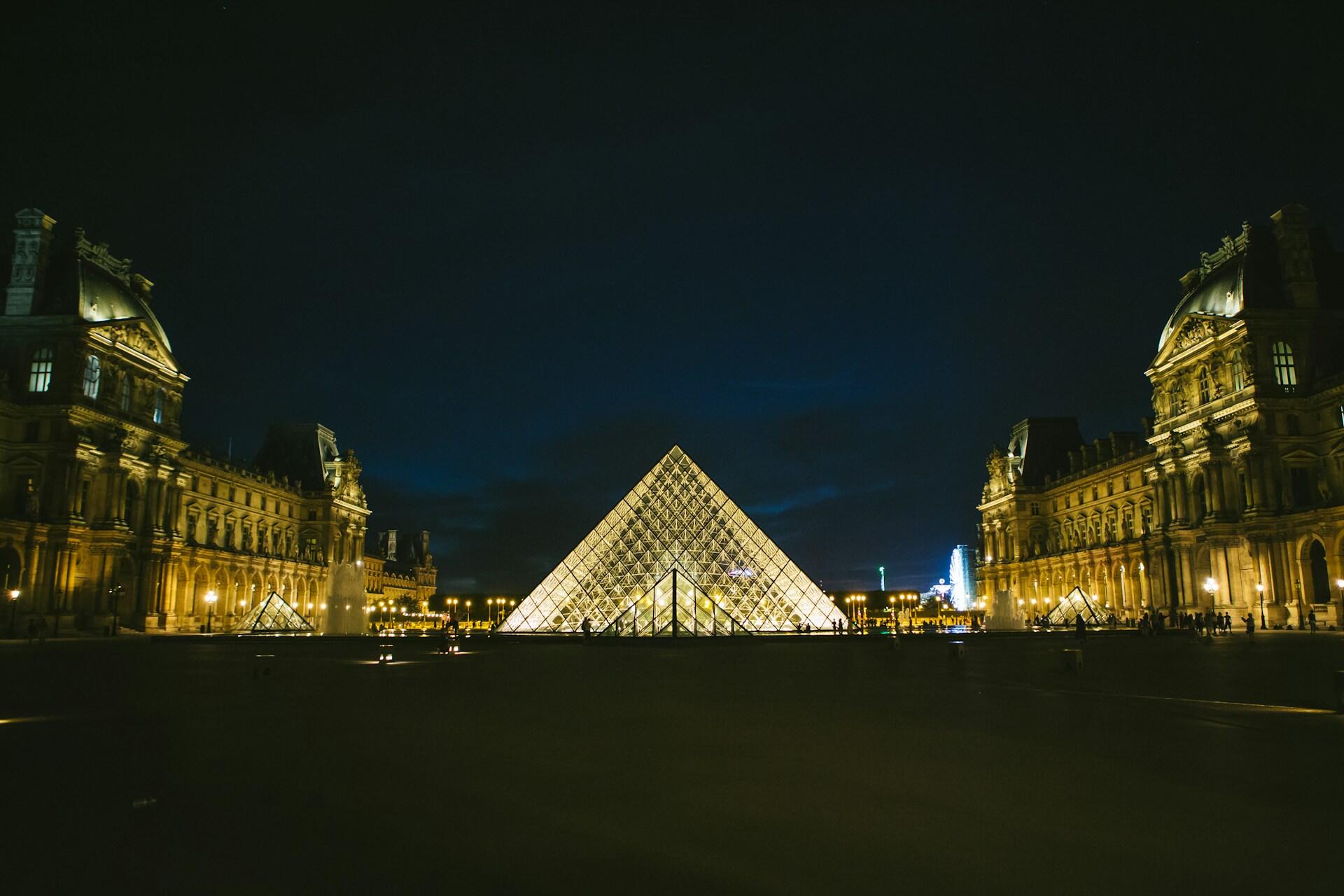

If you're learning French or simply a Francophile, there are many fascinating facts about France, the French language, and French culture. You can't learn the language without learning about the cultural history, as the two are inseparable. With that in mind, here are some of our favourite facts about France.





10. French Toast Was Created to Use Up Stale Bread
Once you start looking for French things, you'll realise that most things we call "French" aren't remotely French, which could be one of the more fun facts you probably didn’t know all about France. It's a delightful surprise to discover that many things we consider 'French' actually have origins in other countries, particularly France's European neighbours. For instance, French fries are from Belgium, the French press for coffee and French doors are Italian, and the French horn is German. However, there's one thing we call French from France: French toast.
Many items labelled as “French” were created outside France. French fries originated in Belgium, the French press and French doors came from Italy, and the French horn was developed in Germany. Even the French Bulldog began its life in England before becoming fashionable in Paris. These mix-ups show how cultural influence across Europe blurred national identities long before the modern French state existed.
French toast, also called Gypsy toast or eggy bread, is a dish in which bread is fried and then covered in beaten eggs. While this is a great breakfast, especially for later weekend breakfasts, French toast isn't really a "treat" despite its deliciousness. It's simply a way for the French to use up stale bread.
The classic French baguette and many other foods you can pick up at a boulangerie have little to no preservatives, meaning they barely last a day. A French household usually won't end the day with any leftover baguette, so they pick up a fresh baguette daily (their "pain quotidien").
If your baguette or any other bread becomes stale and hard, French toast is the best solution. Cooking the bread in an egg makes it softer and edible again. In fact, in French, it's called "lost bread" or "pain perdu."
9. France Once Had Active Volcanoes
You won't usually think of France as a volcanic region, and understandably so. The country hasn't had any active volcanoes in our lifetimes, but it was once home to many. The "Massif Central" was once a volcanic hotspot in France's central mountain range. However, it has been inactive since 4040 BC, before humanity mastered writing. The mountain range predates the Alps, the Pyrenees, and other mountain ranges in Europe, but because it is so old, many areas have been flattened over millennia of erosion.
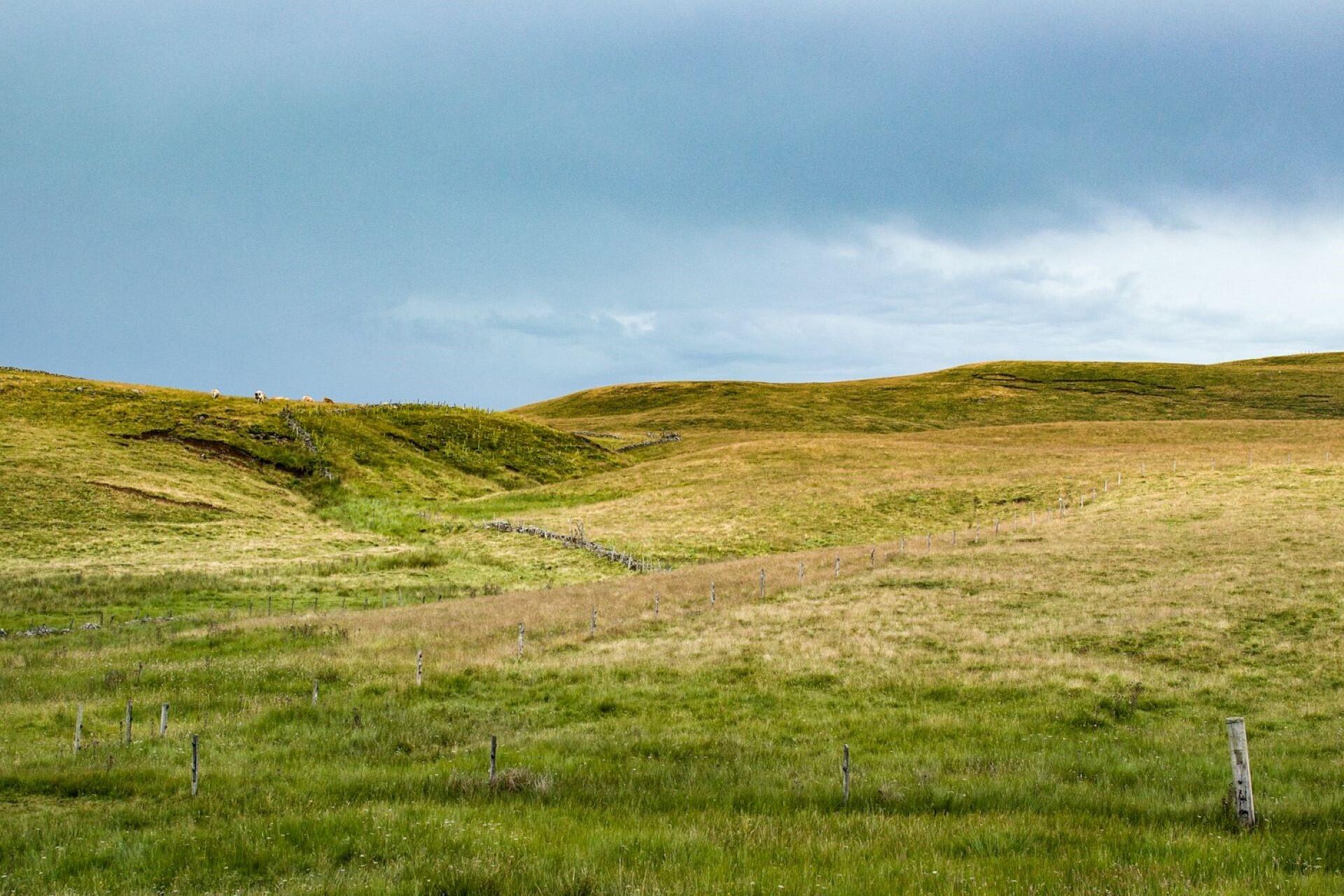
France's geography is far more varied than many people expect. While Paris and the northern plains are the best known, the country includes rugged mountains in the south, volcanic landscapes in Auvergne, and long coastlines along both the Atlantic and the Mediterranean. France even has warm subtropical islands such as Réunion and Mayotte in the Indian Ocean, as well as the vast forests of French Guiana in South America. This geographical diversity influences everything from food traditions to regional languages, and it explains why the country has such distinct cultural identities in the north, south, east, and overseas regions.
8. Before they Spoke French, The French Spoke Gaulish
Many linguists and language learners will likely know that French is a Romance language and that it descends from Latin. French is related to Italian, Spanish, Portuguese, and Romanian; many regional languages are still spoken in parts of France and across Europe.
Before the Romans arrived, bringing their Latin with them, France was a territory known as Gaul. The Gauls, who were made most famous by the fictional French character Asterix, lived there. The Gauls weren't Mediterranean but Celts, which were related to the Celts from Britain and Ireland.
Before Latin took hold, most of what we now call France was Gaul, a Celtic world with its own culture, religion, and language. Gaulish was closer to Welsh and Cornish than modern French, and its legacy survives in place names, folklore, and fragments of vocabulary. Understanding Gaul gives helpful context for how French culture blended Celtic, Roman, and later European influences.
Their language was Gaulish, unlike French. Instead, Gaulish is much closer to Old Brittonic, Welsh, and Cornish. Gaulish was spoken across large areas of what is now France, except in Aquitaine, where an older form of Basque was spoken.
7. The French Flag Still Contains a Nod to the Monarchy
The French famously abolished their monarchy through a bloody revolution. You'd think that after the Revolution, guillotines, and all the bloodshed, they'd want nothing to do with it, but they're technically reminded of it every time they look at their flag. The blue, white, and red colours of the French flag and the cockades of the French armed forces today partly represent the monarchy.
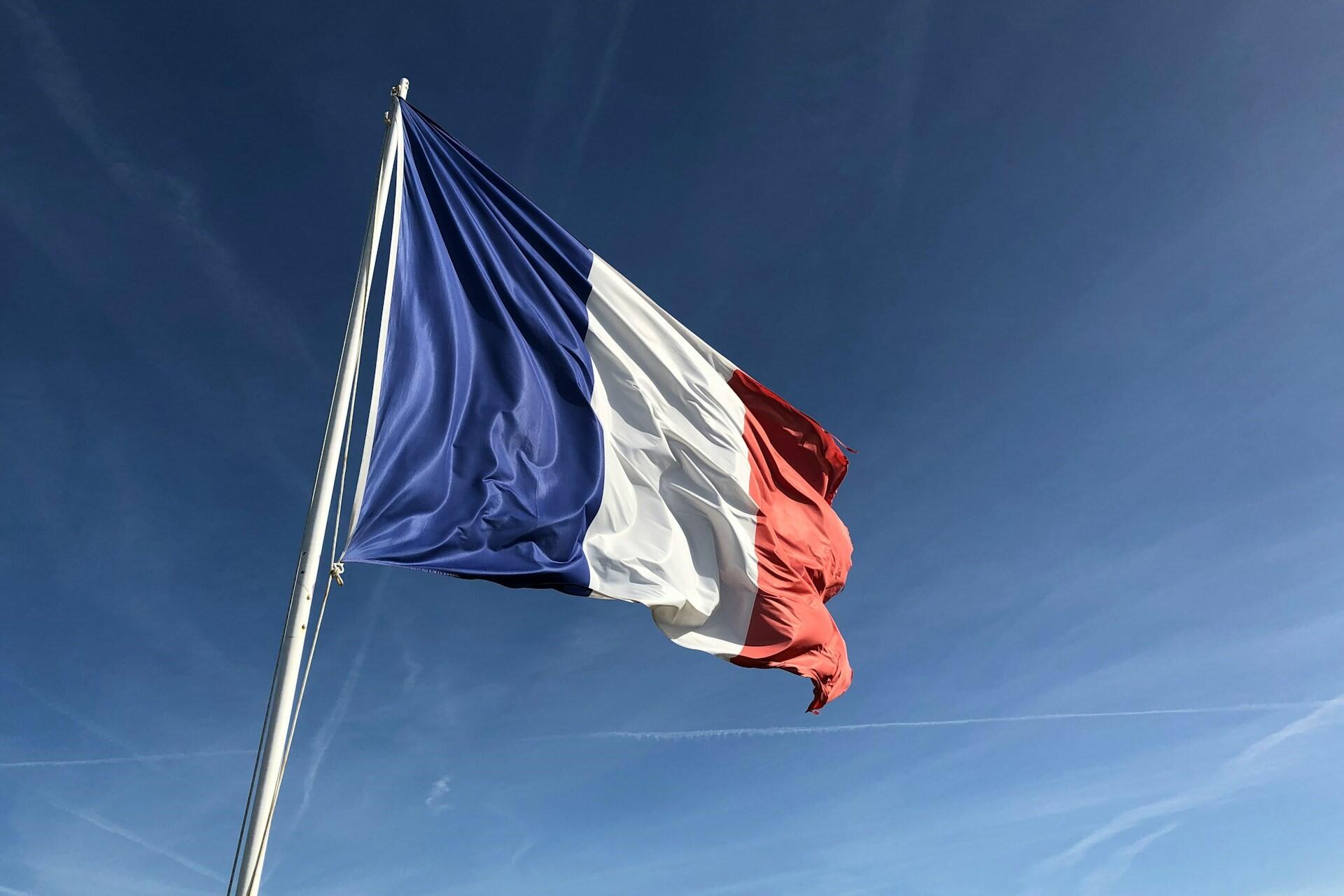
The original cockades worn by revolutionaries were red and blue, representing the colours of Paris: red for Saint Denis and blue for Saint Martin. General Lafayette suggested adding white to represent royalty. After all, the former French flag, or at least the Royal Standard, was often a white flag with a pattern of gold fleurs-de-lis, the Royal Arms of France.
overseas regions and collectivities
The French Revolution did far more than remove the monarchy; it reshaped nearly every national symbol. Many of the ideas central to modern France, like the concept of citizenship, the republic, the tricolour flag, the national anthem “La Marseillaise,” and even the motto “Liberté, Égalité, Fraternité”, all emerged during this period.
The Revolution influenced political movements across Europe and eventually inspired similar struggles in Latin America and parts of the Mediterranean. Even today, French schoolchildren learn about this pivotal moment as part of their national identity, and monuments across Paris commemorate the people who fought during this turbulent chapter in French history.
6. Some Regions of India Still Speak French
You can't really separate French history and colonialism. Like many other European nations, France colonised large parts of the world, including Africa, the Caribbean, and, famously, the Americas. Because of this, French is still spoken as an official language in many African countries and in Québec, Canada.
The French colonists also headed east. When the Mughal Empire in India fell, resources like tea and cotton were up for grabs, at least according to many European nations. The English, Dutch, and French took advantage of this while the Indians fought to find an heir to the empire.
French became a global language through diplomacy, trade, migration, and colonisation. Today, more than two dozen countries recognise French as an official language, and millions use it daily in education, government, and media. From Québec to Senegal and from Réunion to Vanuatu, French remains deeply embedded in social, legal, and cultural life.
England took large parts of India, but the French also retained colonies in the regions now known as Puducherry and Chandannagar. When India gained its independence years later, these regions were returned. However, it still remains one of the places where French is an official language.
people worldwide,
5. France Once Had Kings Who Practised Polygamy
After the Roman Empire, Germanic tribes migrated extensively. These tribes founded new nations, and one such tribe was the Franks. The Merovingians were the most famous and influential of these Franks. Named after their semi-mythical founder, Merovech, the Merovingians became Christians after Merovech's grandson, Clovis, was baptised.
However, the Merovingians cherry-picked which parts of Christianity they wanted to follow. One notable difference was the way that it's suggested they may have been polygamous. Some scholars maintain that the Merovingian kings married sequentially, having gotten rid of one wife before marrying another. However, there are also accounts in which the dates seem to overlap, "former" queens are still mentioned, and, at times, a new wife is mentioned as well.
4. Many Countries Outside of France Host Official French Schools
When we say French schools, we don't mean schools teaching French. Instead, we're talking about actual French schools administered by the French government. With French speakers and French nationals around the world, many, especially diplomats, would like to see their children educated according to the French education system.
These French schools, or “Lycées Français," can be found all over the world. They teach the French curriculum in French, just as a school in France would. As mentioned, French diplomats find these schools particularly useful because they travel frequently. While their children may have to change countries and schools regularly, the disruption to their education is minimal.
These French schools are also popular with French expats living abroad, who may find that they offer a better education or qualifications than local schools.
3. Gustave Eiffel Designed an Apartment Inside the Eiffel Tower
Gustave Eiffel is the man behind the famous Parisian monument. Though the Eiffel Tower was initially built for the 1889 World Fair and to be dismantled after 20 years, Gustave didn't stop himself from adding some features for himself. On the third platform, he designed a private apartment for himself. This apartment isn't really for sleeping in, but he did use it to hang out with the great thinkers of the time, mainly scientists and intellectuals.
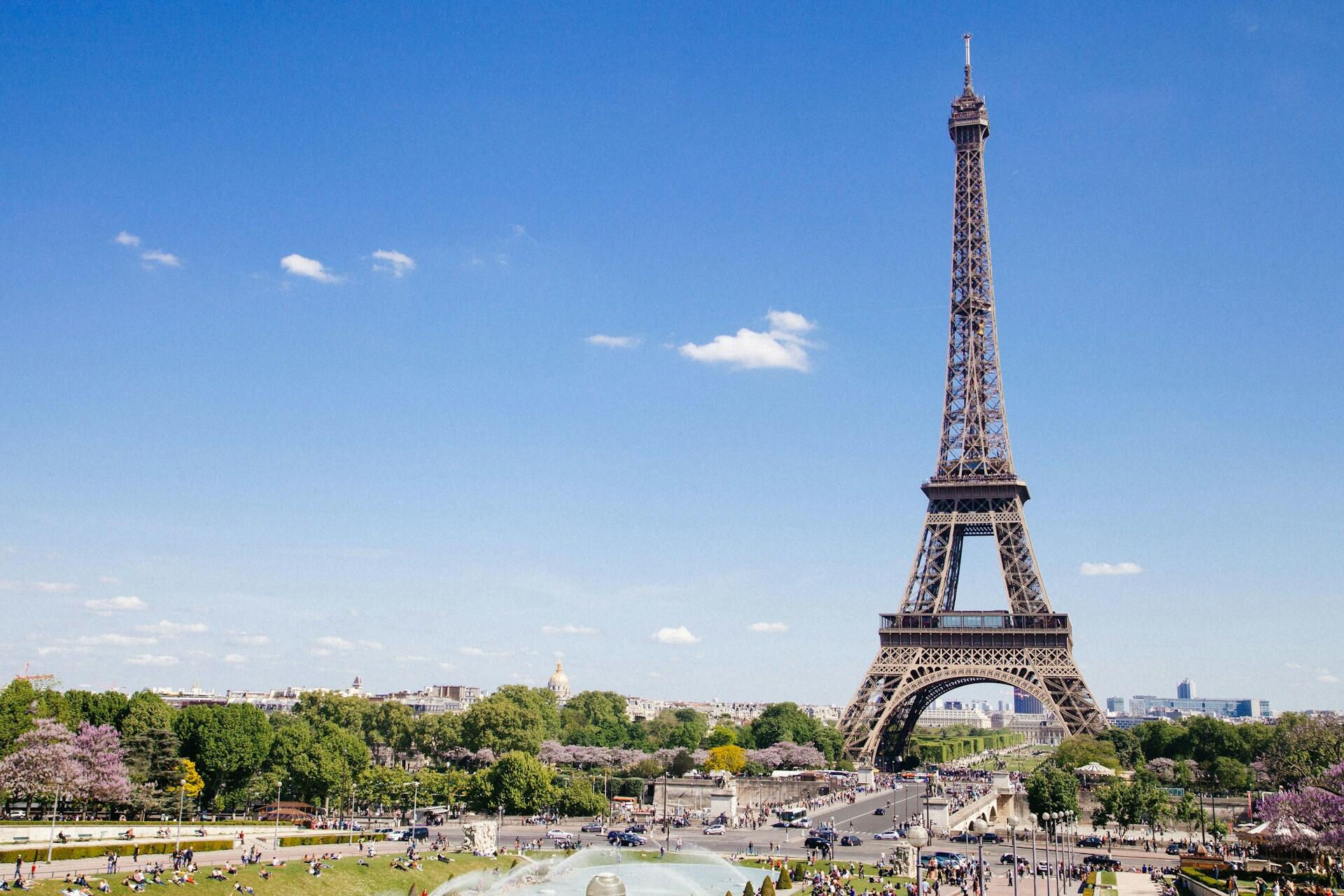
Complete with its own miniature lab, Eiffel's apartment was the envy of many. He always refused, no matter how much he was offered to rent it. You can now visit it, and it includes a wax figure of Eiffel with Thomas Edison, one of the designer's esteemed guests.
tourists every year
2. The Paris Opera Once Bred Bees and Even Kept Trout
In The Phantom of the Opera, the phantom hides out in an underground lake in the Parisian Opéra Garnier. However, this isn't fictional. There's really an underground lake since the opera's cellar would have otherwise been regularly flooded due to Paris' high water table. A space for the water was included in the design.
For a while, trout were kept in the lake. They don't do this anymore, and there's no secret apartment for the phantom, but there are bees on the roof. The honey made by these bees is available in the opera's gift shop.
1. Versailles Had Surprisingly Modern Facilities
The Château de Versailles is one of France's most popular tourist destinations and is famous worldwide. Despite Versailles's extravagantness, you'll likely hear about how smelly and gross the French court under King Louis XIV was.
Versailles is stunning today, but life there during the reigns of Louis XIV and Louis XV was far from glamorous. Thousands of nobles, guards, musicians, cooks, servants, and visitors filled the palace every day, creating constant crowding, noise, and odours. Despite this, Versailles also introduced unusually modern innovations for its time, including early plumbing, public baths, and large-scale water management systems.
Seventeenth-century Europe was famous for many things, but hygiene wasn't one of them. At the time, people believed that immersion in water spread disease. They typically washed themselves with a damp towel soaked in water or perfume.
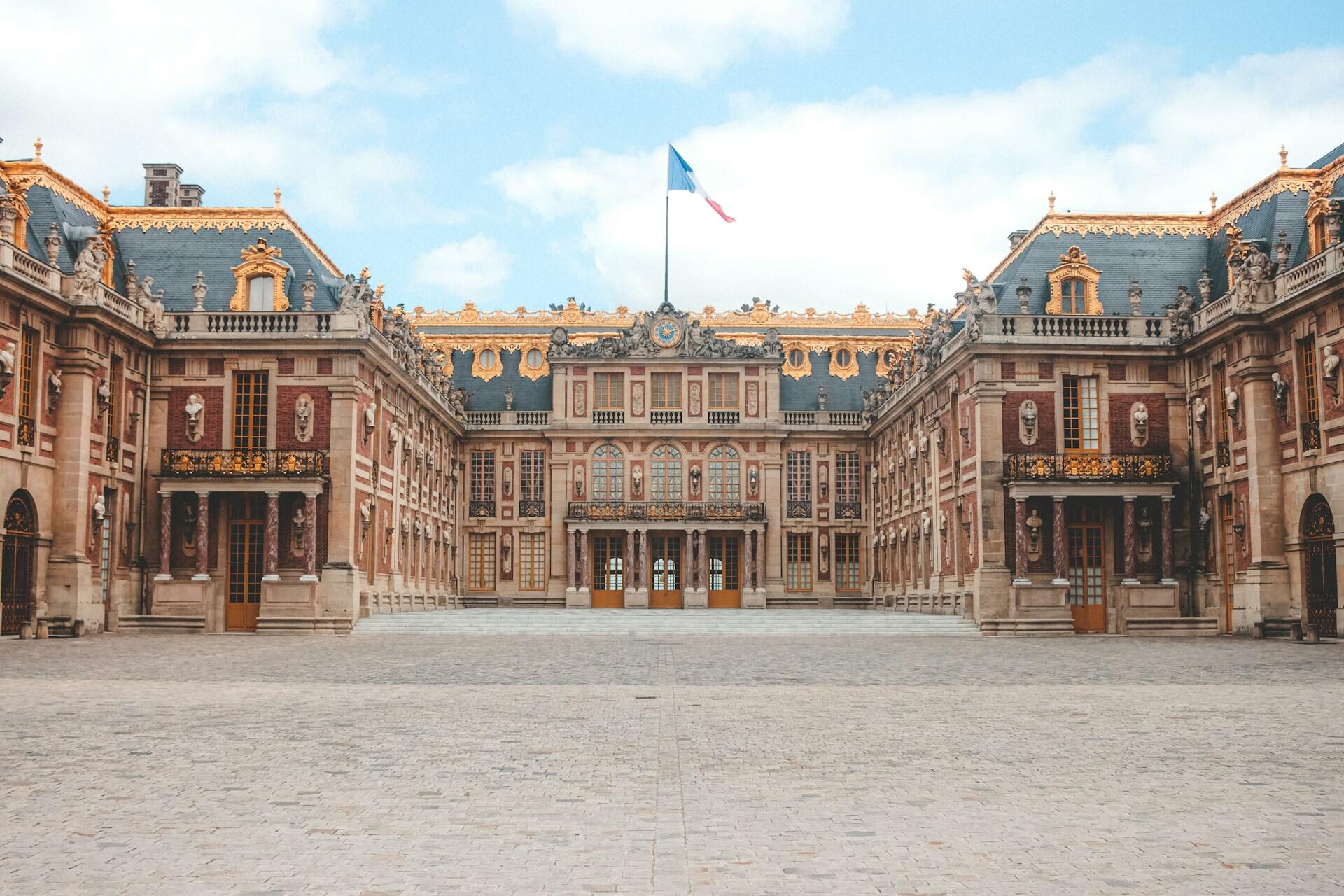
However, Versailles did have facilities like public bathrooms. These bathrooms could accommodate 300 people, and the first toilet with running water was installed in 1727. Despite this, Versailles was still famous for its ungodly odours. During events, guests either didn't want to give up their seats or weren't aware they existed.
After all, Versailles is a huge and elaborate place, and you could easily get lost in there looking for a bathroom, especially if you didn't even know they were there. In summary, France is a country with a rich history that has influenced Europe and the world in various ways, from its cultural heritage to its innovations. Millions of tourists visit France every year to experience Paris, the Louvre, and its many museums.
French cuisine, known for its cheese, wine, and even snails, is also highly regarded, and French toast, actually a dish made with stale bread, is one of the more popular dishes internationally. Of course, the country is also famous for its iconic landmarks, like the Eiffel Tower, where Gustave Eiffel built a private apartment for himself, and its train systems, which allow people to travel across a high-speed railway network connecting many European cities.
The French Revolution changed the law and monarchy forever, yet traces of Louis XVI’s reign can still be seen in Versailles, which tons of tourists visit daily. France’s connection to rail travel is also significant, as its railway system is among the best in the world, enabling quick trips from Paris to other regions and even neighbouring countries.
Days spent on French tours often include visits to famous locations like the Louvre, one of the most visited art museums in the world. Kissing under the Eiffel Tower or enjoying a glass of wine in a quaint café are just some of the fun experiences tourists look forward to.
Paris is not just a destination for art and history; it’s also a city that celebrates life with vibrant festivals and entertainment. From the days of royal excess to the modern upside of fast-paced city life, France has balanced its cultural evolution with the preservation of traditions.
The nation has been a pioneer in many fields, from art and fashion to technology, including the creation of one of the world's fastest rail systems, the TGV, which allows millions of passengers to experience the speed and efficiency of French railway travel. France remains a beacon of history, innovation, and charm.
Summarise with AI:
Did you like this article? Leave a rating!

 Loading...