
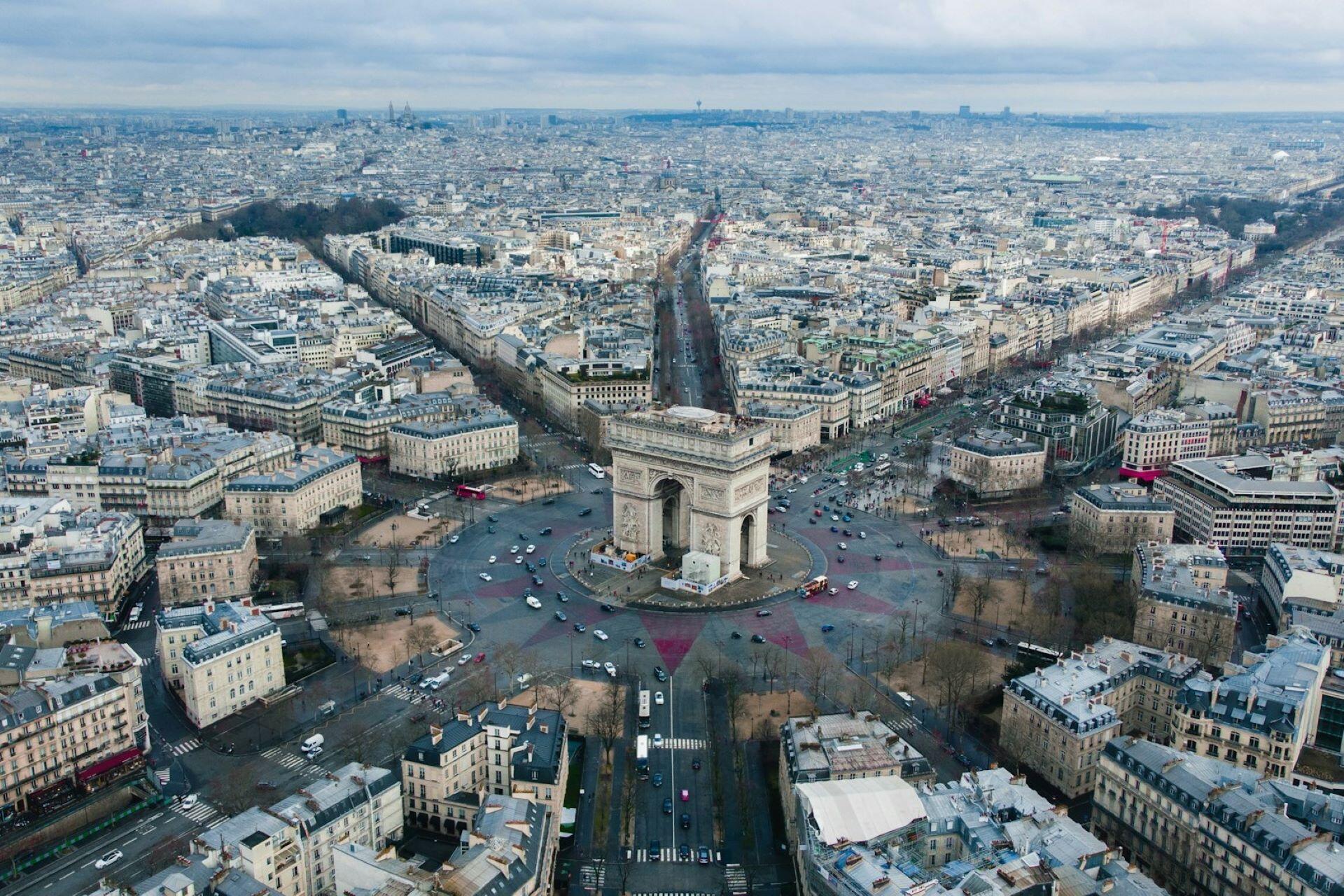

French is spoken far beyond France. There are communities of French speakers in Europe, Africa, the Americas, Asia, and Oceania. So, which countries speak French and why?
Key Takeaways
- French is spoken across every inhabited continent, not just in France.
- Some countries use French as their sole official language, while others recognise it alongside languages such as English, Dutch, German, Arabic, Luxembourgish, Haitian Creole, or local national languages.
- Africa is central to the modern French-speaking world, with 65% of French speakers living on the continent in 2026.⁹
- French remains important in diplomacy because it is used by major international organisations, including the United Nations and the European Union.⁶
- The number of French speakers is expected to continue growing, with projections suggesting there could be 590 million worldwide by 2050.⁹


List of French-Speaking Countries
The French language may have deep roots in Europe, but many countries around the world speak it beyond its original homeland for obvious colonial reasons.⁵ France enshrines its official status in the law, which makes it the most obvious country where it's the official language.⁴ However, many other countries also use it, and recent changes in Burkina Faso show why official-language status can change over time.¹
Not every country where French is spoken uses it in the same way. In some countries, French is the sole official language, while in others it shares official status with languages such as English, Dutch, German, Arabic, or local national languages. French is also widely used in some countries where it is not an official language, especially in education, business, media, administration, or diplomacy. This distinction is important when listing French-speaking countries, as "official" and "widely spoken" do not always mean the same thing.
French speakers worldwide.⁹
| Country or territory | Continent | French status | Other official languages | Useful note |
|---|---|---|---|---|
| France | Europe | Sole official language | None | The main European reference point for French and the origin of many global French-language institutions. |
| Monaco | Europe | Sole official language | None | French is the official language of this small principality on the Mediterranean coast. |
| Benin | Africa | Sole official language | None | French is used in national administration, education, and public life. |
| Côte d’Ivoire | Africa | Sole official language | None | French is the official language and a major language of education, media, and business. |
| Democratic Republic of the Congo | Africa | Sole official language | None | One of the most important francophone countries by population. |
| Gabon | Africa | Sole official language | None | French is widely used in government, schooling, and national media. |
| Guinea | Africa | Sole official language | None | French is the official language, alongside many national and local languages in daily life. |
| Republic of the Congo | Africa | Sole official language | None | French is used officially, while Lingala and Kituba are also widely spoken. |
| Senegal | Africa | Sole official language | None | French is the official language, while Wolof and other national languages are central to everyday communication. |
| Togo | Africa | Sole official language | None | French is used in government, education, and national institutions. |
| Belgium | Europe | Co-official language | Dutch, German | French is mainly associated with Wallonia and Brussels. |
| Switzerland | Europe | Co-official language | German, Italian, Romansh | French is mainly spoken in western Switzerland, including Geneva and Lausanne. |
| Luxembourg | Europe | Co-official language | Luxembourgish, German | French is especially important in law, administration, and public life. |
| Canada | Americas | Co-official language | English | French is especially prominent in Québec and New Brunswick. |
| Haiti | Americas | Co-official language | Haitian Creole | French has official status, while Haitian Creole is the main everyday language for most people. |
| Burundi | Africa | Co-official language | Kirundi, English | French remains part of public life alongside Kirundi and English. |
| Cameroon | Africa | Co-official language | English | French and English are both official, though French is more widely used nationally. |
| Central African Republic | Africa | Co-official language | Sango | French is used officially, while Sango is also central to national communication. |
| Chad | Africa | Co-official language | Arabic | French and Arabic are both official languages. |
| Comoros | Africa | Co-official language | Comorian, Arabic | French is one of several official languages in this Indian Ocean island country. |
| Djibouti | Africa | Co-official language | Arabic | French is used officially alongside Arabic. |
| Equatorial Guinea | Africa | Co-official language | Spanish, Portuguese | French has official status, though Spanish remains the dominant official language. |
| Madagascar | Africa | Co-official language | Malagasy | French is used in education, administration, and international communication. |
| Rwanda | Africa | Co-official language | Kinyarwanda, English, Swahili | French remains official alongside Kinyarwanda, English, and Swahili. |
| Seychelles | Africa | Co-official language | Seychellois Creole, English | French is one of the country’s three official languages. |
| Vanuatu | Oceania | Co-official language | Bislama, English | French is official alongside Bislama and English. |
| French Guiana | Americas | French overseas territory | None | French is the official language because French Guiana is an overseas region of France. |
| Guadeloupe | Americas | French overseas territory | None | French is official, with Guadeloupean Creole also widely used. |
| Martinique | Americas | French overseas territory | None | French is official, with Martinican Creole also widely spoken. |
| Réunion | Africa | French overseas territory | None | French is official on this Indian Ocean island, alongside everyday use of Réunion Creole. |
| Mayotte | Africa | French overseas territory | None | French is official, while local languages are also used in daily life. |
| New Caledonia | Oceania | French overseas territory | None | French is official, with Kanak languages also part of local cultural life. |
| French Polynesia | Oceania | French overseas territory | None | French is official, while Tahitian and other Polynesian languages remain important locally. |
| Wallis and Futuna | Oceania | French overseas territory | None | French is official, alongside Wallisian and Futunan in local life. |
| Saint Pierre and Miquelon | Americas | French overseas territory | None | French is official in this French collectivity near Canada. |
| Algeria | Africa | Widely spoken but not official | Arabic, Tamazight | French is not an official language, but it remains widely used in education, business, and media. |
| Morocco | Africa | Widely spoken but not official | Arabic, Amazigh | French is not official, but it remains important in education, business, tourism, and administration. |
| Tunisia | Africa | Widely spoken but not official | Arabic | French is not official, but it is widely used in education, business, and media. |
| Mali | Africa | Working language, not official | National languages | French is no longer an official language, but it can still appear in administration and education. |
| Burkina Faso | Africa | Working language, not official | National languages | French has been moved from official-language status to working-language status. |
| Niger | Africa | Working language, not official | Hausa and other national languages | French has been moved from official-language status to working-language status. |
| Lebanon | Asia | Widely spoken but not official | Arabic | French is not official, but it remains influential in education, culture, and some public life. |
| Mauritius | Africa | Widely spoken but not official | English | French and Mauritian Creole are widely used, though English is the official language of the legislature. |
Countries Where French is the Sole Official Language
- France
Around 67 million people speak French in France, representing almost the entire population. French is the sole official language because it is the language of the French Republic and the main language of public life, law, education, and administration.⁴ - Monaco
Around 30,000 people speak French in Monaco, representing most of the population. French is the sole official language because Monaco is closely linked to France geographically, historically, and administratively. - Benin
Around 4.5 million people speak French in Benin, representing roughly one-third of the population. French became the official language through French colonial rule and remains important in government, education, and national institutions. - Côte d'Ivoire
Around 9 million people speak French in Côte d'Ivoire, representing roughly one third of the population. French became the official language through French colonial rule and is still used in administration, education, business, and media. - Democratic Republic of the Congo
Around 50 million people speak French in the Democratic Republic of the Congo, representing around half of the population. French is the official language because of Belgian colonial rule. It now works as a shared language across a country with many national and local languages. - Gabon
Around 1.7 million people speak French in Gabon, representing a large majority of the population. French became the official language through French colonial rule and remains the main language of administration, education, and national media. - Guinea
Around 4 million people speak French in Guinea, representing roughly one quarter of the population. French became the official language through French colonial rule and continues to serve as a national administrative and educational language. - Republic of the Congo
Around 3.5 million people speak French in the Republic of the Congo, representing more than half of the population. French became the official language through French colonial rule and is used nationally alongside widely spoken languages such as Lingala and Kituba. - Senegal
Around 5 million people speak French in Senegal, representing roughly one quarter of the population. French became the official language through French colonial rule and remains central to government, schooling, higher education, and formal communication. - Togo
Around 3.5 million people speak French in Togo, representing roughly two-fifths of the population. French became the official language through French colonial rule and remains important in education, law, administration, and public life.
Countries Where French is a Co-Official Language
- Belgium
Around 9 million people speak French in Belgium, representing about three-quarters of the population. French is co-official because Belgium is a multilingual federal country with Dutch, French, and German as official languages.³ - Switzerland
Around 6 million people speak French in Switzerland, representing roughly two-thirds of the population. French is co-official because Switzerland has four national languages: German, French, Italian, and Romansh.¹⁰ - Luxembourg
Around 600,000 people speak French in Luxembourg, representing most of the population. French is co-official with Luxembourgish and German, and it is especially important in law, administration, and public life.⁸ - Canada
Around 11 million people speak French in Canada, representing just under one-third of the population. French is co-official with English because the Canadian constitution recognises both languages at the federal level.⁷ - Haiti
Around 4 million people speak French in Haiti, representing roughly one-third of the population. French is co-official with Haitian Creole, although Haitian Creole is the main everyday language for most people. - Cameroon
Around 11 million people speak French in Cameroon, representing about two-fifths of the population. French is co-official with English because the country was shaped by both French and British colonial administration. - Central African Republic
Around 1.5 million people speak French in the Central African Republic, representing roughly one quarter of the population. French is co-official with Sango and is used in government, education, and formal communication. - Chad
Around 2.5 million people speak French in Chad, representing about one-sixth of the population. French is co-official with Arabic because of the country's colonial history and its multilingual national context. - Comoros
Around 250,000 people speak French in Comoros, representing roughly one quarter of the population. French is co-official with Comorian and Arabic, reflecting both colonial history and regional linguistic identity. - Djibouti
Around 500,000 people speak French in Djibouti, representing about half of the population. French is co-official with Arabic because of Djibouti's colonial history and its location between African, Arab, and international spheres. - Equatorial Guinea
Around 400,000 people speak French in Equatorial Guinea, representing about one-quarter of the population. French is co-official with Spanish and Portuguese, partly to strengthen regional links with neighbouring francophone countries. - Madagascar
Around 8 million people speak French in Madagascar, representing roughly one quarter of the population. French is co-official with Malagasy because of French colonial history and its continued role in education, administration, and international communication. - Rwanda
Around 800,000 people speak French in Rwanda, representing a small but important share of the population. French is co-official with Kinyarwanda, English, and Swahili, reflecting Rwanda's education history, regional links, and international orientation. - Seychelles
Around 50,000 people speak French in Seychelles, representing about half of the population. French is co-official with Seychellois Creole and English, reflecting the islands' French and British colonial history. - Vanuatu
Around 100,000 people speak French in Vanuatu, representing roughly one-third of the population. French is co-official with Bislama and English because the islands were formerly administered by both France and Britain. - Burundi
Around 1 million people speak French in Burundi, representing a minority of the population. French is co-official with Kirundi and English, reflecting colonial history and later multilingual education policy.
French-Speaking Regions by Continent
France may be the historic home of the French language, but a fun fact about French is that the French-speaking world isn't actually centred on France. While there are European countries neighbouring France where the language is spoken, Africa is the continent with the most French speakers. It's worthwhile keeping this in mind when thinking about the French-speaking world.
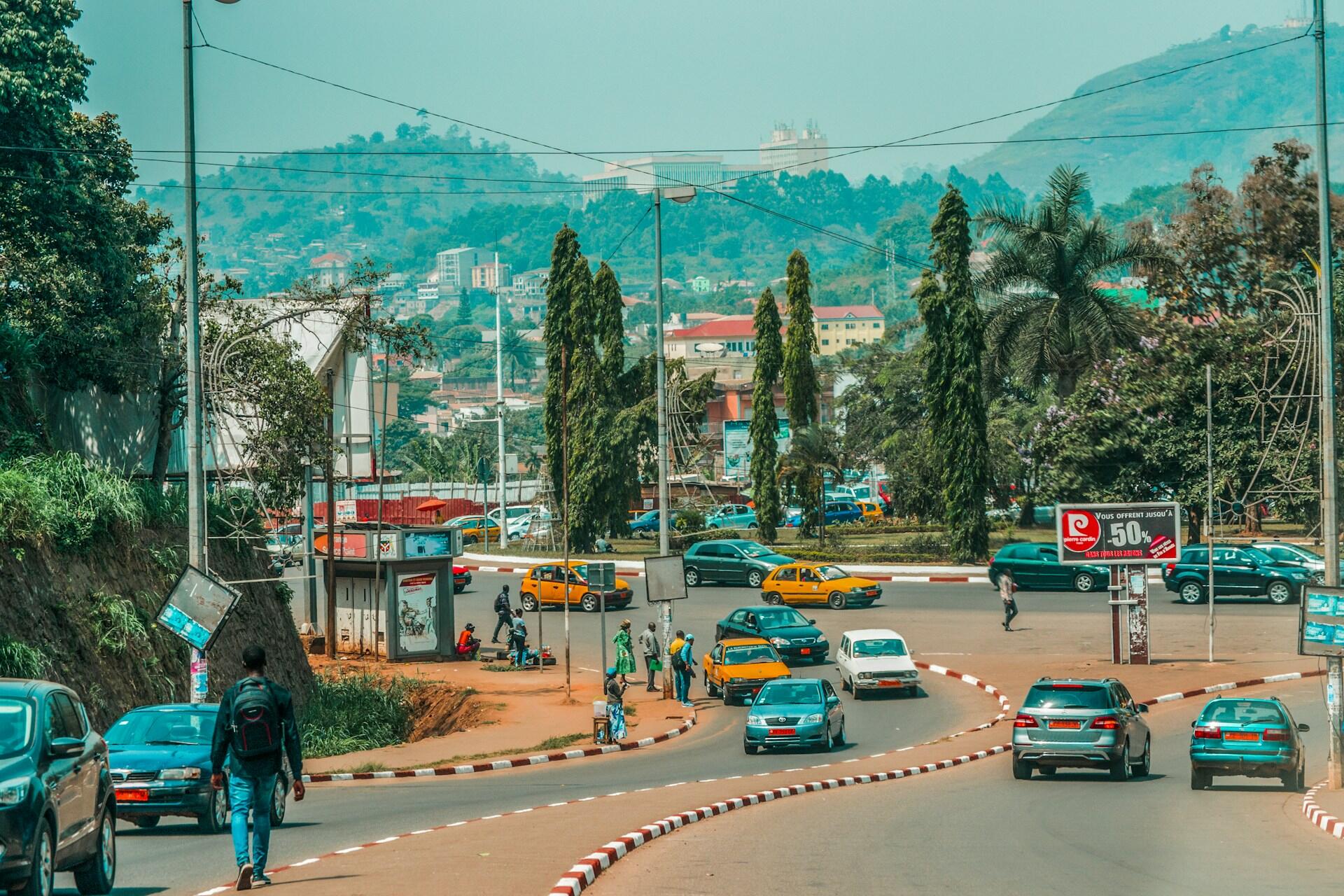
French is often associated with France, Belgium, Switzerland, and Canada, but the language's centre of gravity is increasingly African. In 2026, 65% of French speakers lived in Africa.⁹ This makes countries such as the Democratic Republic of the Congo, Côte d'Ivoire, Cameroon, Senegal, Benin, Togo, and Gabon central to the francophonie
of French speakers lived in Africa.⁹
Africa
- Democratic Republic of the Congo: 50 million French speakers. 50% of the population.
- Cameroon: 11 million French speakers. 40% of the population.
- Côte d’Ivoire: 9 million French speakers. 33% of the population.
- Madagascar: 8 million French speakers. 25% of the population.
- Senegal: 5 million French speakers. 25% of the population.
- Benin: 4.5 million French speakers. 33% of the population.
- Guinea: 4 million French speakers. 25% of the population.
- Togo: 3.5 million French speakers. 40% of the population.
- Republic of the Congo: 3.5 million French speakers. 55% of the population.
- Chad: 2.5 million French speakers. 17% of the population.
- Gabon: 1.7 million French speakers. 75% of the population.
- Central African Republic: 1.5 million French speakers. 25% of the population.
- Burundi: 1 million French speakers. 8% of the population.
- Rwanda: 800,000 French speakers. 6% of the population.
- Seychelles: 50,000 French speakers. 50% of the population.⁹
Europe
- France: 67 million French speakers. 99% of the population.
- Belgium: 9 million French speakers. 75% of the population.
- Switzerland: 6 million French speakers. 67% of the population.
- Luxembourg: 600,000 French speakers. 90% of the population.
- Monaco: 30,000 French speakers. 80% of the population.
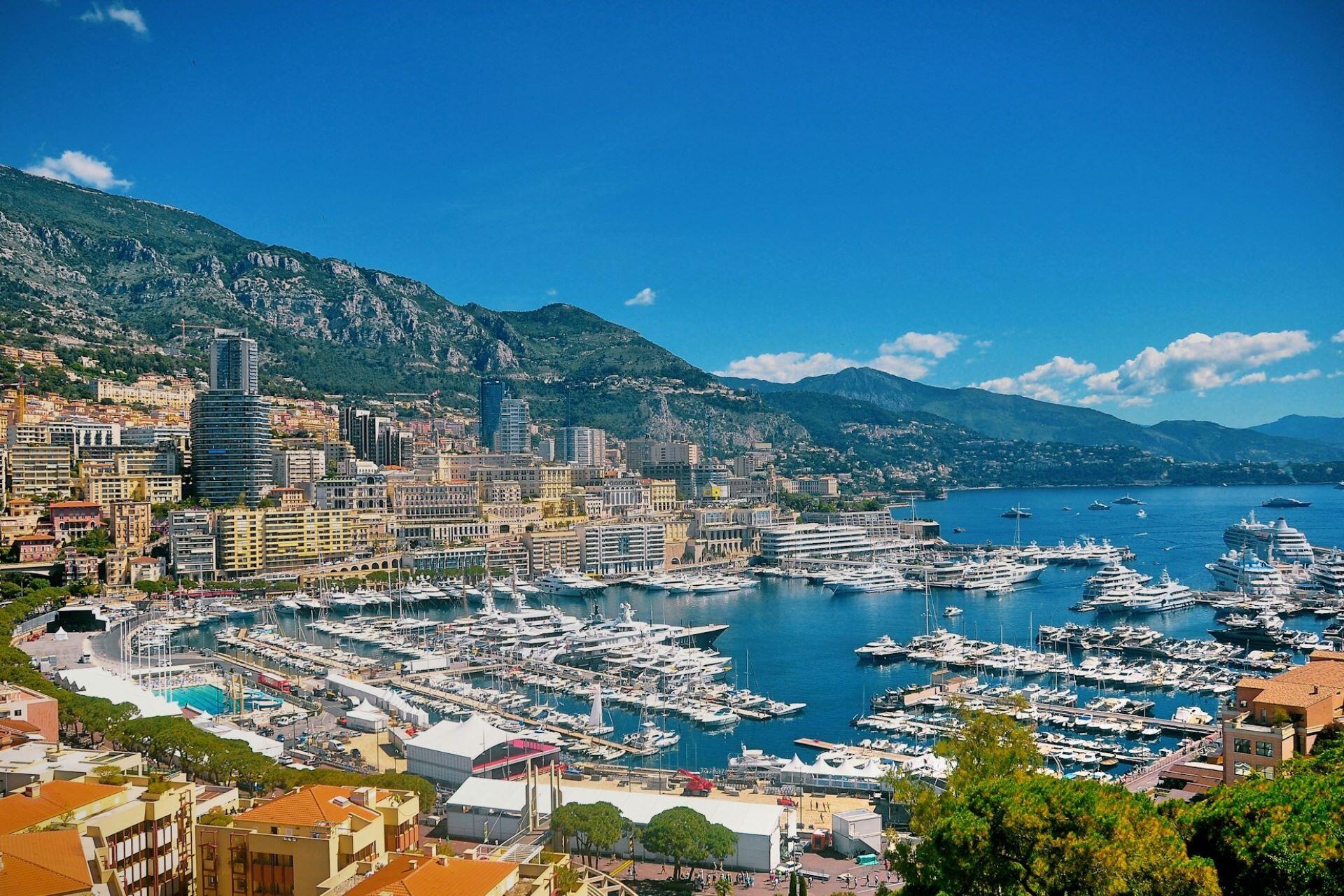
Americas
- Canada: 11 million French speakers. 30% of the population.
- Haiti: 4 million French speakers. 33% of the population.
- French Guiana: 250,000 French speakers. 80% of the population.
- Guadeloupe: 300,000 French speakers. 80% of the population.
- Martinique: 300,000 French speakers. 80% of the population.
- Saint Pierre and Miquelon: 5,000 French speakers. 95% of the population.
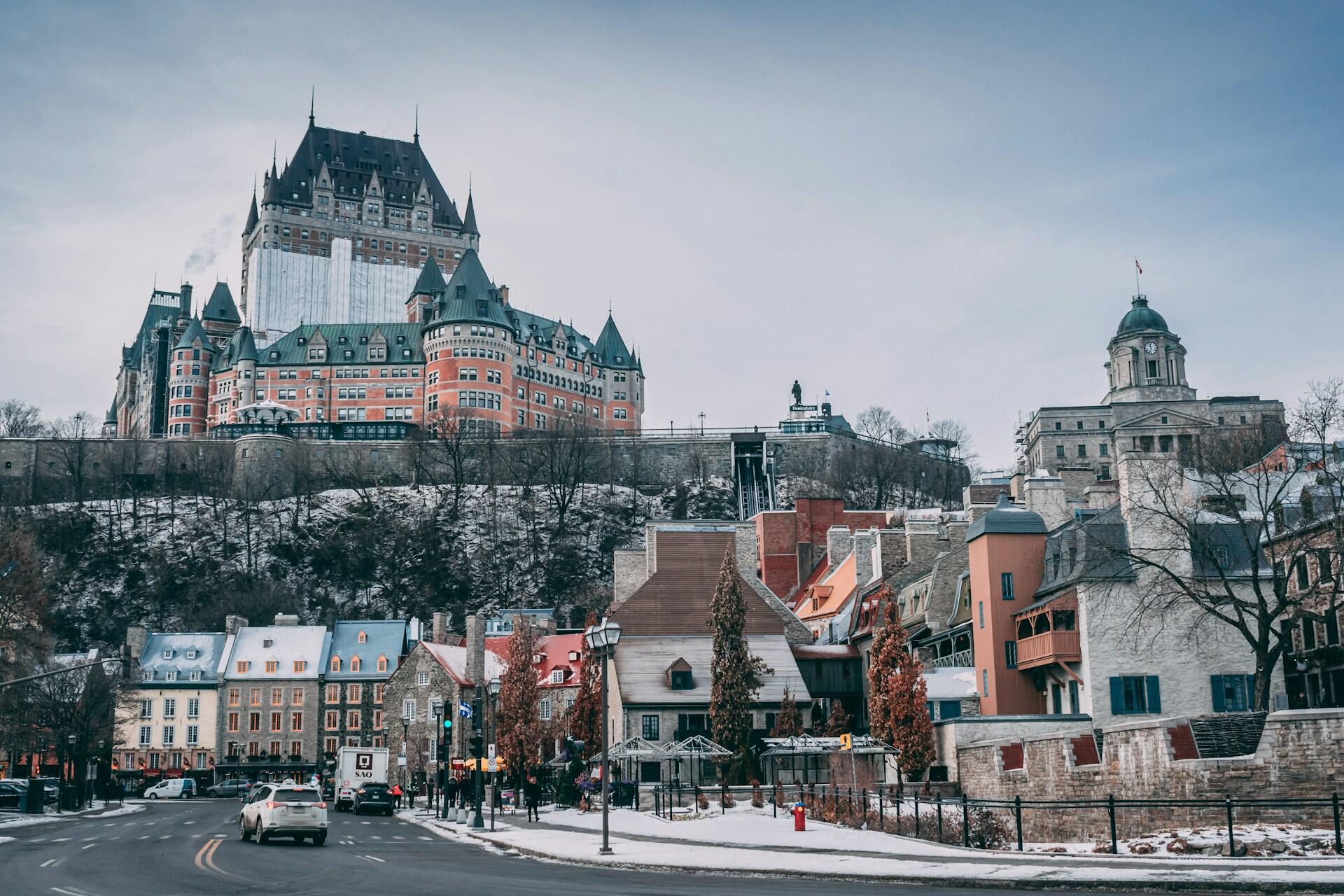
Asia and Oceania
- Vanuatu: 100,000 French speakers. 33% of the population.
- New Caledonia: 250,000 French speakers. 90% of the population.
- French Polynesia: 250,000 French speakers. 90% of the population.
- Wallis and Futuna: 10,000 French speakers. 90% of the population.
- Lebanon: 2 million French speakers. 30% of the population.
The Role of French in International Organisations
The French language also extends beyond its geographical distribution, serving as an important language in other contexts. It's often the language of diplomacy, law, translation, and international cooperation. As one of the official languages of the European Union, it remains important in European institutions.⁶ Outside of Europe, it's an official language of the UN.
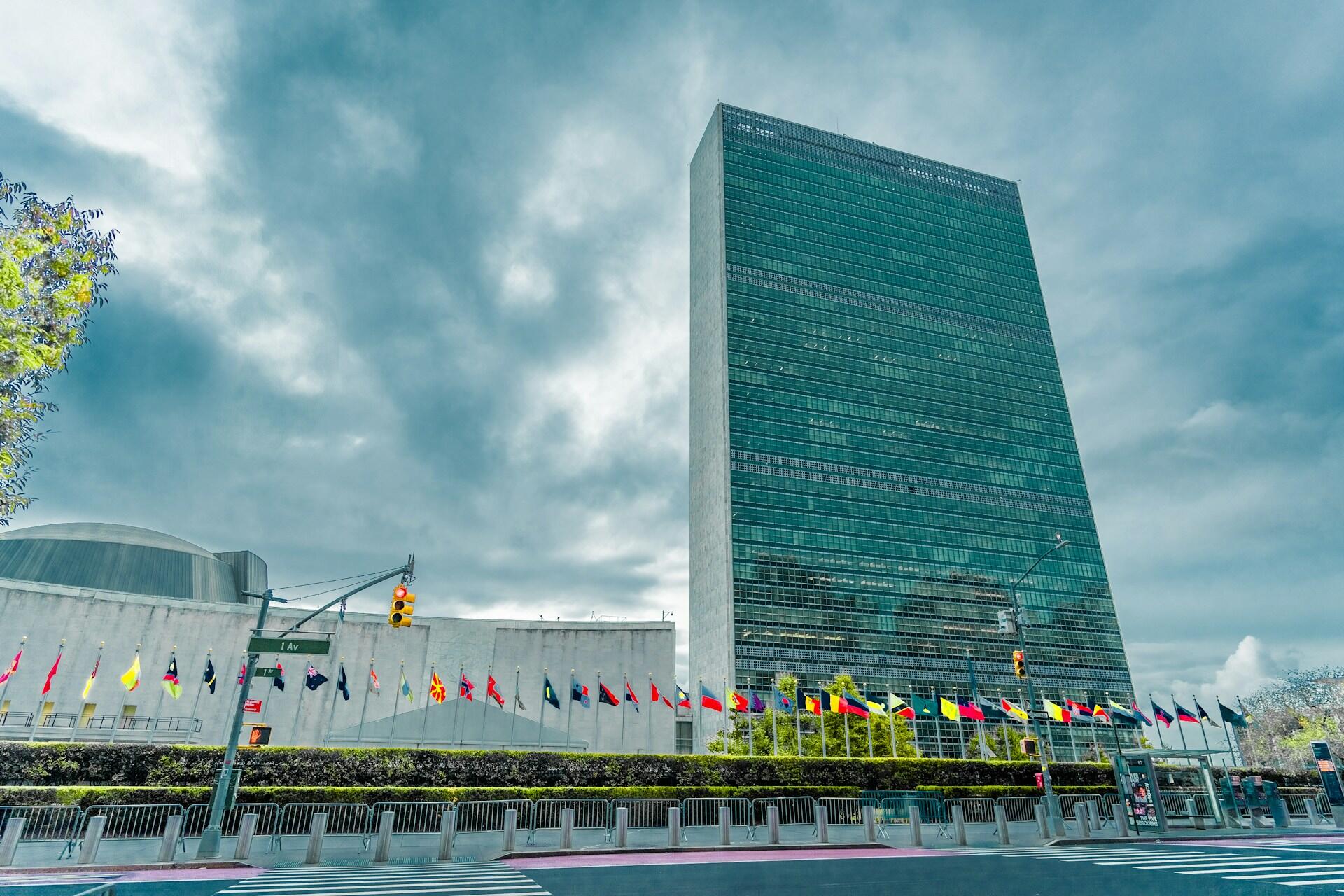
French remains important in international organisations, diplomacy, law, translation, education, and cultural exchange. It is one of the official languages of the United Nations.¹¹ French is also one of the official languages of the European Union.⁶ This means that learning French can be useful far beyond travel, especially for students interested in international careers.
The Future of the French Language Globally
So what does the future look like for the French language? Firstly, its natural growth will be tied to demographic growth, education, migration, and the changing role of francophone Africa. Even when French coexists with other national languages, it still plays an important role in daily life, as in Luxembourg.⁸ There are even French schools outside of France where classes are in French. However, Mali has shown that French can lose official status even when it remains useful in education, administration, or international communication.² Niger has also moved French away from official-language status under its new charter.¹²
French speakers worldwide.⁹
References
- Africanews. “Burkina Abandons French as an Official Language.” Africanews, 13 Aug. 2024, https://www.africanews.com/2023/12/07/burkina-abandons-french-as-an-official-language/. Accessed 26 Jun. 2026.
- Africanews. “Mali Drops French as Official Language.” Africanews, 13 Aug. 2024, https://www.africanews.com/2023/07/26/mali-drops-french-as-official-language/. Accessed 26 Jun. 2026.
- Belgium.be. “Belgium, a Federal State.” Belgium.be, https://www.belgium.be/en/about_belgium/government/federale_staat. Accessed 26 Jun. 2026.
- Conseil Constitutionnel. “Constitution of 4 October 1958.” Conseil Constitutionnel, https://www.conseil-constitutionnel.fr/en/constitution-of-4-october-1958. Accessed 26 Jun. 2026.
- Encyclopaedia Britannica. “French Language.” Encyclopaedia Britannica, 7 May 2026, https://www.britannica.com/topic/French-language. Accessed 26 Jun. 2026.
- European Union. “Languages, Multilingualism, Language Rules.” European Union, https://european-union.europa.eu/principles-countries-history/languages_en. Accessed 26 Jun. 2026.
- Government of Canada. “Section 16 and 16.1: Official Languages of Canada.” Department of Justice Canada, 14 July 2025, https://www.justice.gc.ca/eng/csj-sjc/rfc-dlc/ccrf-ccdl/check/art16.html. Accessed 26 Jun. 2026.
- Government of Luxembourg. “Strategy for the Promotion of the Luxembourgish Language.” Gouvernement.lu, 17 Oct. 2024, https://pcn.gouvernement.lu/en/dossiers.gouvernement2024%2Ben%2Bdossiers%2B2018%2Blangue-luxembourgeoise.html. Accessed 26 Jun. 2026.
- Organisation Internationale de la Francophonie. “‘La Langue Française dans le Monde 2026’: Des Données Actualisées sur le Nombre de Locuteurs, d’Apprenants...” OIF, 2026, https://www.francophonie.org/lancement-du-rapport-la-langue-francaise-dans-le-monde-2026-8426. Accessed 26 Jun. 2026.
- Switzerland Federal Department of Foreign Affairs. “Language.” About Switzerland, 20 June 2024, https://www.aboutswitzerland.eda.admin.ch/en/language. Accessed 26 Jun. 2026.
- United Nations. “Official Languages.” United Nations, https://www.un.org/en/our-work/official-languages. Accessed 26 Jun. 2026.
- WADR. “Niger Drops French as Official Language under New Charter.” WADR, 10 Apr. 2025, https://wadr.org/niger-drops-french-as-official-language-under-new-charter/. Accessed 26 Jun. 2026.
Summarise with AI:
Did you like this article? Leave a rating!

 Loading...
awesome sauce