
The Great Irish Famine is one of the most devastating crises in European history. How it happened and how it was dealt with went on to permanently shape the country. From the spread of the blight to the effect it had on the Irish population, here are 10 of the most significant facts.


1. The Potato Blight That Triggered the Irish Famine
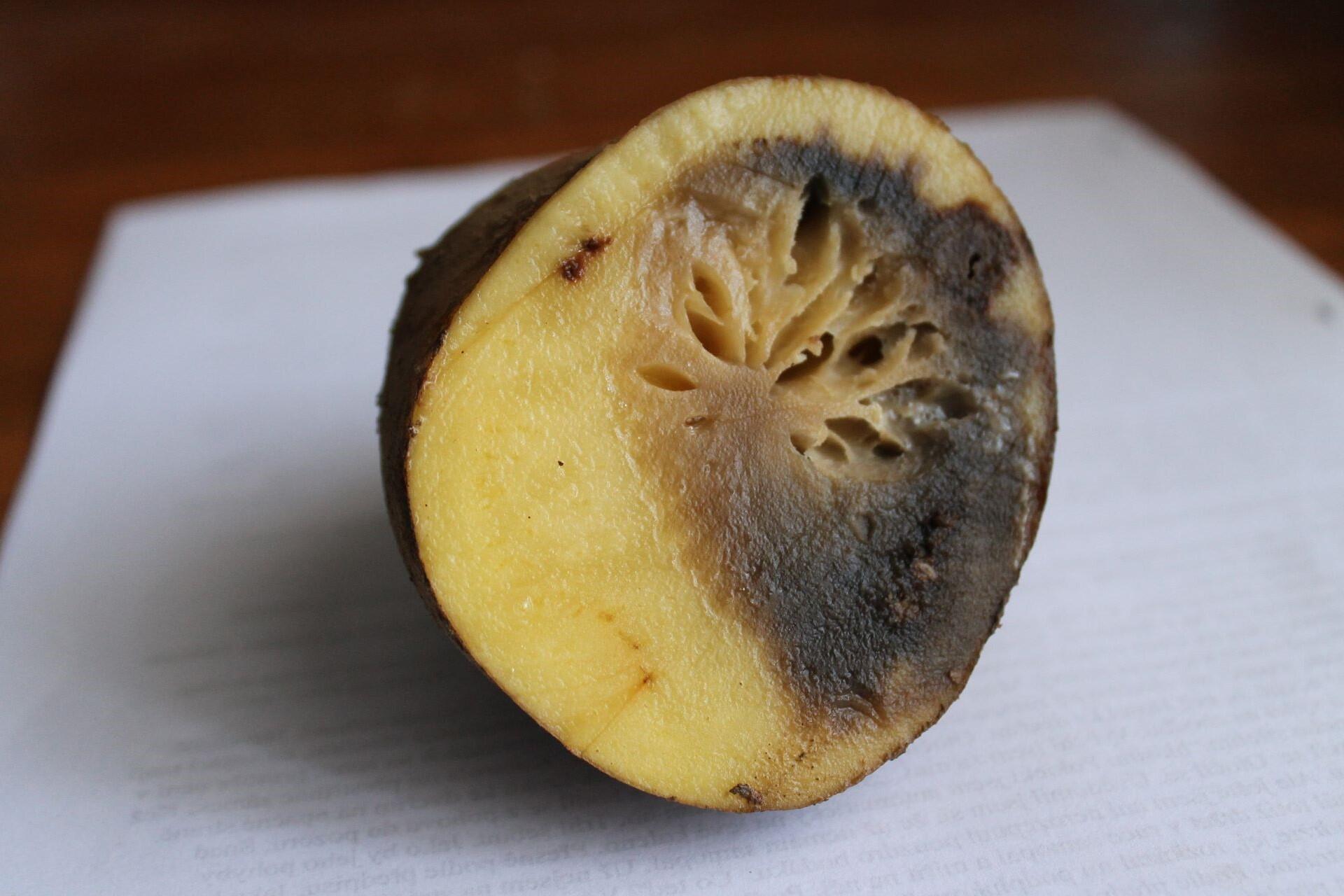
Just over 70 years before the Easter Rising of 1916, there was the Irish Famine. This was caused by a microscopic organism. Fields across Ireland in 1845 were struck by a strange disease that turned healthy green potatoes into black, slimy, unusable crops. The disease, known as potato blight, spread faster than farmers could dig up their crops. Within weeks, the food supply for millions of Irish people vanished. This was significant because the potato wasn't just a crop; it was the foundation of rural life and the primary source of sustenance for over three million people, especially Ireland's rural poor.
The disease that devastated Ireland's leading food crop wasn't a fungus, but a water mould known as Phytophthora infestans. It thrived in damp, cool conditions and could destroy entire fields of potatoes within days. Farmers first noticed the dark patches on leaves and the stench of rotting tubers in 1845, and by the following year, the blight had wiped out most of the harvest.
Modern DNA analysis has traced the 19th-century strain to a lineage called HERB-1 or FAM-1, probably originating in the Andes of South America. Scientists still study it today as one of the most devastating agricultural pathogens in history.
The year 1845 marked the beginning of one of the worst food crises in modern history, and while the blight was the immediate cause, systemic problems in Ireland and poor management of the crisis exacerbated the situation, resulting in the deaths and displacement of millions.
2. A Million Dead and a Million Gone: Ireland’s Population Collapse
Between 1845 and 1852, approximately one million people died from starvation and disease. Another million emigrated to escape the crisis. The total population of Ireland at the time was around 8.5 million, and nearly a quarter of that was gone in a few years, leaving much fewer people and the country's most important landmarks. By the beginning of the 20th century, it had almost halved to about 4.4 million. The Famine was one of the most dramatic population declines in European history.
The Famine was a prolonged catastrophe as potato blight returned year after year. Hunger weakened the poor, who were increasingly vulnerable to diseases like typhus, dysentery, and cholera. In rural areas, entire villages were decimated, and there are parish records where half the residents died or emigrated within two years!
3. “Black ’47” and the Temporary Relief Soup Kitchens
The year 1847 became known as "Black '47". For many, this was the darkest point of the Great Famine in Ireland. By this point, the potato blight had ruined three consecutive harvests, leaving millions without food or income. The British government introduced the Temporary Relief Act (often called the Soup Kitchen Act) to provide emergency meals to those too weak to work.
Makeshift kitchens appeared in churches, schoolhouses, and barns across the country. They served a maize-based broth, now known as "Peel's Brimstone," after Sir Robert Peel, who had imported Indian corn as relief. The programme fed up to three million people. It required an enormous logistical effort to briefly alleviate the national hunger. Nearly 90% of people in some Western regions relied on these for survival.
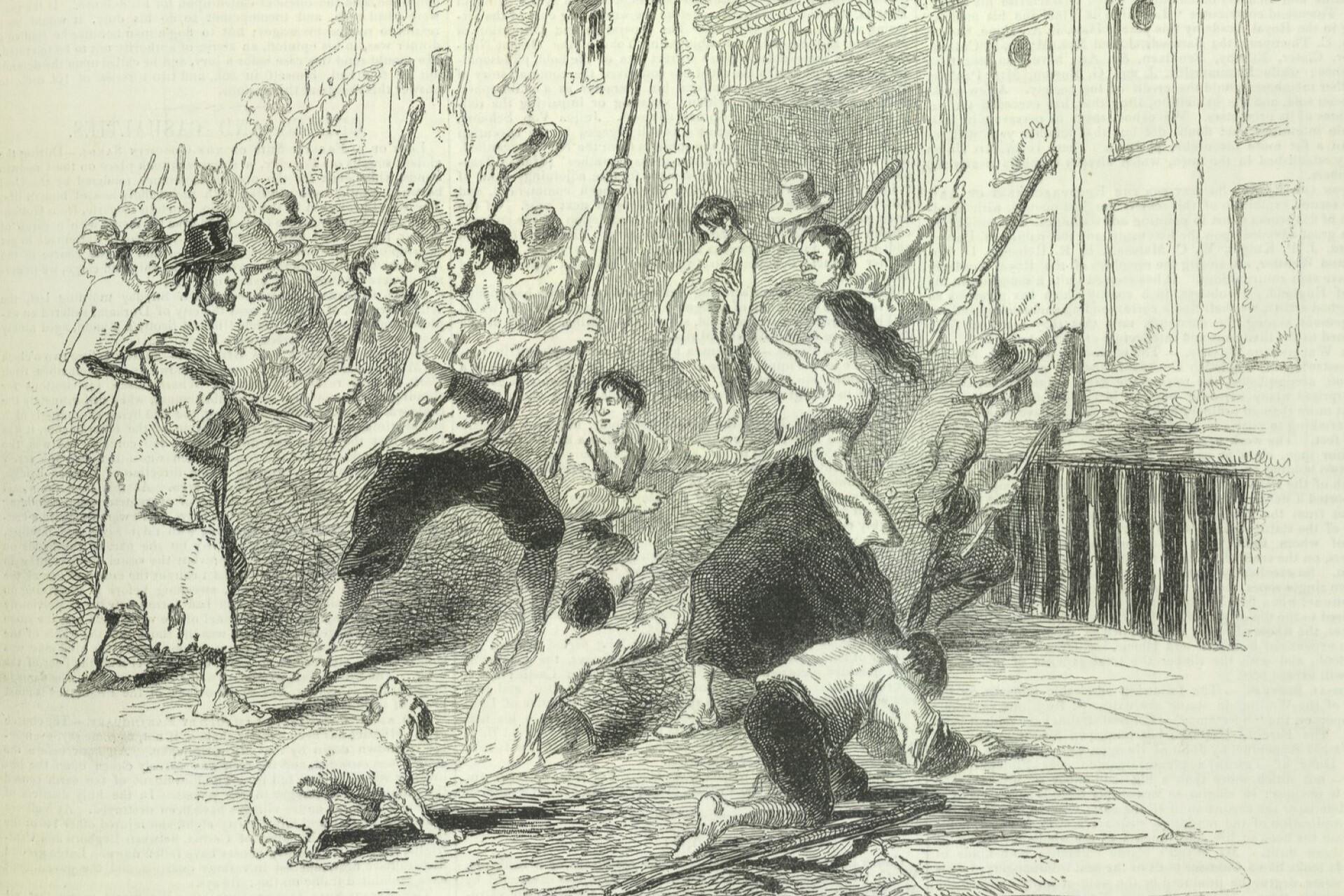
The success of this programme was short-lived, and by autumn of 1847, the government shut down the soup kitchens. Relief was provided by local Poor Law unions and workhouses, which were already overwhelmed. This policy decision ultimately left thousands to die in the following decision.
meals were being served daily by July 1847 under the Soup Kitchen Act.
4. Food Exports Continued While Ireland Starved
One of the most astounding facts of the Irish Famine is that exports continued while the nation starved. Ships were filled with butter, grain, livestock, and even potatoes. These exports left for Britain and continental Europe, and records from 1847 showed that during the worst years of the crisis, butter, oats, and meat were leaving the country as the poorest starved to death.
Supporters of the British government at the time maintained that trade had to continue to protect economic order and prevent panic. Still, critics will point to this as one of the cruellest examples of indifference as landlords, merchants, and officials continued to profit at the expense of human life, not to mention the knock-on effects this could have had on Irish culture, too. Tenant farmers in Ireland couldn't keep their produce once rent was due, so their crops were seized for export to pay debts. Towns like Cork, Limerick, and Dublin saw convoys of wagons carrying food to the docks while starving people lined the streets.
Even at the height of starvation, thousands of tons of food left Irish ports for Britain and Europe. Between January and September 1847, records show over 50,000 firkins of butter exported—each firkin holding about nine gallons.
Cargo manifests also listed grain, livestock, bacon, and fish, often under armed guard. The paradox of overflowing exports amid famine deaths has become one of the most controversial aspects of this period, shaping the view that economic policy and landlord interests deepened the crisis.
5. The Quarter-Acre Clause and Forced Evictions
One of the most essential facts about the Irish Famine is that government policy worsened the suffering of the poor. The British government passed the Poor Law (the "quarter-acre clause") in 1847, which stated that anyone holding more than a quarter of an acre of land could not receive outdoor relief.
It was defended as a way to prevent abuse of the system, but in reality, it still punished those who had almost nothing. Small tenant farmers could barely grow a few rows of potatoes on a quarter-acre, and to qualify for any relief, they had to give up their land. Landlords took advantage to clear estates and demolish cottages so tenant farmers couldn't return. The burden of relief was shifted from property owners to the starving.
Evictions were a daily occurrence, and while the government argued that these measures encouraged "self-reliance", all it really did was force tenant farmers into workhouses, provided they didn't die of hunger or disease on the way.
6. Overcrowded Workhouses and the Spread of Disease
By the late 1840s, many Irish families who'd lost their land or had been evicted under the quarter-acre clause found themselves in workhouses. These were initially only for the very poor, but by the height of the Famine, they were overcrowded. Nearly a million people entered workhouses in 1849, and by 1851, almost 4% of the whole population was living in them.
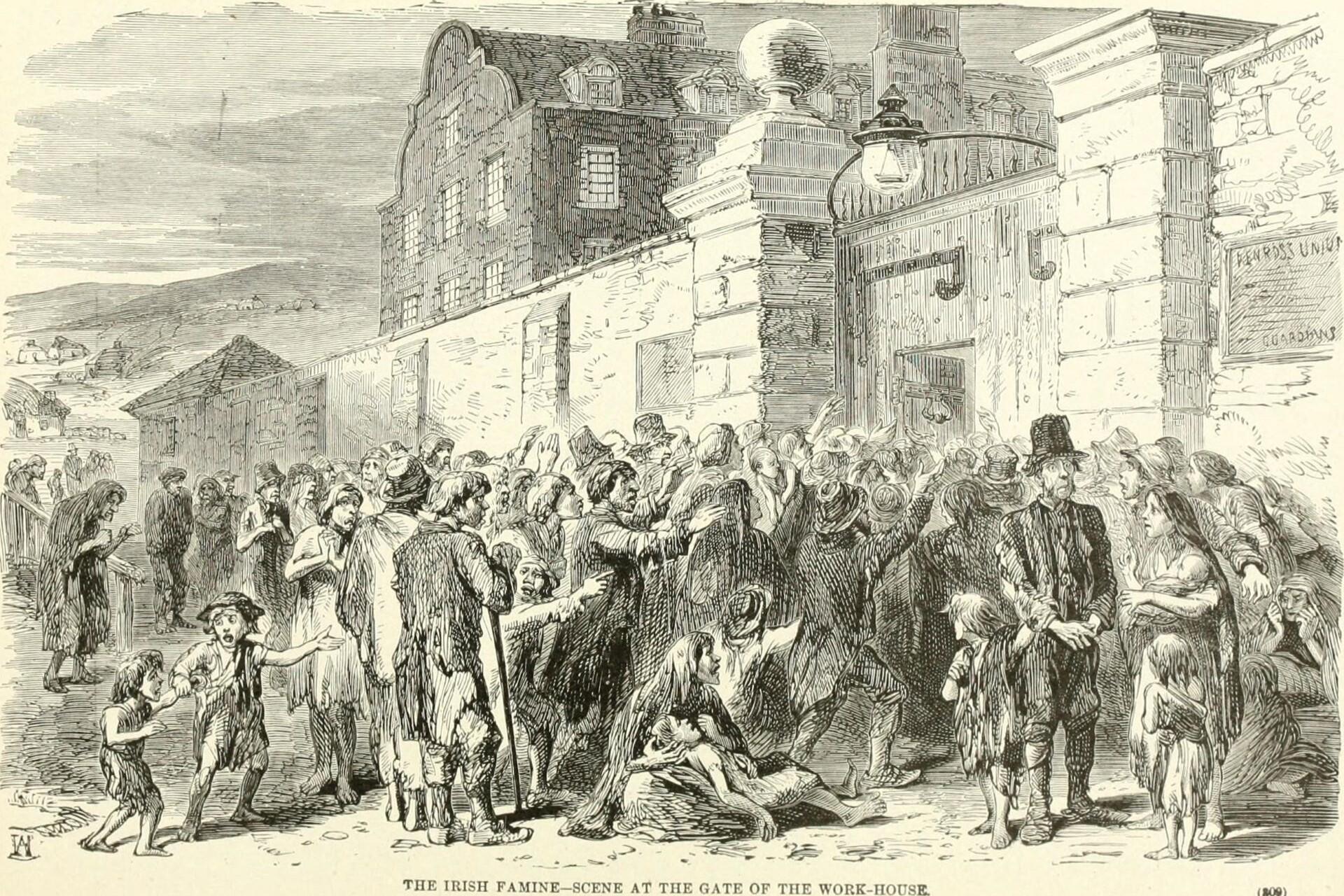
Workhouses provided food and a bed in exchange for labour, but conditions were grim, with families being separated, children removed from their parents, and meagre meals of thin porridge or bread. The overcrowding and poor sanitation meant that the starving, whose immune systems were weakened, would end up dying from diseases like typhus, dysentery, and cholera, which spread rapidly through the workhouses.
The dead in some counties were buried in unmarked graves behind the workhouses. While relief committees pleaded for more funding, the government's response, as throughout the Famine, remained very limited.
people were admitted to workhouses.
7. Coffin Ships and the Deadly Journey to Canada
While conditions in Ireland were awful, those who emigrated often didn't find themselves in much better situations. The disease-ridden, overcrowded "coffin ships" that carried thousands across the Atlantic during the Great Famine were tragic.
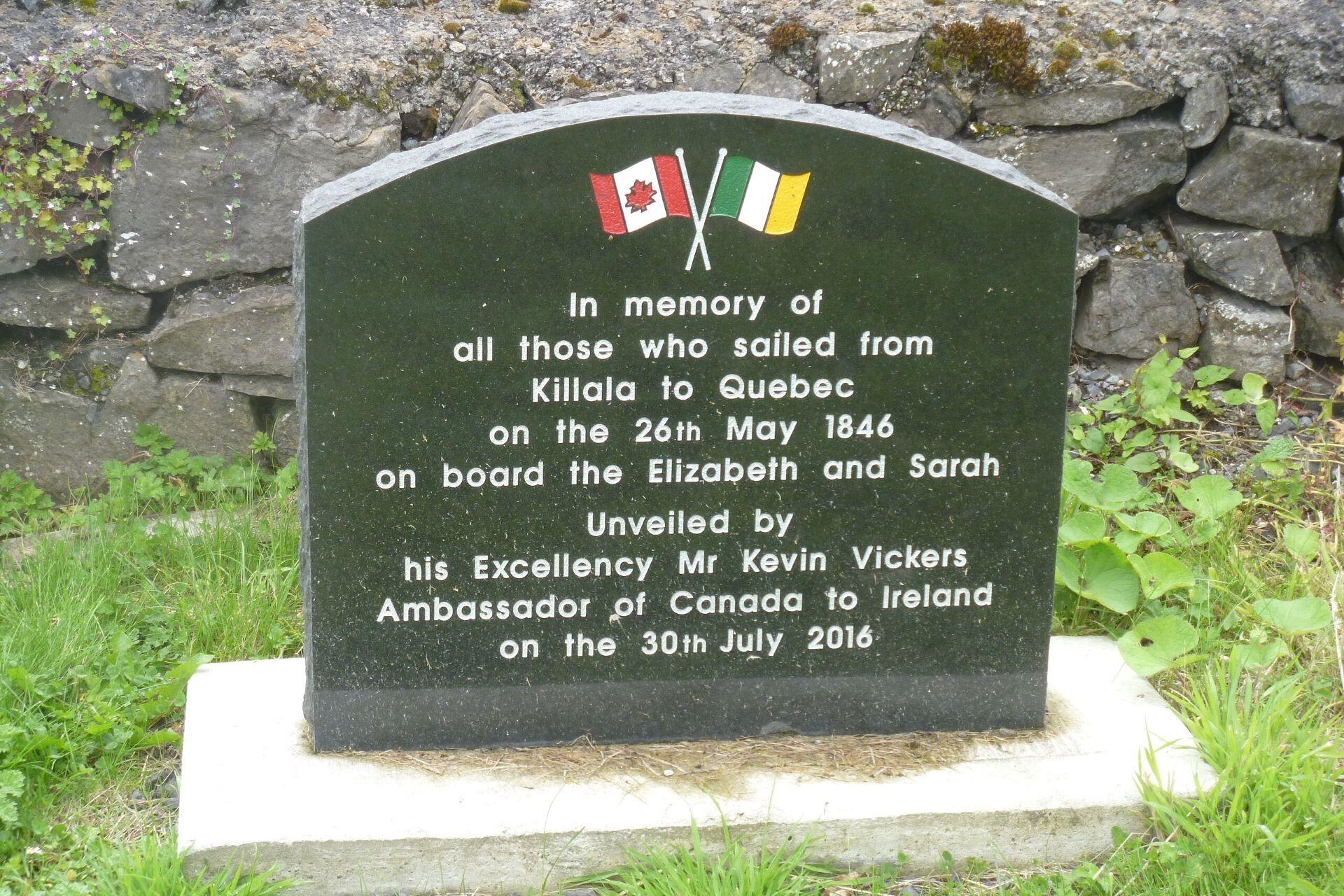
Most ships were packed beyond safe limits, and passengers rarely had enough food or clean water. There was almost no sanitation, and the same kinds of diseases that ravaged workhouses were also present on the ships. The cheaper ships bound for Canada had even worse conditions. At Grosse Île, the quarantine station near Quebec, thousands of Irish migrants died. This is partly the reason why many famous people refer to their Irish heritage, but you'll see that Ireland still produces famous and talented people today.
8. The Choctaw Nation’s Remarkable Act of Kindness
As Ireland struggled through the worst starvation and disease the nation had ever seen, members of the Choctaw Nation in the United States raised $170 (a considerable amount at the time). This act of kindness from a people who'd experienced a forced relocation and thousands of deaths from hunger, cold, and disease saw their own suffering reflected in the plight of the Irish and did what they could to help.
When the Choctaw Nation donated $170 to famine relief in 1847, they were still recovering from their own tragedy, the Trail of Tears. In recognition of that compassion, Ireland erected the “Kindred Spirits” monument in Midleton, County Cork, featuring nine stainless-steel feathers in an open circle.
In 2020, when Native American communities faced severe hardship during the pandemic, Irish donors contributed more than $5 million to return that generosity, creating a bond remembered on both sides of the Atlantic.
9. Sir Robert Peel, Indian Corn, and the Corn Laws
By the standards of the time, the British Prime Minister acted quickly, secretly authorising the purchase of £100,000 worth of maise from the United States to make up for the loss of the potato crop.
Though the crop was unfamiliar to the Irish people and challenging to make decent food out of, it did provide some relief in the early months of the Famine. However, political opposition in Britain meant that Peel's actions were undone when his government fell, and his successor, Lord John Russell, took a more hands-off approach to relief in Ireland. Needless to say, he isn't a celebrated figure.
10. The Lasting Legacy of the Great Famine on Ireland
The Irish Famine isn't just an event that happened hundreds of years ago; it has distinctly shaped how Ireland is today. With over a million dead and another million forced to emigrate, Ireland's population was permanently reduced for decades. The death and emigration vastly reduced the number of Irish speakers in the country, with the rural west one of the most drastically affected regions. By the end of the 19th century, English had replaced Irish as the dominant language because the poorest Irish-speaking areas had been hit the hardest. It laid the foundation for the War of Independence, which would take place decades later.
Summarise with AI:
Did you like this article? Leave a rating!

 Loading...