When you learn Gaeilge, you have to master Irish prepositions. This is just as important as learning new verbs or vocabulary. In Irish, prepositions are the foundation of how the language expresses relationships, actions, and even possession. You can't form sentences without them.
In English, a preposition usually comes before a noun or article to show its relation or position. In sentences like “on the table” or “at school”. Irish, however, merges pronouns with prepositions to create new forms called prepositional pronouns, which is something you should be aware of, especially if you're studying Irish Leaving Cert.
beenhere
What Is a Prepositional Pronoun?
In Irish, a preposition combines with a pronoun to form one word, like le + mé → liom (“with me”). These are used constantly in everyday speech.
How Prepositions Shape Meaning
Irish frequently uses prepositions where English would use a verb. For instance:
Tá carr agam — literally “A car is at me” — means “I have a car.”
Tá brón orm — literally “Sorrow is on me” — means “I am sorry.”
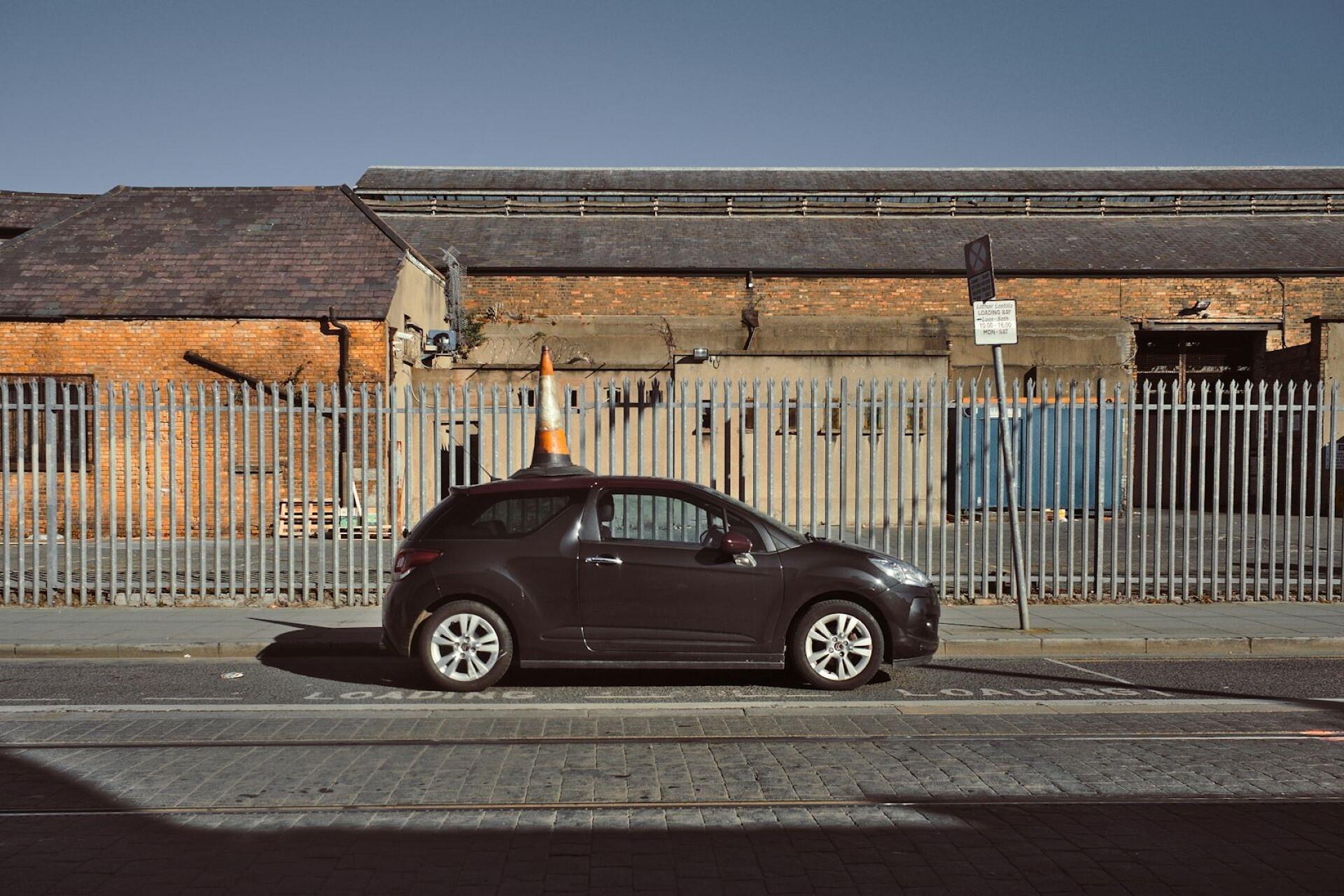
Car ownership is slightly more complicated in the Irish language. | Photo by Jonas Stolle
Prepositional Pronouns Explained
Since prepositions become prepositional pronouns, you have to conjugate every Irish pronoun. You'll regularly see forms like agam (“at me”) or orm (“on me). Prepositional pronouns are regularly used in spoken and written Irish. You have to use agam to say "I have a car". To express feelings like "I'm sorry", you need orm. Without prepositions in Irish, you can't form some of the most common expressions in the language. Just like asking questions in Irish, they're a core part of the language, which means they'll be a core part of your lessons.
Take the preposition do (“to/for”). Instead of do mé (“to me”), the language uses dom. The full set is: dom, duit, dó, di, dúinn, daoibh, dóibh.
Another example is ar ("on"). With pronouns, it becomes orm (“on me”), ort (“on you”), air (“on him”), uirthi ("on her"), and so on. These examples demonstrate how Irish forms can appear completely different from the root preposition, and why learners require practice to memorise them.
The Most Common Irish Prepositions
A good place to start learning Irish prepositions is with the most common. Here, you'll see them on their own and with examples of them as prepositional pronouns. Every learner should start by mastering these common examples.
In Irish, there are over
20
core prepositions that you'll have to start learning from some of your earliest lessons.
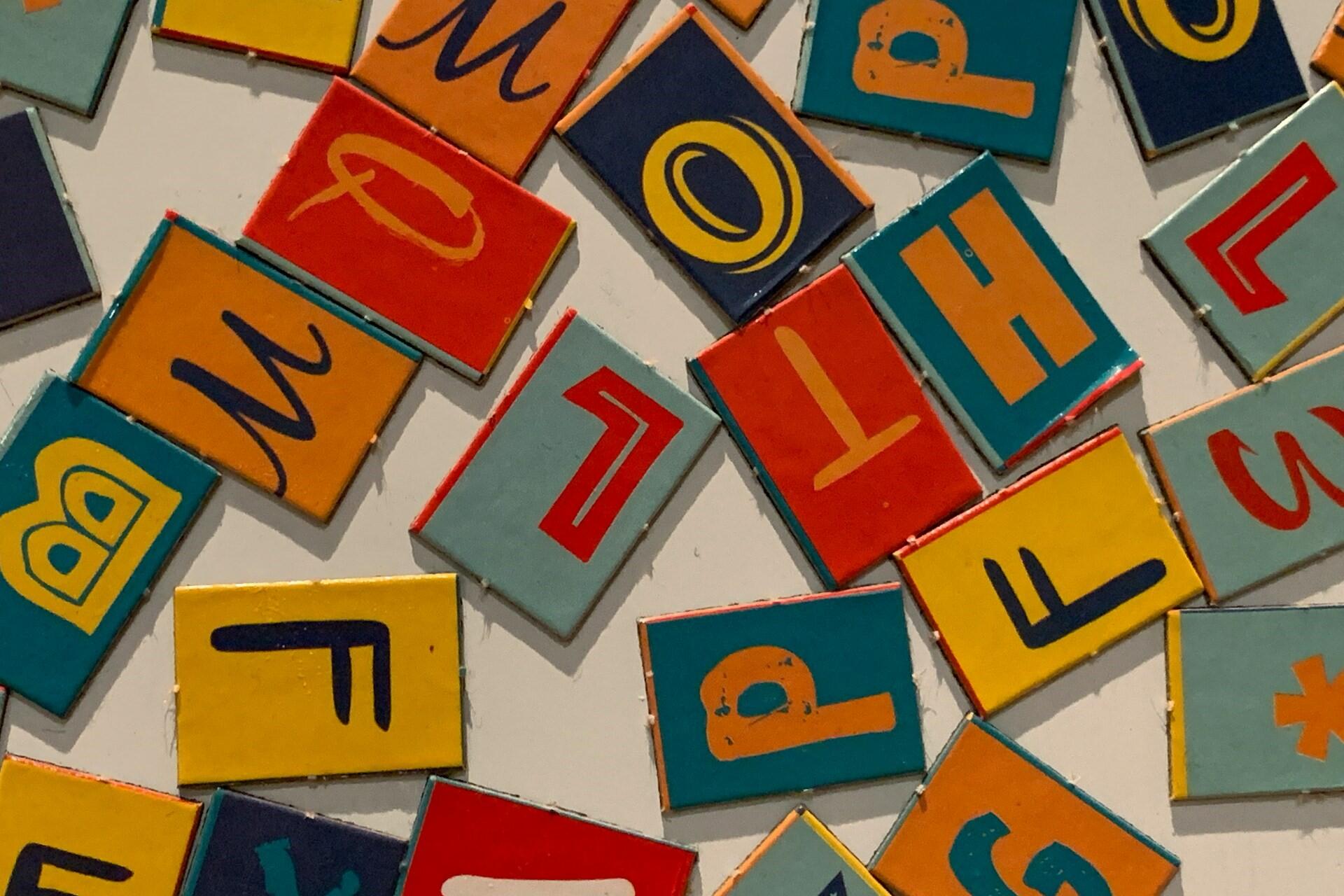
You've got a lot to learn, consider studying with your friends. | Photo by Alexis Brown
Ag – at / possession: Used to show what someone has. Tá carr agam — “I have a car.” (Literally, “A car is at me.”)
Ar – on / features / feelings: Often expresses states or emotions. Tá brón orm — “I am sorry.” (Literally, “Sorrow is on me.”)
Leis – with / by: Used to mean “with” someone or “by” in expressions. Tá sé ag caint liom — “He is talking with me.”
Do / De – to, for / of, off: Do means “to/for,” while de means “of/from.” Thug sé leabhar dom — “He gave me a book.” Bain díot do chóta — “Take off your coat.”
Faoi – under / about: Can mean “under” physically or “about” in conversation. Tá sé faoi bhrón — “He is under sadness / He is grieving.”
Ó – from: Shows origin or source. Tháinig sí ó Bhaile Átha Cliath — “She came from Dublin.”
Roimh – before: Used in time and spatial contexts. Bhí mé roimh an múinteoir — “I was before the teacher.”
Thar – over / past: Indicates movement. Shiúil siad thar an droichead — “They walked over the bridge.”
Trí – through: Shows passage. Chuaigh sé trí na doirse — “He went through the doors.”
I / Sa – in: Means “in.” Tá sé sa seomra — “He is in the room.”
Idir – between: Shows position or comparison. Bhí sé idir dhá chathaoir — “It was between two chairs.”
Gan – without: Used to express absence. D’imigh sé gan slán a fhágáil — “He left without saying goodbye.”
When mastering Irish prepositions, how they interact with the definite article (an / na) is one of the trickiest parts. In Gaeilge, the article "the" triggers sound and spelling shifts that are known as lenition and eclipsis.
Look to a private tutor, online or in-person, to help you study Irish prepositions. | Photo by Wes Hicks
Preposition + Article Combinations (ar an, leis an, faoin…)
Many prepositions fuse with the article to create new forms. For example:
ar + an → ar an (“on the”)
le + an → leis an (“with the”)
faoi + an → faoin (“under the”)
ó + an → ón ("from the")
These combinations are used constantly in both spoken and written Irish.
Lenition vs Eclipsis Rules
After prepositions, nouns can undergo either lenition (adding an h after the initial consonant) or eclipsis (adding a new initial letter that “covers” the old one). For example:
le + bean → leis an bhean (“with the woman,” lenition)
ag + bord → ag an mbord (“at the table,” eclipsis)
These sound changes are not just spelling quirks; they affect pronunciation and are part of the rules of Irish grammar.
beenhere
Mutation Triggers to Remember
Some prepositions cause lenition, others cause eclipsis.
- Lenition → ar an bhean (“on the woman”) - Eclipsis → ag an mbord ("at the table")
Keeping a personal chart of which trigger which mutation saves a lot of confusion.
Connacht/Munster vs Ulster Systems
Regional dialects handle these mutations differently:
Connacht & Munster (Córas Lárnach): often use eclipsis after prepositions with the article.
Ulster (Córas an tSéimhithe): tends to use lenition instead.
Both systems are correct, but learners should note which one their teacher or course follows, and stay consistent in their writing and speech.
beenhere
Regional Note — Ulster vs Munster/Connacht
Ulster Irish: prefers lenition after prepositions with articles. Munster/Connacht: often use eclipsis instead.
Both are correct; the key is to be consistent with whichever system your course or teacher follows.
Going “To” in Irish: Chuig, Chun, Go, Go Dtí
The preposition in Irish that means "to" or "towards" has its own rules, just like the others. As always, you'll just have to learn them. Remember that there are regional variations to contend with, too!
Going somewhere? You'll need to learn how to say it in Irish. | Photo by Phil Aicken
Chuig – to/towards people or events
Chuig is often used when talking about movement towards people or occasions.
Chuaigh sé chuig an dochtúir — “He went to the doctor.”
Táim ag dul chuig an gceolchoirm — "I'm going to the concert."
In Ulster Irish, chuig often triggers lenition after the article (chuig an bhus).
Chun – to/towards, in order to (+ genitive)
Chun also means “to” or “towards,” but it governs the genitive case, which changes the noun form.
Chuaigh sí chun na cathrach — "She went to the city."
It is also used to mean “in order to”:
Chun staidéar a dhéanamh — “In order to study.”
Go / Go Dtí – to a place
When speaking of direction to a place, the Irish typically use go.
Tá mé ag dul go Corcaigh — “I am going to Cork.”
If the place has the definite article, you switch to go dtí:
Tá sé ag dul go dtí an ollscoil — “He is going to the university.”
Regional Variations (Munster, Ulster, Connacht)
In Munster and Connacht, learners will hear both chuig and chun regularly.
In Ulster, speakers may prefer chuig for people/events and go dtí for places.
Across Ireland, go dtí has become the usual form when the article is present.
Everyday Expressions with Irish Prepositions
When learning any language, practice makes perfect. By using everyday expressions, you'll naturally familiarise yourself with the prepositions in Irish. Just remember that these won't translate word-for-word.
Possession (Tá carr agam – I have a car)
Irish doesn’t use a verb like “to have.” Instead, it uses the preposition ag (“at”) with a prepositional pronoun.
Tá carr agam — “I have a car.” (Literally, “A car is at me.”)
Tá leabhar aici — “She has a book.”
Feelings (Tá brón orm – I’m sorry)
States and emotions are often expressed with ar (“on”).
Tá brón orm — “I’m sorry.” (Literally, “Sorrow is on me.”)
Tá ocras air — “He is hungry.” (Literally, “Hunger is on him.”)1
Talking About People (Tá sé ag caint fút – He’s talking about you)
The preposition faoi can mean “under” or “about.” In conversation, it’s frequently used for “about.”
Tá sé ag caint fút — “He’s talking about you.”
Bhí siad ag caint fúinn — “They were talking about us.”
Common Challenges for Learners
Many learners struggle with Irish prepositions because they don't work like English ones. Unfortunately, there's nothing we can do about that. Just like the Irish irregular verbs, you generally just have to study them. However, by knowing where you're likely to struggle, you can take extra care when studying.
Prepositions instead of verbs: e.g., Tá carr agam = “I have a car” (literally “A car is at me”).
Prepositional pronouns are hard to memorise:liom (“with me”), uait (“from you”), rompu (“before them”).
Mutations after prepositions: some trigger lenition (ar an bhean), others trigger eclipsis (ag an mbord).
Dialect differences: Munster/Connacht often use eclipsis after articles; Ulster tends to use lenition.
Tips for Mastering Prepositions in Irish
Everybody learns differently, so you must know what works for you. If you're struggling with Irish prepositions, consider this advice. Once you find what works for you, you can start refining your study techniques.
Drill prepositional pronouns regularly: write out full sets like dom, duit, dó, di, dúinn, daoibh, dóibh until they feel natural.
Use short dialogues: practice everyday sentences such as Tá brón orm (“I’m sorry”) or Tá carr agam (“I have a car”) so you see prepositions in context.
Make flashcards for tricky forms: include the base preposition on one side (le, faoi, roimh) and the pronoun forms on the other (liom, fút, rompu).
Watch for mutations: note which prepositions cause lenition (ar an bhean) and which cause eclipsis (ag an mbord). Create a reference chart you can return to.
Learn regional notes: if you’re studying in Munster or Ulster, ask your teacher which mutation system your course follows, and stay consistent.
Link to English equivalents carefully: remind yourself that Irish sometimes uses a preposition where English uses a verb. This mental switch makes sentences easier to remember.
Mix study methods: combine textbooks, online resources, and listening to native speakers so you hear how prepositions are actually used in conversation.
Every preposition has
7 pronoun forms
(dom, duit, dó…), so learning one actually means memorising multiple.
Summarise with AI:
Did you like this article?Leave a rating!
5.00 (1 rating(s))
Loading...
Joseph P
Joseph is a French and Spanish to English translator, copywriter, and all-round language enthusiast.
Irish has around 20 core prepositions, but because each one fuses with pronouns, you'll need to learn dozens of different forms. That's why they feel more complex than English prepositions.
🤔 Why do Irish prepositions look so different with pronouns?
This is because of prepositional pronouns. Instead of saying “with me” (le mé), Irish combines them into a single word (liom). It’s a feature of the language that learners need to memorise.







 Loading...