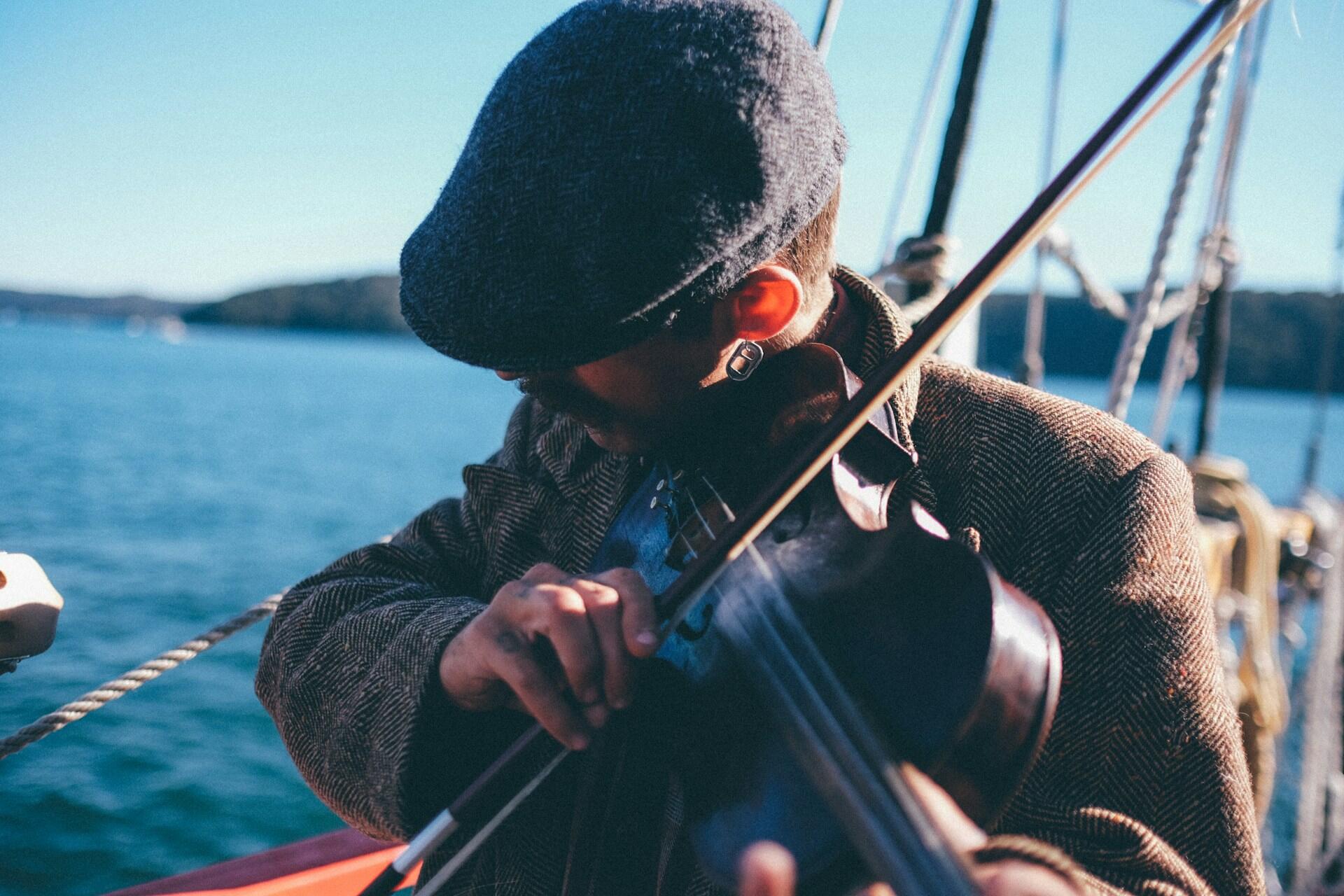

What makes traditional music so special is the strong sense of community it builds. Musicians who don’t know each other at all often play together. It’s all about getting together socially and playing tunes, purely for the enjoyment of it.
Dr Sandra Joyce, Director, Irish World Academy of Music and Dance
Ireland is a musical nation, with Irish traditional music built around a collection of instruments. These instruments shape Ireland's sound and have done so for centuries. However, the instruments used can evolve and change over time. With that in mind, here's our guide to the various traditional Irish musical instruments.


String Instruments
String instruments have long been a key part of Irish traditional music. They can provide melody and harmonic support. While many of these originated outside Ireland, their use in Irish music makes them central to it and they've become a key part of Irish culture. String instruments are especially important for carrying melody in dance music, where clarity, rhythm, and ornamentation are essential.
years of documented Irish musical tradition
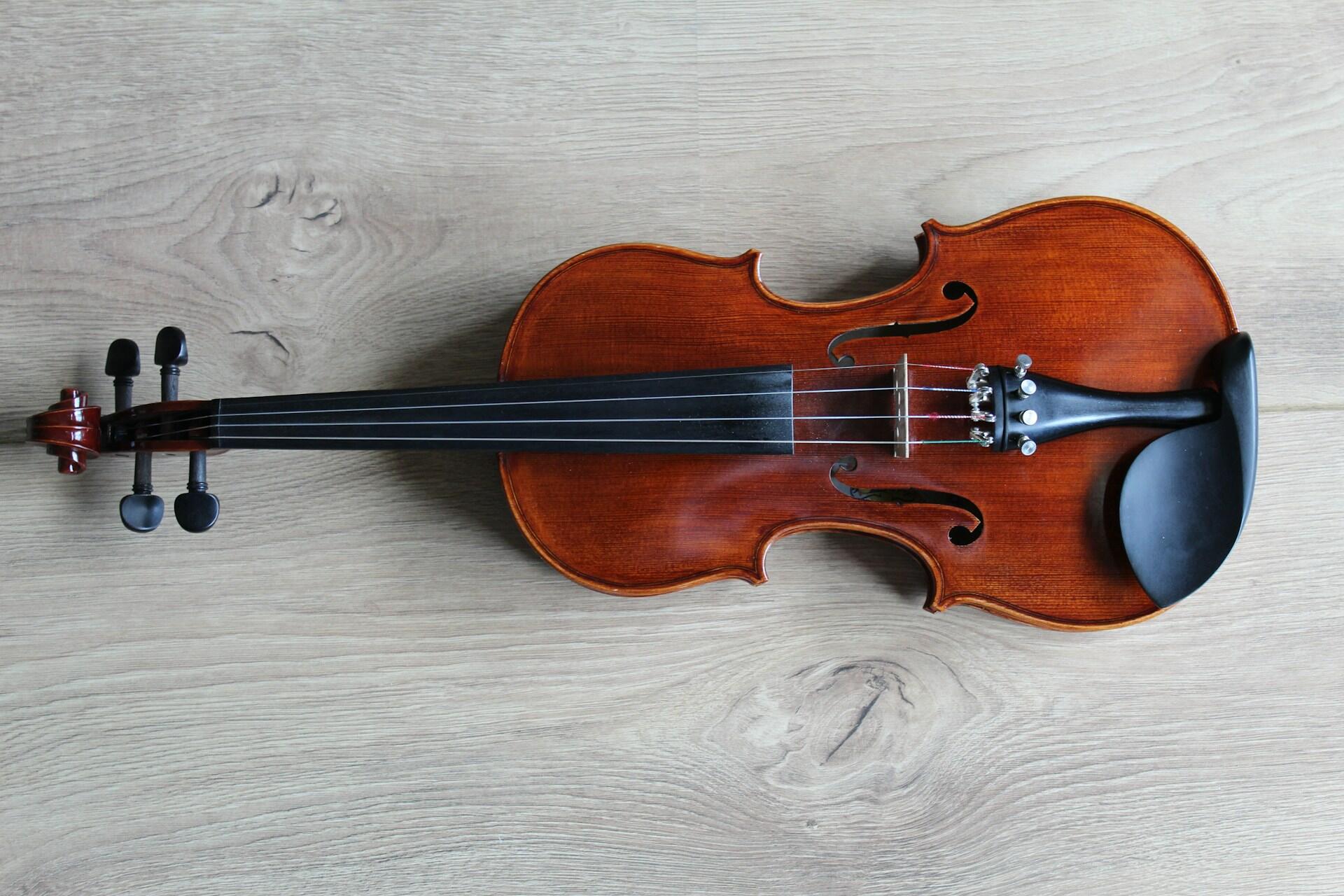
The fiddle is identical to a violin but is played with Irish stylistic techniques, including ornamentation and rhythmic bowing. It is one of the most essential Irish musical instruments and leads melodies in reels, jigs, and airs.
The harp has deep historical roots in Ireland and was traditionally wire-strung and played by professional harpers. Modern Irish harps are usually strung with nylon and are used for solo performance and accompaniment rather than session playing.
The four-string tenor banjo became popular in Irish trad music in the 20th century. It is typically tuned in fifths and played with a plectrum to produce a bright, rhythmic melody sound.
The mandolin appears less frequently than the banjo but is used in both melody and accompaniment roles. Its tuning allows fiddle tunes to transfer easily between instruments.
The bouzouki was adapted into Irish music in the late 1960s and is now a standard accompaniment instrument. It provides rhythmic drive and harmonic texture rather than playing the main tune.
The guitar is primarily used for accompaniment in Irish traditional music. Irish players favour open tunings and subtle rhythm to support the melody without overpowering it.
The Irish harp is one of Europe's oldest continuous musical symbols. It has been associated with Ireland since at least the medieval period. Wire-strung harps were played by professional harpers attached to noble households, and the harp remains a national emblem, appearing on Irish coins, passports, and official seals.
Wind Instruments
Wind instruments are often used in Irish music. They typically carry the main melody, relying on ornamentation and breath control. Many Irish trad instruments are linked to regional styles of Irish music. Because of their volume and expressive range, wind instruments often lead tunes in sessions and solo performance settings.
Irish traditional instruments are defined less by where they were invented and more by how they are used. An instrument becomes part of the tradition through long-term adoption, specific playing techniques, and its role in Irish dance music, song accompaniment, and session culture. This is why instruments like the fiddle and accordion are considered traditional, even though they originated elsewhere.
The tin whistle is one of the most accessible Irish instruments. It is widely used by beginners and experienced players alike. It is small, portable, and capable of fast, ornamented playing.
The low whistle is a larger version of the tin whistle with a deeper, more mellow tone. It is often used for slow airs and expressive melodies.
The Irish flute is typically a wooden, simple-system flute rather than a modern metal concert flute. It is known for its rich tone and distinctive embouchure-based ornamentation.
Uilleann pipes are bellows-blown pipes unique to Ireland and played while seated. They allow for complex melodies, chords, and rhythmic accompaniment through regulators.
The harmonica appears in some Irish traditional settings, especially in rural styles. Players often use specific keys to match familiar session tunes.
Free Reed Instruments
Free reed instruments first became prominent in Irish music in the late 19th and early 20th centuries. These are often used with dance music and use strong rhythmic phrasing. These are still very popular in Irish trad sessions. However, the musicians who typically count themselves among Ireland's most famous people tend to favour more contemporary instrumentation to give their music a more global appeal.
Irish traditional accordion players typically use button accordions, most commonly in B/C or C♯/D systems. These tunings support the ornamentation and phrasing required for Irish dance tunes and differ from piano accordion approaches used in other folk traditions.
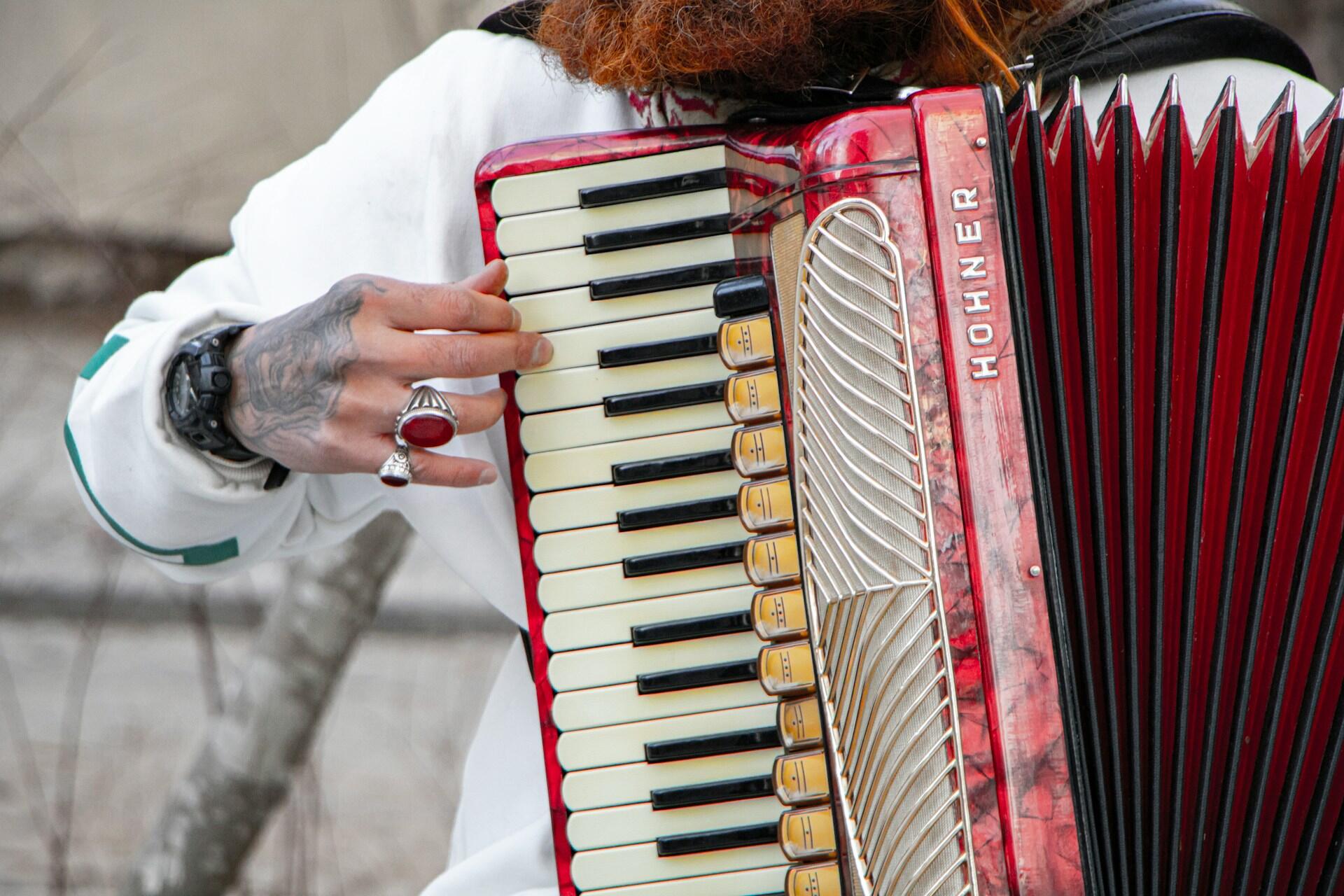
The button accordion is one of the most common traditional Irish instruments in sessions today. B/C and C♯/D systems are favoured for their suitability to Irish ornamentation.
Piano accordions are used less frequently but still appear in Irish folk and céilí band settings. They provide strong volume and rhythmic clarity.
The Anglo concertina is the most common type used in Irish traditional music. It is compact and well-suited to fast dance tunes.
Percussion Instruments
Percussion in Irish folk music is typically more supportive than in other genres. The focus is to reinforce the rhythm for dancers. Given the emphasis on melody, percussion instruments are often used sparingly in Irish music. However, you may notice an overlap between Irish food and Irish music here.
An Irish music session is an informal gathering where musicians play traditional tunes together, usually in pubs or community spaces. Tunes are shared by ear rather than from sheet music, and players join in when they know the melody. Sessions help keep Irish traditional music alive by encouraging learning, social connection, and regional variation.
The bodhrán is the best-known Irish percussion instrument. It is played with a tipper or by hand, with pitch controlled from the inside of the drum.
Bones are a traditional rhythm instrument made from animal bone or wood. They are played by rattling pairs together to create a sharp percussive sound.
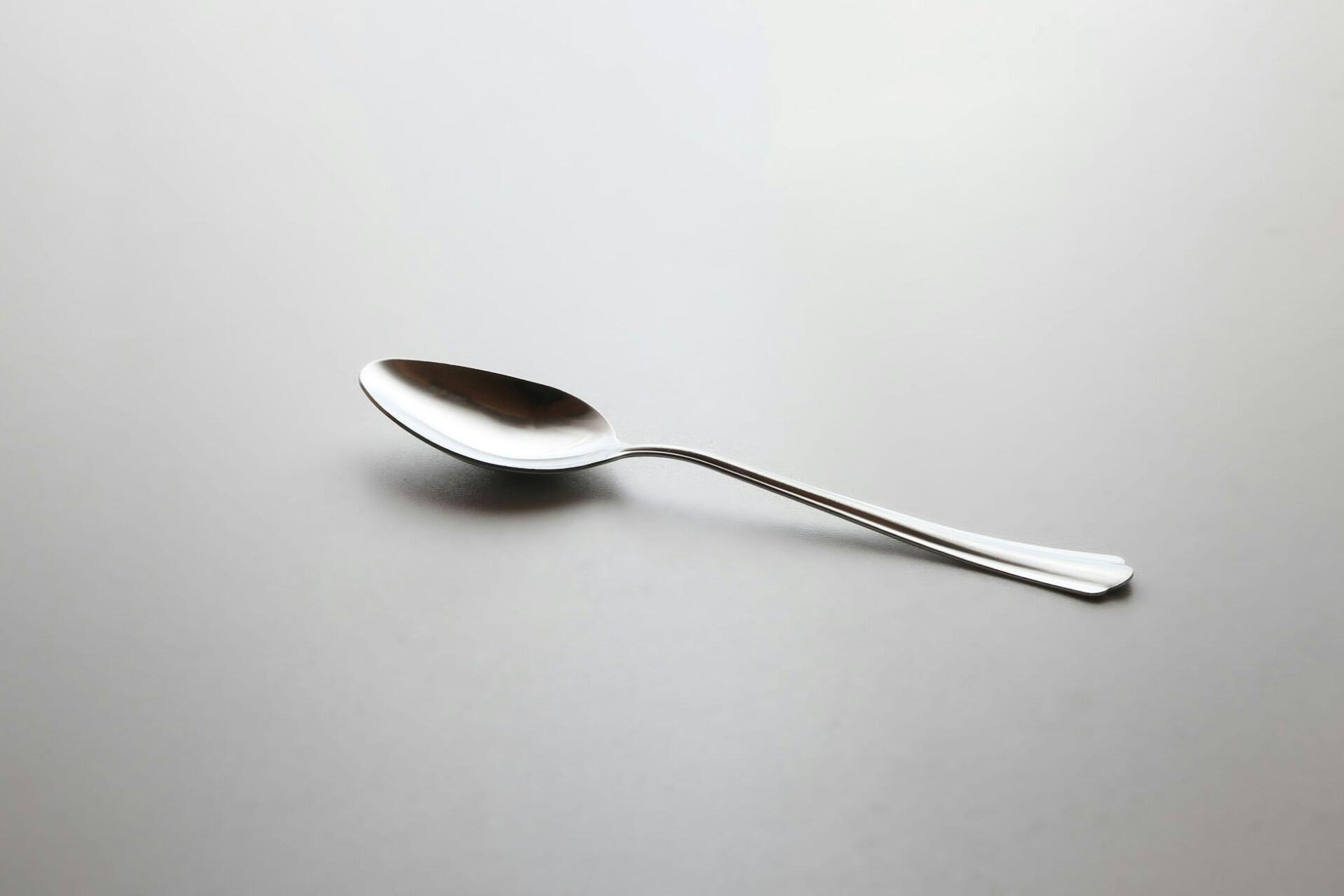
Spoons are occasionally used as a folk percussion instrument in Irish music. They add rhythm using simple, handheld techniques.
Keyboard and Accompaniment Instruments
While not considered core traditional instruments in Irish music, keyboard instruments have been used for a long time. You'll likely hear them in ensemble, stage, or teaching settings, and since most can't be carried with you, you won't often find them in informal sessions. Nevertheless, they're still central to much Irish music.
Irish traditional music varies by region, with different counties favouring particular instruments, tempos, and ornamentation styles. For example, fiddles dominate in some western areas, while accordions and concertinas are more common in others. These regional differences give Irish music its diversity while still sharing a core everyday repertoire.
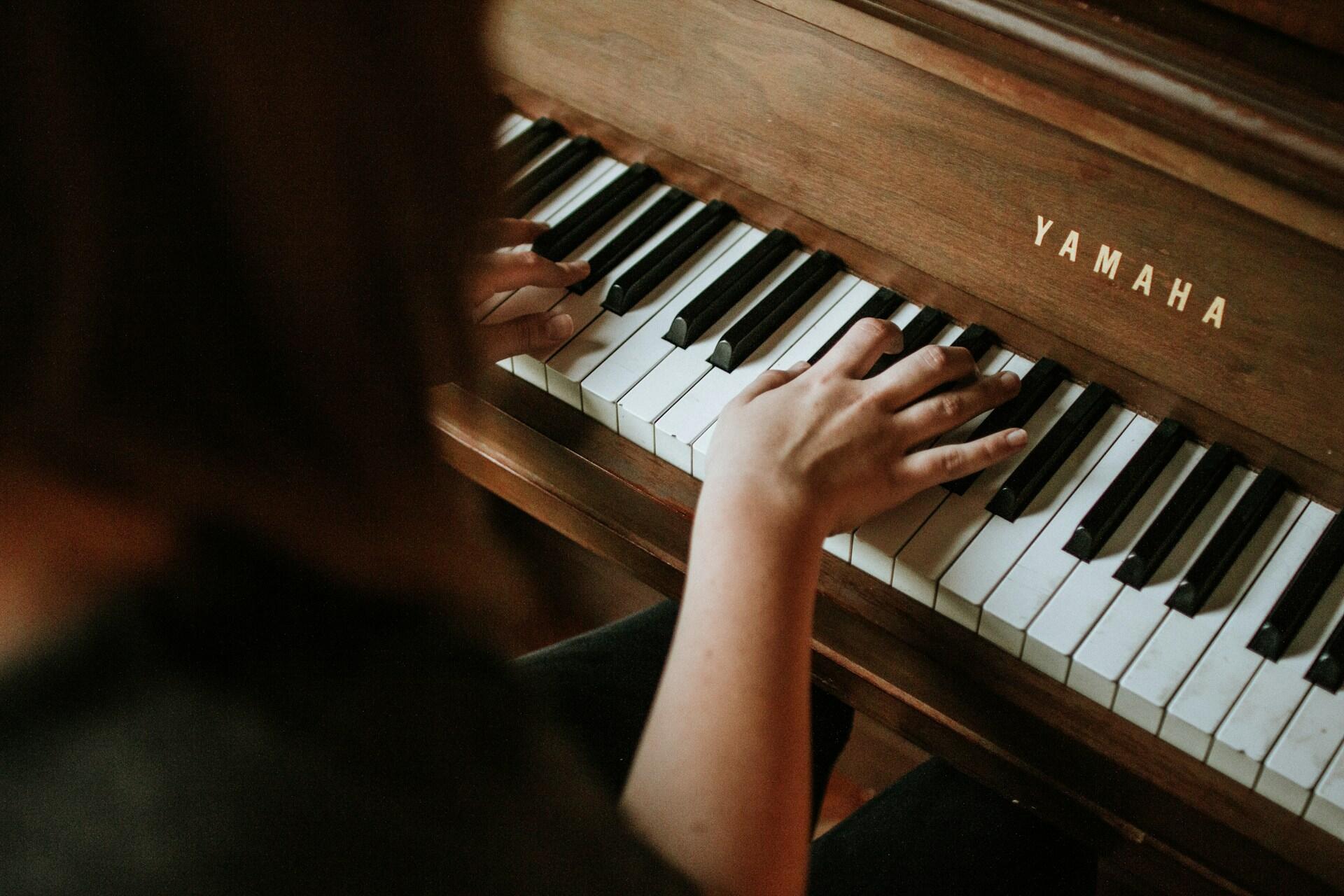
The piano is used in Irish folk groups and teaching environments. It provides harmonic structure and rhythmic support for other instruments.
Electronic keyboards appear in modern Irish folk and fusion performances. They allow flexibility in tone and arrangement but are rarely used in traditional sessions.
Vocal Tradition and Accompaniment
The voice plays a central role in Irish traditional music. Singing styles have influenced instrumentation in Irish music. Vocal music is also integral to storytelling in Irish music, running parallel to Irish literature, which obviously has storytelling central to it. Many instrumental styles in Irish music reflect the phrasing and ornamentation of traditional singing.
singers, instrumentalists, and dancers since 1993.
Sean-nós is an unaccompanied traditional singing style characterised by free rhythm and ornamentation. It is considered one of the oldest surviving forms of Irish folk music.
When accompaniment is used, it is usually minimal. Harp, fiddle, or guitar may support the voice without dominating it.
Summarise with AI:
Did you like this article? Leave a rating!

 Loading...