
The Irish War of Independence was a key point in Ireland's struggle to break from British rule. It was fought between 1919 and 1921. Here, we'll explore how it began, how it was fought, and its legacy.


What Was the Irish War of Independence?
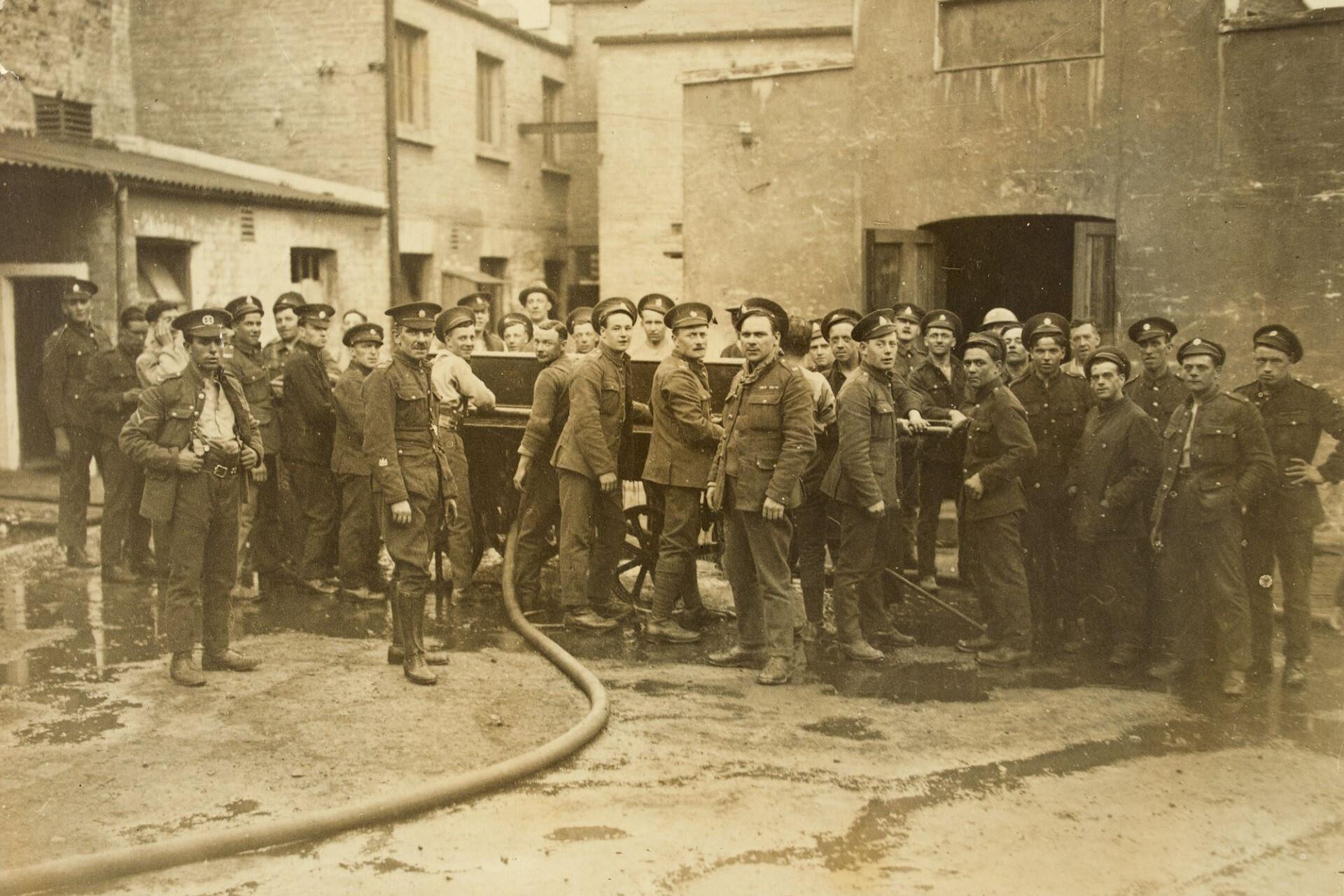
The Irish War of Independence was fought between 1919 and 1921. It was fought between Irish republican forces and the British authorities in Ireland. It started after the Declaration of Independence was issued by the First Dáil. It was slightly different from many other conventional wars you may have studied before, as it was mainly fought through ambushes, intelligence operations, and political confrontation.
The Irish War of Independence was a guerrilla conflict fought between 1919 and 1921 between Irish republican forces and British authorities in Ireland. Its goal was to end British rule and establish an independent Irish state following the Declaration of Independence in January 1919.
Why Irish Independence Became Inevitable
Irish nationalism had moved beyond limited self-government toward complete independence by the early 20th century. Political frustration, cultural revival, and repeated delays in Home Rule had made republican sentiment across Ireland stronger than it had been for decades even after the famine. In the lead-up to the First World War, it became clear to many Irish people that independence couldn't be achieved peacefully.
British Rule and Irish Nationalism
Britain used political control, land systems, and policing structures to enforce governance in Ireland. Nationalist movements had sought reform for years, but change was too slow and ineffective. This growing discontent sowed the seeds for stronger Irish revolutionary nationalism.
The Easter Rising and the 1918 Election
The Easter Rising of 1916 was technically unsuccessful, but its success was seen in how it transformed Irish opinion. The execution of the leaders generated widespread sympathy and radicalised Irish politics. In the 1918 general election, Sinn Féin won and rejected participation in Westminster.
How the War of Independence Began in 1919
When the First Dáil met in Dublin and declared Ireland an independent republic, the War of Independence officially began. An ambush at Soloheadbeg in County Tipperary was the first armed action in the conflict. Both of these events could be considered the beginning of the war.
years.
The First Dáil and the Declaration of Independence
The First Dáil claimed to be the legitimate government of Ireland in one of the most important moments for Irish statehood. It rejected British rule in Ireland and aimed for recognition of the Irish Republic both at home and abroad. It was the political side of the armed campaign that followed and helped lend it legitimacy.
The Emergence of the Irish Republican Army
The Irish Republican Army was developed from the Irish Volunteers. It answered to the Dáil and operated independently of British control. With strong local support, it operated in secrecy to fight the War of Independence, using guerrilla tactics and ambushes.
How the War Was Fought Across Ireland
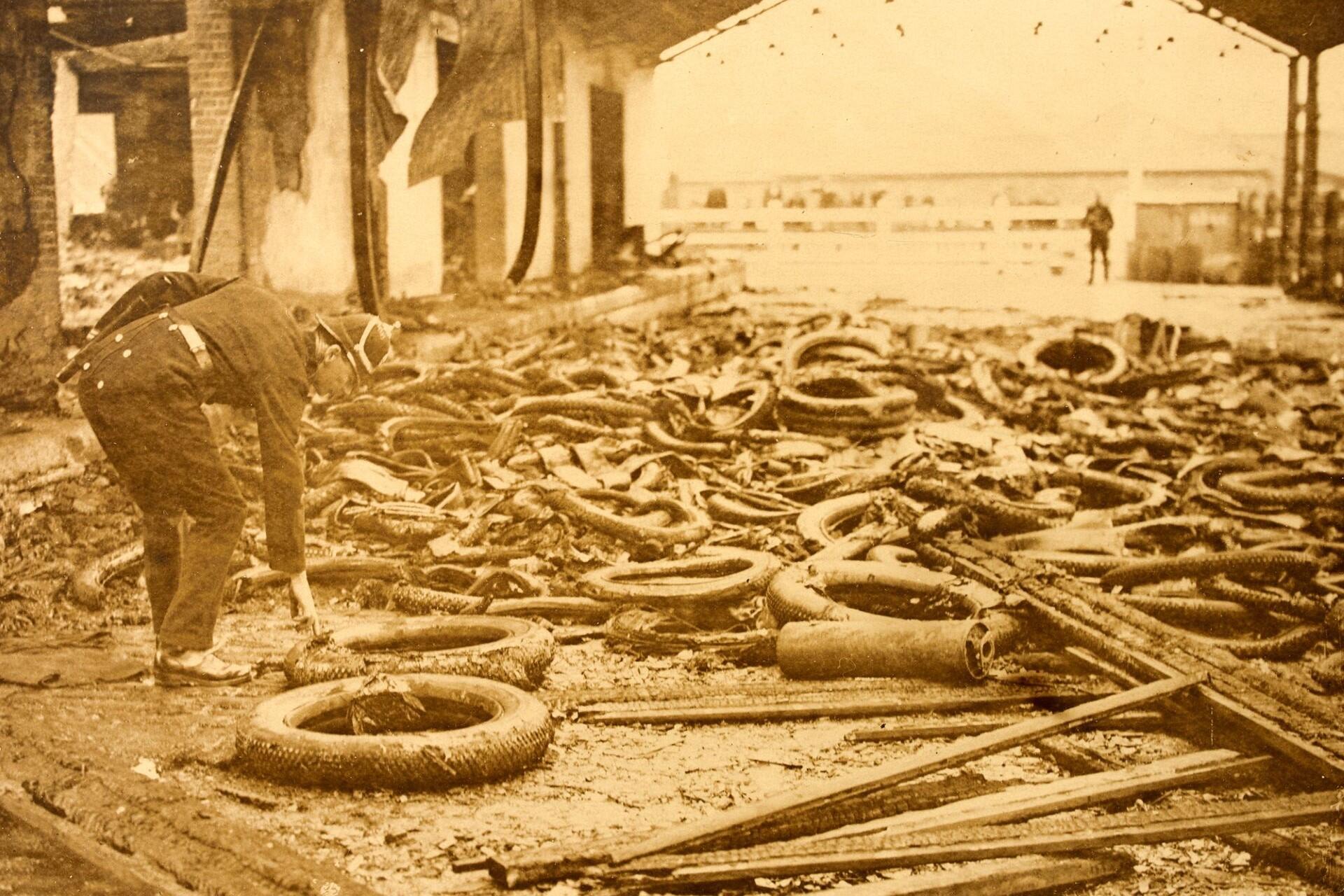
Rather than large-scale battles, the Irish War of Independence was one of guerrilla warfare. Republican forces avoided direct confrontation, using targeted attacks and ambushes on police patrols, intelligence agents, and infrastructure. There was fighting throughout Ireland, particularly in Dublin and Cork.
people were killed during the Irish War of Independence.
Guerrilla Warfare and Flying Columns
Flying columns were the IRA units that mainly operated in rural areas. Fighters could strike quickly and withdraw before British forces could respond. As a result, the British Army struggled to establish control.
Urban and Rural Conflict in Dublin and Cork
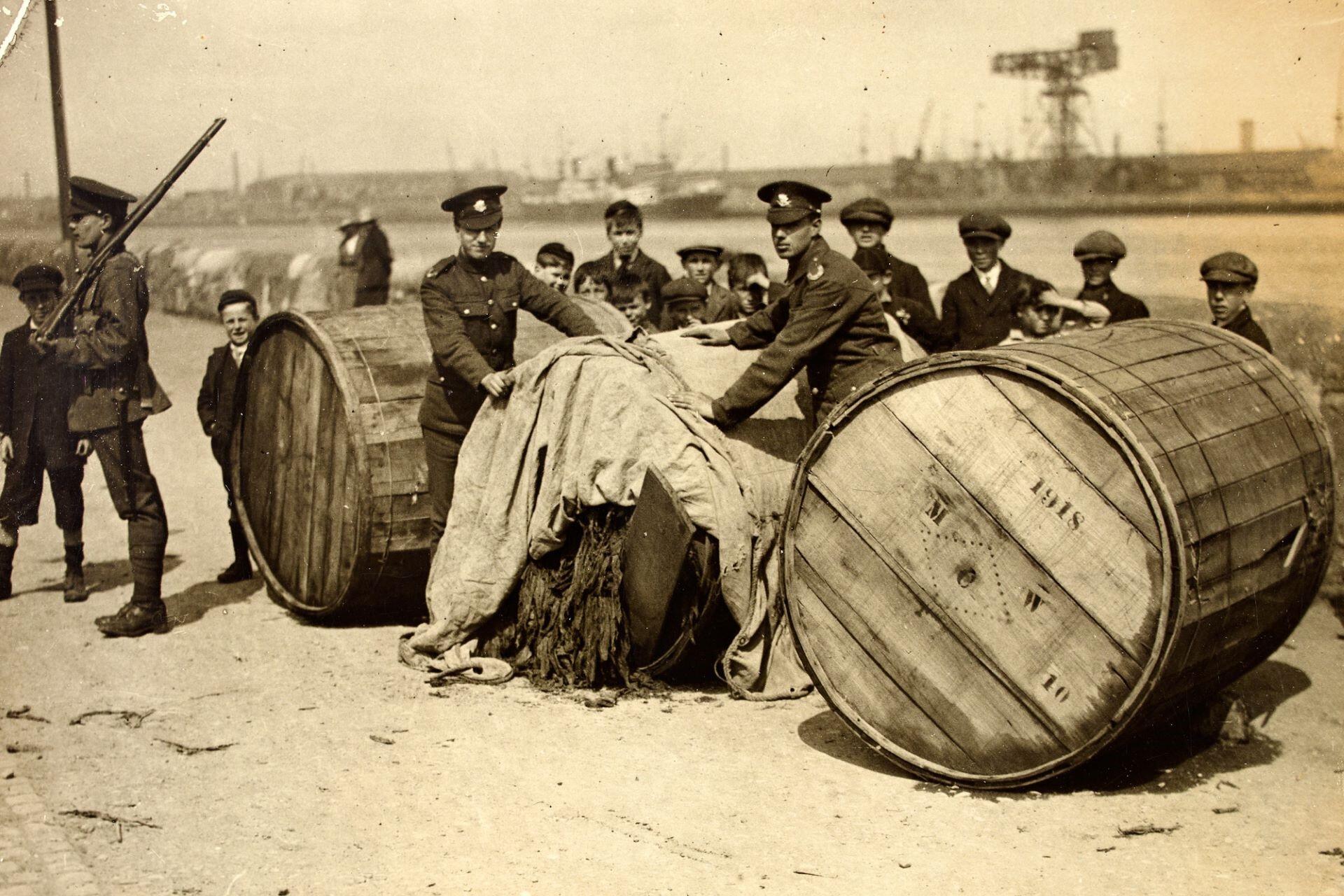
In Dublin, the conflict featured intelligence gathering and targeted killing. In Cork and rural areas, the aforementioned flying columns carried out attacks on police and military targets. These two areas in particular were key to the overall campaign.
British Forces, Policing, and Reprisals
The British authorities had to rely on policing to suppress the republican campaign. Additional forces were deployed to support the Royal Irish Constabulary. The reprisals against civilians hardened public opinion and intensified resistance.
The Royal Irish Constabulary
The Royal Irish Constabulary was the IRA's main target for many operations. Members faced frequent attacks. The weakening of the force means British authority declined in many areas.
The Black and Tans and the Auxiliaries
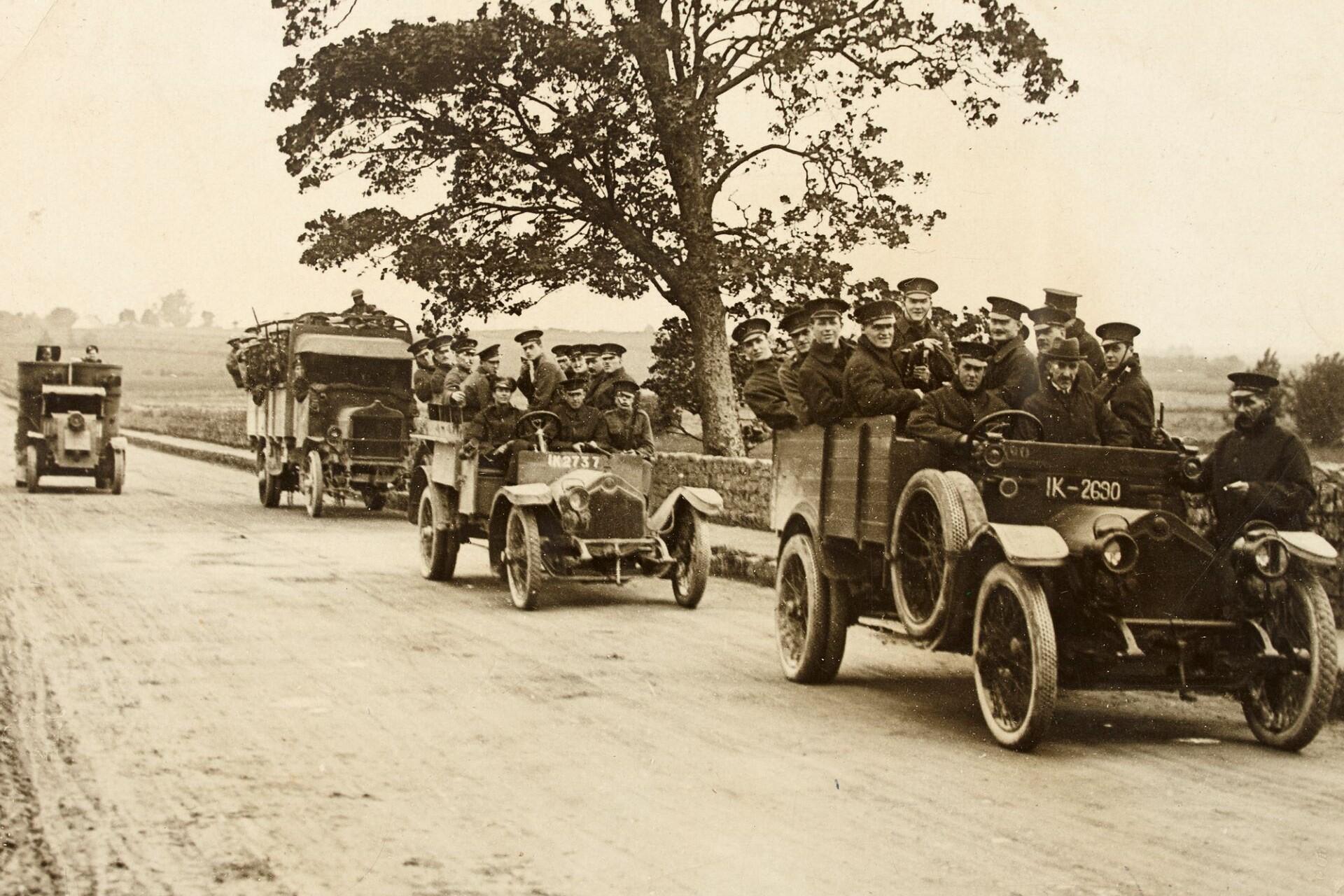
The Black and Tans and the Auxiliaries were recruited as reinforcements for the RIC. They were infamous for their violent actions against civilians. The result was an Irish population pushed even further away from supporting British rule.
The Black and Tans were British recruits, many of them former soldiers, brought in to reinforce the Royal Irish Constabulary during the conflict. Their reputation for reprisals, arson, and violence against civilians intensified public support for Irish independence.
Key Figures of the Irish War of Independence
The conflict was shaped by some key political and military figures. Certain famous Irish figures were closely associated with decision-making, negotiation, and public perception. However, it should be known that there were still disagreements on how independence would be achieved and what it would look like.
Michael Collins
Michael Collins was responsible for the IRA's intelligence campaign. His role included coordinating operations in Dublin and across the country. He later led the Irish delegation during negotiations.
Éamon de Valera
Éamon de Valera was President of Dáil Éireann during the War of Independence. His focus during the War of Independence was on diplomacy and international recognition for the republic. He later proposed the Anglo-Irish Treaty.
Arthur Griffith
Arthur Griffin founded Sinn Féin. He was head of the Irish delegation during the Treaty negotiations in London. His work helped bring the War of Independence to an end.
The Truce, the Treaty, and the Path to Civil War
With neither side able to secure a military victory, a truce was agreed. Negotiations featured several key sticking points. The truce ended the war, but it was only a temporary solution as Irish society remained divided on several key issues.
In my opinion [the Treaty] gives us freedom, not the ultimate freedom that all nations desire and develop to, but the freedom to achieve it.
Michael Collins, Dáil Éireann debate, 19 December 1921
Signed in December 1921, the Anglo-Irish Treaty ended the War of Independence and created the Irish Free State as a self-governing dominion. However, it confirmed the partition of Ireland and divided Irish opinion, directly leading to the Civil War.
Irish Independence and the Legacy of the War
The War of Independence reshaped Ireland and laid the foundations of the Irish state. However, it also left several unresolved issues, and its legacy continues to influence Irish politics and debate over a century after it ended. However, all of that is too complex and nuanced to get into here.
Summarise with AI:
Did you like this article? Leave a rating!

 Loading...