
The land, the sea, and the sky are not separate worlds in Ireland, but part of the same living landscape.
Seamus Heaney
Ireland's wildlife is unique due to its natural history and geography. Ireland separated from mainland Europe after the last Ice Age, so the island was cut off from many European species. However, Irish wildlife is rich and distinctive because of centuries of isolation, migration, and adaptation. Let's explore the different Irish animals.


Irish Mammals
Compared to mainland Europe, Ireland has a relatively limited number of mammals. However, several species are unique to Ireland or strongly associated with its landscapes and folklore, with their habitats often being part of Ireland's national parks. Since Ireland became an island after the last Ice Age, many larger predators never reached it, which left the area with a population of smaller mammals and herbivores. Today, you can find Irish mammals in woodlands, mountains, farmland, rivers, and the coastal regions.
Irish wildlife includes native animals as well as species that have lived on the island for thousands of years. Because Ireland was separated from mainland Europe after the last Ice Age, it has fewer land animals than many countries. This makes native Irish animals especially important from an ecological and conservation perspective.
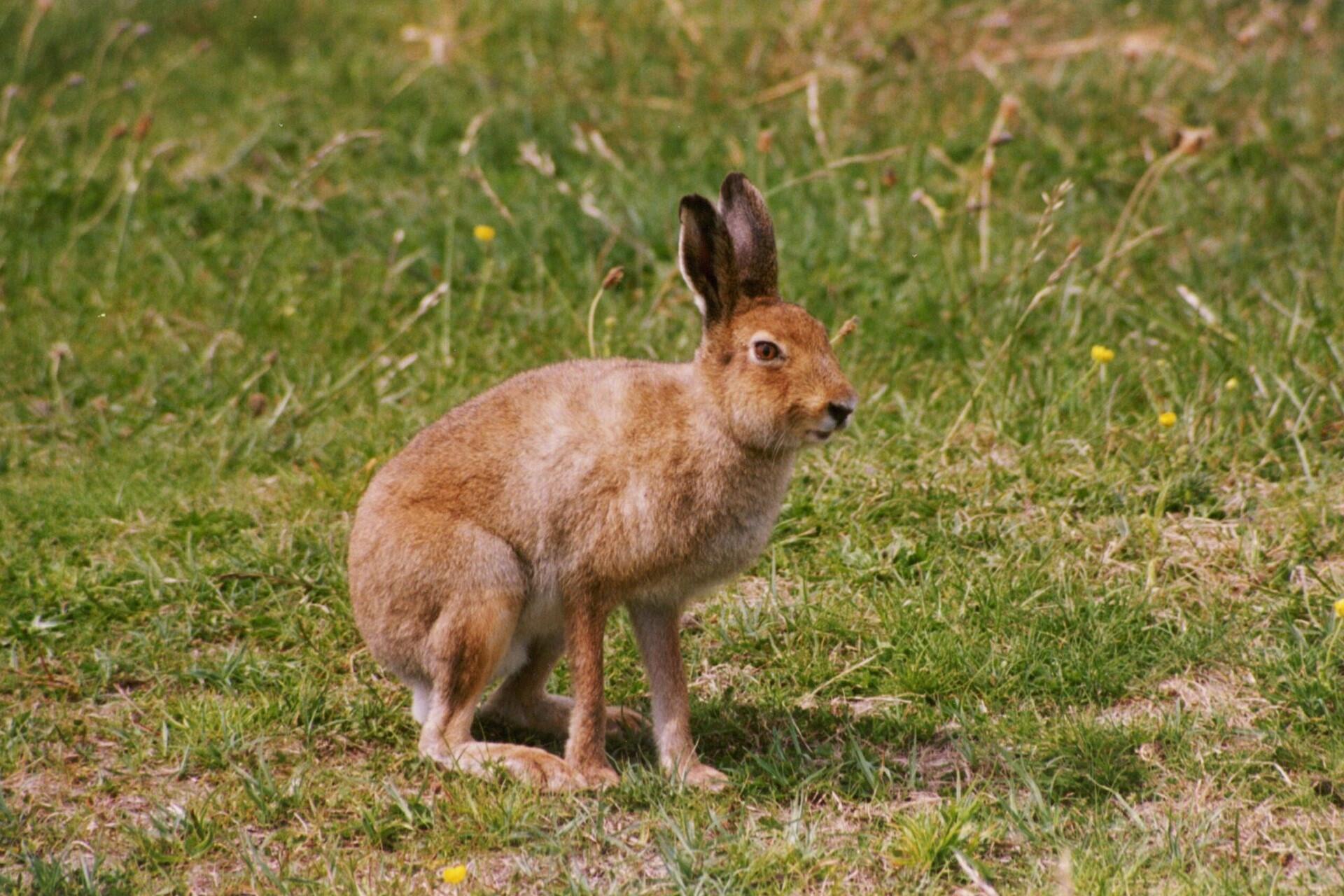
The Irish hare is a native subspecies found only in Ireland. It is slightly smaller and darker than mountain hares elsewhere in Europe. It is closely linked to Irish folklore and seasonal traditions.
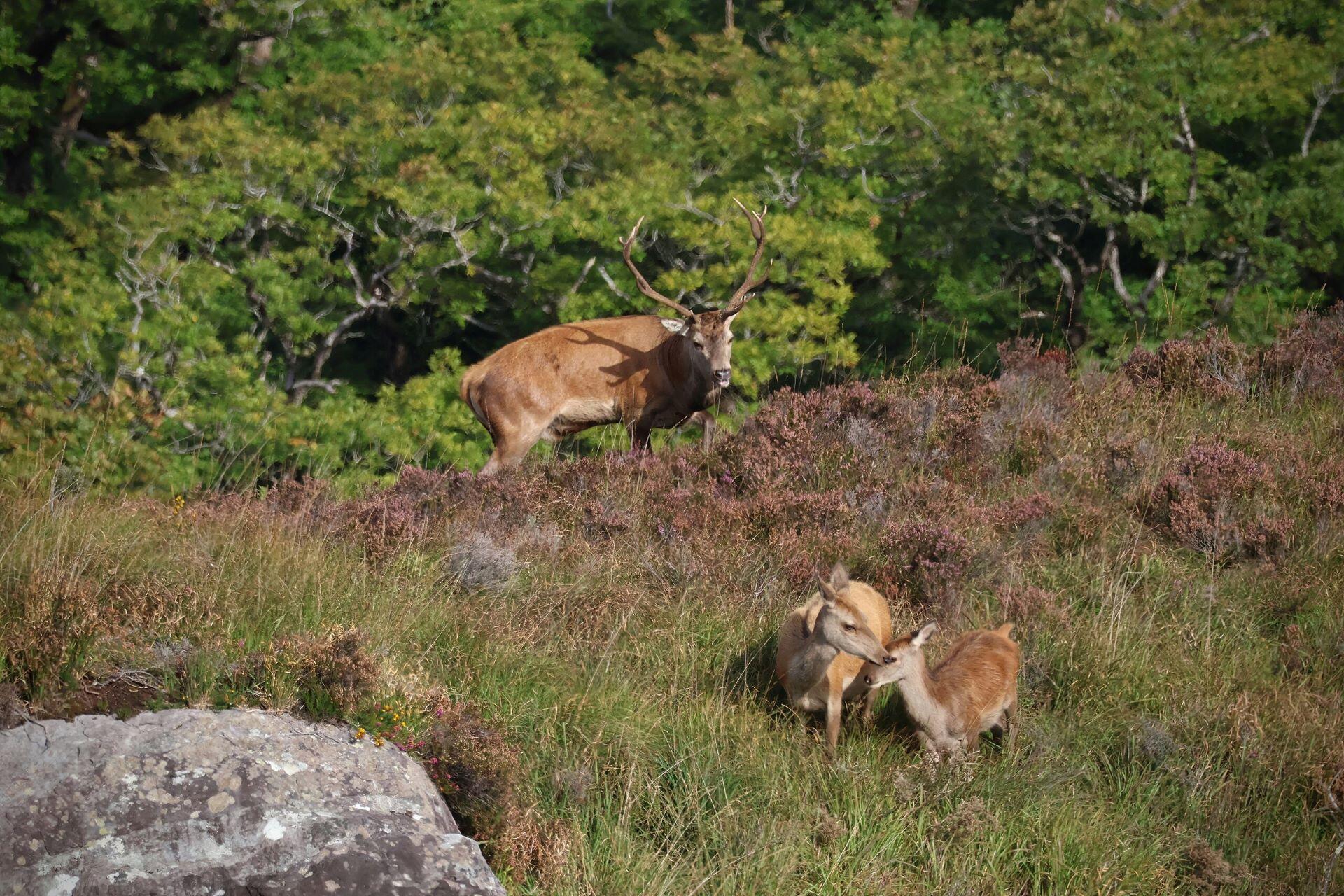
Red deer are Ireland's only truly native deer species and have lived on the island since prehistoric times. They are most strongly associated with areas like County Kerry, where wild populations still roam freely.
Once rare due to habitat loss, the pine marten has made a strong recovery in recent decades. This small, agile mammal plays a vital role in woodland ecosystems and has even influenced grey squirrel populations in some areas.
Otters are widespread across Ireland and can be found along rivers, lakes, estuaries, and the coast. Their presence is often seen as a sign of clean, healthy waterways.
The Irish stoat is a recognised subspecies that differs slightly in appearance from the British stoat. It is an efficient hunter and adapts well to a variety of Irish landscapes.
Irish Birds
Birds are one of the most visible and diverse parts of Irish wildlife. Thanks to the country's position on the edge of Europe, it's an important stopover, breeding ground, and winter refuge for many species. Irish birds can be found in almost every habitat, from farmland and woodlands to cliffs and offshore islands, where puffin watching is very popular.
Ireland’s wildlife developed in relative isolation after rising sea levels cut the island off from Britain and mainland Europe. As a result, fewer mammal species reached Ireland naturally. This explains why Irish wildlife is dominated by birds, marine animals, and smaller species rather than large predators.
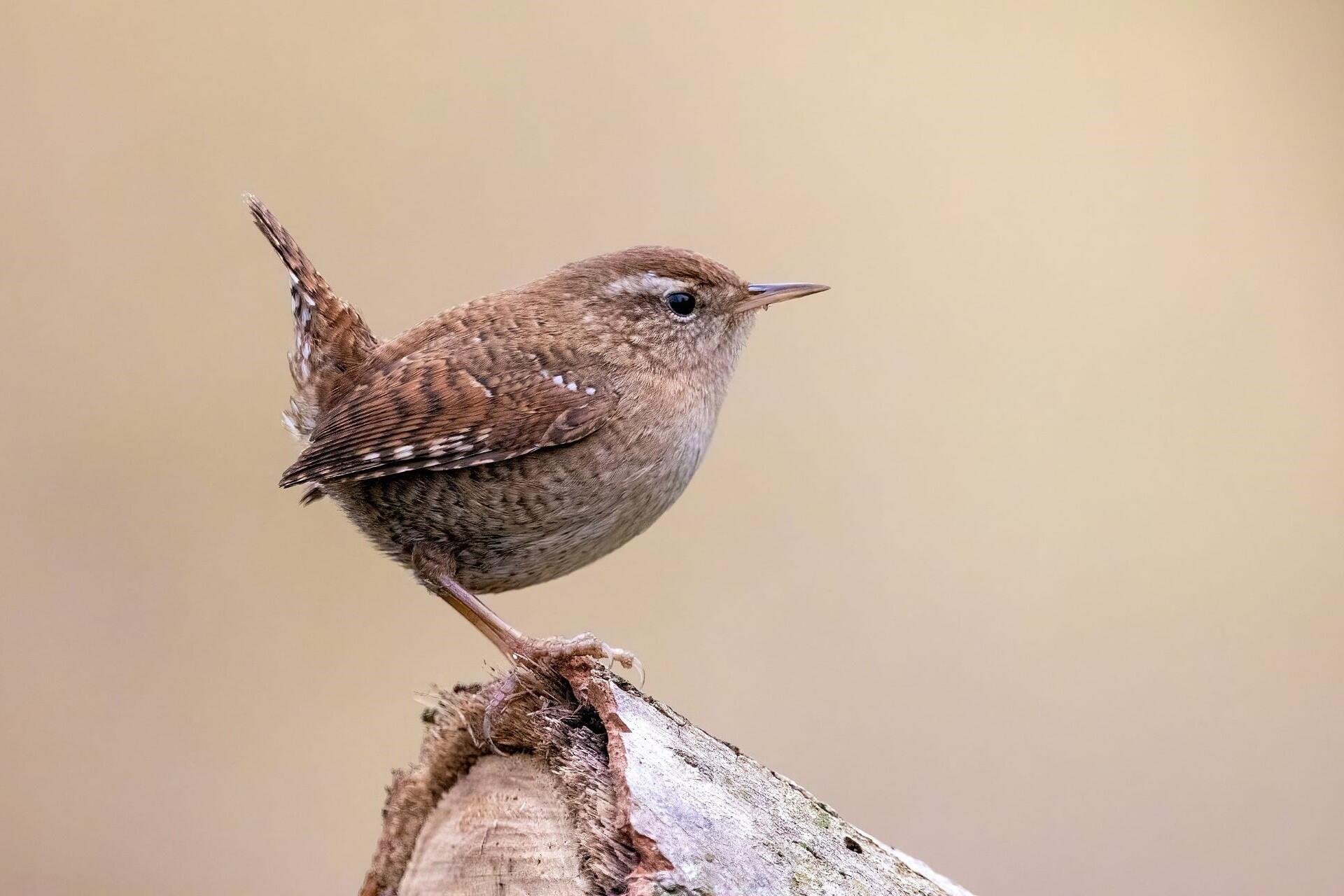
The wren is one of Ireland's most culturally essential birds and is deeply connected to folklore and tradition. Despite its small size, it is known for its loud song and is celebrated each year during the traditional Wren Day.
Once extinct in Ireland, the white-tailed eagle has been successfully reintroduced in recent years. It is the largest bird of prey in Ireland and is now breeding again in parts of the west and south-west.
The corncrake is a rare and protected bird associated with traditional farming landscapes. Its distinctive call was once common across Ireland but is now mainly heard in coastal and island areas.
The chough is a striking black bird with a red bill and legs, most often found along rocky coastlines. Ireland supports significant populations of this species, particularly along the Atlantic coast.
Whooper swans migrate from Iceland to Ireland each winter. Large flocks can be seen on lakes and wetlands, and the species features prominently in Irish mythology and folklore.
Marine Mammals in Irish Waters
species of whales, dolphins, and porpoises have been recorded around Ireland.
A significant part of Irish wildlife, marine mammals are prevalent thanks to Ireland's long coastline and its position along Atlantic migration routes. Irish waters support a wide range of whales, dolphins, and seals. Some species make Ireland their home year-round, while others are just passing through seasonally.
Ireland's long coastline and Atlantic location mean marine animals make up a large part of Ireland's wildlife. Whales, dolphins, seals, and seabirds rely on Irish waters for feeding and migration. Protecting marine habitats is therefore just as important as conserving land-based wildlife.
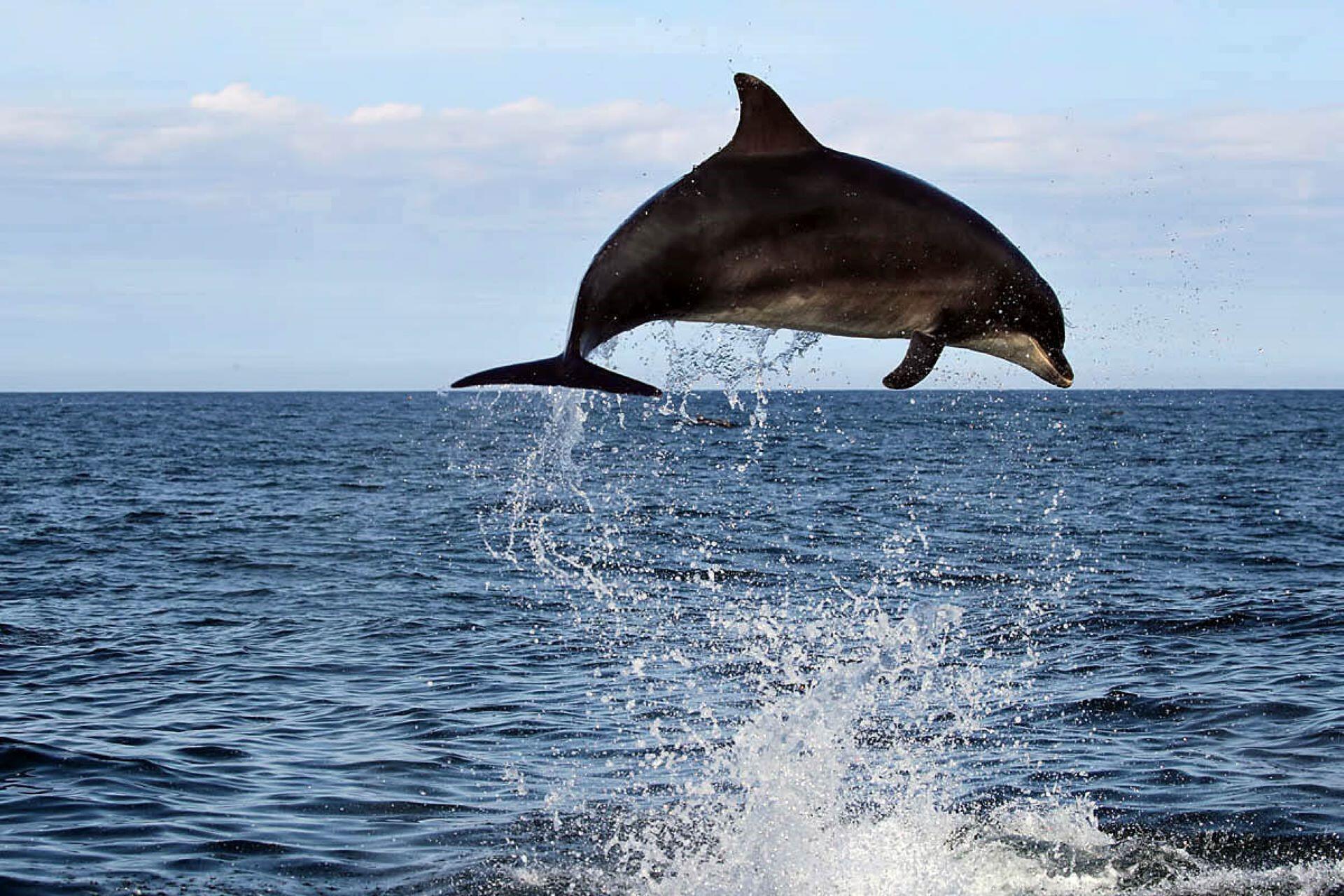
Bottlenose dolphins are among the best-known marine mammals in Ireland. A resident population lives year-round in the Shannon Estuary, where they can often be seen close to shore.
The harbour porpoise is the most common cetacean in Irish waters. These small marine mammals are frequently spotted near the coast, although their shy nature makes them harder to observe than dolphins.
Ireland supports one of the most important grey seal populations in the world. These seals breed along remote coastlines and islands and are often seen resting on rocks or beaches.
The minke whale is the most frequently sighted whale species in Ireland. It is commonly seen off the west and south coasts during the summer feeding season.
Humpback whales are increasingly recorded in Irish waters, particularly in late summer and autumn. Known for their size and acrobatic behaviour, they are one of the most impressive marine animals found around Ireland.
Fish Species Found in Ireland
A vital part of wildlife in Ireland, you can find fish everywhere, from rivers and lakes to estuaries and the surrounding seas. The clean freshwater systems in Ireland and its coastal waters both support a mix of native and migratory marine species. Fish have long been a key part of local diets, and Ireland has centuries of fishing traditions.
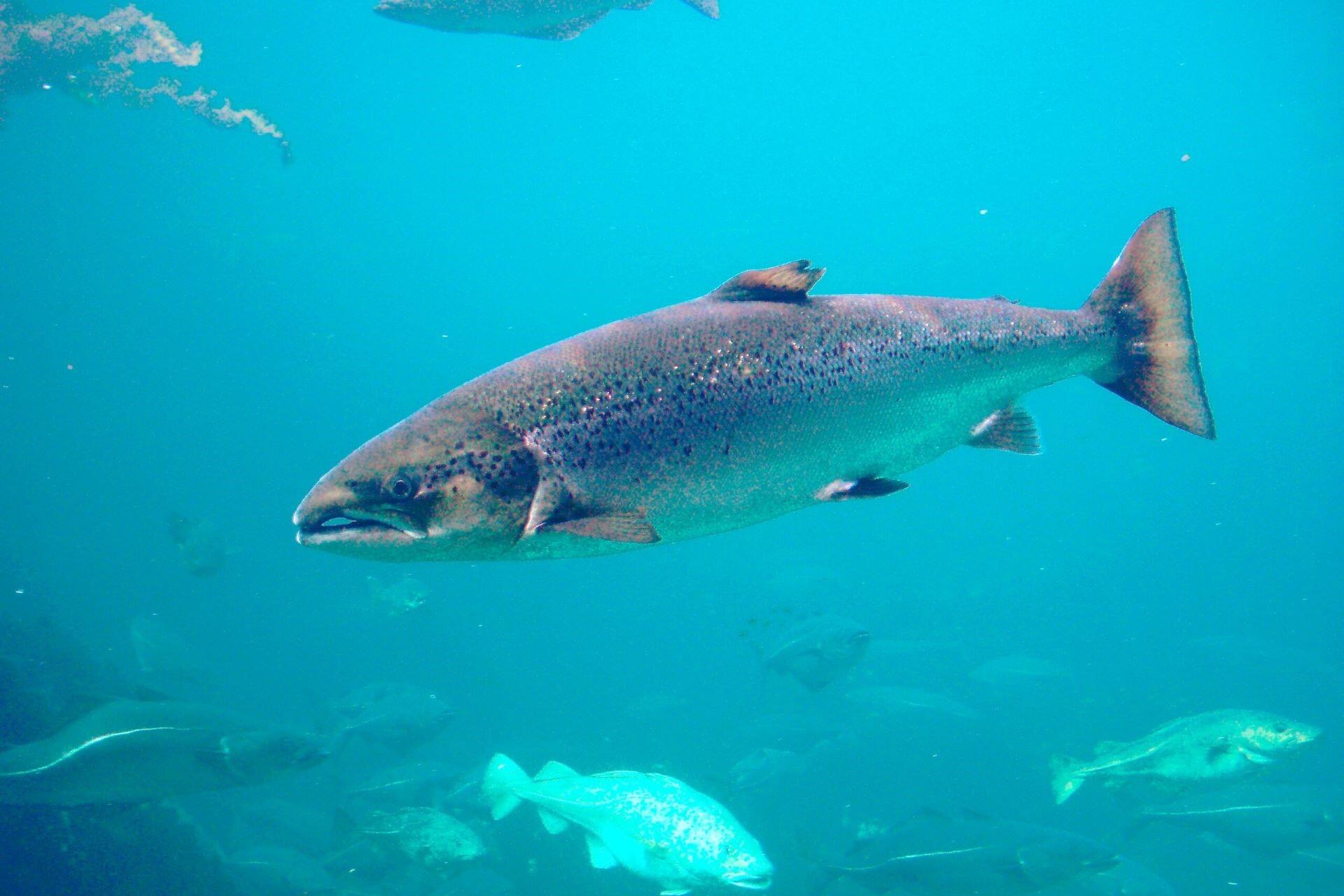
Atlantic salmon are one of Ireland's most famous fish species. They migrate from the sea into Irish rivers to spawn and are closely associated with clean, fast-flowing freshwater.
The European eel has a remarkable life cycle, travelling thousands of kilometres between Irish waters and the Sargasso Sea. It is now critically endangered and protected across Ireland.
Brown trout are native to Irish rivers and lakes and are known for their adaptability. Many lakes support unique local populations that differ slightly in appearance and behaviour.
Pollock are common along Ireland's rocky coastline and are an important coastal fish species. They are often found near reefs and kelp forests.
This small fish is widespread in Irish freshwater and brackish habitats. Despite its size, it plays a vital role in food chains and is well known for its distinctive spines.
Amphibians in Ireland
Amphibians are among the smallest groups of Irish mammals. However, much like other Irish plants and animals, they're still an essential part of the country's ecosystem. They live in freshwater habitats like ponds, lakes, rivers, and wetlands. Sensitive to environmental change, only a few amphibian species are found here since Ireland is quite cool.
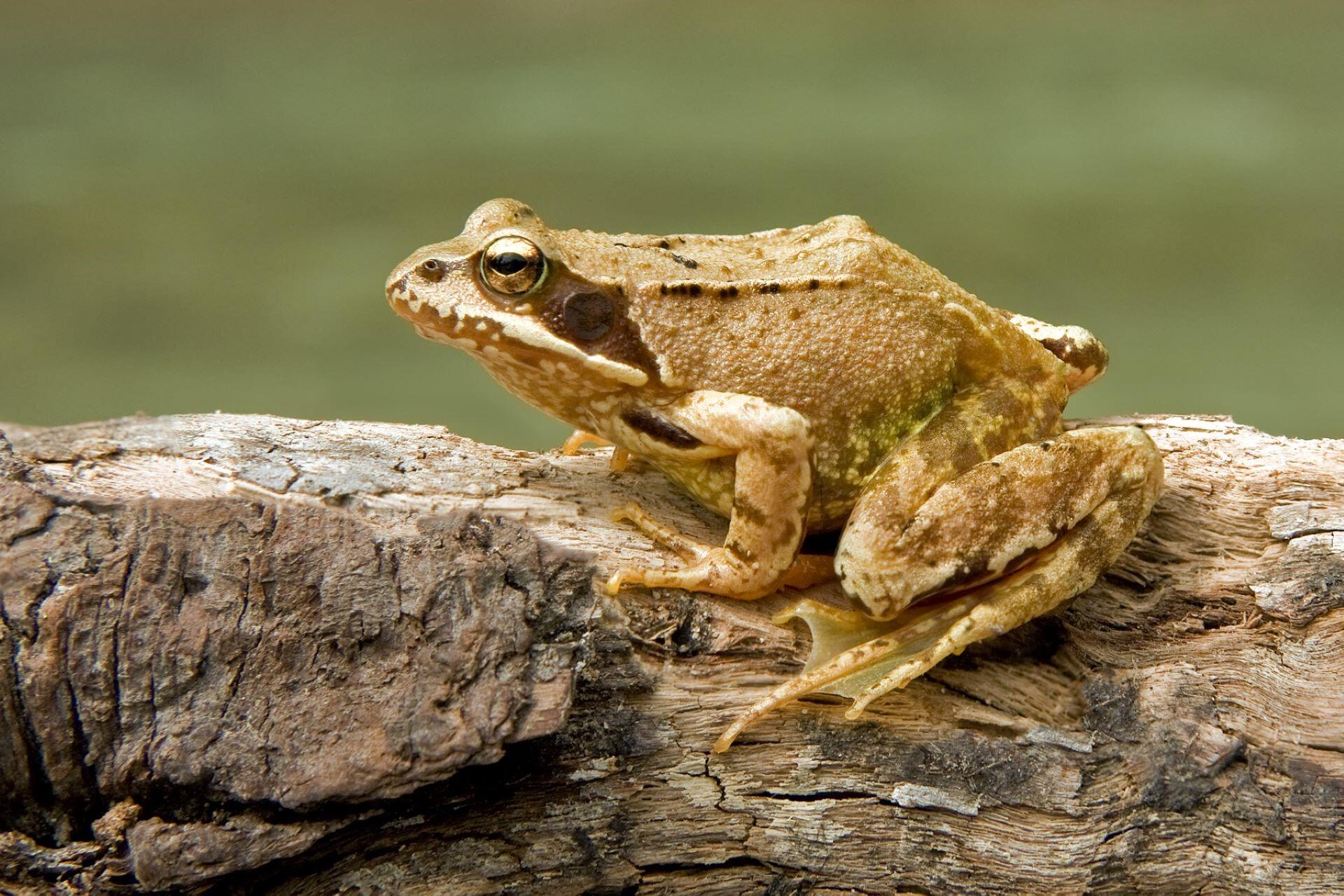
The common frog is widespread across Ireland and is often found in gardens, farmland, and wetlands. It breeds in ponds and ditches and plays a helpful role in controlling insect populations.
Ireland's only native newt species, the smooth newt, spends much of its life on land before returning to water to breed. It is usually found in clean, still water bodies surrounded by vegetation.
The natterjack toad is rare and protected in Ireland, with populations confined to a few coastal and sandy habitats. Unlike other amphibians, it prefers open, warm environments and is known for its loud mating call.
Did you know that Ireland has a temperate rainforest?
Reptiles in Ireland
The smallest of our groups here, Ireland is famous for having just how few reptiles. Due to Ireland's cool climate and its separation from mainland Europe after the last Ice Age, most reptiles never reached Ireland. The reptile life in Ireland might be limited, but it's still important.
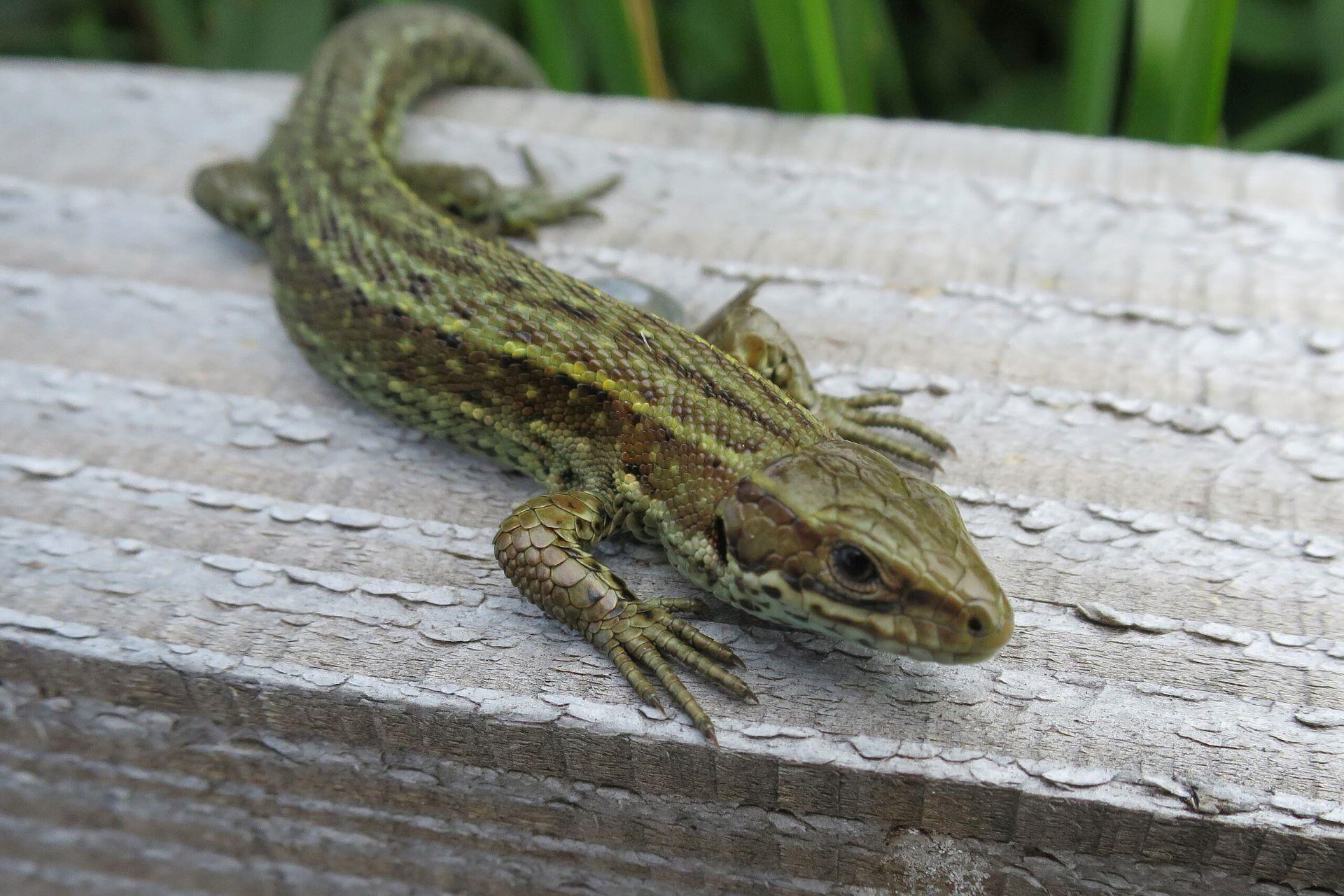
The viviparous lizard is Ireland's only native reptile species. Unlike most reptiles, it gives birth to live young rather than laying eggs, which allows it to survive in Ireland's cooler climate.
Although often mistaken for a snake, the slow worm is actually a legless lizard. It is not native to Ireland but has established small populations after being introduced by humans.
Other reptiles are sometimes reported in Ireland, usually as escaped or released pets. These animals do not form stable wild populations and are not considered part of native Irish wildlife.
native reptile species.
Insects and Invertebrates in Ireland
The largest and most diverse part of Ireland's wildlife, insects and invertebrates typically get less attention, but they're so important. Essential to Ireland's ecosystem, these creatures are key to pollination, soil health, and food chains. You can find them everywhere, from bogs and woodlands to rivers and grasslands, including some of Ireland's best hidden landmarks.
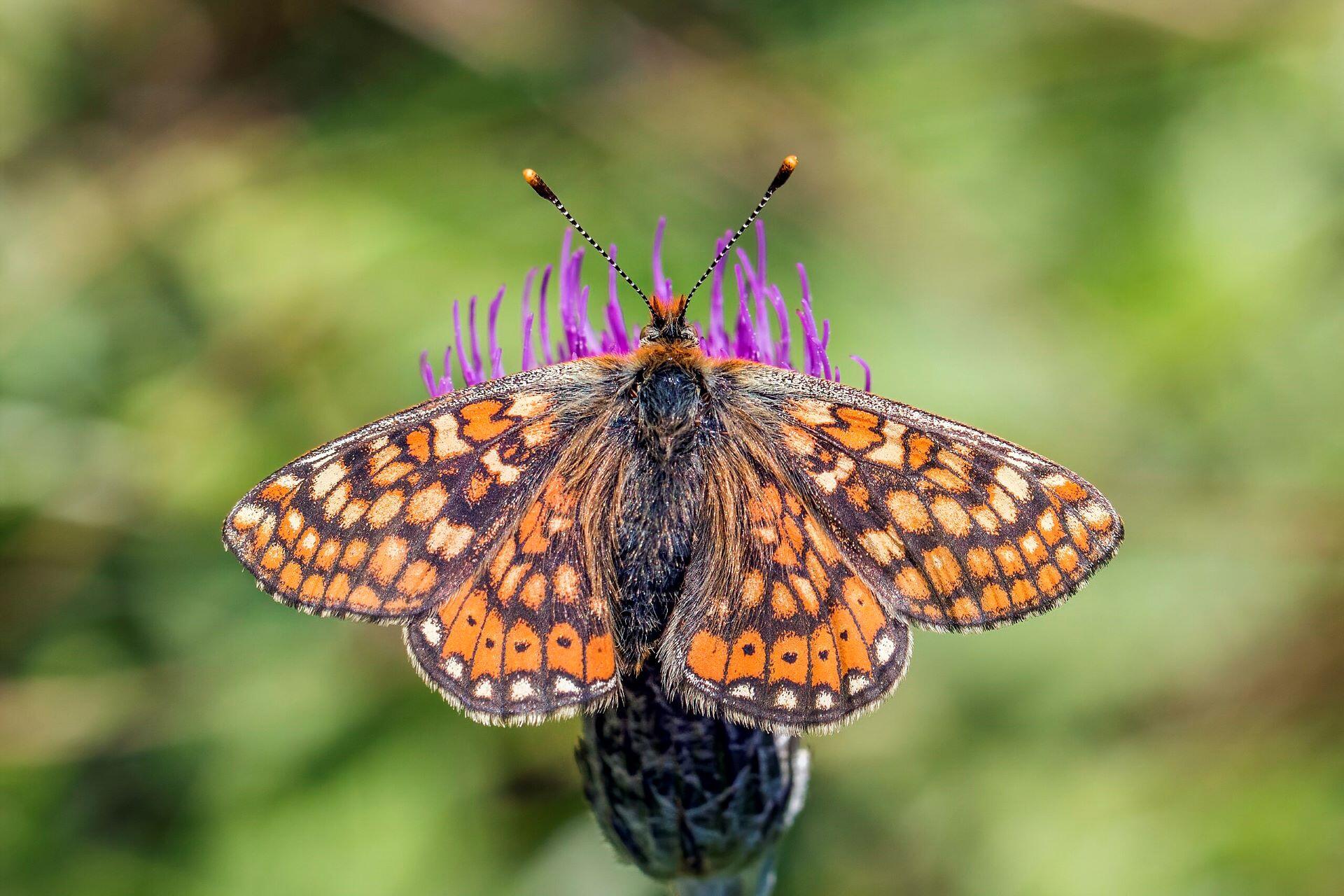
The marsh fritillary is one of Ireland's most important butterfly species and is legally protected. It depends on healthy grassland habitats and is often used as an indicator of good environmental management.
Closely associated with Irish bogland, the large heath butterfly is one of the few butterfly species that thrives in peat-rich environments. Ireland has some of Europe's largest populations.
This species is found mainly in Ireland and parts of northern Europe. It lives near clean lakes and slow-moving water and is considered of conservation interest.
Ireland has its own native honey bee subspecies, adapted to the local climate. Bees are vital pollinators and play a crucial role in maintaining plant life and biodiversity.
One of Ireland's longest-living animals, the freshwater pearl mussel can survive for over a century. It lives in clean rivers and is highly sensitive to pollution and habitat disturbance.
Summarise with AI:
Did you like this article? Leave a rating!

 Loading...