

What's the difference between a data analyst and a data scientist? Are you considering careers in either? Here's our guide, including each role's remit, skills, and education pathway.
Key Takeaways
- A data analyst focuses on interpreting structured data to explain trends and support decisions
- A data scientist builds models and systems to predict outcomes and automate processes
- Data scientists typically require stronger programming and technical skills
- In Ireland, data scientists generally earn more than data analysts
- Choosing between the two depends on your interest in business insight vs technical problem-solving


What Is a Data Analyst?
A data analyst is a professional who collects, cleans, and interprets data. This enables organisations to make informed decisions.³ Their remit generally involves structured datasets from business systems, financial records, or customer activity, which they use to identify trends and measure performance.⁴ Data analysts focus on producing clear reports and insights so that non-technical teams can understand them.³

A data analyst turns raw data into actionable information. In most roles, that means cleaning structured data, spotting patterns, building reports, and explaining what the numbers show in plain language. Tools such as Excel, SQL, and dashboard platforms are common because the job is often about helping teams understand performance, customers, costs, and trends rather than building complex predictive systems from scratch.
What Does a Data Scientist Do?
A data scientist uses large, complex datasets to build models that predict outcomes or automate decisions.³ They combine statistics, programming, and domain knowledge to analyse structured and unstructured data from various sources.⁴ Data scientists often develop algorithms and use machine learning techniques to discover patterns.
Data Analyst vs Data Scientist: Key Differences
While the job titles are similar and both involve working with data, what they do, the tools they use, and the outcomes they're looking for are different. Data analysts interpret existing information to support business decisions, while data scientists develop systems that generate insights or predictions.³ This distinction is commonly used in academic and professional comparisons of the two roles.² These key differences affect everything from the type of data they handle to the skills required in each role.³
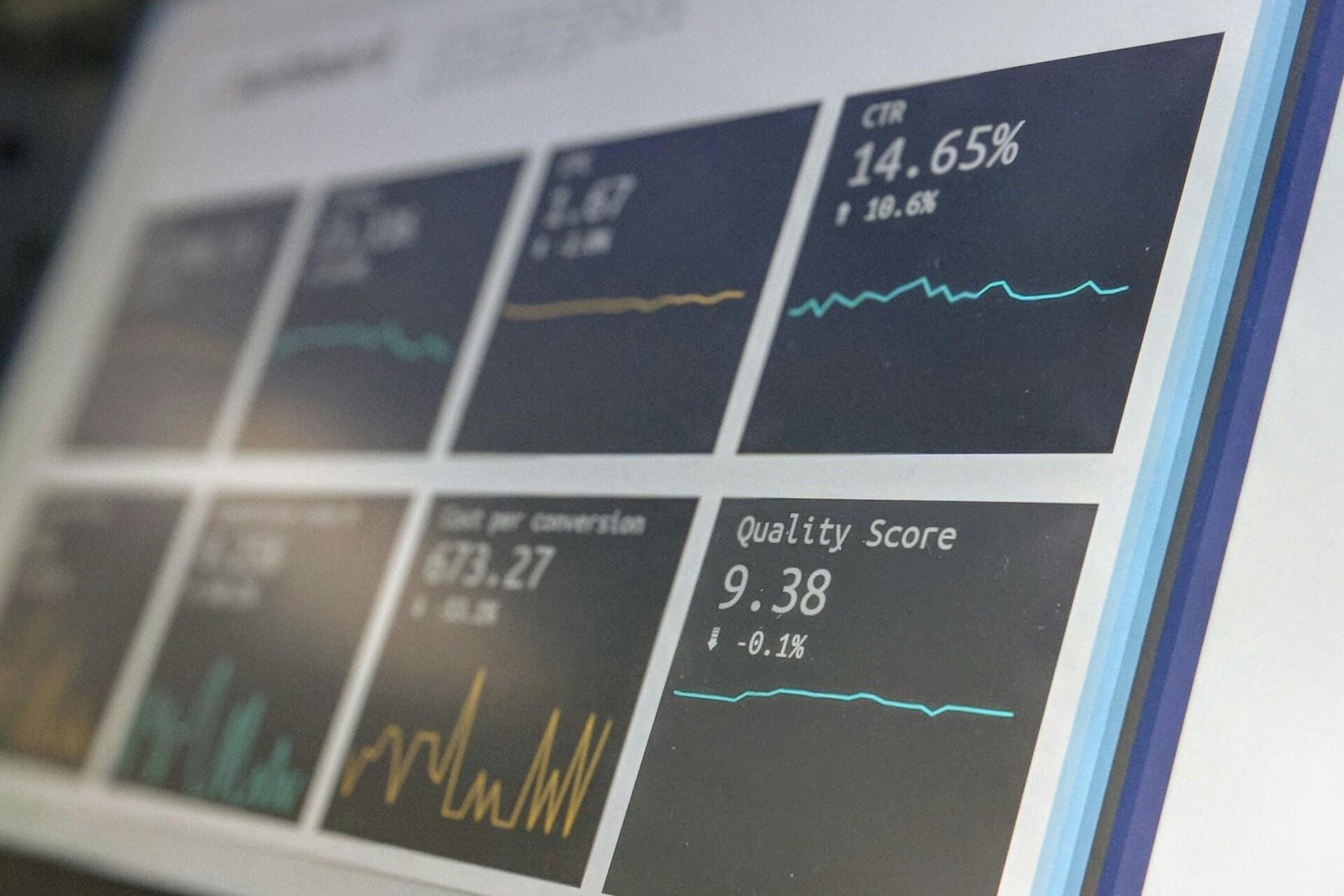
The clearest distinction is the question each role answers. A data analyst focuses on what has happened and why, using existing data to explain performance and trends. A data scientist goes a step further by asking what will happen next and by building models that predict outcomes or automate decisions. Both work with data, but their goals and methods differ.
Type of Work
Data Analyst
- Focuses on describing what has happened using existing data
- Builds reports, dashboards, and summaries
- Answers business questions using historical data
- Supports decision-making with clear insights
Data Scientist
- Focuses on predicting what may happen next
- Builds models and algorithms
- Works on forecasting and automation
- Solves open-ended and complex data problems
Skills and Tools
Data Analyst
- Uses Excel, SQL, and data visualisation tools such as Power BI or Tableau
- Focuses on querying, reporting, and dashboard creation
- Applies basic to intermediate statistical methods
- Strong emphasis on communication and presentation
Data Scientist
- Uses programming languages such as Python or R
- Applies machine learning and predictive modelling
- Works with data processing frameworks and libraries
- Requires advanced statistical and technical knowledge
Data Types
Data Analyst
- Works mainly with structured data from databases and spreadsheets
- Uses clean, organised datasets
- Focuses on well-defined data sources
- Less time spent on complex data preparation
Data Scientist
- Works with both structured and unstructured data
- Handles large and complex datasets
- Uses data from varied sources such as text, images, or logs
- Spends significant time cleaning and preparing data
Business vs Technical Focus
Data Analyst
- Works closely with business teams and stakeholders
- Focuses on reporting, performance tracking, and insights
- Communicates findings to non-technical audiences
- Aligns work with business goals and decisions
Data Scientist
- Focuses on technical development and modelling
- Builds predictive systems and machine learning models
- Works closely with engineers and technical teams
- Solves complex problems using algorithms and experimentation
Data Analyst Salary Ireland vs Data Scientist Salary
Data analysts are paid for their reporting, business insight, and communication skills. Experience and industry will affect their earnings. That said, most entry to mid-level positions fall within a predictable salary range, especially if you work with tools like SQL and Excel.¹
per year on average
Data scientists, by contrast, earn higher salaries. Their roles tend to require greater technical depth in programming, machine learning, and advanced modelling. Organisations will pay a premium for those familiar with building predictive systems and handling complex datasets.¹
in Ireland.
Skills Required for Each Role
Data analysts and data scientists require different skills. Data analysts focus more on tools for querying, reporting, and communicating results. Data scientists need stronger programming and modelling capabilities.⁴

Data Analyst Skills
- SQL for querying and managing structured data
- Excel for analysis, reporting, and data cleaning
- Data visualisation tools such as Power BI or Tableau
- Basic statistical analysis and interpretation
- Data cleaning and preparation techniques
- Strong communication of insights to non-technical teams
- Understanding of business context and performance metrics
Data Scientist Skills
- Programming in Python or R
- Machine learning and predictive modelling
- Advanced statistical analysis
- Working with large and unstructured datasets
- Data processing tools and frameworks
- Building and testing algorithms
- Strong problem-solving and experimental thinking
Education and Career Path
While both roles start in similar places, they diverge as professionals specialise.³ For either role, build a good foundation in statistics, mathematics, or business. From there, those looking at data science can specialise in programming and modelling.⁴
Typical Data Analyst Path
- Age 16–18: Secondary school with a focus on maths, business, or economics
- Age 18–22: Bachelor’s degree in statistics, business analytics, economics, or a related field
- Age 22–24: Entry-level role, such as junior data analyst or reporting analyst
- 2–5 years experience: Develop skills in SQL, Excel, and data visualisation tools
- 5+ years experience: Progress to senior analyst or business intelligence roles
Typical Data Scientist Path
- Age 16–18: Secondary school with a focus on maths, science, and computing
- Age 18–22: Bachelor’s degree in computer science, mathematics, or data science
- Age 22–24+: Postgraduate study, such as a Master's in data science, AI, or a related field
- 0–3 years experience: Entry-level role in data science, engineering, or advanced analytics
- 3–6 years experience: Develop skills in Python, machine learning, and modelling
- 6+ years experience: Progress to senior data scientist or specialised technical roles
When to Choose Data Analysis vs Data Science
We can't choose for you. Whether you become a data analyst or a data scientist depends on your strengths, interests, where you study, and the type of work you want to do daily.³ Both involve data, but how technical the role is will depend on the path you choose.
Choosing between these roles depends on how you prefer to work with data. If you enjoy working with clear datasets, building reports, and communicating insights to non-technical teams, data analysis is often a better fit. If you are drawn to programming, statistical modelling, and solving open-ended problems with large or messy datasets, data science may suit you more. Both paths overlap, but the day-to-day work can feel quite different.
Why the Difference Matters in the Job Market
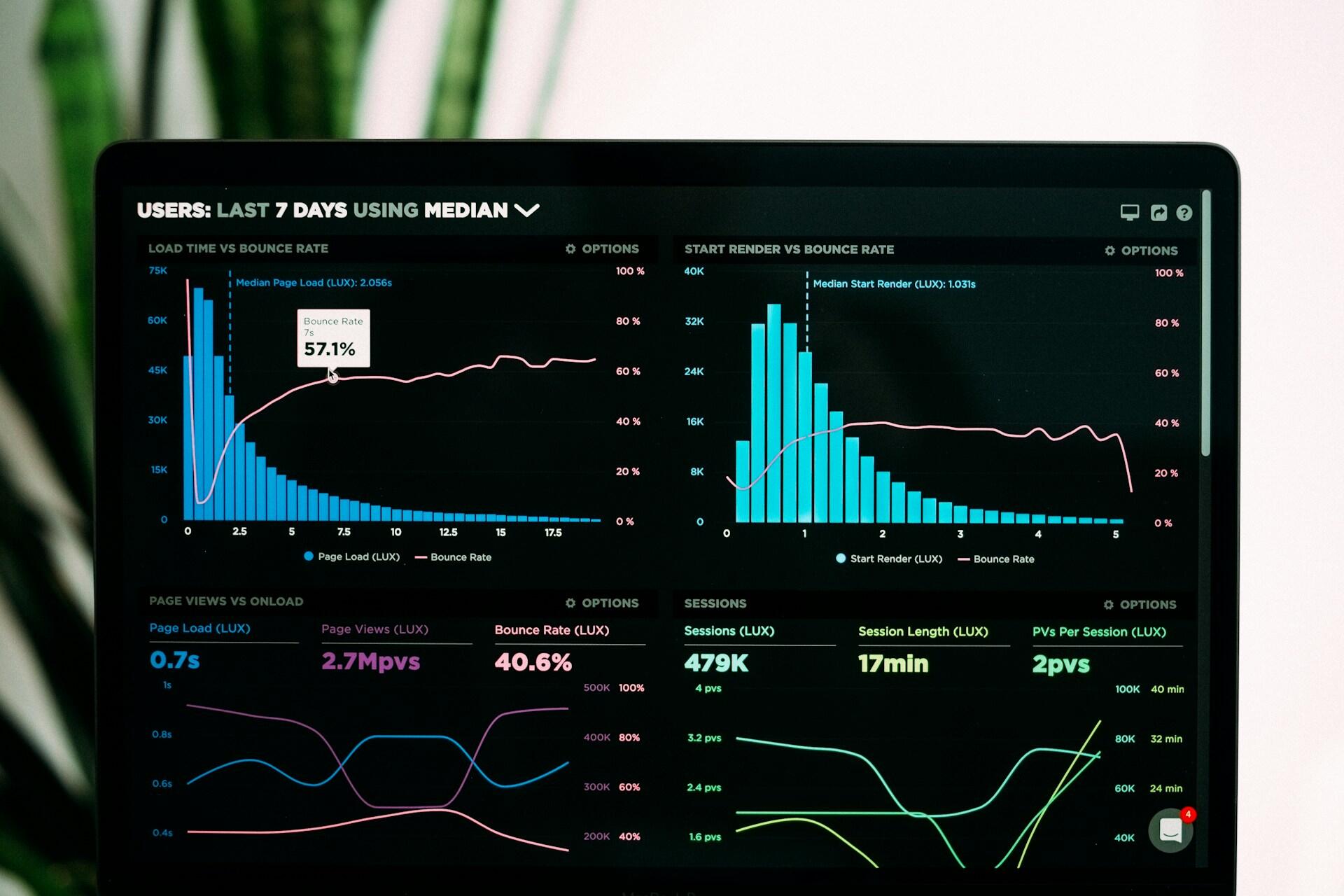
When navigating the job market, it helps to understand the difference between the two roles. There are many overlapping roles, so it can be tricky to find a way to match your skills to a position. Understanding the difference helps you develop the right skills.
this decade.
Become a data analyst if:
- You enjoy working with structured data and clear datasets
- You like building reports, dashboards, and visualisations
- You prefer explaining trends and insights to others
- You are interested in business decisions and performance
- You want a role with less emphasis on programming
Become a data scientist if:
- You enjoy programming and technical problem-solving
- You are interested in machine learning and predictive modelling
- You like working with large or complex datasets
- You prefer experimenting and building systems or algorithms
- You are comfortable with advanced statistics and mathematics
References
- Connexus Recruit. An Overview of Data & Analytics Salaries in Ireland 2025. 19 May 2025, https://connexusrecruit.com/an-overview-of-data-analytics-salaries-in-ireland-2025/. Accessed 15 Apr. 2026.
- Emlyon Business School. Data Analyst vs Data Scientist: What’s the Difference? 11 Dec. 2024, https://em-lyon.com/en/student/guides/data-analyst-vs-data-scientist. Accessed 15 Apr. 2026.
- Indeed. Data Analyst vs Data Scientist: Responsibilities and Skills. 4 Mar. 2025, https://ie.indeed.com/career-advice/career-development/data-analyst-vs-data-scientist. Accessed 15 Apr. 2026.
- UCD Professional Academy. Data Analyst vs Data Scientist: What’s the Difference?https://www.ucd.ie/professionalacademy/resources/data-analyst-vs-data-scientist/ . Accessed 15 Apr. 2026.
Summarise with AI:
Did you like this article? Leave a rating!

 Loading...