
Leaving Cert Biology is a broad course. You can make it easier to manage by understanding the subject, the exam, and the syllabus, as well as effective revision techniques. Here, we'll break down the Leaving Cert Biology course, covering the exam structure, key topics, practical experiments, study resources, and time management. We also have advice on creating Leaving Cert Biology notes, using past papers and preparing for LC Biology with more confidence.
Key Takeaways
- Before you revise every chapter, learn how the paper is structured and how long you have to answer each section.
- The current syllabus is organised around The Study of Life, The Cell and The Organism, so use these areas to structure your revision.⁹
- Good Leaving Cert Biology notes should focus on definitions, labelled diagrams, key processes and common exam wording.
- Past papers help students understand question styles, timing and the level of detail needed in answers.
- Practical work should be revised through aims, methods, results, conclusions, safety points and the reasons behind each step.
| Area | What students need to know | Why it matters |
|---|---|---|
| Exam structure | The written paper includes different question types and students need to manage their time carefully. | It helps students revise with the final exam format in mind. |
| Key topics | The current syllabus is organised around The Study of Life, The Cell and The Organism. | It gives students a clear way to divide the course into manageable revision areas. |
| Study method | Students should combine concise notes, diagrams, mandatory experiments, past papers and marking schemes. | It turns content knowledge into clear exam answers. |
| Course changes | Leaving Cert Biology is moving to a new specification for students beginning the updated course. | It helps students check that their revision advice matches the correct assessment year. |


Understanding the Leaving Cert Biology Exam
If you want to do well on Leaving Cert Biology, you can't just be good at biology; you have to know what the exam is testing. Before you revise each chapter, think about what the exam papers will ask you for. Use official 2026 State Examinations information alongside your class materials so your revision reflects the correct assessment year.³
Leaving Cert Biology revision is much easier when you understand the exam structure before you start. Students should know how the written paper is organised, what each section asks them to do, and how much time they have to answer each question type. This helps turn revision into focused exam preparation rather than simply rereading chapters or copying notes.¹
Exam Structure and Format
Students sitting the 2026 Leaving Certificate Biology written exam have 3 hours to complete the paper.¹
Revise with the paper sections in mind so that short questions, experiment questions and longer answers all get enough practice.
Timed practice helps students avoid spending too long on one answer and running out of time near the end.
Answers should be clear, specific and shaped around what the question asks.
Use the exam structure to decide where your notes, past papers and experiment revision need the most attention.
hours to complete the exam.
Key Topics Covered
This area includes the scientific method, ecology and the characteristics of living things.
This area includes cell structure, enzymes, photosynthesis, respiration, DNA and genetics.
This area includes diversity of life, microbiology, plant biology and human biology.
Teacher guidelines for Leaving Certificate Biology also frame practical activities as a means of connecting biological knowledge with scientific skills.⁷
Students should revise each topic through definitions, diagrams, processes and past questions.
main units: The Study of Life, The Cell, and The Organism.⁹
Effective Study Strategies for Success
It's not necessarily about how long you study for if you don't study effectively. Find a routine that effectively helps you remember content. Consider practising questions and revisiting the areas you struggle with.

Creating a Study Plan
Set aside time for major areas such as ecology, cell structure, enzymes, genetics, plant biology, human biology, and microbiology.
Your Leaving Cert Biology notes should focus on definitions, labelled diagrams, key processes, and common exam wording.
Practice drawing and labelling diagrams clearly, especially of cells, plant structures, the heart, the breathing system, and the reproductive system.
Use past papers to get familiar with short questions, experiment questions, and longer structured answers.
The written paper is 3 hours long, so timed practice helps students avoid spending too much time on a single section.¹
Keep a separate revision list for practical work, including aims, methods, results, conclusions, and safety points.
After practising questions, compare your answer with the marking scheme to see which keywords, details, or labelled parts were needed.
Utilising Study Resources
Use short Leaving Cert Biology notes to condense definitions, diagrams and processes.
Use the syllabus to check that your revision covers the right topics.
Use exam papers to see how questions are phrased and how topics are repeated.
Use marking schemes to learn the level of detail expected in answers.
Review teacher notes, homework corrections, practical records and class tests.
Use online resources or tutoring when a topic still feels unclear after independent revision.
The best Leaving Cert Biology notes are short, clear, and designed for answering exam questions. Instead of copying long textbook sections, focus on definitions, labelled diagrams, key processes, experiment steps, and common marking scheme phrases. Notes should help you revise quickly, test yourself, and explain ideas such as enzymes, cells, photosynthesis, respiration, genetics, and plant biology in your own words.⁹
Practice with Past Exam Papers
Practise questions from the topic you have just revised.
Once you are more confident, practise whole sections under timed conditions.
Notice whether questions ask you to define, explain, describe, name, compare or investigate.
Use marking schemes to check whether your answer includes enough detail.
Keep a list of topics where you repeatedly lose marks.
Return to difficult questions after a few weeks to check whether the topic has improved.
Topic Summaries
The Biology Leaving Cert covers a range of topics, from tiny cells to entire organisms and ecosystems. There's a lot to go through. Let's get to it!
The Study of Life
Revise hypotheses, variables, controls, fair testing and conclusions.
Learn the features that distinguish living things from non-living things.
Focus on habitat, ecosystem, population, community, niche and food chains.
Practise explaining the aim, method, results and conclusion of ecology activities.
Use short, accurate definitions and clear examples wherever possible.
The Cell
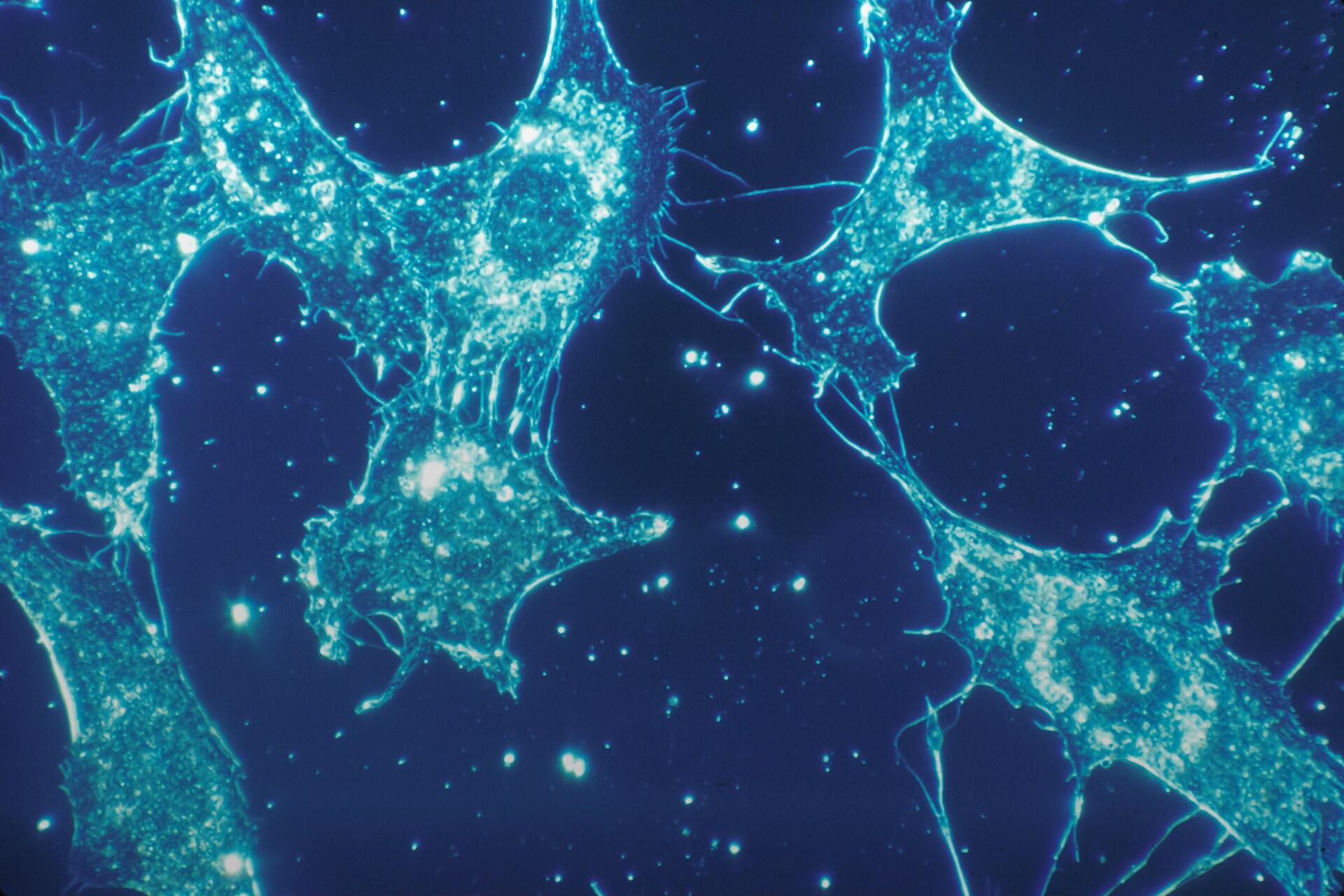
Know the main parts of plant and animal cells and what each part does.
Revise how microscopes are used to observe cells and small structures.
Learn what enzymes do and how factors such as temperature and pH can affect them.
Make sure you can explain the purpose, process and importance of each.
Revise inherited information, genetic terms and how traits are passed on.
Practise clear labelled diagrams for common cell and genetics questions.
The Organism
Revise how living things are grouped and classified.
Learn key facts about microorganisms, their uses and their effects.
Focus on flowering plants, transport, reproduction and photosynthesis links.
Revise major systems such as breathing, circulation, digestion and reproduction.
Use diagrams to make longer systems and processes easier to remember.
Practise turning topic knowledge into concise answers rather than long descriptions.
Practical Experiments and Investigations
Biology is a subject that includes theory and practice, and Irish schools are now preparing for revised and new Leaving Certificate specifications across senior cycle subjects.² Consider practical work a key part of your revision. Students should also know that Biology is in transition: the NCCA notes that the new specification applies to fifth-year students from September 2025, while the current syllabus is examined for the last time in June 2026.⁵
of the final assessment for students starting the new course.¹⁰
Mandatory Experiments
Know what the experiment is trying to investigate, especially as the new Biology specification places greater emphasis on scientific practices and investigative learning.⁶
Be able to name the main equipment used.
Learn the steps in the correct order.
Know what is changed, measured and kept the same.
Understand what the results show and how they support the conclusion.
Include safety details where they are relevant.
Tips for Laboratory Work
Keep aims, methods, results and conclusions easy to follow.
Make sure labels are readable and placed beside the correct structures.
Use tables, units and headings where needed.
Do not just learn the method. Know why each important step is included.
Add missing details while the experiment is still fresh.
Store practical notes separately so they are easy to revise before exams.
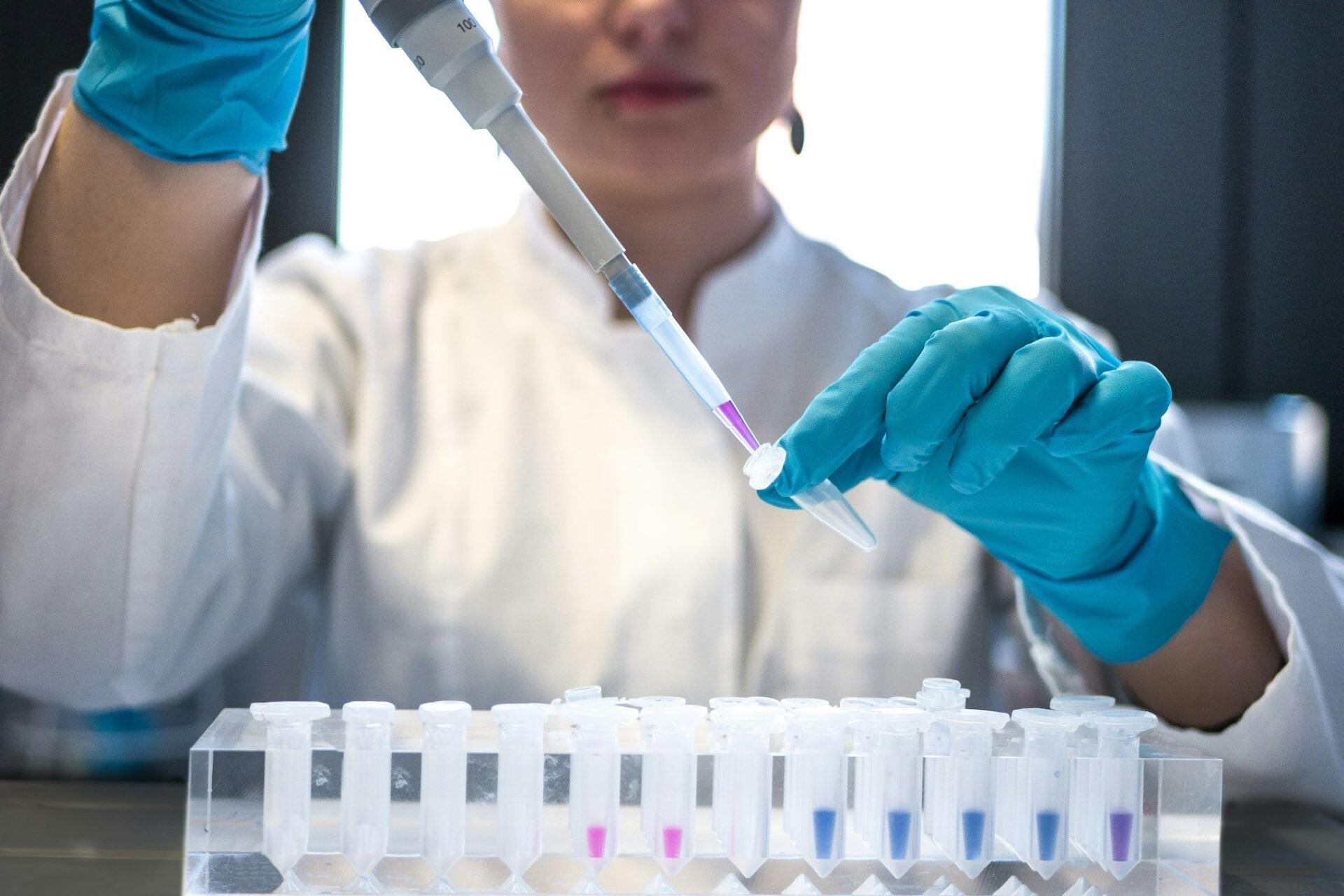
Practical work is easier to revise when your records are neat, accurate, and easy to follow. For each investigation, students should understand the aim, equipment, method, results, conclusion, and reason for each important step. This is especially important as Leaving Cert Biology moves towards the new specification, where the Biology in Practice Investigation becomes a major part of the assessment for students starting the new course.⁸
Exam Preparation and Techniques
Once you know what's on the exam, you need to prepare for it. You'll need to answer clearly and show the right level of detail to maximise marks. Develop the habits that turn your revision into marks with useful resources and tips.
Answering Techniques
If the question asks you to "define", "explain," "name, "describe", or "investigate", shape your answer around that command word.
For topics such as enzymes, DNA, respiration, photosynthesis, diffusion, and ecology, a concise definition often helps you pick up early marks.
Marks can be lost when diagrams are messy, unclear, or missing labels, so practise common structures before the exam.
Long paragraphs are not always necessary. Short, accurate points can make your answer easier for the examiner to follow.
For experiments, rates, graphs, light intensity, temperature, and measurements, check whether units are required.
Practical work is a major part of LC Biology revision, so review aims, methods, results, conclusions, and safety points separately.
The written paper lasts 3 hours, so leave enough time to attempt every required section rather than spending too long on one answer.¹
Time Management
Do not waste time figuring out the structure on the day.
Avoid spending too long perfecting early answers.
Longer answers can take more time than expected, so keep them focused.
If you are stuck, move on and return later.
Before the end, scan the paper for missed sub-questions.
At least once, complete a full paper or full sections under exam conditions.
Additional Resources and Support
If you struggle with biology, want to maximise your results, or find revision tricky, help is out there. From official Leaving Cert Biology resources to online tools and tutors, every student can find something to boost their marks. Choose the resource that works best for you.

Online Platforms and Forums
Use official curriculum pages, such as NCCA's Biology page on Curriculum Online, to check course details and links to the relevant syllabus or specification.⁴
Use past papers and marking schemes to practise exam-style answers.
Choose non-competitor videos from official or educational sources where possible.
Use forums carefully for peer support, but check important facts against official sources.
Use quick-recall tools for definitions, diagrams and key processes.
Ask your teacher before relying on any online resource that contradicts class advice.
Tutoring and Grinds
A tutor can help explain areas such as genetics, enzymes, respiration, photosynthesis or human biology.
Students can practise structuring their answers and using the right level of detail.
A tutor can help students review answers and understand where marks were lost.
Extra support can help students organise aims, methods, results and conclusions.
A tutor can help students build a realistic revision plan before the exam period.
One-to-one support can make it easier to ask questions and fix problems early.
References
- Department of Education and Youth. Assessment Arrangements for Junior Cycle and Leaving Certificate Examinations 2026. Gov.ie, 2025, https://assets.gov.ie/static/documents/2c504db1/Assessment_Doc_EN_2026.pdf. Accessed 24 May 2026.
- Department of Education and Youth. “Information for Schools on Delivering Revised and New Specifications.” Gov.ie, 27 Feb. 2024, updated 13 Feb. 2026, https://www.gov.ie/en/department-of-education/publications/information-for-schools-on-delivering-revised-and-new-specifications/. Accessed 24 May 2026.
- Department of Education and Youth. “State Examinations 2026.” Gov.ie, 3 Sept. 2025, https://www.gov.ie/en/department-of-education/publications/state-examinations-2026/. Accessed 24 May 2026.
- National Council for Curriculum and Assessment. “Biology.” Curriculum Online, https://curriculumonline.ie/senior-cycle/senior-cycle-subjects/biology/. Accessed 24 May 2026.
- National Council for Curriculum and Assessment. “Biology.” NCCA, https://ncca.ie/en/senior-cycle/curriculum-developments/biology/. Accessed 24 May 2026.
- National Council for Curriculum and Assessment. Curriculum Specification for Leaving Certificate Biology. Curriculum Online, https://www.curriculumonline.ie/getmedia/04e86311-7225-4cf3-a723-675e33154daf/SC-BIOLOGY-Spec-ENG.pdf. Accessed 24 May 2026.
- National Council for Curriculum and Assessment. Guidelines for Teachers: Leaving Certificate Biology. Curriculum Online, https://www.curriculumonline.ie/getmedia/6f81a62d-89e1-4d0e-a5f6-f8fe29859ae0/SCSEC07_Biology_guidelines_eng.pdf. Accessed 24 May 2026.
- National Council for Curriculum and Assessment. Guidelines to Support the Biology in Practice Investigation: Leaving Certificate Biology. Curriculum Online, Nov. 2024, https://www.curriculumonline.ie/getmedia/fc6493fa-f5d7-4c8e-9c82-3fcd268ce1ba/AAC_Guidelines_Biology_Final.pdf. Accessed 24 May 2026.
- National Council for Curriculum and Assessment. Leaving Certificate Biology Syllabus. Curriculum Online, https://curriculumonline.ie/getmedia/0cc3a7ac-fd8c-4612-8e4d-81cd82482abc/SCSEC07_Biology_Syllabus_Eng.pdf. Accessed 24 May 2026.
- State Examinations Commission. Leaving Certificate Examination 2027: Biology: Biology in Practice Investigation. State Examinations Commission, 2026, https://www.examinations.ie/docs/viewer.php?q=7b87644280731ea78cad6d9b87c5a1890e6041bf. Accessed 24 May 2026.
Summarise with AI:
Did you like this article? Leave a rating!

 Loading...