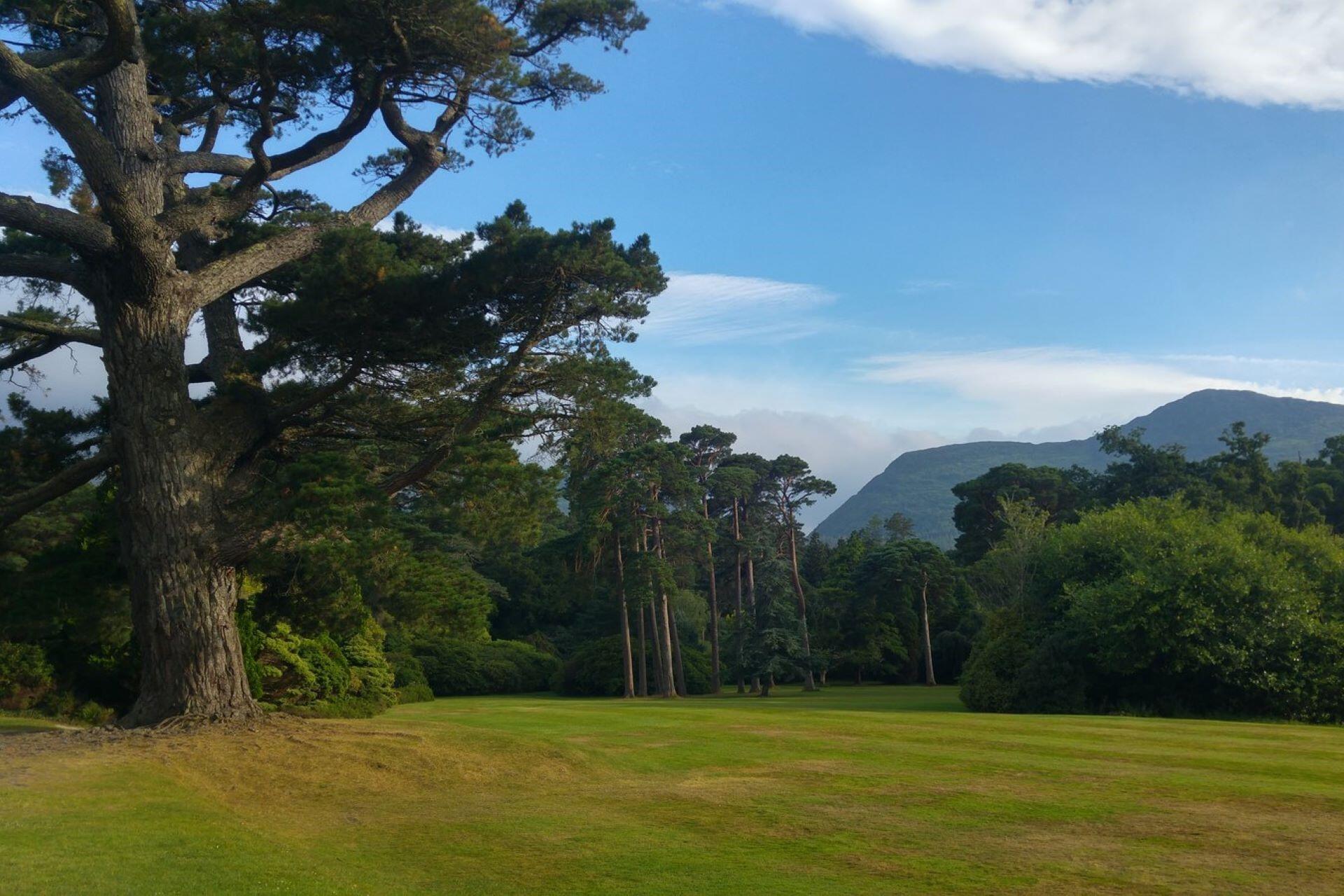

Under the Irish sky, I found solace in the beauty of the landscapes, where the earth meets the heavens in a mystical embrace.
Seamus Heaney
Ireland's national parks protect some of the most beautiful and diverse landscapes across the whole country. From mountain ranges and bogland to river valleys, coastlines, and even marine environments, these parks play an essential role in conservation while also being great places to visit, provided you do so as respectfully as possible. There are eight national parks in Ireland, so let's explore what each offers, what you can do there, and why you should visit.
| National Park | County | Year Established | Landscape Type | Size | Key Highlights |
|---|---|---|---|---|---|
| Killarney National Park | Kerry | 1932 | Mountains, lakes, woodland | Over 26,000 acres | Lakes of Killarney; Muckross House and Gardens; native red deer |
| Wicklow Mountains National Park | Wicklow | 1991 | Mountains, valleys, rivers, bog | Over 51,000 acres | Glendalough valley; mountain trails; panoramic views |
| Connemara National Park | Galway | 1980 | Mountains, bog, grassland | Around 7,000 acres | Diamond Hill; Twelve Bens views; wild scenery |
| Glenveagh National Park | Donegal | 1984 | Mountains, lakes, woodland | Over 41,000 acres | Glenveagh Castle; Lough Veagh; remote northern views |
| The Burren National Park | Clare | 1991 | Limestone plateau, grassland | Around 3,700 acres | Limestone formations; rare flowers; archaeological sites |
| Wild Nephin National Park | Mayo | 2009 | Bog, mountains, wilderness | Over 37,000 acres | Remote trails; dark sky reserve; untouched bogland |
| Boyne Valley National Park | Meath | 2023 | River valley, farmland, heritage landscape | Expanding multi-site park | River Boyne landscape; historic monuments; cultural heritage |
| Páirc Náisiúnta na Mara (Marine National Park) | Kerry | 2024 | Marine, coast, islands | Over 70,000 acres (marine area) | Coastal ecosystems; islands; marine wildlife |


Killarney National Park
Killarney National Park is one of the most famous and visited areas in Ireland. It combines dramatic landscapes and carefully maintained historic estates. The lakes sit beneath rugged mountain scenery and offer some of Ireland's most recognisable views. With woodland paths, lakeside walks, and longer hiking routes, casual visitors and experienced walkers can enjoy it.
Around Muckross House and the gardens offer a gentler introduction to the park, with the remote parts feeling very wild. Wildlife is a key part of any visit to Killarney, and you can see native red deer roaming freely in the park's woodlands and open ground. It's a national park you can enjoy during a short visit. Still, there's enough variety for longer trips, too, if you want to explore the lakes, hills, and historic features without rushing around.
Ireland’s national parks are protected areas designated to preserve important landscapes, wildlife, and natural habitats. They are managed by the National Parks and Wildlife Service and are chosen for their ecological, geological, or cultural value. Unlike nature reserves, national parks are designed to balance conservation with public access.
Wicklow Mountains National Park
Wicklow Mountains National Park covers a vast area of upland scenery. Just to the south of Dublin, it's one of the country's most accessible national parks. With broad mountain views, deep valleys, rivers, and areas of open bog, the landscape feels expansive and remote, even though it's not very far from the capital.
Glendalough is one of the best-known locations in the park, offering natural beauty and early Christian heritage. There's a network of trails that lead into quieter parts of the mountain, and walkers can experience wide-open hills and long-distance routes. The Wicklow Mountains are great for photographers and hikers, too, with different views each season. Whether you want to explore the shorter loops or longer mountain trails, there are a lot of options here.
Connemara National Park
Connemara National Park is associated with a sense of raw, untamed landscape. The park sits on Ireland's Atlantic coast and features a raw, untamed landscape of mountains, bogs, and open grassland. You can enjoy dramatic skies and wide horizons.
Diamond Hill is Connemara's most popular walking route with clearly marked trails and fantastic views across the countryside and coastline. The park is quiet and open, with large areas of natural habitat left untouched. This is a beautifully simple national park where the landscape is the main attraction. You can also find one of Ireland's finest landmarks here.
officially designated national parks
Glenveagh National Park
Glenveagh National Park sits in a remote corner of County Donegal. It's famous for its dramatic mountain scenery and the sense of isolation it offers. With wide glens, lakes, and rugged hills, the landscape is powerful and distinctly northern. Glenveagh Castle and the surrounding gardens provide a lovely contrast to the wilderness.
The park has vast spaces with walking routes following lakeshores and mountain paths. Glenveagh is quiet, making it ideal for visitors seeking a slower, more reflective experience in a national park. The wildlife here is well protected, and this park rewards you for being patient with moments of stillness.
acres of land and marine environments combined.
The Burren National Park
The Burren National Park is defined by its distinctive limestone landscape. Rather than forests or mountains, this park features exposed rock formations, crevices, and grassland with plant life. The Burren is internationally recognised for its ecological importance.
There are walking routes that guide visitors across the limestone terrain with its rare flowers and ancient archaeological features. It's a quiet atmosphere where you can enjoy the small details. With the seasons drastically changing the landscape, it's also one you can visit throughout the year.
Wild Nephin National Park
Ireland's national parks protect a wide range of native wildlife and plant species, from red deer and birds of prey to rare wildflowers found in limestone and bog habitats. Coastal and marine parks also support seabirds, seals, and other species, such as puffins, during the breeding season. These protected areas play a key role in conserving Irish biodiversity.
One of Ireland's most remote national parks, Wild Nephin National Park, offers an authentic wilderness experience. The landscape is full of bogland, open mountains, and long, quiet valleys. This park provides a sense of isolation like no other.
The walking routes in Wild Nephin aren't as developed as those in some of the other parks we've mentioned so far, so make sure you carefully plan your hikes and respect the environment. Thanks to the area's dark skies, it's a fantastic destination for stargazing.
Boyne Valley National Park
Boyne Valley National Park is one of Ireland's newest national parks. To be clear, the land has been here forever; it's just the designation as a national park that's new! The park is centred on the River Boyne and the surrounding landscape, which has been home to human activity for thousands of years. Here, you can enjoy rolling farmland, riverbanks, and historic sites that combine to form a living cultural landscape.
This is one of the national parks where you can appreciate the connection between people and nature, with walking routes and viewpoints offering visitors the chance to learn about the valley's archaeological and historical significance. With its blend of nature, history, and community, it's unique among Ireland's national parks.
Páirc Náisiúnta na Mara (Marine National Park)
Páirc Náisiúnta na Mara is the first marine national park in Ireland. It represents a significant expansion of national park protection into coastal and offshore environments. Unlike other land-based national parks, this one focuses on marine habitats, islands, and coastal ecosystems that are vital to biodiversity, much like puffin sanctuaries that protect puffins specifically.
The park protects the water that supports seabirds, marine mammals, and a range of sea life. Obviously, you can't walk through this one, but there are coastal viewpoints and nearby islands that let visitors appreciate the offshore parts of the park. The park helps highlight the importance of protecting Ireland's seas as well as its land.
Visitors are encouraged to enjoy Ireland’s national parks while respecting nature and local rules. Staying on marked trails, protecting plants and wildlife, and following access guidance helps preserve these areas for future generations. Some parks include working farmland or sensitive habitats, so responsible behaviour is essential.
With a rich mix of landscapes and experiences from quiet mountain valleys and wild bogland to historic river valleys and protected coastal waters, there's something for everyone in Ireland's national parks. They're fine examples of how nature, wildlife, and heritage are closely connected and their status as national parks mean they enjoy certain protections above the standard offered to other areas of natural beauty in the country. Whether you want a day out, a short walk, or a big hike, you won't be disappointed by these national parks, with each offering something special and unique. Which one are you going to visit first?
Summarise with AI:
Did you like this article? Leave a rating!

 Loading...