
Flowers are the music of the ground, from earth’s lips spoken without sound.
Edwin Curran
Ireland has a landscape that supports a remarkable variety of flowers. With a mild climate, diverse soils, and a long natural history, there are plenty of different flowers to discover. Here, we'll explore some native Irish flowers and where they grow.


Woodland and Hedgerow Flowers
Woodlands and hedgerows are rich habitats for native Irish flowers. These areas can be found bursting into colour in early spring before the trees shade the ground. Many of Ireland's best-known wildflowers thrive in these areas, enjoying the damp soil and filtered light, much like the local wildlife.
native plant species.
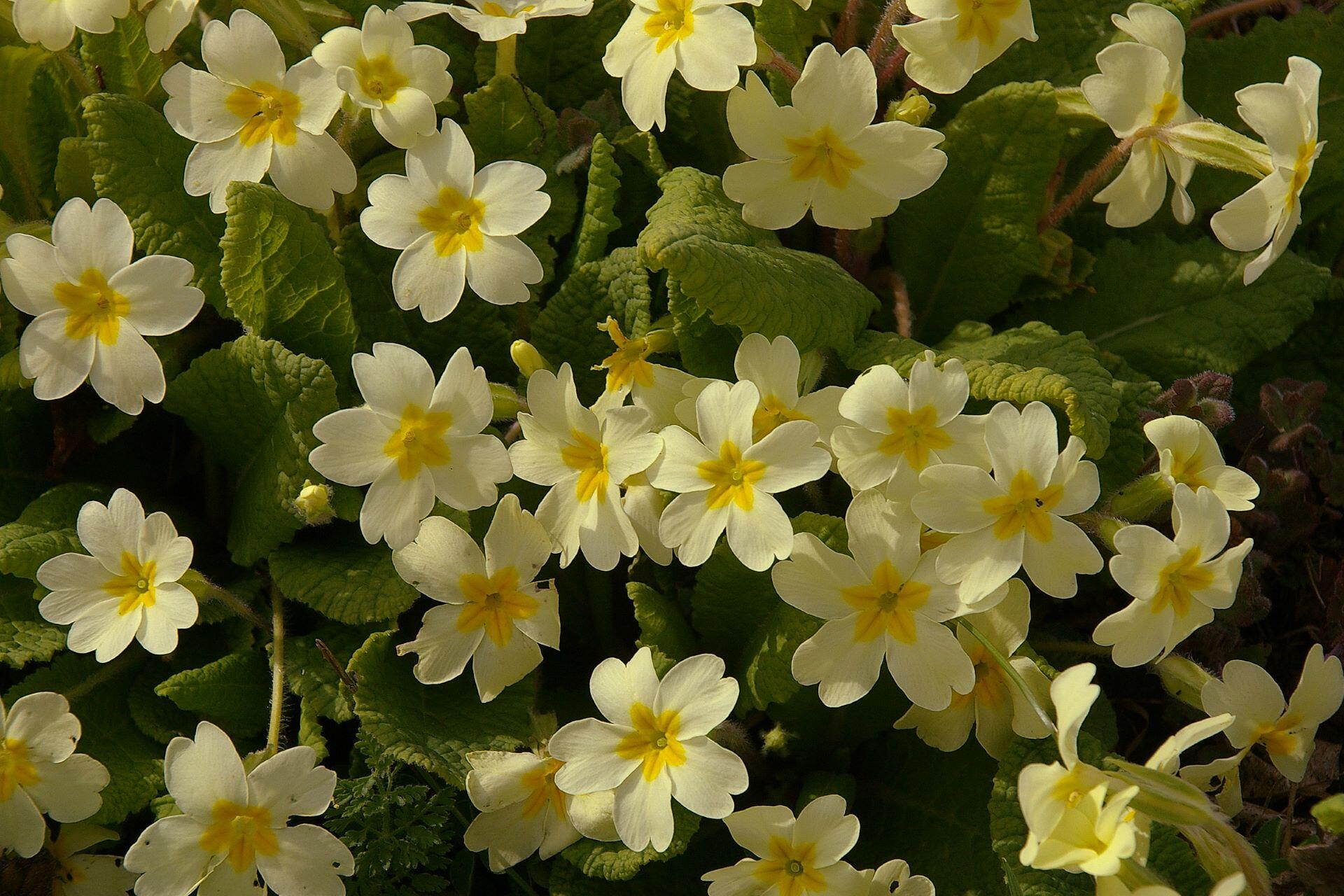
One of the earliest flowering native Irish flowers, primroses appear from late winter along hedgerows and woodland edges. They are traditionally associated with protection and renewal in Irish folklore and are a familiar sign that spring has arrived.
Native Irish bluebells form dense carpets in ancient woodlands during spring. Ireland's bluebell populations are significant, as they remain largely free from hybridisation seen in other parts of Europe.
A classic indicator of long-established woodland, wood anemone spreads slowly through underground rhizomes. Its presence often suggests a centuries-old woodland.
This bright yellow flower thrives in damp hedgerows and along riverbanks. It flowers early in the year, making use of sunlight before taller plants dominate.
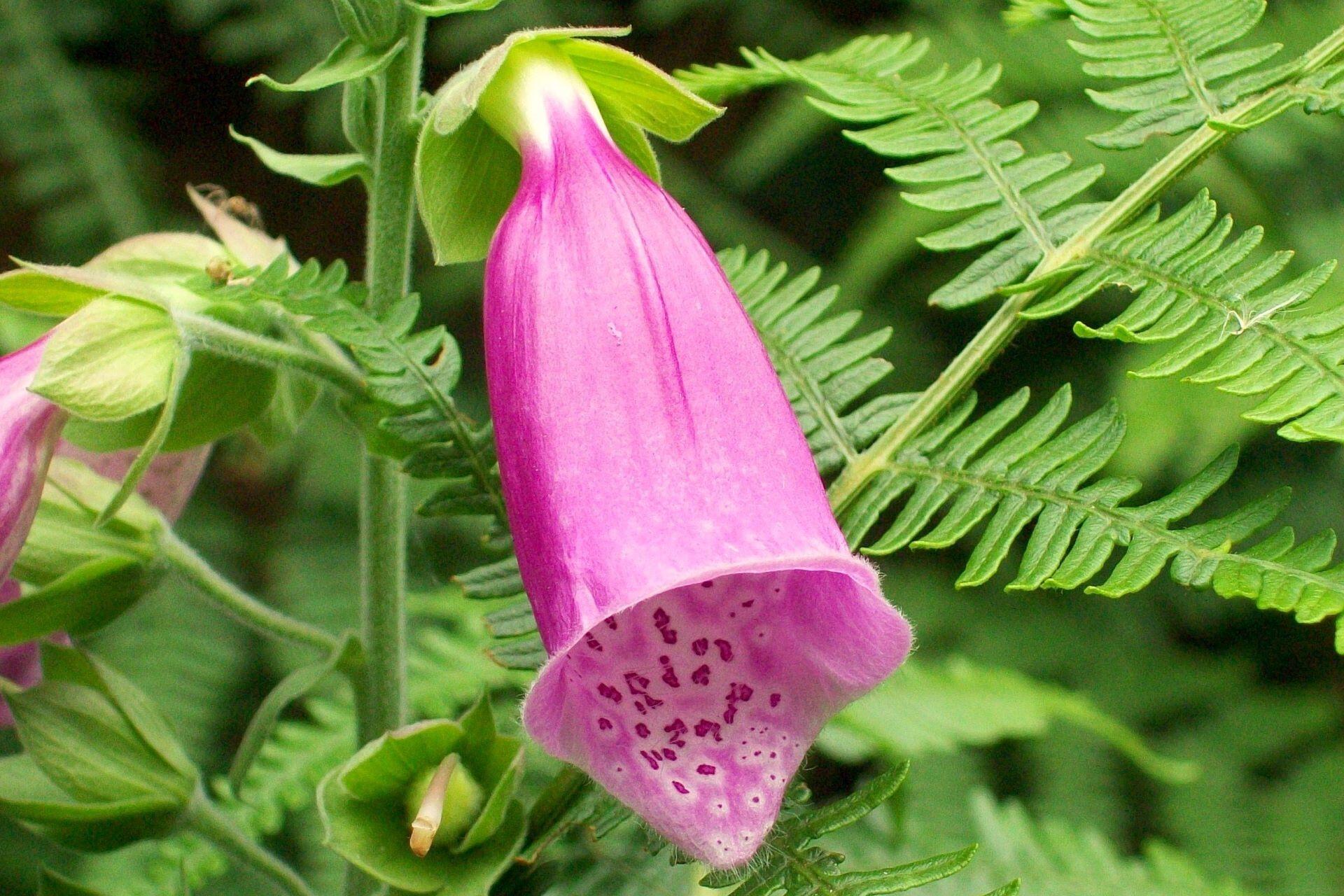
Easily recognised by its tall spikes of purple bell-shaped flowers, foxglove is common along woodland edges and clearings. While beautiful, it is also toxic and historically significant in the development of heart medications.
Grassland and Meadow Flowers
Even though traditional grasslands and meadows are among the most threatened habitats for native Irish flowers, they're among the most important. These open landscapes are home to a wide variety of flowering plants. Ireland's most familiar wildflowers can be seen here, especially in late spring and summer.
of Ireland’s species-rich grasslands have been lost due to land use change
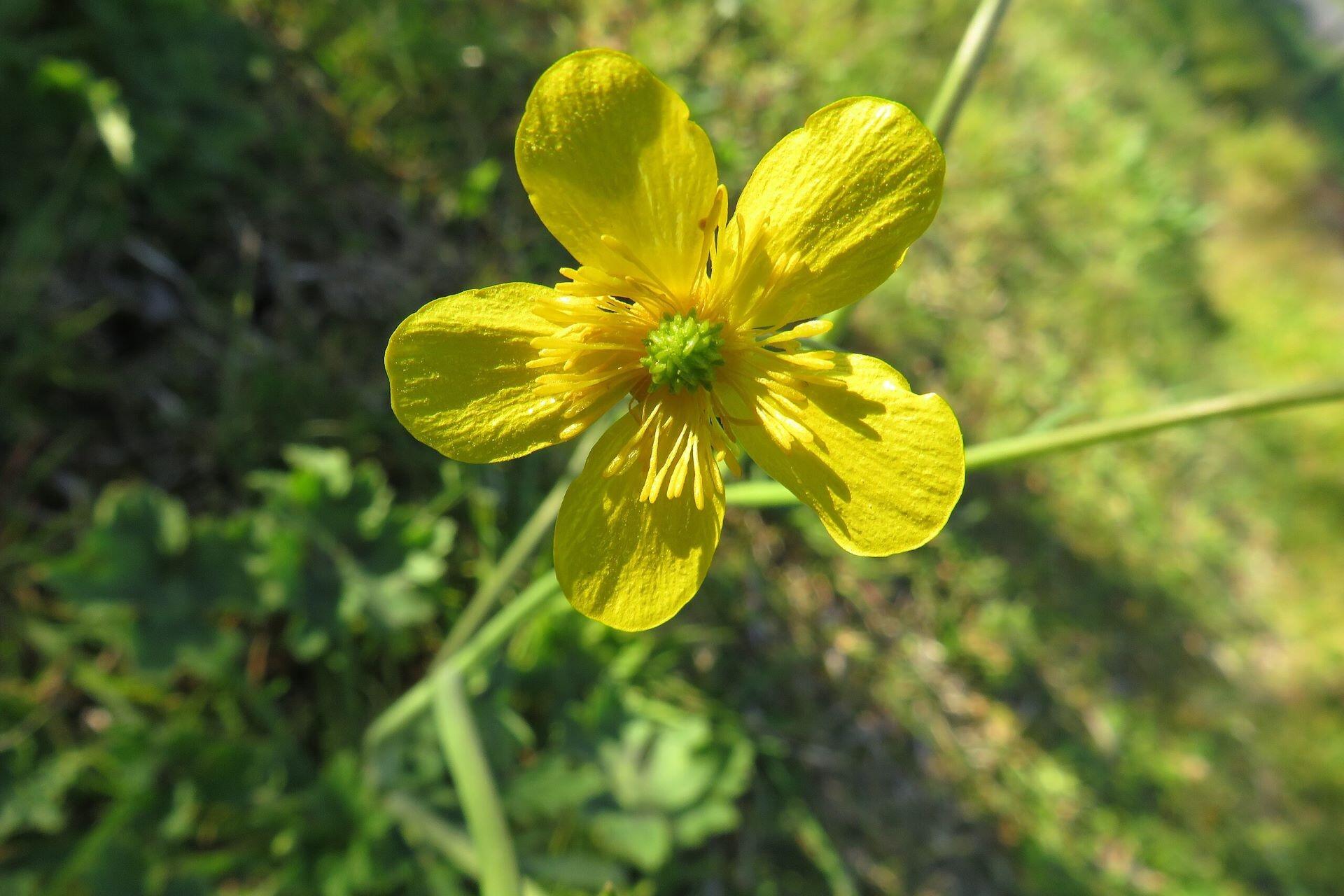
One of the most widespread grassland flowers in Ireland, meadow buttercup is recognised by its glossy yellow petals. It thrives in traditional meadows and is a strong indicator of unimproved grassland.
A key native Irish plant for pollinators, red clover is especially important for bees. It has long been associated with traditional farming and soil improvement.
Often called "eggs and bacon" because of its yellow and orange colouring, this low-growing flower is common in dry grasslands. It provides vital nectar for butterflies and bees.
With its white petals and yellow centre, oxeye daisy is one of the most recognisable meadow flowers. It flourishes in species-rich grasslands and roadside verges.
A late-summer-flowering plant, common knapweed is an important food source for insects as other flowers begin to fade. Its purple blooms are typical of older, less intensively managed meadows.
Bog and Wetland Flowers
Bogs and wetlands offer distinctive landscapes. They support a unique range of native Irish flowers. Since these are often nutrient-poor and waterlogged, only specially adapted plants survive here. Peatlands and wetlands are internationally important as they're home to some of the most characteristic native Irish plants.
Not all plants found in Ireland are native Irish flowers. Some species are naturalised, meaning they were introduced by humans long ago and now grow widely in the wild. Others are invasive and can harm native habitats by spreading aggressively and outcompeting native Irish plants.
Instantly recognisable by its white, cotton-like tufts, bog cotton is one of the most iconic bog plants in Ireland. It thrives in acidic peatlands and flowers in late spring and early summer.
One of Ireland's native carnivorous plants, sundew grows in nutrient-poor bogs and feeds on insects. Its sticky leaves trap small insects, allowing it to obtain nutrients unavailable in peat soils.
This bright yellow flower is common in wet, acidic ground and bog margins. Despite its name, it is not related to true asphodels and is often associated with traditional peatland habitats.
Found along lake edges and wetlands, marsh cinquefoil has deep red-purple flowers. It prefers permanently damp ground and is a good indicator of healthy wetland ecosystems.
A striking wetland plant, yellow iris grows along rivers, lakes, and marshes. It flowers in late spring and early summer and is one of the most noticeable native Irish wetland plants.
Coastal and Sea-Cliff Flowers
With dramatic growing conditions, Ireland's coastline is home to some fascinating flowers. Coastal plants have adapted to survive in places that few others would. These are hardy species that deal with salt spray, strong winds, and thin soils. You'll see them on sea cliffs, dunes, and rocky shorelines, flowering later in the year after the inland habitats, sharing similar habitats that puffins choose to nest in during their breeding season.
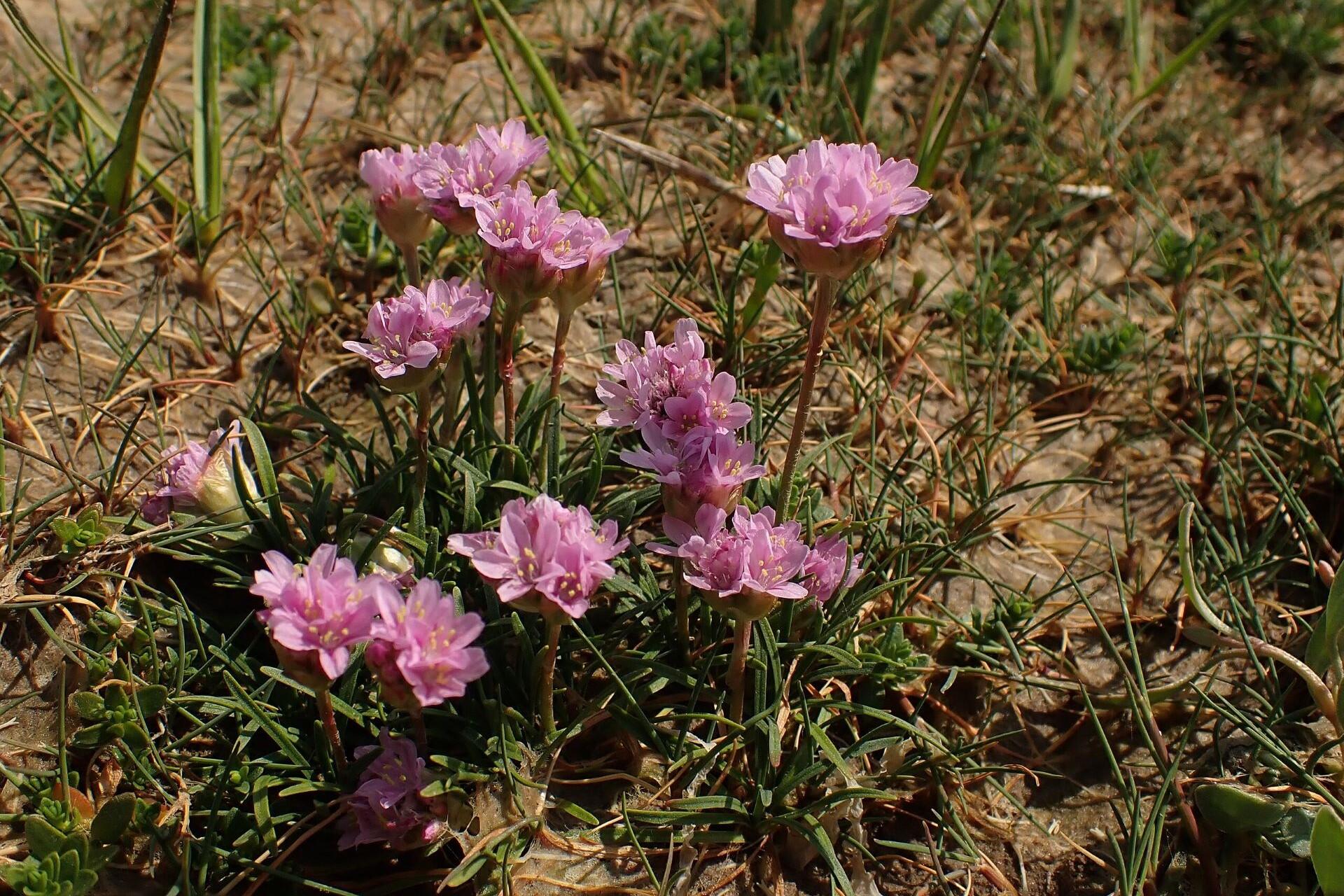
One of the most recognisable coastal flowers in Ireland, sea thrift forms dense pink cushions along cliffs and headlands. It is highly tolerant of wind and salt spray and flowers from late spring into summer.
A low-growing plant with white, balloon-like flowers, sea campion thrives on rocky shores and cliffs. It is well adapted to exposed coastal environments and is common along the Atlantic coast.
A striking coastal plant with tall flower spikes, sea squill grows in dry, rocky coastal ground. It has historical links to folklore and traditional uses, though it is toxic and should not be handled.
This yellow flower is often found in coastal grassland and dunes. It plays a vital role in supporting pollinators and is particularly associated with limestone and sandy coastal soils.
A fast-growing annual found on shingle beaches and dunes, sea rocket has pale purple flowers. It is one of the first plants to colonise disturbed coastal ground.
Limestone Flowers of The Burren
In the Burren in County Clare, you'll find one of Europe's most botanically diverse landscapes and one of the country's best hidden landmarks. The limestone pavement creates a rare environment with native Irish flowers from different climates growing side by side. The thin soils, sheltered crevices, and mild microclimate mean that alpine, Mediterranean, and native species all thrive.
Many native Irish flowers are protected under Irish and EU conservation laws, particularly species linked to threatened habitats such as bogs, limestone grasslands, and traditional hay meadows. It is illegal to uproot or damage protected plants in the wild, even for personal use. Habitat protection is the main way native Irish plants are conserved, as many species depend on particular environmental conditions.
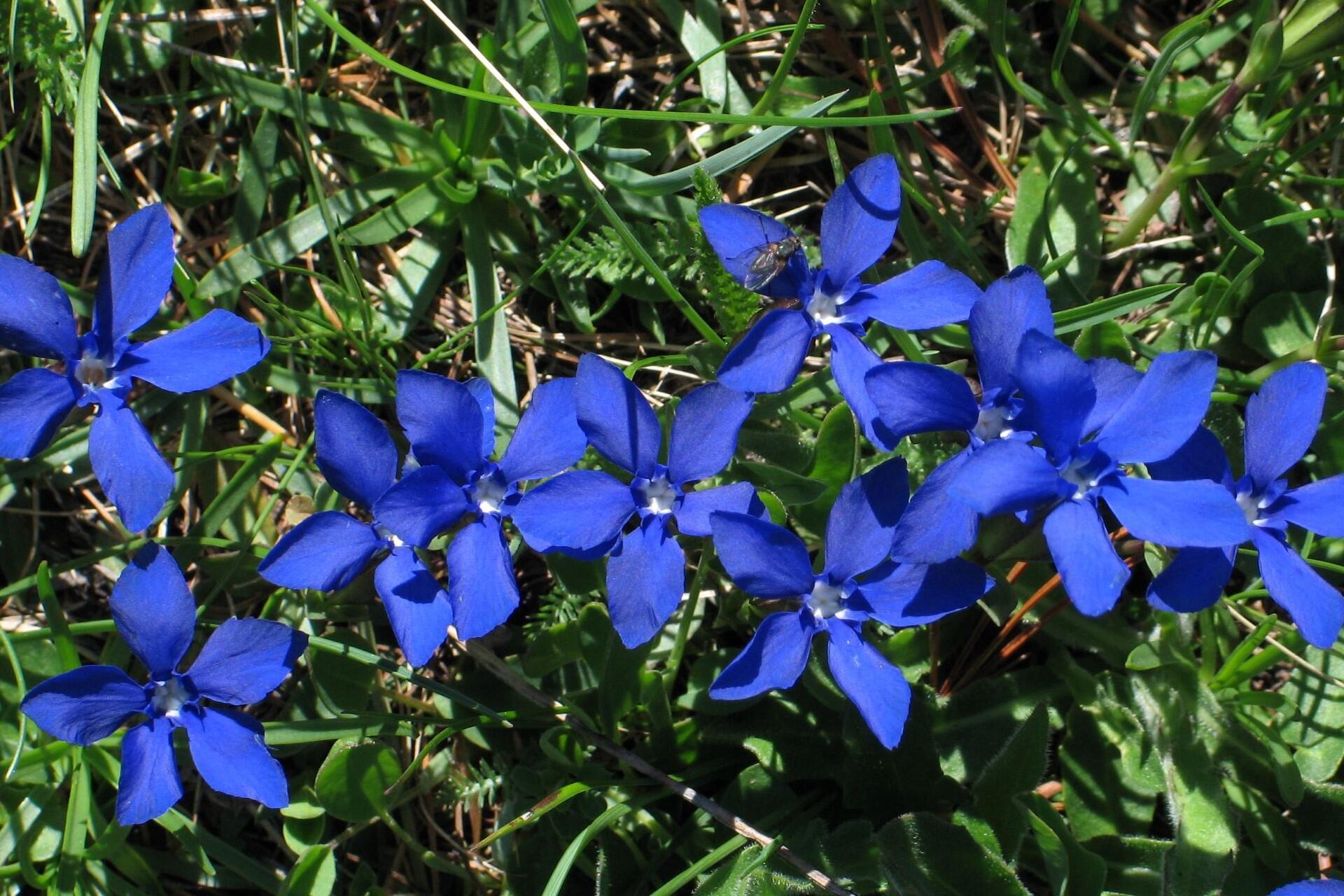
One of the most famous Burren flowers, spring gentian, is known for its vivid blue colour. It flowers early in the year and is often considered a symbol of the Burren's unique ecology.
This low-growing plant produces deep pink to purple flowers and thrives in limestone grassland. It is well adapted to the dry, rocky conditions of the Burren.
An Arctic-alpine species, mountain avens, survives in the Burren due to the cooling effect of limestone crevices. Its presence highlights how unusual the Burren's plant communities are.
A rare plant in Ireland, hoary rock-rose grows almost exclusively on limestone. It produces small yellow flowers and is closely associated with calcareous soils.
Flowering later in the year, autumn gentian adds colour to the Burren in late summer and early autumn. It is one of several gentian species that benefit from the area's unique conditions.
Heathland and Upland Flowers
The heathland and upland areas that cover large parts of Ireland's mountains and high ground have cooler, windier, and often wetter conditions. These native Irish flowers are adapted to thin soils, exposed slopes, and nutrient-poor ground. These habitats are key for late-season flowering plants and many of Ireland's national parks are a great place for them.
Native Irish flowers support pollinators such as bees and butterflies, improve soil health, and help maintain biodiversity. Many species are adapted to specific habitats, such as bogs or limestone pavements, making them especially vulnerable to habitat loss. Protecting native Irish plants helps preserve Ireland's natural heritage.
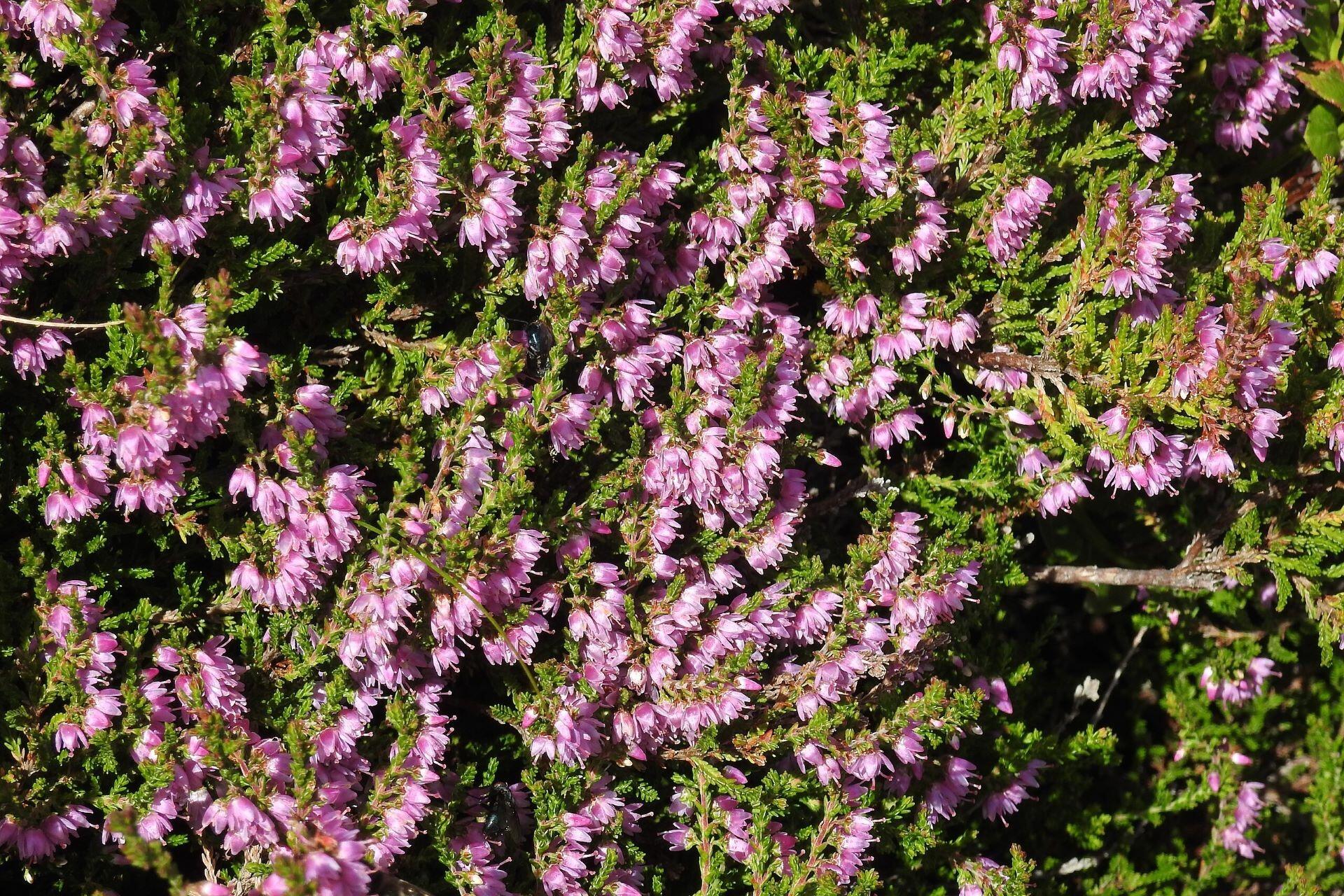
The dominant plant of Irish heathland, ling heather, produces masses of purple flowers from late summer into autumn. It provides an essential food source for insects when few other flowers are in bloom.
Recognisable by its deep pink, bell-shaped flowers, bell heather thrives on dry, rocky slopes. It often grows alongside ling heather but flowers slightly earlier in the season.
This species prefers wetter heathland and bog margins. Its pale pink flowers appear in summer and are an important nectar source for bees.
Found in upland and mountainous regions, this plant has distinctive silvery-edged leaves. It produces small yellow-green flowers and is well-suited to cool, exposed environments.
A low-growing plant with bright yellow flowers, tormentil is common in upland grassland and heath. It flowers for much of the summer and is highly tolerant of poor soils.
Culturally Significant Irish Flowers
Certain native Irish flowers are culturally important and feature prominently in Irish culture, folklore, and tradition. These plants appear in myths, seasonal customs, and national symbols. You'll likely recognise a few.
The shamrock is Ireland's most famous plant symbol and is traditionally associated with St Patrick. It represents renewal and identity and is still commonly found in grasslands and lawns across the country.
Beyond its role as a woodland flower, primrose has strong links to Irish folklore and seasonal customs. It was traditionally placed at doorways to protect homes and welcome spring.
Known in Irish folklore as the "fairy thimble", foxglove was believed to have magical associations. While beautiful, it is also highly toxic and has a long medicinal history.
Eyebright has been used in traditional remedies and folk medicine, particularly for eye conditions. It grows in grassland and upland habitats and remains part of Ireland's plant lore.
A plant native to Ireland and parts of western Europe, it is associated with damp woodland and rocky ground. Its name reflects its long-standing cultural connection rather than any direct link to the saint.
Summarise with AI:
Did you like this article? Leave a rating!

 Loading...