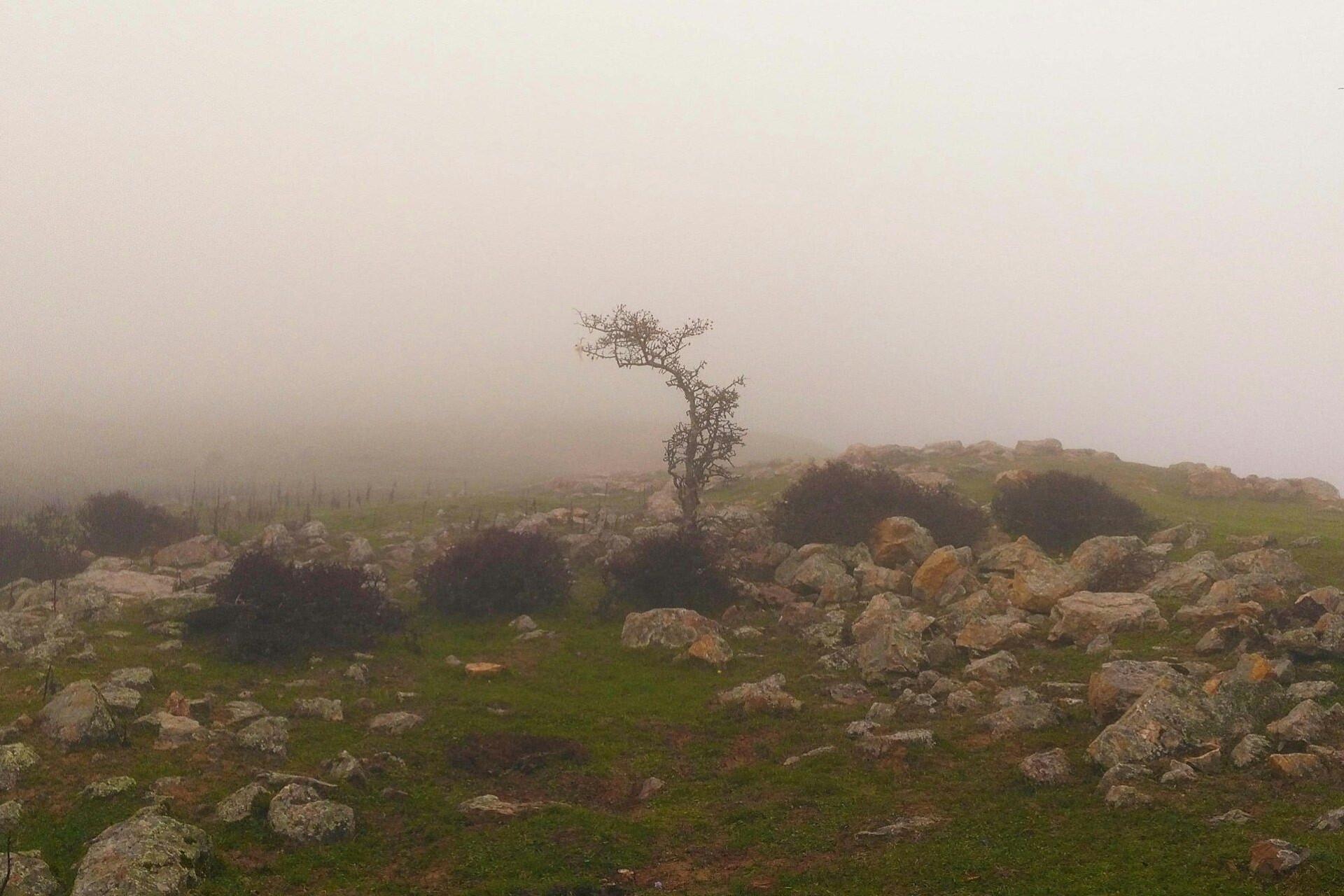

Mol an óige agus tiocfaidh sí. / Praise the young, and they will flourish.
Seanfhocal (Irish proverb)
Old Irish names are a direct connection to the country's early language, history, and mythology. Ancient Irish names are used by kings, warriors, and saints, many of which carry clear meanings from Irish words. They're also inspiring for those looking for names with strong origins and cultural significance. Let's explore a few of them.


Old Irish Boys Names
Among the earliest recorded names in Ireland, you'll find some of these names in genealogies, legends, and historical texts. Since important people's names were recorded, they often belonged to kings, warriors, and religious figures. You'll see them in early Irish society, with many of these Irish boys' names having meanings relating to strength, leadership, and identity.
Old Irish names come from the early Irish language, often dating back to before the 12th century. These names were used in Ireland during the time of kings, warriors, and saints, and many are derived from Gaelic words with clear meanings. Today, old Irish names remain important as they preserve Ireland’s linguistic and cultural heritage.
Often linked to early High Kings of Ireland, Niall is believed to mean “champion” or “cloud.” The name appears in some of the earliest Irish genealogies.
Meaning "son of the charioteer," Cormac was borne by several early Irish rulers, including the legendary king Cormac mac Airt.
A name meaning "strong wolf" or "powerful," Conall appears frequently in early Irish legend and warrior tales.
Derived from "cath" (battle), Cathal means "battle ruler" and was commonly used among medieval Irish kings.
A prominent figure in Irish legend, Diarmaid is associated with bravery and tragic romance in early storytelling.
Meaning "brown-haired warrior," this name was widely used among Irish nobility and early kings.
Meaning "world ruler," Domhnall has been borne by kings and leaders throughout Irish history.
Meaning "born of the yew tree," Eoghan is tied to ancient clans and early Irish royal lines.
An ancient name meaning "fire," Aodh was associated with both kings and a Celtic god of the same name.
A diminutive of Aodh, meaning "little fire," this name was common among early Irish saints.
Meaning "raven," Fiachra appears in early Irish mythology and among royal family names.
Meaning "man of strength," Fergus is a well-known name in Irish legend, especially in the Ulster Cycle.
Meaning "fair" or "white," Fionn is strongly associated with the legendary warrior Fionn mac Cumhaill.
Meaning "little deer," Oisín is a key figure in Irish mythology and one of the most enduring ancient names.
Meaning "poet" or "philosopher," Tadhg was widely used in early Ireland and remains deeply traditional.
Meaning "little fierce one," Lorcán was the name of kings and saints in early medieval Ireland.
Meaning "red king," Ruairí appears in early Irish royal lineages and chronicles.
Meaning "dove," Colm is linked to Saint Columba, an important figure in early Irish Christianity.
Meaning "prince" or "brave," Breandán is associated with Saint Brendan the Navigator.
Meaning "old" or "wise," Senán was borne by early Irish saints and religious figures.
Meaning "man of Ulster," Ultán is a regional name tied to early northern Ireland.
Meaning "lover of hounds," Conchobhar was a legendary king of Ulster.
Meaning "bear" or "noble," Art was the name of several early Irish kings.
Meaning "horseman," this name appears frequently in early Irish royal genealogies.
Meaning "little fair one," Fionntán is linked to early mythological figures and ancient lore.
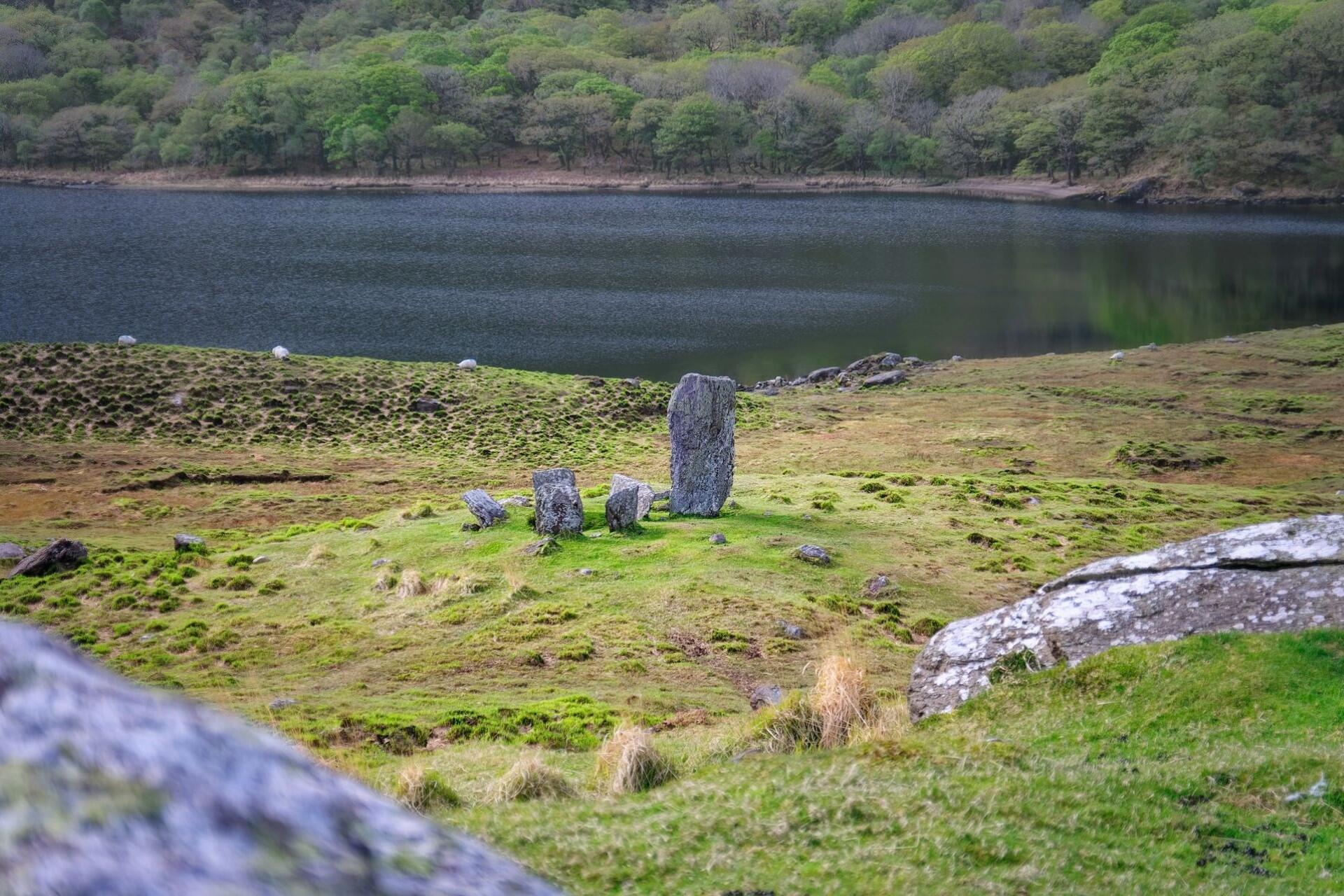
Ogham inscriptions survive in Ireland, many of which preserve some of the earliest recorded Irish personal names.
Old Irish Girls Names
Many old Irish girls' names come from mythology, early Irish history, and religious tradition. Many were found attributed to goddesses, noblewomen, and legendary figures. More often than not, these names are very complimentary, with meanings reflecting qualities like strength, grace, and wisdom.
Many ancient Irish names are formed from descriptive Gaelic words linked to traits, nature, or status. Elements like “fionn” (fair), “rua” (red), or “cath” (battle) appear frequently in names. Some names also evolved into modern surnames or anglicised forms, showing how Irish naming traditions have developed over centuries.
Meaning "exalted one," Bríd is closely associated with Saint Brigid, one of Ireland's patron saints.
A tragic heroine from Irish legend, Deirdre, is linked to one of the most famous love stories in Irish mythology.
Meaning "grain" or "love," Gráinne appears in several mythological tales, often as a strong-willed figure.
Meaning "bright" or "radiant," Niamh is a central character in Irish mythology connected to the Otherworld.
Meaning "beauty" or "radiance," Aoife appears in Irish legend as both a warrior and a noblewoman.
Meaning "kernel" or "grain," Eithne is an ancient name found in early Irish genealogies.
Meaning "fair shoulder," Fionnuala is a key figure in the Children of Lir myth.
Meaning "of the sea," Muireann is associated with Irish folklore and maritime legends.
Meaning "sweet" or "goodness," Sadbh appears in mythological tales linked to transformation.
A legendary figure in Irish mythology, Éadaoin is associated with beauty and rebirth.
A goddess of love and beauty, Cliodhna is a prominent figure in Irish folklore.
Meaning "fair lady," this name appears in early Irish poetry and legend.
Meaning "little flower," Bláthnaid features in mythological stories of love and conflict.
The saint's name, Gobnait, meaning "little smith," is tied to early Irish religious history.
Meaning "flame of wine," a poetic and rare name found in Irish legend.
Meaning "lamb," Úna is also linked to a fairy queen in Irish folklore.
Meaning "pleasant," Aifric appears in early Irish historical records.
Meaning "illustrious princess," Gormlaith was the name of several royal women.
Meaning "intoxicating," Medb was a powerful queen in Irish mythology.
Meaning "daughter of the poet," Dearbhla has strong literary and cultural roots.
Meaning "slender and fair," a name that appears in older Irish naming traditions.
Meaning "golden princess," Orlaith was used among Irish nobility.
Meaning "great," Mór was often used in early Irish names to denote importance or status.
A mythological name associated with strong and sometimes fierce female figures.
Meaning "strength," Treasa reflects power and resilience in early Irish naming traditions.
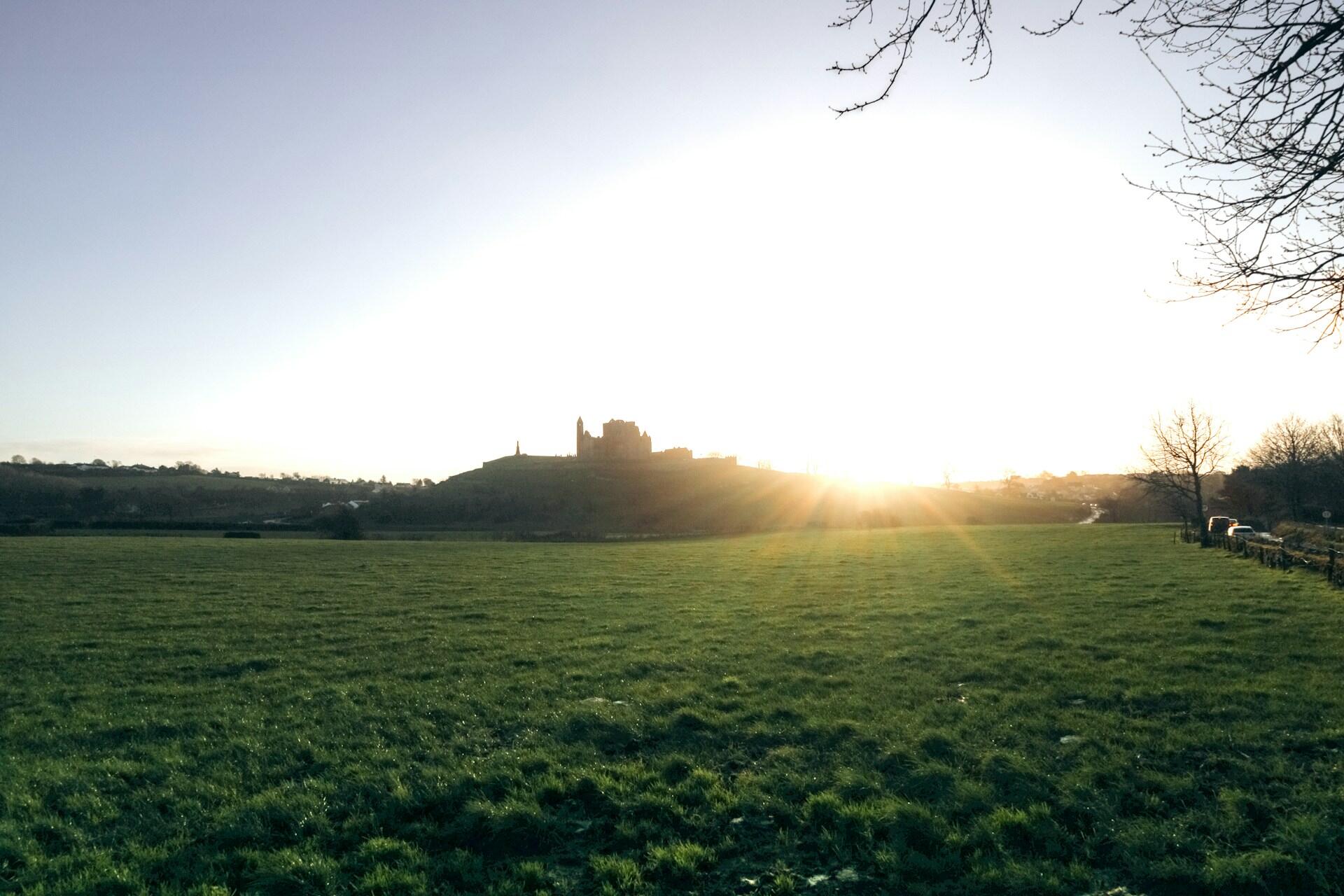
words, many of which help explain the meanings behind ancient Irish names.
Rare and Unique Old Irish Names
Here are some of the more unusual older Irish names. These are ones that you'll see in texts and legends, but not so much today. This is often because they preserve older forms of the Irish language. Choosing one of these could be a way to offer something distinctive while including a strong link to Irish heritage.
Although some old Irish names may seem unusual today, many are still used in modern Ireland, either in their original form or as anglicised versions. Names like Niall, Aoife, and Cormac have remained popular, while others are being rediscovered. This shows how ancient Irish names continue to influence modern naming trends.
A warrior of the Fianna, Caílte, appears in early Irish legend and heroic tales.
Meaning "noble prince," Iarlaith is a rare name with strong historical roots.
A mythological figure, Neasa is associated with royal lineage and early Irish legend.
Meaning "radiant," Laoise is an old Irish name that has seen renewed interest.
Meaning "well-going," Suibhne is linked to legendary figures, including a king driven to madness.
Meaning "little pale green one," Odrán appears in early saintly traditions.
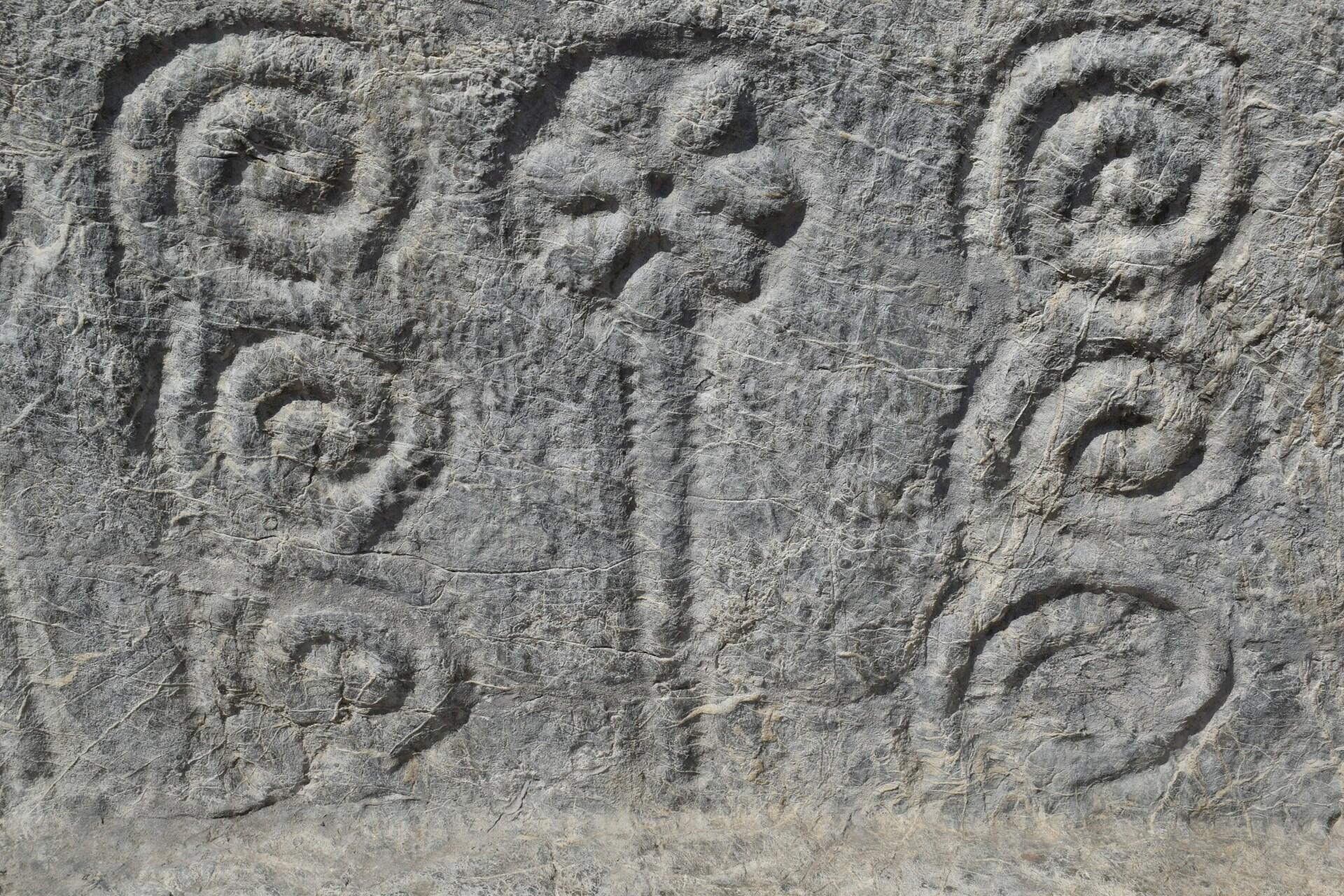
Mythological Old Irish Names and Their Meanings
Look no further than Irish mythology for plenty of Irish names. These names belong to legendary heroes, gods, and warriors. Each name is linked to a part of Ireland's storytelling tradition and ancient beliefs.
A central god in Irish mythology, Lugh is associated with skill, light, and craftsmanship.
A god of love and youth, Aonghus is linked to dreams and poetic inspiration.
Meaning "deer lover," Oscar was a heroic warrior and grandson of Fionn.1
The original name of Cú Chulainn, Setanta, represents strength and legendary status.
One of Ireland's greatest heroes, his name means "hound of Culann."
Appearing in myth and legend, Fiachra is often associated with nobility and nature.
Summarise with AI:
Did you like this article? Leave a rating!

 Loading...