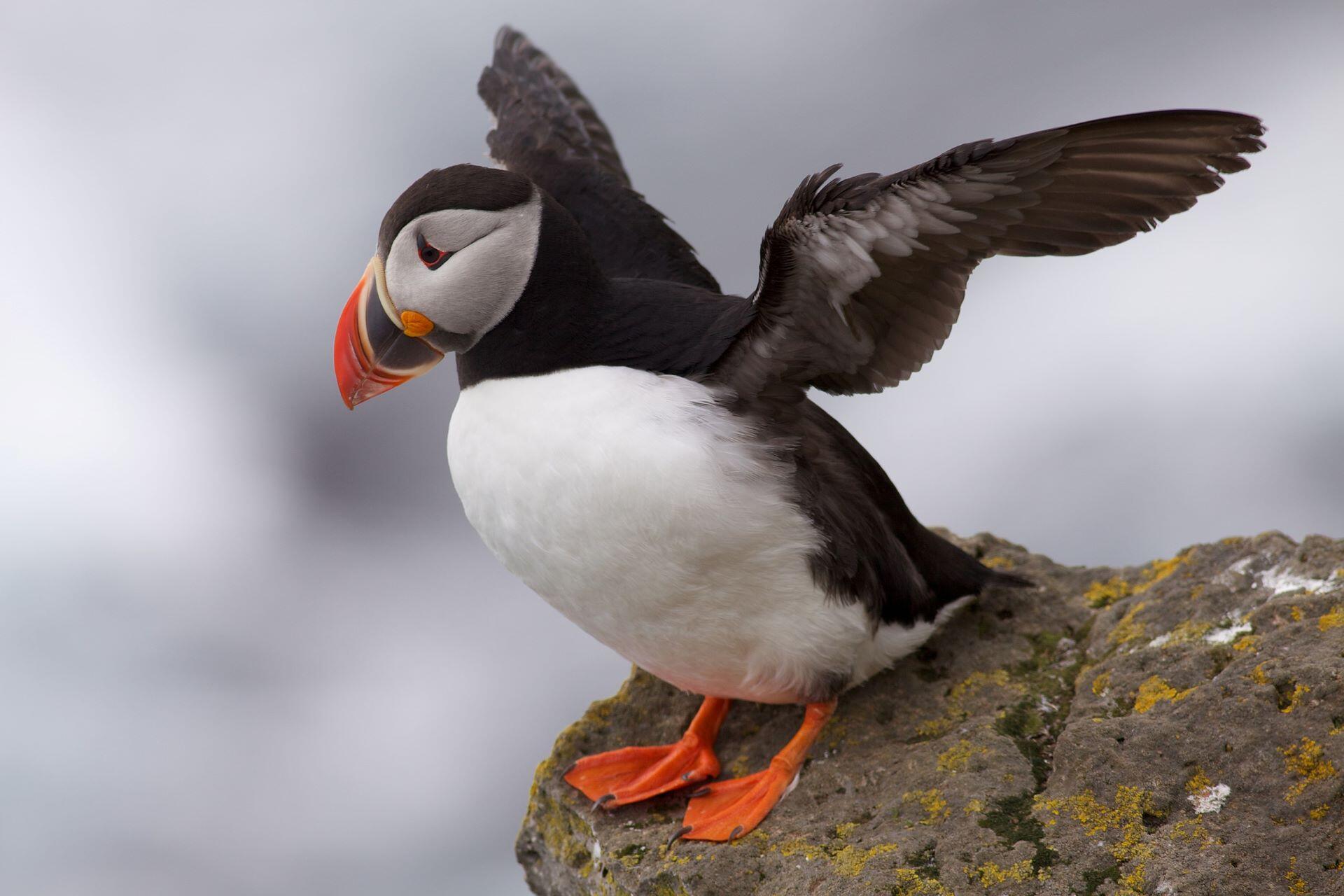

Seeing puffins in Ireland is seasonal. Since these birds spend most of their time at sea in the Atlantic Ocean, only returning to land to breed, there are only specific points of the year you can see them. Puffins arrive at Irish cliffs and offshore islands to nest, raise chicks, and feed in nearby waters.


When Is the Best Time to See Puffins in Ireland?
The best time to see puffins in Ireland is naturally when they're actually here during their breeding season. When they return from the Atlantic Ocean, they nest on cliffs and offshore islands. They typically arrive in spring and remain until early August. Sightings become more regular and reliable as the season progresses. Outside of this time, you're very unlikely to see any puffins.
Irish puffins typically arrive on breeding islands in spring and remain until early August. During this time, they nest in burrows and feed primarily on small fish and marine life. After breeding season, puffins head back to the open Atlantic until returning the following year.
Where to See Puffins in Ireland
Puffins gather in particular places during the breeding season. They like offshore islands and steep sea cliffs as they allow them to nest safely in burrows and avoid land predators and other Irish wildlife. Ireland is home to several well-known puffin sites around its coast, with many classed as puffin sanctuaries rather than National Parks. Just remember that each has different access, visibility, and reliability depending on the weather, sea conditions, and time of year.
Skellig Michael
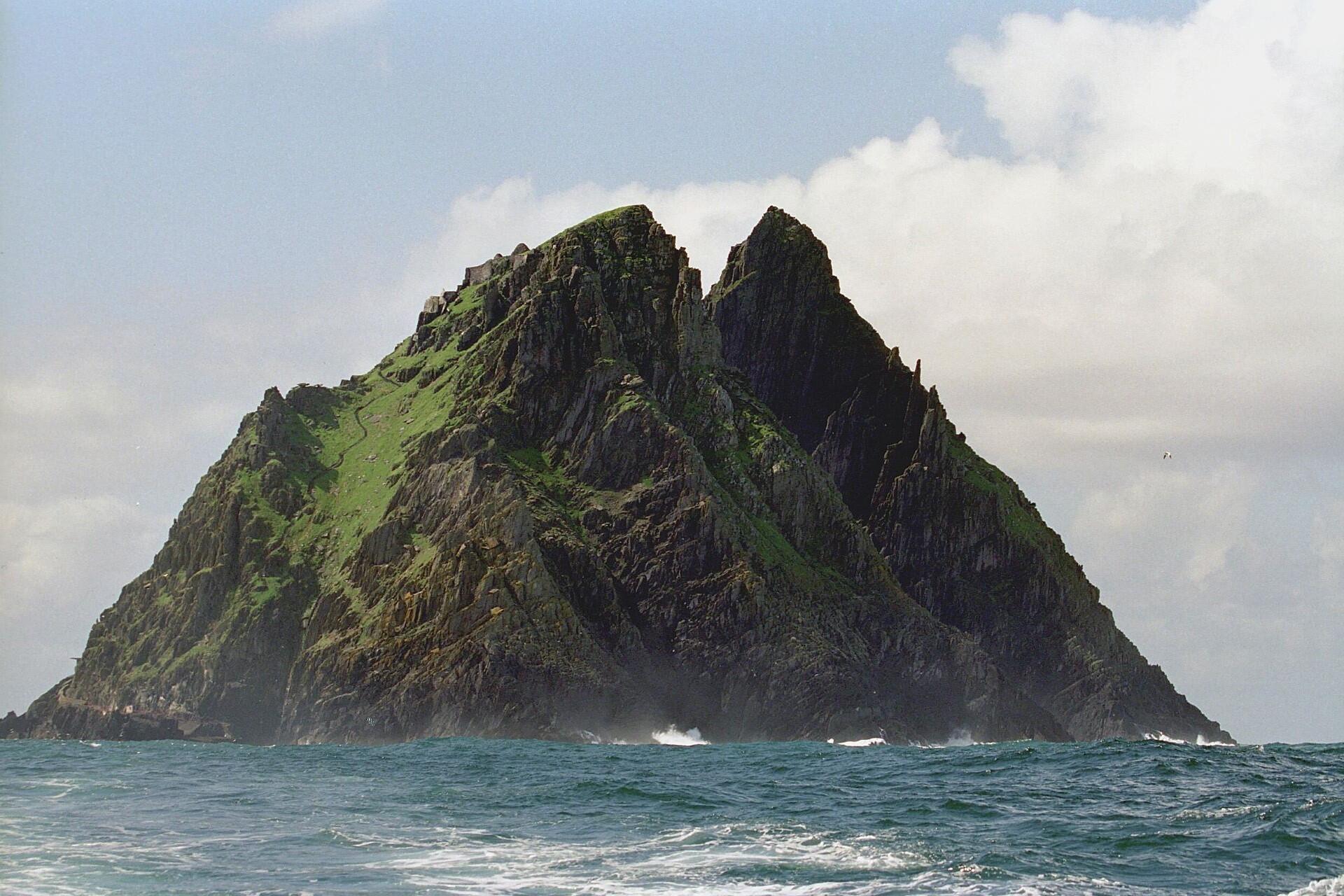
Skellig Michael is one of the most famous puffin-spotting locations in Ireland. It's home to one of the largest breeding colonies. This rocky island off the coast of County Kerry provides ideal nesting conditions thanks to its steep cliffs, grassy slopes, and limited human disturbance. Here you can see puffins during the breeding season close to walking paths, which means sightings are more likely here than in many other locations in Ireland.
puffins on Skellig Michael.
Saltee Islands
The Saltee Islands are off the coast of County Wexford and are one of the most accessible and rewarding places to see puffins in Ireland. These are privately owned islands and are internationally recognised for their seabird colonies, which can also include gannets and razorbills in addition to puffins. During the breeding season, you can see puffins at close proximity as well as other birds and Irish plantlife at other times of the year.
Rathlin Island
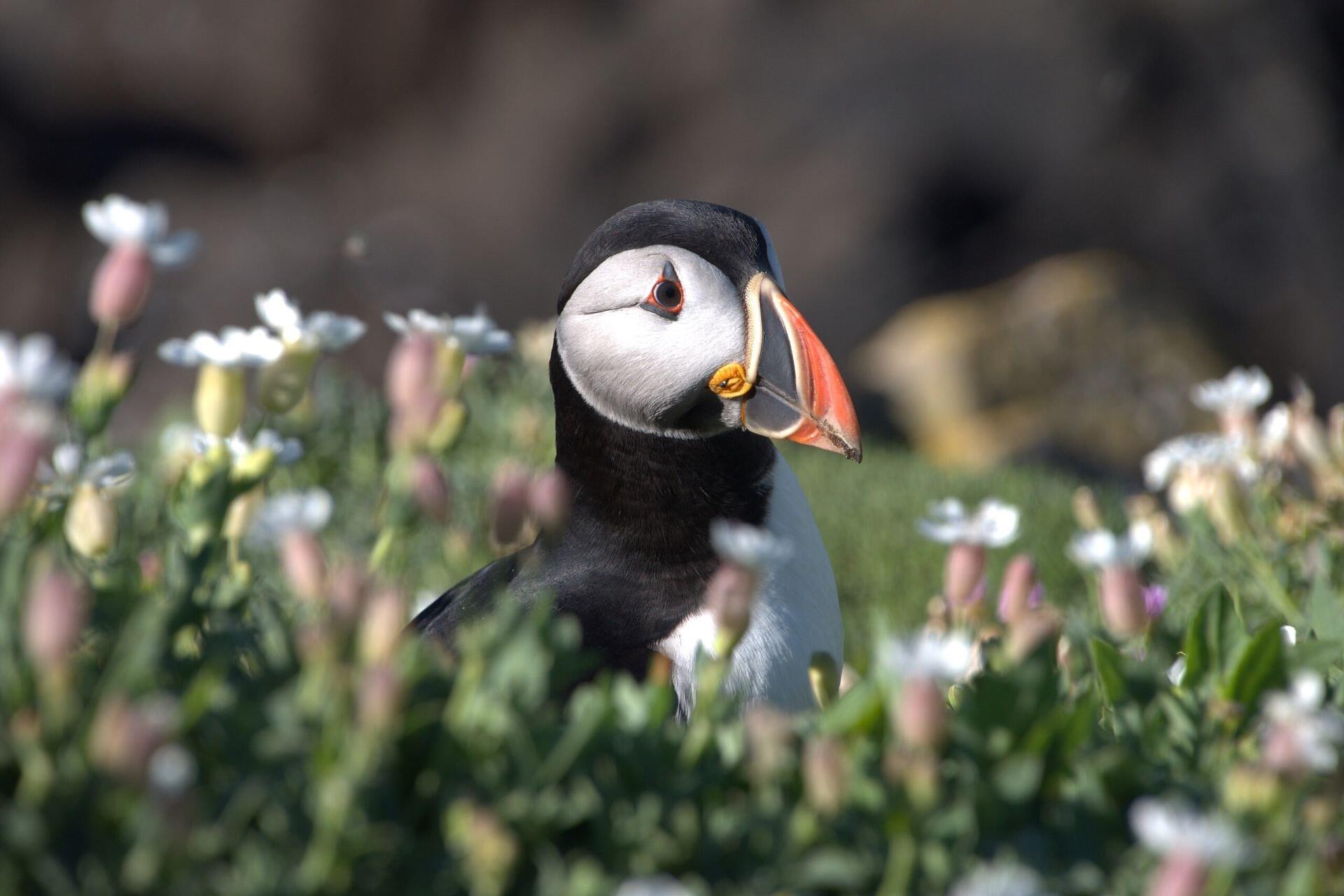
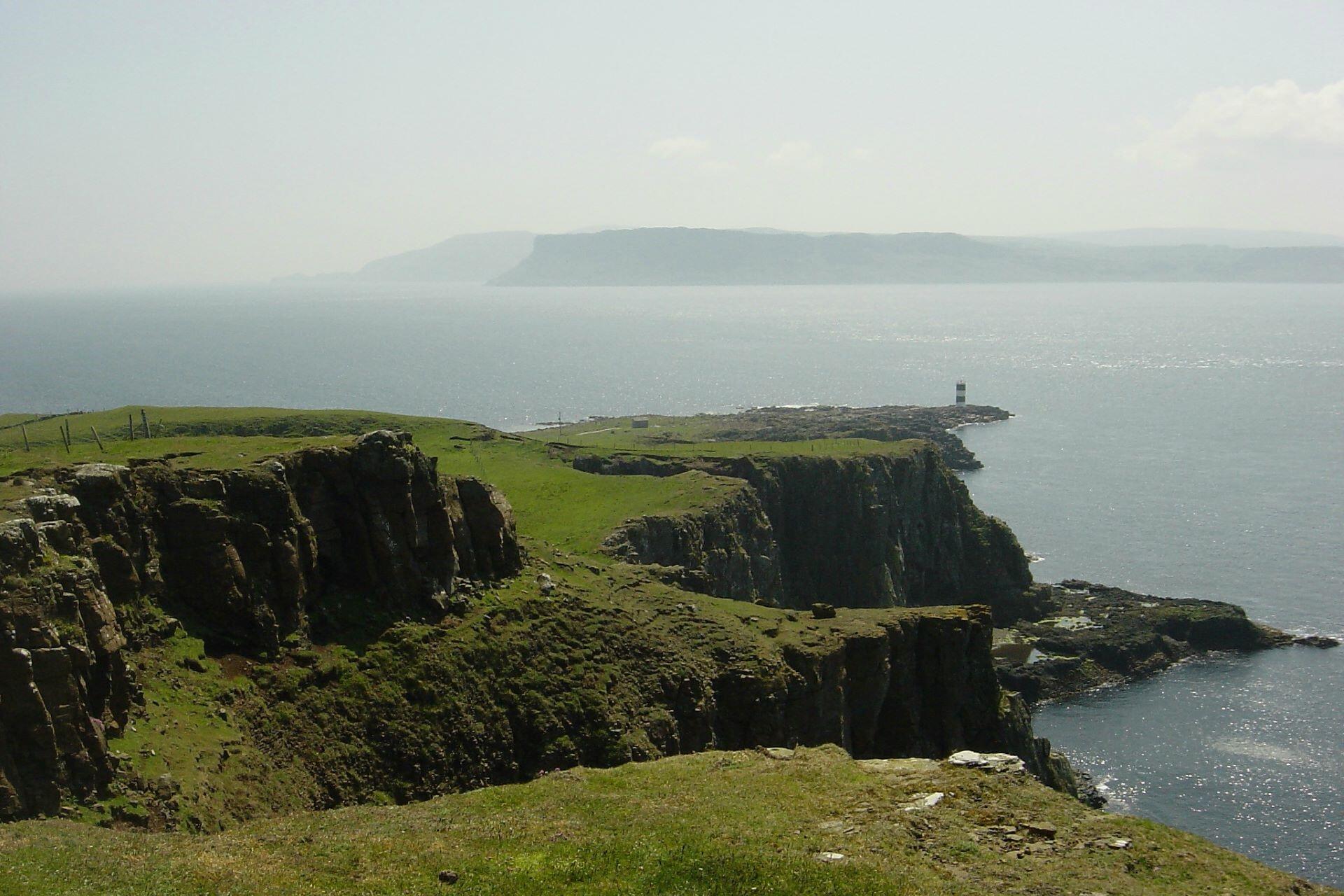
Rathlin Island, off the coast of County Antrim, is one of the most important seabird sites in the area. The island features dramatic cliffs and sea stacks where large breeding colonies of seabirds choose to nest. There are viewing platforms and marked paths that allow visitors to observe the puffins and other seabirds without disturbing the nesting areas.
Cliffs of Moher
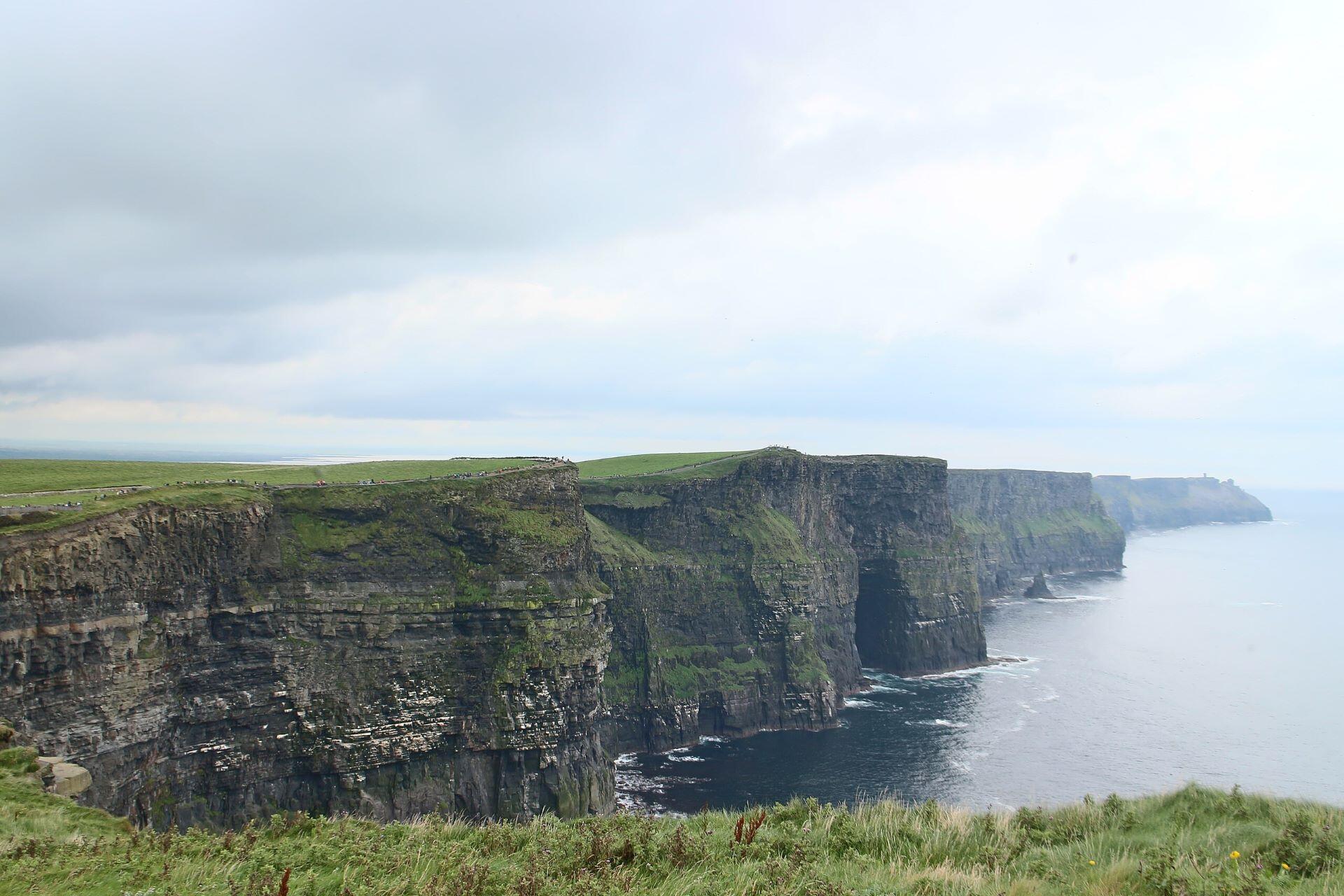
The Cliffs of Moher are a famous coastal landmark, but they're also home to seabirds during the breeding season. Puffins aren't as numerous here as they are in our other locations since they prefer offshore islands. You can, however, sometimes spot them nesting on ledges or flying close to cliffs. Sightings are less predictable here, but this is one of the places with mainland access and dramatic viewing conditions.
Puffin Breeding Season and Behaviour
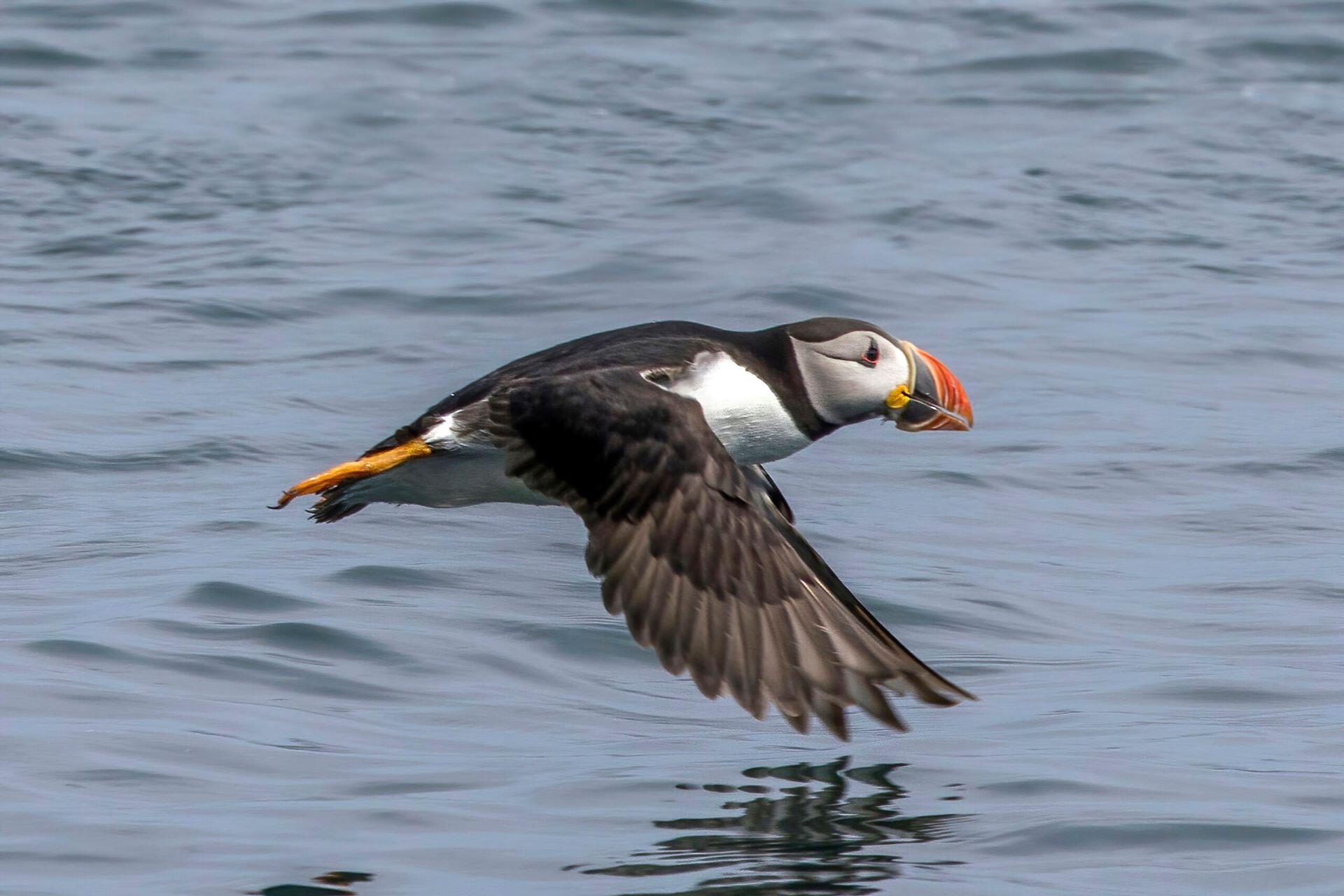
In Ireland, the puffin breeding season starts when the birds get back from the open Atlantic and nest on coastal cliffs and islands. Here, puffins nest in burrows dug into grassy slopes or soft soil. The puffins lay a single egg and take turns to incubate it. Adult puffins will carry small fish in their beaks and feed their chicks.
Puffins are site-faithful, meaning they usually return to the same nesting area year after year. During the breeding season, this makes them easier to observe because they're unlikely to move elsewhere. Once the chicks have fledged, puffins leave Ireland and head out to sea.
months a year at sea.
How to See Puffins Responsibly
Seeing puffins is excellent, but you have a responsibility to protect the birds and their nesting habitats, which are among some of Ireland's best landmarks. Puffins are sensitive to disturbance during the breeding season, especially when feeding chicks or guarding burrows. By acting responsibly, you can ensure puffins will return year after year.
Follow marked paths, respect viewing guidelines, and keep a safe distance from nesting areas. Puffin sites are usually protected nature reserves with rules in place to minimise human impact. Protect both the birds and the wider seabird colonies when you go to see them.
Puffins are protected in Ireland, and many of the islands they breed on are designated nature reserves. Conservation efforts focus on protecting nesting habitats, limiting disturbance during breeding season, and maintaining healthy fish stocks that puffins rely on for food.
Are Puffins Endangered in Ireland?
Puffins aren't currently classified as endangered at the national level in Ireland. However, their populations are closely monitored as there have been wider declines across parts of Europe. The availability of fish, climate conditions, and disturbances can all affect puffin populations, especially given how puffins like to return to the same nesting areas each year.
Ireland protects puffins under wildlife legislation, with many breeding sites designated as nature reserves or protected areas. Conservation efforts safeguard nesting habitats and ensure healthy marine ecosystems to support puffins. Puffins are a familiar sight at popular breeding grounds. Still, protection is essential for ensuring future generations can enjoy them, too!
Planning a Puffin-Watching Trip in Ireland
Since most puffin sites are affected by weather and sea conditions, you have to carefully plan your trip. Boat trips to offshore islands often only run during the breeding season and can be cancelled at short notice. Choose the right location, time of year, and travel method. You should also be aware of steep terrain, uneven ground, and long walks. Some places offer easier access and viewing platforms, but make sure you research accessibility at various puffin-watching locations.
Puffins are small seabirds known for their colourful beaks and charismatic behaviour. They spend most of their lives at sea but return to coastal cliffs and offshore islands in Ireland to breed each spring and summer. Their presence is an important sign of healthy marine ecosystems and thriving seabird communities.
Summarise with AI:
Did you like this article? Leave a rating!

 Loading...