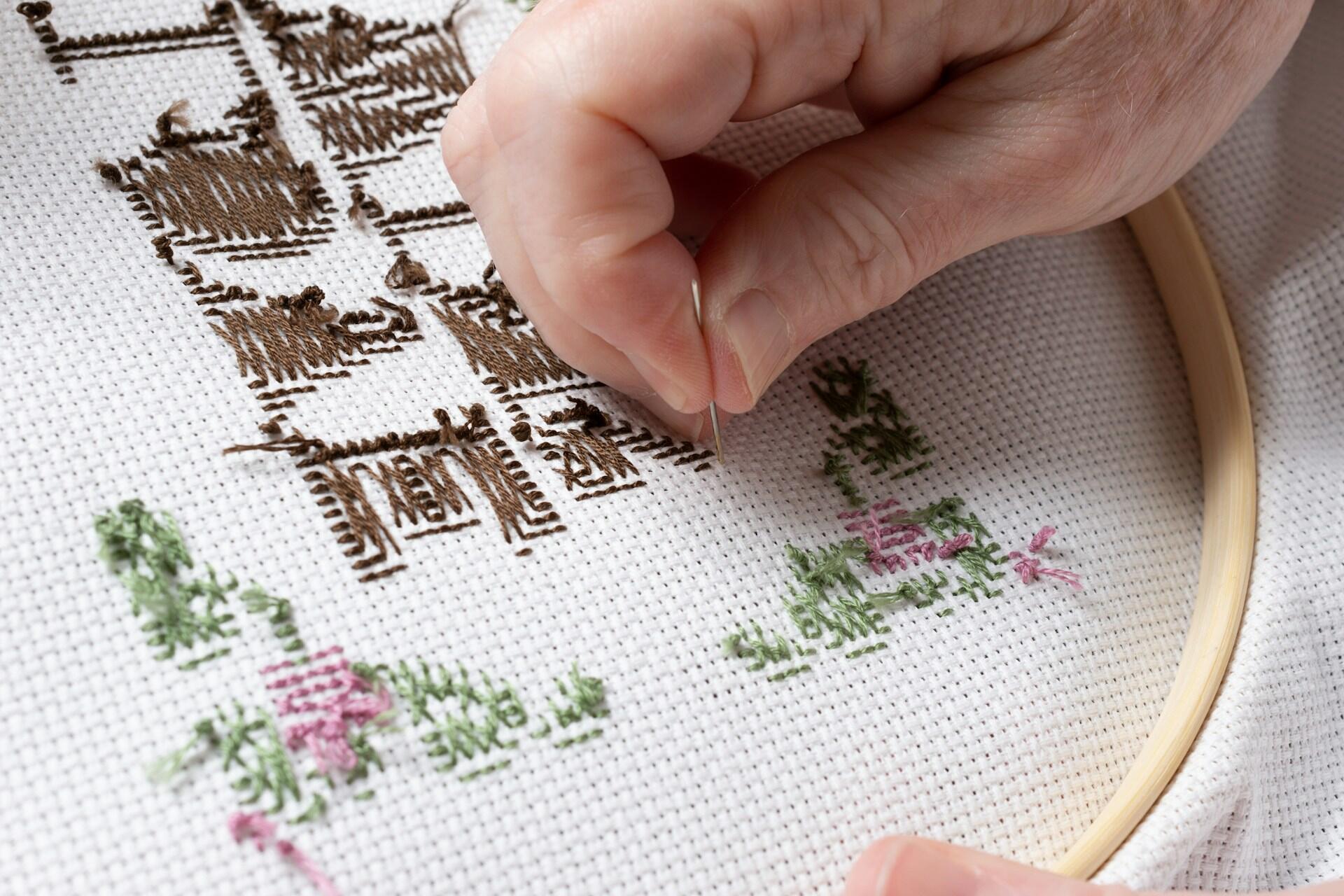

Embroidery is the art form where the needle and thread can bring fabric to life with beautiful designs. Whether you want to work with a simple straight stitch or make more intricate patterns with a chain stitch and satin stitch, mastering embroidery stitches is how you'll get there.


A Brief History of Embroidery
The history of embroidery goes back thousands of years. Ancient Egyptians, Chinese artisans, and medieval European guilds all considered embroidery useful, practical, and decorative.
- Ancient China: Silk embroidery on clothing and wall hangings dates back to the 5th century BC.
- Europe: During the medieval period, tapestries and liturgical garments were elaborately embroidered.
- The Middle East: Intricate patterns and gold thread were used in Islamic embroidery to symbolise luxury.
Today, embroidery combines tradition and modern creativity, where artists can express themselves using fabric and thread.
The Benefits of Learning Embroidery
Embroidery is more than a creative outlet. If you're interested in learning embroidery, remember its benefits.
- Relaxation: The repetitive motion of stitching can reduce stress and promote mindfulness.
- Creativity: Design patterns, choose unique colour combinations, and personalise gifts.
- Tradition: Embroidery connects you with centuries of textile history.
- Practical Skills: Repair or embellish clothes, cushions, and linens with unique designs.
Understanding Embroidery Stitches and Techniques
Before you start stitching, you need to understand the difference between stitches and techniques.
What exactly is an embroidery stitch?
In embroidery, a stitch is pulling the thread through the fabric using the needle, forming a decorative pattern. You can use stitches to outline, fill shapes, or add texture.
- Line stitches: These stitches follow a straight line for outlines and borders.
- Surface stitches: Designed for filling areas with thread.
- Counted stitches: Stitches like cross-stitch require precision with counted grids.
What is an embroidery technique?
An embroidery technique can involve specific stitches, motifs, and colours to achieve a unique artistic style. Some common embroidery techniques include:
- Whitework: Using only white thread on white fabric with openwork patterns.
- Blackwork: Intricate line patterns in black thread using Holbein stitch.
- Crewel Work: Colorful floral patterns using wool thread.
Start with a hand embroidery book for detailed step-by-step instructions on stitches and patterns.
Line Stitches: Perfect for Outlining
Line stitches are used to define the edges of designs, add borders, or create detailed patterns. These basic stitches are great for creating straight or curved outlines and can fill shapes when closely stitched.
- Backstitch: A basic stitch where the needle enters the fabric slightly behind the previous point.
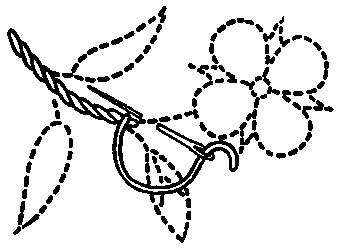
Stem Stitch: Often used for floral stems, this stitch slightly overlaps for a twisted effect.
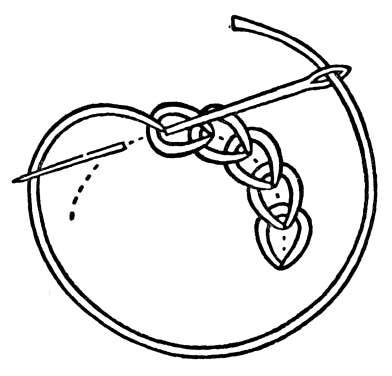
Chain Stitch: This loop-based stitch creates a chain effect perfect for bold outlines.
- Running Stitch: A simple stitch where the needle moves through the fabric in even gaps.
For a bolder look, try a double-running stitch, working back through the same path to make the line solid.
Surface Stitches: Filling Shapes and Adding Texture
Surface stitches are used to fill shapes, which can make designs bold and colourful. These stitches work well to cover a larger surface area with thread.
- Satin Stitch: Ideal for smooth, even coverage. Pull the needle across the fabric, keeping each stitch close together.
- Herringbone Stitch: A crisscross pattern, perfect for leaves and geometric designs.
- Trellis Stitch: Creates a grid-like pattern, secured with small knots at the intersections.
Counted Work: Precision in Stitching
Counted Work involves stitching in a grid-like pattern, usually from a chart. The stitch placement is precise, so threads must be counted for accuracy.
- Cross-Stitch: One of the most common counted stitches, it forms X-shaped patterns across the fabric.
- Brick Stitch: Popular in historical embroidery, it forms a woven effect using offset rows of stitches.
- Needlepoint: A canvas-based technique often used to cover an entire surface with thread.
When working with counted designs, use an embroidery hoop to keep the fabric taut and straight for cleaner stitches.
Embroidery Techniques from Around the World
Various cultures worldwide have mastered the art of stitching, meaning there are many global embroidery techniques. Here are just a few of them.
- Hardanger (Norway): White threadwork featuring cutwork and drawn thread patterns.
- Ribbon Embroidery (France): Dimensional stitches using silk ribbons for floral designs.
- Mexican Tenango: Bright, colourful animal motifs using bold stitching styles.
- Japanese Sashiko: Tiny running stitches used for decorative mending.
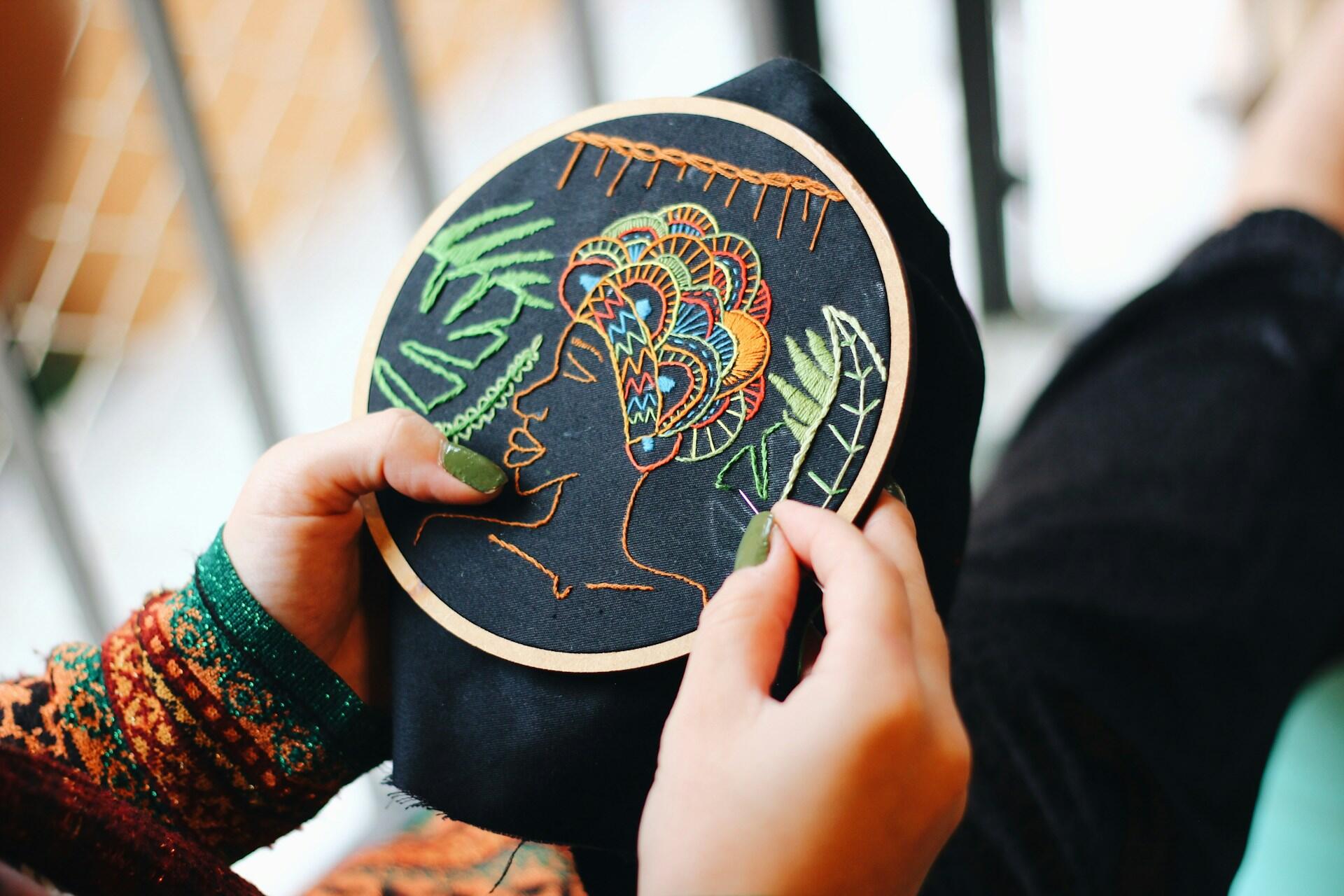
Decorative Stitches for Circular Patterns
Circular patterns can add new dimensions to your work and often look elegant. Here are some stitches you can use to make circular patterns and effects.
- Woven Wheel Stitch: The spider web stitch involves weaving around a central point to create a circular shape.
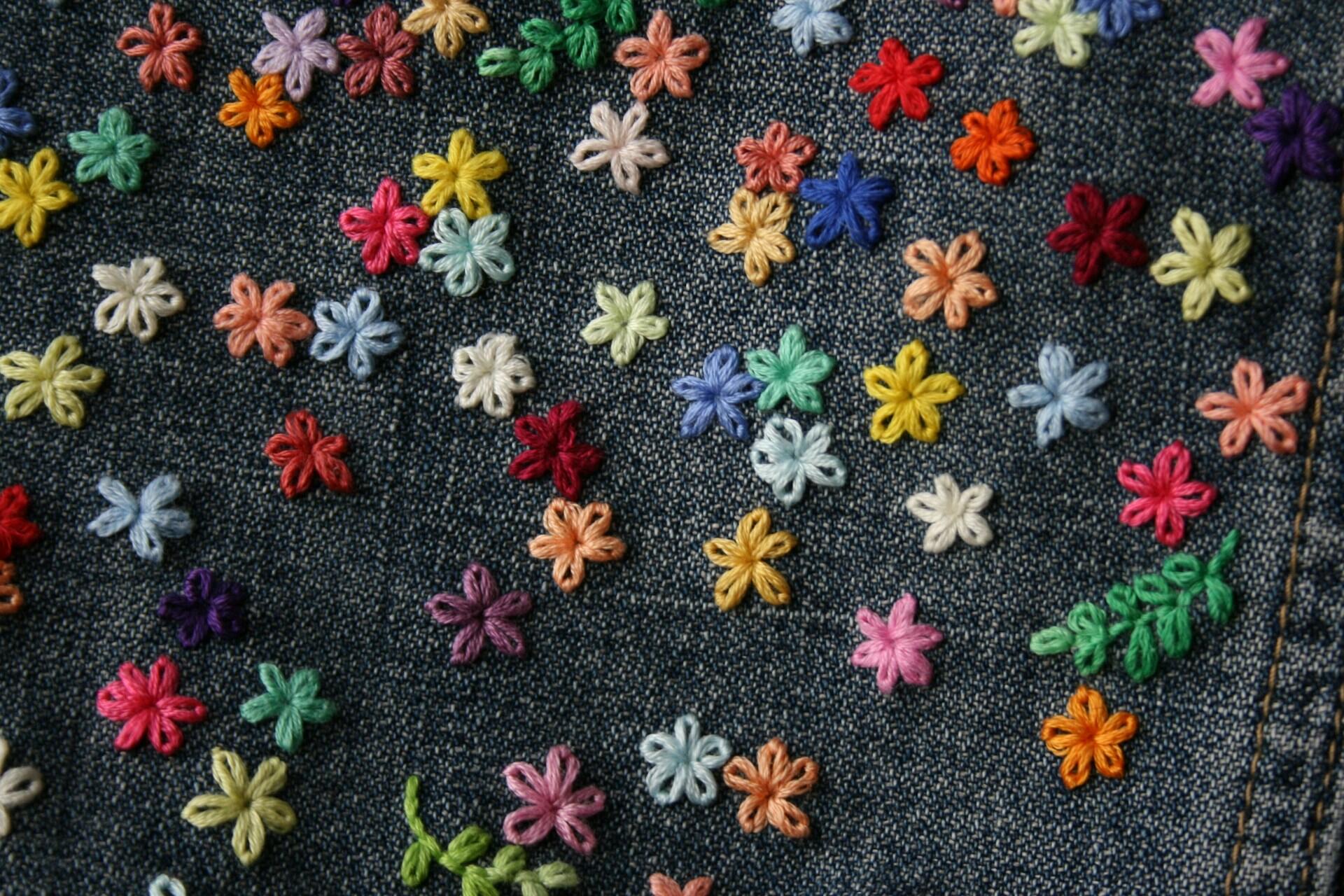
- Lazy Daisy Stitch: Perfect for floral petals, this stitch uses a loop held in place by a small knot.
- French Knots: Tiny raised knots are created by wrapping the thread around the needle before pulling it through.
Choosing the Right Materials and Equipment for Your Embroidery Projects
Knowing which stitches to use is one thing, but every embroidery project should start by choosing the right tools, fabrics, thread, and embroidery equipment.
Essential Tools for Embroidery Beginners
If you want to start stitching, you'll need a few things. Start with the following:
- Embroidery Hoop: Keeps the fabric tight and prevents puckering.
- Needles: Use embroidery needles with a larger eye for threading.
- Embroidery Floss: Choose quality thread for vibrant results.
- Fabric: Cotton and linen work best for beginners.
- Scissors: Sharp, small scissors for precise thread cutting.
Types of Embroidery Fabric and Their Uses
Choosing the right fabric can make a huge difference in your stitching experience. Here are some of your options.
- Aida Cloth: Best for cross-stitch due to its even weave.
- Cotton: Easy to stitch, great for beginners.
- Linen: Slightly more advanced due to its fine weave.
- Silk & Velvet: Used for advanced stitching projects.
Choosing the Right Thread for Embroidery
Of course, embroidery is nothing without thread, and the type of thread you choose will affect the design's finish and texture. Carefully choose the thread for your projects to get the best results.
- Cotton Floss: Common and versatile, great for beginners.
- Silk Thread: Luxurious and smooth, ideal for delicate designs.
- Wool Thread: Common in crewel work for a bold, textured look.
- Metallic Thread: Adds shine but can be tricky to work with.
Embroidery Hoops and Frames
Hoops and frames keep the fabric taut while embroidering. The kind you choose can affect your stitches and projects. Here are some of the choices you'll have.
- Wooden Hoops: Lightweight and eco-friendly.
- Plastic Hoops: Durable with adjustable tension.
- Embroidery Frames: Great for larger projects needing continuous tension.
Top Tips for Novice Embroiderers
Once you've chosen the appropriate materials for your project, how you start and finish your embroidery project is key.
Here are a few tips for starting and finishing your embroidery project.
Secure your thread with an anchor stitch (like a loop knot).
Work slowly, keeping your stitches even.
Secure the thread by weaving it through the back of existing stitches.
If you're new to embroidery, you're bound to make mistakes. However, if you start with smaller projects, this won't be too much of a problem, as you'll have spent less time on them.
However, here are a few common mistakes that novice embroiderers make. Keep an eye out for them:
- Skipping the Hoop: Causes fabric puckering.
- Uneven Tension: Results in sloppy stitches.
- Using the Wrong Needle Size: Can damage delicate fabric.
- Overcomplicated Patterns: Start small and work your way up.
If you're looking to transfer embroidery patterns to fabric, consider these techniques:
- Tracing: Use a lightbox or bright window.
- Transfer Paper: Iron-on patterns work great for larger designs.
- Freehand: Use a fabric pen for freestyle designs.
Bringing Your Embroidery to Life
Mastering basic stitches like the stem stitch, chain stitch, and satin stitch will get you on your way to making beautiful embroidery.
Like any other skill, practice will improve your performance, whether you're working on a simple line design or filling a large surface.
Start with simple projects that allow you to practise and explore various techniques and work towards becoming more creative.
Learning Embroidery with a Private Tutor
Online tutorials, books, and regular practice are excellent ways to start embroidery. Working with private tutors can accelerate your progress, learn more quickly, and build your confidence.
A private tutor can offer personalised guidance tailored to your level and what you want to learn, and with Superprof, you can easily find one by searching for exactly what you want to learn.
When it comes to embroidery, you can learn at your own pace, get immediate feedback, and work on personalised projects like wall hanging, embroidered clothing, or handmade gifts.
You can look for Shashiko embroidery, ribbon embroidery, or counted work, working with a tutor that's right for your level either in-person or online.
Many of the tutors on the Superprof website offer the first session for free so you can even try a few before you commit to a specific private tutor.
Summarise with AI:
Did you like this article? Leave a rating!

 Loading...