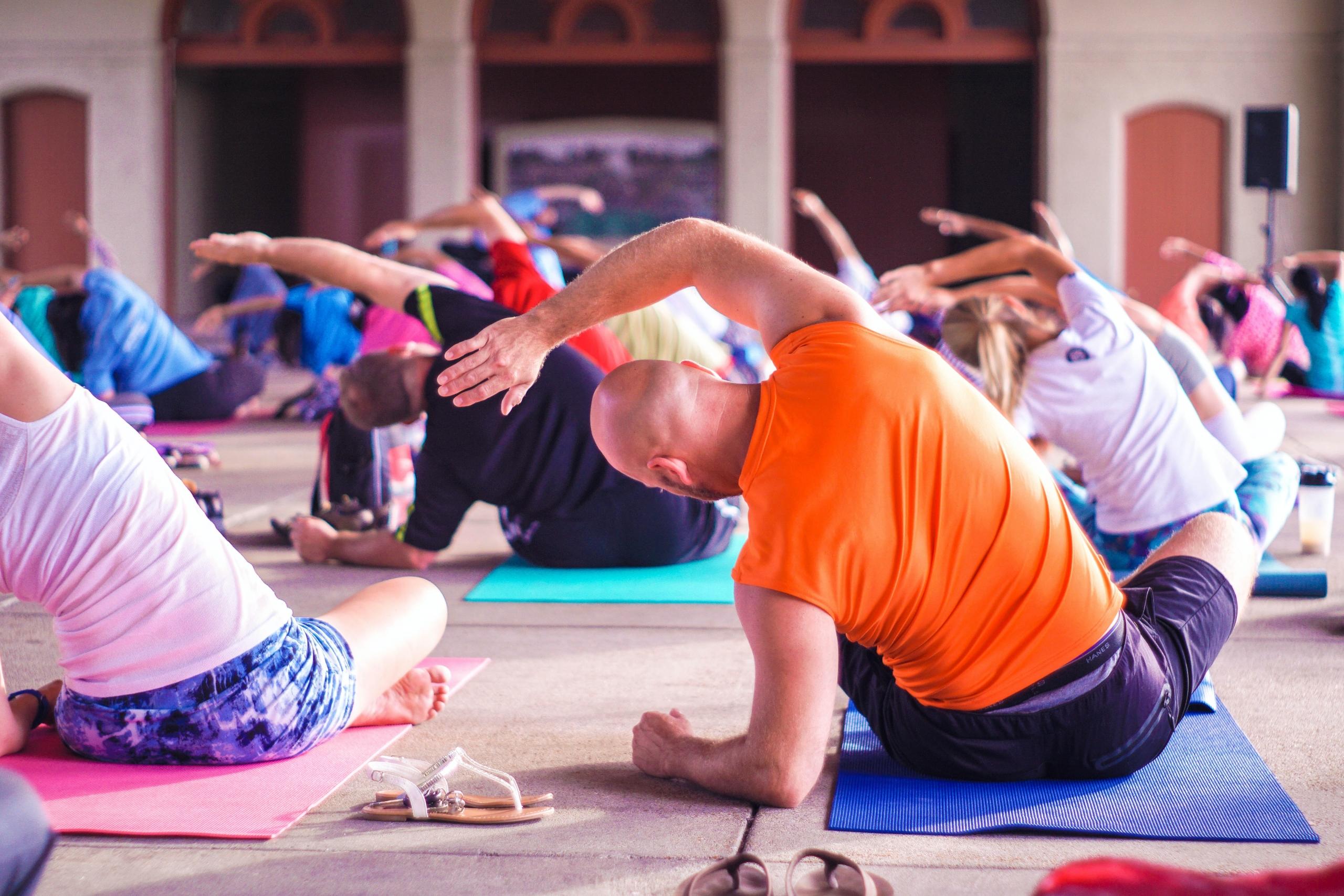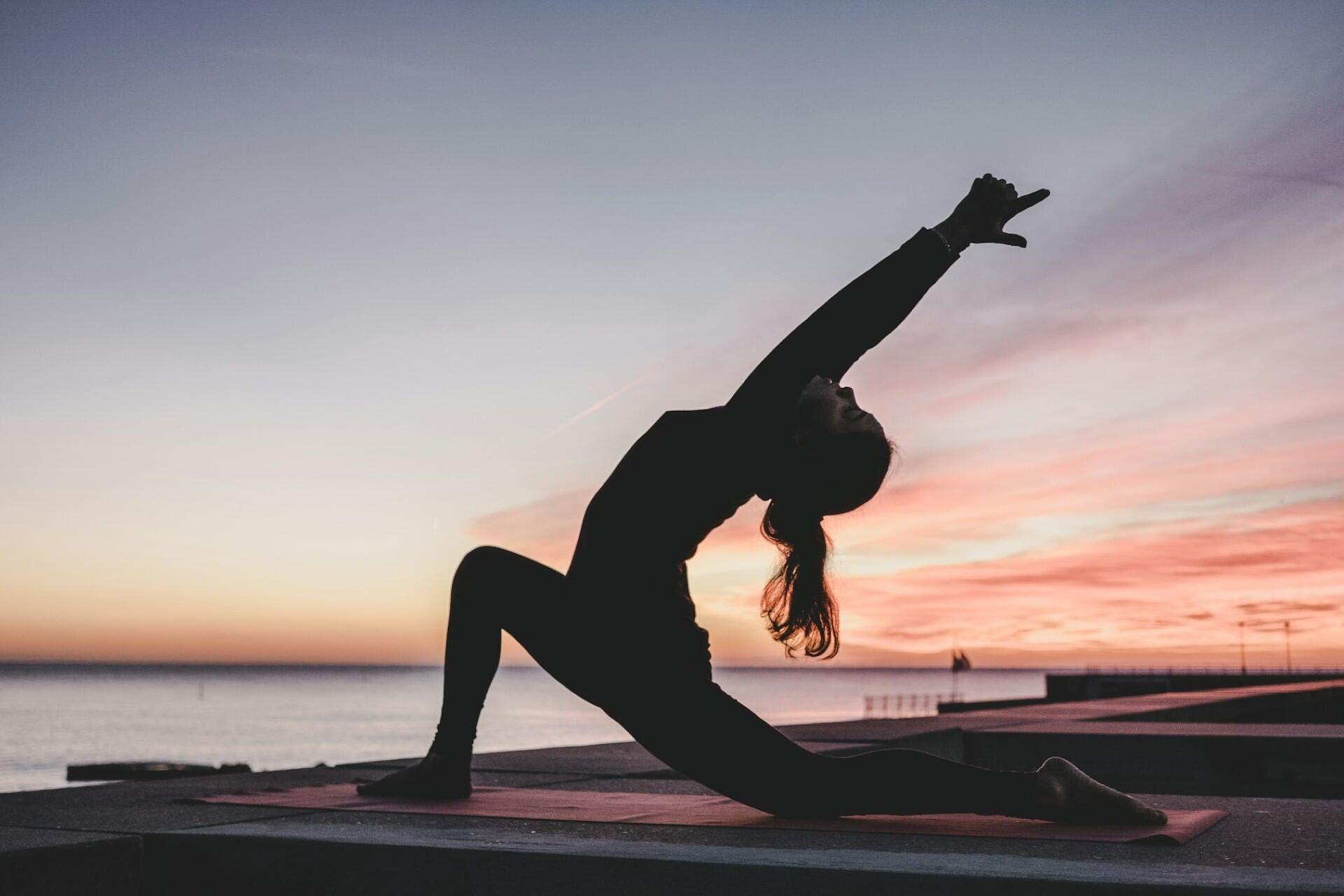

Yoga is a great way to improve your strength, flexibility, and mobility. It's also a great way to slow down and focus on your breathing. If you're new to yoga, start with simple poses. This is the best way to build confidence without feeling overwhelmed. These 12 basic yoga exercises are designed to be accessible, easy to modify, and suitable for different fitness levels.
| Pose | Difficulty (Beginner View) | Key Benefits | Special Blocks Linked | Core Focus |
|---|---|---|---|---|
| Mountain Pose (Tadasana) | Very easy | Posture, balance, breathing awareness | Info Box 1 (safety & setup) | Alignment and breath |
| Downward Facing Dog | Easy–moderate | Spine, legs, shoulders, full-body stretch | Count-up (3× per week benefit) | Reset and transition |
| Plank Pose | Moderate | Core strength, upper-body stability | YouTube video | Strength and control |
| Tree Pose | Easy (balance-based) | Balance, leg strength, focus | Count-up (15 min daily benefit) | Stability and concentration |
| Warrior I | Easy–moderate | Hip stretch, leg and arm strength | — | Confidence and coordination |
| Warrior II | Easy–moderate | Stamina, posture, lower-body strength | Info Box 2 (modifications) | Stability over depth |
| Cobra Pose | Easy | Spine extension, chest opening | Count-up (weekly improvement stat) | Gentle backbend |
| Child’s Pose | Very easy | Relaxation, recovery | — | Rest and breathing |
| Bridge Pose | Easy–moderate | Back, glutes, spinal mobility | — | Controlled lifting |
| Triangle Pose | Moderate | Flexibility, balance, core strength | — | Length and openness |
| Crow Pose (Beginner Variation) | Challenging (modified) | Arm strength, body awareness | — | Confidence-building balance |
| Pigeon Pose | Moderate | Hip mobility, glute stretch | Info Box 3 (routine building) | Hip release |


Mountain Pose (Tadasana)
Mountain Pose is one of the easiest yoga poses. This one focuses on posture and balance. It's suitable for your alignment and breathing.
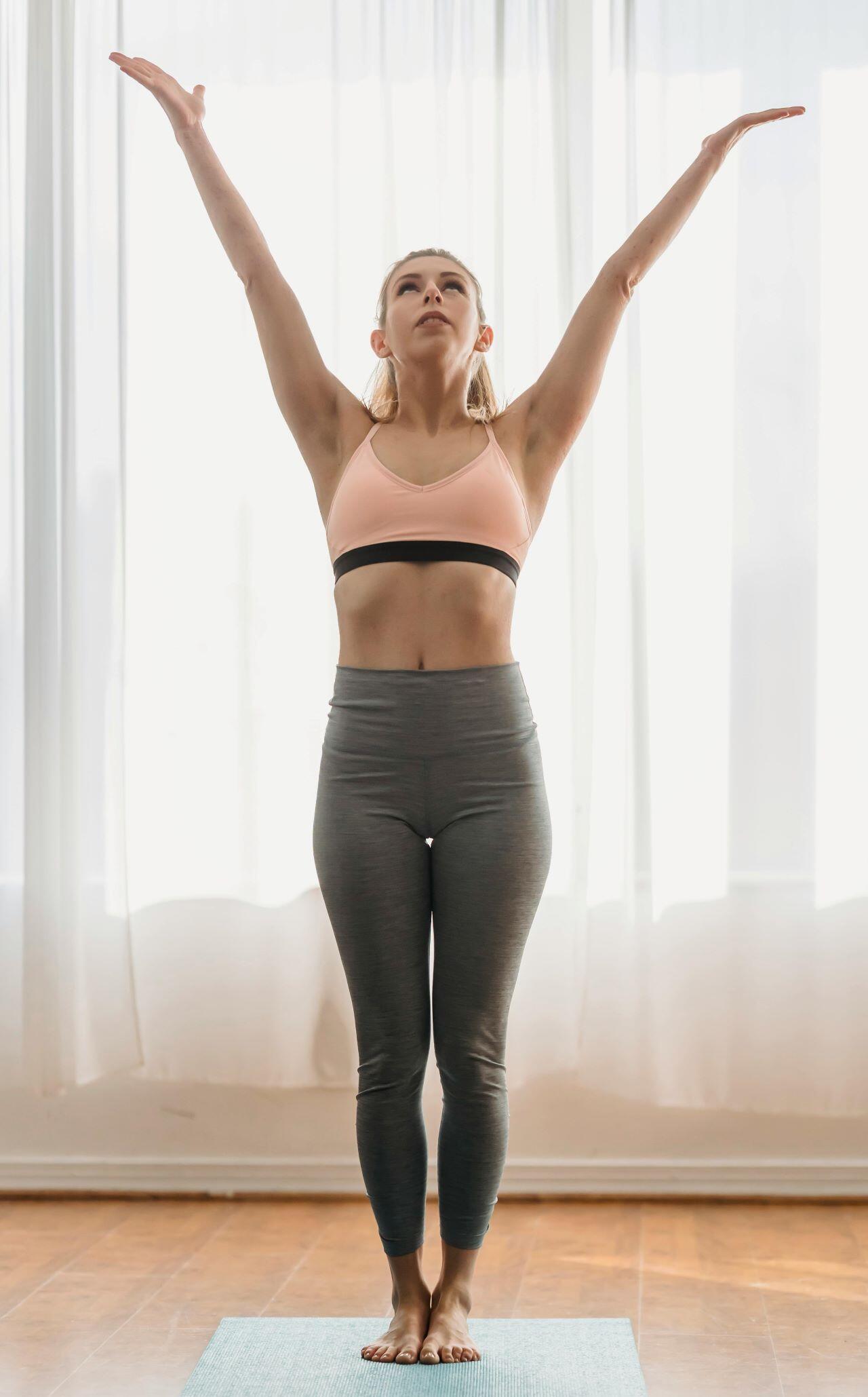
By bringing attention to posture and breathing, this pose helps correct habits such as slouching or locking the knees, which are common when starting yoga.
Practising Mountain Pose regularly can improve balance, stability, and overall posture, making it a valuable starting point for beginners.
It also encourages slow, controlled breathing, helping you settle into your practice and build confidence before moving on to more dynamic yoga exercises.
Yoga should feel gentle and controlled, especially when you are just starting out. You should feel a stretch and muscle engagement, but never sharp pain or strain. Move slowly between poses and focus on steady breathing rather than how deep you can stretch. If you feel discomfort in your knees, lower back, neck, or shoulders, ease out of the pose or modify it. Using a yoga mat, a chair, or blocks can make yoga exercises more accessible and comfortable for beginners.
- Stand tall with your feet together or hip-width apart and arms by your sides
- Spread your weight evenly across both feet and engage your legs
- Roll your shoulders back and down, lifting your chest gently
- Inhale and raise your arms overhead, palms facing each other
- Lengthen through your spine and hold while breathing steadily
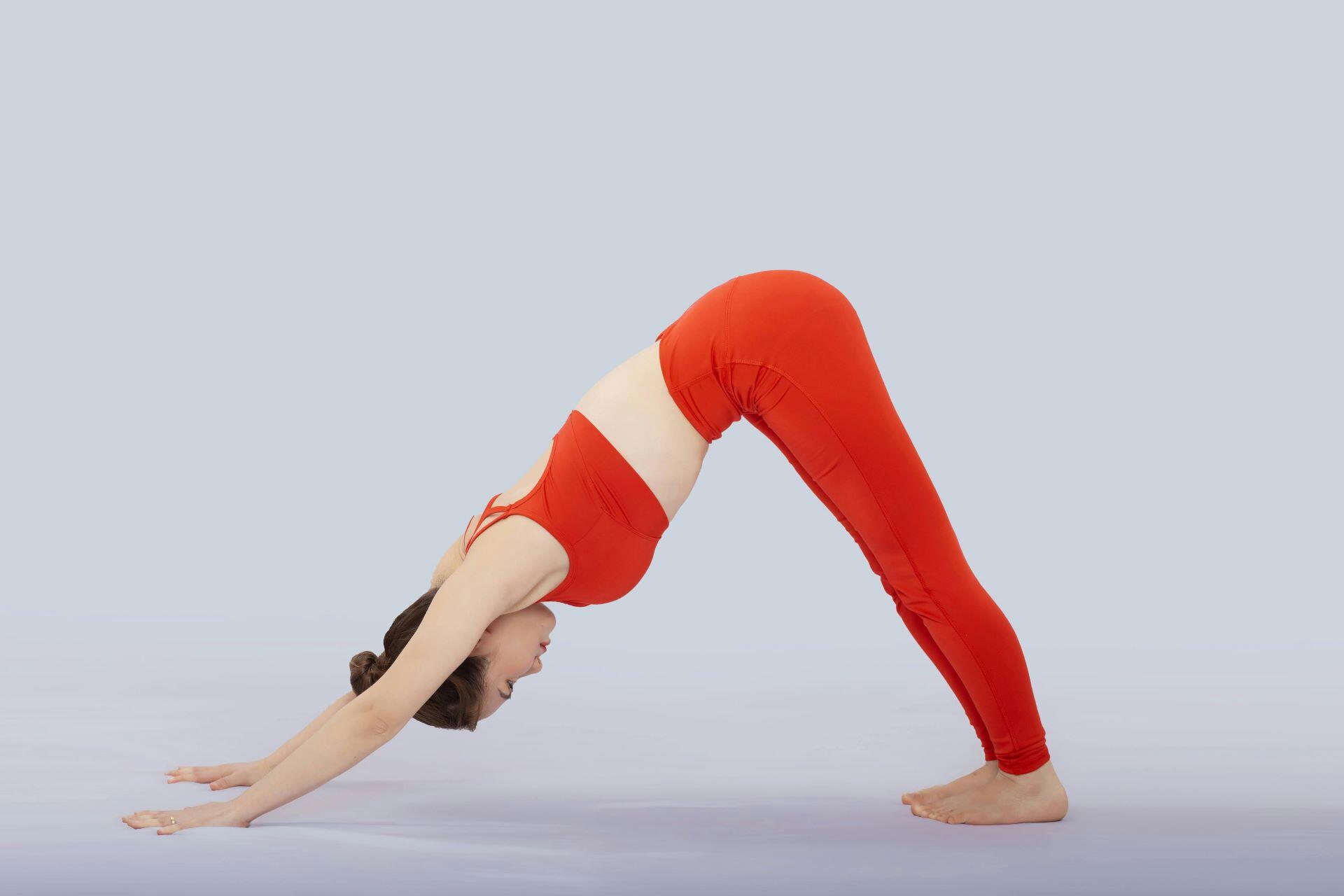
Downward Facing Dog
Downward Facing Dog is a foundational pose. It stretches your spine, legs, and shoulders. It can build strength while also allowing you to reset between movements.
times per week as a beginner can improve your balance, flexibility, and core strength over time.
- Start on all fours with hands under shoulders and knees under hips
- Spread your palms wide and tuck your toes under
- Lift your hips towards the ceiling, forming an inverted V shape
- Keep your knees slightly bent if needed, and press your heels towards the floor
- Relax your head and neck and hold for several slow breaths
Plank Pose
Plank Pose is more challenging than it looks. It helps build core and upper-body strength. It teaches proper alignment and body control.
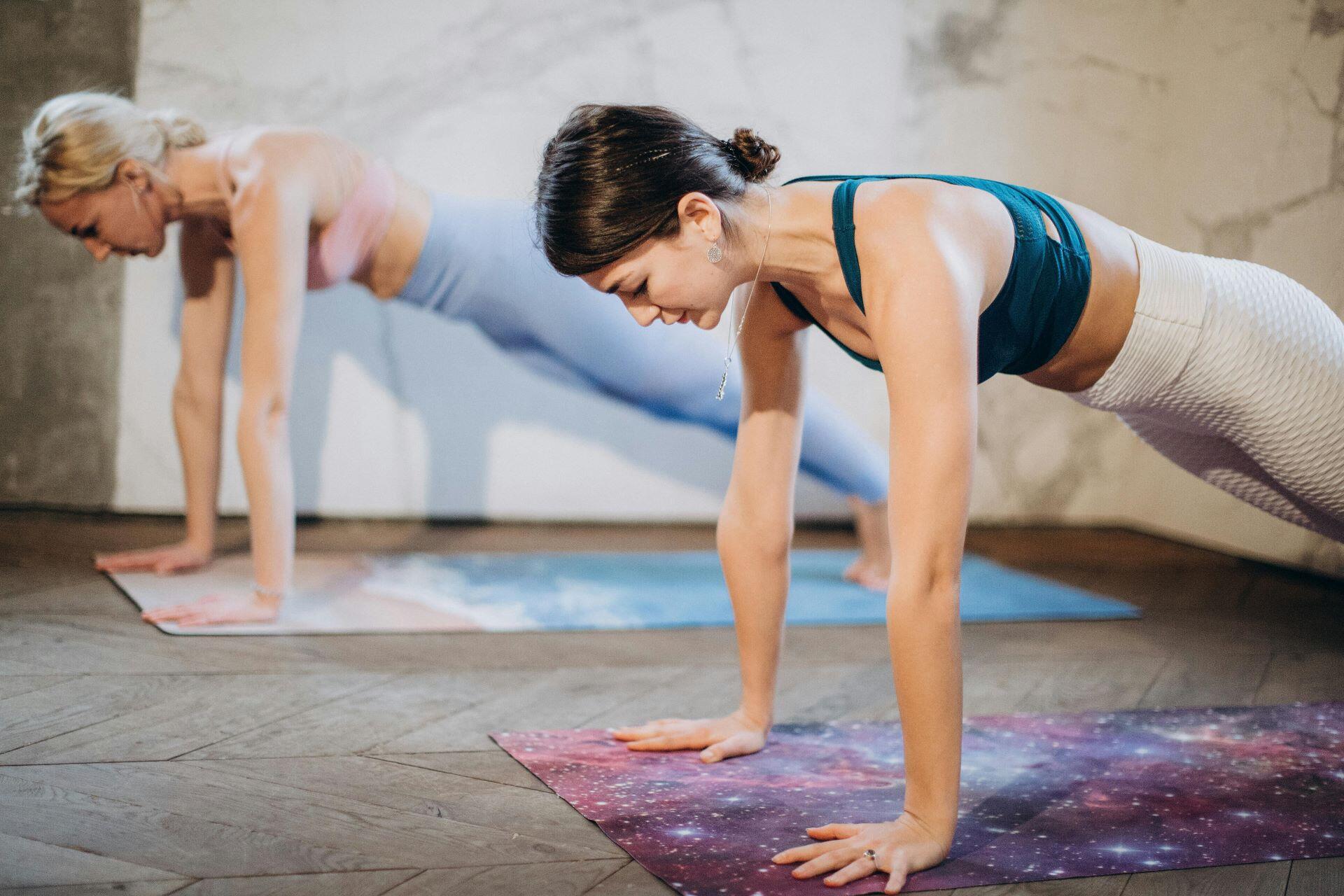
- Begin on all fours and step your feet back until your body forms a straight line
- Stack your shoulders directly above your wrists
- Engage your core and keep your hips level
- Press the floor away through your hands
- Hold while breathing, then lower gently
Tree Pose
Tree Pose is a beginner-friendly pose. It strengthens the legs and improves focus. You can use a wall for support.
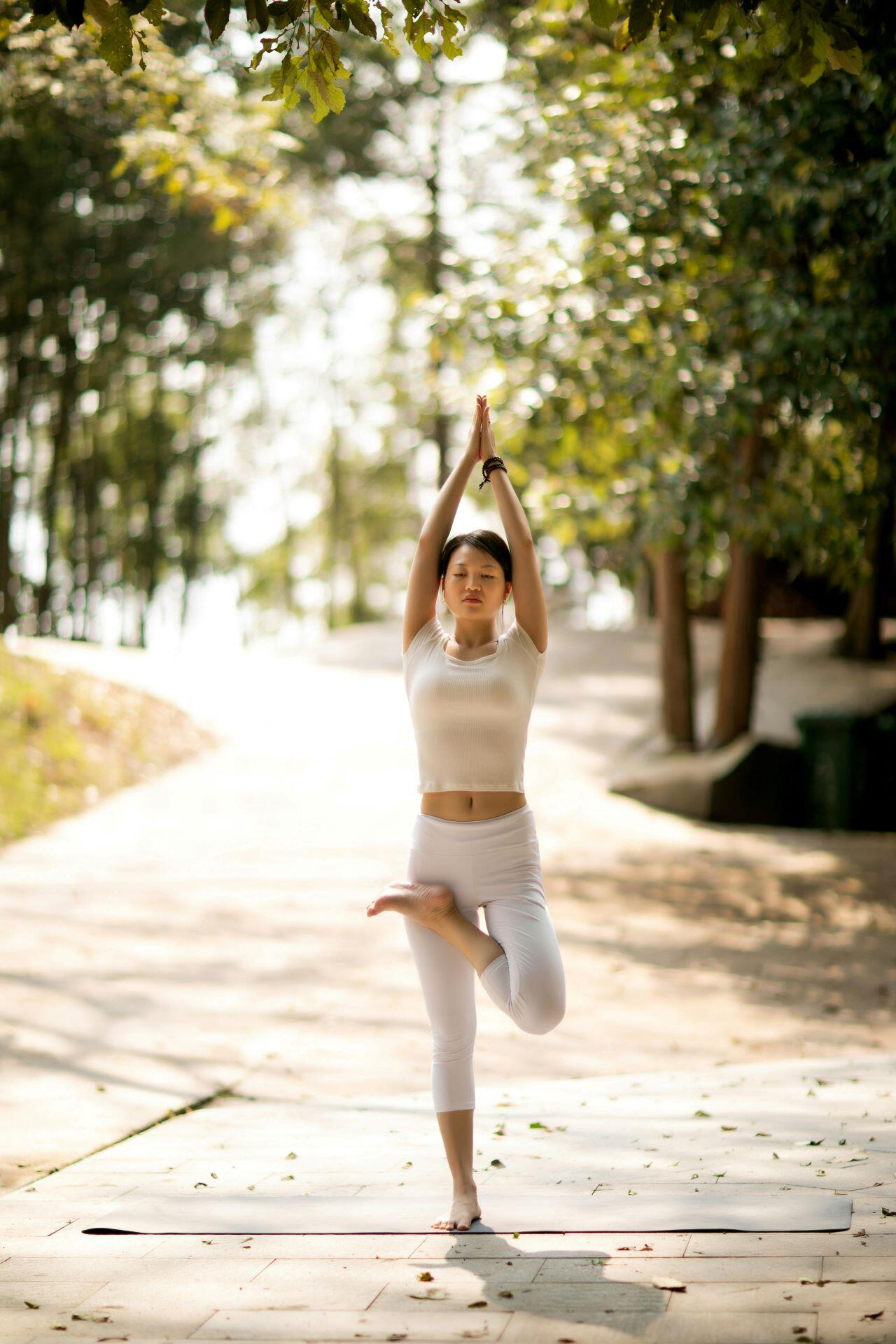
For beginners, Tree Pose is highly adaptable and can be modified to suit different ability levels.
Placing the lifted foot on the ankle or calf rather than the inner thigh reduces pressure on the knee and makes balancing easier. Practising near a wall or using a chair for light support can also help build confidence.
Over time, Tree Pose helps improve coordination, encourages steady breathing, and supports overall lower-body strength and mobility.
minutes a day can help reduce stress and gradually increase flexibility.
- Stand upright and shift your weight onto one leg
- Place the sole of your opposite foot on your ankle or calf
- Keep your hips facing forward and your standing leg strong
- Bring your hands together at your chest or raise them overhead
- Focus on a fixed point to help maintain balance
Warrior I
Warrior I is a strong standing pose. It stretches your hips while strengthening your legs and arms. It'll improve your coordination and boost your confidence if you're new to yoga.
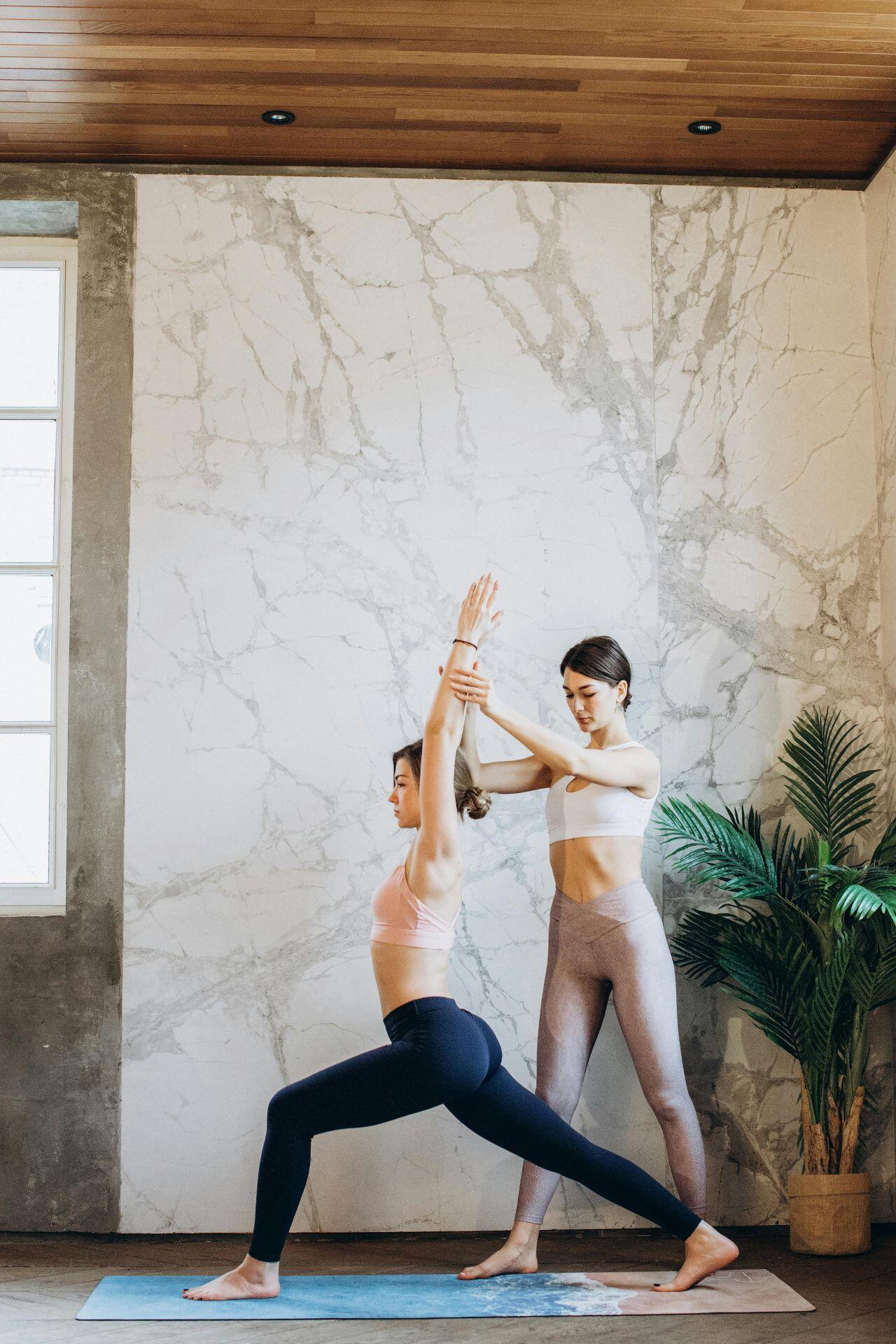
- Step one foot back into a lunge position
- Turn your back foot slightly outward and bend your front knee
- Square your hips to face forward
- Lift your arms overhead with palms facing or touching
- Hold the pose while breathing deeply
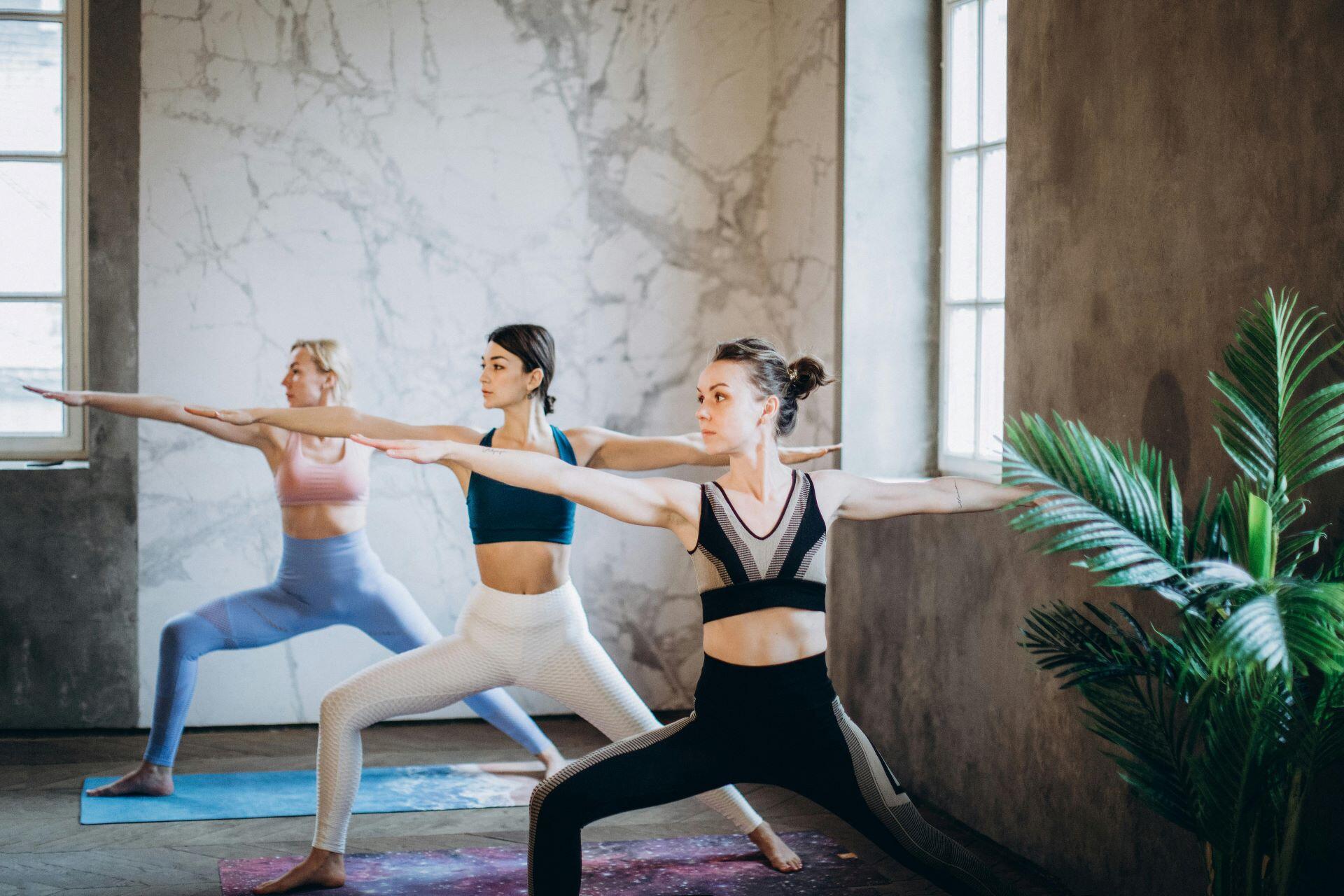
Warrior II
Warrior II is a pose that develops strength, balance, and stamina. It's also good for your posture. Beginners should focus on stability rather than aiming for a deep lunge.
Every yoga pose can be adapted to suit your body. It is entirely acceptable to bend your knees in standing and forward poses, widen your stance to improve balance, or rest your hands on your thighs, shins, or a block instead of reaching the floor. If balancing feels difficult, practise near a wall or use a chair for support. Taking regular breaks in Child's Pose is encouraged and helps prevent fatigue while learning yoga poses for beginners.
- Step your feet wide apart and turn your front foot outward
- Bend your front knee so it stacks over your ankle
- Extend your arms out to the sides at shoulder height
- Gaze over your front fingertips
- Keep your chest open and shoulders relaxed
Cobra Pose
Cobra Pose generally stretches your spine and opens your chest. It's good for counteracting sitting and forward-folding movements. Beginners should also lift as high as feels comfortable.
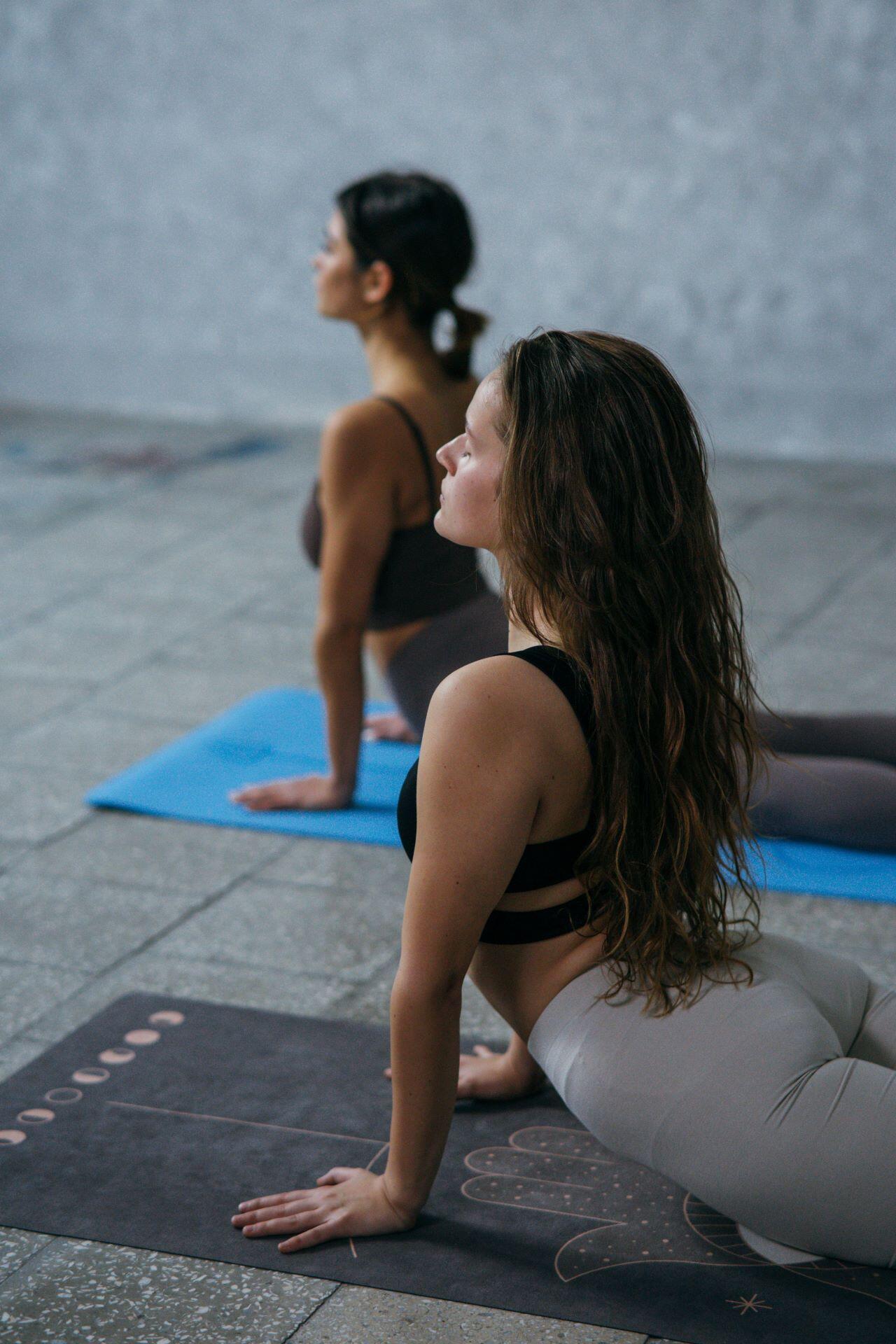
When practising Cobra Pose, the emphasis should be on controlled lifting rather than depth.
Pressing evenly through the hands while keeping the pelvis grounded allows the back muscles to engage gradually, reducing strain on the lower spine.
Moving slowly into and out of the pose helps build strength over time and supports healthy spinal mobility without placing unnecessary pressure on the neck or shoulders.
weeks has been shown to improve flexibility and balance in beginners.
- Lie face down with your hands under your shoulders
- Press your feet and thighs gently into the floor
- Inhale and lift your chest by straightening your arms slightly
- Keep your elbows close to your body
- Lower back down slowly on an exhale
Child’s Pose
Child's Pose is a resting position that all levels can do. It relaxes your spine, shoulders, and hips. Return to this pose when you need a break.
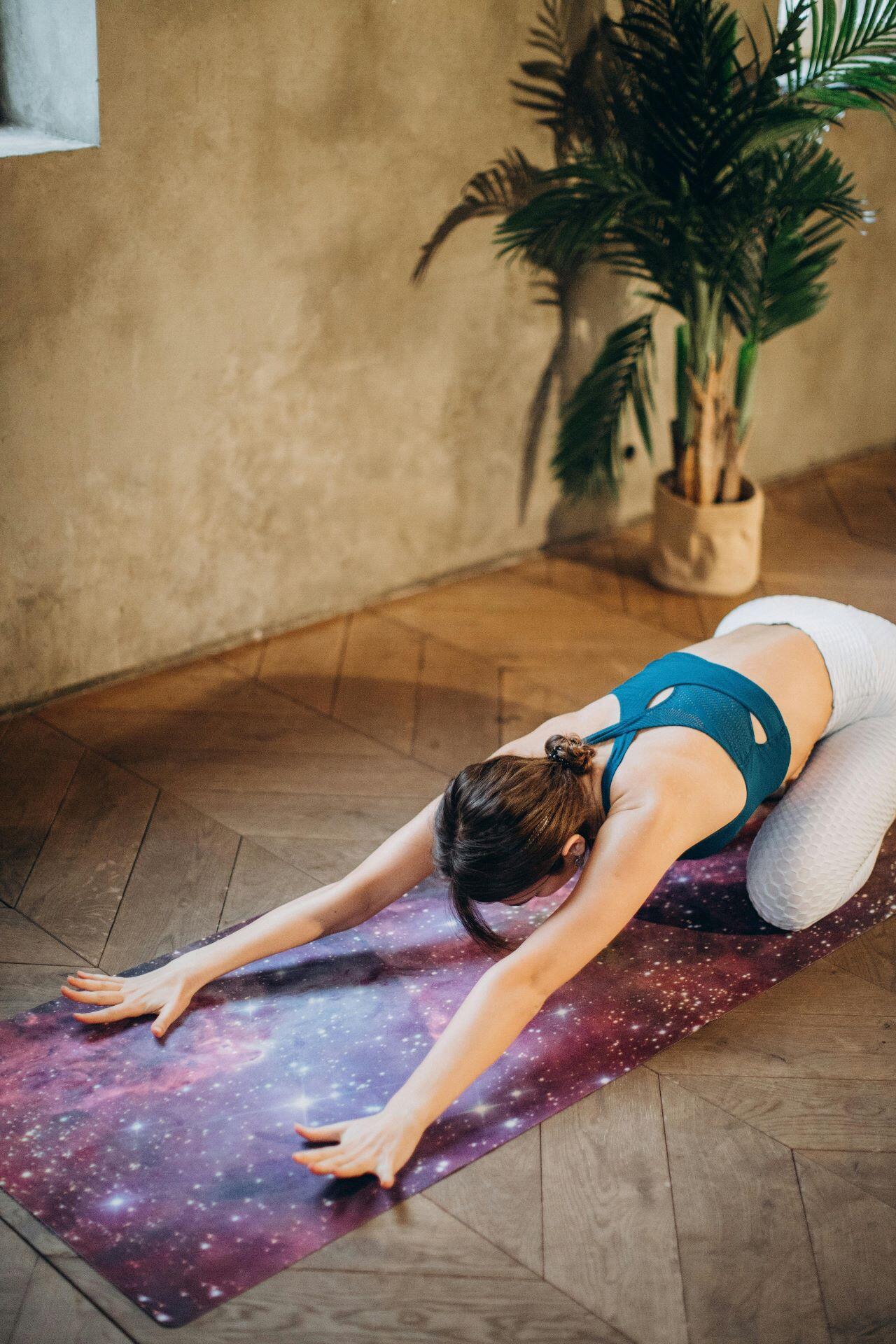
- Kneel on the floor and sit back on your heels
- Fold your torso forward and rest your forehead on the mat
- Extend your arms forward or let them rest by your sides
- Relax your shoulders and breathe deeply
- Stay for as long as feels comfortable
Bridge Pose
Bridge Pose strengthens the back, glutes, and legs. It can help improve spinal mobility over time. Lift your hips slowly and avoid overextending your lower back.
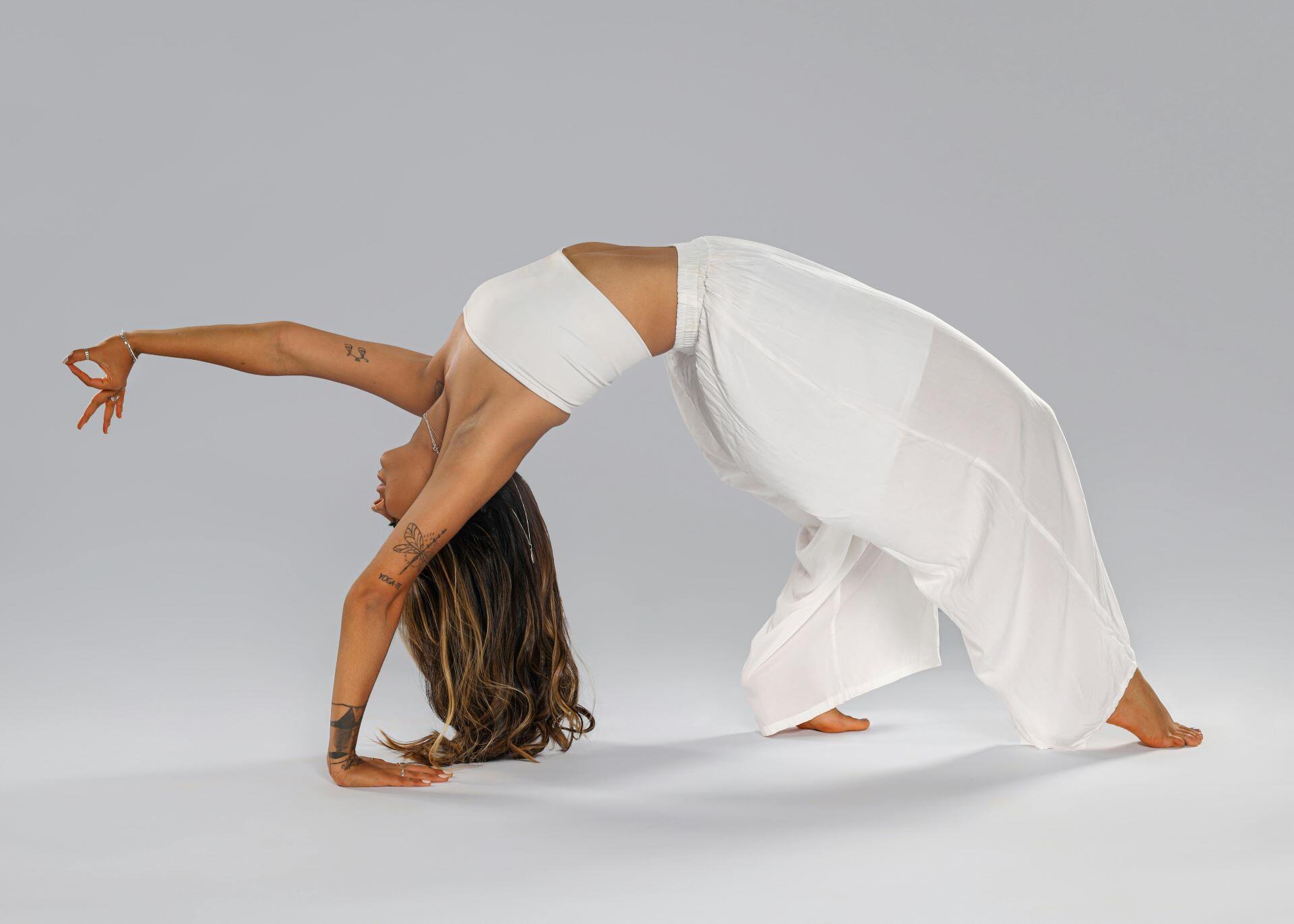
- Lie on your back with knees bent and feet flat on the floor
- Place your feet hip-width apart, close to your hips
- Press your feet into the mat and lift your hips upward
- Clasp your hands underneath your body if comfortable
- Lower slowly back down after a few breaths
Triangle Pose
Triangle Pose improves leg and hip flexibility while strengthening your core. It's also good for balance and coordination. Place your hand higher on your leg to maintain stability.
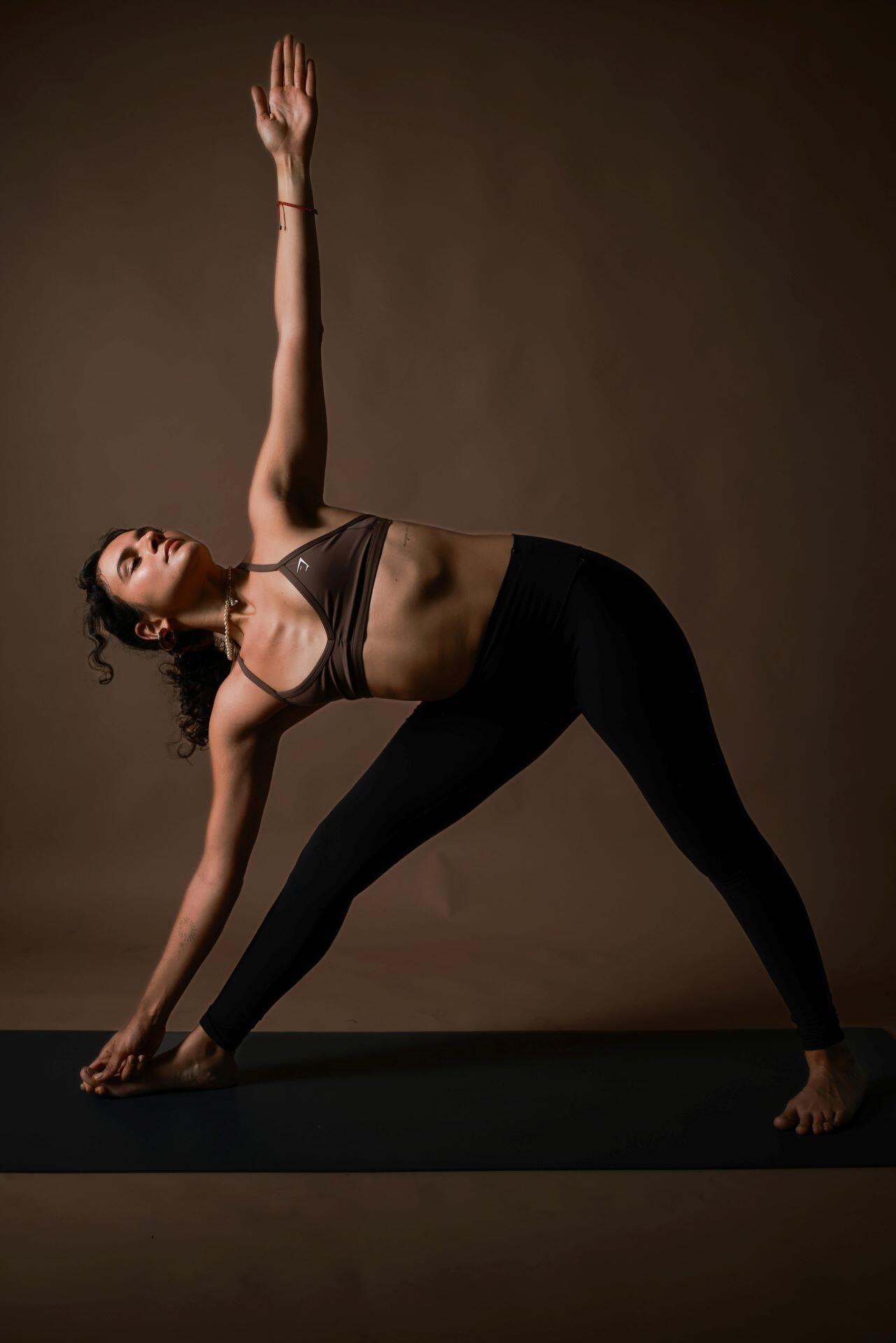
By combining a wide stance with a lateral stretch, it helps improve spatial awareness and teaches beginners how to distribute weight evenly through the feet.
The pose also supports better posture by encouraging an open chest and steady alignment through the spine.
For beginners, Triangle Pose is most effective when approached with control rather than depth.
Keeping the torso long and lifting through the chest helps prevent collapsing into the lower hand. Using the shin, a block, or even the thigh for support keeps the pose accessible while gradually improving flexibility, balance, and overall coordination.
- Stand with feet wide apart and arms extended to the sides
- Turn one foot outward and the other slightly inward
- Hinge at the hips and reach forward over the front leg
- Lower your hand to your shin, ankle, or knee
- Extend your top arm upward and keep your chest open
Crow Pose (Beginner Variation)
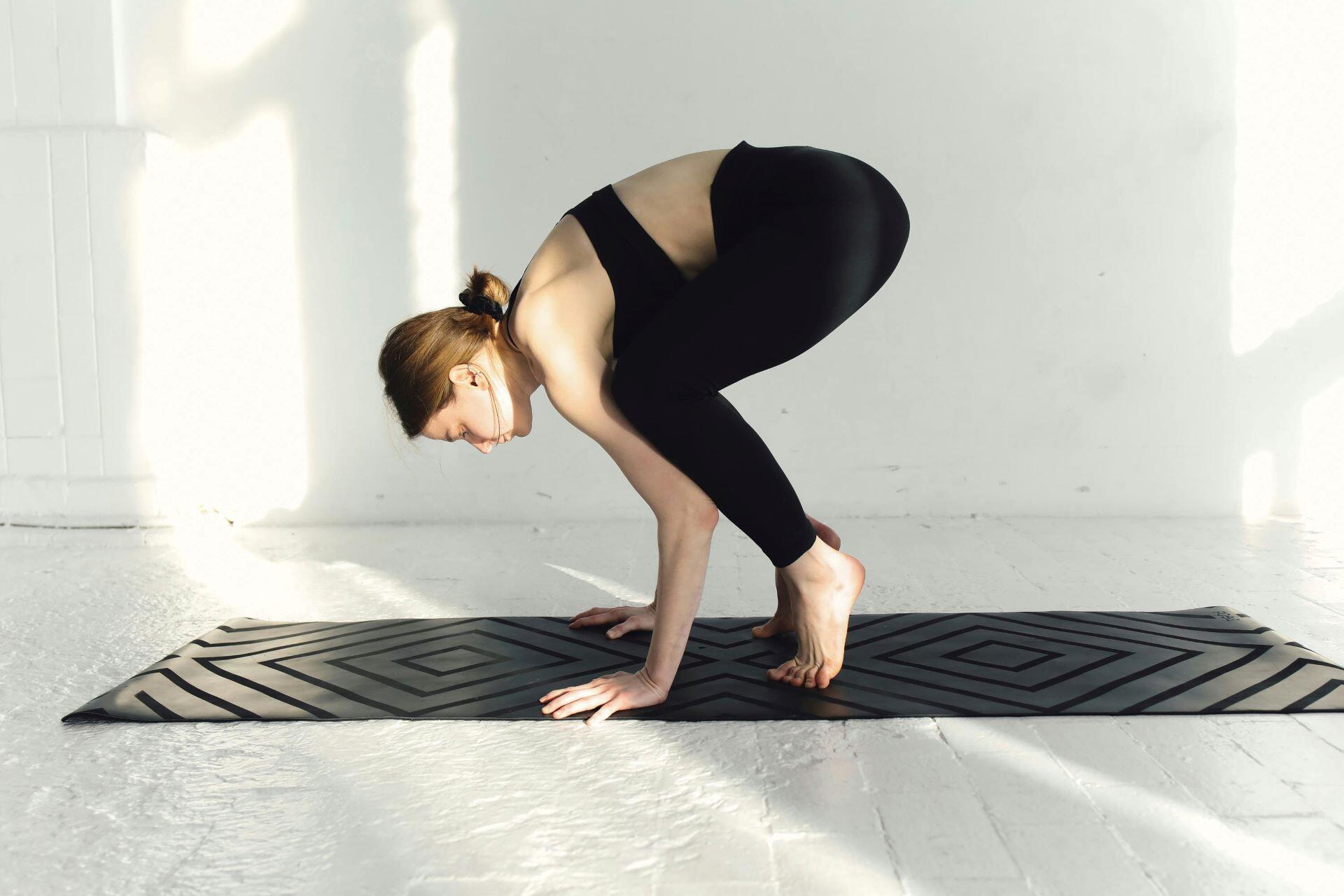
Crow Pose is a more advanced pose, but this beginner variation can make it more accessible. Build arm strength and body awareness with this one. The pose is safer and more approachable if you keep your toes on the floor.
- Start in a squat with feet close together
- Place your hands on the floor in front of you
- Bend your elbows and rest your knees against your upper arms
- Shift your weight forward slowly
- Keep toes on the floor until you feel ready to lift
Pigeon Pose
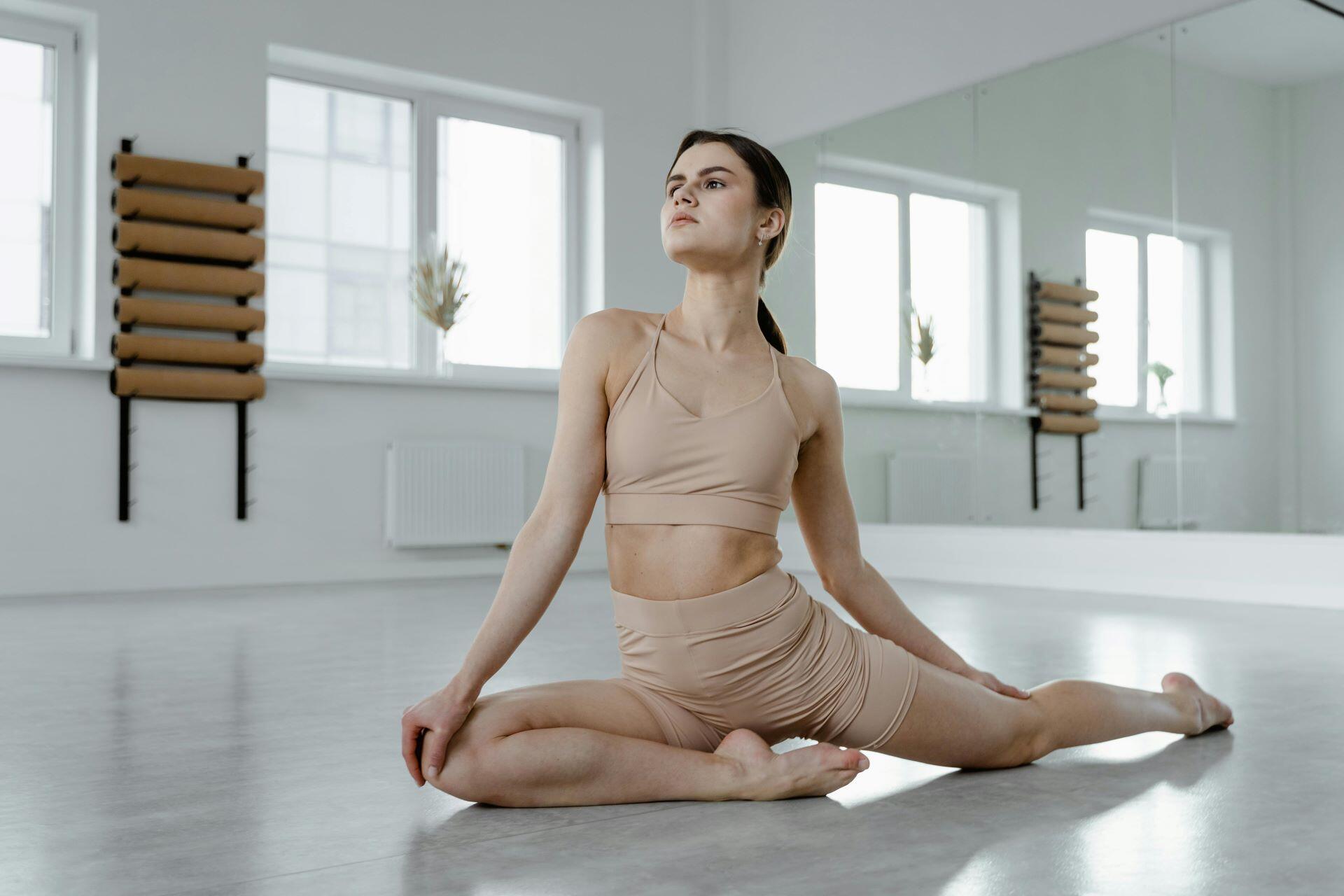
Pigeon Pose is a deep stretch for the hips and glutes. It's great for improving hip mobility. Beginners should use support under the hips if the pose feels too intense. You can use Pigeon Pose to transition into the Lotus Pose.
To create a simple yoga routine, choose five to seven poses from this list. Begin with standing poses to warm up the body, then move to floor-based poses. Hold each pose for three to five steady breaths and focus on controlled movement rather than speed. Finish your practice with a relaxing pose such as Child’s Pose. Practising yoga for beginners two to four times per week is enough to improve flexibility, mobility, and overall comfort with the poses.
- Begin in Downward Facing Dog
- Bring one knee forward between your hands
- Extend the opposite leg straight back behind you
- Lower your hips toward the floor
- Fold forward gently and breathe into the stretch
Summarise with AI:
Did you like this article? Leave a rating!

 Loading...