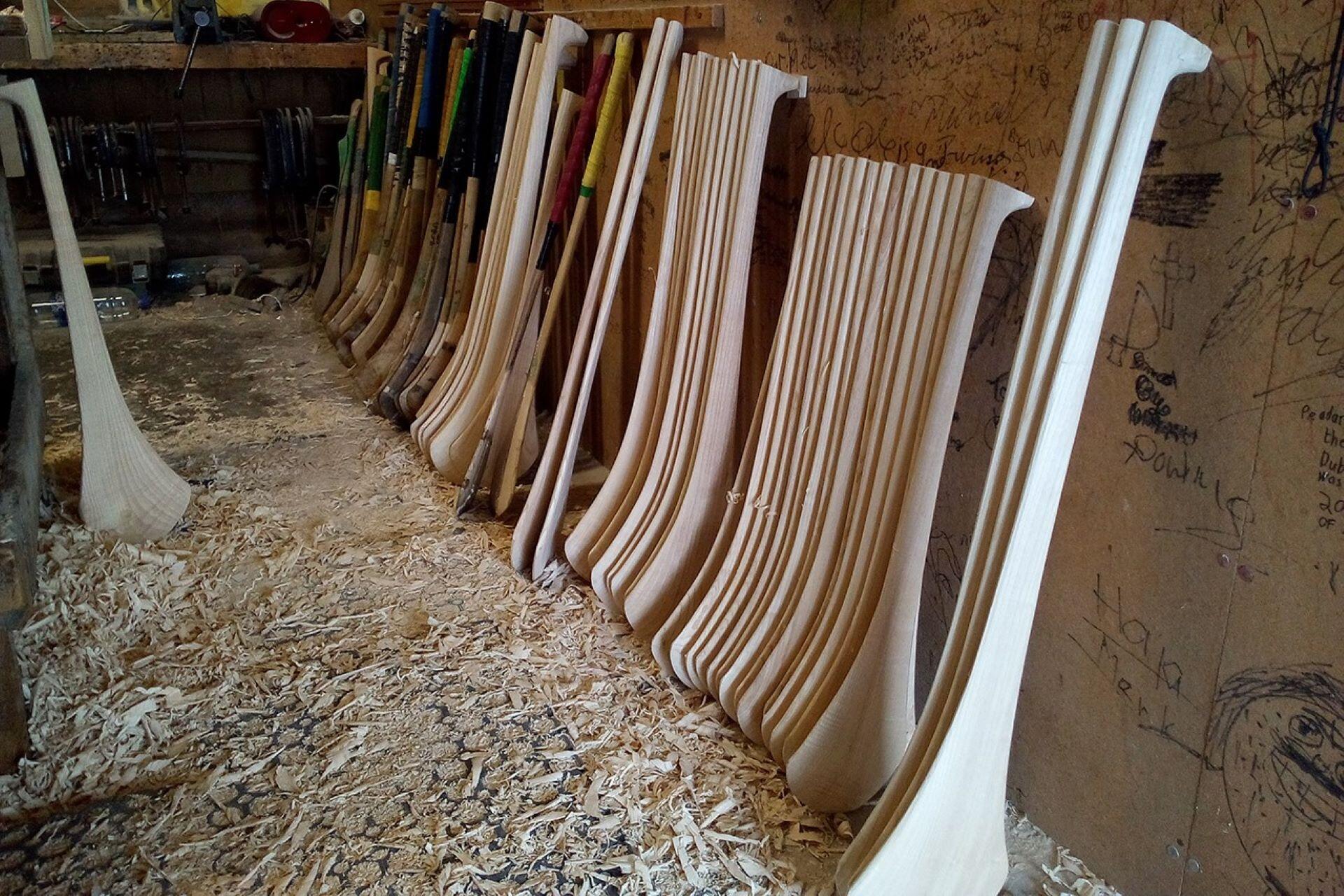

Hurling sticks are central to the game. If you're new to the sport, you'll need to learn the rules and the hurley, or hurl, the stick used to hit the sliotar. To understand the game, you need to understand the equipment.
Key Takeaways
- Traditional hurling sticks are commonly made from ash, although bamboo and composite alternatives are also available.²
- Hurley length should generally be measured from the ground to the beginning of the player’s wrist.⁸
- A traditional hurling team comprises 15 players across the goalkeeper, defence, midfield, and attack positions.⁵
- Players must wear an approved helmet with an attached facial guard during organised matches and practice sessions.³
- A standard adult hurley can have a bás measuring up to 17 centimetres across.⁴
- Current retail ranges include ash and composite hurleys, helmets, sliotars and other essential hurling equipment.⁷





Understanding the Hurley: Design and Materials
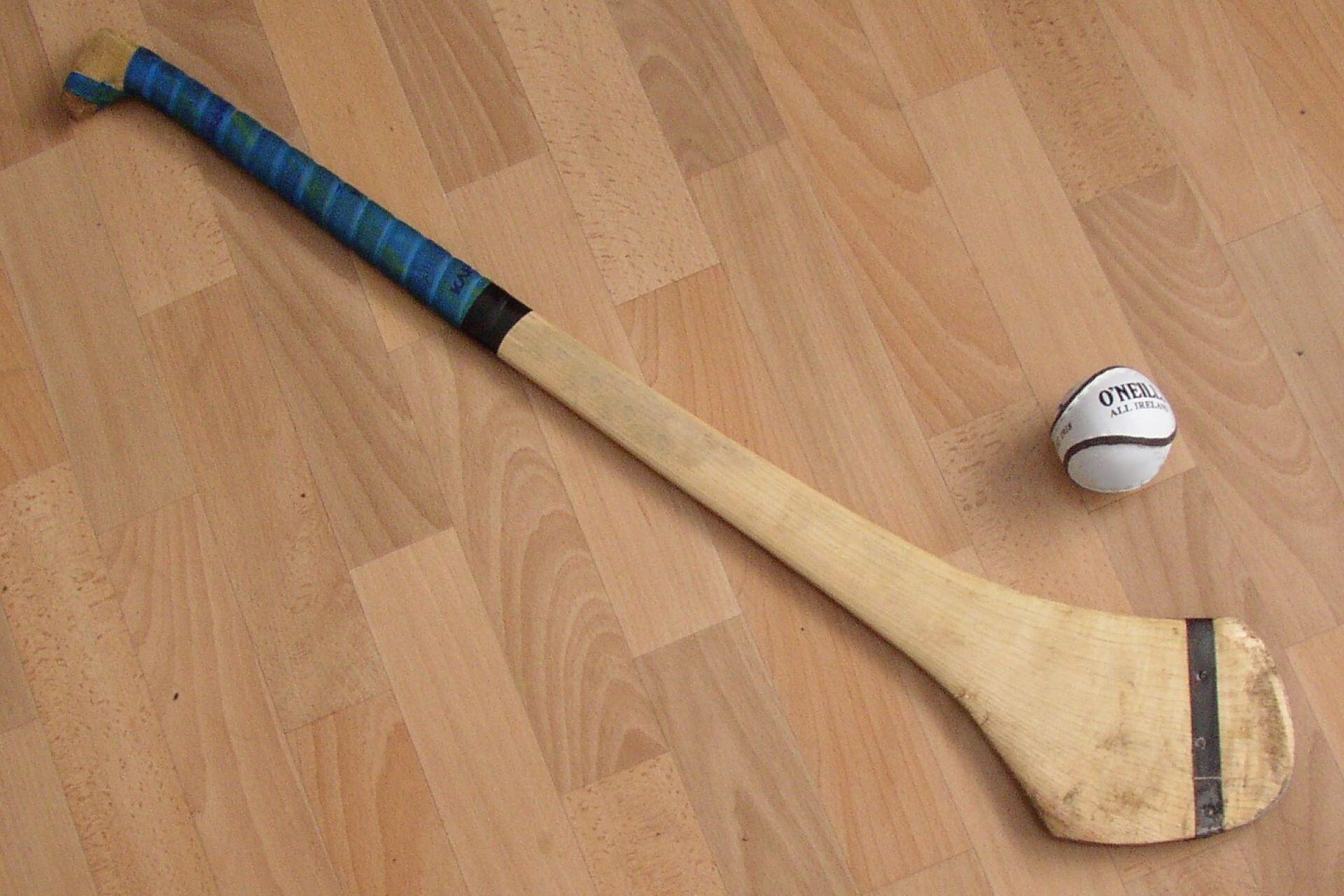
The hurley offers reach, control, and a broad striking surface for moving the sliotar. It has a narrow handle and neck, with a curved heel, toe, and flattened bás at the lower end. Ash is often used in its construction, but composite and bamboo alternatives now offer players a wider range of weight, balance, and durability.²
- Handle
- Grip
- Neck
- Heel
- Toe
- Bás
Traditional Construction
Modern Innovations
Ash hurley
- Traditional Irish material
- Individual grain and feel
- Usually lower starting price
- Requires careful storage
Bamboo hurley
- Consistent construction
- Available in several sizes
- Durable alternative product
- Often priced above standard ash
Composite hurley
- Weather-resistant material
- Consistent weight and shape
- Useful for regular training
- Different feel from wooden sticks
Both “hurl” and “hurley” are used for hurling sticks in Ireland, but regional preferences vary. An informal county poll found that “hurley” was strongly preferred in Cork, while respondents in Wexford overwhelmingly favoured “hurl”.¹ Neither term is incorrect, so players may hear both depending on where they learn or play.
Hurling Positions and the Role of the Hurley
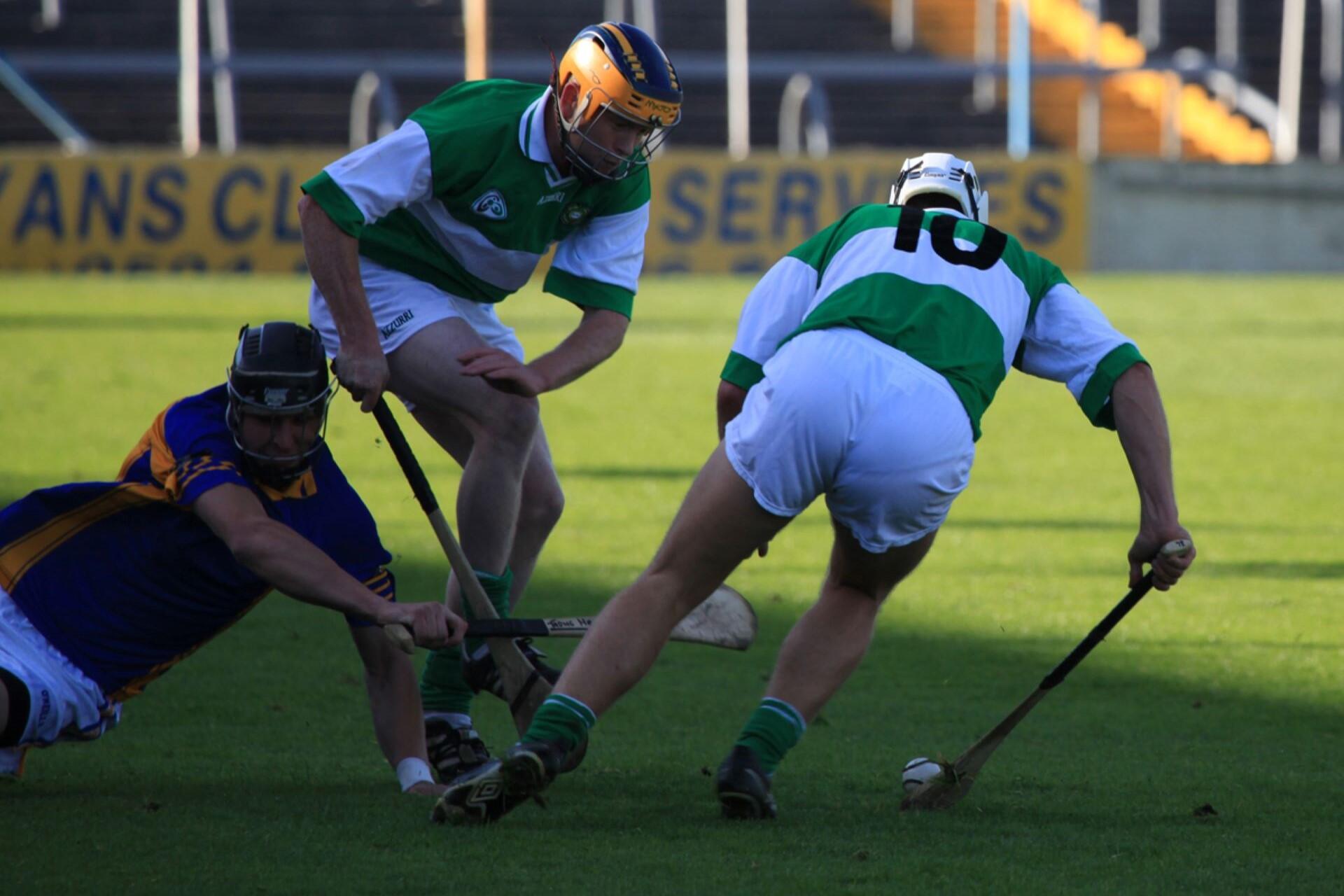
Hurling teams are organised into defensive, midfield and attacking units. The top players are expected to contribute when possession changes regardless of their position. The traditional formation includes one goalkeeper, six backs, two midfielders and six forwards.⁵ However, modern teams move more fluidly, but for the time being, it's worthwhile learning to understand these positions if you're new to the sport.
players across the goalkeeper, defensive, midfield and attacking positions.⁵
A pitch diagram is a good way to see a traditional formation. Typically, players are identified by their position and jersey number. Traditionally, their roles were more fixed, but now, they'll often move well beyond their starting area during the duration of a match.⁶ With different positions and roles, they may prefer different lengths, weights and bás shapes.
- Goalkeeper
- Full-back line
- Half-back line
- Midfield
- Half-forward line
- Full-forward line
Overview of Hurling Positions
Position-Specific Hurley Preferences
Essential Hurling Equipment Beyond the Hurley
Hurling players need more than the hurley. They'll need equipment that allows safe movement, reliable ball control and protection during training or matches. Beginners should also look to use an age-appropriate sliotar, a compliant helmet and footwear suited to the playing surface. Don't forget about gloves and additional protective items. These aren't obligatory, but it's worth considering them.
- Hurley
- Sliotar
- Helmet
- Gloves
- Boots
- Training clothing
The Sliotar
Protective Gear
Every player must wear an approved helmet with an attached facial guard during organised hurling matches and practice sessions.³ The helmet should fit securely and must not be modified, drilled or fitted with incompatible components. Players and parents should also check that the helmet meets the required safety standard before use.³
Footwear and Apparel
When you first get started with hurling, you won't need to buy everything. However, there are a few things we recommend buying first, like a hurley, sliotar, helmet and suitable footwear. After that, other accessories can be purchased.
- Correctly sized hurley or hurling stick
- Age-appropriate sliotar or training ball
- Approved helmet and faceguard
- Replacement grip
- Hurling gloves
- Suitable boots for the field
- Training clothing
- Optional protective accessories
- Water bottle and kit bag
Hurling and camogie players use much of the same core equipment, including a hurley, sliotar, helmet and suitable boots.⁵ Retailers may therefore group hurling and camogie products together, although players should still check the rules for their age group and competition.⁷ Both are Gaelic games played throughout Ireland, and beginners can usually start with the same basic equipment set before adding optional accessories.
Choosing the Right Hurley: A Buyer's Guide
A hurley should feel comfortable, balanced and easy to control. Don't just consider age category. Start with length, but also consider how weight, basic shape, material, and playing experience affect how the stick performs. Beginners will want to focus on technique and manoeuvrability over extra reach.
To choose the correct hurley length, stand upright with your arms relaxed by your sides and measure from the ground to the beginning of your wrist.⁸ This method is more reliable than choosing a stick based only on age or height. When a player falls between two available sizes, the shorter hurley is generally the better option for control and technique.⁸
Factors to Consider
| Player level | Suggested hurley | Hurley price | Helmet price | Sliotar price | Estimated essential total |
|---|---|---|---|---|---|
| Young child | Torpey Bambú Kids or Youth | From €30 | From €70 | First Touch sliotar from €13 | From €113 |
| Junior beginner | Torpey Junior hurley | €28 | From €70 | Quick Touch or Smart Touch sliotar from €9.50 | From €107.50 |
| Teenage beginner | Standard ash hurley | From €25 | €70–€90 | Adult sliotar from €12 | About €107–€127 |
| Adult beginner | Standard ash hurley | From €25 | €70–€90 | Adult sliotar from €12 | About €107–€127 |
| Adult composite user | Adult Cúltec composite hurley | €50–€53 | €70–€90 | Adult sliotar from €12 | About €132–€155 |
| Premium adult setup | Torpey premium ash or bamboo hurley | €55–€70 | €70–€90 | Adult sliotar from €12 | About €137–€172 |
Maintenance Tips
centimetres across.⁴
The Cultural Significance of the Hurley
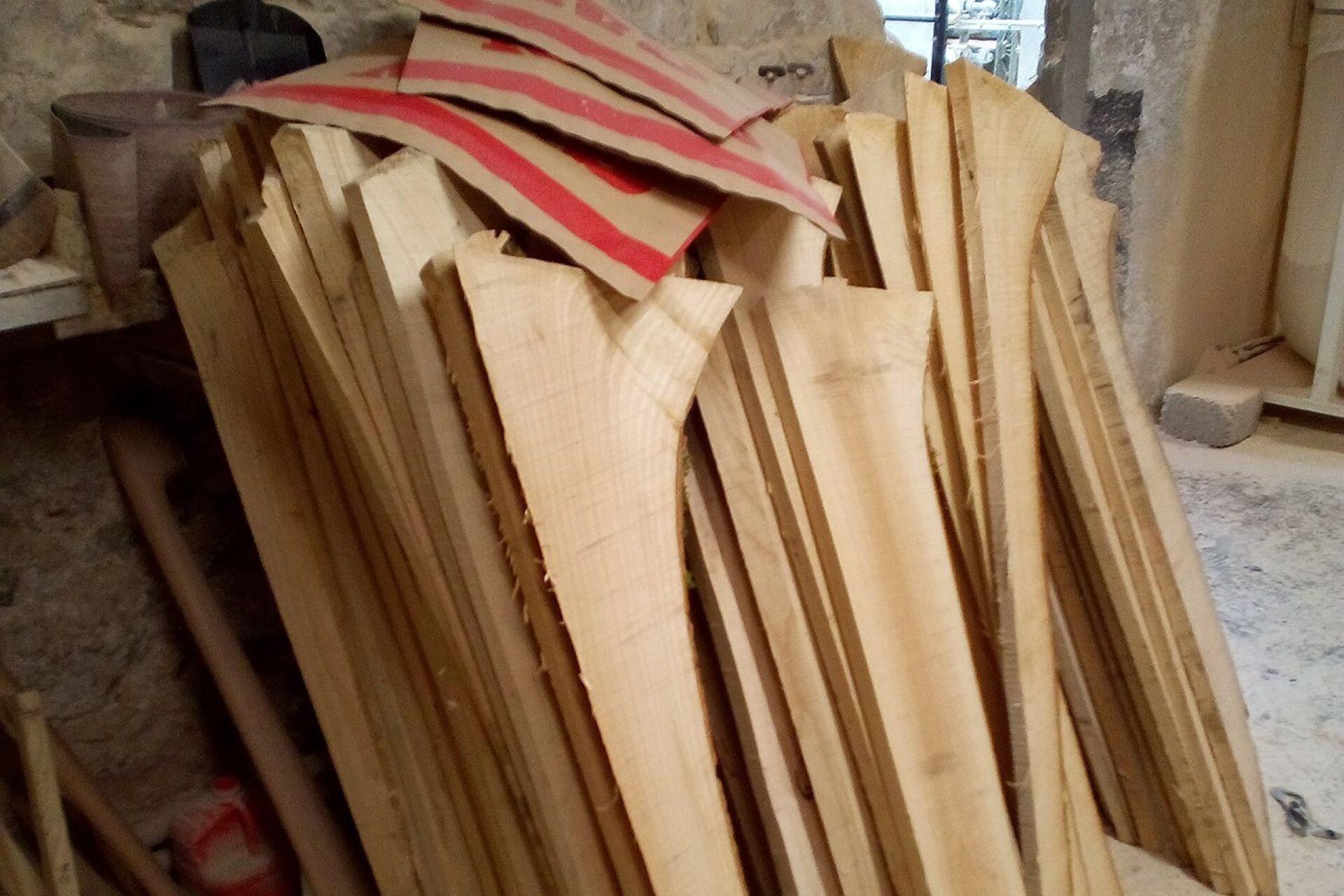
The hurley is more than just the quintessential sporting equipment of hurling. With its distinctive shape and construction, it's a recognisable symbol of Irish culture. Hurley making is also a traditional practice, with specialist knowledge passed between generations of craftspeople.
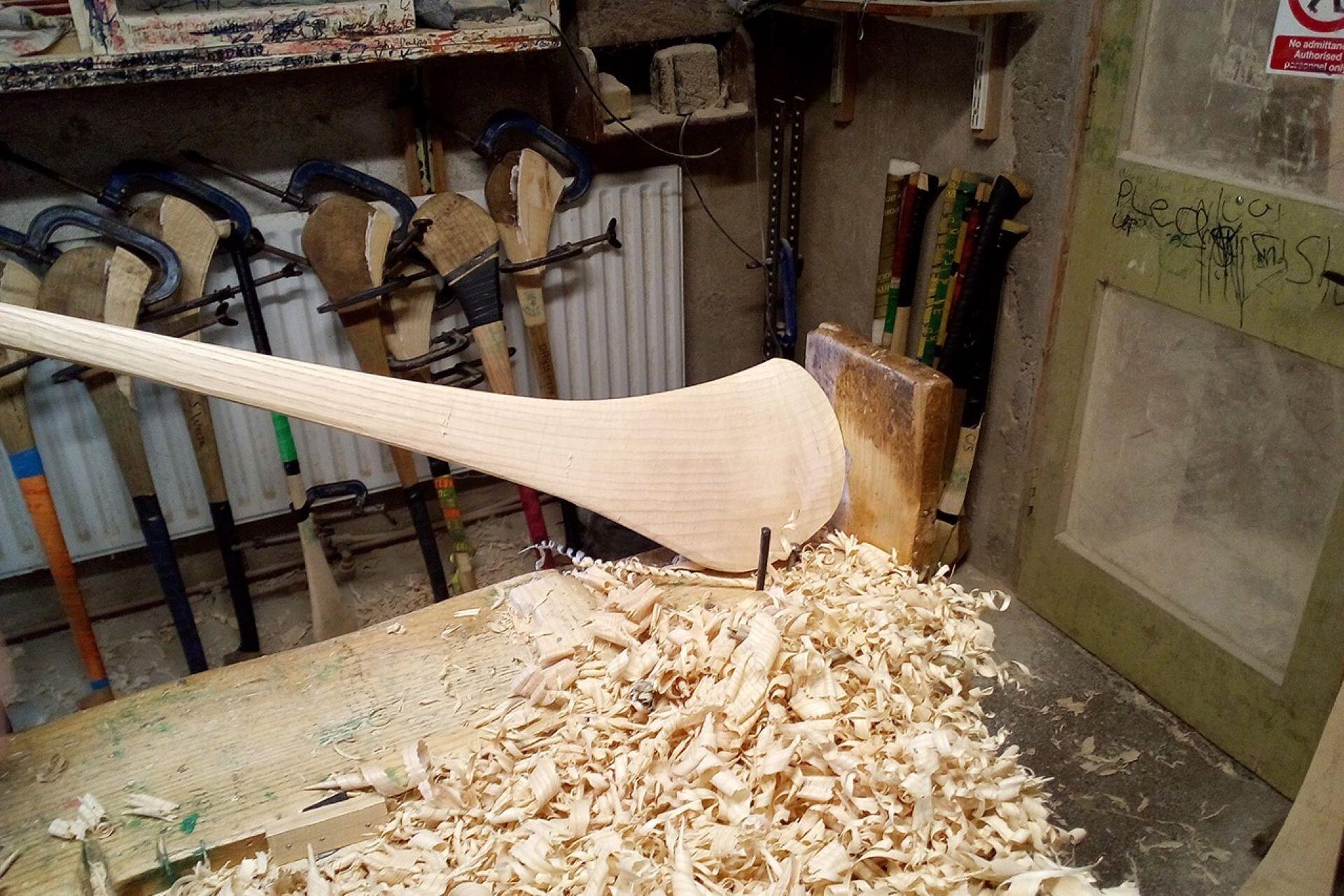
- Ash selection
- Grain inspection
- Shaping
- Sanding
- Finishing
- Local craftsmanship
Historical Context
Modern-Day Symbolism
References
- Balls Team. “Ireland Votes That It’s Called a Hurley, Not a Hurl.” Balls.ie, 12 Nov. 2020, https://www.balls.ie/hurling/vote-hurley-or-hurl-453286. Accessed 13 July 2026.
- Fogarty, Martin. Choosing a Hurl. GAA Learning, https://learning.gaa.ie/sites/default/files/Hurl%20choice.pdf. Accessed 13 July 2026.
- Gaelic Athletic Association. “Clubs Reminded about Rules and Guidance around Hurling Helmets and Sliotars.” GAA, 16 Mar. 2026, https://www.gaa.ie/article/clubs-reminded-about-rules-and-guidance-around-hurling-helmets-and-sliotars. Accessed 13 July 2026.
- Gaelic Athletic Association. “Hurley Dimensions Approved by Central Council.” GAA, 23 May 2023, https://www.gaa.ie/hurling/news/hurley-dimensions-approved-by-central-council. Accessed 13 July 2026.
- Gaelic Athletic Association. Official Guide Part 2. Effective 27 Mar. 2026, https://www.gaa.ie/api/images/image/upload/t_q-best/prd/xi4oyuttzqpaqr2vfhbn.pdf. Accessed 13 July 2026.
- Intersport Elverys. “Hurling Positions Explained: Every Role on the Field.” Intersport Elverys, 1 July 2026, https://www.elverys.ie/blogs/blog/hurling-positions-explained-every-role-on-the-field. Accessed 13 July 2026.
- O’Neills. “Hurling Sticks & Camogie Gear.” O’Neills, https://www.oneills.com/int_en/sports-equipment/hurling-camogie.html. Accessed 13 July 2026.
- O’Neills. “Size Guide for Hurls, Hurling Helmet & GAA Gloves.” O’Neills, 1 July 2024, https://www.oneills.com/blog/post/gaa-gloves-hurling-helmet-and-hurling-stick-size-guide. Accessed 13 July 2026.
- Torpey. “Hurleys.” Torpey, https://torpey.ie/collections/hurleys. Accessed 13 July 2026.
- UNESCO. “Hurling.” Representative List of the Intangible Cultural Heritage of Humanity, https://ich.unesco.org/en/RL/hurling-01263. Accessed 13 July 2026.
Summarise with AI:
Did you like this article? Leave a rating!

 Loading...