

As a country, Ireland is known for rich storytelling, wisdom, and sharp wit. These often come in the form of proverbs (seanfhocail) or even casual phrases in daily conversations. It can also be seen in Irish sayings that capture the humour, resilience, and philosophy of the Irish.
The spoken word has been at the heart of Irish culture for centuries. Sayings have been passed down, reflecting values, experiences, and observations about everything from life, luck, and love to human nature.
Some of these sayings are poetic and wise, while others are funny. Today, we'll look at 15 of the best Irish sayings, their everyday use, and their meanings. You'll find it in these sayings if you're looking for an authentic Irish expression, some humour, or a wise Gaelic proverb.


Famous Irish Sayings and Their Meanings
Irish sayings often include deep wisdom, humour, and a uniquely Irish way of viewing the world, just like Irish slang. Whether they're about the ups and downs of life, blessings for good fortune, or humorous takes on the struggles we face every day, these sayings are still used today.
A "seanfhocal" (pronounced shan-uh-kul) is the Irish word for "old saying" or proverb. These traditional phrases carry wisdom, humor, and life lessons passed down through generations. Many seanfhocail reflect Ireland’s history, agriculture, and community spirit.
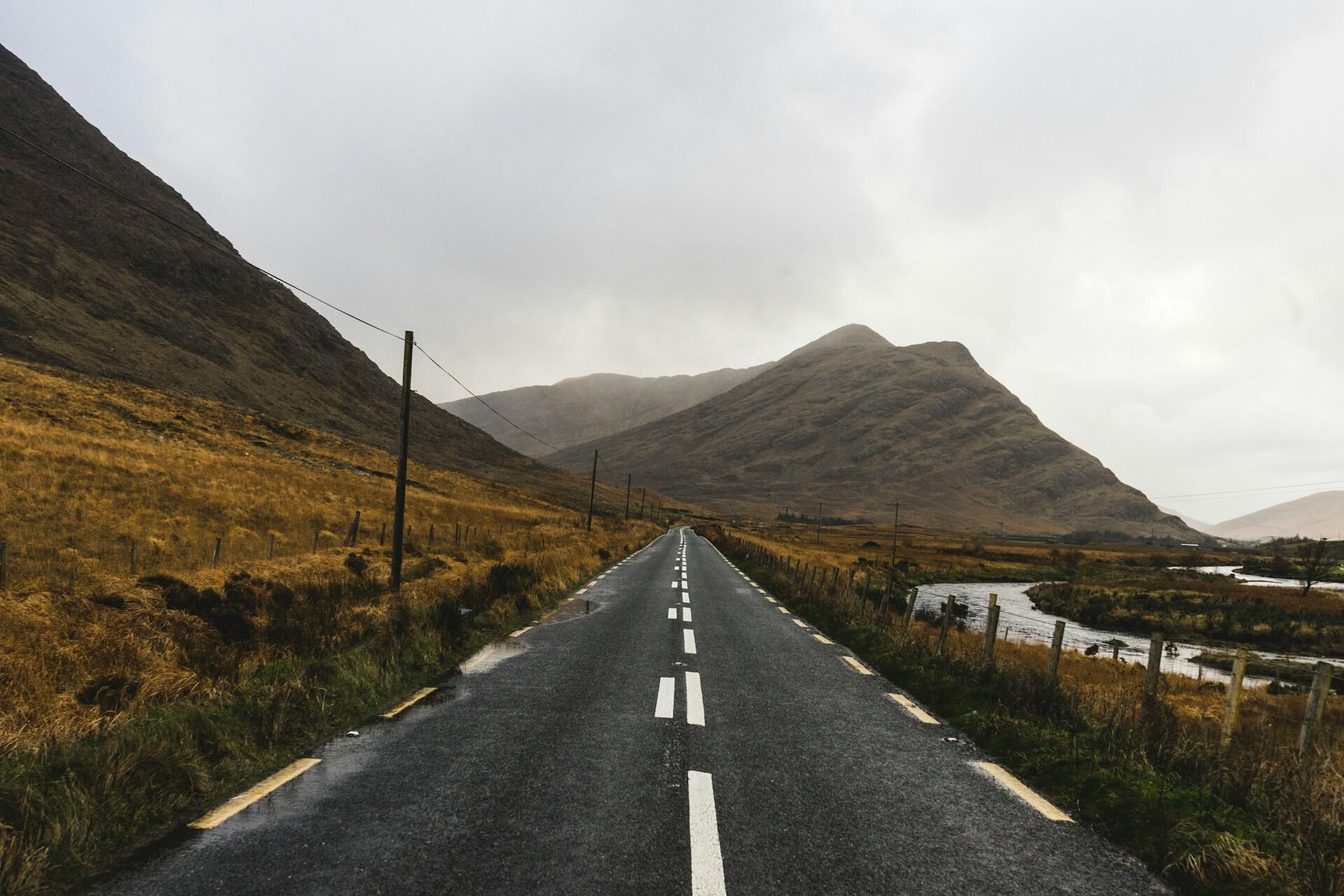
1. “May the road rise to meet you.”
Meaning: A traditional Irish blessing wishing success and good fortune.
Example Usage: “You’re off on a new journey? May the road rise to meet you!”
2. “It is often that a person’s mouth broke his nose.” (Is minic a bhris béal duine a shrón.)
Meaning: Talking too much or saying the wrong thing can get you into trouble.
Example Usage: “He insulted the wrong man at the pub—should’ve remembered that a mouth can break a nose.”
3. “What’s meant for you won’t pass you by.”
Meaning: If something is truly destined for you, it will happen.
Example Usage: “Didn’t get the job? Don’t worry, what’s meant for you won’t pass you by.”
4. “A good laugh and a long sleep are the two best cures.” (Gáire maith agus codladh fada, an dá leigheas is fearr.)
Meaning: The simplest joys in life—laughter and rest—are the best remedies for any problem.
Example Usage: “Feeling down? Go to bed early and have a laugh with friends tomorrow!”
5. “You’ll never plough a field by turning it over in your mind.”
Meaning: Thinking about something isn’t enough—you have to take action.
Example Usage: “Stop overthinking and start doing! You’ll never plough a field by turning it over in your mind.”
6. “Better to be a coward for a minute than dead for the rest of your life.” (Is fearr bheith i do sheachránach nóiméad ná bheith marbh an chuid eile de do shaol.)
Meaning: Sometimes it’s better to avoid danger than to take unnecessary risks.
Example Usage: “You don’t need to fight every battle—better a coward for a minute than dead for life.”
7. “However long the day, the evening will come.” (Dá fhaid é an lá, tagann an tráthnóna.)
Meaning: No matter how tough things seem, they will eventually come to an end.
Example Usage: “Feeling stuck in a hard situation? However long the day, the evening will come.”
Some days naturally feel longer than others. You could learn how to say the days of the week in Irish.
8. “If you want an audience, start a fight.”
Meaning: People love to watch drama unfold.
Example Usage: “They weren’t paying attention to him until he started arguing—if you want an audience, start a fight.”
9. “Don’t be breaking your shin on a stool that’s not in your way.” (Ná bris do chos ar stól nach bhfuil i do shlí.)
Meaning: Don’t create problems for yourself where there are none.
Example Usage: “Stop worrying about something that hasn’t happened yet—don’t be breaking your shin on a stool that’s not in your way.”
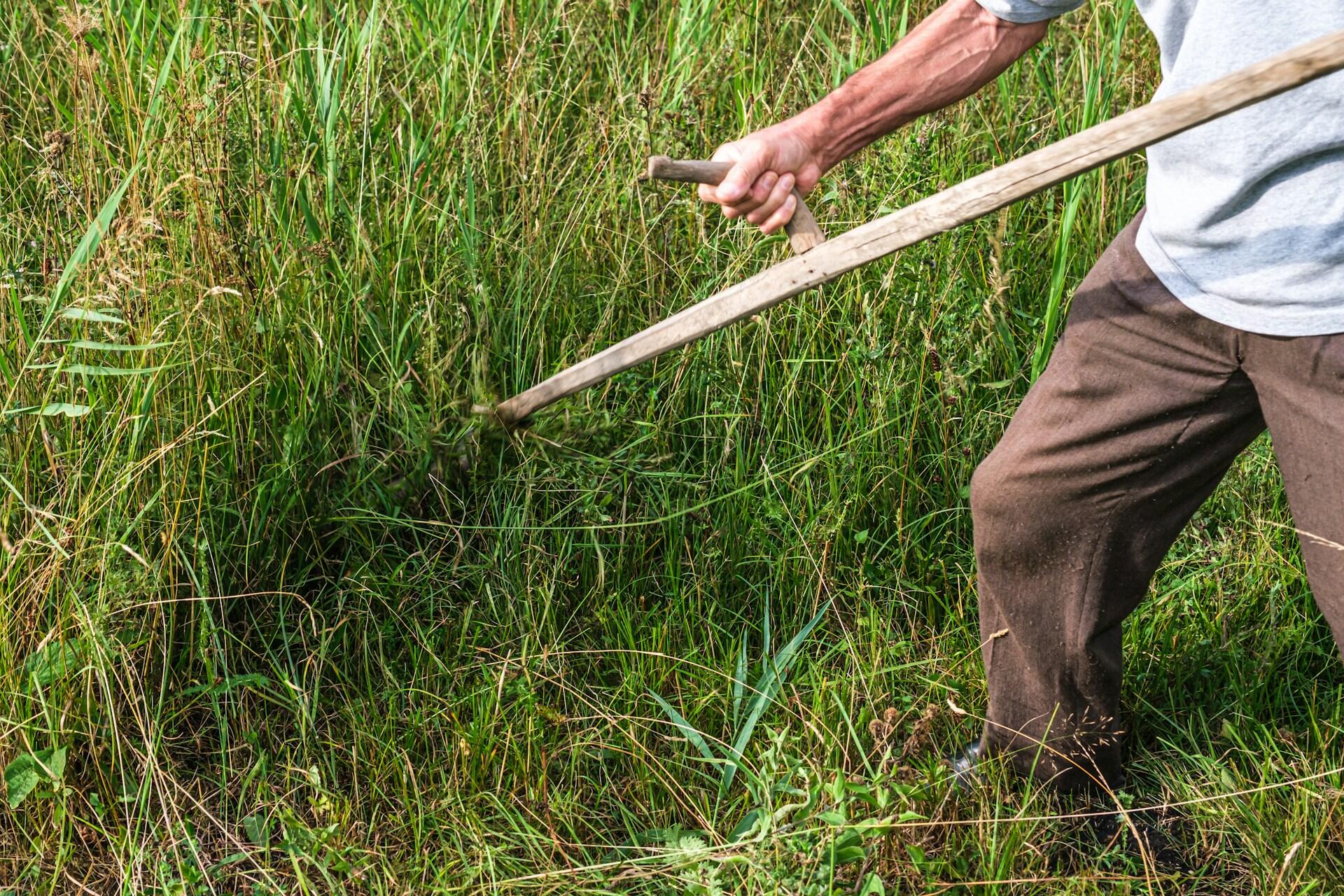
10. “It’s not a delay to stop and sharpen the scythe.” (Ní hionann moill agus an scian a ghéarú.)
Meaning: Taking time to prepare properly is never a waste of time.
Example Usage: “Study well before the exam—it’s not a delay to stop and sharpen the scythe.”
11. “If you lie down with dogs, you’ll rise up with fleas.”
Meaning: Surround yourself with the wrong people, and you’ll suffer the consequences.
Example Usage: “He got in trouble because of his friends—if you lie down with dogs, you’ll rise up with fleas.”
12. “A silent mouth is sweet to hear.” (Bíonn an béal dúnta milis.)
Meaning: Sometimes, silence is better than speaking too much.
Example Usage: “No need to comment on everything—a silent mouth is sweet to hear.”
13. “The older the fiddle, the sweeter the tune.”
Meaning: Experience brings wisdom and skill.
Example Usage: “He may be older, but he’s still the best at what he does—the older the fiddle, the sweeter the tune.”
14. “A kind word never broke anyone’s mouth.” (Níor bhris focal maith fiacail riamh.)
Meaning: Saying something kind never hurt anyone.
Example Usage: “It doesn’t cost anything to be nice—a kind word never broke anyone’s mouth.”
15. “There’s no fireside like your own fireside.” (Níl aon tinteán mar do thinteán féin.)
Meaning: There’s no place like home.
Example Usage: “After a long trip, I’m glad to be back—there’s no fireside like your own fireside.”
Irish Sayings About Life, Luck, and Love
With all its wisdom, warmth, and wit, Irish culture naturally has plenty to say about life, luck, and love with a series of colourful expressions. These include blessings for happiness, proverbs about fate, and timeless lessons about love.
Here are some of the phrases that have been passed down through generations.
1. “May your home always be too small to hold all your friends.”
Meaning: A wish for a life full of friendship and laughter.
Example Usage: “Wishing you a lifetime of good company—may your home always be too small to hold all your friends.”

2. “Luck never gives; it only lends.” (Ní thugann an t-ádh; ní fhaigheann sé ach ar iasacht.)
Meaning: Luck is fleeting—it can come and go at any time.
Example Usage: “Don’t rely on luck too much—luck never gives; it only lends.”
3. “A friend's eye is a good mirror.” (Is maith an scáthán súil charad.)
Meaning: A true friend will reflect your best (and worst) qualities honestly.
Example Usage: “If you ever need honest advice, ask a close friend—a friend’s eye is a good mirror.”
4. “May you get all your wishes but one, so you always have something to strive for.”
Meaning: A blessing for continuous growth and ambition.
Example Usage: “Success is wonderful, but always leave room for dreams—may you get all your wishes but one.”
5. “You'll never miss the water till the well runs dry.”
Meaning: People don’t appreciate what they have until it’s gone.
Example Usage: “Cherish the people in your life—you’ll never miss the water till the well runs dry.”
6. “Love is like a friendship caught on fire.”
Meaning: True love grows from deep friendship and connection.
Example Usage: “A strong relationship is built on trust and care—love is like a friendship caught on fire.”
7. “Do not resent growing old. Many are denied the privilege.”
Meaning: Aging is a gift that not everyone gets to experience.
Example Usage: “Celebrate your birthday! Do not resent growing old—many are denied the privilege.”
“May your troubles be less, and your blessings be more, and nothing but happiness come through your door.”
- Irish Proverb
Meaning: A traditional Irish wish for prosperity and happiness.
Example Usage: “Best wishes for your new job! May your troubles be less and your blessings be more.”
Funny and Witty Irish Sayings
The Irish have mastered wit and humour, with sarcasm, dry humour, and playful teasing as part of their everyday conversations, along with the appropriate greetings. Whether clever insults, funny observations, or a piece of wisdom, these expressions reflect their sharp humour and charm.
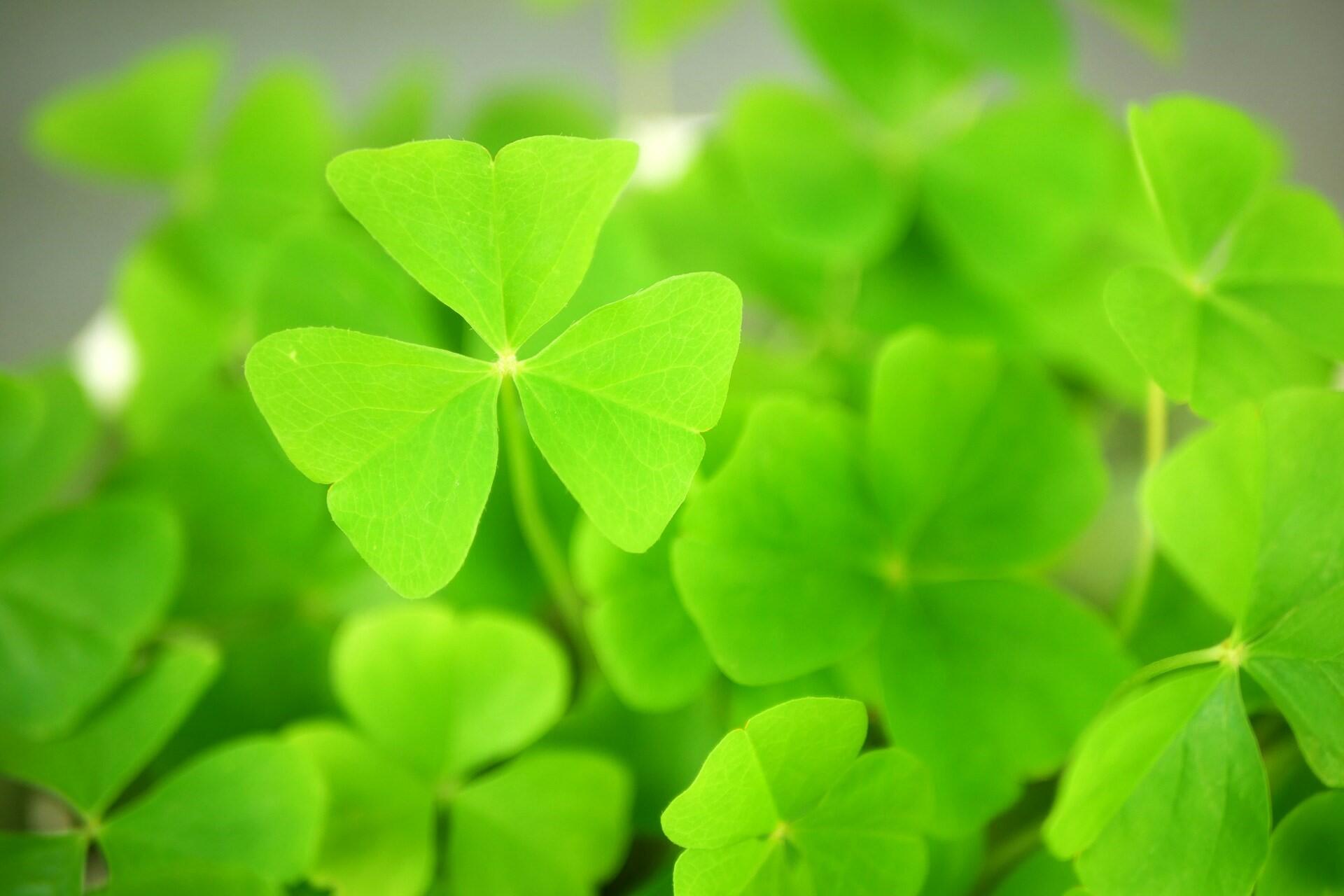
1. “If you’re lucky enough to be Irish, you’re lucky enough.”
Meaning: Being Irish is already the best luck you could have!
Example Usage: “No need for four-leaf clovers—if you’re lucky enough to be Irish, you’re lucky enough!”
2. “As you slide down the bannister of life, may the splinters never point in the wrong direction.”
Meaning: A playful wish that life doesn’t cause too much trouble.
Example Usage: “Here’s to smooth sailing ahead—may the splinters never point in the wrong direction!”
3. “He’d step over ten naked women to get to a pint.”
Meaning: A humorous way of saying someone really loves their drink.
Example Usage: “Don’t expect him to leave the pub early—he’d step over ten naked women to get to a pint.”
4. “I complained I had no shoes until I met a man who had no feet.”
Meaning: A reminder to be grateful for what you have.
Example Usage: “Stop moaning about your old phone—some people don’t have one at all!”
5. “An Irishman’s idea of a good funeral is one that lasts three days.”
Meaning: A joke about how the Irish love to celebrate, even in sad times.
Example Usage: “The wake turned into a three-day party—an Irishman’s idea of a good funeral!”
Learning numbers in Irish could help you understand similar expressions in the language.
6. “You can’t make a silk purse out of a sow’s ear.”
Meaning: You can’t turn something bad into something fancy.
Example Usage: “That cheap car will never be a Ferrari—you can’t make a silk purse out of a sow’s ear.”
7. “If it was raining soup, he’d be out with a fork.”
Meaning: Someone is very unlucky or bad at taking advantage of opportunities.
Example Usage: “He missed another job interview—if it was raining soup, he’d be out with a fork!”
8. “May the cat eat you, and may the devil eat the cat.”
Meaning: A classic Irish humorous curse for someone you don’t like!
Example Usage: “That fella never paid me back—may the cat eat him, and may the devil eat the cat!”
The Irish are famous for their self-deprecating humour and quick wit. Whether it's poking fun at themselves or playfully teasing others, Irish humour is known for being lighthearted, cheeky, and clever.
Summarise with AI:
Did you like this article? Leave a rating!

 Loading...