
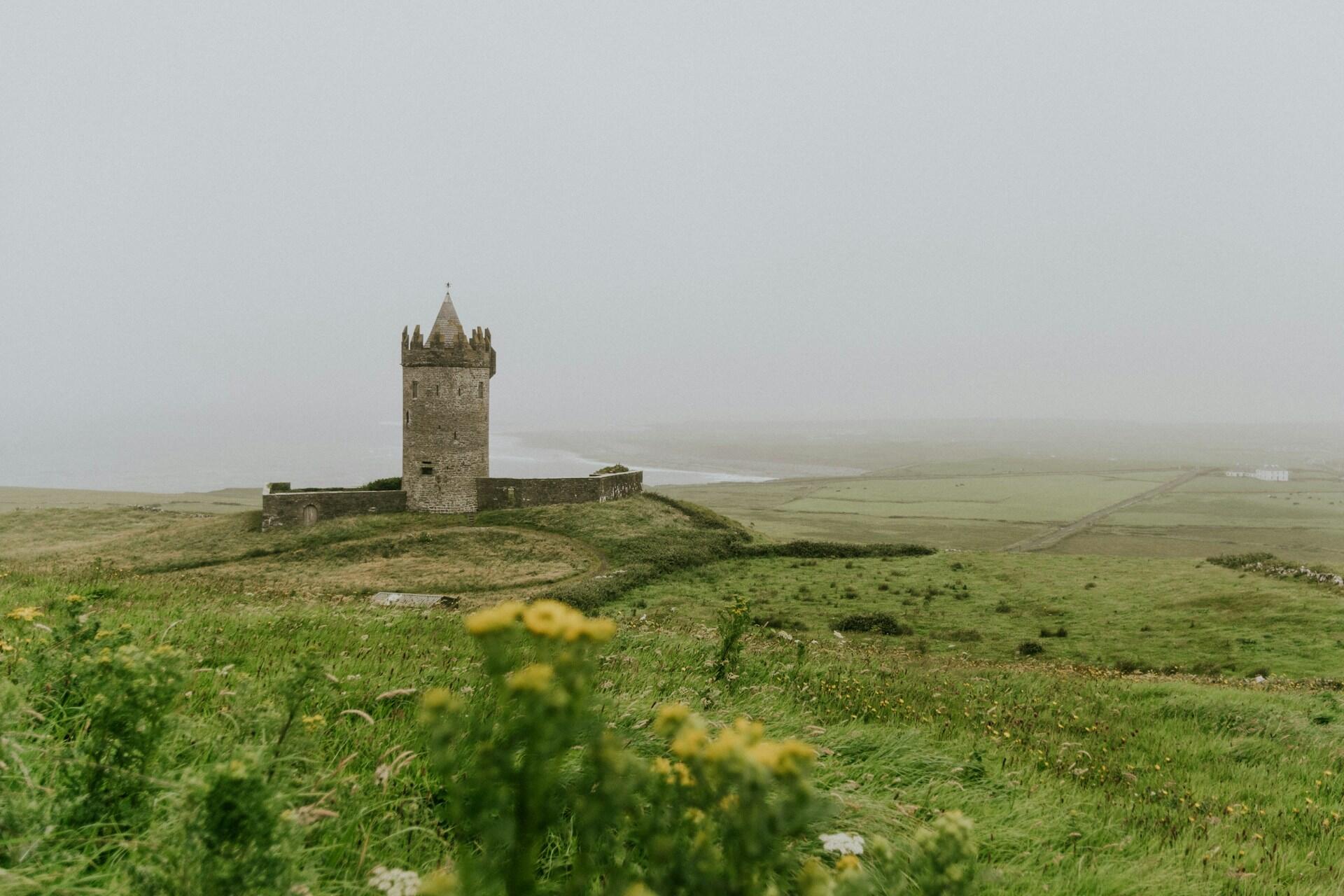

Tír gan teanga, tír gan anam. / A country without a language is a country without a soul.
Pádraig Pearse
Ireland is famous for its rich cultural heritage, which extends into the language. Whether in the streets of Dublin, chatting with locals, or in a more rural part of the country, you may hear some words and phrases you've never heard before. Irish slang is more than just words; it reflects the country’s humour, warmth, and storytelling tradition. Irish people have added their own twist to English, with expressions and terms that aren’t always straightforward.
Key Takeaways
- Irish slang is part of everyday conversation in Ireland and reflects humour, tone, and cultural habits
- Most Irish slang comes from Hiberno-English, influenced by both English and Irish (Gaeilge)
- Common words like grand, deadly, and sound often have meanings that differ from standard English
- Phrases such as “I will yeah” and “Sure, it’ll be grand” rely heavily on tone and context Craic is one of the most widely used terms and can mean fun, conversation, or general social activity
- Slang varies by region, with some expressions more common in Dublin, Cork, or Northern Ireland
- Understanding context is key, as Irish slang is often informal and shaped by familiarity between speakers


What Is Irish Slang?
Irish slang is the informal words and expressions used in everyday conversation in Ireland. It has developed over time through a mix of English and Irish influences, making it distinct from other forms of slang. Many expressions come from Hiberno-English, a form of English shaped by Irish language structure. Because of this mix of influences, Irish slang often follows patterns that are slightly different from standard English. Sentence structure, rhythm, and phrasing can all reflect Irish-language influence, which is why some expressions may sound unusual to people unfamiliar with how English is spoken in Ireland.
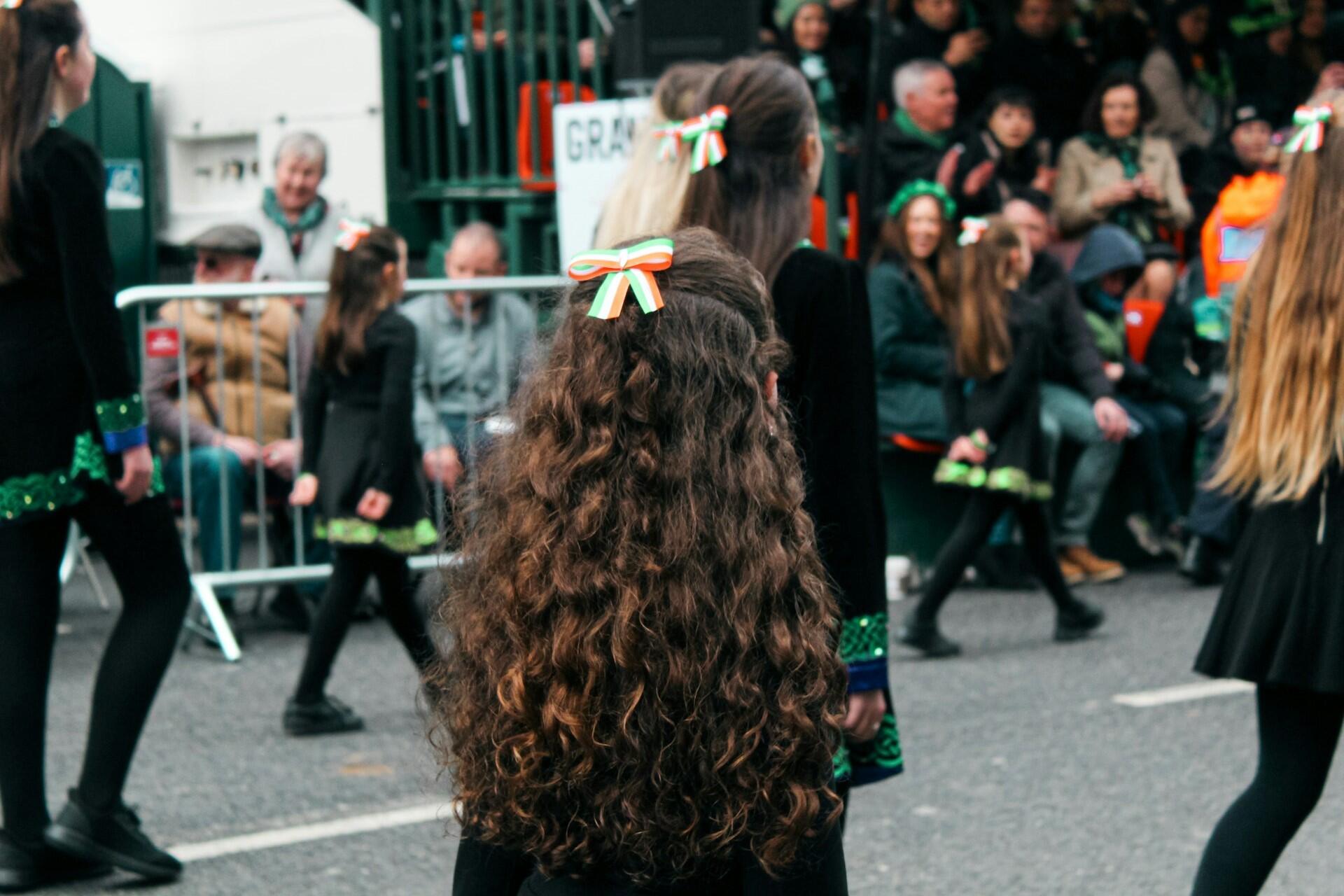
Many Irish slang words come from Hiberno-English, a unique version of English spoken in Ireland that blends Gaelic words, British influences, and local expressions. Some slang even dates back to Old Irish and Viking settlements!
Common Irish Slang Words and Phrases
These Irish slang words are commonly used in everyday conversation. However, it’s important to understand the context and tone in which they are used. These Irish slang words are commonly used in everyday conversation. However, it’s important to understand the context and tone in which they are used. Some expressions are straightforward, while others depend heavily on delivery, facial expression, or familiarity between speakers.
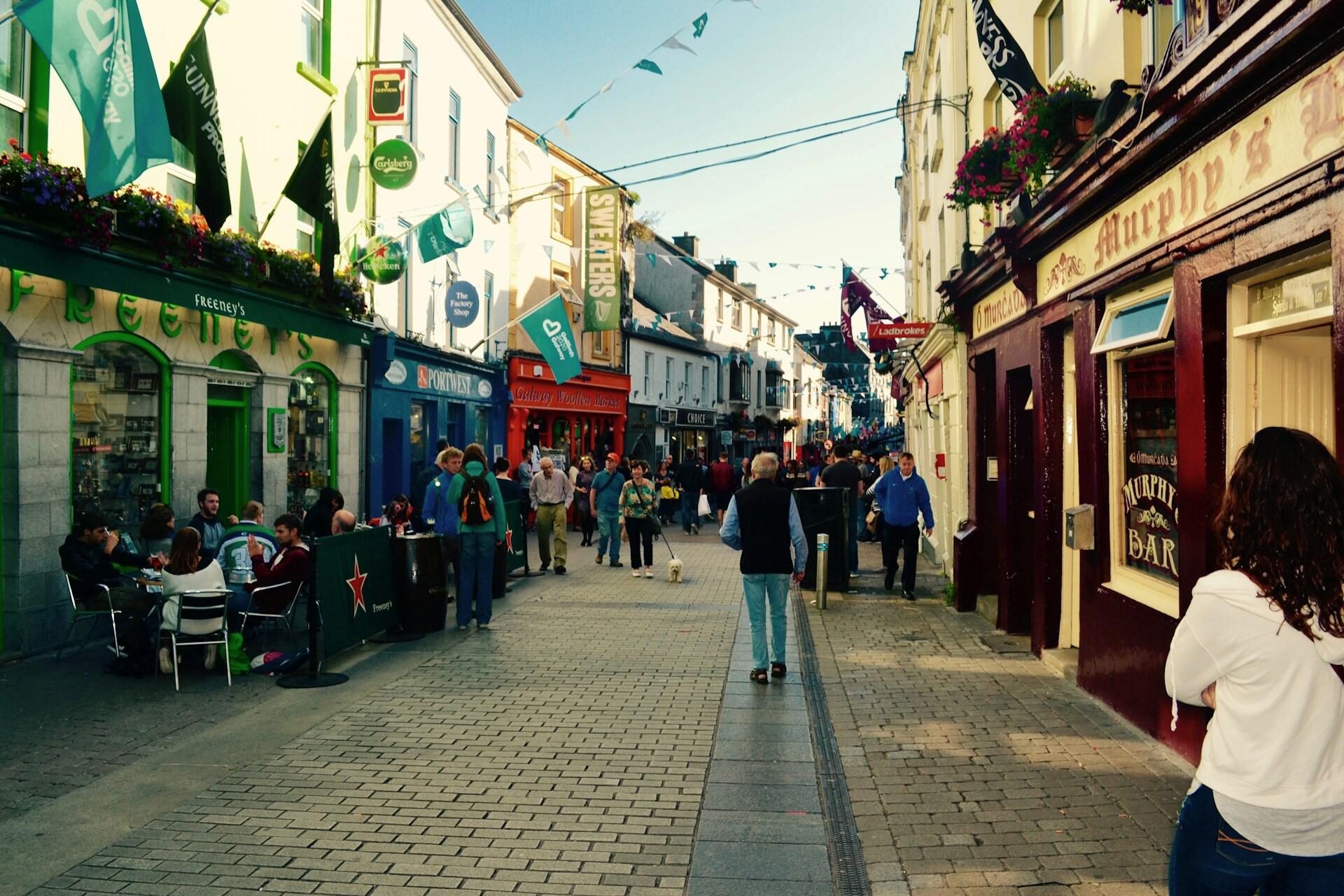
of the entire population of Ireland, forming the foundation for Irish slang and Hiberno-English.
Everyday Expressions
Irish slang features plenty of fun, colourful, and confusing expressions. These phrases regularly appear in conversations. Many of these expressions are flexible and can be used in a variety of situations. The same word might mean something slightly different depending on how it’s said, which is why listening to native speakers is often the best way to understand how they are used in practice.
Grand – Means "fine" or "okay." It can be used in many contexts:
- "How are you?" – "Ah sure, I’m grand." (I’m doing fine.)
- "The food was grand." (It was okay, nothing special.)
Deadly – Surprisingly, this means "brilliant" or "amazing" in Ireland.
- "That concert was deadly!" (The concert was amazing!)
Yer man / Yer one – A way of referring to a guy or a girl in conversation.
- "Did you see yer man over there?" (Did you see that guy over there?)
- "Yer one behind the counter is lovely." (The girl behind the counter is nice.)
Gaff – A slang word for house or apartment.
- "We’re having a party at my gaff tonight." (We’re having a party at my house.)
Feck – A milder version of a swear word, commonly used in frustration or surprise.
- "Ah feck it, I forgot my phone!"
Yoke – Used when you don’t know the name of something.
- "Pass me that yoke over there." (Pass me that thing.)
Sound – Means someone is nice or reliable.
- "He’s a sound fella, always willing to help."
Don’t be acting the maggot – A playful way of saying "Stop messing around" or "Stop being silly."
Gas – Means something is funny or entertaining.
- "She’s gas altogether!" (She’s really funny!)
In Irish slang, “deadly” doesn’t mean dangerous—it means amazing! If someone says, “That gig was deadly!”, they mean it was brilliant or fantastic. Other words with unexpected meanings include "grand" (fine), "scarlet" (embarrassed), and "banjaxed" (broken).
Common Irish Phrases
These expressions are widely used. They are widely used and often depend on tone and context. They're used when the situation requires. Unlike single-word slang terms, these phrases often carry tone or attitude. Some are sarcastic, some are reassuring, and others are deliberately vague, meaning you can communicate meaning without saying things too directly.
- “I will yeah.” – Means I definitely won’t! (Irish sarcasm at its best).
- “Sure, it’ll be grand.” – Everything will be fine / Don’t worry about it.
- “The craic was ninety.” – The atmosphere was amazing.
- “Would ya stop!” – A way of saying You’re joking! or I don’t believe you!
- “I wouldn’t be seen dead in that.” – Means you would never wear or do something.
- “You’re acting the maggot.” – Stop messing around.
- “He hasn’t a baldy notion.” – He has absolutely no idea.
- “Away with the fairies.” – Someone who is daydreaming or a bit eccentric.
Greetings and Responses
Greetings in Irish slang are often informal and can vary depending on the situation. Many are designed to keep conversation light and friendly, rather than overly formal or direct. You'll here these quite a bit.
- “How’s the form?” – How are you? / How have you been?
- “C’mere to me.” – Listen to me / Come here, I have something to tell you.
- “Ah, sure, look…” – A phrase used when explaining something or brushing it off.
- “You’re grand.” – You’re fine / No problem.
- “Aye” – Yes (Common in Northern Ireland).
Descriptive Terms
- “Chancer” – Someone who takes risks or pushes their luck.
- “He’s a right chancer, always trying to get free drinks.”
- “Banjaxed” – Broken or ruined.
- “My phone is banjaxed.”
- “Scarlet” – Embarrassed.
- “I tripped in front of everyone, I was scarlet.”
- “Eejit” – A fool, idiot (often playful).
- “Ah, ya big eejit!”
- Aul fella / Aul wan – Your dad or mum.
- “Me aul fella is always giving out.” (My dad is always complaining.)
- Go way outta that! – An expression of disbelief or surprise.
- “I won the lottery!” – “Go way outta that!”
- Manky – Dirty, disgusting.
- “That sandwich looks manky.”
- Ragin’ – Extremely annoyed.
- “I missed the bus, I’m ragin’!”
- Gom / Gombeen – A fool or someone who’s acting silly.
- “Don’t be such a gom.”
- On the lash – Going out for a big drinking session.
- “We were on the lash all weekend.”
- Leg it! – Run away quickly.
- “The teacher’s coming! Leg it!”
- Sure, you know yourself. – A way of saying You understand what I mean.
- “How was the weekend?” – “Ah, sure, you know yourself.”
- “Fluthered” – Very drunk.
- “Knackered” – Exhausted.
- “I’m knackered after work.”
- “I’m after…” – Used to describe something you just did.
- “I’m after losing my keys!” (I just lost my keys.)
- “The state of ya!” – A way of saying someone looks messy or tired.
The Meaning and Usage of 'Craic'
This is probably one of the most iconic Irish terms. However, most non-Irish people have difficulty understanding it. Its meaning depends on the situation, but the loosest translation is that the word “craic” means “fun”.
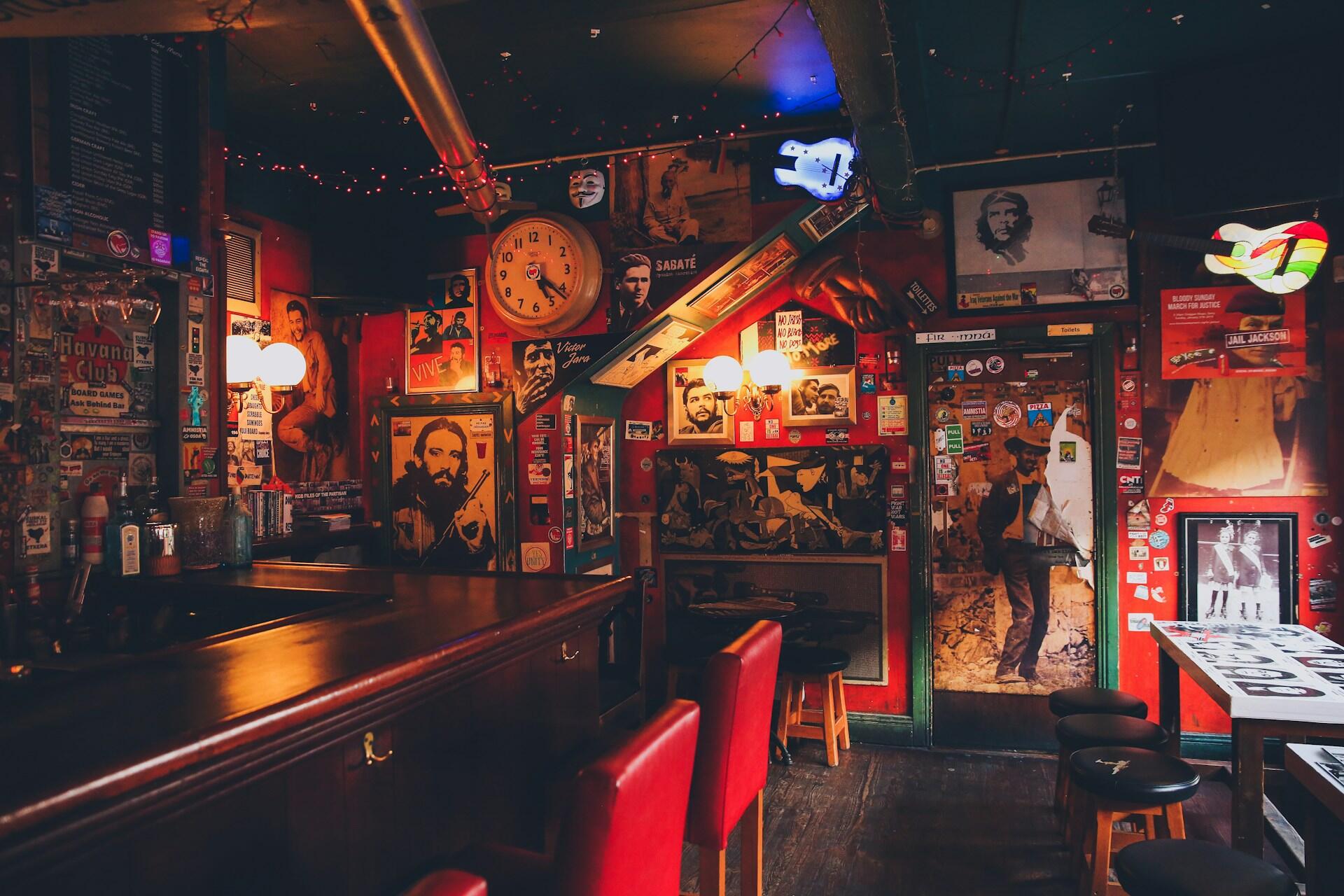
- “The craic was mighty.” – The night was great fun.
- “Any craic?” – Asking if there’s any news or gossip.
- “He’s great craic.” – That person is fun to be around.
- “The craic was ninety!” – The party or atmosphere was fantastic.
people speak Irish.
While "craic" is synonymous with Irish slang, it originated in Middle English before being re-adopted into Irish culture. Nowadays, it's easily one of the most recognisable and beloved Irish slang terms, though given its widespread and almost universal use in Ireland, can we really call it slang?
This means “What’s up?”, “How’s it going?”, or “Any news?”.
It’s a phrase used in casual conversation all over Ireland, and it can mean different things depending on the context. While “craic” (pronounced ‘crack’) often refers to fun and entertainment, in this case, it’s simply a friendly greeting.
Tips for Using Irish Slang Appropriately
You should learn these essential phrases (as well as numbers) before using them in your conversations. Understand them first and use them when appropriate with people you know well. Using them with strangers, especially if you're not Irish, may sound like you're making fun of them rather than appreciating their wonderful and unique slang.
Many Irish slang expressions rely heavily on tone and delivery rather than literal meaning. A phrase like “I will yeah” can mean the exact opposite depending on how it’s said. This use of understatement, sarcasm, and rhythm is a key feature of Irish conversation and is essential for understanding how slang works in real situations.
Irish slang extends beyond the words used. It includes how people speak, the tone of voice they use, and the context within which slang is used. Many Irish slang phrases typically blend humour, sarcasm, and warmth (though not always). Just remember that this slang is native to Irish people and not something that non-Irish people should adopt insincerely. Here are some examples of the terms in conversations.
At the Pub
- Bartender: “What’s the craic?” (What’s up?)
- You: “Ah, not much, just here for a pint.”
- Bartender: “Grand, enjoy yourself.” (Okay, have a good time.)
Describing Someone
- "Yer man over there is acting the maggot again."
- (That guy is messing around and being silly.)
- "She's gas altogether!"
- (She's really funny!)
Talking About a Fun Night Out
- "Last night was class! The music was deadly, and the craic was ninety!"
- (The night was amazing, and the atmosphere was fun.)
Reacting to Something Surprising
- "Go way outta that!"
- (No way! I don't believe you!)
- "Feck sake, not again!"
- (Oh no, not this again!)
Everyday Use in Conversation
Certain slang words are used daily, whether you're greeting someone, describing a situation, or reacting to news.
- "I'm knackered after work."
- (I'm exhausted after work.)
- "Sure look, it'll be grand."
- (Don't worry, it'll be fine.)
- "He's a sound lad."
- (He's a good guy.)
Beyond being unique, Irish slang is also quite humorous, especially to those not used to it. At first, these expressions and sayings won't make much sense, but they're mostly charming and witty and, at the very least, enough to make the corners of your mouth turn up slightly. It's also worthwhile learning how to say the days of the week, months, and seasons.
Regional Variations in Irish Slang
A language is a world.
Ludwig Wittgenstein
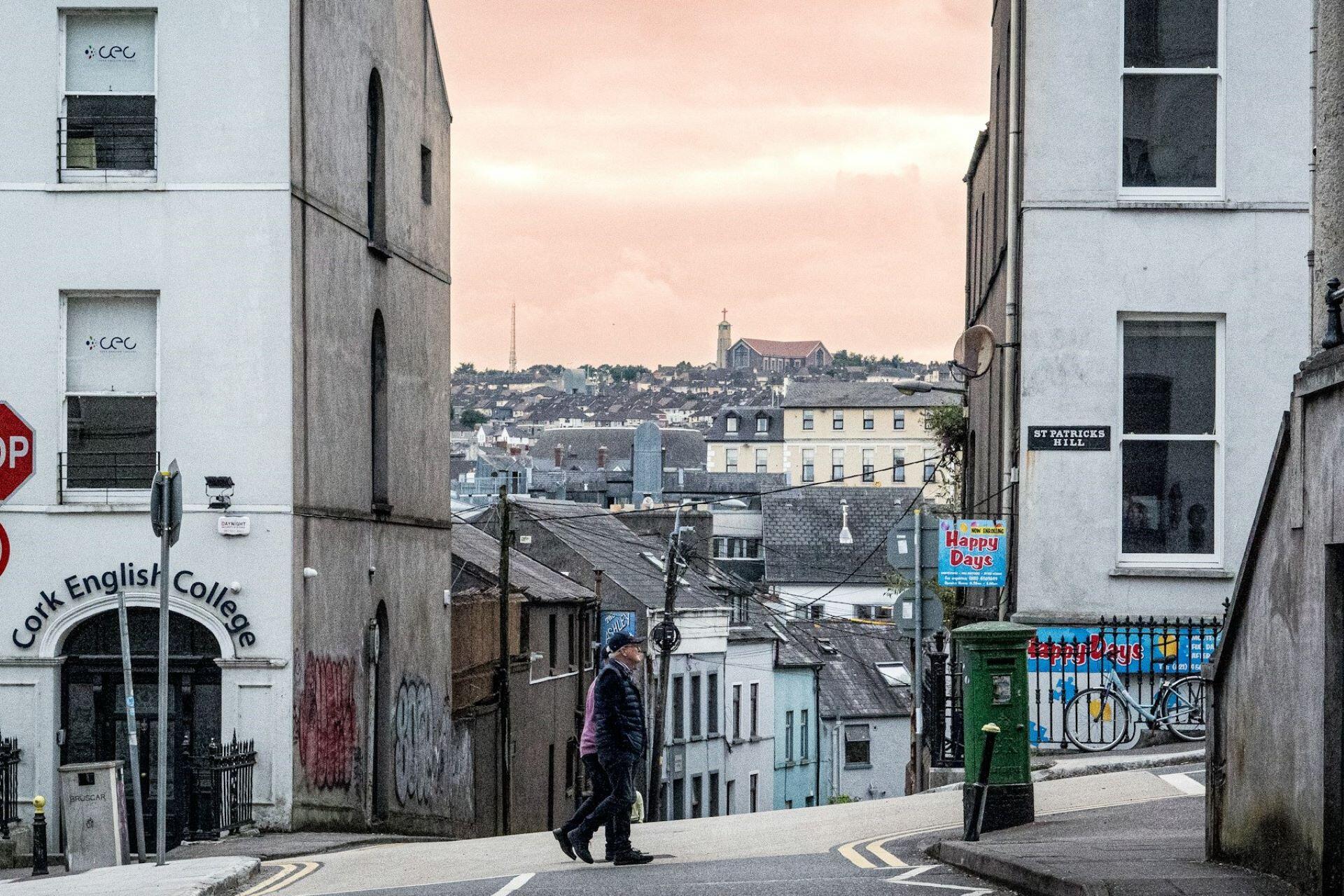
Irish slang varies by region, with expressions in Dublin, Cork, and Galway often differing. Some phrases are used across the country, while others are more local. Here's a useful quick-reference table with the words, their meanings, and an example usage.
| Region / Association | Expression | Meaning | Notes |
|---|---|---|---|
| Dublin | old segotia | friend / pal | Traditional Dublin slang for a friend |
| Dublin | story horse? | what’s up? / how are things? | Common Dublin greeting |
| Cork / Leeside | langer | idiot; insult | Strongly associated with Cork |
| Dublin / urban | culchie | person from rural Ireland | Used by Dubliners for non-urban people |
| West of Ireland | How’s she cuttin’? | how’s it going? | More common in rural speech |
| Northern Ireland / Belfast | bout ye? | how are you? / hello | Common greeting in Northern Ireland |
Resources for Learning More
If you'd like to study the Irish language further, there are plenty of tutors on the Superprof website. Simply search for "Irish" to browse profiles of potential tutors. With many tutors offering a free first session, you can always try a few before choosing the one that's right for you, your budget, and how you like to learn. Even if there aren't any local tutors, you can always learn online, which is just as effective as face-to-face tutoring when it comes to learning languages.
Summarise with AI:
Did you like this article? Leave a rating!


 Loading...
It was Grand!