
A nation without a language is a nation without a soul.
Douglas Hyde, first President of Ireland and founder of the Gaelic League
Millennia of traditions and culture can't be distilled into a single article, but here, we'll do a whirlwind tour of some key aspects of Irish culture. Naturally, not every cultural practice has made it, but if there are any aspects of Irish culture you think we should include, you can let us know in the comments. Here's the history, language, music, and traditions that make up Irish culture.


What Defines Irish Culture and Traditions
Irish culture and traditions have a centuries-old history. They include shared customs and the sense of community. From ancient Celtic beliefs to modern social life in Ireland, the culture reflects traditions and adaptation. Many traditions remain part of everyday life, and while it's not entirely homogeneous, like any other culture, understanding some key commonalities is a good way to gain insight into Irish culture and why it still matters today.
Irish traditions refer to the customs, beliefs, and practices passed down through generations across Ireland. These include music, language, festivals, storytelling, and community life, many of which date back to ancient Celtic society. Today, Irish traditions continue to shape daily life while adapting to modern culture.
Irish culture is deeply rooted in ancient Celtic society. This society shaped early beliefs, rituals, and worldviews in this part of the world long before written history. Celtic traditions were often preserved through storytelling, rituals, and spiritual practices, many of which were tied to the natural world. These beliefs still influence Irish culture today, especially in folklore and festivals.
years of documented Irish history. Beyond that, we have evidence for Irish culture before then.
Irish Traditions Passed Down Through Generations
Irish traditions were sustained through family life, local communities, and informal social practices for centuries. Customs were transmitted orally, and stories, beliefs, and social values survived even periods of upheaval. These traditions connect generations while reinforcing cultural identity.
Storytelling has long been central to Irish culture, with traditional storytellers known as seanchaí preserving myths, legends, and local history. These figures played an important role in rural communities before widespread literacy. Their influence is still seen in Irish literature, theatre, and spoken storytelling today.
Music and Dance in Irish Culture
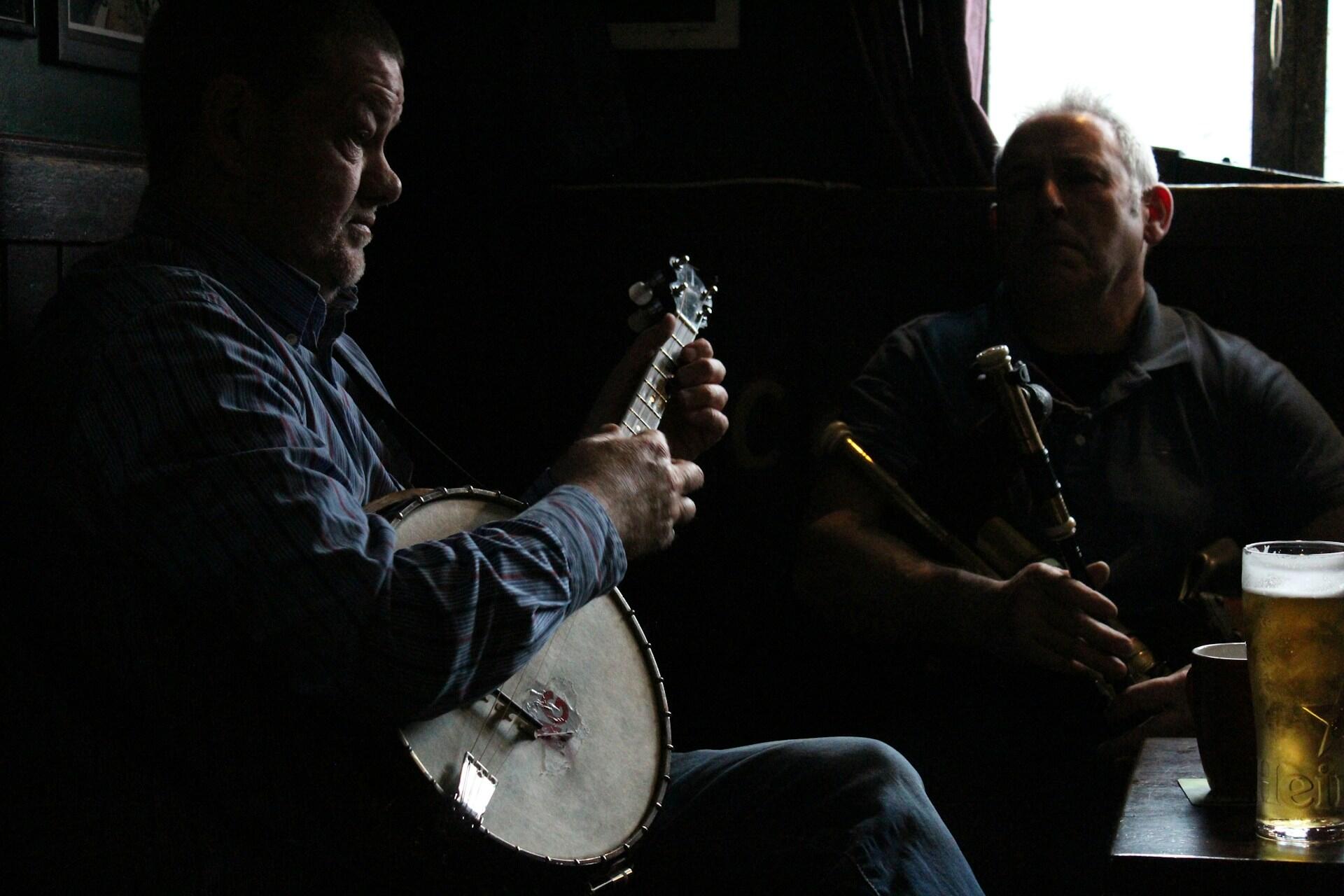
Like with many other cultures, music and dance are central to Irish culture. They're among the most recognisable elements of Irish culture and traditions to outsiders because they're much easier to export. Music and dance are practised both socially and professionally, from informal gatherings to large-scale performances. In Ireland, traditional Irish instruments and forms are popular and even influence modern Irish music and dance.
Irish Language as a Cultural Tradition
Since language and culture are almost inseparable, the Irish language remains a key component of Irish culture and an even more important symbol of national identity. Despite the historical decline of Irish language use, it's still present in education, media, and cultural initiatives. The language connects modern society with ancient traditions, and the preservation of the language is a key part of Irish cultural heritage.
people in the Republic of Ireland say they can speak Irish.
The Irish language is one of Europe’s oldest living languages and remains a core part of Irish cultural identity. Although English is widely spoken, Irish is taught in schools nationwide and spoken daily in Gaeltacht regions. Language preservation plays a key role in maintaining Irish culture and traditions.
Irish Literature, Theatre, and Storytelling
Since storytelling was a central part of Irish culture, literature and theatre naturally followed. Ancient myths became modern novels and plays, with Irish writers shaping global literary culture. Theatre plays a key role in cultural expression, too, with both these creative forms reflecting historical experiences and modern perspectives.
Irish Festivals and Cultural Celebrations
Festivals are a common way to celebrate Irish culture. Many of the events on the cultural calendar have their roots in ancient Celtic traditions and seasonal cycles. Celebrations are a way to bring communities together, and some are even so popular that they attract international attention.
Food, Drink, and Social Traditions in Ireland
Food, drink, and social traditions are central to Irish culture. Traditional Irish dishes reflect the agricultural history of the areas. The social traditions surrounding meals are a product of Irish culture throughout the century, with great significance placed on connection and hospitality.
Sport and Community in Irish Tradition
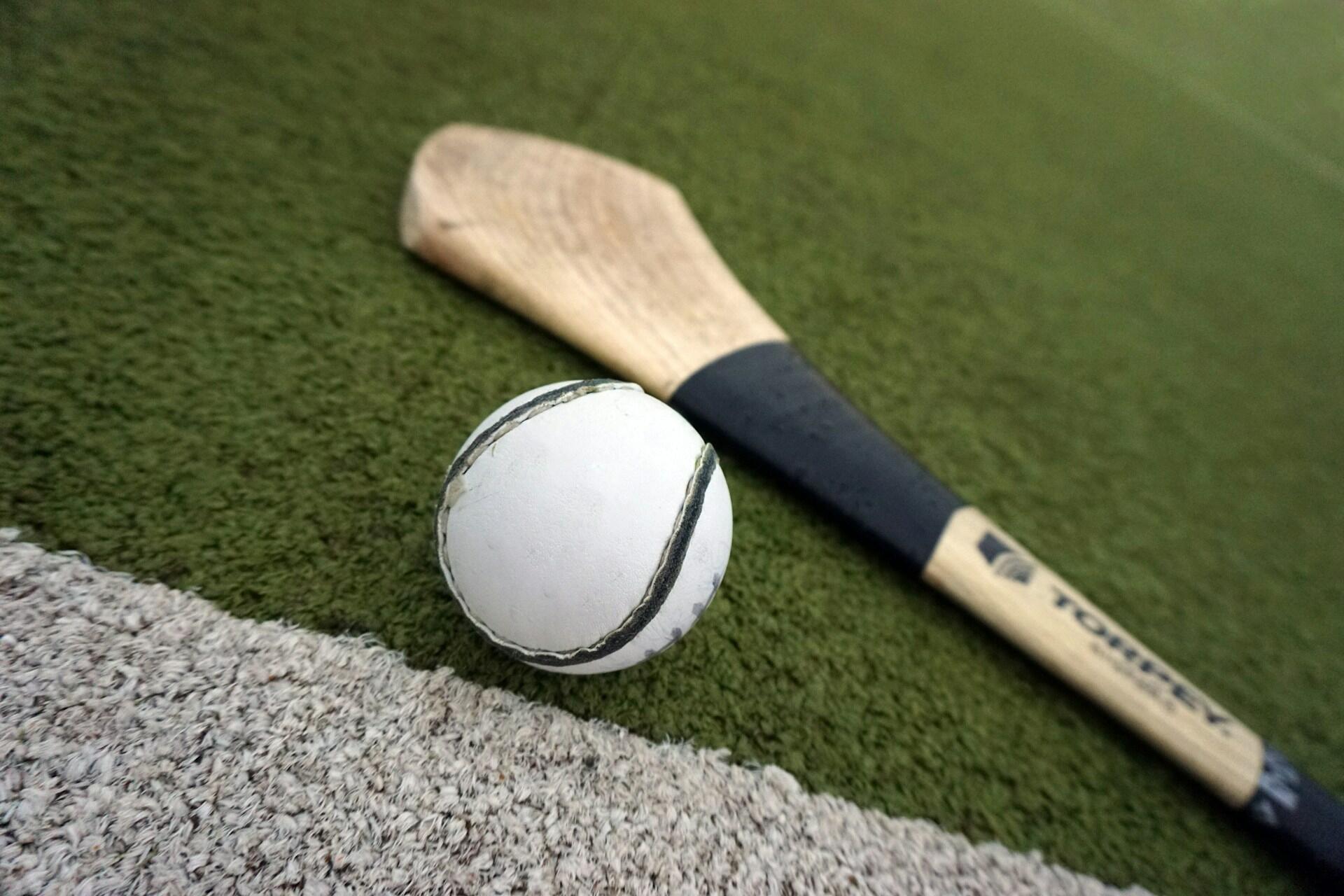
Sport is another key way in which Irish culture expresses itself. There are many uniquely Irish sports where participation and loyalty are far more critical than the overbearing commercial aspects of professional sports elsewhere in the world. Sporting events are central to Irish culture and a key part of the cultural calendar.
Irish Art, Architecture, and Heritage Sites
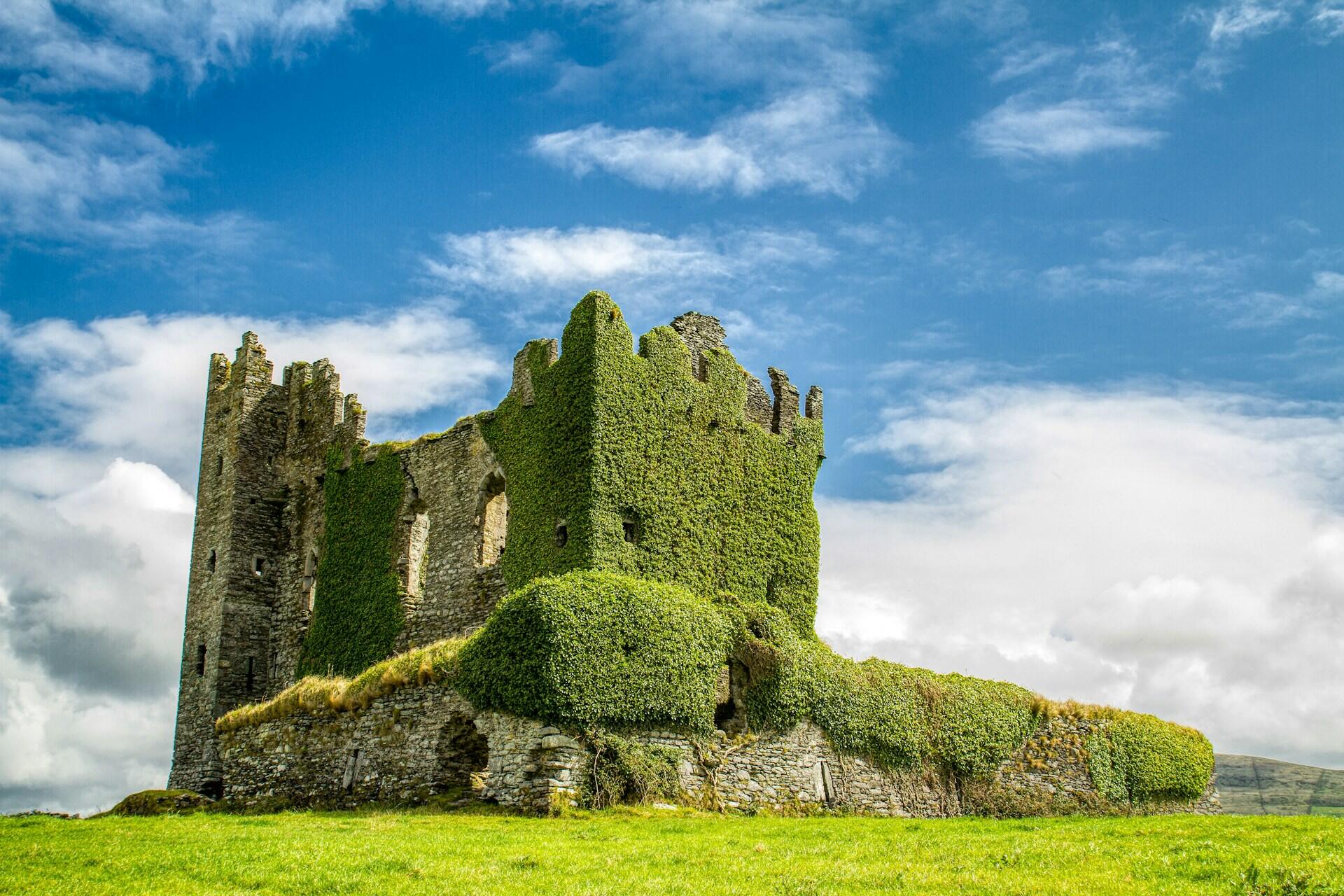
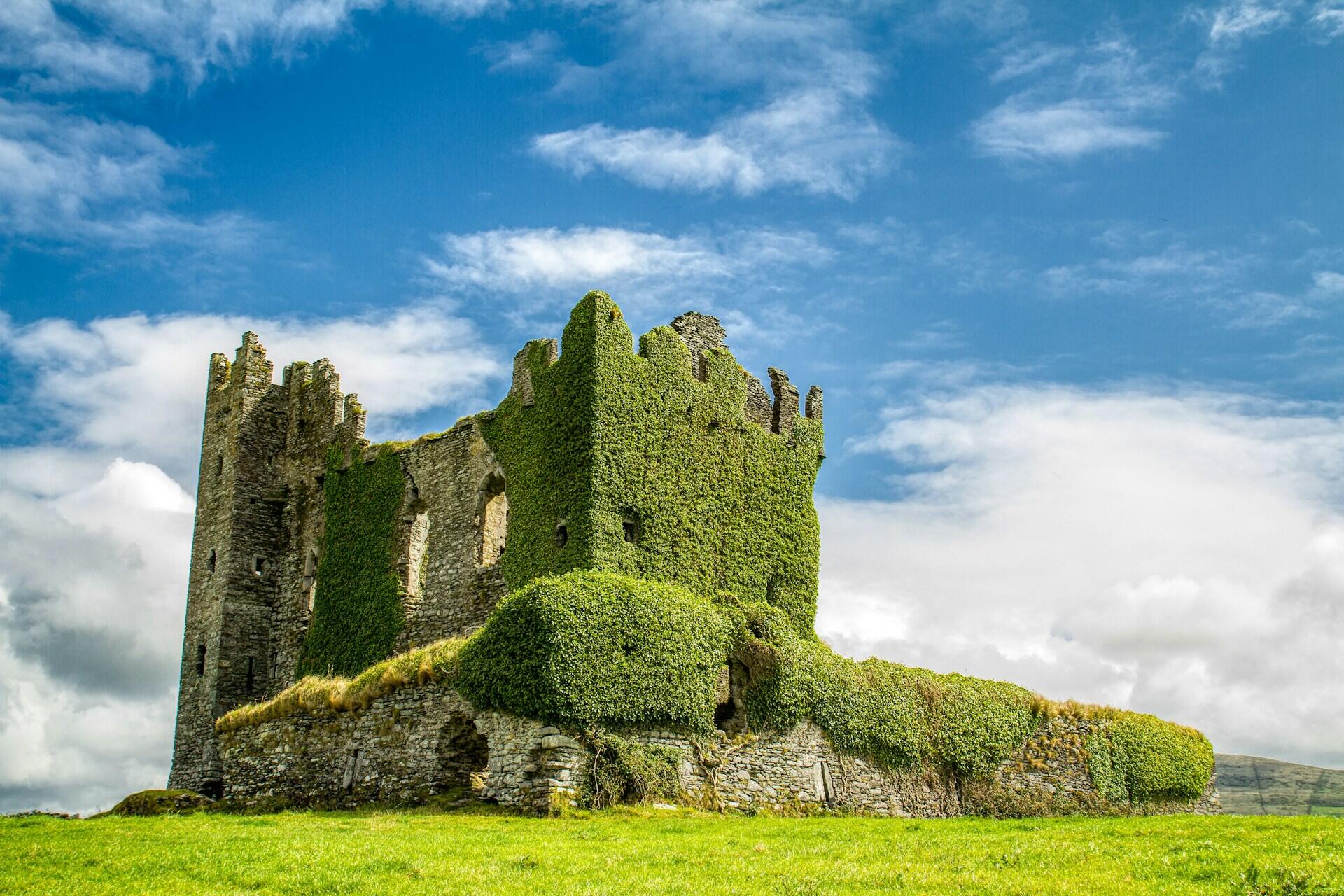
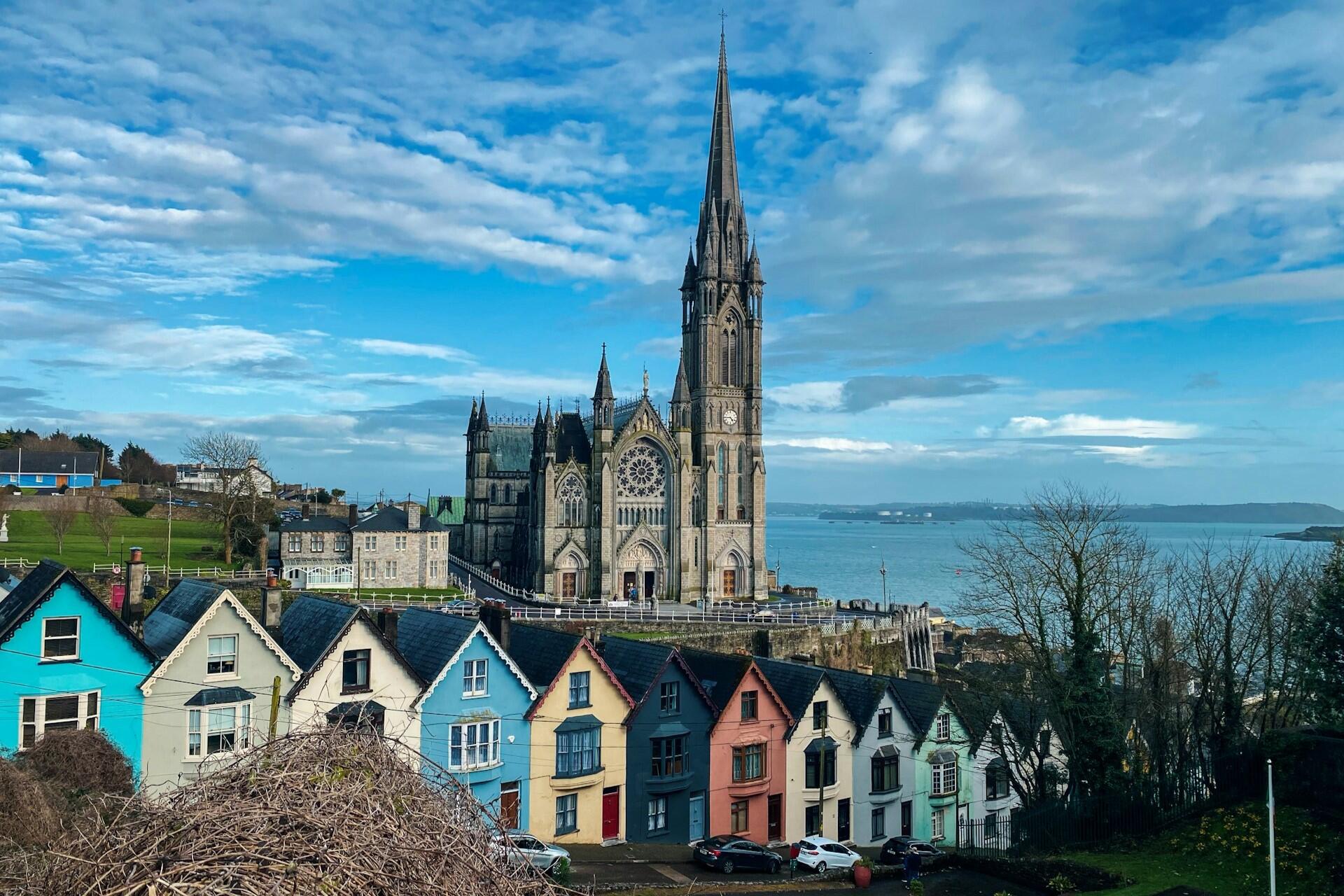
Irish art and architecture reflect millennia of cultural development. The country is home to everything from ancient monuments to modern architectural beauty. The country's visual culture tells the story of the island's past and present. Heritage sites help preserve and share Irish history, with art continuing to shape national identity.
Irish Culture Today in a Modern World
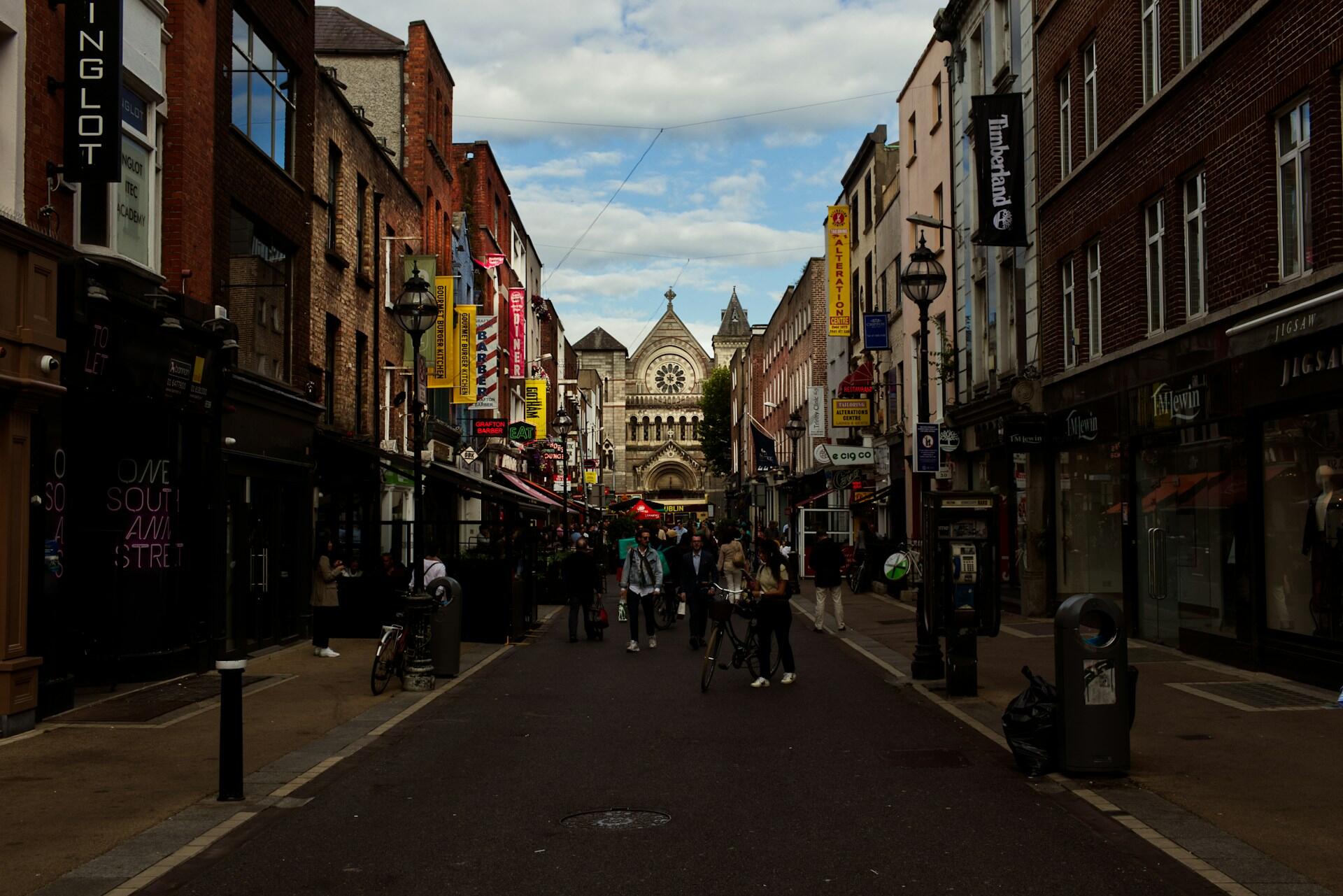
Today, Ireland retains its cultural traditions while also being part of the modern world. Through migration, technology, and changing social norms, Irish culture is expressed similarly to neighbouring and related cultures, but there are clear, visible Irish traditions and influences. Contemporary culture in Ireland is a blend of typically Irish and Celtic traditions, as well as modern Western sensibilities, technologies, and cultural practices.
Why Irish Culture and Traditions Are Important Today
Contemporary Irish culture shapes the identity of people in Ireland, influences local communities, and shapes how other cultures see Ireland, with famous Irish people often acting as ambassadors for this culture. Culture is a bridge between the past and the present. It often serves as a cultural shorthand for acceptable behaviours within society. Education and tourism are two areas where Irish culture is most prevalent, and it's likely where outsiders will first experience it firsthand.
Summarise with AI:
Did you like this article? Leave a rating!

 Loading...