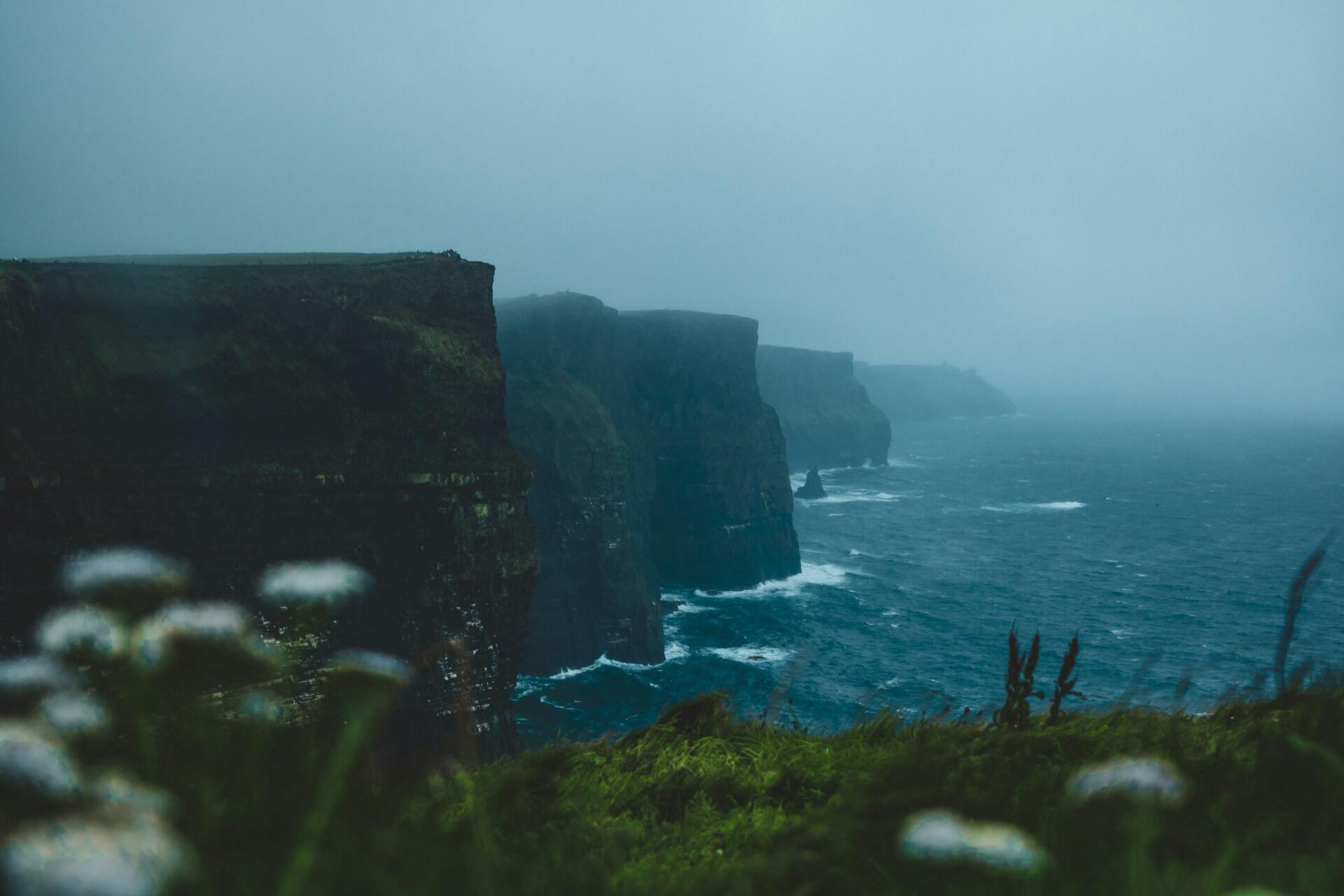

There is a war between the living and the dead, and the Irish stories keep harping upon it.
William Butler Yeats, The Celtic Twilight
Irish mythology includes a captivating collection of ancient legends, heroic tales, and mystical beings. These have shaped Ireland's cultural identity and are deeply rooted in Celtic traditions, evolving through oral storytelling, manuscripts, and modern adaptations.
Key Takeaways
- Irish folklore is rooted in over 2,000 years of Celtic tradition, blending mythology, history, and storytelling
- Many stories were preserved through oral tradition before being recorded in medieval manuscripts and modern archives, such as UCD collections
- Famous figures like Fionn Mac Cumhaill and Cú Chulainn appear in key mythological cycles
- Supernatural elements such as fairies, banshees, and the Otherworld are central to Irish myths and folktales
- Irish folklore continues to shape culture, literature, and national identity in Ireland today


Origins and Evolution of Irish Folklore
Irish folklore has deep roots in the island's early history. It reflects a blend of belief systems that developed over centuries. Long before anything was written down, stories were shared orally, allowing traditions to pass from one generation to the next. This oral tradition helped preserve not only myths and legends, but also the values and worldview of the communities that told them.
Over time, these stories were shaped by changing influences. What began as part of a Celtic belief system gradually evolved as new cultural and religious ideas arrived. Despite these changes, many core elements remained intact, allowing Irish folklore to retain a strong sense of continuity while adapting to new contexts.
years of Irish storytelling tradition.
Pre-Christian Roots
Early Irish monks recorded myths in texts like the Book of Leinster, helping preserve Irish folklore despite invasions and cultural shifts.
Impact of Christianity
Oral Tradition and Preservation
Major Themes in Irish Folklore
These stories are more than just fantastical tales. They reflect the beliefs and experiences of the people who first told them while echoing similar themes for modern audiences. Irish mythology is closely linked to the Gaelic language and Celtic traditions, as well as Welsh, Scottish, and Norse mythologies. They reflect the values and heroic ideals of the Celtic world. Understanding these cycles, from the divine beings and mythical Irish creatures who shaped the land to the legendary warriors who defended it, can make Irish mythological storytelling a little clearer.
Mythological Creatures
Fairies (Aos Sí)
The Aos Sí are supernatural beings in Irish folklore, often linked to ancient Irish gods such as the Tuatha Dé Danann. They are believed to inhabit an invisible realm alongside the human world, often associated with fairy forts, hills, and ancient burial mounds. In traditional belief, they could be either helpful or dangerous, so people took care to show respect and avoid actions that might provoke them.
An introduction to the Tuatha Dé Danann and their role in Irish mythology.
Leprechauns
Leprechauns are small, solitary fairy figures often depicted as shoemakers in Irish folklore. They are strongly associated with hidden gold and are said to guard pots of treasure, often imagined at the end of rainbows. While modern portrayals tend to be playful, earlier stories depict them as cunning tricksters who use wit and deception to avoid capture.
Banshees
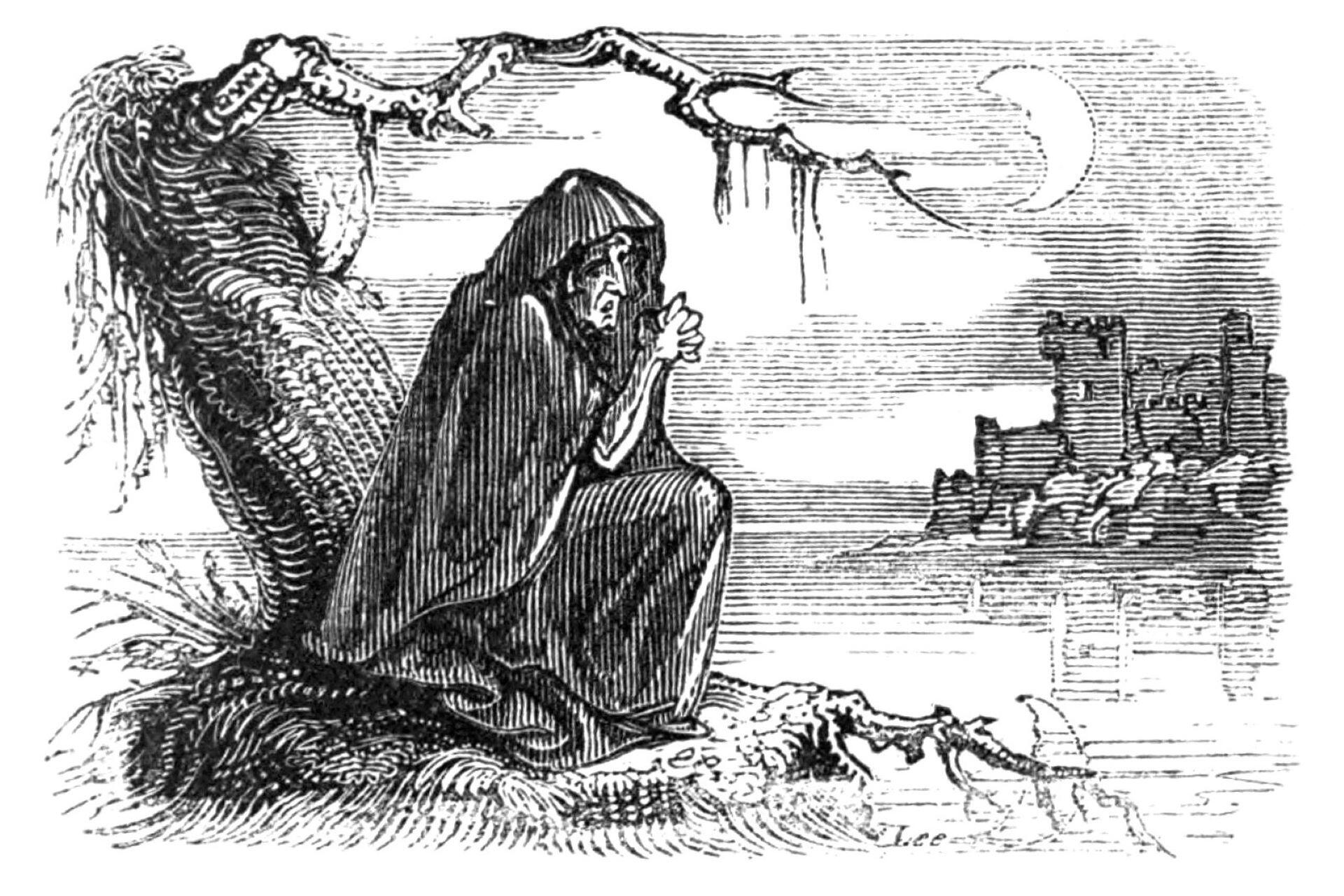
The banshee is a female spirit in Irish folklore whose mournful cry is said to signal an impending death within a family. Her name comes from the Irish "bean sí," meaning "woman of the fairy mound," linking her to the supernatural world. Stories about banshees are often associated with particular families. They are passed down through generations as part of Ireland's oral tradition.
Heroic Sagas
Irish myths, particularly from the Fenian Cycle, share themes of heroic warriors and magical quests, similar to King Arthur’s knights.
Fionn Mac Cumhaill and the Fianna
Fionn Mac Cumhaill was a legendary warrior from the Fenian Cycle. He led a band of heroic warriors known as the Fianna. He was known for his wisdom and strength and his connection to the mystical and natural worlds.
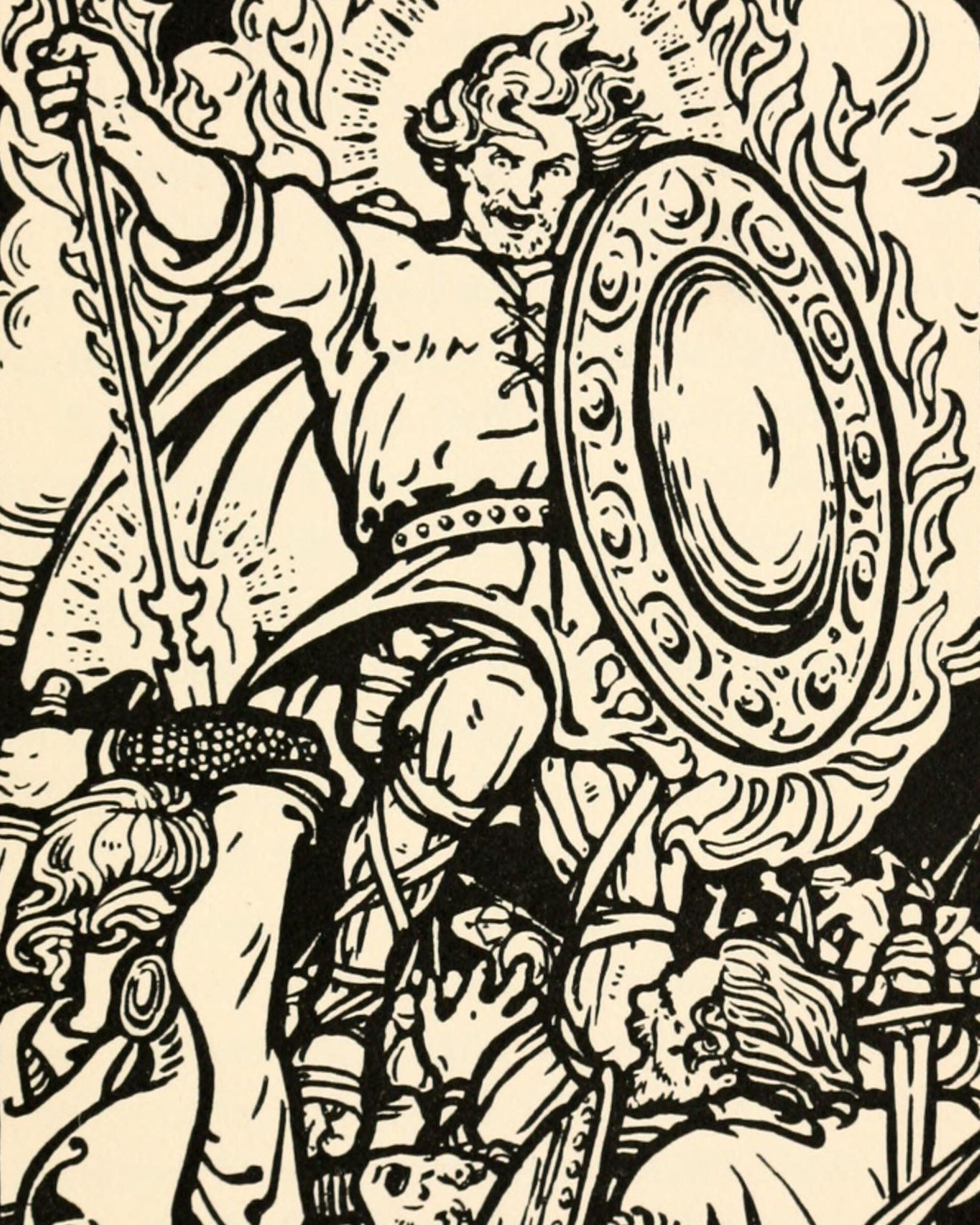
Key parts of his legend:
- The tale of The Pursuit of Diarmuid and Gráinne tells of how Fionn’s fiancée, Gráinne, fell in love with his warrior Diarmuid, leading to a tragic pursuit.
- As a boy, he gained great wisdom by accidentally tasting the Salmon of Knowledge, granting him access to all the world’s knowledge.
- He led the Fianna, a warrior group dedicated to protecting Ireland and living by a strict code of honour.
The Boyhood of Fionn Mac Cumhaill
The origin story of Fionn, including his gaining of wisdom by tasting the Salmon of Knowledge.
The Pursuit of Diarmuid and Gráinne
A tragic tale of love and betrayal, in which Gráinne, the fiancée of Fionn, falls in love with his warrior Diarmuid.
The Giant’s Causeway Legend
One of the most famous myths in Ireland, which tells how Fionn built a path to Scotland to challenge the Scottish giant, Benandonner.
Cú Chulainn and the Ulster Cycle
Cú Chulainn is a hero of the Ulster Cycle. Because of his incredible strength, courage, and warrior skills, he could be compared to Achilles.
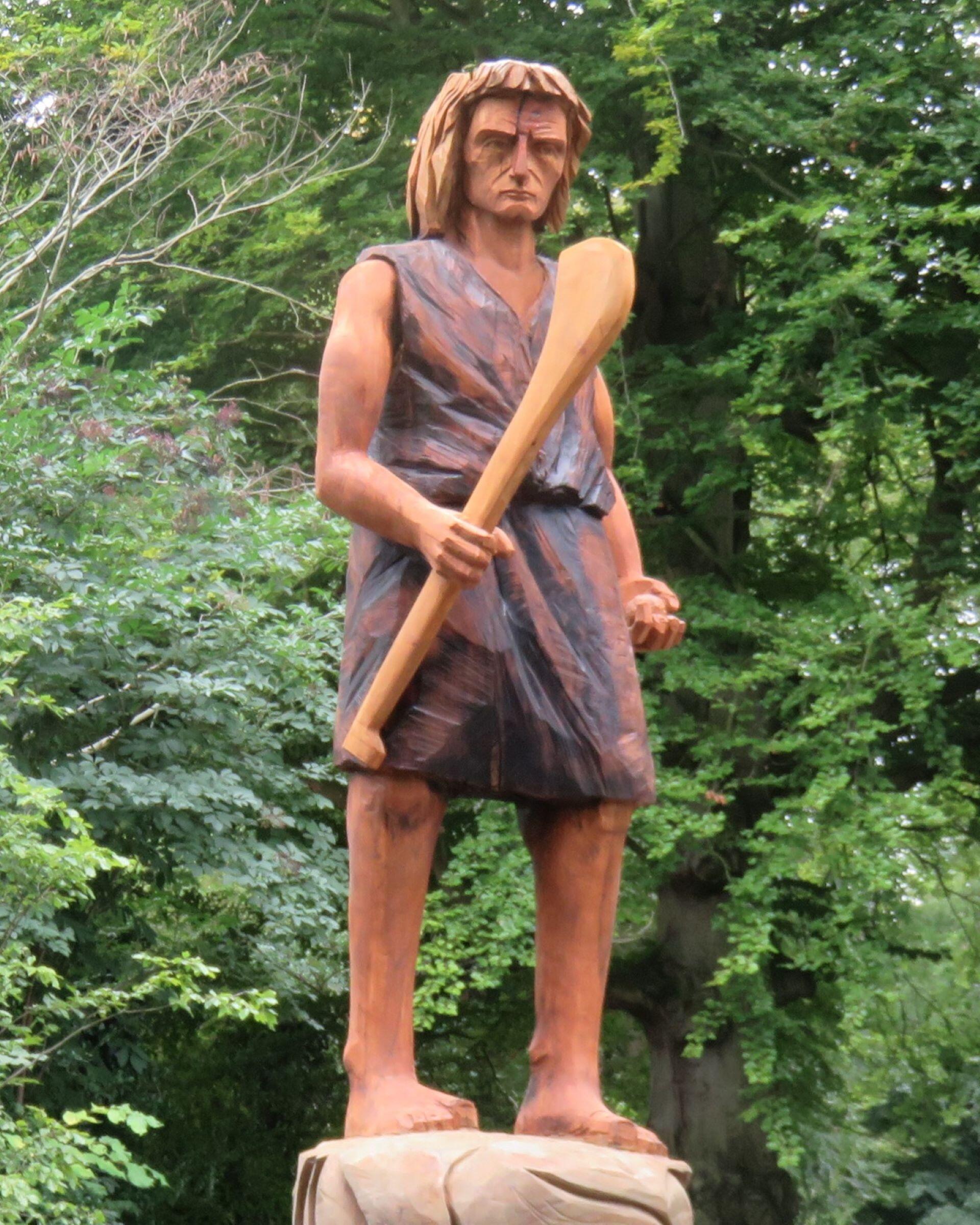
His legend includes famous aspects such as:
- He single-handedly defended Ulster in the Táin Bó Cúailnge (Cattle Raid of Cooley), battling entire armies while under the influence of his famous battle frenzy (ríastrad).
- His tragic death, foretold in prophecy, was brought about by deception and the use of his own supernatural weapons against him.
- As a child, he displayed superhuman abilities, earning his name after slaying the guard dog of the blacksmith Culann.
Táin Bó Cúailnge (The Cattle Raid of Cooley)
One of Ireland’s greatest epic stories, detailing how Queen Medb of Connacht waged war against Ulster to steal a prized bull.
The Boyhood Deeds of Cú Chulainn
The origin story of Ireland’s most famous warrior, including his legendary battle rage (ríastrad).
The Curse of Macha
A tragic tale explaining why the men of Ulster were cursed with great weakness in times of war.
Supernatural Elements
The Otherworld (Tír na nÓg)
The Otherworld in Irish mythology is a supernatural realm often described as a place of eternal youth, beauty, and abundance. Tír na nÓg, meaning “land of the young,” is one of its most well-known forms. It is frequently depicted as a distant or hidden place that can only be reached through magical means, where time passes differently from the human world.
Shape-shifting and Magic
Shape-shifting and magic appear frequently in Irish folklore, often linked to gods, druids, and supernatural beings. Characters could change form into animals or other shapes, a key symbol of the fluid boundary between the natural and the supernatural. These elements reinforced the idea that the world was influenced by unseen forces and hidden knowledge.
Folklore in Irish Festivals and Traditions
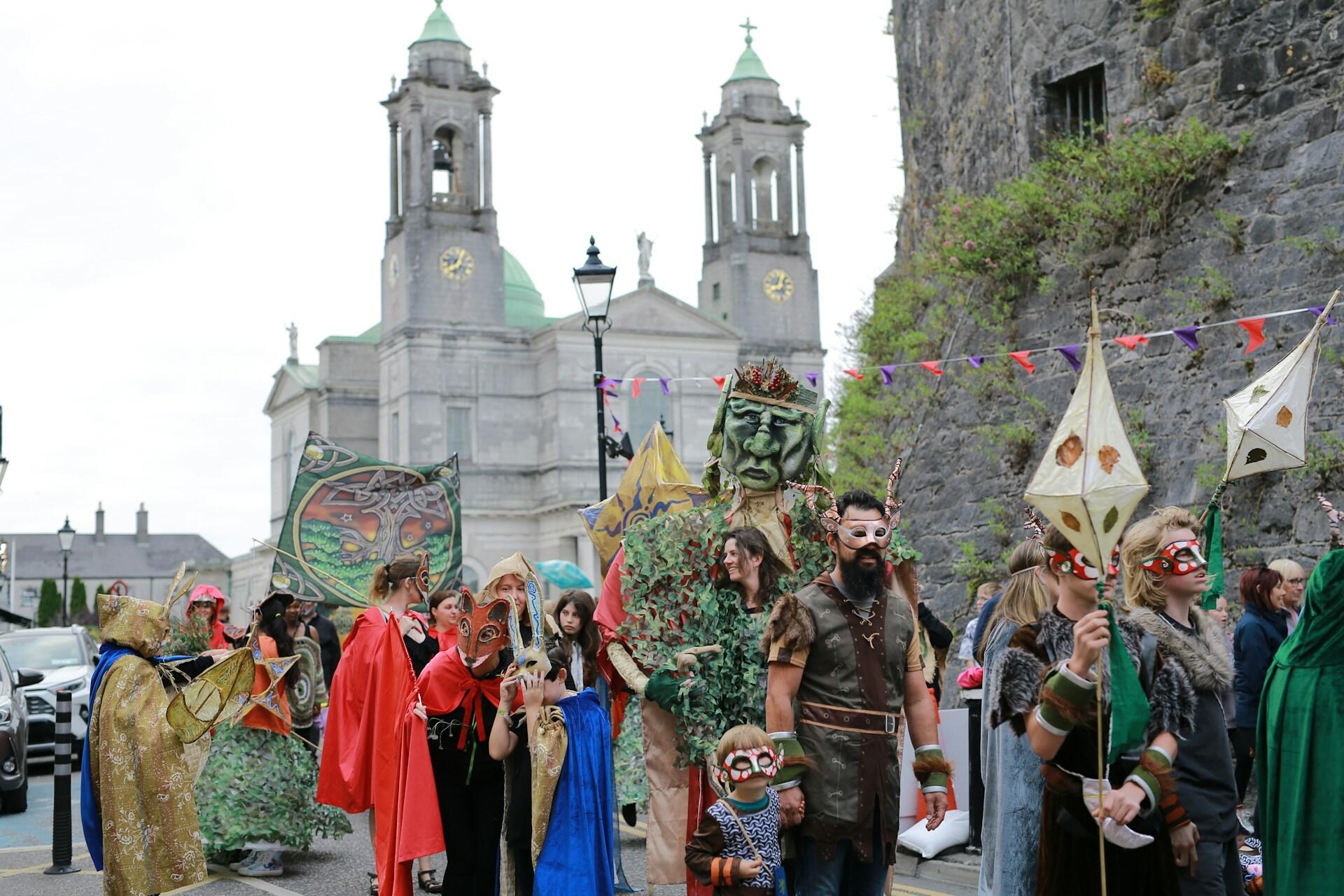
Across Ireland, there are many festivals and traditions based on mythology, including Samhain, Lughnasadh, and St. Patrick's Day. They use Irish music, dance, and storytelling to keep these legends alive.
Samhain and Halloween
Imbolc and St. Brigid's Day
Beltane and May Day
Influence of Irish Folklore on Modern Culture
The myths of Celtic gods, warriors, and magical beings still inform how stories are told today and how Irish heritage is understood. Elements of Irish mythology appear in films and animated works, including The Lord of the Rings, The Secret of Kells, and Song of the Sea. It also appears in music and even on Irish tattoos.
Literature and Art
manuscript pages preserved in Irish folklore archives
Film and Media
Tourism and Cultural Identity
Interested in exploring Irish folklore, mythology, and traditional stories in more detail? A Superprof tutor can help you read Irish folktales, understand Celtic myths, and connect with Ireland’s cultural history through language and storytelling. Start learning today and discover how these legends continue to shape Irish culture and identity.
Summarise with AI:
Did you like this article? Leave a rating!

 Loading...