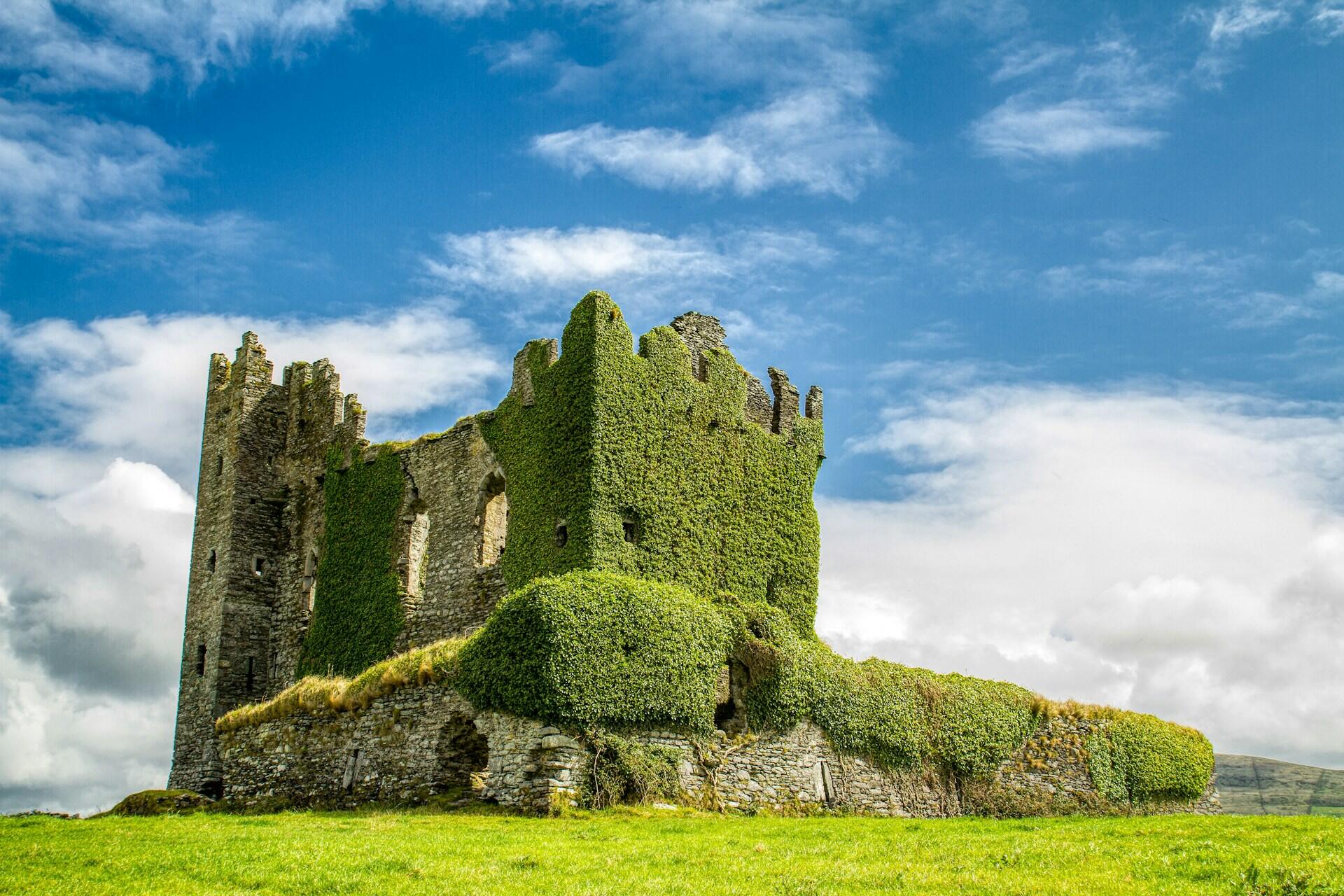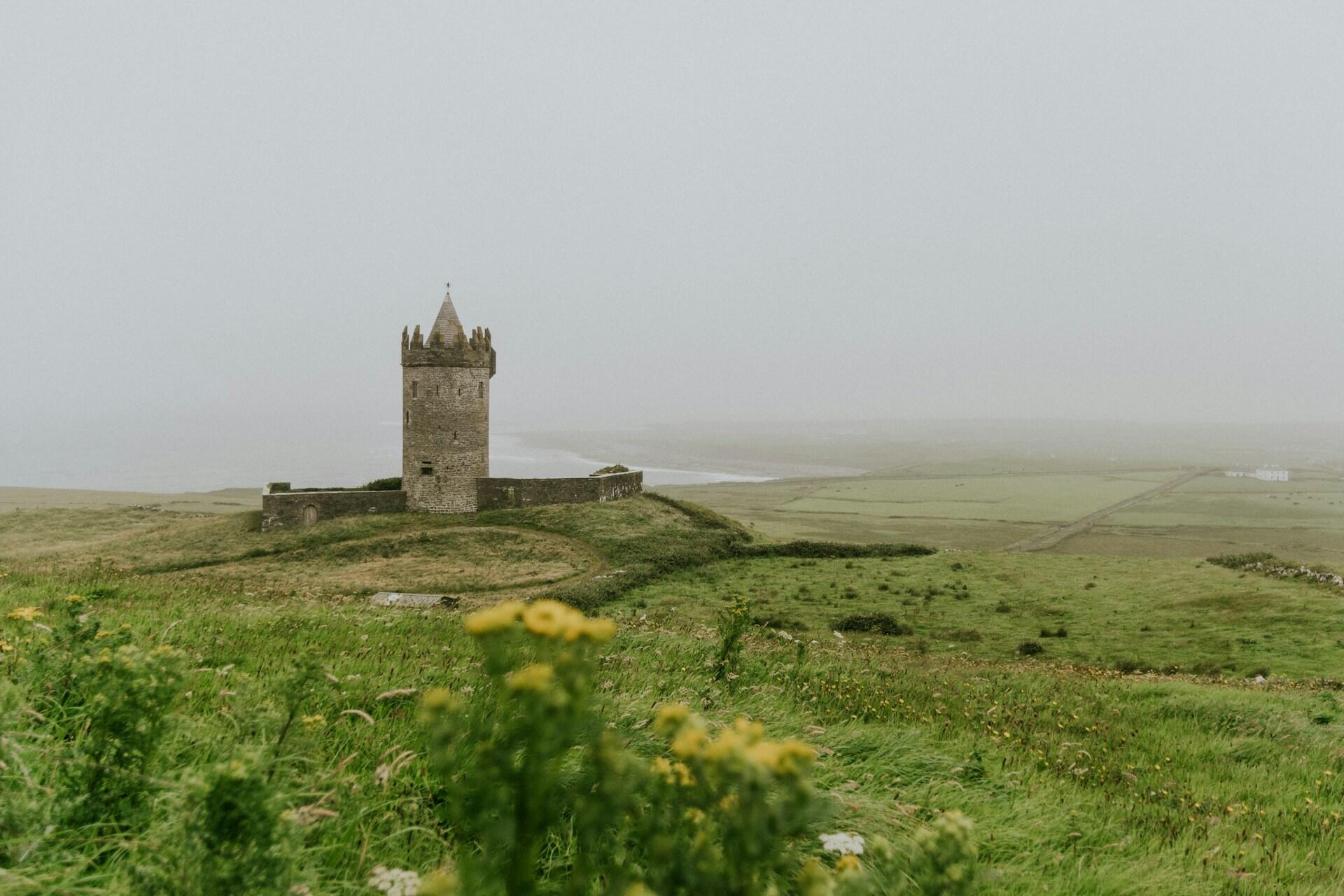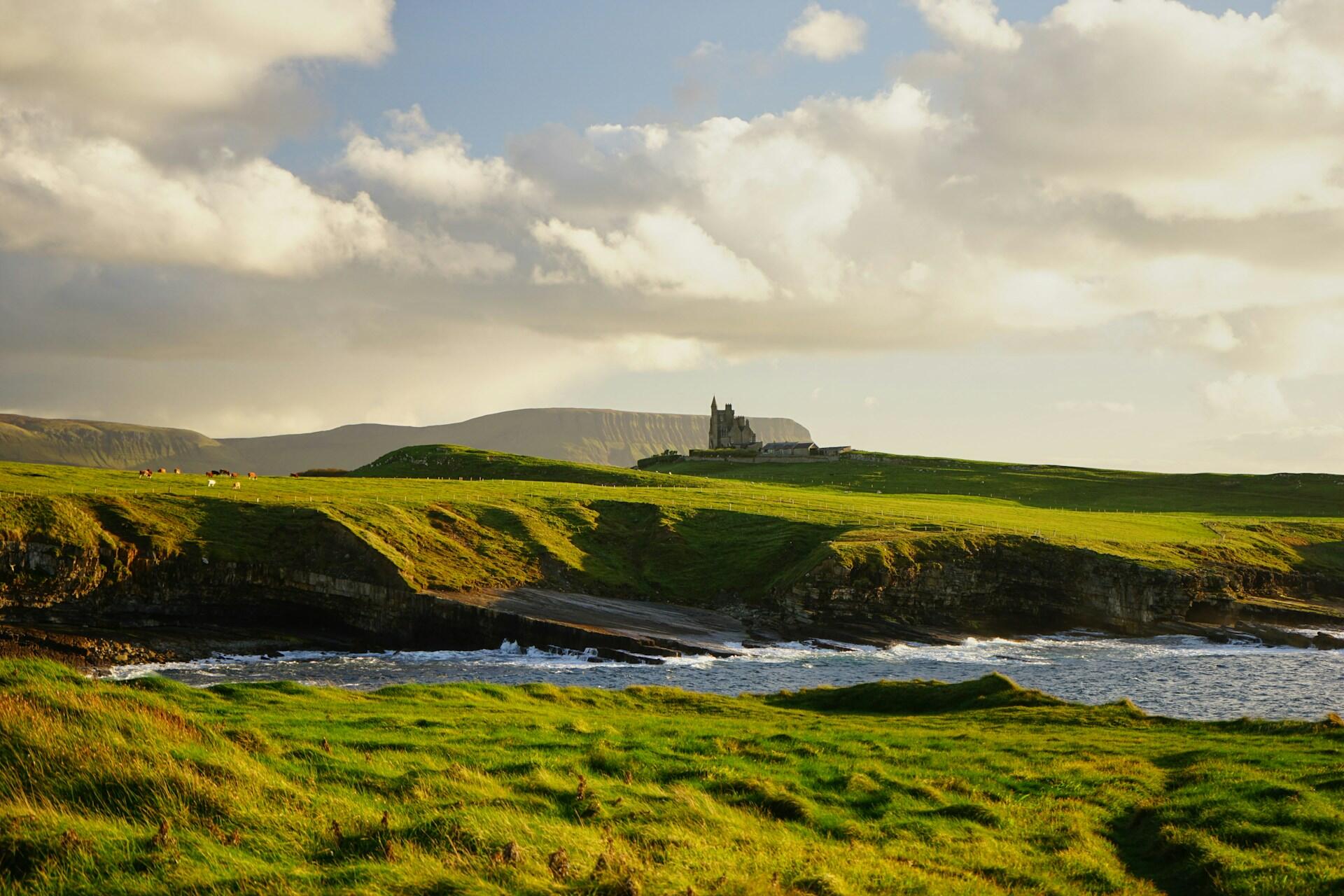

Ireland is a land of poets and legends, of dreamers and rebels. All of these have music woven through and around them. Tunes for dancing or for weeping, for battle or for love.
Nora Roberts, Tears of the Moon
Ireland is a fascinating place with a long history and distinctive culture. Ireland is far more famous than other places of a similar size and population, and with good reason. From historical events to culture and famous writers, here are 10 of our favourite facts about Ireland.
Key Takeaways
- Ireland is the third-largest island in Europe, covering about 84,000 square kilometres.
- The island is divided into two political entities: the Republic of Ireland and Northern Ireland.
- Ireland traditionally consists of 32 counties, grouped into four historic provinces.
- Dublin is the largest city and the political and economic centre of the country.
- The Republic of Ireland recognises Irish and English as its official languages.
- The Republic of Ireland has a population of over 5.4 million people.
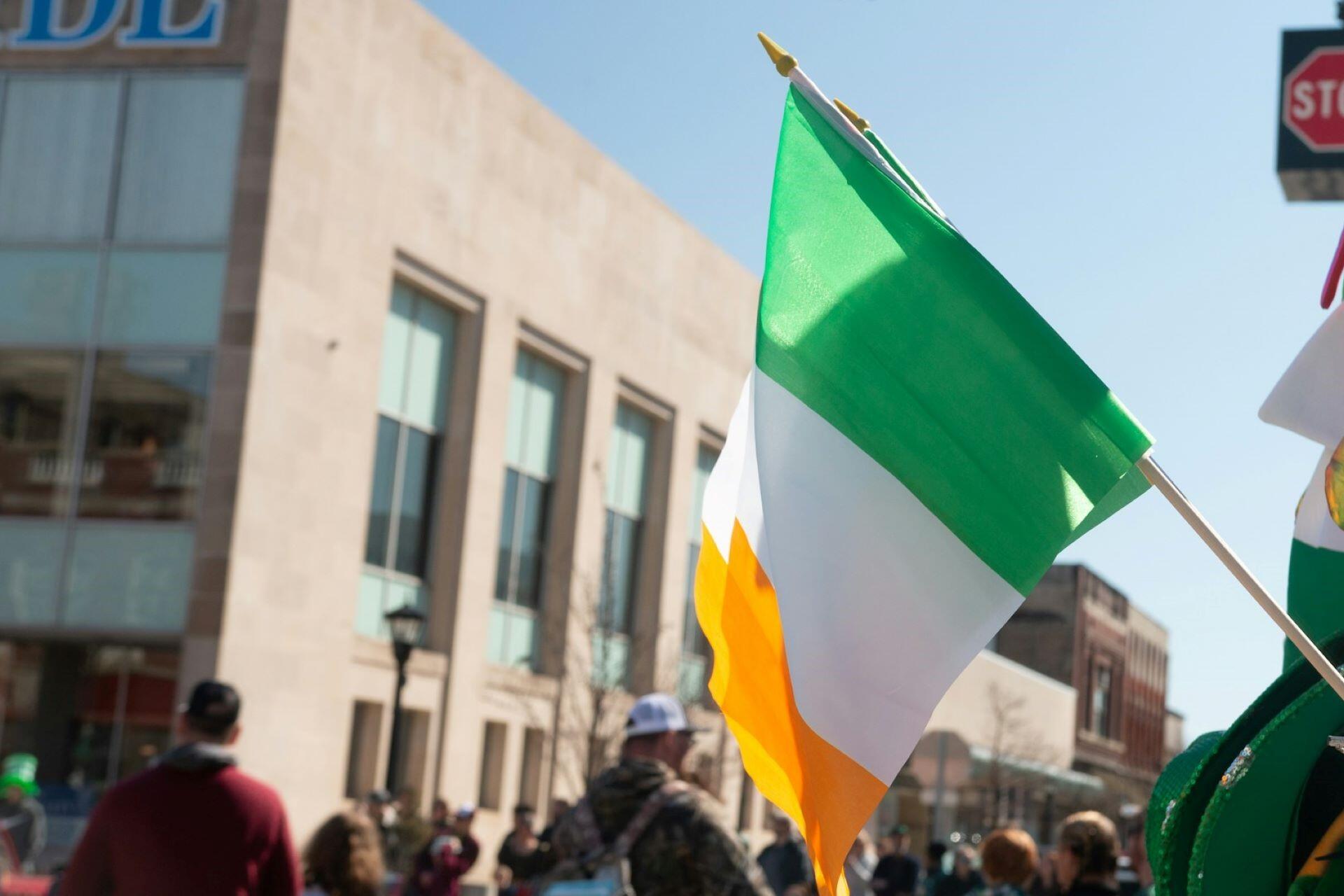
- St Patrick’s Day originated in Ireland and is celebrated worldwide on 17 March.
- Ireland is often called the Emerald Isle because of its green countryside.
- The Great Irish Famine (1845–1852) had lasting effects on Ireland’s population and society.
- Ireland has produced influential writers such as James Joyce, Oscar Wilde, and W. B. Yeats.


Ireland Is the Third-Largest Island in Europe
After Great Britain and Iceland, Ireland is the third-largest island in Europe. It's the twentieth-largest island in the world, too. It covers roughly 84,000 square kilometres. The Republic of Ireland makes up the majority, and the remainder is Northern Ireland, part of the United Kingdom.¹ The climate is largely influenced by the surrounding Atlantic Ocean, which creates mild temperatures and frequent rainfall. This helps create the lush green landscape that Ireland is famous for, but more on that later.
square kilometres.
The Island of Ireland Is Divided Between Two Countries
The island of Ireland is divided into two political entities: the Republic of Ireland and Northern Ireland. This division dates back to the early twentieth century, following the partition of Ireland after the Irish War of Independence. The larger portion of the island became the independent state of the Republic of Ireland. At the same time, Northern Ireland remained part of the United Kingdom.²
Republic of Ireland
- Independent sovereign state
- Capital city: Dublin
- Contains 26 counties
- Member of the European Union
- Uses the euro (€) as currency
Northern Ireland
- Part of the United Kingdom
- Capital city: Belfast
- Contains 6 counties
- Represented in the UK Parliament
- Uses the pound sterling (£) as currency
Ireland Traditionally Has 32 Counties
Ireland has been organised into 32 counties for centuries. The counties were important units of local governance under English rule from the medieval period onward and are still widely used today when describing places, identities, and even sporting loyalties.³
Ireland is traditionally divided into four provinces: Leinster, Munster, Connacht, and Ulster. These provinces date back to ancient Gaelic kingdoms and remain important cultural and sporting regions today. Although they are no longer used as administrative divisions, the provinces still play a significant role in Irish identity and history.
Ireland's counties today are a useful reference point for the island's geography and culture. The administrative boundaries may have shifted, but the traditional county system remains evident in everyday life, particularly in sport, tourism, and identity. When grouped into the four historic provinces, they cover the entire island.
The 32 Counties of Ireland
Carlow
Dublin
Kildare
Kilkenny
Laois
Longford
Louth
Meath
Offaly
Westmeath
Wexford
Wicklow
Clare
Cork
Kerry
Limerick
Tipperary
Waterford
Galway
Leitrim
Mayo
Roscommon
Sligo
Antrim
Armagh
Cavan
Donegal
Down
Fermanagh
Monaghan
Tyrone
Dublin Is the Largest City in Ireland
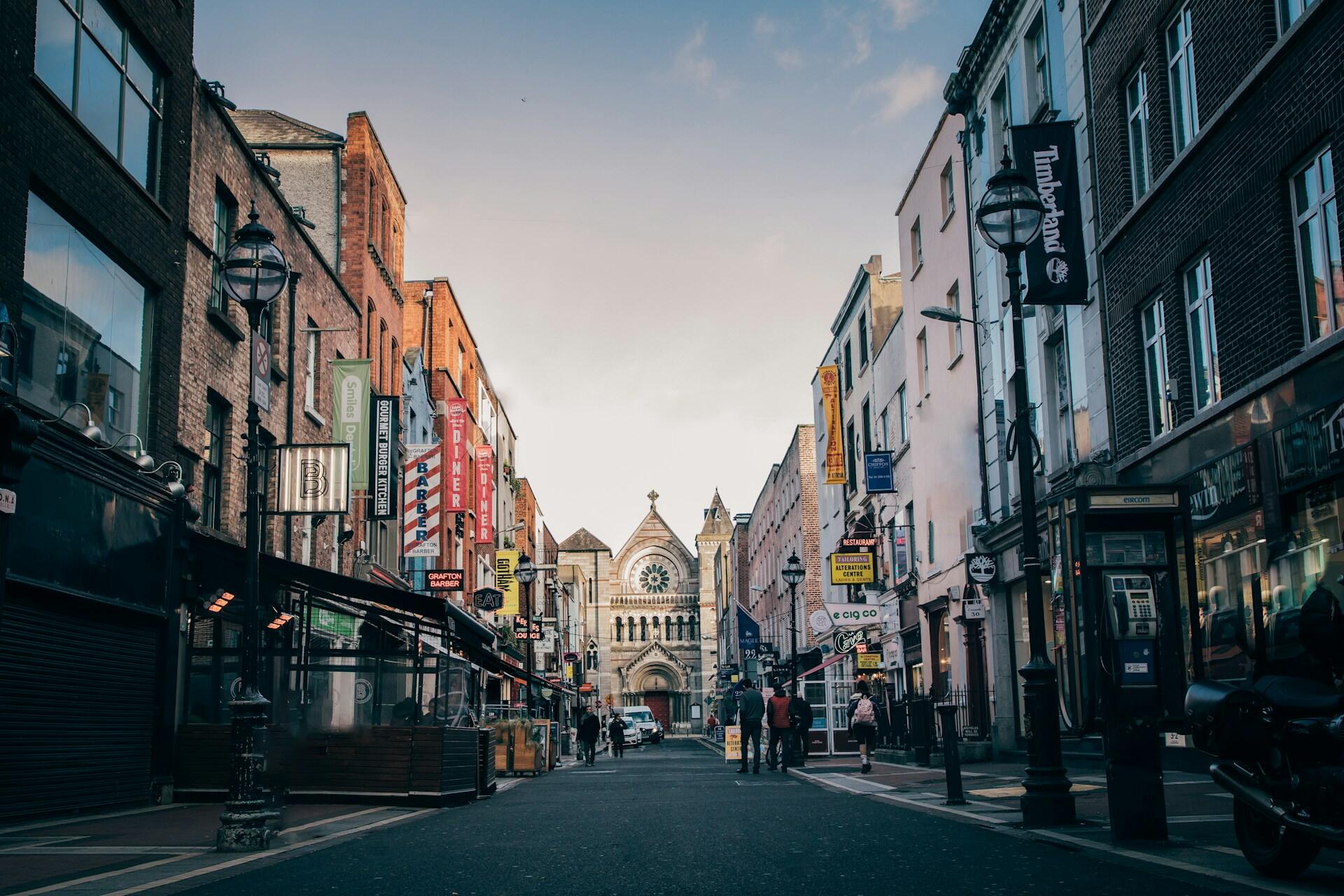
Dublin is the largest city in Ireland. It's located on the east coast at the mouth of the River Liffey. It started as a Viking trading port before becoming the political and economic centre of the island.⁴ It's now home to many national institutions like the parliament at Leinster House and the presidential residence at Áras an Uachtaráin in Phoenix Park. The city is the Republic of Ireland's main hub for business, education, and tourism, too.
Ireland Has Two Official Languages
Irish and English are the two official languages of Ireland. Irish, known in its native form as Gaeilge, is the first official language of the Republic of Ireland. This language has deep roots in the country, having evolved from the languages spoken by the Celts, but over the centuries, English became the dominant language under British rule. Most people in Ireland speak English as their main language, but Irish continues to be protected and promoted.⁵ The language is taught in schools and is on official signage and government publications. There are also efforts to support and preserve the Irish language.
Irish, known as Gaeilge, is the first official language of the Republic of Ireland, alongside English. It belongs to the Celtic language family and has been spoken on the island for more than a thousand years. Although most people use English in daily life, Irish is still taught in schools and is widely used in Gaeltacht regions where it remains the main community language.
The Population of Ireland Is Over Five Million
Today, the population of the Republic of Ireland is just over 5.4 million people. Populations on the island have changed dramatically throughout history, driven by famine, migration, economic development, and political change. The Great Irish Famine caused widespread death and emigration, and Ireland is one of the few places in the world whose population is lower today than in pre-industrial times.
people.
Ireland’s Population Through History
1841
Population about 8.2 million
Ireland reached its highest recorded population before the Great Famine.
1851
Population about 6.5 million
The Great Irish Famine and mass emigration caused a sharp population decline.
1961
Population about 2.8 million
Continued emigration during the twentieth century led to one of the lowest population levels in modern Irish history.
2006
Population about 4.2 million
Economic growth during the Celtic Tiger period attracted migration and increased population levels.
2025
Population about 5.4 million
Ireland's population has grown steadily in recent decades due to economic expansion and international migration.⁶
St Patrick’s Day Originated in Ireland
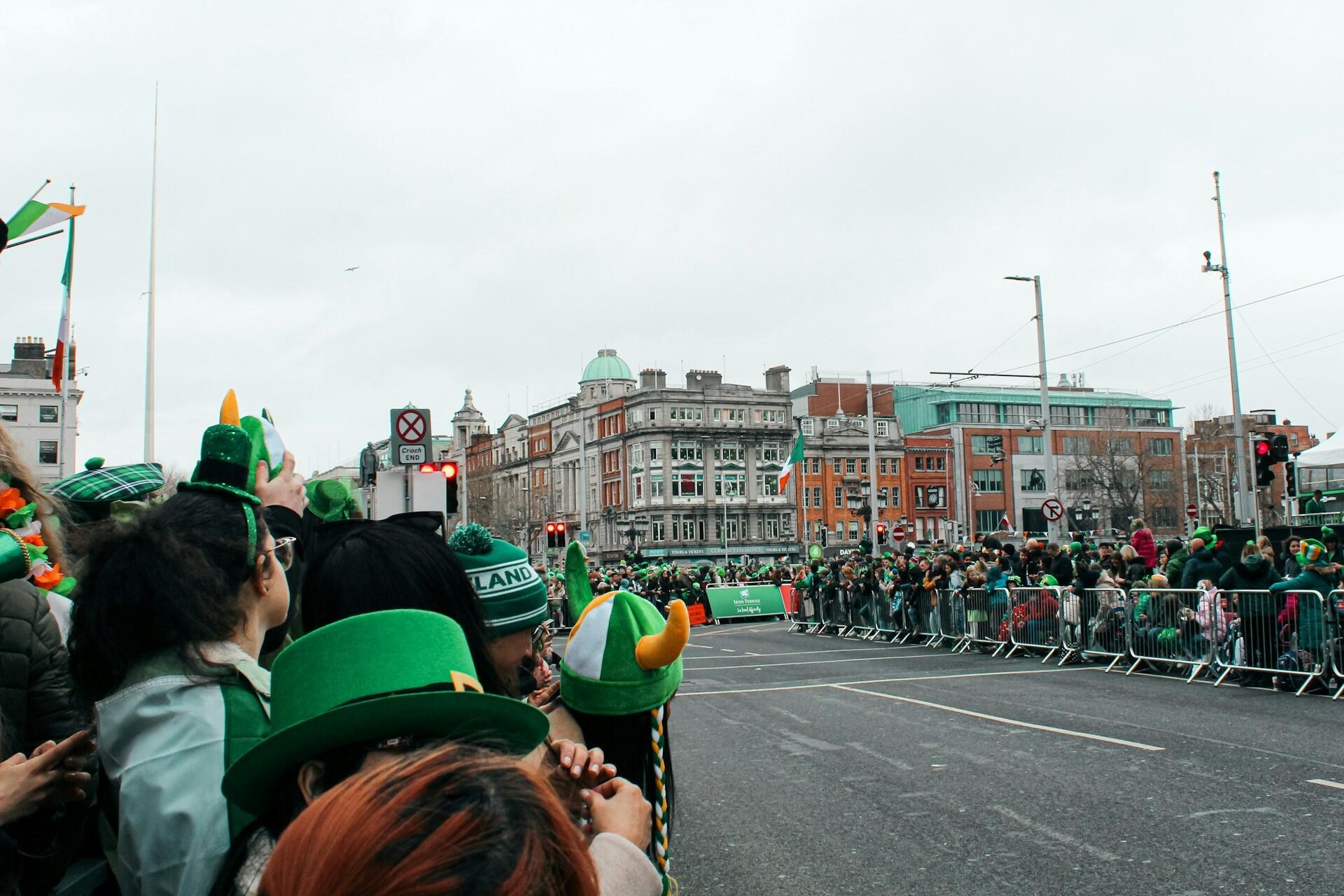
St Patrick's Day is celebrated on 17 March. Obviously, it celebrates Saint Patrick, who is the patron saint of Ireland. It commemorates Patrick's role in bringing Christianity to the island in the fifth century and the myth that he drove snakes from the island as well. Tradition holds that he used symbols such as the shamrock to explain the Holy Trinity to the Irish.⁵ The religious feast day is now as much an Irish event as it is a Christian one, arguably even more so. The day reflects Irish culture, history, and identity. It's celebrated worldwide, especially in Irish communities.
Ireland Is Often Called the Emerald Isle
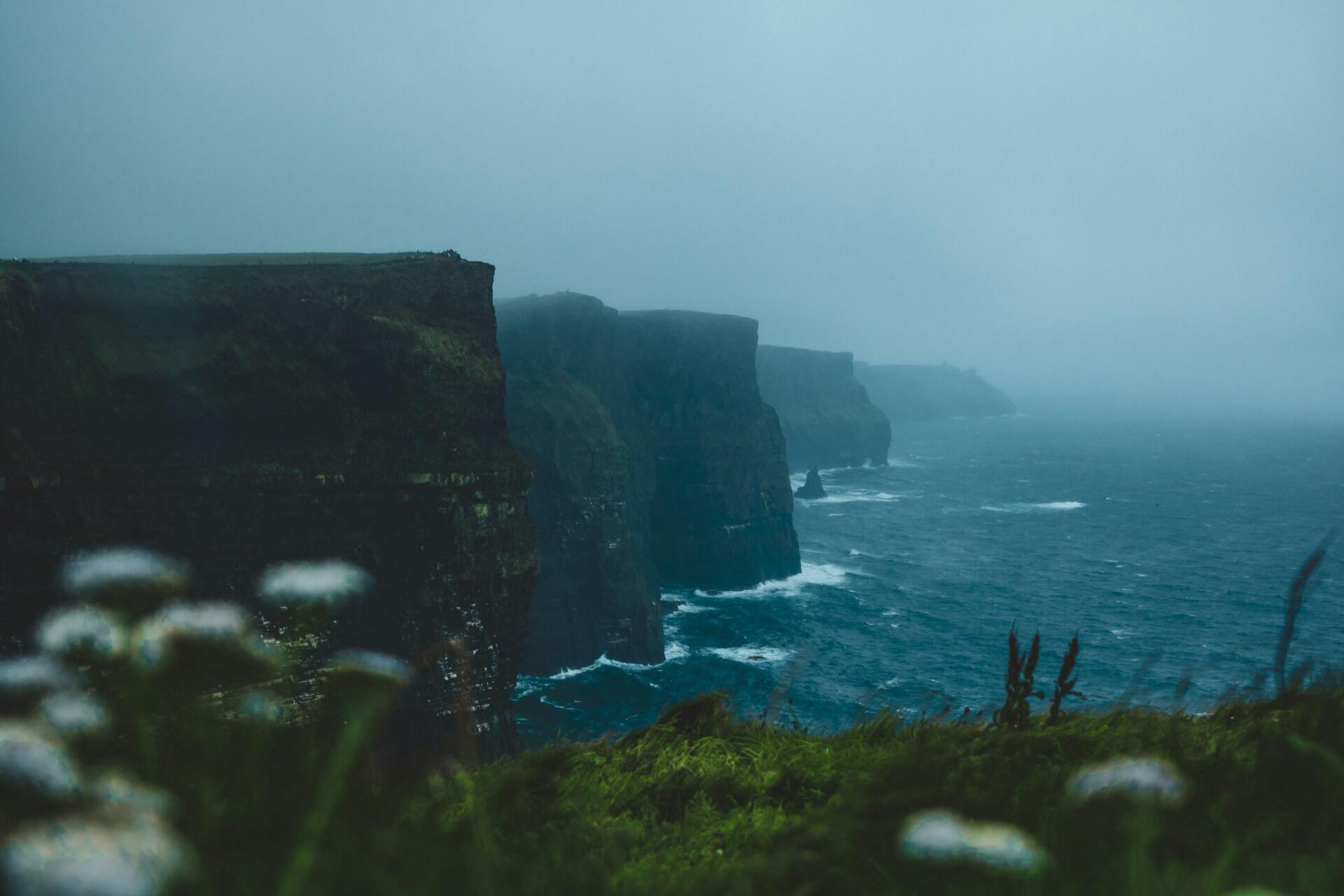
Ireland's most famous nickname is the Emerald Isle. This is because of the island's beautiful landscapes. The weather mightn't be everybody's favourite thing about the island. Still, the resulting verdant landscapes have made the landscape particularly green.
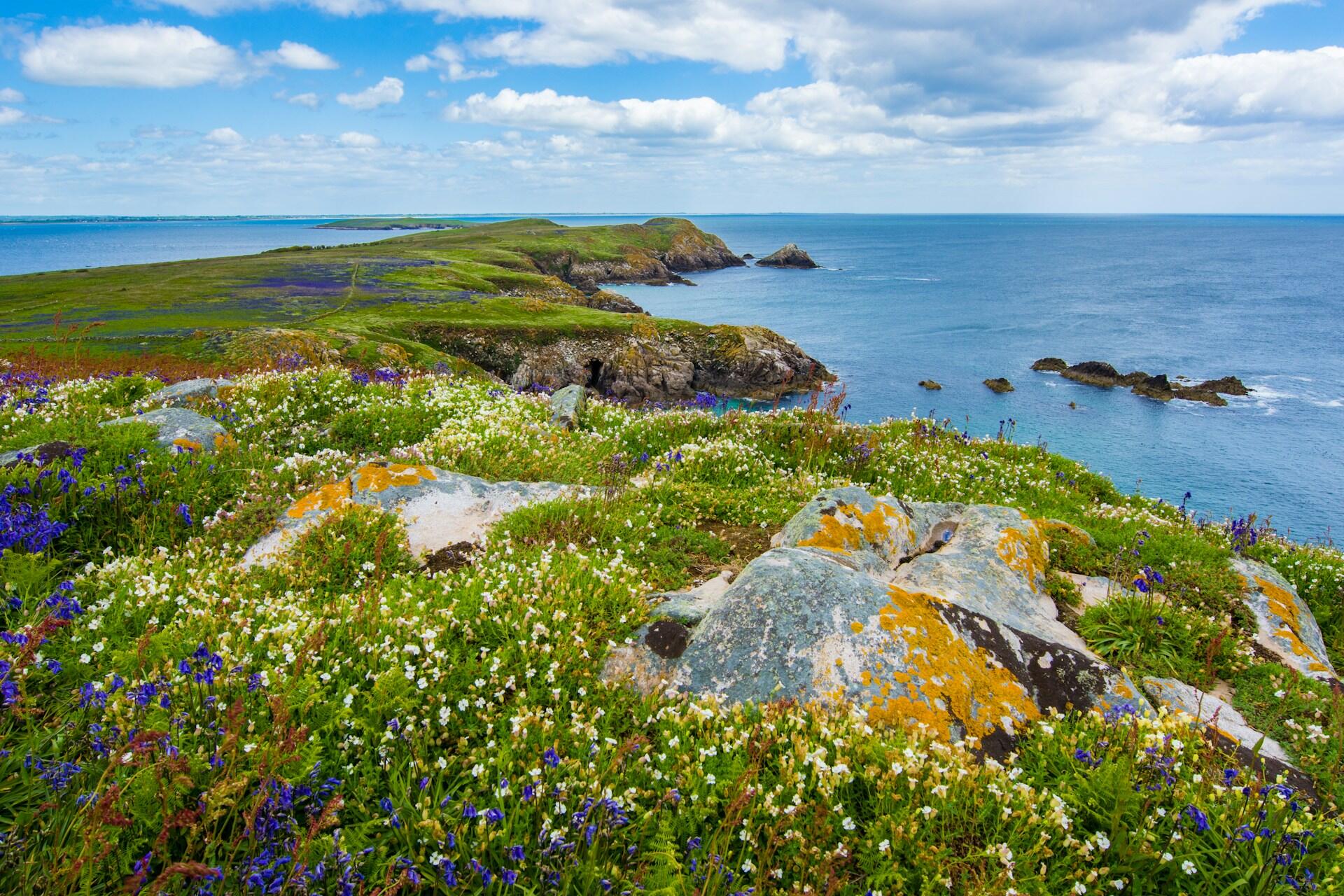
Ireland is often called the Emerald Isle because of its green countryside. The island’s mild Atlantic climate and frequent rainfall create lush landscapes that remain green for much of the year. This nickname has been used for centuries and reflects how closely Ireland’s identity is tied to its natural scenery.
The Great Irish Famine Changed Ireland Forever
Population change was just one way the Great Irish Famine changed the country. It only lasted from 1845 to 1852, but it was one of the most devastating events in history. It started with a potato blight destroying essential crops. Hunger and poverty spread across the country, and over one million people died, with another million emigrating to other countries like the United States, Britain, Canada, and Australia.³ The failing crops were one thing, but the entire situation was exacerbated by the reaction (and lack of aid) coming from Britain, which was ruling Ireland at the time.
Ireland Has Produced Many Famous Writers
Ireland is famous for its people. There have been famous Irish inventors, figures, and writers. Ireland has an extensive literary tradition. It has produced some of the English language's most famous writers. From Nobel Prize winners in Literature to UNESCO recognition of Dublin's literary prowess, Ireland is a country of writers and storytellers.
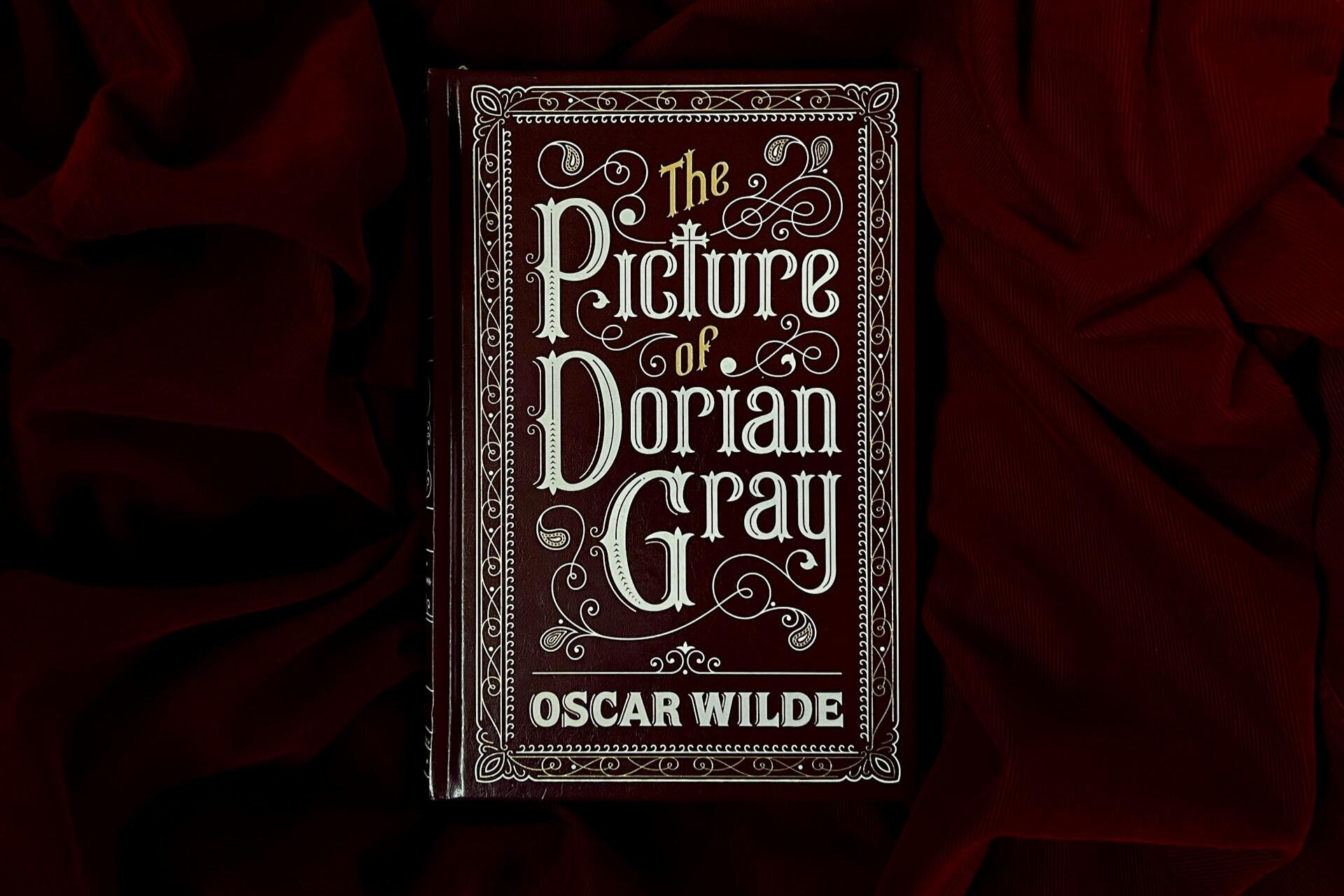
Famous Irish Writers
| Fact | Summary |
|---|---|
| Ireland Is the Third-Largest Island in Europe | Ireland is the third-largest island in Europe and covers roughly 84,000 square kilometres. |
| The Island of Ireland Is Divided Between Two Countries | The island is divided between the Republic of Ireland and Northern Ireland. |
| Ireland Traditionally Has 32 Counties | Ireland historically consists of 32 counties grouped into four provinces. |
| Dublin Is the Largest City in Ireland | Dublin is the capital and largest city, located on the River Liffey. |
| Ireland Has Two Official Languages | Irish (Gaeilge) and English are the official languages of the Republic of Ireland. |
| The Population of Ireland Is Over Five Million | The Republic of Ireland currently has a population of over 5.4 million people. |
| St Patrick’s Day Originated in Ireland | St Patrick’s Day on 17 March celebrates Ireland’s patron saint and Irish culture worldwide. |
| Ireland Is Often Called the Emerald Isle | The nickname comes from Ireland’s green countryside and Atlantic climate. |
| The Great Irish Famine Changed Ireland Forever | The famine of 1845–1852 caused mass death and emigration. |
| Ireland Has Produced Many Famous Writers | Ireland has produced influential writers such as James Joyce, Oscar Wilde, and W. B. Yeats. |
References
- “Daily Life and Social Customs.” Encyclopaedia Britannica, https://www.britannica.com/place/Ireland/Daily-life-and-social-customs. Accessed 10 April 2026.
- “Early Celtic Ireland.” Encyclopaedia Britannica, https://www.britannica.com/place/Ireland/Early-Celtic-Ireland. Accessed 10 April 2026.
- “Ethnic Groups, Language, and Religion.” Encyclopaedia Britannica, https://www.britannica.com/place/Ireland/Ethnic-groups-language-and-religion. Accessed 10 April 2026.
- “History of Ireland.” Encyclopaedia Britannica, https://www.britannica.com/topic/history-of-Ireland. Accessed 10 April 2026.
- “Ireland.” Encyclopaedia Britannica, https://www.britannica.com/place/Ireland. Accessed 10 April 2026.
- “Population and Migration Estimates April 2024.” Central Statistics Office, https://www.cso.ie/en/releasesandpublications/ep/p-pme/populationandmigrationestimatesapril2024/. Accessed 10 April 2026.
- “Population and Migration Estimates April 2025.” Central Statistics Office, https://www.cso.ie/en/releasesandpublications/ep/p-pme/populationandmigrationestimatesapril2025/. Accessed 10 April 2026.
- “Social, Economic and Cultural Life in the 17th and 18th Centuries.” Encyclopaedia Britannica, https://www.britannica.com/place/Ireland/Social-economic-and-cultural-life-in-the-17th-and-18th-centuries. Accessed 10 April 2026.
- “Ulster.” Encyclopaedia Britannica, https://www.britannica.com/place/Ulster-historic-province-Ireland. Accessed 10 April 2026.
- “Why Is Ireland Two Countries?” Encyclopaedia Britannica, https://www.britannica.com/story/why-is-ireland-two-countries. Accessed 10 April 2026.
Summarise with AI:
Did you like this article? Leave a rating!

 Loading...