

For two and a half thousand years the Celts have continued to fascinate those who have come into contact with them.
Barry Cunliffe, The Ancient Celts.
The Celts are one of the most interesting groups. While they're often associated with Ireland, there's so much more to them than that. Here, we'll look at 10 of our favourite facts about the Celts and why we think they're so interesting.
Key Takeaways
- The Celts were Iron Age peoples who originated in Central Europe before spreading across much of Europe.²
- Celtic society was made up of many independent tribes rather than a single nation.⁴
- Several Celtic languages are still spoken today, including Irish, Welsh, and Scottish Gaelic.⁴
- Historical knowledge about the Celts comes largely from Greek and Roman writers and archaeological discoveries.⁴
- Celtic culture is known for distinctive art, metalworking, mythology, and traditions that still influence modern societies.⁴


1. The Celts Originated in Central Europe During the Iron Age
While the Celts are largely associated with Ireland today, they originated in Central Europe during the Iron Age. Scholars believe their culture originated in areas in modern-day Austria and southern Germany. Excavations reveal fortified settlements, elaborate burial sites, and widespread iron tool production from around the first millennium BCE.⁶
The Celts were a collection of tribal societies that lived across large parts of Europe during the Iron Age. Rather than forming a single empire or nation, Celtic groups were connected through shared languages, artistic styles, and cultural traditions. Archaeological evidence places their early development in Central Europe, particularly through the Hallstatt and La Tène cultures, before Celtic peoples spread across regions including Gaul, Britain, and Ireland.
By the 5th century BCE, Celtic culture evolved. This is known as the La Tène period. At this point, the Celts were spread across much of Europe, far beyond their homeland.³ During this time, the Celts had widespread trade connections.¹⁰
Archaeologists often identify early Celtic civilisation through two major cultural phases. The Hallstatt culture (around 800–450 BCE) emerged in Central Europe and is associated with early Iron Age trade networks, metalworking, and elite burial sites. It was followed by the La Tène culture (around 450 BCE to the Roman period), known for its distinctive art style featuring curved patterns, spirals, and animal motifs. These cultures provide much of the archaeological evidence used to understand the early history of the Celts.
2. The Celts Were Not One Single Nation but Many Tribes
While we're speaking generally about the Celts here, they were never a single unified civilisation. As with much of history, we use the term 'Celts' to refer to groups of people with shared traits, origins, and cultures. Generally, Celtic society was composed of tribes across Europe.⁹
major regions that roughly align with modern-day France (Gaul), Spain, Portugal, northern Italy, Germany, Austria, Switzerland, the Czech Republic, Britain, and Ireland.
Ancient writers, such as the Greeks and Romans, mentioned various Celtic groups. They lived across regions like Gaul, Britain, and parts of Central Europe. Just remember that each of these had its own leaders, territories, and alliances.
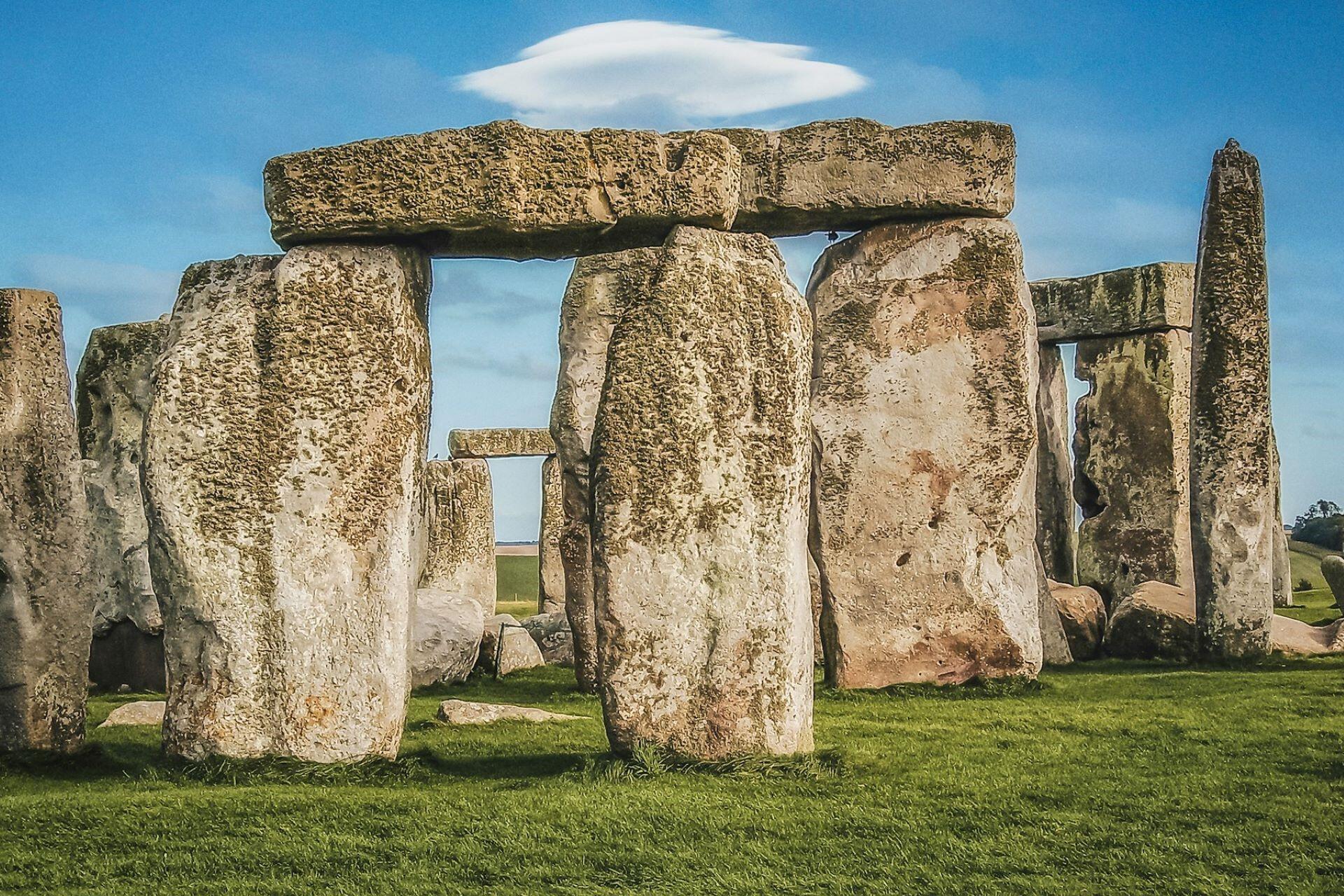
Major Celtic Tribes
3. Celtic Languages Still Exist Today
While Celtic peoples may seem ancient and mythical, there are remnants of their culture and languages. Celtic languages are still spoken today. They belong to the Indo-European language family.
Celtic languages are part of the Indo-European language family and are still spoken in several regions today. They are usually divided into two branches: Goidelic languages (Irish, Scottish Gaelic, and Manx) and Brythonic languages (Welsh, Breton, and Cornish). While the number of speakers varies, these languages remain an important part of cultural identity in places such as Ireland, Wales, Scotland, and Brittany.
The Celtic languages had a common ancestral language spoken by Europe's early Celtic peoples. These languages split into regional forms as Celtic tribes migrated.⁸ Despite centuries of change, these languages still preserve elements of ancient Celtic speech patterns and vocabulary.⁴
Celtic languages still spoken today: Irish, Scottish Gaelic, Manx, Welsh, Breton, and Cornish.
Though some Celtic languages nearly disappeared, the tireless efforts of communities have helped keep them alive. Just like the inspiring Irish inventors throughout history, today, you'll find inspiring people working in schools, cultural organisations, and media to keep the languages alive. Celtic languages are a living connection to the history and culture of Celtic peoples.
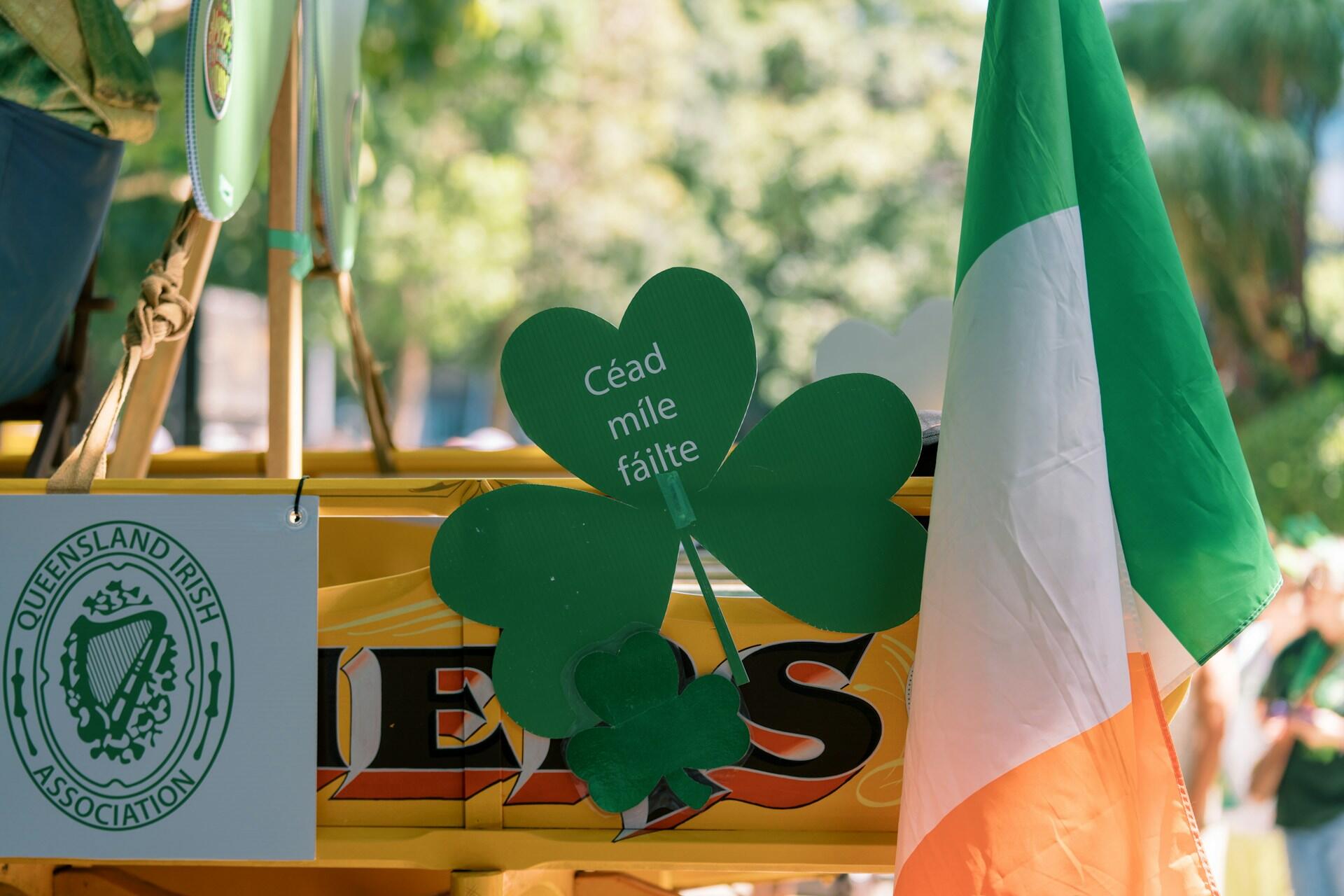
Modern Celtic Languages
4. Celtic Society Included Powerful Women
Many Celtic societies allowed women to hold positions of influence and authority, which was unusual compared to many other European societies of the time (and centuries thereafter). Historical accounts suggest women could own property, lead tribes, and even take part in warfare. Classical writers recorded several Celtic women who played important roles in politics and resistance against Roman expansion.⁴
Notable Women in Celtic History
5. The Celts Were Skilled Metalworkers
Celtic societies were known for advanced metalworking. As iron tools and weapons became widespread, Celtic societies were crafting swords, shields, jewellery, and decorative items made from iron, bronze, and gold. Many of the objects found by archaeologists include examples of intricate designs and craftsmanship.²
6. Greek and Roman Writers Documented the Celts
Most of what we know about the Celts was from Greek and Roman writers. Writers such as Herodotus, Polybius, and Julius Caesar described the Celtic peoples, their customs, and their territories across Europe. Just keep that in mind whenever learning about the Celts, since our entire perspective is shaped by groups other than the Celts themselves.
7. Celtic Art Is One of the Most Recognisable Styles of Ancient Europe
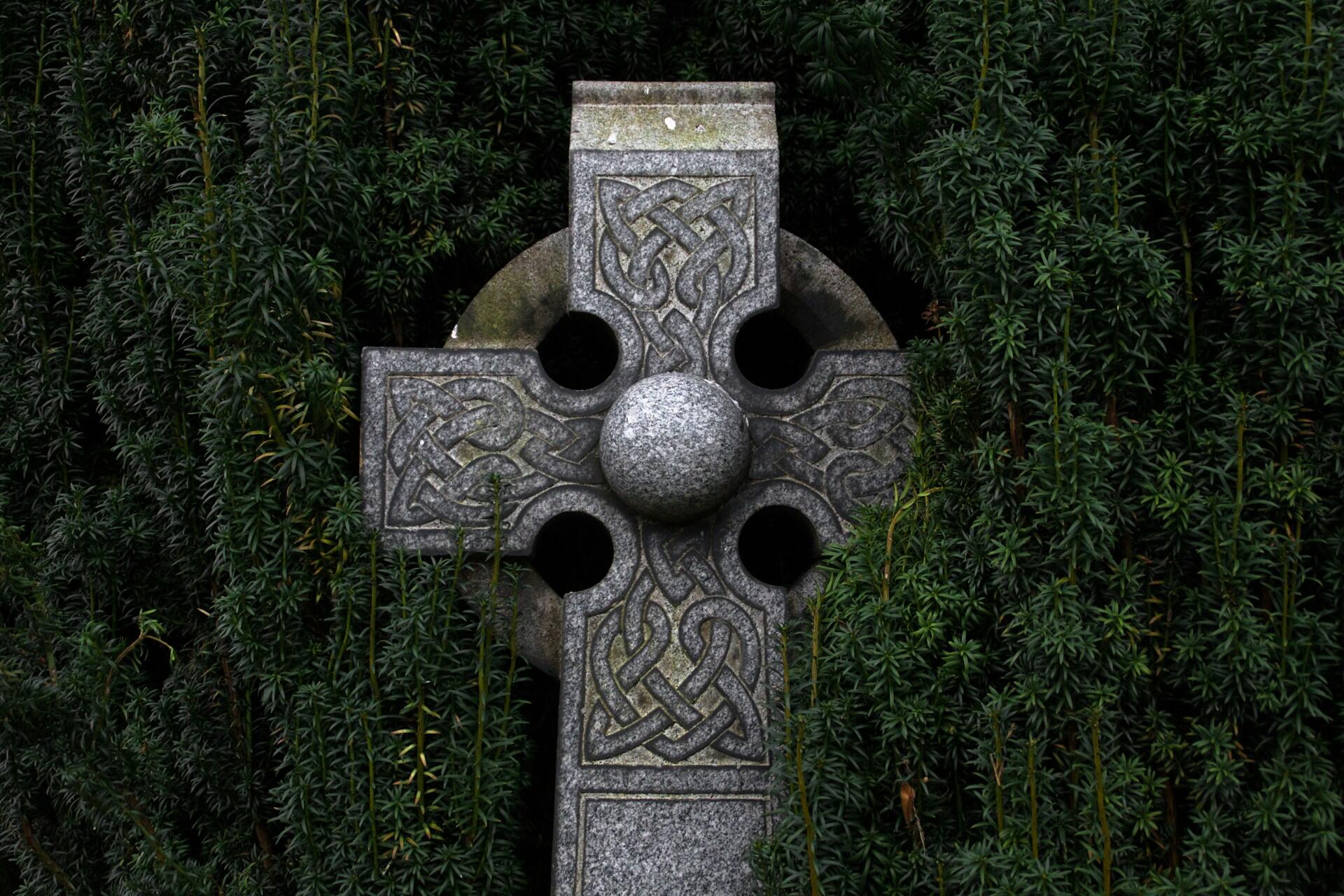
Celtic art is famous for its patterns. You'll recognise it from its flowing patterns, curved lines, and intricate decorative motifs. You'll see these on jewellery, weapons, shields, and ceremonial objects. Many of them are from the aforementioned La Tène period.³
8. The Romans Conquered Many Celtic Lands
The Romans wrote so much about the Celts because they were regularly bringing Celtic regions under Roman dominion. Military campaigns reshaped the political map of Europe. Some Celtic communities resisted fiercely, though Roman rule would eventually spread across many of their territories.¹
Major Celtic Regions Conquered by Rome
9. Celtic Religion Was Closely Connected to Nature
Celtic religious beliefs were largely connected to nature. Sacred places were often located in forests, rivers, and springs. Religious leaders known as druids were key to rituals, education, and the preservation of traditions. Many Celtic myths and archaeological discoveries suggest that nature and seasonal cycles were central to their spiritual worldview.⁷ Though Irish identity is deeply rooted in Celtic culture, the city of Dublin was actually founded by Vikings.
10. Celtic Culture Still Influences the Modern World
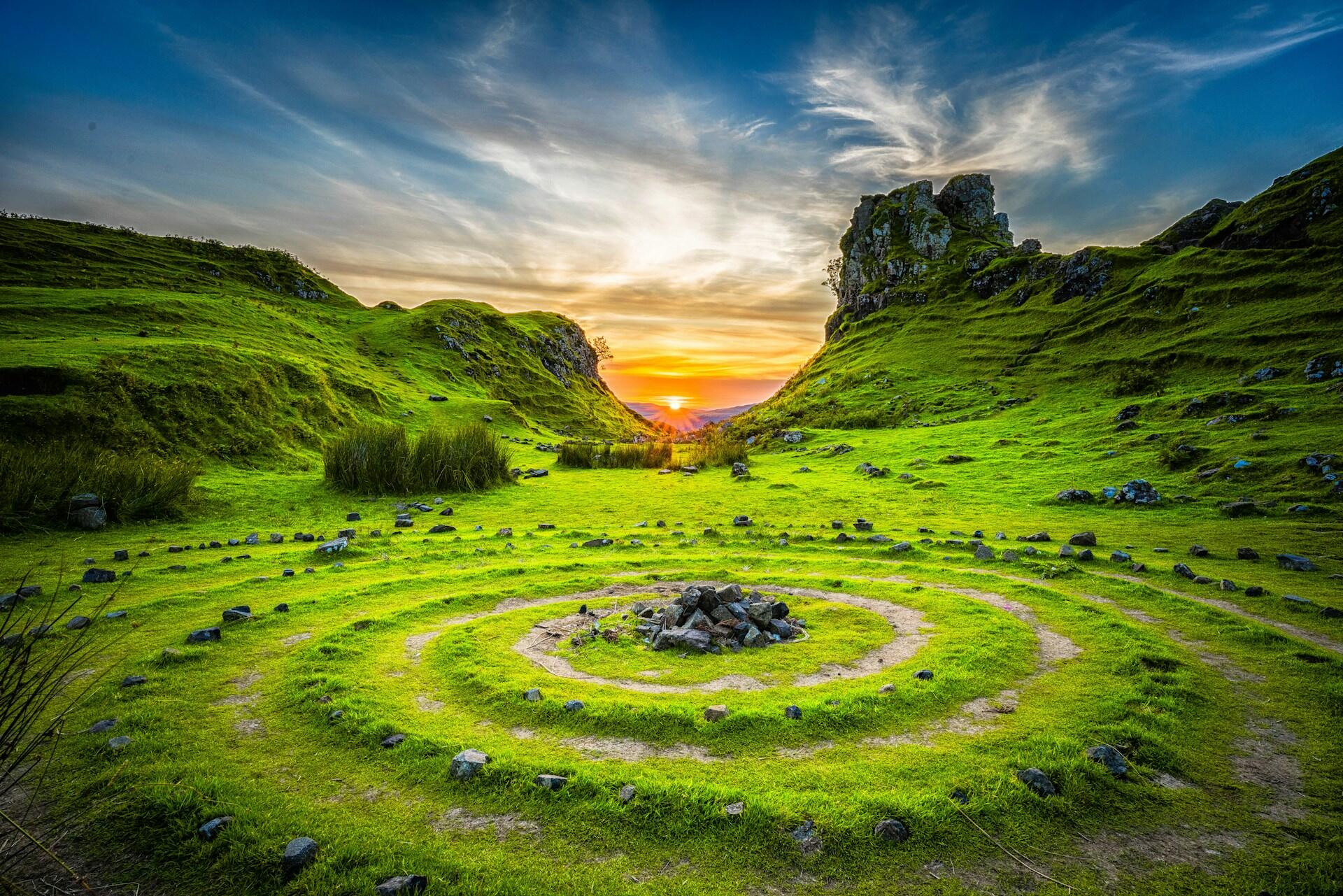
Celtic culture can still be seen today. In places like Ireland, Scotland, Wales, Brittany, and Cornwall, Celtic culture remains central to prevailing identity. You'll find elements of Celtic heritage in the languages, music, festivals, mythology, and artistic styles of these places.
| Fact | Summary |
|---|---|
| The Celts Originated in Central Europe During the Iron Age | Early Celtic culture developed in Central Europe during the Iron Age. |
| The Celts Were Not One Single Nation but Many Tribes | Celtic peoples lived in many independent tribes across Europe. |
| Celtic Languages Still Exist Today | Several Celtic languages such as Irish and Welsh are still spoken today. |
| Celtic Society Included Powerful Women | Some Celtic societies allowed women to lead tribes and take part in warfare. |
| The Celts Were Skilled Metalworkers | Celtic craftsmen produced weapons, jewellery, and tools using iron and bronze. |
| Greek and Roman Writers Documented the Celts | Most written records about the Celts come from classical authors. |
| Celtic Art Is One of the Most Recognisable Styles of Ancient Europe | Celtic art is known for flowing patterns and decorative designs. |
| The Romans Conquered Many Celtic Lands | Roman expansion brought many Celtic territories under imperial rule. |
| Celtic Religion Was Closely Connected to Nature | Celtic beliefs often centred on natural places like forests and rivers. |
| Celtic Culture Still Influences the Modern World | Celtic languages, festivals, and traditions remain important today. |
References
- Britannica, The Editors of Encyclopaedia. “Celt.” Encyclopaedia Britannica, https://www.britannica.com/topic/Celt-people. Accessed 10 Apr. 2026.
- Britannica, The Editors of Encyclopaedia. “Hallstatt Culture.” Encyclopaedia Britannica, https://www.britannica.com/topic/Hallstatt-culture. Accessed 10 Apr. 2026.
- Britannica, The Editors of Encyclopaedia. “La Tène Culture.” Encyclopaedia Britannica, https://www.britannica.com/topic/La-Tene-culture. Accessed 10 Apr. 2026.
- Cartwright, Mark. “The Celts.” World History Encyclopedia, https://www.worldhistory.org/celt/. Accessed 10 Apr. 2026.
- Cartwright, Mark. “Celt Timeline.” World History Encyclopedia, https://www.worldhistory.org/timeline/celt/. Accessed 10 Apr. 2026.
- National Geographic. “Who Were the Celts?” National Geographic History Magazine, https://www.nationalgeographic.com/history/history-magazine/article/who-were-the-celts. Accessed 10 Apr. 2026.
- National Museum Wales. “Who Were the Celts?” Museum Wales, https://museum.wales/articles/1341/Who-were-the-Celts/. Accessed 10 Apr. 2026.
- Penn Museum. “The Arrival of the Celts in Ireland.” Expedition Magazine, University of Pennsylvania Museum, https://www.penn.museum/sites/expedition/the-arrival-of-the-celts-in-ireland/. Accessed 10 Apr. 2026.
- Raffield, Ben. “Re-approaching the Celts: Origins, Society, and Social Change.” Journal of Archaeological Research, Springer, https://link.springer.com/article/10.1007/s10814-021-09157-1. Accessed 10 Apr. 2026.
- Szczepanski, Kallie. “Hallstatt Culture: The Earliest Celtic Culture.” The Collector, https://www.thecollector.com/hallstatt-earliest-celtic-culture/. Accessed 10 Apr. 2026.
Summarise with AI:
Did you like this article? Leave a rating!

 Loading...