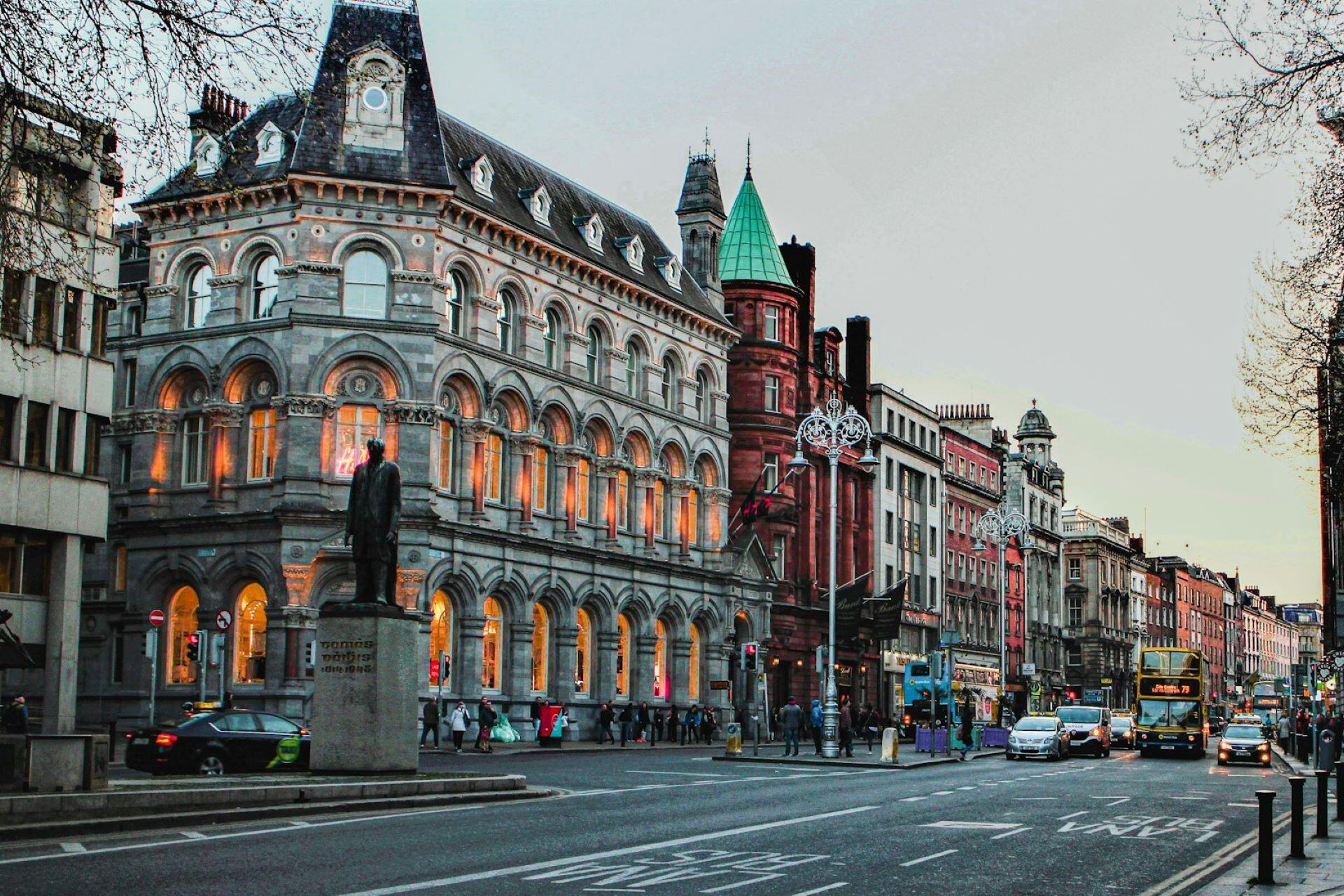

Dublin is one of Europe's most important capital cities. Rich in history and culture, there's a lot to know about it. We won't cover it all here, but we will cover 10 facts that we think you should know about Dublin.
Key Takeaways
- The name Dublin comes from the Irish phrase “Dubh Linn,” meaning “black pool.”
- Vikings established a fortified settlement in the area around 841 CE.
- The River Liffey runs through the city, dividing Dublin into the Northside and Southside.
- Dublin is the capital and largest city in Ireland, with a metropolitan population of about 1.45 million.
- Trinity College Dublin, founded in 1592, is Ireland’s oldest university.
- Guinness has been brewed in Dublin at St James’s Gate since 1759.
- Dublin has produced famous writers including James Joyce, Oscar Wilde, and Samuel Beckett.
- Dublin Castle served as the centre of British rule in Ireland for centuries.
- Phoenix Park covers 707 hectares, making it one of Europe’s largest enclosed city parks.
- Dublin sits on Dublin Bay, giving the capital a long maritime history.


The Name Dublin Comes from the Irish "Dubh Linn", Meaning Black Pool
Dublin's modern Irish name is Baile Átha Cliath, which means "town of the hurdled ford", which refers to an early crossing point over the River Liffey, where wooden hurdles were used to stabilise the riverbed, allowing people and carts to pass safely.¹ However, the Viking settlement became associated with the nearby "black pool". It formed the medieval town that would become Ireland's capital.² The two names are both used today, which is an interesting reflection of the city's history.
The name Dublin comes from the Irish words “Dubh Linn,” meaning “black pool.”The term referred to a dark tidal pool where the River Poddle met the River Liffey near the site of the present-day Dublin Castle. This natural harbour was used by Viking settlers in the early medieval period and helped the area grow into an important trading port.
Dublin Was Founded as a Viking Settlement
While the presence of Celts in Ireland is fairly well-known, Dublin was actually a Viking settlement. The Vikings established a longphort, or fortified ship camp, around 841 CE. Norse traders connected Ireland with markets in Britain and Scandinavia, making the settlement a busy port.¹ Archaeological evidence suggests that there were nearby Christian communities before the Vikings arrived, but it was the Norse settlement that turned the Dublin area into a permanent urban centre.⁴
Before 800 CE
Gaelic and early Christian settlements near the River Liffey.⁴
841 CE
Vikings establish a fortified base at Dubh Linn.¹
10th century
Dublin grows into a major Norse trading town.¹
1170
Anglo-Norman forces capture Dublin and reshape its government and defences.¹
The River Liffey Divides Dublin into the Northside and Southside
The River Liffey runs through the centre of Dublin. For locals, it shapes how they see the city. The river flows from the Wicklow Mountains to Dublin Bay. This creates a natural divide between the Northside and Southside of the city.¹ Areas on either side of the river boast their own landmarks, streets, and local character. They're linked by crossing like O’Connell Bridge and the Ha’penny Bridge.²
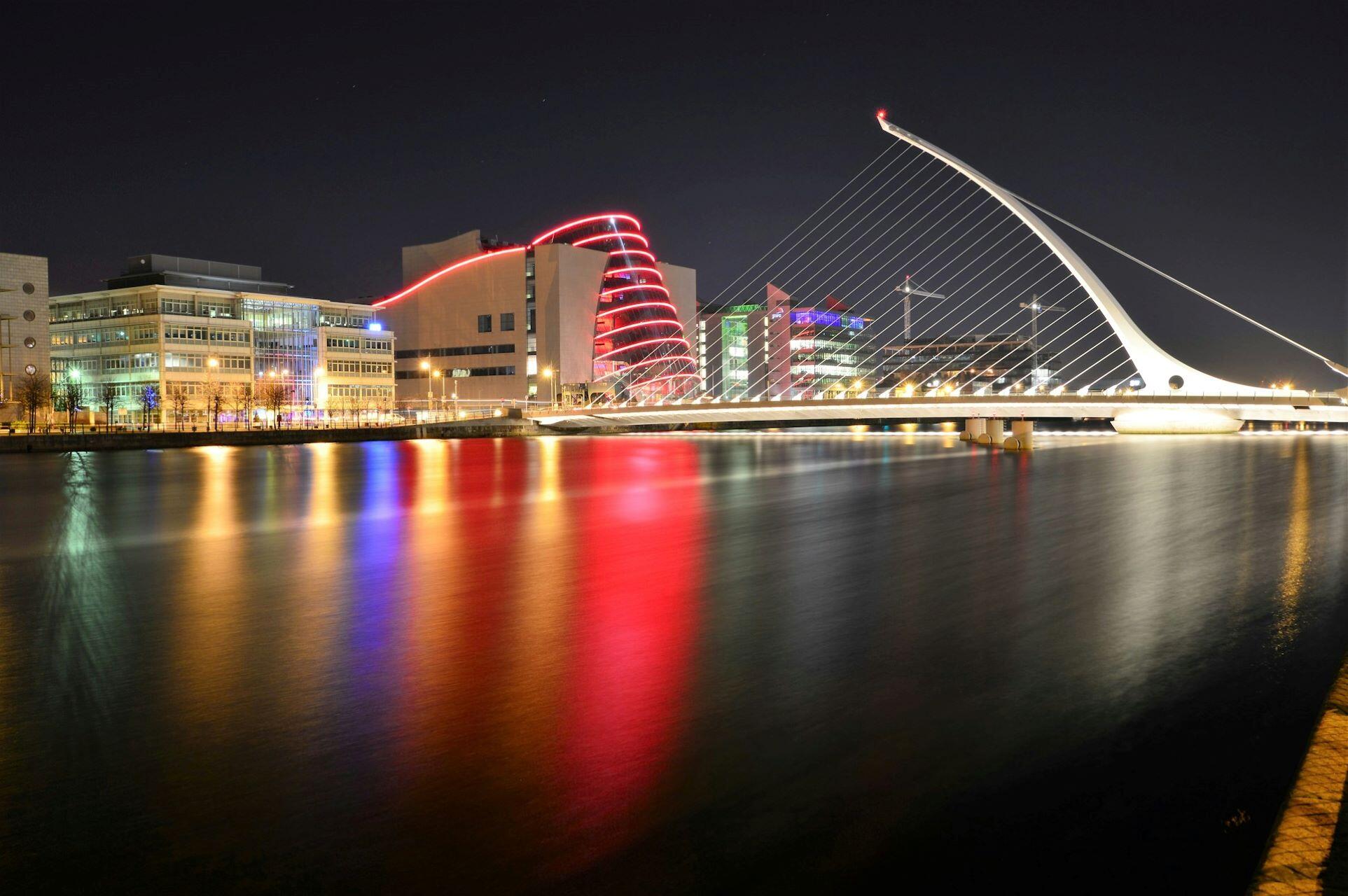
Northside of the Liffey
O’Connell Street, the General Post Office, Croke Park, the Custom House, and parts of the Docklands are all on the Northside. This side of the city is often associated with major transport routes, historic public buildings, and busy commercial streets.
Southside of the Liffey
Trinity College Dublin, Grafton Street, St Stephen's Green, Dublin Castle, and Temple Bar sit on or near the Southside. The area is often associated with tourism, shopping, government buildings, and many of the city's best-known cultural landmarks.
Dublin Is the Capital and Largest City in Ireland
Almost every single Irish person will know this, but for those reading from outside the Emerald Isle, Dublin is Ireland's capital city. Like many European capital cities, it's also the largest in the country. The city is located on the east coast of Ireland, in the province of Leinster. It is Ireland's main political, economic, and cultural centre.¹ The city has had this role for centuries, even when it was the seat of English administration in medieval Ireland before becoming the capital of the independent Irish state in the twentieth century.⁴
making it Ireland's capital and largest urban centre.
Trinity College Dublin Is Ireland’s Oldest University
Trinity College Dublin was founded in 1592 by Queen Elizabeth I of England. It's the oldest university in Ireland and one of Europe's most historic academic institutions.¹ The college was a means for England to consolidate its influence in Ireland during the Tudor period by promoting higher education in the capital. It became one of the country's leading academic centres and is central to intellectual life in Dublin.⁷
Guinness Was First Brewed in Dublin at St James’s Gate
A fairly well-known fact about Ireland, Guinness is from there. This dark stout (a type of beer) is synonymous with Irish culture. It is consumed worldwide, especially on St. Patrick's Day, when it is essentially the official beverage. It has been brewed at St James’s Gate Brewery in Dublin since 1759, when founder Arthur Guinness signed a famous 9,000-year lease for the site.¹ Since then, the brewery grew rapidly, exporting its stout across Ireland, Britain, and then around the world.
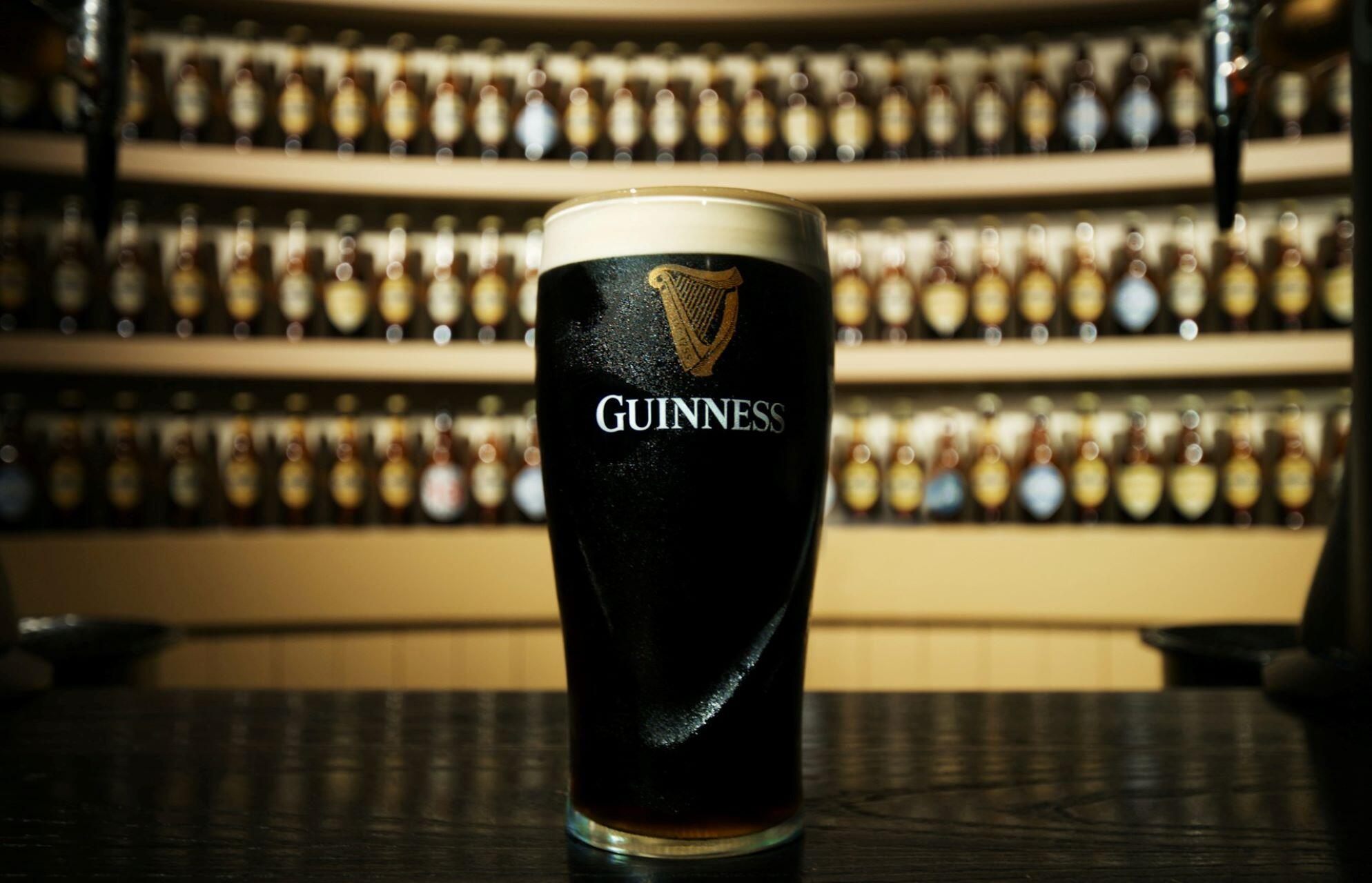
One of the most famous Irish brands, it's an important part of Dublin's identity. The historic brewery site is home to the Guinness Storehouse, which is one of the country's top tourist attractions. Millions of visitors flock to it every year.
Dublin Has Produced Some of the World’s Most Famous Writers
I want […] to give a picture of Dublin so complete that if the city one day suddenly disappeared from the earth it could be reconstructed out of my book.
Frank Budgen, James Joyce and the Making of "Ulysses"
Ireland has a long and storied history, and while folklore was integral to Celtic culture long before the printing press, which wasn't one of the many famous Irish inventions, Dublin has nurtured many influential writers, including Jonathan Swift, Oscar Wilde, Bram Stoker, W. B. Yeats, James Joyce, and Samuel Beckett.¹ Their works are integral to English language literature, and many were clearly influenced by the city itself.
Dublin was designated a UNESCO City of Literature in 2010, recognising the city’s extraordinary literary tradition. Writers such as James Joyce, Oscar Wilde, Bram Stoker, and Samuel Beckett were born in Dublin, and the city remains closely associated with their work. Literary landmarks across the city include Trinity College Library, the James Joyce Centre, and the Dublin Writers Museum.
Dublin Castle Was Once the Centre of British Rule in Ireland
Dublin Castle has been central to key events in Irish history. The castle was built following the Anglo-Norman invasion of Ireland in the early thirteenth century. King John ordered the construction of a fortified centre on the former site of the above Viking settlement.¹ English and later British authorities governed Ireland for centuries from here.
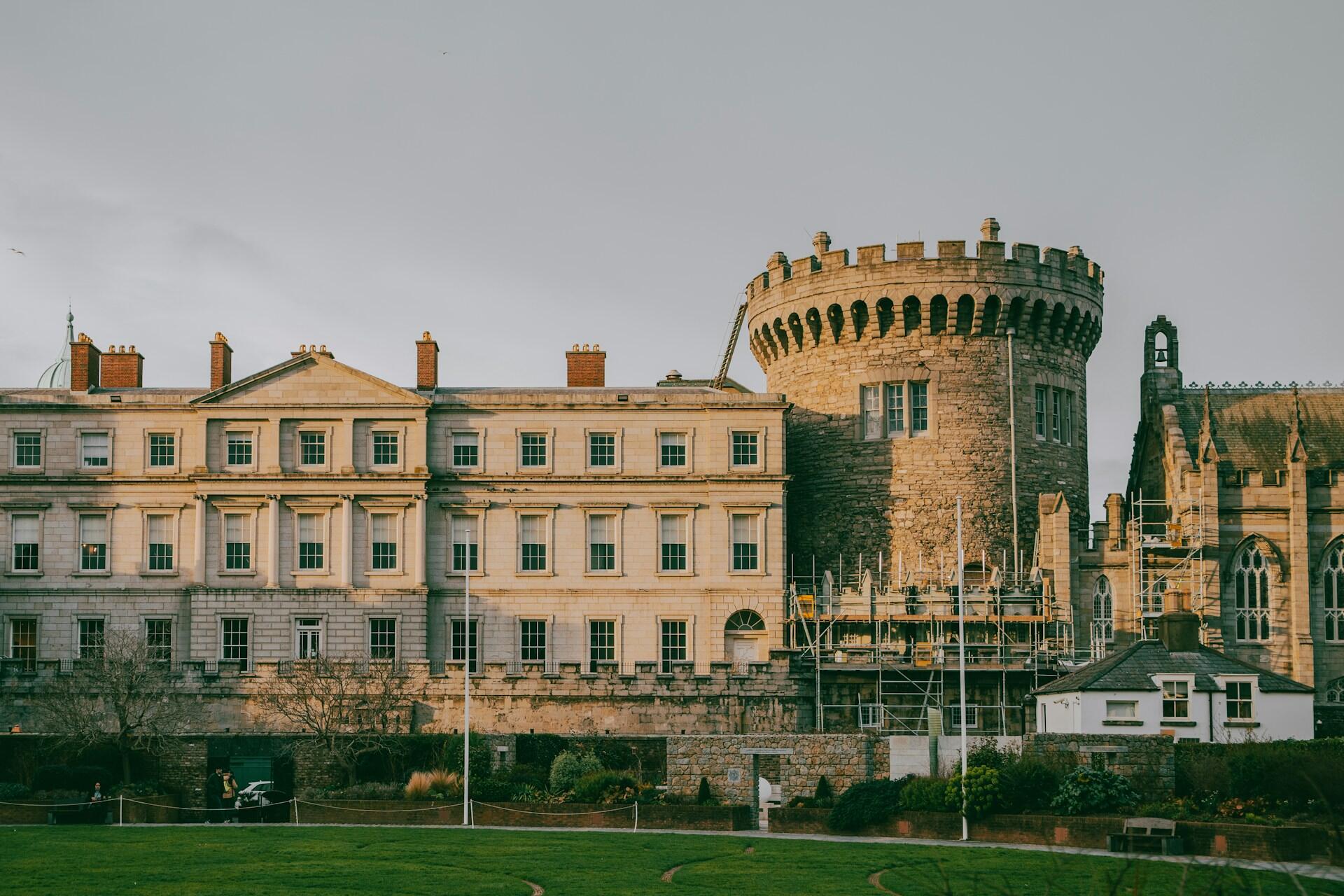
The castle complex expanded to include government offices, ceremonial halls, and defensive structures. It was the headquarters of the British administration until 1922. After that, power was transferred to the newly established Irish Free State.⁴
Phoenix Park Is One of the Largest City Parks in Europe
Phoenix Park is one of the most famous landmarks in Dublin. It's an important green space close to the city centre. It was established as a royal hunting park in the seventeenth century. It was later opened to the public, where it was used for recreation and public gatherings.¹
making it one of Europe's largest.
The park is to the west of central Dublin. Over the years, it's hosted political events, sporting activities, and cultural celebrations. Today, it remains an important space.
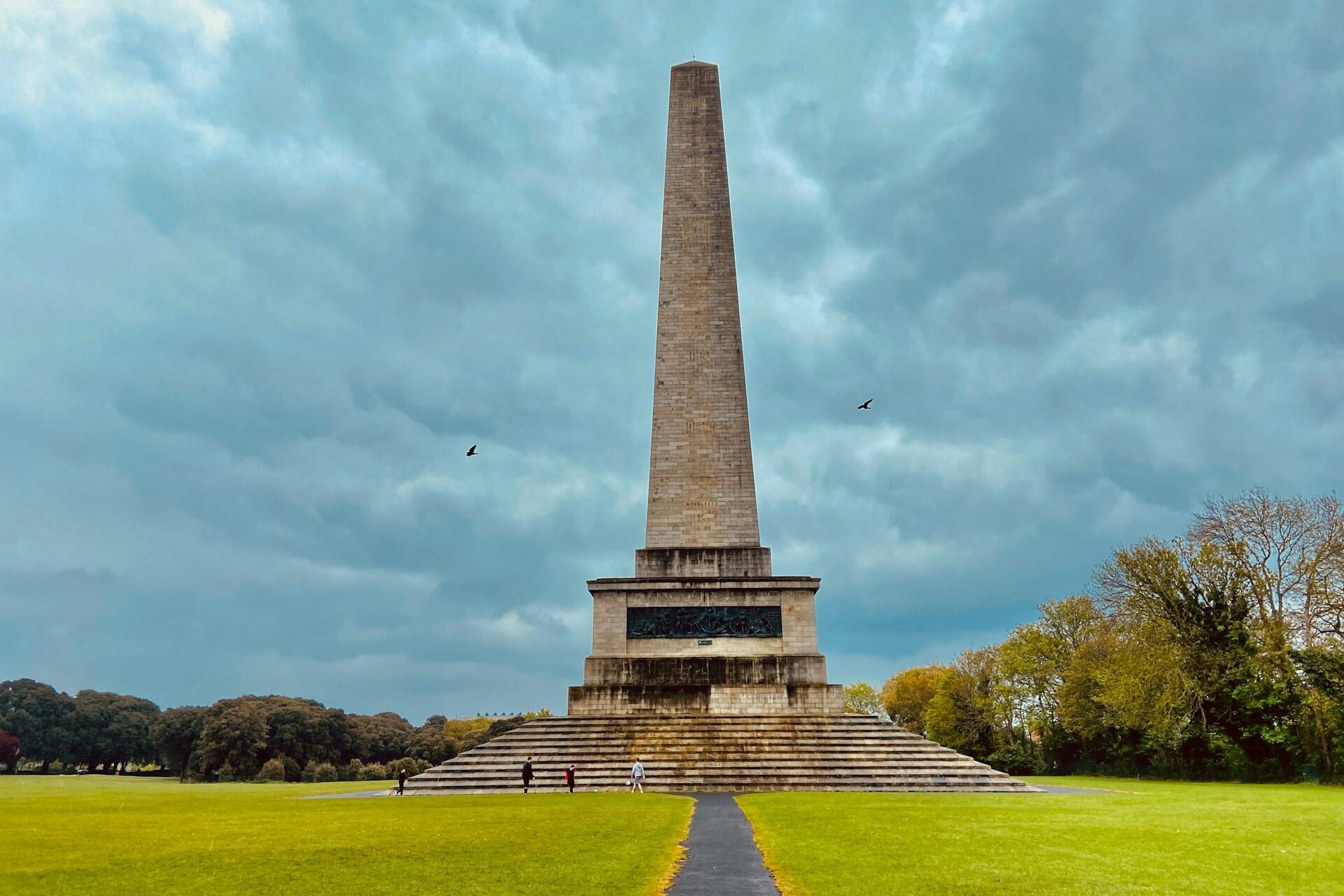
Phoenix Park opened to the public in 1747and today covers around 707 hectares, making it one of the largest enclosed urban parks in Europe. The park is home to several important sites, including Áras an Uachtaráin, the official residence of the President of Ireland, and the Dublin Zoo, one of the oldest zoos in the world. Visitors can also see a herd of wild fallow deer, which have lived in the park since the seventeenth century.
Dublin Is a Coastal Capital Located on Dublin Bay
Located on the coast, Dublin is a fairly unique European capital. Both at the mouth of the River Liffey, it's also where the river flows into Dublin Bay along the Irish Sea. Its coastal location helped it grow into an important port.
| Fact | Summary |
|---|---|
| Name origin | The name Dublin comes from the Irish 'Dubh Linn' meaning black pool. |
| Viking foundation | Vikings established a fortified settlement around 841 CE. |
| River Liffey divide | The River Liffey divides the city into Northside and Southside. |
| Capital and largest city | Dublin is Ireland’s political, cultural, and economic centre. |
| Trinity College Dublin | Trinity College Dublin, founded in 1592, is Ireland’s oldest university. |
| Guinness brewery | Guinness has been brewed at St James’s Gate since 1759. |
| Literary heritage | The city produced writers such as Joyce, Wilde, and Beckett. |
| Dublin Castle | Dublin Castle served as the centre of British rule until 1922. |
| Phoenix Park | Phoenix Park is one of the largest enclosed city parks in Europe. |
| Coastal capital | Dublin sits on the east coast where the River Liffey meets Dublin Bay. |
References
- “Dublin.” Encyclopaedia Britannica. https://www.britannica.com/place/Dublin Accessed 10 Apr. 2026.
- “Dublin.” Dublin City Council – Dublin City Libraries Blog. https://www.dublincity.ie/library/blog/dublin-city-and-river Accessed 10 Apr. 2026.
- “Dublin County.” Encyclopaedia Britannica. https://www.britannica.com/place/Dublin-county-Ireland Accessed 10 Apr. 2026.
- “History and Society: An Introduction to the History of Dublin.” Dublin.ie. https://dublin.ie/live/life-in-dublin/history-society/ Accessed 10 Apr. 2026.
- “The Development of Dublin.” Dublin Civic Trust. https://www.dublincivictrust.ie/dublins-buildings/development-of-dublin- Accessed 10 Apr. 2026.
- “The History Behind Dublin’s Famous Landmarks.” Hop On Hop Off Dublin. https://hoponhopoffdublin.ie/blog/history-behind-dublins-famous-landmarks/ Accessed 10 Apr. 2026.
- “Historical Places in Dublin.” Visit Trinity. https://www.visittrinity.ie/blog/historical-places-in-dublin/ Accessed 10 Apr. 2026.
- “Ireland.” Encyclopaedia Britannica. https://www.britannica.com/place/Ireland Accessed 10 Apr. 2026.
- “New Discovery Trails to Bring Story of Dublin to Life for Visitors.” Fáilte Ireland. https://www.failteireland.ie/Footer/Media-Centre/New-Discovery-Trails-to-bring-story-of-Dublin-to-l.aspx Accessed 10 Apr. 2026.
- “An Impressive Library with History.” KLM Travel Guide. https://www.klm.ie/travel-guide/inspiration/an-impressive-library-with-history Accessed 10 Apr. 2026.
Summarise with AI:
Did you like this article? Leave a rating!

 Loading...