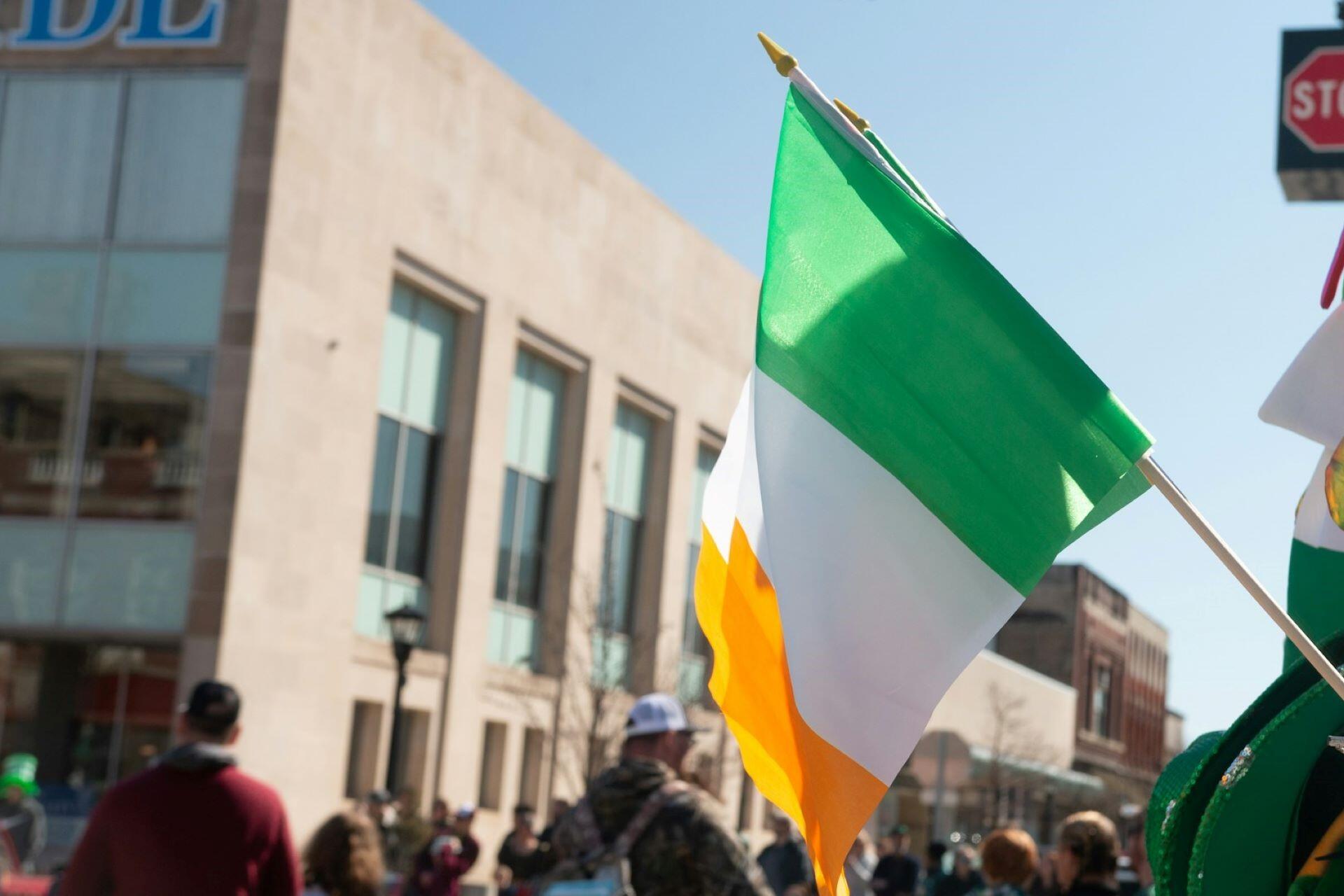

Ar scáth a chéile a mhaireann na daoine. / People live in each other’s shadow.
Irish proverb
Amhrán na bhFiann is the national anthem of Ireland. You'll hear it at state ceremonies and sporting events. Here, we'll explore the lyrics, how it became the anthem, and how you can use it to help you learn Irish.
Key Takeaways
- Amhrán na bhFiann is the Irish national anthem and is sung in Irish at official ceremonies and sporting events.²
- The anthem uses the chorus of the English song “The Soldier’s Song.”¹
- The original song was written by Peadar Kearney, with music composed by Patrick Heeney.¹
- The Irish-language version of the song was translated by Liam Ó Rinn.²
- The chorus of the Irish version was adopted as the national anthem in 1926.²
- Today, the anthem is commonly heard before international sporting events and state occasions.²


Amhrán na bhFiann Lyrics (Irish National Anthem Lyrics)
Before we look at the background of the song, we'll look at the lyrics. Today, only the chorus of the original song is used at ceremonies and international sporting events. Here are the Irish and original English versions of "The Soldier's Song". The Irish-language version is the one that most people know today. It was translated by Liam Ó Rinn.²
The title Amhrán na bhFiann translates to “The Soldier’s Song.” The Irish word amhrán means “song,” while fiann refers to a band of warriors or soldiers. Although the anthem is sung in Irish today, the song was originally written in English by Peadar Kearney in the early twentieth century. The Irish-language version was later translated by Liam Ó Rinn, and the chorus of that translation became Ireland’s national anthem in 1926.
Irish Lyrics: Amhrán na bhFiann
Sinne Fianna Fáil,
atá faoi gheall ag Éirinn,
Buíon dár slua
thar toinn do ráinig chugainn,
Faoi mhóid bheith saor
Seantír ár sinsear feasta,
Ní fhágfar faoin tíorán ná faoin tráill.
Anocht a théam sa bhearna bhaoil,
Le gean ar Ghaeil, chun báis nó saoil,
Le gunna-scréach faoi lámhach na bpiléar,
Seo libh canaig' amhrán na bhFiann.
Original English Lyrics: The Soldier’s Song
Soldiers are we,
whose lives are pledged to Ireland,
Some have come
from a land beyond the wave,
Sworn to be free,
no more our ancient sireland,
Shall shelter the despot or the slave.
Tonight we man the bearna bhaoil,
In Erin's cause, come woe or weal,
'Mid cannons' roar and rifles' peal,
We'll chant a soldier's song.
lines, taken from the chorus of the original English song The Soldier’s Song.
What is Amhran na bhFiann?
Amhrán na bhFiann is the national anthem of Ireland. It's sung in Irish at official ceremonies, sporting events, and international occasions.² The anthem takes the chorus of an earlier English song called "The Soldier's Song". The song had several verses, but the Irish-language chorus was adopted as the national anthem by the Irish Free State in 1926.²
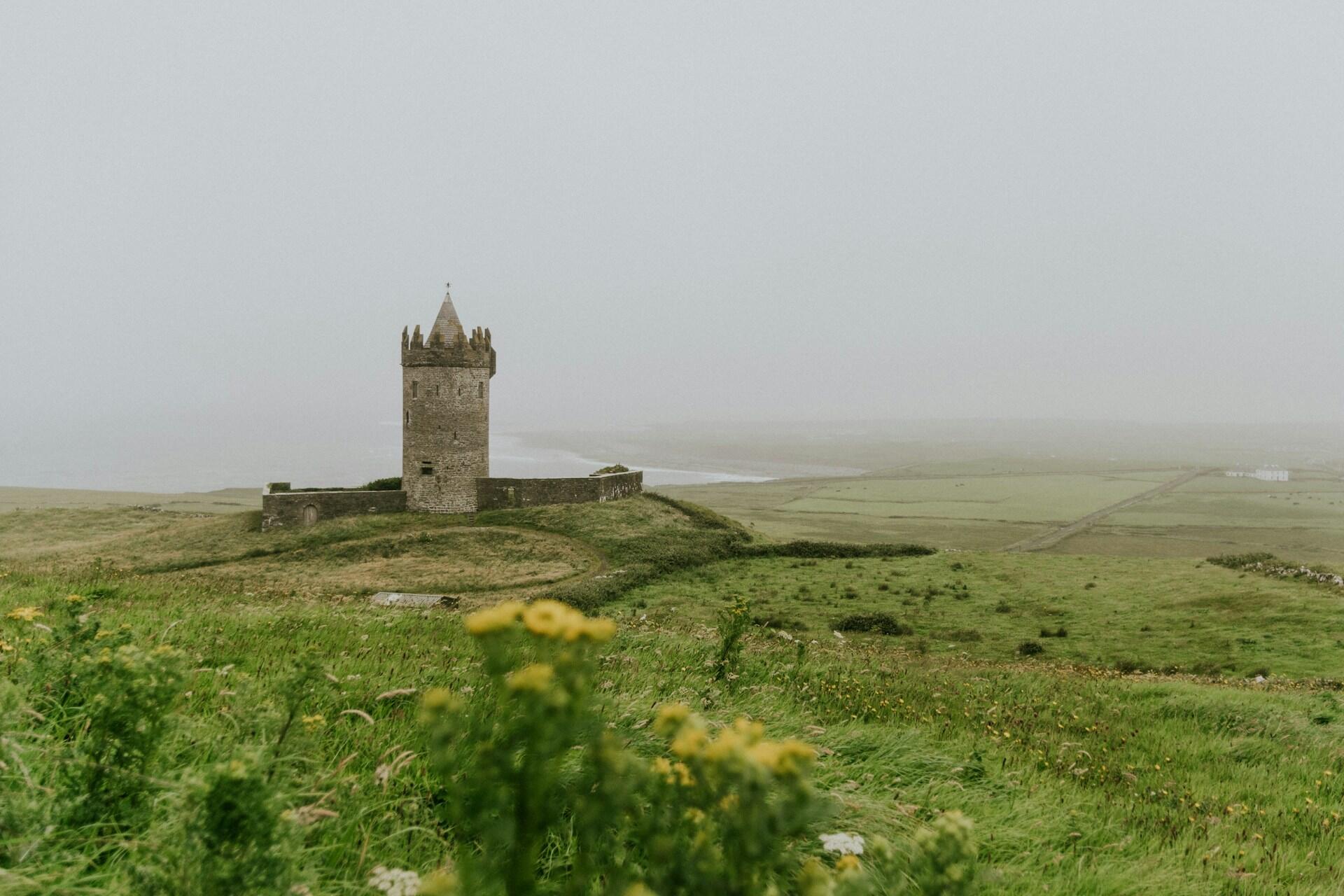
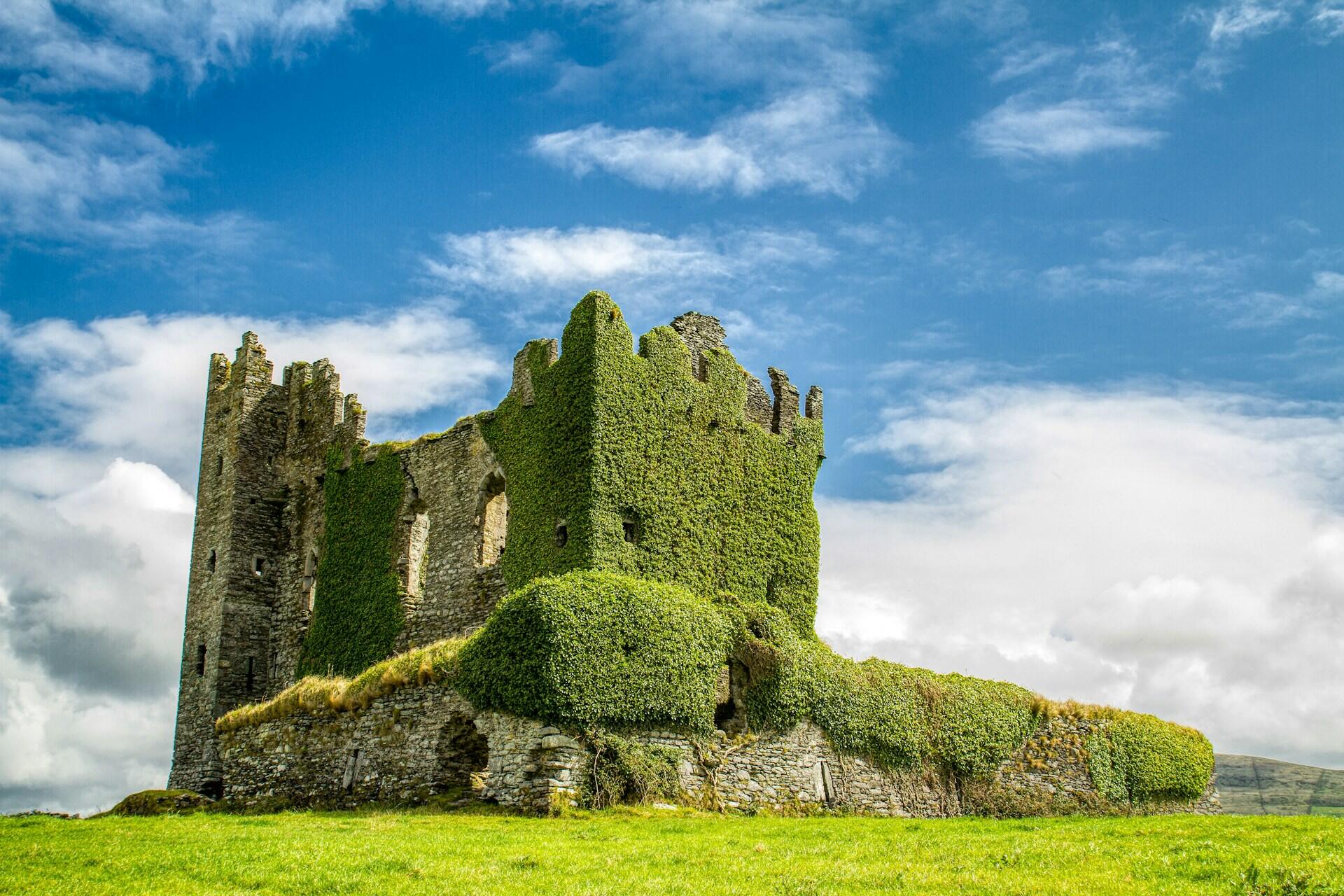
a historical structure that often appears in Irish national identity and is referenced in patriotic songs and cultural traditions.⁴
Who Wrote Amhrán na bhFiann?
The song was written by Peadar Kearney with music by Patrick Heeney.¹ The song that would eventually become Amhrán na bhFiann was a collaboration between two Dublin men in the early 20th century. The lyrics were written by Peadar Kearney. The melody was written by Patrick Heeney.
Peadar Kearney and the Original Song
Peadar Kearney was a Dublin-born songwriter and theatre worker. He wrote The Soldier's Song at a time when political activity was growing in Ireland. The lyrics reflected the spirit of resistance and national pride of the time, which can also be seen in Irish songs like Mo Ghile Mear. The song was informally shared among friends and performed at both social and political gatherings. Eventually, it was printed and distributed more widely.¹
Patrick Heeney and the Music
Patrick Heener was a musician and composer from Dublin. He gave the song its melody. This is what helped make the piece more memorable and suitable for group singing. The song spread through performances and publications, with the combination of Kearney's words and Heeney's music establishing it as one of Ireland's most patriotic songs.¹
The song that became Ireland’s national anthem was created by two Dublin men. Peadar Kearney wrote the lyrics of the original English song The Soldier’s Song in the early twentieth century, while Patrick Heeney composed the music. The Irish-language version, known today as Amhrán na bhFiann, was later translated by Liam Ó Rinn, helping the anthem become closely associated with the Irish language and national identity.
From A Soldier’s Song to Ireland’s National Anthem
The song Amhrán na bhFiann began as "The Soldier's Song" and became the national anthem. It spread informally before being linked with the independence movement. From there, it gained recognition, with the chorus taking on a symbolic role and eventually being adopted by the Irish state as the national anthem.²
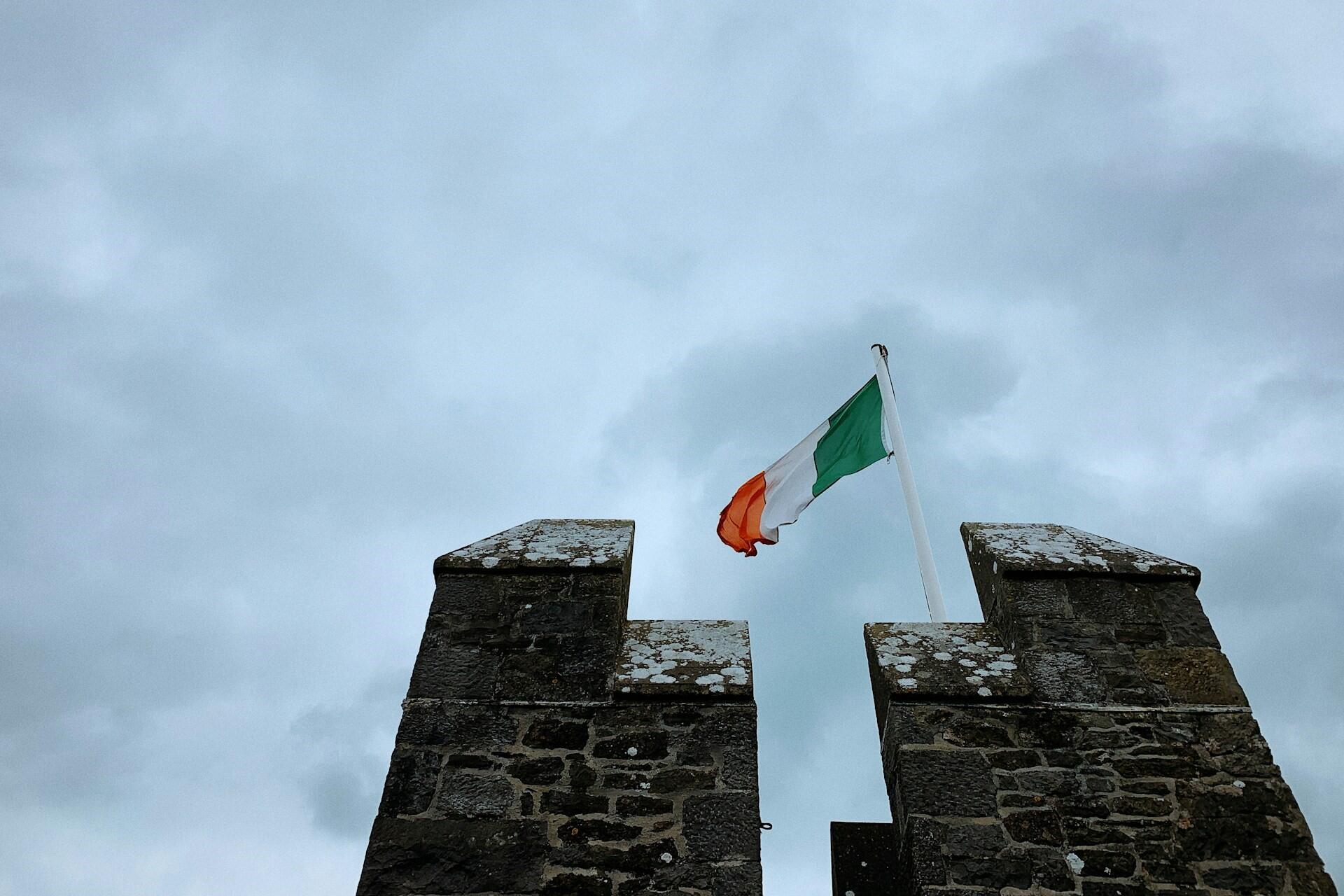
c. 1907
The Song Is Written
Peadar Kearney writes the lyrics of The Soldier’s Song, with music composed by Patrick Heeney. The piece begins circulating informally among friends and performers in Dublin.¹
1909
First Publication
The song is printed and distributed, enabling it to reach a wider audience among nationalist groups and cultural communities.¹
1912
Published in Irish Freedom
The lyrics appear in the nationalist newspaper Irish Freedom, helping introduce the song to a broader political readership.¹
1916
Associated with the Rising
After the Easter Rising, the song became closely linked with the republican movement and is performed at political gatherings and commemorations.¹
Early 1920s
Irish-Language Version Produced
Civil servant Liam Ó Rinn prepares an Irish translation that becomes known as Amhrán na bhFiann.²
1926
Adopted as National Anthem
The Irish Free State formally adopts the chorus of the Irish-language version as the national anthem.²
1937
Continued Use Under the New Constitution
Following the adoption of the Constitution of Ireland, Amhrán na bhFiann continues to serve as the national anthem in official practice.²
2017–2018
Parliamentary Consultation
A Seanad Public Consultation Committee examines the status, treatment, and use of the national anthem across Irish society.⁴
2019
National Anthem Bill Introduced
A bill is introduced in the Oireachtas proposing legal protections and clearer guidance on the use of the anthem.³
Meaning and Themes in Amhrán na bhFiann
Like patriotic songs from the early 20th century, Amhrán na bhFiann reflects the political atmosphere of the time. The chorus describes a group united and ready to defend their country.¹ Today, it's understood as a symbol of national identity rather than a literal call to arms and like the Irish song Trasna na dTonnta, could also be sung by members of the Irish diaspora.²
The song refers to volunteers prepared to defend Ireland, drawing on imagery associated with both modern soldiers and legendary Irish warriors.²
The lyrics emphasise loyalty to Ireland and the shared bonds that unite the country's people.¹
The chorus describes individuals coming together with a common purpose, reflecting the collective spirit often celebrated in national anthems.²
Although The Soldier’s Song originally had several verses, only the chorus became Ireland’s national anthem. When the Irish Free State adopted the anthem in 1926, the government chose the chorus because it was the most widely recognised and easiest part for crowds to sing together. Today, the Irish-language chorus of Amhrán na bhFiann is the version performed at state ceremonies, sporting events, and international matches.
Amhrán na bhFiann in Irish Culture and Sport
Amhrán na bhFiann is often used at public events across Ireland and to represent Ireland internationally. Public consultations on the anthem have noted that it remains widely recognised and used across civic life, particularly at sporting events and official ceremonies.⁵ While it's the official anthem, most people will hear it for sporting events, especially before international matches featuring Ireland.² This has made the anthem a shared ritual for athletes, supporters, and audiences, rather than a rebel song like Óró Sé do Bheatha Bhaile.
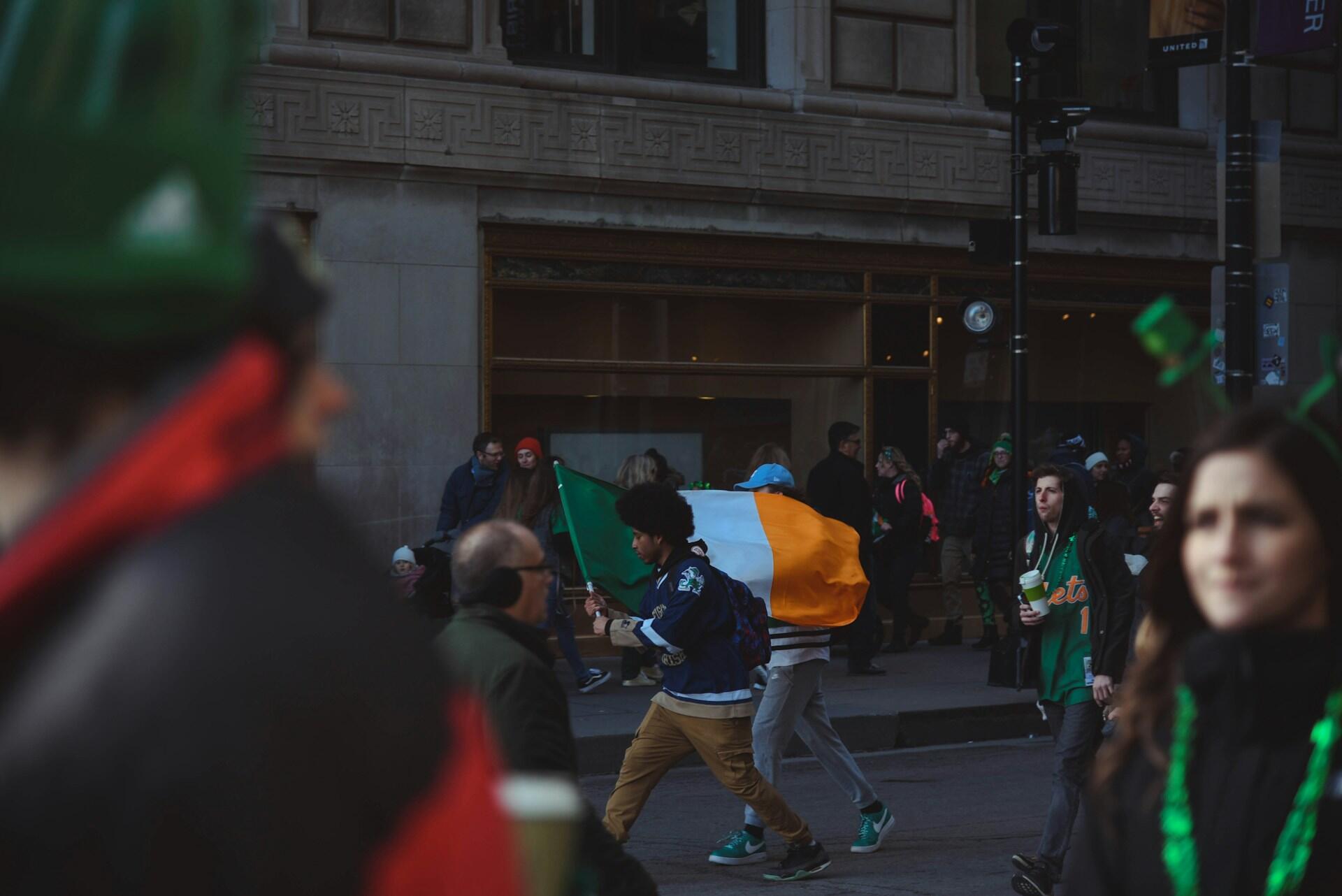
The anthem is performed before many international fixtures involving Irish teams, helping mark the occasion and represent the country.²
It is commonly sung by the Ireland team and supporters before major competitions such as the Six Nations Championship.
The anthem is also performed at state occasions, commemorations, and international events involving Ireland.²
Learning the Irish National Anthem
For many learners, this will be one of the first Irish songs they hear. It's short and widely known, making it a great choice for practising pronunciation and rhythm. Listen to the melody and repeat the words to learn it. Of course, younger learners may consider learning something more suited to children, like the Irish song Beidh Aonach Amárach.

Pronunciation Tips for Irish Learners
Irish spelling doesn't seem very intuitive when you first see it, if it isn't your mother tongue. Break the lyrics into small sections. From there, listen to recordings and line the lyrics up with the sounds.
Start by listening to the anthem to understand the rhythm and pronunciation.
Practise one line at a time rather than trying to learn the whole chorus at once.
Irish vowels often differ from English, so listening carefully helps build familiarity.
Singing along with performances can improve both pronunciation and confidence.
References
- Connell, Joseph E.A. “Countdown to 2016: A Soldier’s Song/ Amhrán na bhFiann.” History Ireland, vol. 21, no. 2, 2013. https://www.historyireland.com/countdown-to-2016-a-soldiers-song-amhran-na-bhfiann/ Accessed 14 Apr. 2026.
- Department of the Taoiseach. “The National Anthem.” gov.ie, 1 Nov. 2018. https://www.gov.ie/en/department-of-the-taoiseach/publications/the-national-anthem/ Accessed 14 Apr. 2026.
- Houses of the Oireachtas. National Anthem Bill 2019. 24 Jan. 2019. https://data.oireachtas.ie/ie/oireachtas/bill/2019/3/eng/initiated/b0319s.pdf Accessed 14 Apr. 2026.
- Houses of the Oireachtas. Seanad Public Consultation Committee Report on the Status, Treatment and Use of the National Anthem. 17 July 2018. https://data.oireachtas.ie/ie/oireachtas/committee/dail/32/seanad_public_consultation_committee/reports/2018/2018-07-17_status-treatment-and-use-of-the-national-anthem_en.pdf Accessed 14 Apr. 2026.
- Houses of the Oireachtas. Seanad Public Consultation Committee: Consultation on the Status, Treatment and Use of the National Anthem. 2 Nov. 2017. https://data.oireachtas.ie/ie/oireachtas/committee/dail/32/seanad_public_consultation_committee/other/2017/2017-09-05_public-consultation-paper-spcc-consultation-on-the-status-treatment-and-use-of-the-national-anthem_en.pdf Accessed 14 Apr. 2026.
Summarise with AI:
Did you like this article? Leave a rating!

 Loading...