
Not to learn Irish is to miss the opportunity of understanding what life in this country has meant and could mean in a better future. It is to cut oneself off from ways of being at home…
Seamus Heaney
Wondering what the Mo Ghile Mear lyrics are? Want to understand what they mean in English? Here are the lyrics, history, and context behind this popular Irish-language song.
Key Takeaways
- Mo Ghile Mear is an Irish-language song based on a poem written by Seán Clárach Mac Domhnaill in the eighteenth century.
- The title translates roughly as “my gallant hero” or “my brave darling.”
- The poem reflects the Jacobite period, particularly the exile of Prince Charles Edward Stuart after 1746.
- The song survives today through traditional Irish music, choral performances, and modern recordings.
- Mo Ghile Mear remains an important example of Irish-language poetry and musical heritage.


Mo Ghile Mear Lyrics (Irish and English Translation)
Just like the national anthem of Ireland, Mo Ghile Mear is a famous song in Irish. It's based on an 18th-century poem written during one of many turbulent periods in Irish and British history. The text is attributed to the poet Seán Clárach Mac Domhnaill, who wrote it following the defeat of the Jacobite cause in 1746.³ Don't worry if you don't speak Irish, we've found a good English translation for you so you can compare the two.⁴ Other translated versions of the lyrics also circulate online, helping international audiences follow the meaning of the song.⁶ Of course, it's better if you can understand the original, as there's more than just the semantic meaning of words in poetry, but it's a good start.
Original Irish Version
Seal dá rabhas im’ mhaighdean shéimh,
‘S anois im’ bhaintreach chaite thréith,
Mo chéile ag treabhadh na dtonn go tréan
De bharr na gcnoc is in imigéin.
Curfá
Sé mo laoch mo Ghile Mear
‘Sé mo Shaesar, Ghile Mear,
Suan ná séan ní bhfuaireas féin
Ó chuaigh i gcéin mo Ghile Mear.
Bímse buan ar buairt gach ló,
Ag caoi go cruaidh ‘s ag tuar na ndeor
Mar scaoileadh uaim an buachaill beo
‘S ná ríomhtar tuairisc uaidh, mo bhrón.
Curfá
Ní labhrann cuach go suairc ar nóin
Is níl guth gadhair
i gcoilltibh cnó,
Ná maidin shamhraidh i ngleanntaibh ceoigh
Ó d’imthigh sé uaim an buachaill beó.
Curfá
Ghile Mear ‘sa seal faoi chumha,
‘S Éire go léir faoi chlócaibh dubha;
Suan ná séan ní bhfuaireas féin
Ó chuaigh i gcéin mo Ghile Mear.
English translation⁸
Once I was gentle maiden,
But now I'm a spent, worn-out widow,
My consort strongly plowing the waves,
Over the hills and far away.
Chorus
He's my champion my Gallant Darling,
He's my Caesar, a Gallant Darling,
I've found neither rest nor fortune
Since my Gallant Darling went far away.
Every day I'm constantly enduring grief,
Weeping bitterly and shedding tears,
Because my lively lad has left me
And no news is told of him - alas.
Chorus
The cuckoo doesn't sing cheerfully after noon,
And the sound of hounds
isn't heard in the nut-tree woods,
Nor a summer morning in a misty glen
Since my lively boy went away from me.
Chorus
Gallant Darling for a while under sorrow,
And Ireland completely under black cloaks;
I have found neither rest nor fortune
Since my Gallant Darling went far away.
What Does “Mo Ghile Mear” Mean?
The title of the song is a fine example of the poetic style you'll often find in traditional Irish-language verse. The emotional and symbolic meanings of the words won't always be obvious in a direct translation, because Irish phrases often carry layered cultural meanings beyond literal definitions.² That said, the phrase used in the title is just the tip of the iceberg when it comes to the longing and admiration that you'll see throughout the rest of it.
The Irish phrase Mo Ghile Mear means “my gallant hero” or “my brave darling.”In the song, the phrase refers to Prince Charles Edward Stuart, the Jacobite leader whose defeat and exile inspired the eighteenth-century poem by Seán Clárach Mac Domhnaill.
Origins of the Song and Its Jacobite History
Mo Ghile Mear emerged during the period of political upheaval connected to the Jacobite movement in the 18th century. The poem is about the disappointment that followed the collapse of the Jacobite cause and the exile of its supporters after the uprisings.⁹ Irish poets often used symbolic literary traditions to express political ideas through allegory and imagery, which was also done in rebel songs like Óró Sé do Bheatha Bhaile.⁷
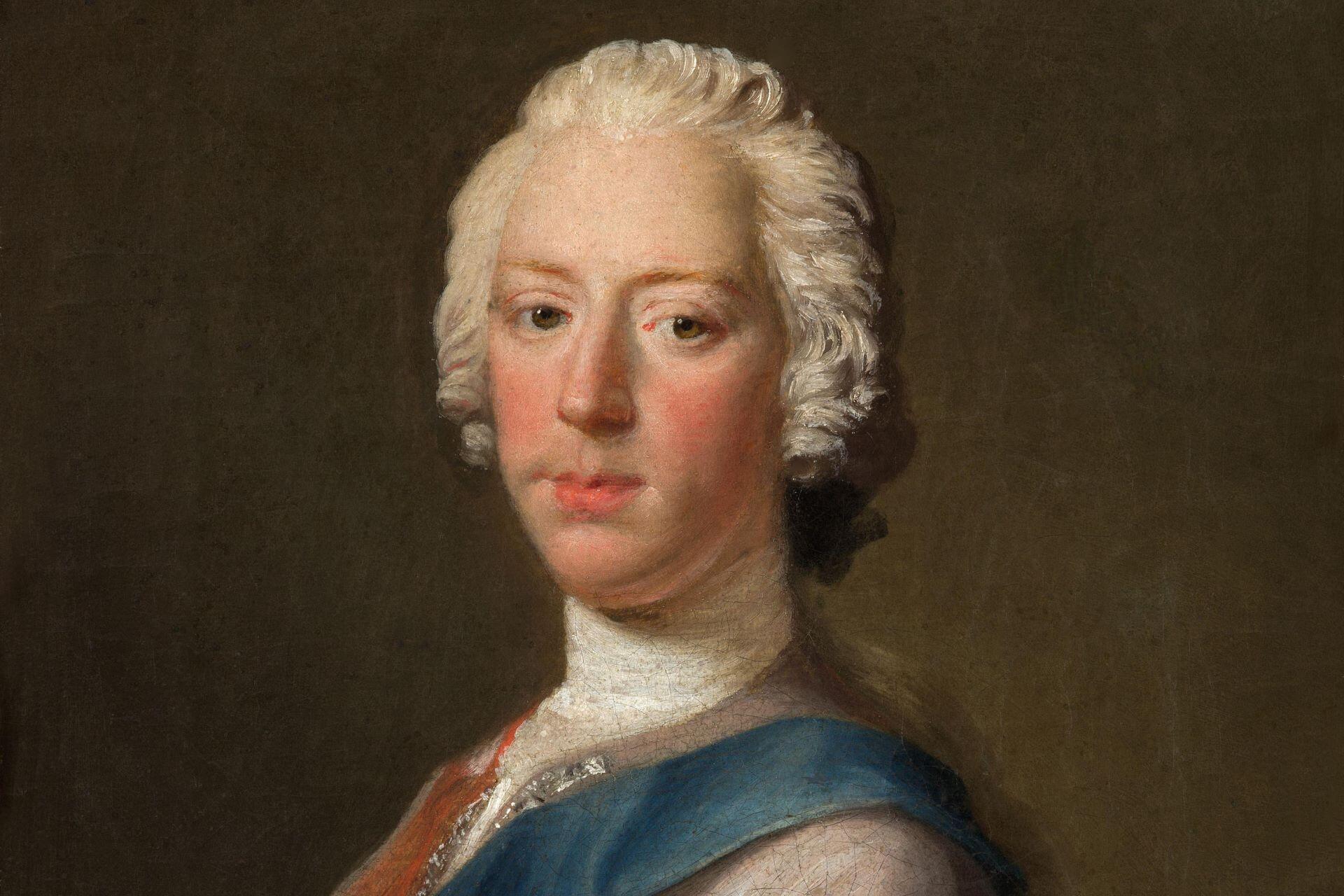
Mo Ghile Mear is written in the aisling tradition of Irish poetry. In this style, Ireland appears as a woman mourning the absence of a heroic figure who will one day return to restore the country.
Seán Clárach Mac Domhnaill and the Poem
Seán Clárach Mac Domhnaill was active during a period when the Irish language was a key means of recording political feeling and cultural identity. His work mirrored the hopes and disappointments of the Jacobite cause in Ireland at the time.³ Poems that circulated in oral tradition contributed to the preservation of Irish literary and musical heritage.
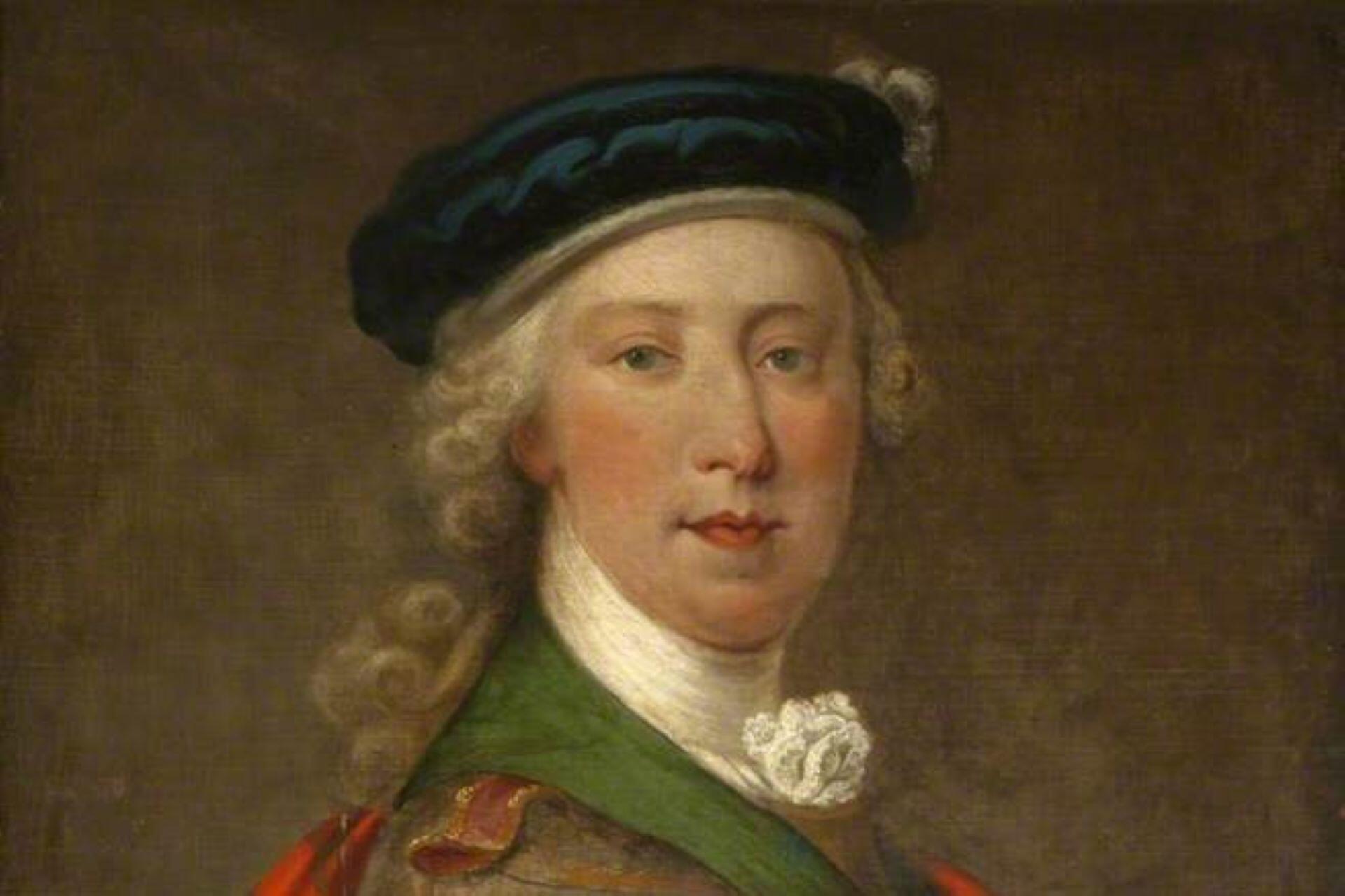
Seán Clárach Mac Domhnaill (c.1691–1754) was an Irish poet from County Cork and one of the leading writers of the Jacobite era. He wrote the poem that later became the song Mo Ghile Mear, using the traditional aisling style in which Ireland appears as a woman mourning the exile of her hero.
Prince Charles Edward Stuart and the Jacobite Rising
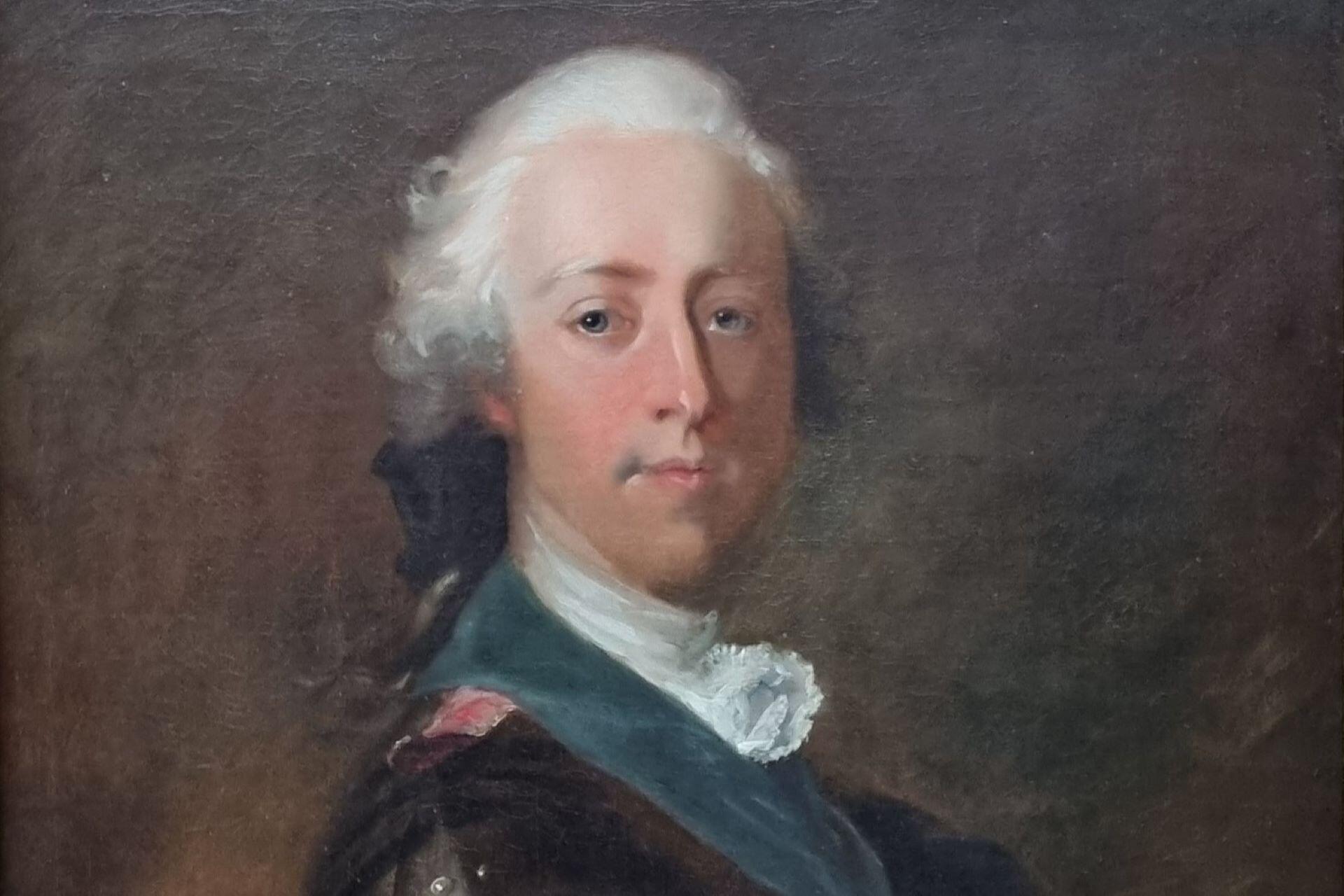
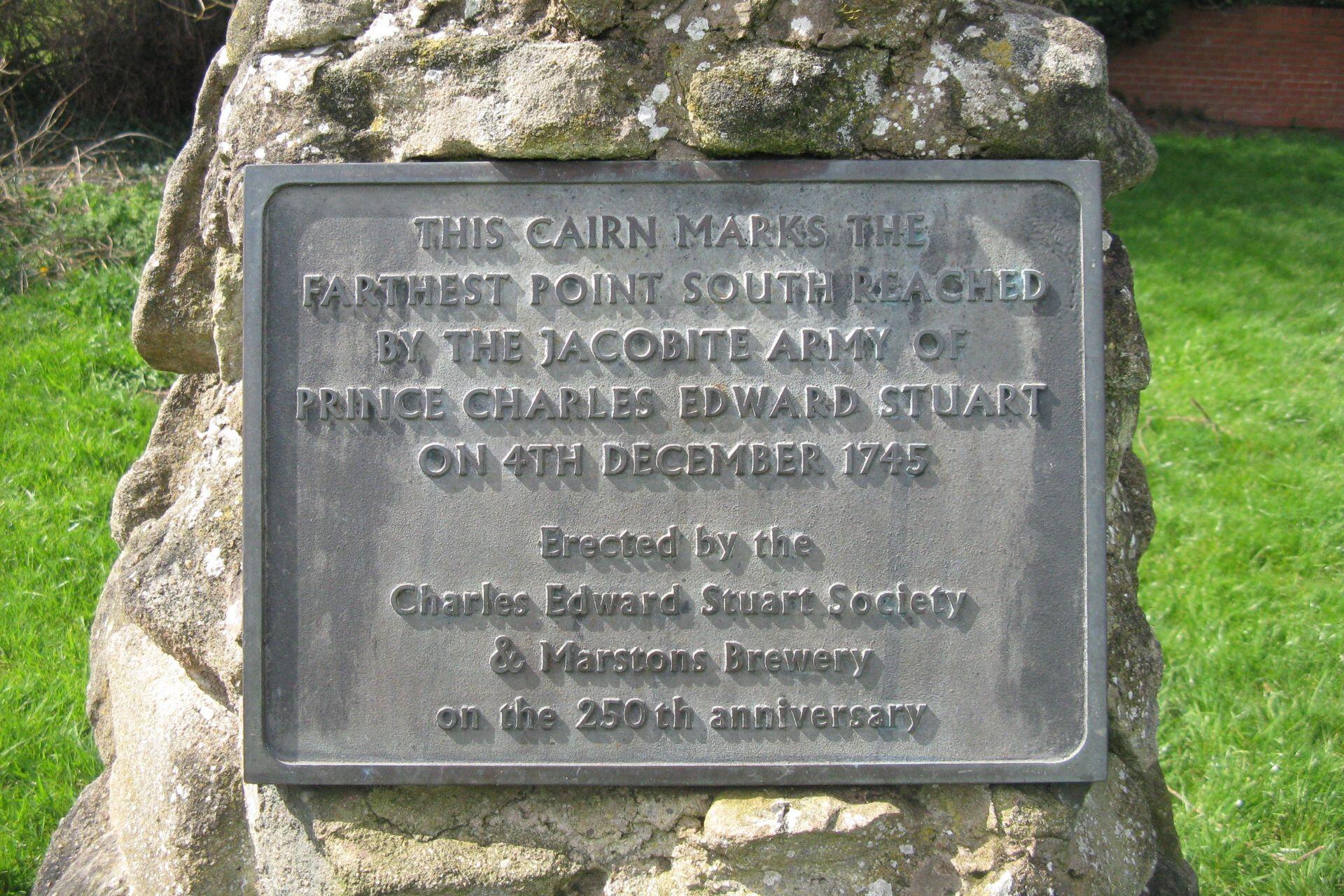
Prince Charles Edward Stuart, known as Bonnie Prince Charlie, was central to the Jacobite Rising of 1745. He aimed to restore the Stuart dynasty to the British throne, but had to flee into exile following the defeat at the Battle of Culloden in 1746. These events inspired many Jacobite poems and songs in Ireland.
Mo Ghile Mear in Irish Culture
Mo Ghile Mear has become one of the best-known songs in Irish musical tradition, frequently appearing in modern Irish musical repertoires and performances.¹ The piece is often performed by folk singers, choirs, and traditional musicians. It can be heard at concerts and cultural events celebrating Irish heritage, just like the fair from Beidh Aonach Amárach.⁵ Thanks to performances, the song continues to connect with modern audiences, keeping Ireland's historical and musical traditions.
traditional Irish songs recorded in the Irish Traditional Music Archive.
Traditional Performances and Folk Revival
Before songs like Mo Ghile Mear were performed and recorded by modern versions (more on that momentarily), it was maintained through oral tradition. The Irish cultural revival of the nineteenth and twentieth centuries saw it performed more widely, with scholars and musicians working to record Irish-language songs and introduce them to new audiences.⁸ Thus, the song is part of the broader revival, with renewed interest in Irish music, poetry, and language.
Modern Recordings and Popular Versions
More recently, Mo Ghile Mear has become even more popular with modern recordings and performances. Irish choirs and folk ensembles have arguably provided the most stirring renditions, connecting with audiences even beyond Ireland and in the wider Irish diaspora, similarly to the Irish song Trasna na dTonnta.⁵ Some widely known performances, including choral arrangements performed by university ensembles, have helped introduce the song to new listeners.¹⁰ There are wonderful examples of how Irish music can evolve while preserving its roots.
Understanding the Chorus and Key Irish Words
since the poem that became Mo Ghile Mear was written
The chorus of Mo Ghile Mear features the most important Irish words you should understand to appreciate it. Even if you don't speak Irish, it's worth understanding the key terms. Here they are explained.
Key Words in the Chorus of Mo Ghile Mear
"My" in Irish. It is used as a possessive pronoun.
A form of gile, meaning bright, noble, or valiant.
Often translated as lively, spirited, or gallant.
Hero or champion.
A symbolic reference to a leader or ruler, used poetically in the song.
Sleep or rest.
Luck or good fortune.
Why Mo Ghile Mear Remains Popular Today
Traditional Irish songs are popular because they act as a bridge between history, language, and Irish cultural identity. Mo Ghile Mear is still performed and recorded. The themes of longing, exile, and heroism are central to much Irish music. The music itself works well for folk performances, choral concerts, and modern recordings.⁵
Why Mo Ghile Mear Is Still Performed Today
The song reflects the political and cultural history of the Jacobite period in Ireland.
It remains an important example of a traditional Irish-language song.
The repeating chorus makes the song easy to learn and perform.
Choirs and folk performers continue to release new interpretations of the song.
The song is frequently performed at Irish cultural celebrations and music events.
References
- Barfoot, Rhoda. “Music Spotlight: Mo Ghile Mear.” Rhoda Barfoot, 2 May 2018, https://rhodabarfoot.com/2018/05/02/music-spotlight-mo-ghile-mear/. Accessed 13 Apr. 2026.
- Bitesize Irish. “How to Say ‘Mo Ghile Mear’ in Irish.” Bitesize Irish, 16 Mar. 2023, https://www.bitesize.irish/blog/how-to-say-mo-ghile-mear-in-irish/. Accessed 13 Apr. 2026.
- “Howling Infinite.” “Mo Ghile Mear in Irish Myth and Melody.” Howling Infinite, 20 July 2017, https://howlinginfinite.com/2017/07/20/mo-ghile-mear-in-irish-myth-and-melody/. Accessed 13 Apr. 2026.
- Irish Page. “Mo Ghile Mear: Lyrics and English Translation.” IrishPage, https://irishpage.com/songs/gilemear.html. Accessed 13 Apr. 2026.
- IrishCentral. “Dublin Choir’s Mesmerizing Rendition of Ancient Irish Song ‘Mo Ghile Mear’.” IrishCentral, 1 Dec. 2025, https://www.irishcentral.com/culture/entertainment/student-choirs-ancient-irish-song. Accessed 13 Apr. 2026.
- Lyricstranslate. “Iarla Ó Lionáird – ‘Mo Ghile Mear’ Lyrics and English Translation.” LyricsTranslate, https://lyricstranslate.com/en/mo-ghile-mear-my-gallant-lad.html. Accessed 13 Apr. 2026.
- Rebel Breeze. “Left in the Lurch but Singing.” Rebel Breeze, 29 Aug. 2020, https://rebelbreeze.com/2020/08/29/left-in-the-lurch-but-singing/. Accessed 13 Apr. 2026.
- Songs in Irish. “Mo Ghile Mear: Irish Lyrics, Translation, and Notes.” Songs in Irish, https://songsinirish.com/mo-ghile-mear-ucd-lyrics/. Accessed 13 Apr. 2026.
- Tradition in Action. “Mo Ghile Mear – Irish Jacobite Song.” Tradition in Action, https://www.traditioninaction.org/Cultural/Music_P_files/P111_Mog.htm. Accessed 13 Apr. 2026.
- UCD Choral Scholars. “Mo Ghile Mear Lyrics and Background.” Songs in Irish, https://songsinirish.com/?song=mo-ghile-mear-lyrics. Accessed 13 Apr. 2026.
Summarise with AI:
Did you like this article? Leave a rating!

 Loading...