
Tír gan teanga, tír gan anam. / A country without a language is a country without a soul.
Pádraig Pearse
Óró Sé do Bheatha Bhaile is a well-known Irish folk and rebel song. You likely know its chorus, and if you don't, don't worry. Here, we'll show you the lyrics, examples of the song, and explain how it went from folk song to rebel song.
Key Takeaways
- Óró Sé do Bheatha Bhaile is a well-known Irish folk song that later became associated with Irish rebel music.
- The phrase “Óró sé do bheatha bhaile” roughly translates as “Oh, welcome home.”
- The song likely originated in the eighteenth century and was linked to Jacobite support during the 1745 rising.
- Pádraig Pearse rewrote the lyrics during the Gaelic Revival, transforming the song into a nationalist anthem.
- In Pearse’s version, the returning hero is Gráinne Mhaol, the famous sixteenth-century Irish chieftain and seafarer.
- The song remains widely performed in Irish folk music, rebel songs, and traditional music sessions today.


Óró Sé do Bheatha Bhaile Lyrics (Irish and English Translation)
Before we dive into the meaning behind the song, let's start with the lyrics. Like the Irish national anthem, Óró Sé do Bheatha Bhaile is one of the best-known songs in the Irish language, and while there were various versions, the most common today is the early twentieth-century one, when older folk material was adapted during the Gaelic Revival.⁸ You'll see in the lyrics examples of the traditional Irish poetic style with themes of resistance and national identity, which is partly what helped the song become closely linked with Irish folk and rebel music.⁵ The repeated chorus is typical of traditional Irish songs, where simple refrains allowed audiences to join in during performances.⁶
Original Irish Version
'Sé do bheatha, a bhean ba léanmhar,
Do b' é ár gcreach thú bheith i ngéibheann,
Do dhúiche bhreá i seilbh méirleach,
Is tú díolta leis na Gallaibh.
Óró, sé do bheatha 'bhaile,
Óró, sé do bheatha 'bhaile,
Óró, sé do bheatha 'bhaile
Anois ar theacht an tsamhraidh.
Tá Gráinne Mhaol ag teacht thar sáile,
Óglaigh armtha léi mar gharda,
Gaeil iad féin is ní Frainc ná Spáinnigh,
Is cuirfidh siad ruaig ar Ghallaibh.
Óró, sé do bheatha 'bhaile, (x3)
Anois ar theacht an tsamhraidh.
A bhuí le Rí na bhFeart go bhfeiceam,
Mura mbeam beo ina dhiaidh ach seachtain,
Gráinne Mhaol agus míle gaiscíoch,
Ag fógairt fáin ar Ghallaibh.
Óró, sé do bheatha 'bhaile, (x3)
Anois ar theacht an tsamhraidh.
English version⁹
Welcome oh woman who was so afflicted,
It was our ruin that you were in bondage,
Our fine land in the possession of thieves…
And you sold to the foreigners!
Oh-ro You're welcome home,
Oh-ro You're welcome home,
Oh-ro You're welcome home…
Now that summer's coming!
Gráinne O'Malley is coming over the sea,
Armed warriors along with her as her guard,
They're Irish themselves, not French nor Spanish,
And they will rout the foreigners!
Oh-ro You're welcome home (x3)
Now that summer's coming!
May it please the King of Miracles that we might see,
Although we may live for a week once after,
Gráinne Mhaol and a thousand warriors…
Dispersing the foreigners!
Oh-ro You're welcome home (x3)
Now that summer's coming!
What Does “Óró Sé do Bheatha Bhaile” Mean?
The chorus may be widely recognised, but it only really gains power when you understand the meaning behind it, much like the song Mo Ghile Mear. Traditionally, the repeated line is a rallying call, which reinforces the idea of a return. The words became increasingly associated with Irish resistance and identity. The phrase is one of the most distinctive refrains in Irish-language folk music.⁸ The wording itself reflects traditional Irish expressions used to greet or welcome someone home.² But what exactly does it mean?
The Irish phrase “Óró sé do bheatha bhaile” roughly translates as “Oh, welcome home” or “Hooray, you are welcome home.”The word órófunctions as a celebratory cheer often heard in Irish folk songs. At the same time, bheatharelates to life or welcome, and bhailemeans home or homeland. In the song, the phrase expresses joy at the return of a hero or leader. In the version popularised during the Irish revolutionary period, the welcome is directed toward the legendary figure Gráinne Mhaol, symbolising resistance and the return of Ireland's strength.
Origins of the Song in Irish History
The refrain of Óró Sé do Bheatha Bhaile is thought to have emerged from older Irish folk traditions, like the fair mentioned in the Irish children's song Beidh Aonach Amárach. After that, the song was linked to political events in the eighteenth century. The early versions were associated with Jacobite support for Prince Charles Edward Stuart during the 1745 rising, with songs welcoming a returning leader being common across Ireland and Scotland at the time.³ The melody circulated in oral tradition, which is how later writers adapted it for new political and cultural movements in Ireland.⁸ Versions of the song were collected and preserved in archives of traditional Irish singing during the twentieth century.¹⁰
years old and likely began as a Jacobite welcome song connected with the 1745 rising.
1745
Jacobite Associations
The melody and refrain become linked with songs welcoming Prince Charles Edward Stuart during the Jacobite rising.
Late 18th–19th Century – Folk Tradition
The tune circulates widely in Irish folk music and survives through oral tradition and early song collections.
Early 20th Century
Gaelic Revival
Irish cultural revivalists revive traditional music and language, setting the stage for new nationalist adaptations of older songs.
1910s
Pearse Adaptation
Pádraig Pearse rewrites the lyrics, transforming the song into a nationalist anthem centred on Gráinne Mhaol and Irish resistance.³
Pádraig Pearse and the Rebel Song Version
By the early twentieth century, a cultural revival was underway in Ireland, with the Irish language a key vehicle. Language, literature, and traditional music were all revisited. This allowed older melodies to be adapted, and Óró Sé do Bheatha Bhaile was already familiar in the folk tradition and well-suited to communal singing. The song took on new significance, with writers and activists finding ways to connect historical themes and the growing movement for Irish independence.³
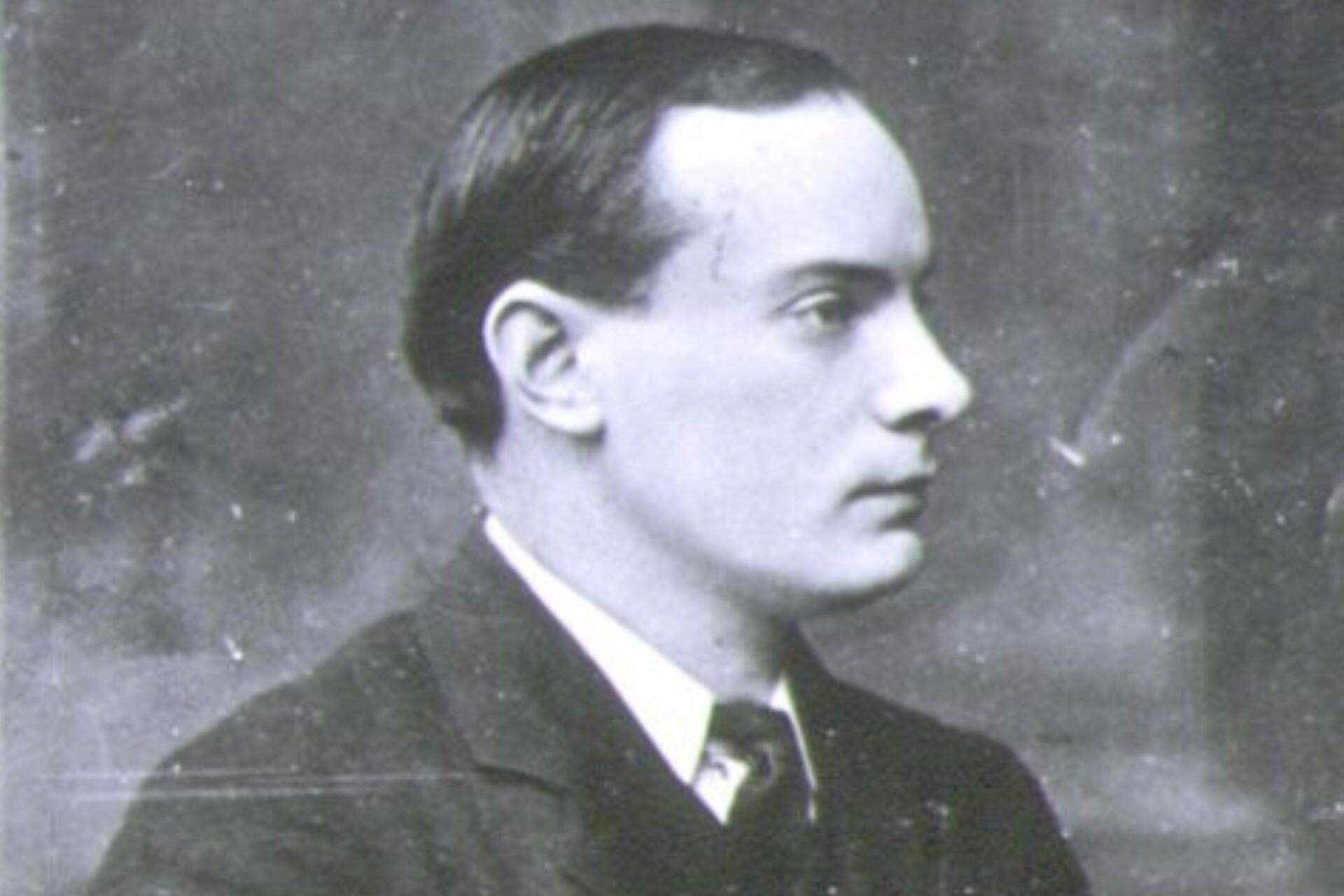
The version of Óró Sé do Bheatha Bhaile most widely sung today was rewritten by Pádraig Pearsein in the early twentieth century. Pearse, a teacher, writer, and one of the leaders of the 1916 Easter Rising, adapted the older folk song, replacing its earlier Jacobite references with Irish nationalist imagery. In his lyrics, the returning hero becomes Gráinne Mhaol, the famous sixteenth-century Irish chieftain and seafarer. Pearse's adaptation helped transform the song into one of the best-known Irish rebel songs, and it continues to be performed in both political and folk music contexts.
Gráinne Mhaol and the Hero of the Lyrics
In Pearse's adaptation of the song, a legendary Irish leader is celebrated rather than a king or foreign prince. By drawing on this well-known historical character, the song's message is one of struggles and cultural memory, making it powerful. Her strong associations with leadership, defiance, and maritime power in Irish history make her an excellent candidate for the change.⁷
Gráinne Mhaol (often anglicised as Grace O’Malley) was a sixteenth-century Irish chieftain and seafarer from County Mayo. Known in Irish history as a powerful leader and skilled navigator, she commanded ships along Ireland’s west coast and controlled important trade routes. Gráinne Mhaol became a symbol of resistance against English authority and Irish independence. In Pádraig Pearse’s version of Óró Sé do Bheatha Bhaile, she is portrayed as the heroic figure returning with warriors to defend Ireland, turning the song into a powerful nationalist anthem.
Óró Sé do Bheatha Bhaile in Irish Rebel Songs and Folk Music
The song moved through oral tradition and became part of Ireland's wider folk music repertoire. Folk songs change depending on who's singing them and when, so Óró Sé do Bheatha Bhaile could evolve over time. By taking a well-known song, the new version could spread quickly through political gatherings, cultural events, and traditional music sessions.⁸ You'll see that many other songs associated with Irish nationalism followed a similar path; remaining a staple in folk sessions while also appearing in collections of Irish rebel songs.⁵
Modern Performances and Recordings
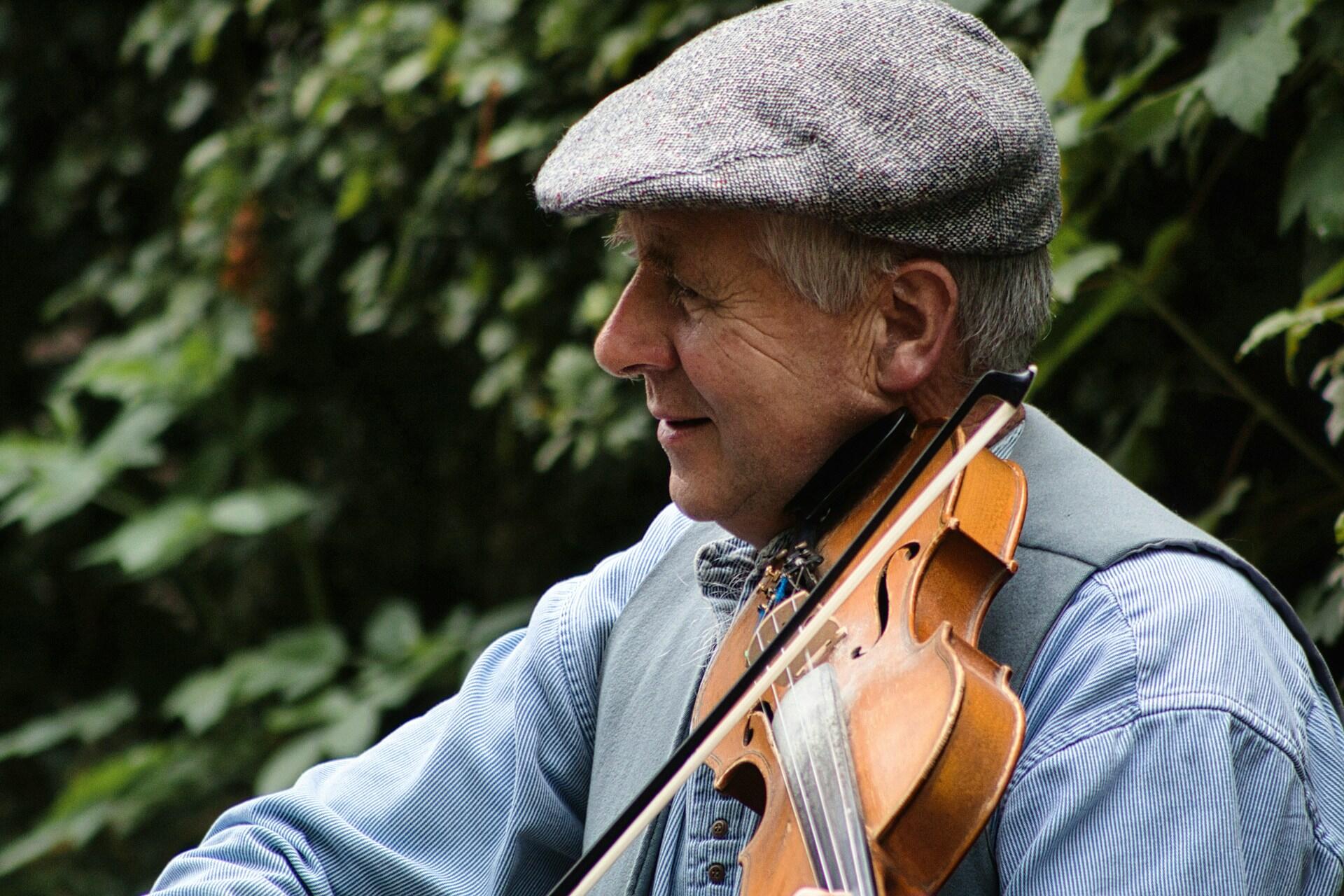
Though the song has roots in older folk traditions, it's still played by modern performers in the twentieth and twenty-first centuries. Folk groups like The Clancy Brothers and Tommy Makem helped bring the song to wider audiences during the 1960s folk revival. Later artists keep it alive with versions by groups like The Dubliners, along with performers such as Sinéad O'Connor, Cruachan, and John Spillane, who have ensured that Óró Sé do Bheatha Bhaile lives on. Modern recordings and performances continue to reinterpret the song for new audiences.¹
Why the Song Still Matters in Irish Culture
Over 200 years after the song first appeared, it still holds an important place in Irish culture. You'll hear it at festivals and traditional music sessions. It introduces new generations and the Irish diaspora to the Irish language, like Trasna na dTonnta. Thanks to its simple, memorable chorus, it's one of the easier songs to join in with. A mixture of folk melody, historical reference, and nationalist symbolism, it's easy to see why it remains widely recognised today.⁸
people report some ability to speak Irish.
References
- Bernard, Fiona. “Sinéad O’Connor – Óró ‘s é do bheatha ‘bhaile.” https://nabnyc.blogspot.com/2010/03/sinead-oconnor-oro-s-e-do-bheatha.html Accessed 13 Apr. 2026.
- Gaeilgeoir.ai. “Oro Sé do Bheatha Bhaile: The Rebel Song of Ireland.” https://gaeilgeoir.ai/oro-se-do-bheatha-bhaile-meaning/ Accessed 13 Apr. 2026.
- Kearney, Donal. “Amhráin Gaelach Tradisiúnta #1 – Óró Sé Do Bheatha Bhaile.” https://www.donal-kearney.com/blog/amhrain-gaelach-tradisiunta-1-oro-se-do-bheatha-bhaile Accessed 13 Apr. 2026.
- Lyricstranslate. “Óró, ’Sé do Bheatha ’Bhaile Lyrics and English Translation.” https://lyricstranslate.com/en/%C3%B3r%C3%B3-s%C3%A9-do-bheatha-%E2%80%98bhaile-horo-welcome-home.html Accessed 13 Apr. 2026.
- MacManus, Patrick. “Irish Song of Rebellion: Óró, Sé do Bheatha ‘Bhaile.” https://patrickmacmanus.wordpress.com/2011/07/20/irish-song-of-rebellion-oro-se-do-bheatha-bhaile/ Accessed 13 Apr. 2026.
- Mama Lisa’s World. “Oró, Sé do Bheatha Abhaile – Irish Song.” https://www.mamalisa.com/?p=3740&t=es Accessed 13 Apr. 2026.
- Moonfish Writing. “Gráinne Ní Mháille: Pirate Queen and Symbol of Irish Independence.” https://www.moonfishwriting.com/post/gr%C3%A1inne-n%C3%AD-mh%C3%A1ille-pirate-queen-and-symbol-of-irish-independence Accessed 13 Apr. 2026.
- Simons, Debi. “An Irish Folk Song with Hazy Roots and Several Meanings: ‘Oró, Sé Do Bheatha Abhaile.’” https://debisimons.com/an-irish-folk-song-with-hazy-roots-and-several-meanings-oro-se-do-bheatha-abhaile/ Accessed 13 Apr. 2026.
- Songs in Irish. “Óró Sé do Bheatha Bhaile – Lyrics, Translation, and Chords.” https://songsinirish.com/oro-se-do-bheatha-bhaile-lyrics/ Accessed 13 Apr. 2026.
- The Joe Heaney Archive. “Óró Sé do Bheatha Abhaile.” https://www.joeheaney.org/en/oro-se-do-bheatha-abhaile/ Accessed 13 Apr. 2026.
Summarise with AI:
Did you like this article? Leave a rating!

 Loading...