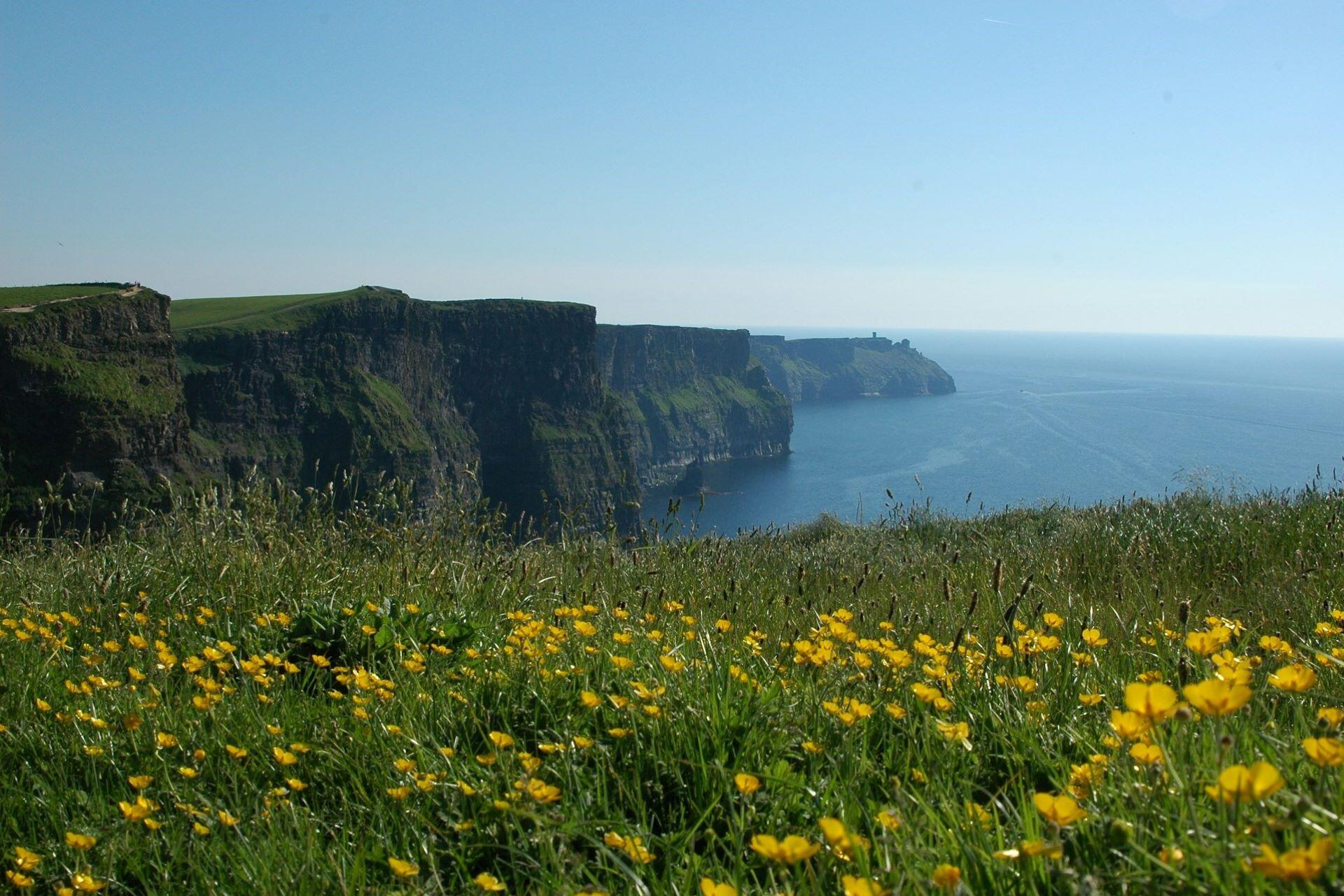

'S a mháithrín, an ligfidh tú chun aonaigh mé? / Oh mother, won't you let me go to the fair?
Beidh Aonach Amárach
Have you heard Beidh Aonach Amárach? Do you know the lyrics? Do you know what it means? Here, we'll explore the words and context of this popular traditional song and why it's so useful for learning the Irish language.
Key Takeaways
- Beidh Aonach Amárach is a traditional Irish song about a young girl asking her mother for permission to attend a fair in County Clare.
- The title translates to “There will be a fair tomorrow.”
- The song tells its story through a dialogue between a daughter and her mother.
- Its repetitive structure and simple vocabulary make it popular for learning Irish.
- Traditional songs like this help preserve Irish culture, language, and storytelling.


Beidh Aonach Amárach Lyrics (Irish and English Translation)
Beidh Aonach Amárach is a traditional Irish song, just like the country's national anthem. The lyrics tell a simple story in the form of a conversation. A young girl who wants to attend a fair in County Clare is being told by her mother that she's too young to go. The narrative structure is easy to follow, even for young listeners still learning the language.²
With a lot of rhythm and repetition, these kinds of songs are easy to remember and, therefore, easy to pass on from one generation to another. This meant that over time, songs like Beidh Aonach Amárach became part of Ireland's wider folk tradition. It's still recognised today as an example of everyday storytelling through music.¹
Here are the lyrics in Irish, along with an English translation to show how it all works. There are many versions of the lyrics, but the structure remains the same. The song is a story about youth, family guidance, and the excitement surrounding a traditional fair.⁴
Irish Version
Beidh aonach amárach i gContae an Chláir.
Beidh aonach amárach i gContae an Chláir.
Beidh aonach amárach i gContae an Chláir.
Cé mhaith dom é, ní bheidh mé ann.
Curfá:
'S a mháithrín, an ligfidh tú chun aonaigh mé?
'S a mháithrín, an ligfidh tú chun aonaigh mé?
'S a mháithrín, an ligfidh tú chun aonaigh mé?
'S a mhuirnín ó ná héiligh é.
Níl tú a deich nó a haon déag fós.
Níl tú a deich nó a haon déag fós.
Níl tú a deich nó a haon déag fós.
Nuair a bheidh tú trí déag beidh tú mór.
Curfá
Táim-se i ngrá le gréasaí bróg.
Táim-se i ngrá le gréasaí bróg.
Táim-se i ngrá le gréasaí bróg.
Mur' bhfaigh mé é ní bheidh mé beo.
Curfá
B'fhearr liom féin mo ghréasaí bróg.
B'fhearr liom féin mo ghréasaí bróg.
B'fhearr liom féin mo ghréasaí bróg.
Ná oifigeach airm faoi lásaí óir.
Curfá
Is a mháithrín an ligfidh tú chun aonaigh mé
Is a mhuirnín óg ná healaí é
Is a mháithrín an ligfidh tú chun aonaigh mé
Is a mhuirnín óg ná healaí é
Curfá
Beidh aonach amárach in gContae an Chláir
Beidh aonach amárach in gContae an Chláir
Beidh aonach amárach in gContae an Chláir
Cén mhaith domh é ní bheidh mé ann
Curfá
Tá 'níon bheag agam is tá sí óg
Tá 'níon bheag agam is tá sí óg
Tá 'níon bheag agam is tá sí óg
Is tá sí i ngrá leis an ghreasaí bróg
Curfá
'S iomaí bean a phós go h-óg
'S iomaí bean a phós go h-óg
'S iomaí bean a phós go h-óg
Is a mhair go socair lena greasaí bróg
Curfá
Níl tú ach deich nó aon deag fós
Níl tú ach deich nó aon deag fós
Níl tú ach deich nó aon deag fós
Nuair a bheas tú trí deag beidh tú mór
Curfá
B'fhearr liom féin mo ghreasaí bróg
B'fhearr liom féin mo ghreasaí bróg
B'fhearr liom féin mo ghreasaí bróg
Ná fir na n'arm faoina lascú óir
Curfá
English translation⁴
There's a fair tomorrow in the County Clare.
There's a fair tomorrow in the County Clare.
There's a fair tomorrow in the County Clare.
But what's the use I won't be there.
Chorus:
Oh mother, won't you let me go to the fair?
Oh mother, won't you let me go to the fair?
Oh mother, won't you let me go to the fair?
My fondest child, Oh please don't ask.
You're not even ten or eleven years old.
You're not even ten or eleven years old.
You're not even ten or eleven years old.
When you're thirteen I'll let you go.
Chorus
I'm in love with the cobbler man.
I'm in love with the cobbler man.
I'm in love with the cobbler man.
If I don't get him, I can't live on.
Chorus
The cobbler is the man I like the best.
The cobbler is the man I like the best.
The cobbler is the man I like the best.
I prefer him to an officer with golden braid.
Chorus
Oh mother, won't you let me go to the fair?
Oh mother, won't you let me go to the fair?
Oh mother, won't you let me go to the fair?
My fondest child, Oh please don't ask.
Chorus
There's a fair tomorrow in the County Clare
There's a fair tomorrow in the County Clare
There's a fair tomorrow in the County Clare
Why should I care, I won't be there
Chorus
I've a little daughter and she's very young
I've a little daughter and she's very young
I've a little daughter and she's very young
And she's in love with a cobbling man
Chorus
There is many a maid who married young
There is many a maid who married young
There is many a maid who married young
And lived in peace with her cobbling man
Chorus
You are not ten or eleven yet
You are not ten or eleven yet
You are not ten or eleven yet
When you're thirteen, you'll be more mature.
Chorus
I'd rather have my cobbling man
I'd rather have my cobbling man
I'd rather have my cobbling man
Than an army officer with his gold bands
Chorus
What Does Beidh Aonach Amárach Mean?
Since it's an Irish song, it's hardly surprising that the title Beidh Aonach Amárach is written in Irish. Readers who don't know the language won't understand it. Before we tell you what it means, we should be clear that this is everyday Irish, and not some poetic title with a deeper meaning. Many traditional Irish songs use ordinary expressions like this, making them easy to remember and pass on orally.⁵
To start understanding the song, start with the title. It sets up the story in the verses. Many Irish folk songs establish a place or event as the setting for the dialogue or narrative, and Beidh Aonach Amárach is no exception. Here, we find ourselves in a rural community where gatherings like fairs were important occasions in local life.¹.
The title Beidh Aonach Amárach translates to “There will be a fair tomorrow.” In the song, a young girl wants to go to a fair in County Clare, but her mother tells her she is still too young. The lyrics form a dialogue between mother and daughter and reflect everyday life in rural Ireland when fairs were important social events.
The Story Behind the Song
This is a song from everyday life, not tales of heroic events or historical drama like Mo Ghile Mear and the Jacobite uprisings. The song is a conversation between two family members. Rather than describing the event, the lyrics focus on anticipation and the disagreements between parents and children.¹
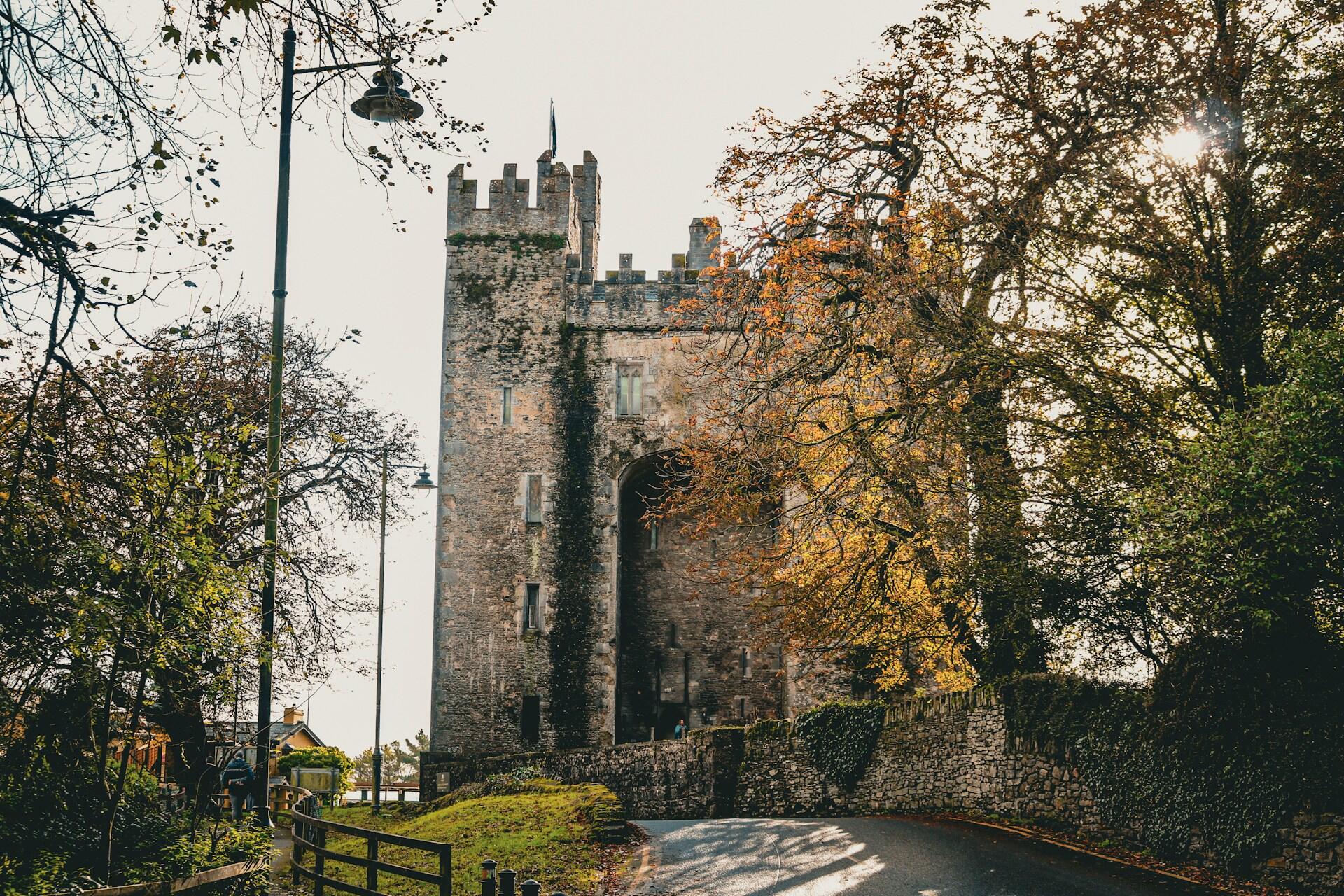
With a simple but effective narrative structure, each verse adds to the dialogue. This makes it great for understanding the situation. There's a lot of repetition and response. This is a common conversational style used in traditional songs, or at least one that survives when passed down through oral tradition.⁵
voices in the song, a young girl and her mother.
Irish Fairs and Markets in Traditional Life
Rural communities in Ireland relied on gatherings to meet, trade, and exchange goods. These events took place on specific days of the year and drew visitors from several surrounding areas. Farmers, traders, families, and entertainers were all in attendance, so you can see why somebody would be interested in attending; they were important social occasions as well as places of commerce.¹
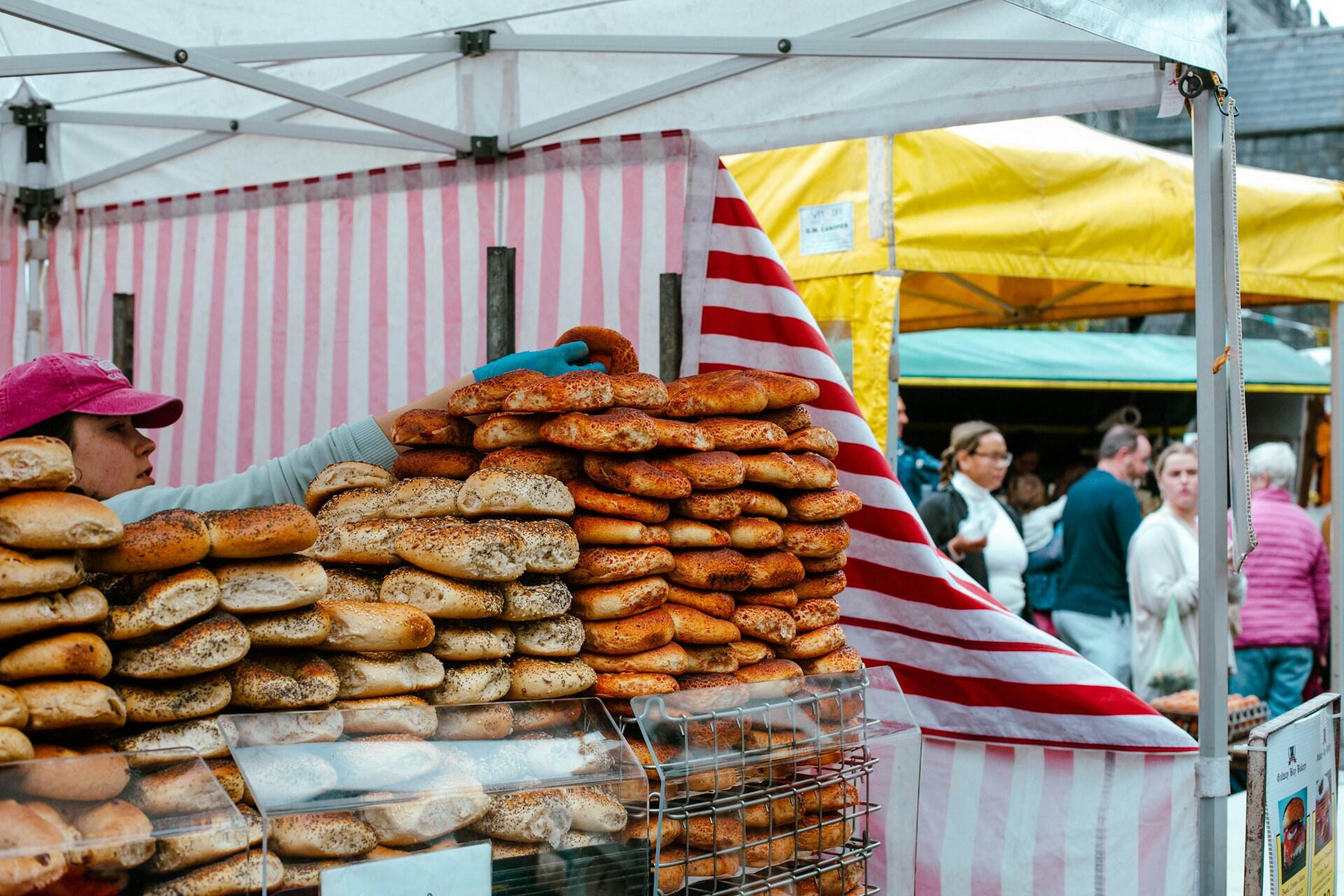
Central to the cultural calendar, fairs naturally found their way into storytelling and music. Folk songs regularly mention markets, fairs, or travelling performers. These were key moments for communities to gather, and news would travel between towns and villages. The fair itself wasn't really that important; it was the people who attended it, and the relationships formed there that made them so special and what songs and stories tend to talk about.⁵
Cultural understanding is important for both Irish and Irish folk songs, especially Irish rebel songs like Óró Sé do Bheatha Bhaile. These songs are often from a different time. This song, in particular, begins with the promise of one of these important gatherings.
An aonach is a traditional Irish fair or market. Historically, these gatherings were important events where people travelled from surrounding areas to buy and sell goods, trade livestock, and meet neighbours. In rural Ireland, fairs were social occasions as much as economic ones, which is why they appear so often in traditional Irish songs and stories.
A Song Often Taught to Children
Songs passed on informally within families and communities often share a few things in common. Simple melodies, repeated lines, and short verses all make for a good, memorable song. Lyrics have to be simple since most people didn't or couldn't write them down. The songs that were the easiest to sing together were often the ones that remained a part of everyday cultural life long after they first appeared.²

Teachers and parents often use these songs because they're good for young learners to hear the Irish language and its rhythm. Repetition makes them memorable, while the narrative structure helps children understand the lyrics.³
Beidh Aonach Amárach is often taught in Irish language classes because its structure is simple and repetitive. The dialogue between the girl and her mother makes the lyrics easy to follow, even for beginners. Teachers frequently use the song to help students practise pronunciation, vocabulary, and rhythm while learning about traditional Irish culture.
Why Beidh Aonach Amárach Is Popular in Irish Learning
Adults learning Irish can benefit from these kinds of traditional songs. They combine vocabulary, rhythm, and pronunciation in a way that's easier to remember than phrases in isolation. Rather than memorising individual words, learn them in context. This is what makes Beidh Aonach Amárach both cultural material and practical language practice.¹
the Irish Folklore Commission has recorded Ireland's songs, stories, and oral traditions.
The structure of this song makes it great for recognising the familiar words that reappear in later verses. Repetition is great for language learning, too, and often more enjoyable than detailed grammatical explanations. Whether you're learning this song or an Irish song like Trasna na dTonnta, singing or listening to the same phrases several times can make the language feel more natural and intuitive.⁴
A Simple Irish Song for Beginners
You'll likely encounter Beidh Aonach Amárach early in your Irish learning. Its clear and familiar sentence patterns make it accessible. It's a great starting point for building listening confidence and understanding how simple Irish phrases fit together.⁴
Important lines appear several times, which helps learners recognise and remember vocabulary.
The verses rely on straightforward sentence structures rather than complex grammar.
The exchange between characters helps learners follow the story as they hear different responses.
Singing the lyrics allows learners to practise Irish rhythm and sound patterns.
How the Song Is Used in Schools
Irish language education often uses this song. It's a great way to combine language learning and cultural learning. You'll find that songs like this frequently appear alongside reading and speaking exercises.²
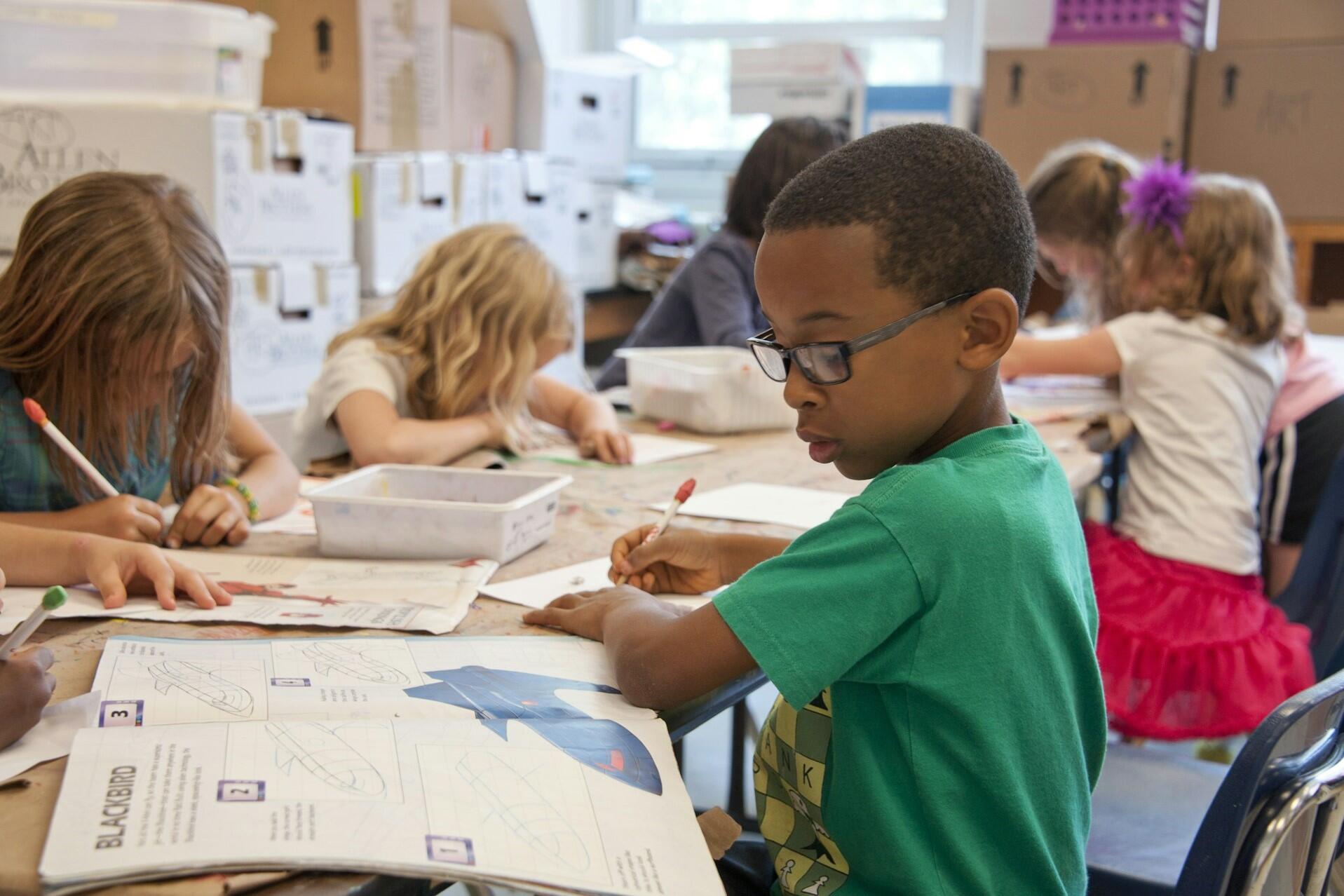
Teachers use songs to help students become familiar with Irish sounds and stress patterns.
Repeated lyrics allow students to recognise common words and phrases more easily.
Students may listen to recordings of the song and identify familiar expressions.
Traditional songs introduce learners to aspects of Irish rural life and storytelling.
References
- Bitesize Irish. “The Song’s Story – Beidh Aonach Amárach.” Bitesize Irish – Cúrsaí, https://cursai.bitesize.irish/topic/the-songs-story-beidh-aonach-amarach/. Accessed 13 Apr. 2026.
- “Beidh Aonach Amárach.” Ask About Ireland – Learning Zone, https://www.askaboutireland.ie/learning-zone/primary-students/1st-%2B-2nd-class/music/songs/beidh-aonach-amarach/. Accessed 13 Apr. 2026.
- “Beidh Aonach Amárach – Lyrics and Translation.” LyricsTranslate, https://lyricstranslate.com/en/altan-ireland-beidh-aonach-amarach-english. Accessed 13 Apr. 2026.
- “Beidh Aonach Amárach – Lyrics and Chords.” Songs in Irish, https://songsinirish.com/?song=beidh-aonach-amarach-lyrics. Accessed 13 Apr. 2026.
- “Beidh Aonach Amárach – Irish Nursery Rhyme.” NurseryRhymes.info, https://nurseryrhymes.info/irish/beidh-aonach-amarach/. Accessed 13 Apr. 2026.
Summarise with AI:
Did you like this article? Leave a rating!

 Loading...